Using a gas grill is straightforward once you understand the basic steps: connect the propane tank safely, open the grill lid, turn on the gas and igniter, and adjust the flames for cooking. Mastering these steps will have your grill ready in minutes.
Gas grills provide quick, controlled heat for consistent cooking, making them ideal for everything from burgers to vegetables. Knowing how to operate one properly not only improves flavor but also enhances safety during use.
This guide will walk you through the essential steps to operate a gas grill, highlight safety tips, explain temperature management, and explore cleaning techniques, giving you confidence to grill like a pro.
Preparing Your Gas Grill for Use
Connecting the Propane Tank
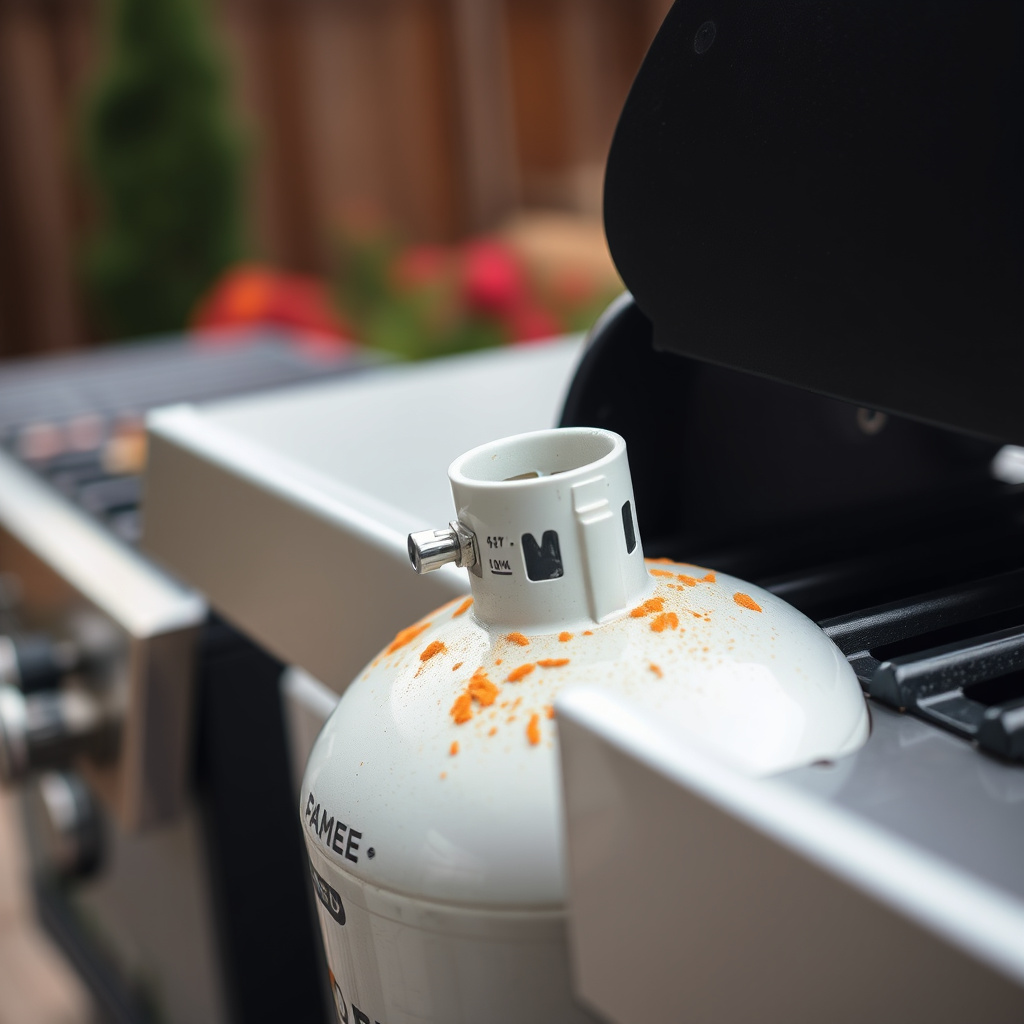
Start by placing your propane tank near your grill, ensuring the valve is closed. Attach the hose from the grill to the tank's valve securely, twisting it clockwise until tight to prevent gas leaks.
Always check for leaks by applying soapy water at the connection points. If bubbles appear when the valve is opened slightly, tighten connections or replace faulty parts before continuing.
- Check hose for cracks or wear
- Always keep valve closed when not in use
- Store propane tanks upright and outdoors
Inspecting and Cleaning Grill Components
Before lighting, inspect burners and grates for debris or rust. Remove any residue using a grill brush, as accumulated grease can cause flare-ups and uneven cooking.
Make sure burner ports are not blocked. Cleaning these parts regularly maintains the grill's performance and prolongs its lifespan.
- Remove grates for easier cleaning
- Use a scraper for tough residue
- Check drip trays for excess grease
Lighting and Operating the Gas Grill
Step-by-Step Ignition Process
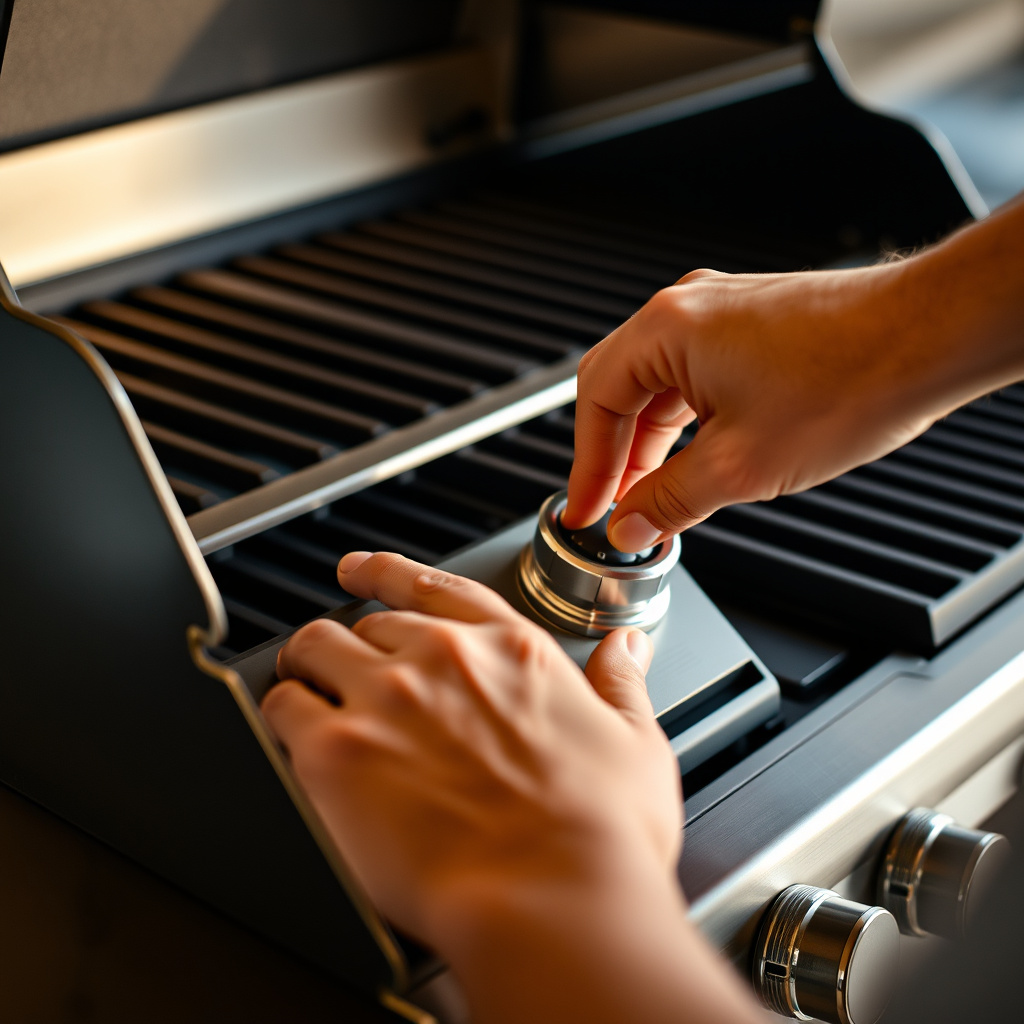
Open the grill lid fully before lighting to prevent gas build-up. Open the propane tank valve slowly, then turn the grill’s burner control knob to the 'start' or 'ignite' position while pressing the igniter button.
If the grill does not light immediately, wait several minutes for the gas to clear before trying again to avoid flare-ups.
- Keep grill lid open during ignition
- Avoid multiple quick ignition attempts
- Use matches only if the igniter fails, following safety guidelines
For more on this, see our related guide: How to Use a Charcoal Grill for Perfect Barbecue Every Time.
Adjusting Heat and Flame Levels
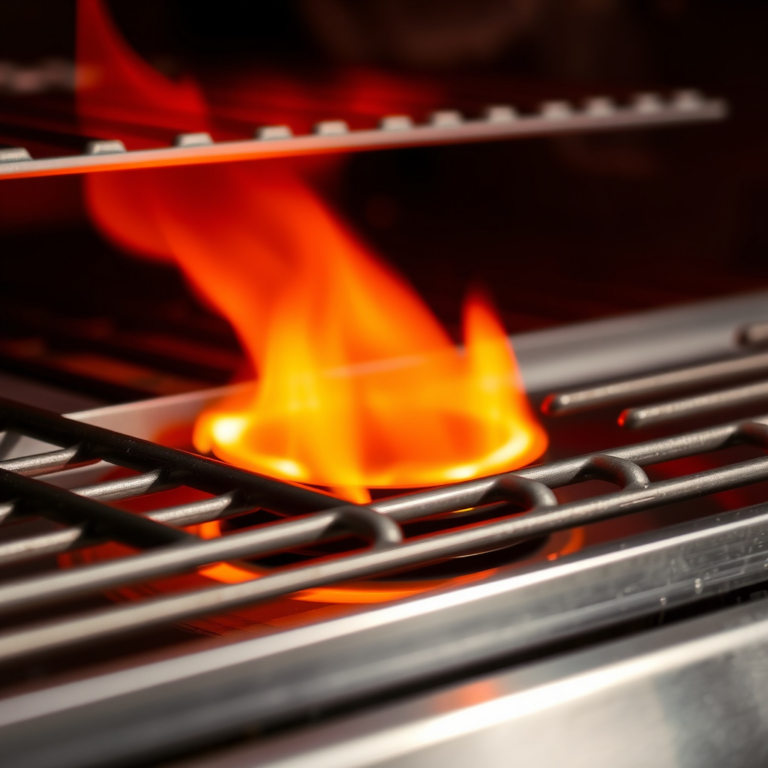
Gas grills allow you to control temperature by adjusting burner knobs. Lower settings are suitable for slow cooking or delicate items, while higher flames are best for searing.
Some grills feature temperature gauges; use these as guides but also learn the feel of your grill’s heat zones by practicing with different foods.
- Preheat grill for 10-15 minutes
- Use indirect heat for larger cuts
- Turn burners on/off individually to create zones
Essential Safety Tips for Gas Grill Use
Preventing Gas Leaks and Flare-Ups
Always perform a leak test when connecting or before using the propane tank. Stay alert for the smell of gas and never light the grill with the lid closed.
Keep a spray bottle of water nearby to manage small flare-ups and avoid wearing loose clothing that could catch fire.
- Regularly inspect hoses and valves
- Keep grill away from flammable materials
- Never leave a lit grill unattended
Safe Grill Placement and Handling
Position your grill on a stable, flat surface away from buildings, trees, and overhangs. This reduces fire hazards and improves ventilation.
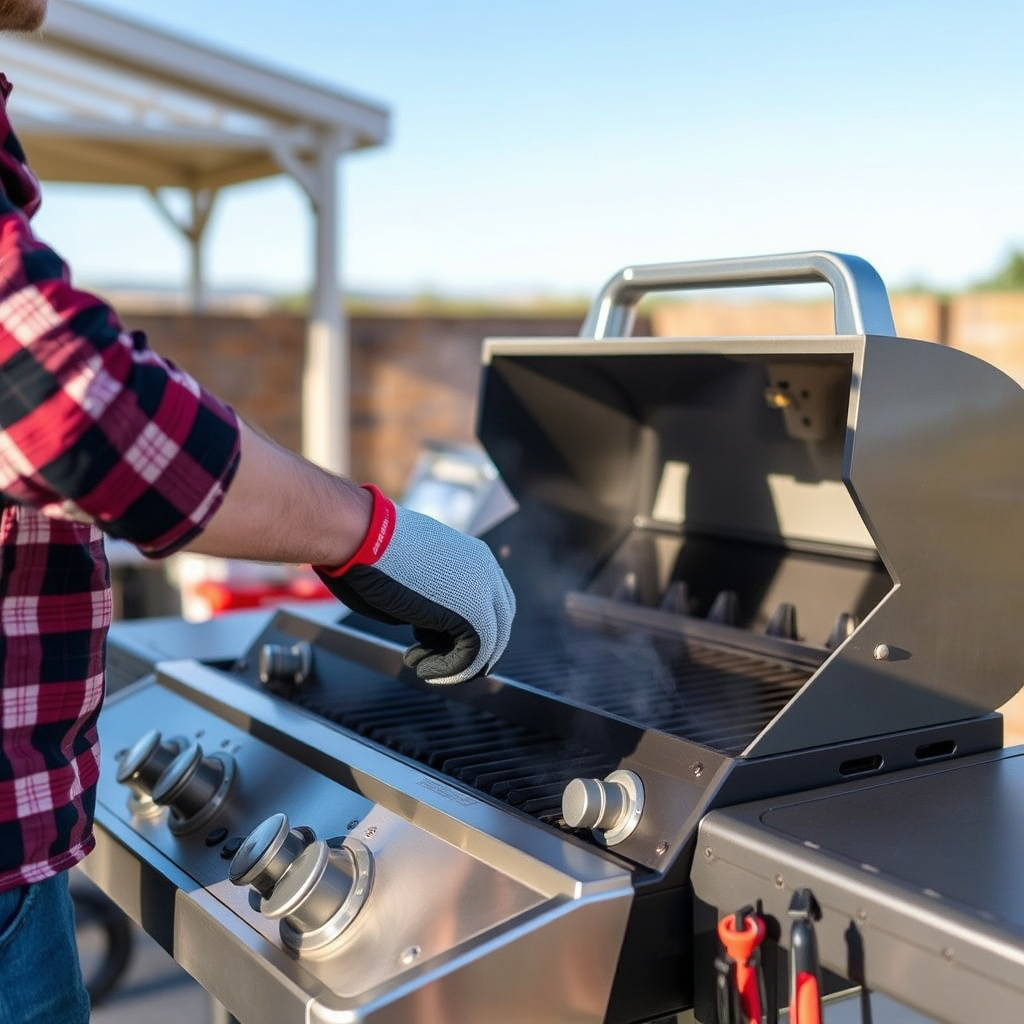
Handle the grill’s hot parts with heat-resistant gloves and avoid moving the grill while it’s in use or still hot.
- Maintain a clear perimeter around grill
- Use tools with long handles
- Keep children and pets away during grilling
Cooking Techniques on a Gas Grill
Direct Versus Indirect Grilling
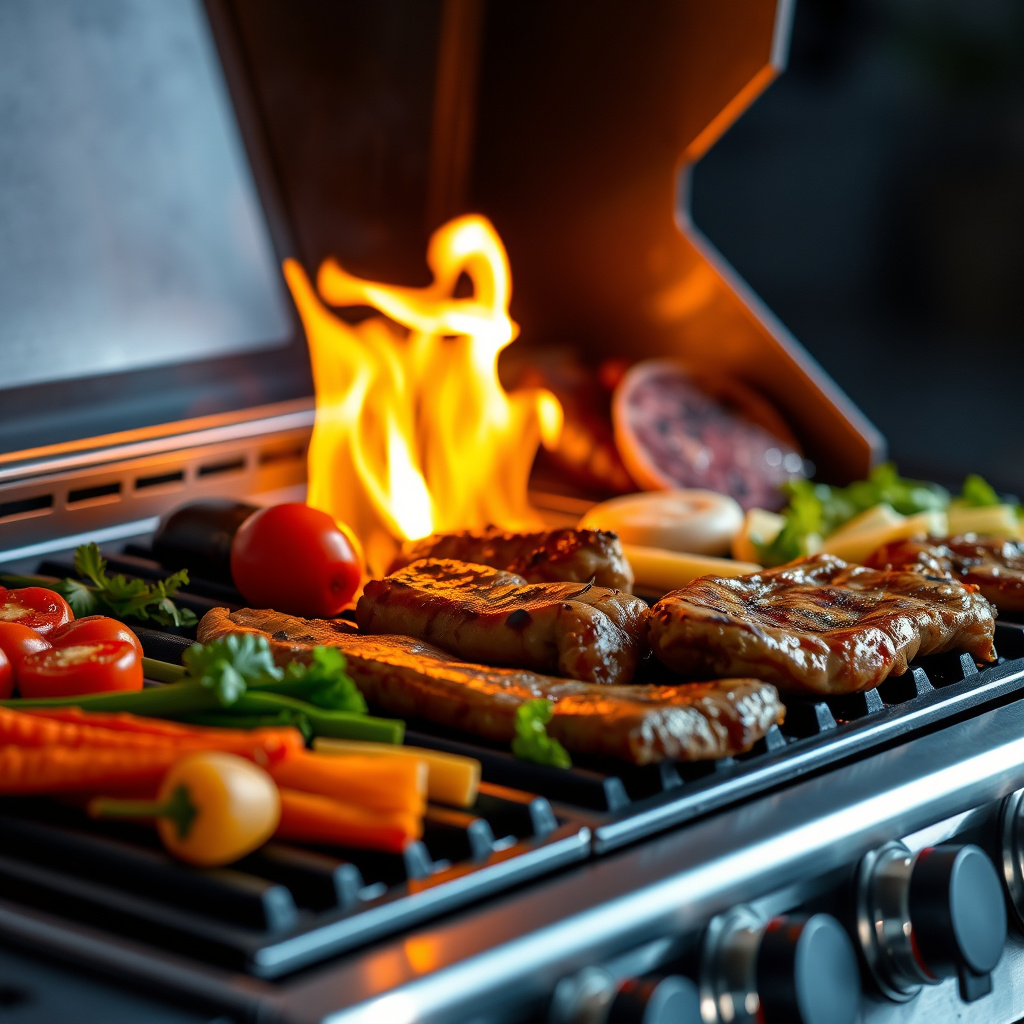
Direct grilling involves cooking food directly over the burners, ideal for quick-cooking items like burgers or steaks. This method produces searing heat for caramelization.
Indirect grilling means turning off one or more burners and placing food over the unlit section, allowing slower, even cooking suitable for larger or tougher cuts.
- Direct: High heat, fast cooking
- Indirect: Low heat, slow roasting
- Use drip trays with indirect method
For more on this, see our related guide: How to Start a Traeger Grill: A Step-by-Step Guide.
Managing Temperature Zones
Create temperature zones by adjusting burner levels or turning some burners off. This technique enables multitasking—searing on the hot side and finishing on the cooler side without burning food.
Familiarize yourself with how your grill heats different areas to prevent flare-ups and uneven cooking.
- High zone: searing steaks
- Medium zone: grilling vegetables
- Low zone: keeping food warm
Cleaning and Maintenance for Longevity
Daily Cleaning Routine
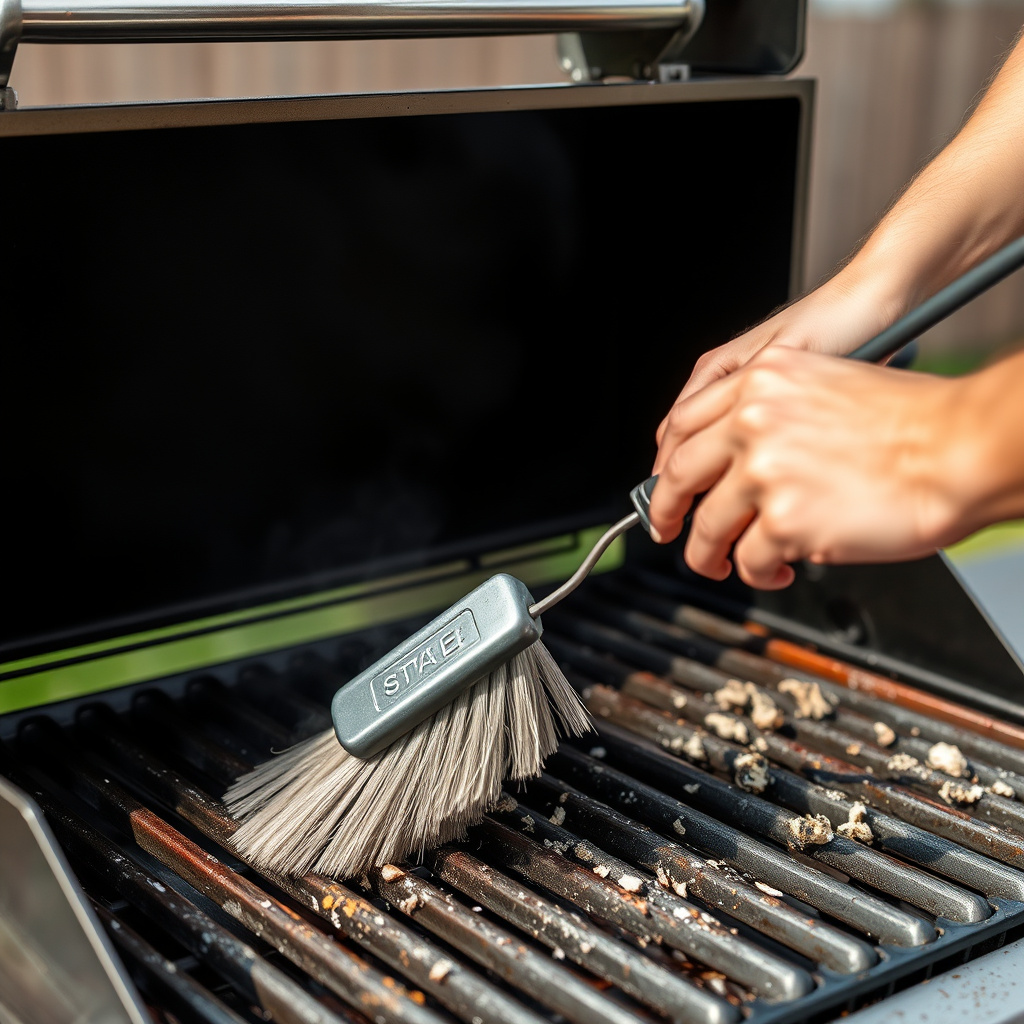
After each use, brush grates while still warm to remove food residue. Empty the drip tray regularly to prevent grease fires and wipe down exterior surfaces to maintain appearance.
Regular cleaning improves grill performance and reduces unpleasant odors.
- Use grill brush on grates
- Empty and clean drip pan
- Wipe exterior with mild detergent
For detailed background and technical information on gas grills, you can refer to the Gas grill information on Wikipedia. Gas grill information on Wikipedia.
Seasonal Deep Cleaning and Inspection
At least once per season, thoroughly clean burners, remove and soak grates, and check hoses for cracks or leaks. Replace parts as needed to keep your grill functioning safely.
Cover your grill when not in use to protect it from the elements, extending its life and saving maintenance effort.
- Remove burners and scrub ports
- Inspect regulator and connectors
- Store grill under a protective cover
Gas Grill Types Comparison
Different gas grills offer varied features and performance characteristics; here is a comparison to help you decide which suits your grilling style.
| Grill Type | Heat Output (BTU) | Portability | Price Range | Best For |
|---|---|---|---|---|
| Cart Gas Grill | 30,000-60,000 | Low – heavy and stationary | $200-$800 | Backyards and frequent grilling |
| Portable Gas Grill | 8,000-20,000 | High – compact and lightweight | $100-$300 | Camping and tailgating |
| Built-In Gas Grill | 40,000-80,000 | Low – fixed installation | $1,000-$5,000 | Outdoor kitchens and entertaining |
| Infrared Gas Grill | 30,000-50,000 | Medium – sometimes portable | $400-$1,200 | High-heat searing |
Frequently Asked Questions
How long should I preheat my gas grill?
Preheat your gas grill for 10 to 15 minutes with the lid closed. This ensures the grates reach the correct cooking temperature for searing and helps kill any bacteria.
Is it safe to leave a gas grill unattended while cooking?
It's best not to leave a lit gas grill unattended. Maintaining supervision helps manage flare-ups quickly and prevents accidents or fire hazards.
Can I use charcoal in a gas grill?
Gas grills are designed specifically for gas fuel. Using charcoal in a gas grill can be unsafe and damage the grill, so it's recommended to use charcoal grills for charcoal fuel.
How often should I check for gas leaks?
Check for gas leaks every time you attach a new propane tank or before the grilling season begins. Regular inspection ensures safe operation by detecting leaks early.
What tools do I need to grill effectively on a gas grill?
Essential tools include a grill brush, long-handled tongs, spatula, meat thermometer, and heat-resistant gloves to handle food safely and maintain the grill properly.
Key Takeaways
- Connect propane tanks securely and check for leaks before use.
- Operate your gas grill with the lid open during ignition.
- Use direct and indirect heat zones for versatile cooking.
- Clean your grill regularly to extend its lifespan and performance.
Conclusion
Understanding how to use a gas grill involves learning the safe and efficient setup, ignition, and operation steps to get the best results on your food. Taking time to inspect connections, manage heat, and control flames helps you cook evenly and reduces risks during grilling sessions. Knowledge of these basics builds a strong foundation for successful grilling outings, whether casual or ambitious.
Choosing the right grill type impacts your cooking experience significantly. For backyard chefs, a cart gas grill may provide ample heat and storage, while those who grill occasionally outdoors might prefer a portable gas grill for convenience. For culinary enthusiasts seeking precision, infrared gas grills offer intense searing capabilities. Recognizing how to use a gas grill properly empowers you to explore various cooking styles and expand your grilling repertoire safely.
Start with familiarizing yourself with your grill’s manual and practicing safe ignition and temperature adjustments. Gradually experiment with different grilling methods like direct and indirect heat to understand your grill’s layout. With regular cleaning and maintenance, you will keep your gas grill performing well for years. This approach transforms grilling into an enjoyable and rewarding cooking experience, perfect for gatherings or everyday meals.