Starting a charcoal grill involves arranging the charcoal properly, lighting it efficiently, and waiting for the briquettes to reach the right cooking temperature. The most straightforward method is to use a chimney starter that ignites the charcoal evenly without relying heavily on lighter fluid.
Mastering how to start a charcoal grill is essential because it affects cooking control, flavor, and safety. Charcoal grilling offers a unique smoky taste that gas grills often lack, but lighting the charcoal incorrectly can lead to uneven heat or flare-ups.
This article will explain the various ways to ignite charcoal, including using chimney starters, lighter fluid, and electric starters. It will also cover charcoal arrangement for different heat levels, tips for maintaining consistent temperature, and safety advice to get the best grilling experience.
Essential Tools and Materials for Starting a Charcoal Grill
Must-Have Starter Tools
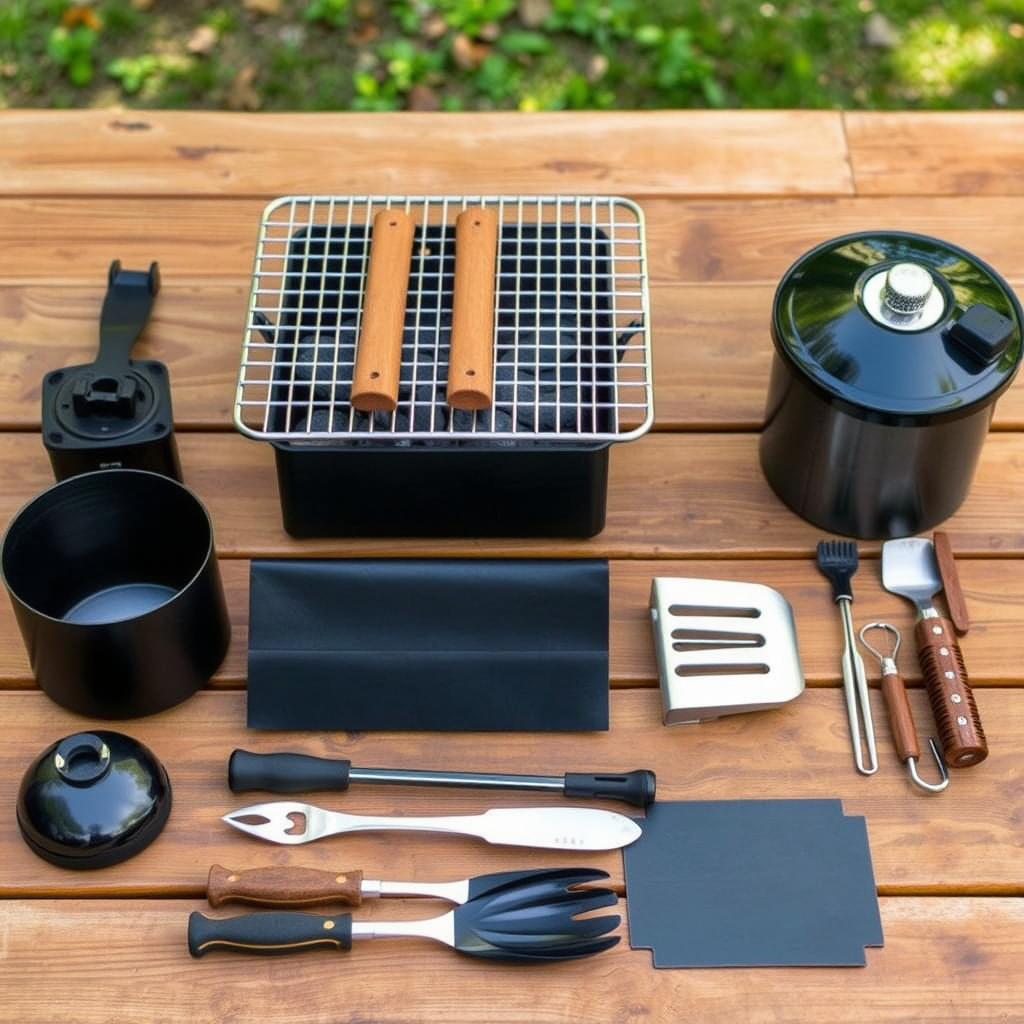
Having the right tools makes lighting a charcoal grill far easier and safer. Essential items include a chimney starter, long matches or a lighter, charcoal briquettes or lump charcoal, and heat-resistant gloves.
A chimney starter is a metal cylinder that holds charcoal at the top and allows air to flow beneath to promote even burning. Long matches or lighters keep your hands safely away from flames, while gloves protect against burns.
- Chimney starter
- Charcoal briquettes or lump charcoal
- Long matches or lighter
- Heat-resistant gloves
- Fireproof surface or grill grate
Alternatives to Chimney Starters
If you don’t have a chimney starter, lighter fluid and electric charcoal starters are common alternatives. Lighter fluid helps ignite charcoal quickly but requires caution to avoid flare-ups or chemical taste.
Electric starters plug into an outlet and heat the coals directly without any chemicals. While slower than lighter fluid, electric starters produce steady heat but need a power source and careful handling.
- Lighter fluid (use sparingly and let it burn off)
- Electric charcoal starter (heat coil)
- Natural fire starters like wood chips or paraffin cubes
Step-by-Step Instructions for Lighting a Charcoal Grill
Using a Chimney Starter
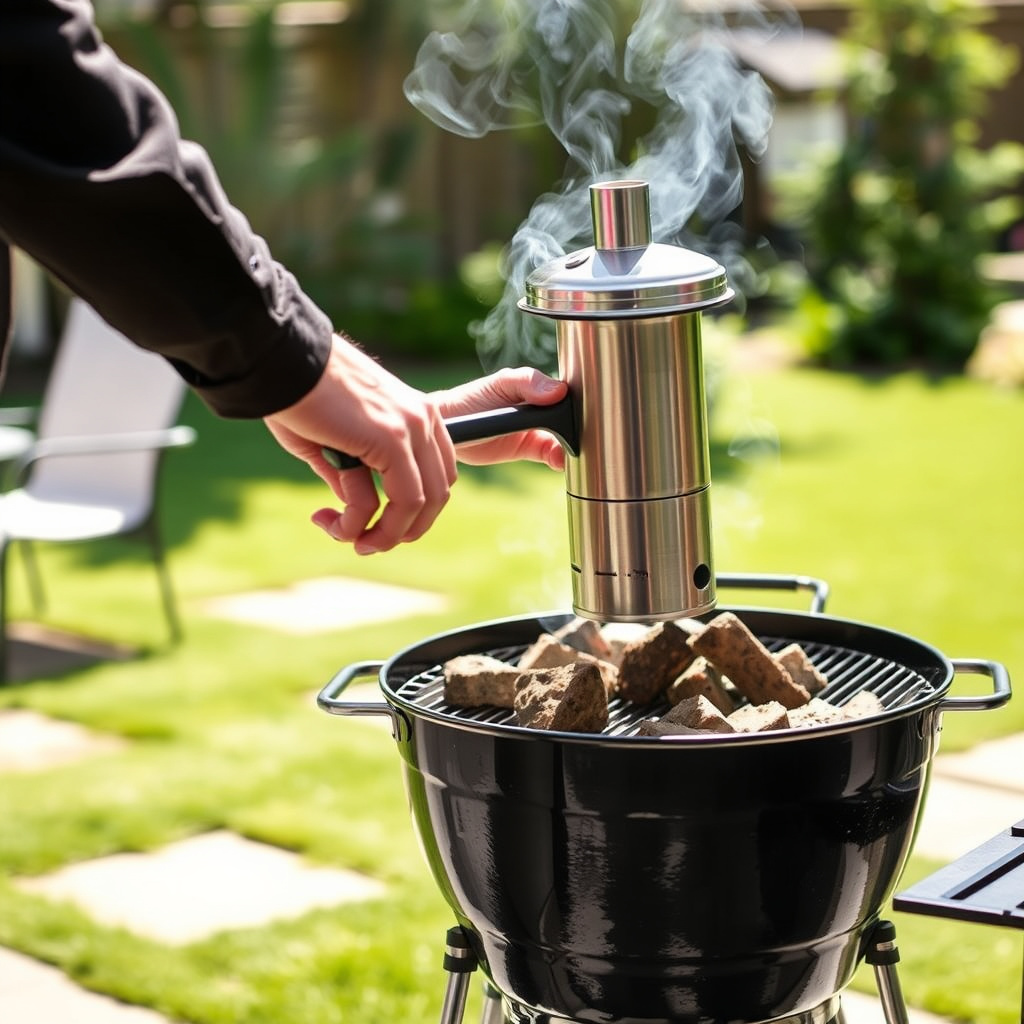
Fill the chimney starter with the amount of charcoal needed for your cooking session. Crumple a couple of sheets of newspaper or use natural fire starters in the bottom compartment. Light the paper or starters with a match or lighter.
Allow the charcoal to burn until covered with gray ash, which usually takes 10-15 minutes. Pour the hot charcoal into the grill’s charcoal grate safely, using heat-resistant gloves, and arrange coals according to cooking temperature needs.
- Fill chimney 3/4 full with charcoal
- Light newspaper at the bottom chamber
- Wait 10-15 minutes until coals ash over
- Pour coals into grill using gloves
Lighting Charcoal with Lighter Fluid
Arrange charcoal in a pile inside the grill. Apply lighter fluid evenly and allow it to soak for about 30 seconds to a minute before lighting. Light the charcoal with extreme caution from several angles for even ignition.
Do not add lighter fluid to burning coals as this causes flare-ups. Let the charcoal burn and ash over completely before starting to cook to avoid chemical taste.
- Pile charcoal evenly
- Apply lighter fluid and wait 30-60 seconds
- Light charcoal carefully from different sides
- Wait for gray ash before cooking
Charcoal Arrangement and Temperature Control
Direct vs. Indirect Heat Setup
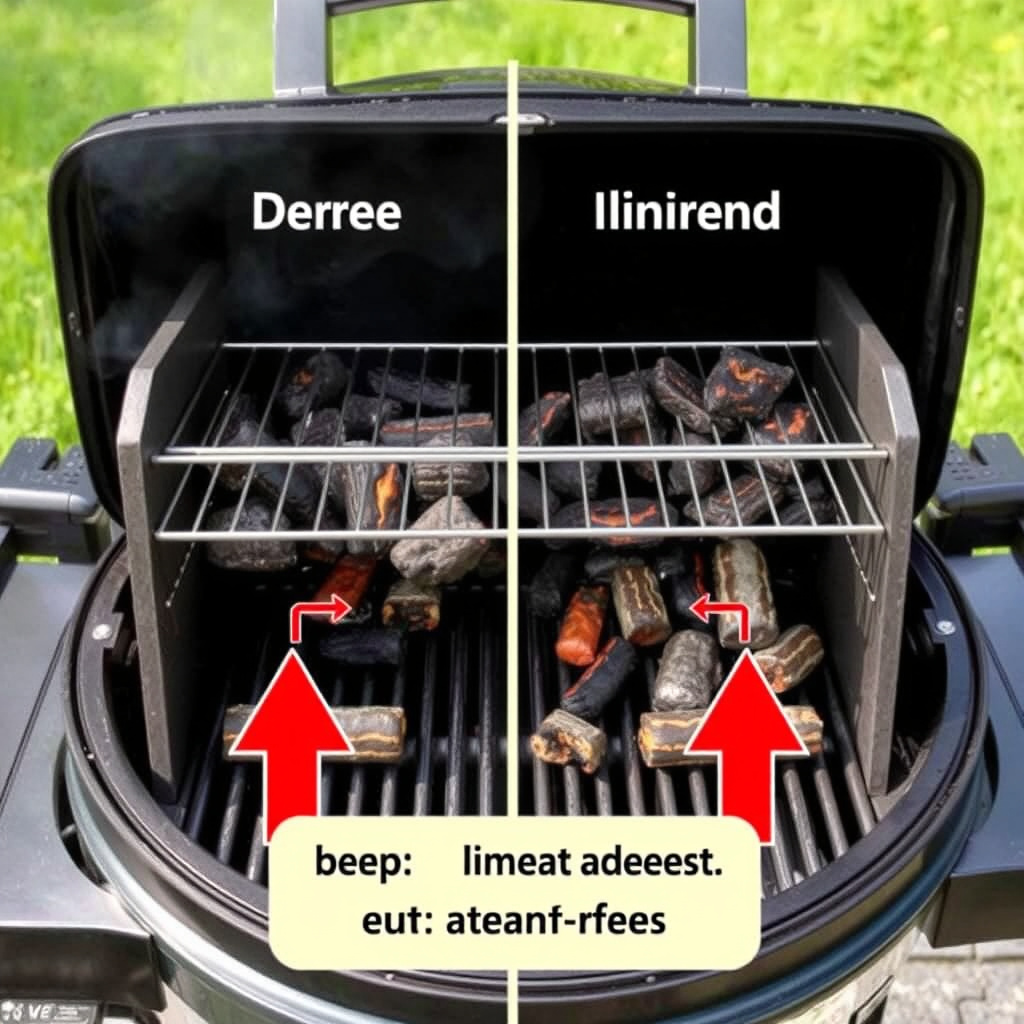
Direct heat grilling involves spreading the hot charcoal evenly beneath the cooking grate for high heat, suitable for fast-cooking foods like burgers or steaks. Indirect heat places coals to one side, allowing slower cooking without flare-ups.
Setting up your coals correctly lets you maximize flavor and cooking control. For indirect grilling, use two-zone fire with coals on one half of the grill and food on the cooler side.
- Direct heat: charcoal spread evenly
- Indirect heat: charcoal piled on one side
- Adjust charcoal quantity for temperature control
For more on this, see our related guide: How to Light Charcoal Without Lighter Fluid: Safe and Effective Methods.
Adding Charcoal During Cooking
Longer cooking sessions require replenishing charcoal to maintain heat, especially with briquettes that burn longer than lump charcoal. Add fresh charcoal mid-cook by gently placing it near glowing coals.
Avoid disturbing the cooking grate too much to maintain temperature stability. Using chimney starters allows you to ignite fresh coals while cooking without disruption.
- Use chimney starter to pre-light new coals
- Add coals near existing hot charcoal carefully
- Monitor grill temperature with a thermometer
Safety Tips for Starting a Charcoal Grill
Preventing Flare-Ups and Burns
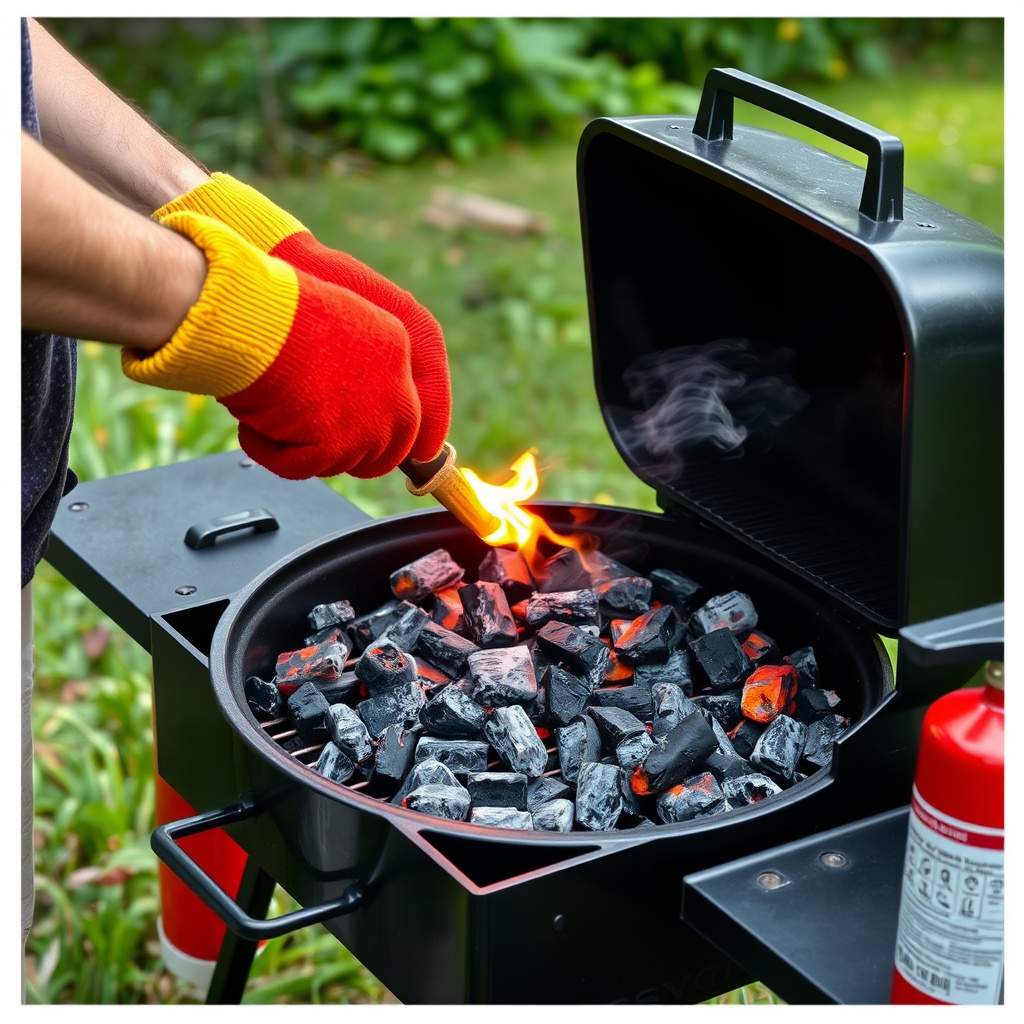
Always light charcoal in a well-ventilated outdoor space away from flammable materials. Avoid pouring lighter fluid onto hot or burning coals to prevent dangerous flare-ups.
Wear heat-resistant gloves during lighting and coal handling. Keep a fire extinguisher or water source nearby for emergencies.
- Light coals in open areas only
- Never add lighter fluid to burning charcoal
- Use heat-resistant gloves
- Keep fire extinguisher nearby
Proper Grill Placement and Cleanup
Set your grill on a stable, fireproof surface like concrete or gravel. Do not place grills too close to walls, trees, or wooden decks. After grilling, allow coals to cool completely and dispose properly to prevent accidental fires.
Regular grill cleaning helps prevent grease buildup, which can cause flares during subsequent grilling sessions.
- Place grill on stable, non-flammable ground
- Maintain 10+ feet clearance from structures
- Cool and dispose of ashes safely
- Clean grill grates and interior regularly
Common Charcoal Grill Lighting Mistakes to Avoid
Using Too Much Lighter Fluid
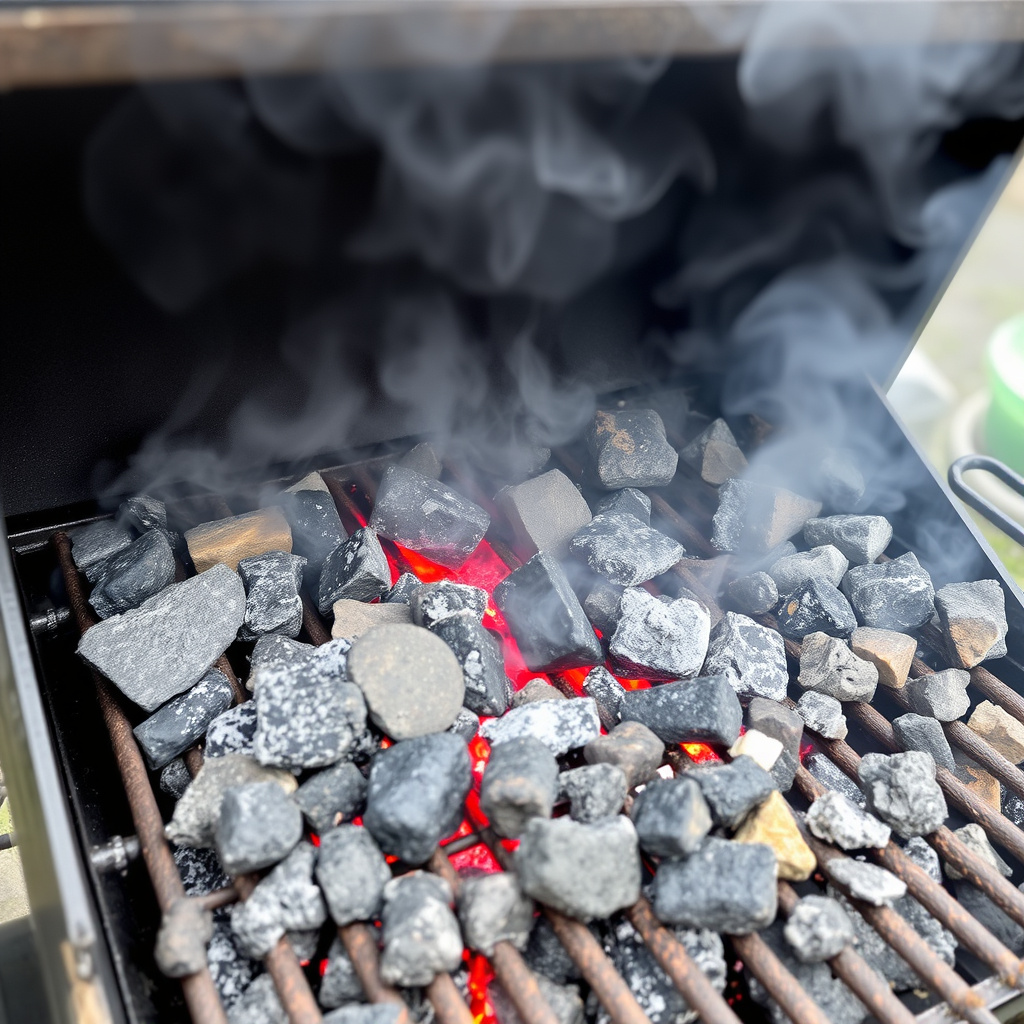
Excessive lighter fluid can cause sudden flare-ups and impart unpleasant chemical flavors to food. Applying fluid unevenly can create hot spots that burn food quickly.
Always use lighter fluid sparingly and allow it to soak into charcoal before lighting. Consider natural fire starters or chimney starters to minimize chemical use.
- Use only recommended amounts
- Never add fluid to burning coals
- Consider alternatives like chimney starters
For more on this, see our related guide: How to Light a Charcoal Grill for Perfect Backyard BBQs.
Not Waiting for Coals to Ash Over
Cooking before charcoal is fully lit wastes fuel and leads to uneven temperatures. White-gray ash indicates coals are ready and will provide consistent heat.
Wait patiently for the coals to ash over rather than rushing the grilling process to ensure better cooking results.
- Wait 10-15 minutes after lighting
- Look for gray-white ash on coals
- Avoid premature cooking starts
Maintaining Consistent Heat While Grilling
Using a Grill Thermometer for Temperature Control
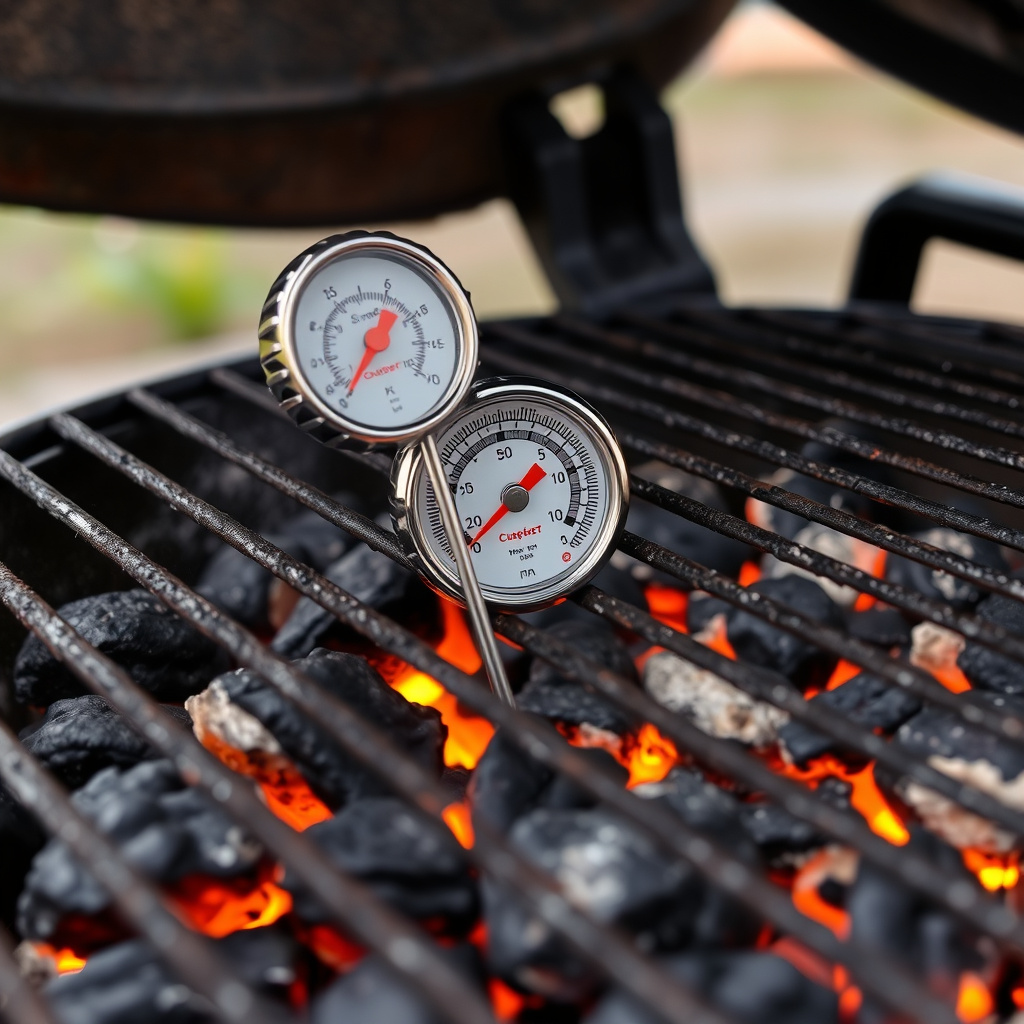
Monitoring grill temperature helps manage cooking times and food doneness. Built-in lid thermometers or standalone probes show the heat inside the grill, typically ranging between 225°F for low heat and 600°F for high heat.
Adjust vents and add charcoal as needed to stabilize temperature. Closing the lid retains heat and smoke while vents regulate airflow to prevent overheating or cooling.
- Use lid thermometers or probe gauges
- Adjust vents to control airflow
- Add charcoal to boost heat
For more detailed information on charcoal grilling basics, visit this comprehensive Wikipedia article. charcoal grilling basics.
Vent Management for Heat and Smoke Control
Charcoal grill vents regulate oxygen supply, essential for heat control. Opening vents fully increases temperature but can cause faster charcoal burn; closing them reduces heat and smoke flow.
Balanced vent adjustment helps maintain steady grilling temperature and infuse smoke flavor without temperature spikes.
- Open vents for higher heat
- Close vents partially to lower heat
- Match vent settings to cooking style
Charcoal Grill Lighting Methods Comparison
Here’s a comparison of popular charcoal grill lighting options to help decide which fits your grilling habit and safety preferences.
| Method | Speed | Ease of Use | Flavor Impact | Safety | Cost |
|---|---|---|---|---|---|
| Chimney Starter | 10-15 min | Easy | No chemical taste | High | Low |
| Lighter Fluid | 5-10 min | Moderate | Possible chemical taste | Moderate | Low |
| Electric Starter | 15-20 min | Easy | No chemical taste | High | Moderate |
| Natural Fire Starters | 12-18 min | Moderate | No chemical taste | High | Low |
| Newspaper Only | 15-20 min | Harder | No chemical taste | Moderate | Free |
Frequently Asked Questions
Can I start a charcoal grill without lighter fluid or a chimney starter?
Yes, you can start charcoal using crumpled newspaper or natural fire starters placed beneath the charcoal pile. It may take longer and require more attention to airflow to get the coals fully lit.
How do I know when charcoal is ready for grilling?
Charcoal is ready when covered with a light gray ash layer and glowing red underneath. This usually takes 10-15 minutes after lighting and ensures a stable, even heat for cooking.
Is lump charcoal better than briquettes for starting a grill?
Lump charcoal lights faster and burns hotter but less evenly than briquettes. Briquettes provide consistent heat and longer burn time, making them easier for controlled grilling.
How should I safely dispose of used charcoal ashes?
Allow ashes to cool completely, then transfer them to a metal container for disposal. Never discard hot ashes in bins with flammable materials to avoid fire hazards.
What causes flare-ups when lighting a charcoal grill?
Flare-ups usually result from excess lighter fluid, fat dripping onto hot coals, or poor airflow. Avoid over-applying fluid and maintain proper ventilation to minimize flare-ups.
Key Takeaways
- Use a chimney starter for the safest and cleanest charcoal ignition.
- Arrange charcoal for direct or indirect heat based on cooking needs.
- Wait for charcoal to ash over before placing food on the grill.
- Manage vents to control temperature and smoke flavor.
Conclusion
Understanding how to start a charcoal grill is foundational for enjoying the unique flavors and satisfaction charcoal grilling delivers. The key is to ignite the charcoal evenly and safely to create consistent heat for cooking. Choosing the right method depends on your tools, experience, and safety preferences, but the chimney starter consistently offers an efficient and chemical-free way to light charcoal. Learning to manage charcoal arrangement and airflow completes the preparation, allowing precise temperature control and better flavor outcomes.
For beginner grillers, a chimney starter paired with briquettes offers the best balance of reliability and ease, minimizing chemical exposure while producing steady heat. Those seeking quicker ignition might opt for lighter fluid but should exercise caution to avoid flare-ups and chemical aftertastes. Electric charcoal starters provide a hands-off alternative but require power sources. Once lit, understanding direct and indirect heat setups helps tailor cook times and flavors for different foods like quick-searing steaks or slow-cooked ribs.
If you’re ready to get started, gather your materials—preferably a chimney starter, quality charcoal, and heat-resistant gloves—and practice lighting coals outdoors on a safe surface. Measuring grill temperature with a thermometer and adjusting vents will further refine your grilling. With patience and practice, mastering how to start a charcoal grill will unlock memorable meals and new backyard cooking adventures.