Using a charcoal grill involves creating a hot bed of glowing coals, managing airflow for temperature control, and grilling food directly or indirectly for even cooking. Start by lighting briquettes or lump charcoal in a chimney starter, then arrange them once the coals are covered with white ash. This method ensures a strong, steady heat for grilling steaks, burgers, or vegetables.
Charcoal grilling is prized for the smoky flavor it imparts to food, which you can't replicate with gas grills. Knowing how to regulate temperature by adjusting vents and coal placement helps prevent burning or undercooking. Plus, maintaining proper heat zones makes it possible to cook different foods simultaneously at their ideal temperatures.
This guide will explain the full process from lighting charcoal, setting up direct and indirect heat cooking zones, to grilling techniques and cleanup. You'll also find safety tips and advice on handling different types of charcoal and accessories to enhance your grilling experience.
Preparing Your Charcoal Grill for Cooking
Choosing the Right Charcoal and Tools
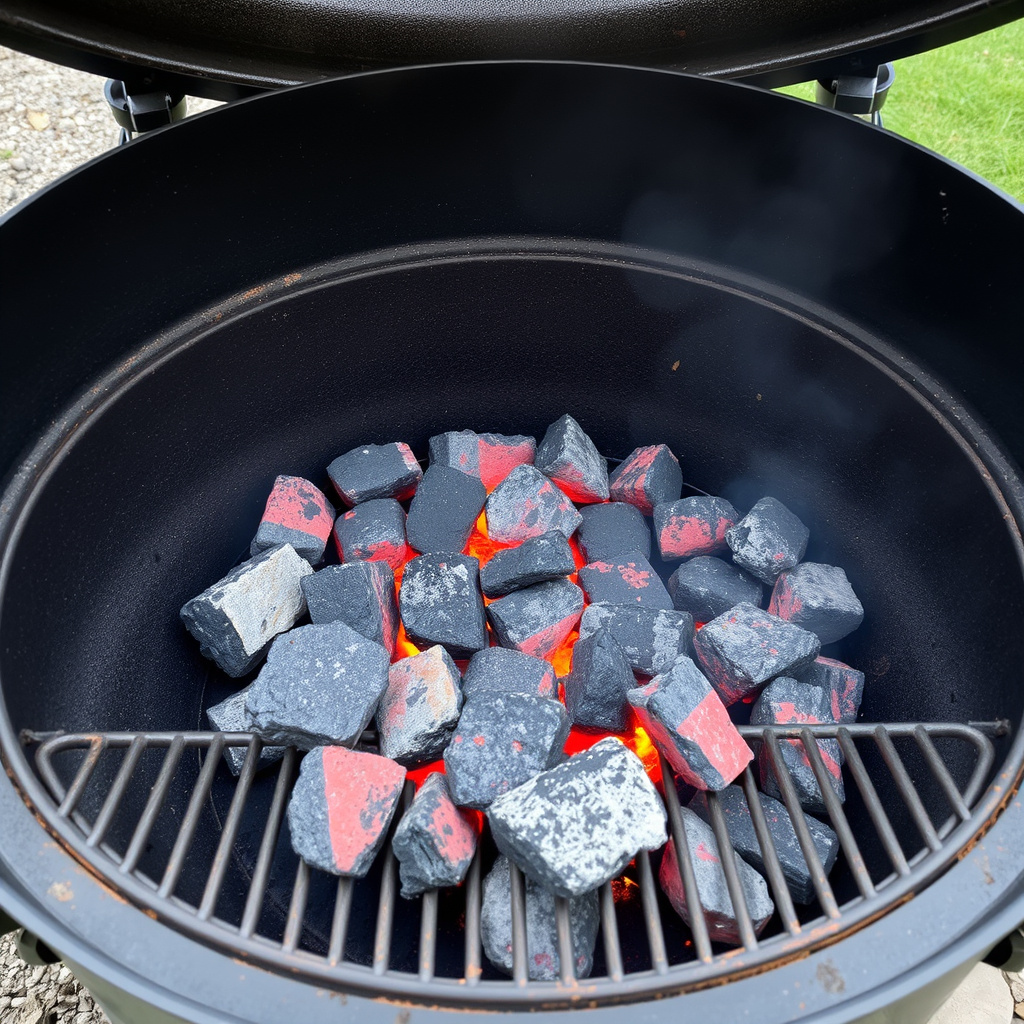
Charcoal briquettes and lump charcoal are the two main types available. Briquettes burn consistently and last longer, making them great for beginners. Lump charcoal lights faster and burns hotter, offering a more natural smoky flavor. Along with charcoal, essential tools include a chimney starter for lighting, long-handled tongs, and a grill brush.
Using a chimney starter avoids lighter fluid, which can alter food taste and cause flare-ups. You'll pour the charcoal into the chimney, light newspaper underneath, and wait about 15 minutes until the coals are covered with white-gray ash and glowing hot. This is the safest and most effective method to start your grill.
- Charcoal briquettes: consistent burn, longer heat
- Lump charcoal: hotter burn, natural wood flavor
- Chimney starter: efficient, chemical-free lighting
- Long tongs and grill brush essential for safety and cleaning
Setting Up the Grill and Airflow
Once charcoal is ready, pour it into the grill's charcoal grate. Position the coals depending on your cooking method: pile in the center for direct heat or spread to one side for indirect heat. The adjustable vents control airflow and temperature. Opening vents allows more oxygen, heating the fire, while closing them reduces oxygen flow and lowers heat.
Start by opening both bottom and top vents fully to fuel the fire. Once temperature stabilizes in about 10 minutes, adjust vents to maintain the desired heat level. Proper airflow management is essential for grilling success, letting you create hot zones for searing and cooler zones for slower cooking.
- Direct heat: charcoal piled under food for searing
- Indirect heat: charcoal on one side, food on opposite side for slow cooking
- Bottom vents control oxygen intake; top vents control exhaust
- Adjust vents gradually to stabilize temperature
Mastering Temperature Control and Heat Zones
Creating Direct and Indirect Heat Zones
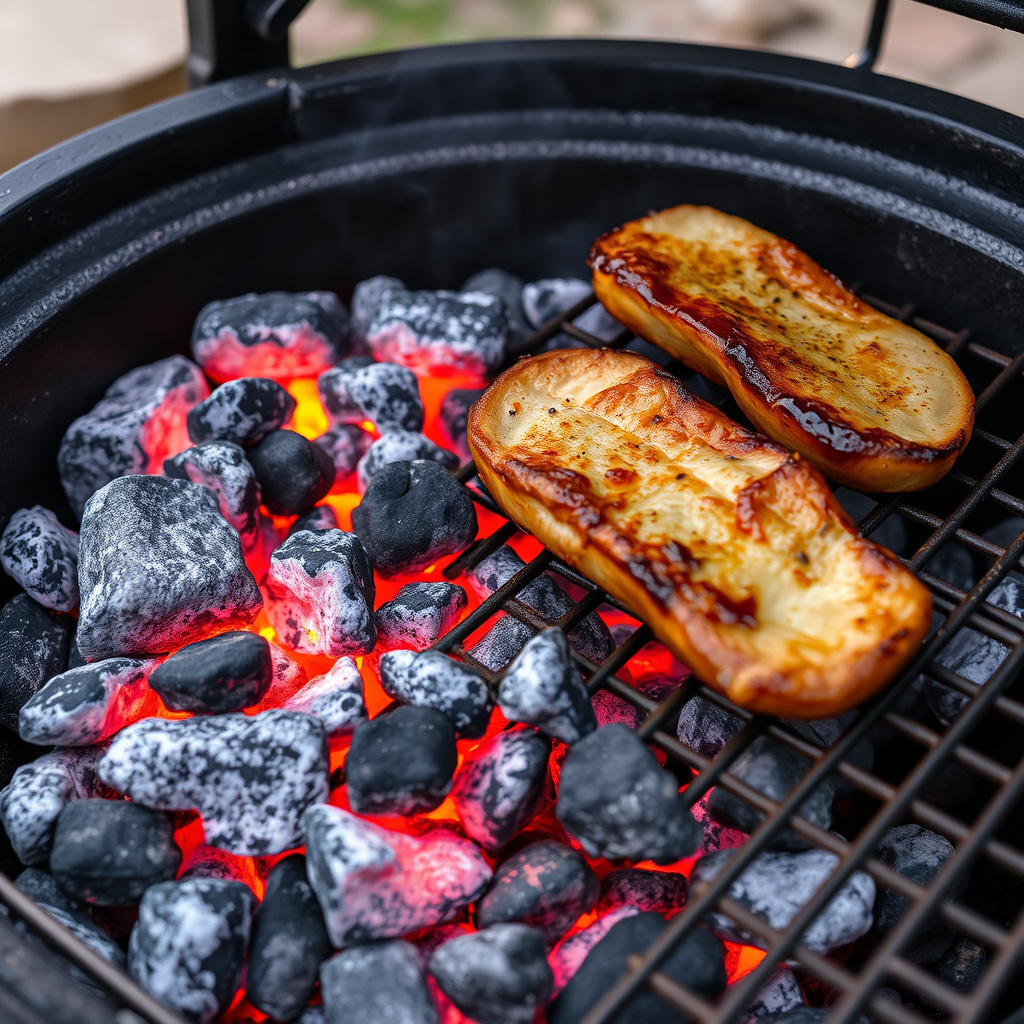
A charcoal grill's versatility comes from managing heat zones. For direct heat, place coals directly beneath the grill grate area where food will sit, ideal for quick-cooking items like steaks or burgers. For indirect heat, coals go to one side; food cooks on the opposite side, perfect for larger cuts or slower cooking, preventing burning.
By shifting coals or adjusting their spread inside the grill, you create a temperature gradient. This setup allows you to sear over hot coals, then move food to cooler areas to finish without overcooking. Learning this technique is key to mastering any charcoal grill cooking.
- Direct heat zone: 500°F or higher for searing
- Indirect zone: 250-350°F for slow roasting
- Use a two-zone fire setup for versatile cooking
- Move food between zones to control doneness
For more on this, see our related guide: How to Start a Traeger Grill: A Step-by-Step Guide.
Using a Grill Thermometer and Adjusting Vents
A built-in or standalone grill thermometer helps monitor the cooking temperature accurately. Temperatures indicated on the grill’s lid give an estimate of internal heat. Adjust vents based on thermometer readings: open more for higher temperatures, close partially to reduce heat. Avoid fully closing vents as it can smother the coals and extinguish the fire.
Maintaining consistent temperature is challenging but rewarding. Small adjustments to vents every 15-20 minutes can keep the grill within the desired range. For long cooks like ribs or brisket, patience and steady airflow control prevent temperature spikes or drops that affect food quality.
- Use grill thermometer for real-time temperature readings
- Open vents to increase heat; close slightly to lower
- Avoid fully closing vents to prevent fire extinguishing
- Check vents every 15-20 minutes during cooking
Effective Charcoal Grill Cooking Techniques
Searing and Grilling Over Direct Heat
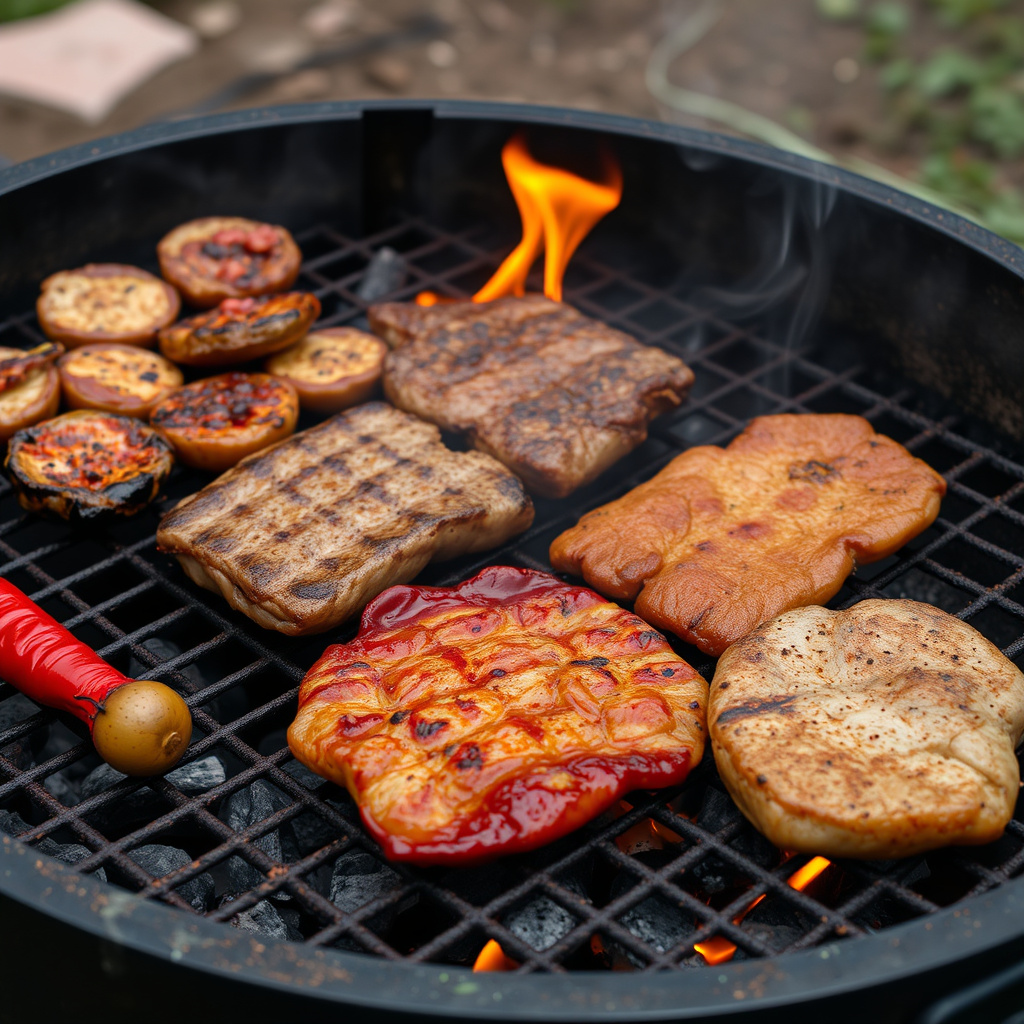
Direct heat grilling is ideal for smaller cuts or items that cook quickly. Place food directly over hot coals to develop a caramelized crust and smoky flavor. Use tongs to turn food gently to avoid piercing and losing juices. For best results, preheat the grate to prevent sticking, and only flip once for clean grill marks and even cooking.
Timing is key: thin steaks or burgers need just a few minutes per side, while vegetables require watchful attention to avoid burning. Charcoal grill cooking tips recommend starting with dry, room-temperature food and applying oil to avoid flare-ups and sticking.
- Preheat grill grate 5-10 minutes before cooking
- Place food directly over coals for searing
- Turn food with tongs only once if possible
- Oil food lightly and keep vent open to reduce flare-ups
Slow Cooking with Indirect Heat
Indirect heat is the go-to technique for larger cuts, like whole chickens, ribs, or roasts, which require longer cooking times. Position charcoal on one side and food on the opposite side, closed lid traps heat and smoke for an even cook. This resembles oven-style roasting but enhanced with smoky flavor.
Maintain low and steady temperature by adjusting vents and adding small amounts of charcoal every hour if needed. Consider using a water pan inside the grill to regulate moisture and prevent the meat from drying out during slow cooks.
- Place coals to one side and food on the other
- Close lid to keep heat and smoke inside
- Add charcoal gradually to maintain temperature
- Use water pan to retain moisture
Safety and Cleanup Tips for Charcoal Grilling
Safe Handling and Fire Prevention
Charcoal grills involve open flames and hot surfaces, so safety is paramount. Always light charcoal outdoors on a stable surface away from flammable materials. Use a chimney starter instead of lighter fluid to avoid chemical flare-ups. Keep a spray bottle or fire extinguisher nearby to control unexpected flames.
Do not leave the grill unattended while lit, especially if children or pets are nearby. After cooking, close all vents to starve the fire for quicker cooling and dispose of cooled ashes in a metal container. Never discard hot coals directly into a trash bin or on the ground.
- Light charcoal outdoors with chimney starter
- Keep fire extinguisher or spray bottle nearby
- Never leave grill unattended while lit
- Dispose of cooled ashes safely in metal container
For more on this, see our related guide: How to Start a Charcoal Grill: A Step-by-Step Guide for Beginners.
Cleaning the Grill for Longevity and Taste
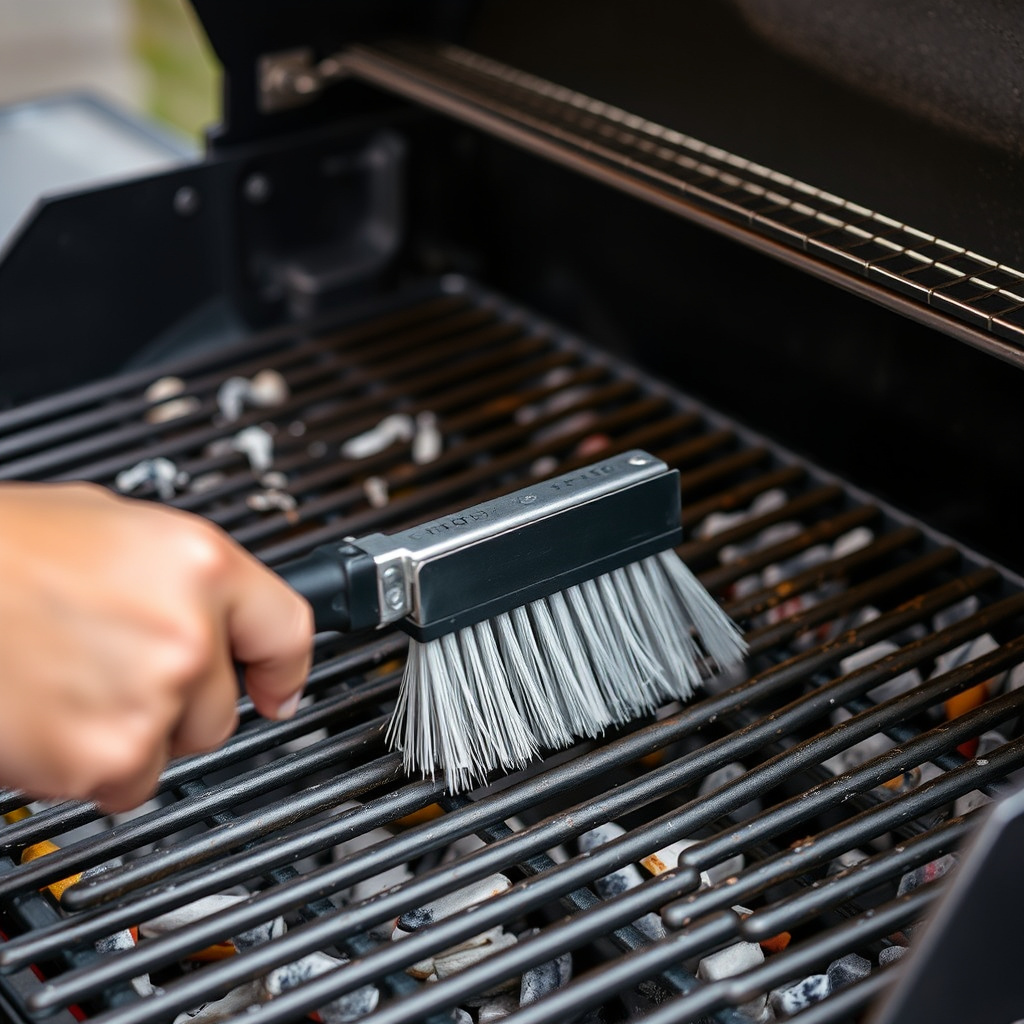
Cleaning prevents buildup of grease and residue that can cause flare-ups or off-flavors. After every cook, brush the grill grate while still warm to remove stuck-on crumbs. At the end of the season, deep clean by removing ash from the firebox and scrubbing grates with soap and water.
Oil the grate lightly before storage to prevent rust and cover the grill with a waterproof cover. Regular maintenance extends the life of your charcoal grill and ensures your barbecue always tastes fresh without charred residue.
- Brush grill grate after every use
- Remove ash and clean thoroughly at season end
- Oil grates lightly before storage
- Use a grill cover to protect from elements
Choosing Charcoal Grill Accessories to Enhance Your Experience
Essential Tools for Efficient Grilling
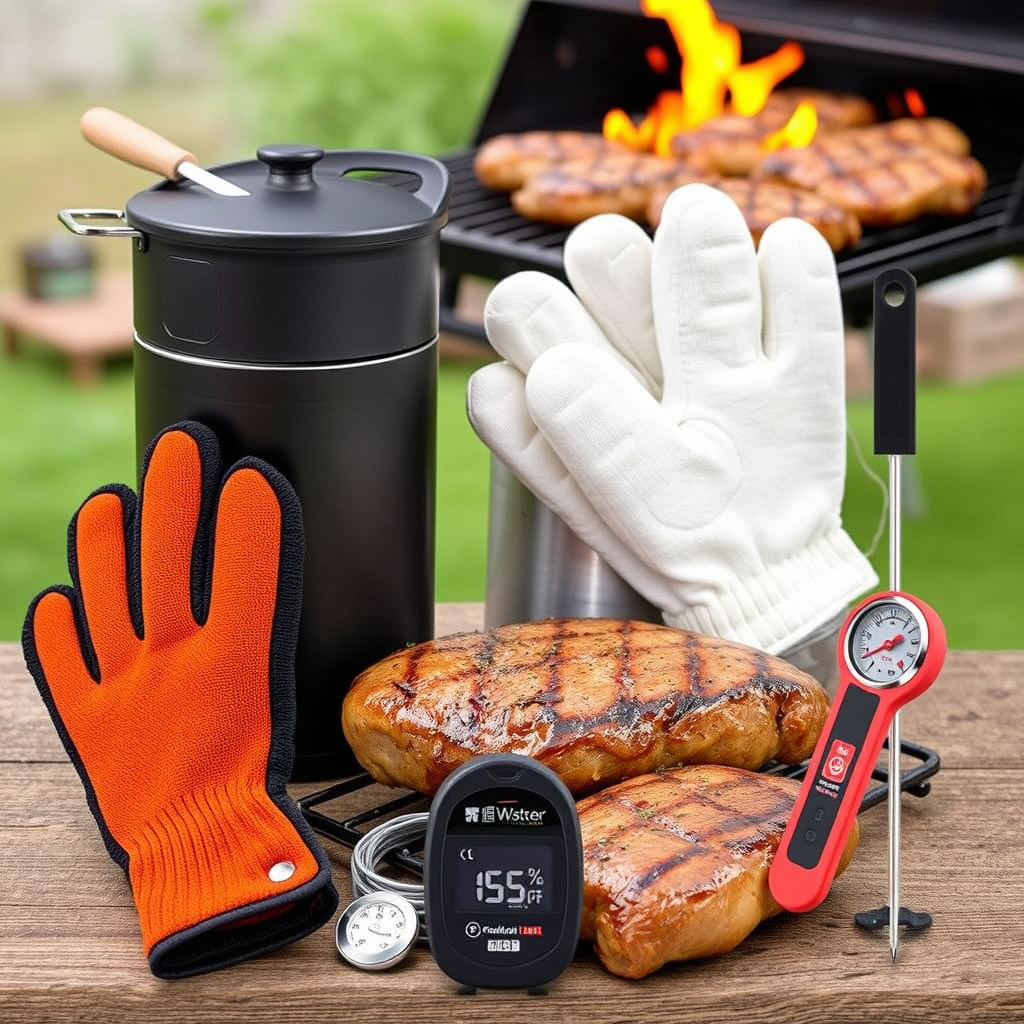
A few basic accessories make charcoal grilling easier and safer. A chimney starter lights charcoal evenly without chemicals; heat-resistant gloves protect hands from burns. A reliable meat thermometer takes the guesswork out of doneness and prevents undercooking or overcooking.
Additionally, having a sturdy set of long tongs, a spatula, and a grill brush for cleaning are must-have tools. These accessories enable precise control and safer handling of hot food and coals.
- Chimney starter for easy charcoal lighting
- Heat-resistant gloves for safety
- Meat thermometer for accurate cooking
- Long tongs and grill brush
For more detailed information on charcoal grills, consult this comprehensive resource on charcoal grill basics. Charcoal grill basics.
Optional Accessories for Flavor and Convenience
For enthusiasts wanting to add wood smoke flavor, wood chunks or chips paired with a smoker box provide variety beyond charcoal alone. Grill baskets and griddles expand the types of food you can cook, while an ash tool helps with cleanup.
A good quality grill cover protects your investment from weather, and a drip pan catches juices to prevent flare-ups and facilitate cleanup. These extras transform basic charcoal grilling into a richer, more flexible experience.
- Wood chunks or smoker box for added smoke flavor
- Grill baskets and griddles for different foods
- Ash removal tools
- Grill cover for protection from elements
Charcoal Grill Types Comparison
This table compares common types of charcoal grills to help you choose the best fit for your grilling needs.
| Type | Portability | Cooking Area (sq. in.) | Price Range | Best For |
|---|---|---|---|---|
| Kettle Grill | Moderate | 300-440 | $100-$300 | Backyard grilling and smoking |
| Kamado Grill | Low | 250-600 | $400-$1500 | Heat retention, smoking, versatility |
| Disposable Charcoal Grill | High | 100-150 | $10-$20 | Camping or single-use convenience |
| Barrel Grill | Low | 400-900 | $200-$600 | Large gatherings and party grilling |
| Portable Charcoal Grill | High | 150-250 | $70-$200 | Tailgating and picnics |
Frequently Asked Questions
How long does charcoal take to be ready for grilling?
Charcoal typically takes about 15-20 minutes to be fully lit and covered with white-gray ash, indicating it’s ready for cooking.
Can I reuse charcoal from a previous grilling session?
Generally, it's best to start with fresh charcoal for consistent heat, but partially burned briquettes can sometimes be reused if they still have ignitable material left.
What is the best way to extinguish charcoal after grilling?
Close all the grill vents to cut off oxygen supply, letting the charcoal cool down completely before safely disposing of ash in a metal container.
Is it safe to cook directly over charcoal flames?
Cooking directly over flames can cause flare-ups and uneven cooking. It’s safer to cook over hot embers with minimal or no direct flames for better heat control.
How do I prevent my food from sticking to the grill grate?
Preheat the grill grate thoroughly and lightly oil the food before placing it on the grate. This creates a non-stick surface and reduces tearing.
Key Takeaways
- Use a chimney starter to light charcoal safely and evenly.
- Manage airflow via vents to control grill temperature.
- Create direct and indirect heat zones for versatile cooking.
- Clean and maintain your grill regularly for best results.
Conclusion
Understanding how to use a charcoal grill effectively hinges on mastering fire control, heat zones, and appropriate cooking techniques. The hands-on nature of charcoal grilling allows precise temperature adjustments through vent operation and coal arrangement. This balance between art and science delivers the signature smoky flavor that defines charcoal-cooked food and provides a gratifying cooking experience.
Different types of charcoal grills suit different needs: the classic kettle grill offers straightforward versatility, while kamado grills provide superior heat retention for longer cooks. For casual occasions or limited space, portable and disposable grills make charcoal grilling accessible anywhere. Employing charcoal grill cooking tips such as using a thermometer and managing airflow will elevate your grilling performance no matter your grill type.
Start your charcoal grilling journey with proper accessories like a chimney starter, heat-resistant gloves, and a reliable thermometer. Practice creating temperature zones and regulating vents to gain confidence. With patience and experience, you'll turn out delicious grilled dishes prized for their smoky aroma and satisfying char, perfect for gatherings or everyday meals.