
Gas grills cook food using propane or natural gas that flows through burner tubes where it ignites to produce a consistent flame. This direct flame provides the heat necessary to grill meat, vegetables, and other foods evenly and efficiently.
Understanding how gas grills work is helpful for safely operating the grill and maintaining it for long-lasting performance. Unlike charcoal grills, gas grills offer quick start-up times and precise temperature control, making outdoor cooking more convenient and enjoyable.
This article explains the main parts of a gas grill, how the ignition and burner system functions, safety components, and maintenance tips. We'll also compare gas grill types and features to help you grasp the essentials of their operation.
Main Components of a Gas Grill
Burners and Gas Supply
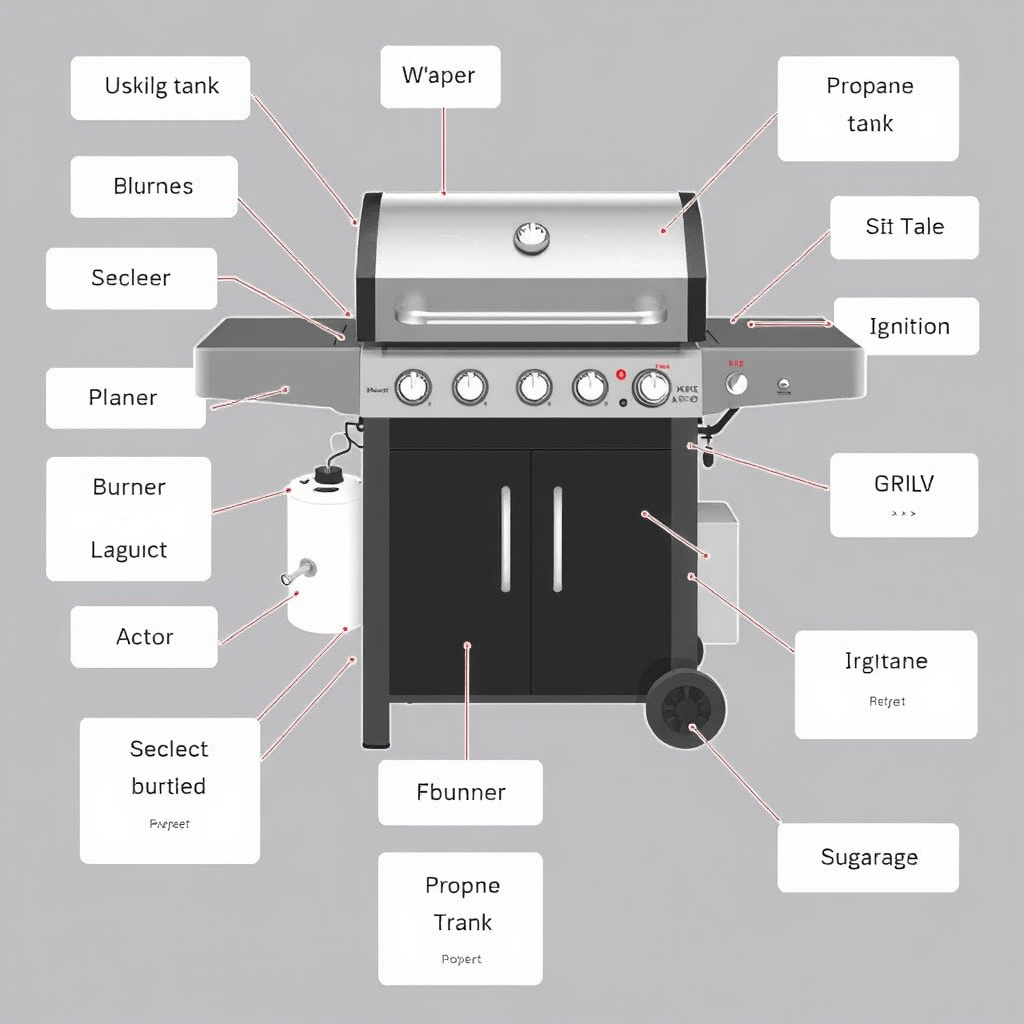
Burners are the heart of any gas grill, responsible for distributing gas from the propane tank or natural gas line and converting it into a flame. Most grills use stainless steel or cast iron burners designed to withstand high heat and resist corrosion.
The gas flows through control valves that regulate pressure before entering the burners, creating a stream of gas that is ignited to generate heat. Proper burner maintenance ensures consistent flame quality for even cooking.
Ignition Systems
Gas grills typically use either manual ignition, electronic spark ignition, or push-button ignitors. The ignite system produces a spark or opens a flame to light the gas coming out of the burners.
Electronic ignitors use batteries or a built-in electric current to create a spark, offering a safer and easier way to start the grill compared to lighting burners manually with a match or lighter.
How Ignition and Flame Control Works in Gas Grills
Starting the Grill
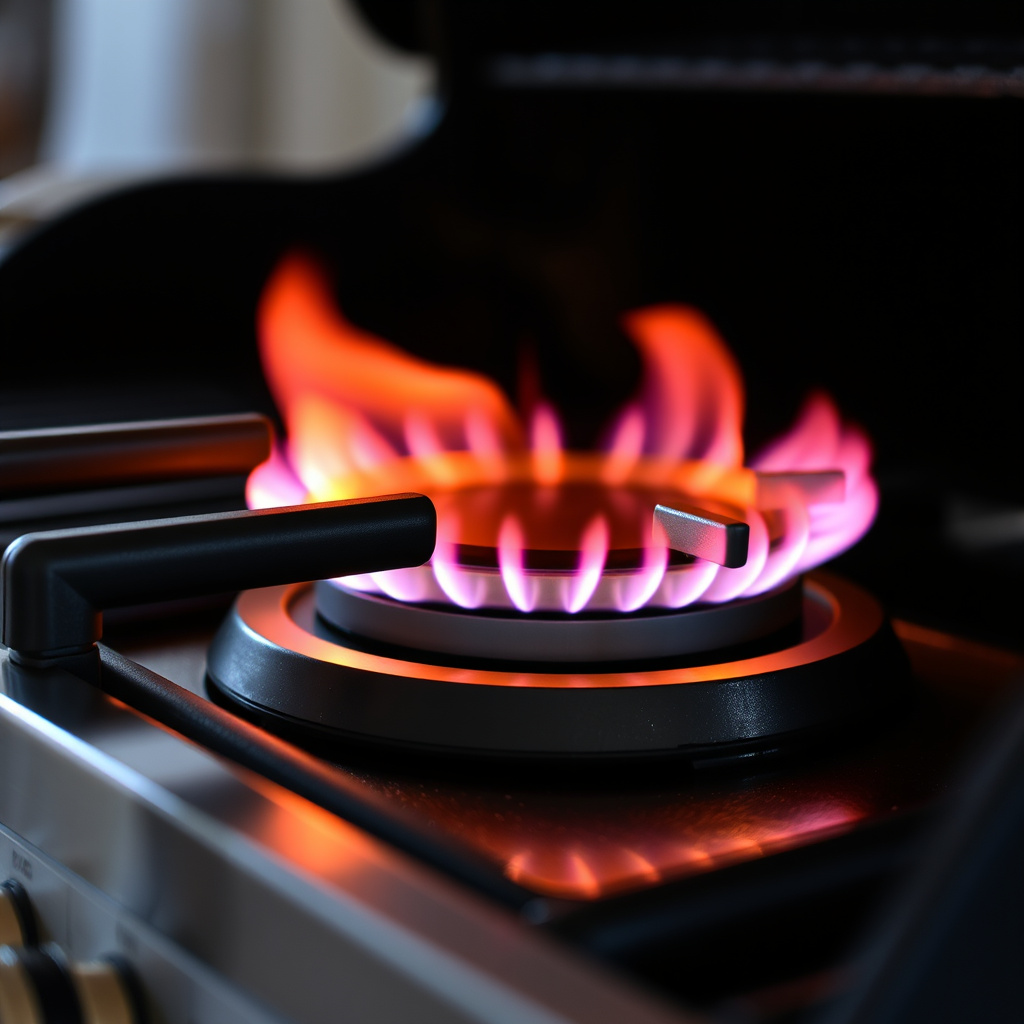
When the control knob is turned on, gas flows into the burner tubes. The ignitor generates sparks that ignite this gas, producing a steady flame. Safety features like flame failure devices ensure gas flow stops if the flame goes out unexpectedly.
Once ignition is successful, the grill heats up quickly, allowing you to preheat cooking surfaces before placing food on the grates.
Adjusting Heat Levels
Control knobs adjust the gas flow, controlling flame size and thereby the cooking temperature. Lower settings create a gentler heat for slow cooking, while higher settings provide intense direct heat for searing.
Many gas grills include multiple burners with separate controls. This allows for creating different temperature zones, making it easy to cook various foods simultaneously.
- Adjust flame with control knobs
- Use multiple burner zones for varied heat
- Preheat grill before cooking
Safety Features and Precautions
Pressure Regulators and Leak Prevention
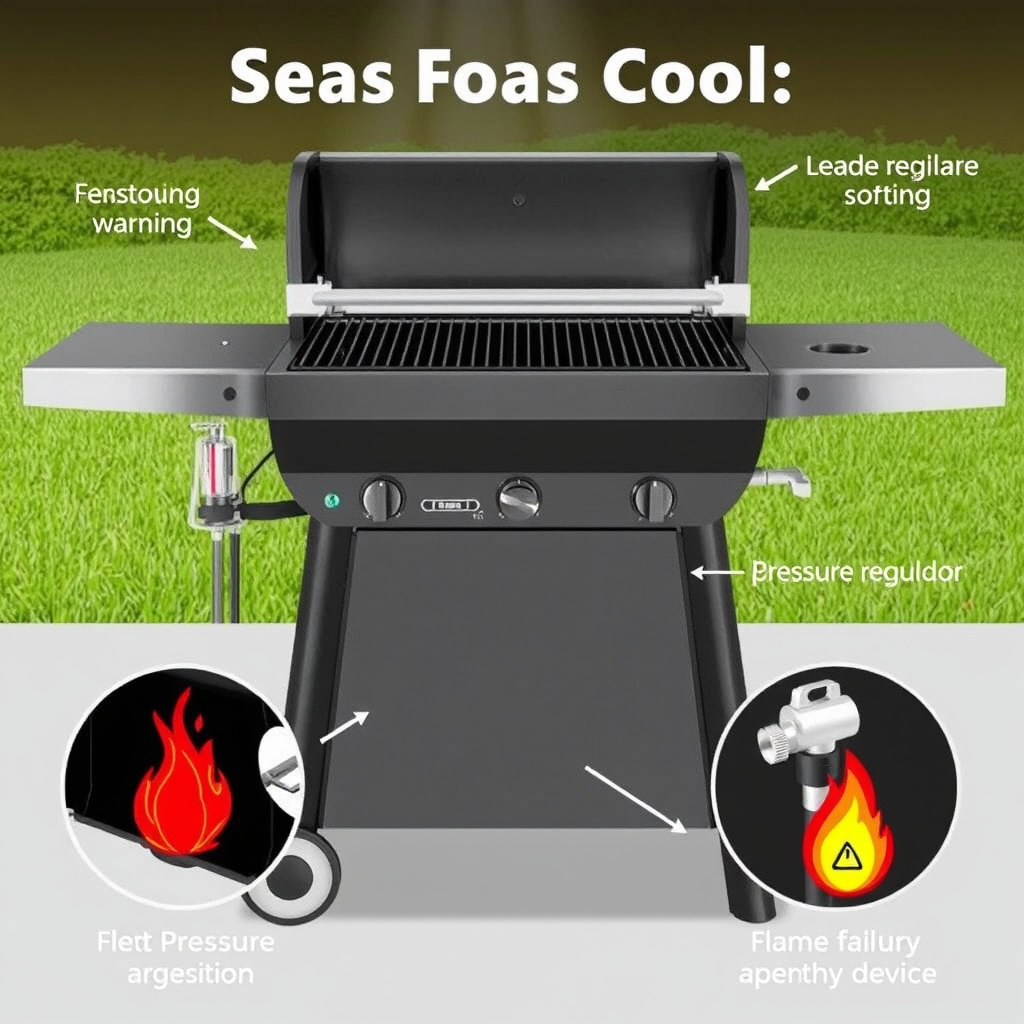
Pressure regulators control the gas pressure leaving the tank to a safe level suitable for the burner system. This prevents dangerous high-pressure gas flow that could cause flare-ups.
Regularly check hoses and connections for leaks using soapy water to spot bubbles. Keeping connections tight and replacing worn parts reduces fire risk.
For more on this, see our related guide: How to Smoke Meat on a Gas Grill: A Step-by-Step Guide.
Automatic Shut-off and Flame Failure
Some modern gas grills include automatic shut-off valves or flame failure devices that stop gas flow if the flame extinguishes unexpectedly. This safety measure prevents gas buildup that could lead to explosions.
Users should always turn off the gas supply at the tank after grilling to further reduce hazards.
Cleaning and Maintaining Gas Grills
Cleaning Burners and Grates
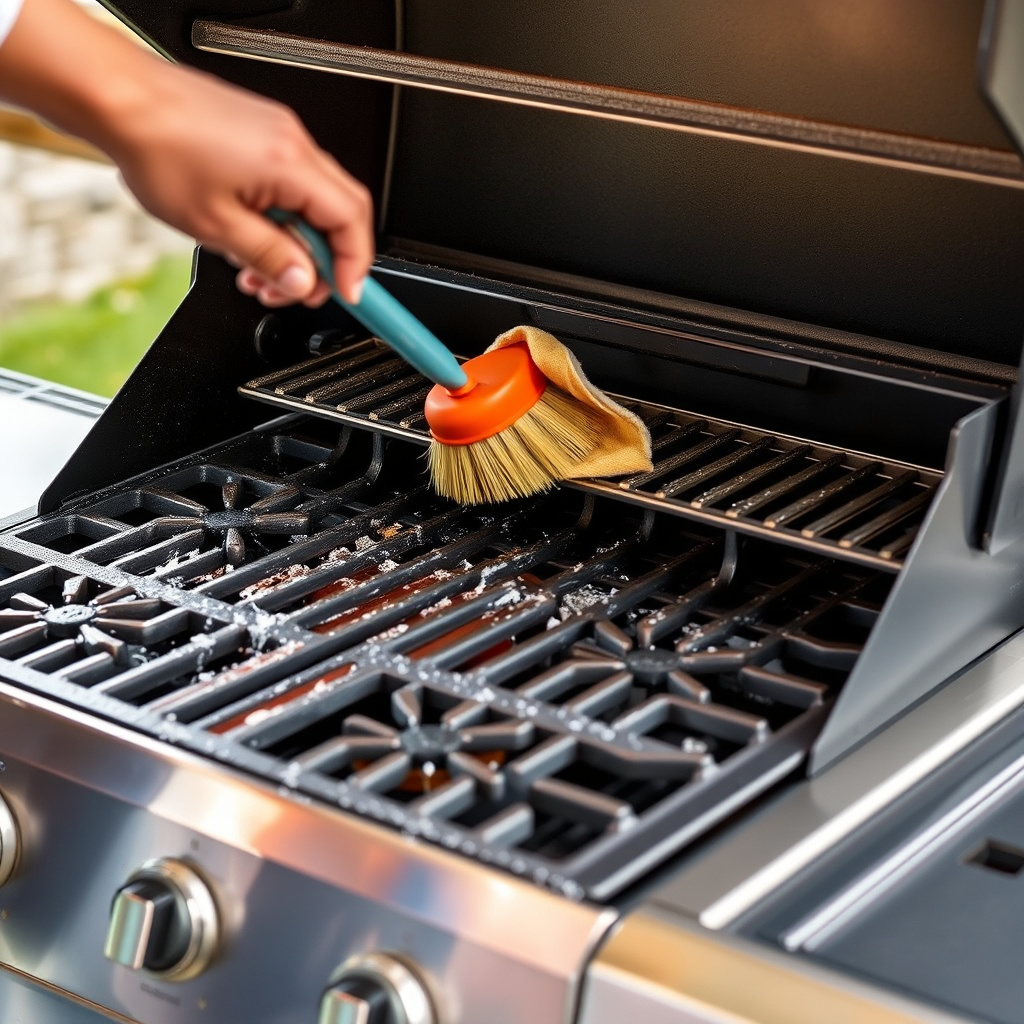
Burners and cooking grates accumulate grease and food residue which can clog gas ports or alter heat distribution. Regular brushing after use keeps the grill functioning well.
Soaking grates in warm soapy water and scrubbing removes buildup. Avoid using harsh chemicals that might degrade metal components.
Checking Gas Connections and Storage
Periodic inspection of hoses, valves, and the propane tank for wear or damage prevents leaks. Replace any cracked or brittle hoses immediately.
Store propane tanks upright in a ventilated area away from direct sunlight. Always close the valve after each use to avoid gas loss.
- Inspect hoses regularly
- Store tanks upright and ventilated
- Close gas supply after use
Types of Gas Grills and Their Features
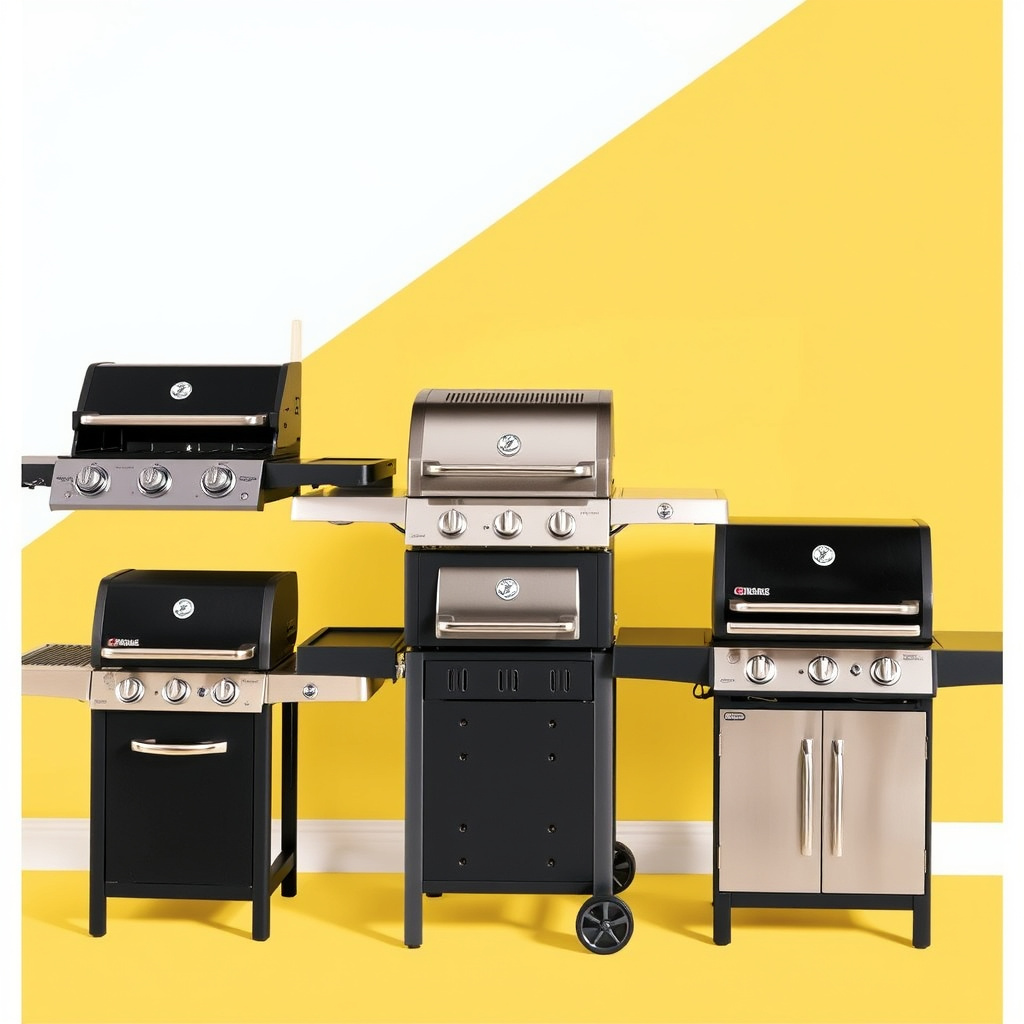
Portable vs. Cart Gas Grills
Portable gas grills offer compact designs suitable for camping or small patios but usually have limited cooking space and lower heat output.
Cart gas grills come with wheels and side shelves, providing more power and area for cooking multiple dishes at once, favored for backyard use.
For more on this, see our related guide: How to Control Temperature on a Gas Grill for Perfect Grilling.
Built-in and Infrared Gas Grills
Built-in gas grills integrate into outdoor kitchen islands, offering a permanent, stylish solution with high BTU ranges and advanced features.
Infrared gas grills use a radiant heat component to produce intense, evenly distributed heat that sears food quickly, ideal for steak lovers.
Essential Features to Look for in Gas Grills
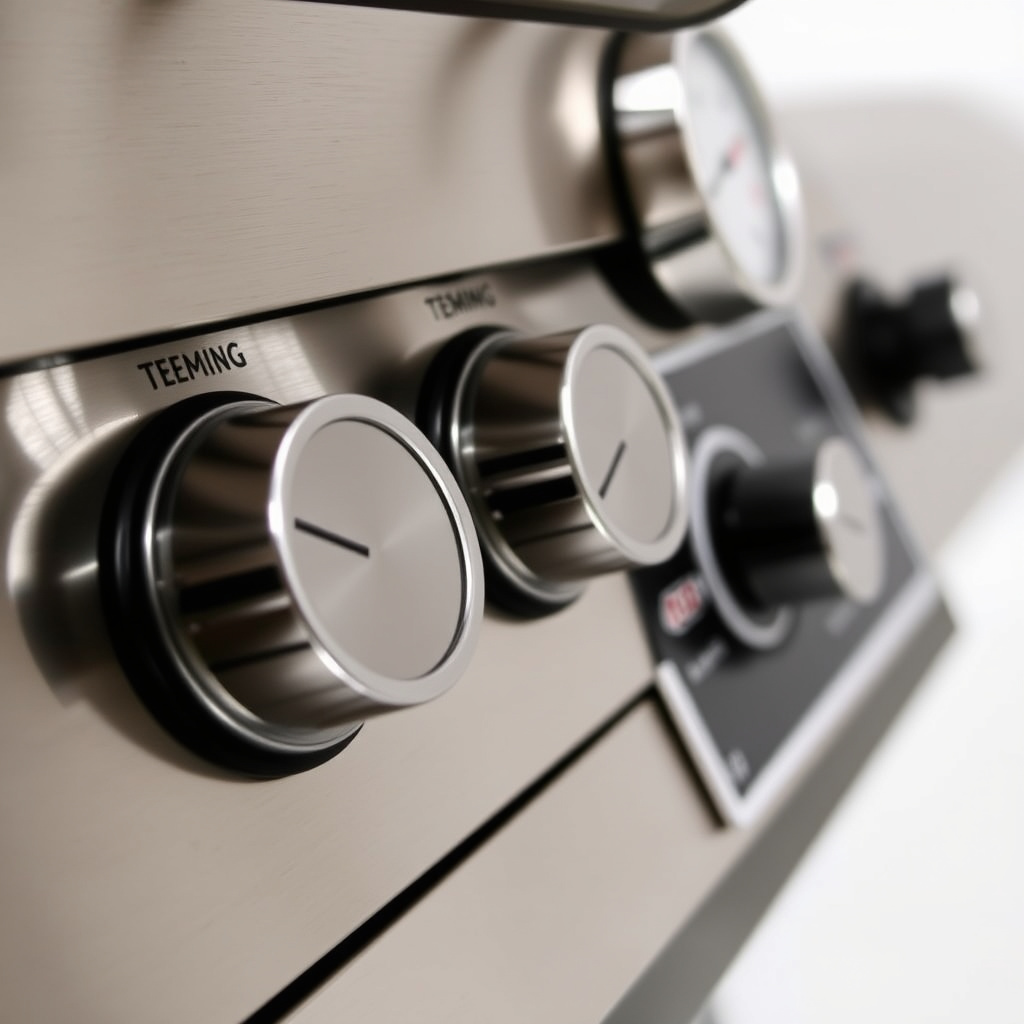
Temperature Control and Gauge
Accurate temperature control knobs and built-in gauges help monitor and adjust cooking heat precisely. This avoids undercooking or burning food and provides more grilling versatility.
High-end grills offer digital thermostats and even Wi-Fi connectivity to track temperatures remotely.
For a more detailed technical background, you can visit the gas grill Wikipedia page. gas grill Wikipedia page.
Additional Features and Accessories
Side burners, rotisserie attachments, and storage cabinets add convenience and expand cooking options. Grease management systems simplify cleaning and reduce flare-ups.
Choose a grill model that matches your cooking style and the best gas grill features for your needs.
Gas Grill Types Comparison
Compare major categories of gas grills to understand differences in size, power, portability, and ideal uses.
| Category | Cooking Area (sq. in.) | BTU Output | Portability | Best Use Case |
|---|---|---|---|---|
| Portable Gas Grills | 150-250 | 8,000-12,000 | Highly portable | Camping, tailgating |
| Cart Gas Grills | 400-600 | 30,000-60,000 | Semi-portable | Backyard grilling |
| Built-in Gas Grills | 600-800+ | 40,000-80,000 | Stationary | Outdoor kitchens |
| Infrared Gas Grills | 300-500 | 25,000-50,000 | Varies | Quick searing, steak |
| Natural Gas Grills | 400-700 | 35,000-70,000 | Stationary | Home use with gas line |
Frequently Asked Questions
Can I use a natural gas grill with propane?
Natural gas grills are designed for a natural gas line and require different pressure and fittings than propane. Using propane in these grills without modifications can be unsafe and is not recommended.
How often should I clean my gas grill burners?
Burners should be cleaned at least once per grilling season or more frequently with heavy use. Regular cleaning ensures even flames and prevents flare-ups caused by grease buildup.
Is it normal for gas grills to produce some gas odor?
A slight gas smell near the grill when first lighting can be normal as gas flows through. However, strong or persistent odors indicate a leak or incomplete combustion and need immediate inspection.
Are infrared burners better for grilling?
Infrared burners provide intense direct heat that can sear meat quickly and efficiently. They are great for certain grilling styles but may lack the versatility of standard gas burners.
What safety checks should I perform before grilling?
Inspect gas hoses and connections with soapy water to detect leaks, ensure the propane tank is upright and valve closed after use, and check that ignition and flame safety devices operate correctly.
Key Takeaways
- Gas grills use controlled propane or natural gas to produce a clean, adjustable flame.
- Burners, ignition, and control valves work together for consistent cooking heat.
- Safety features like pressure regulators and automatic shut-offs reduce hazards.
- Choosing the best gas grill features depends on cooking style and venue.
Conclusion
Understanding how gas grills work begins with knowing that they rely on the steady flow and ignition of propane or natural gas to generate heat for cooking. The grill’s burners convert this gas into flames, controlled by adjustable valves that let you choose your desired temperature. Safety components such as pressure regulators and flame failure devices minimize the risk of gas leaks and flare-ups. Regular maintenance keeps burners unclogged and connections secure, preserving performance over time. This knowledge forms the basis for selecting the right grill and using it effectively on grilling days.
If you need a compact option for portable use, a portable gas grill offers convenience, albeit with less cooking area and power. Backyard cooks usually prefer cart grills for their larger cooking surfaces and multiple burners, which help create heat zones for searing and slow cooking. For those building outdoor kitchens, built-in gas grills provide high BTUs and advanced features like digital temperature control. Infrared grills excel at high-heat searing but may suit specific grilling preferences. Evaluating these categories alongside features like temperature gauges and side burners ensures a better match for your cooking style.
For anyone ready to buy or operate a gas grill, start by inspecting your setup carefully and confirming all safety features. Learn the feel of your grill’s control knobs and preheat to your preferred cooking temperature before placing food on the grates. Cleaning burners and grates after each use reduces flare-ups and extends component life. By combining practical knowledge with reliable maintenance and thoughtful feature choices, you can enjoy numerous satisfying grilling sessions powered by a safe, efficient gas grill.



