
You should consider replacing your grill every 5 to 15 years, depending on the type, frequency of use, and maintenance. Common signs signaling it's time for a replacement include rusted parts, uneven heating, and frequent repairs that start to outweigh the grill's value.
Grills exposed to weather without proper coverage tend to deteriorate faster, while well-maintained grills can last over a decade. Knowing when to replace your grill matters because using an aging grill can affect cooking performance and safety.
This article covers factors influencing grill lifespan, maintenance tips to extend its life, types of grills and their durability, warning signs for replacement, and a comparison of popular grill categories to help you decide when to invest in a new one.
Understanding Grill Lifespan and Usage Patterns
Average Lifespan of Different Grill Types
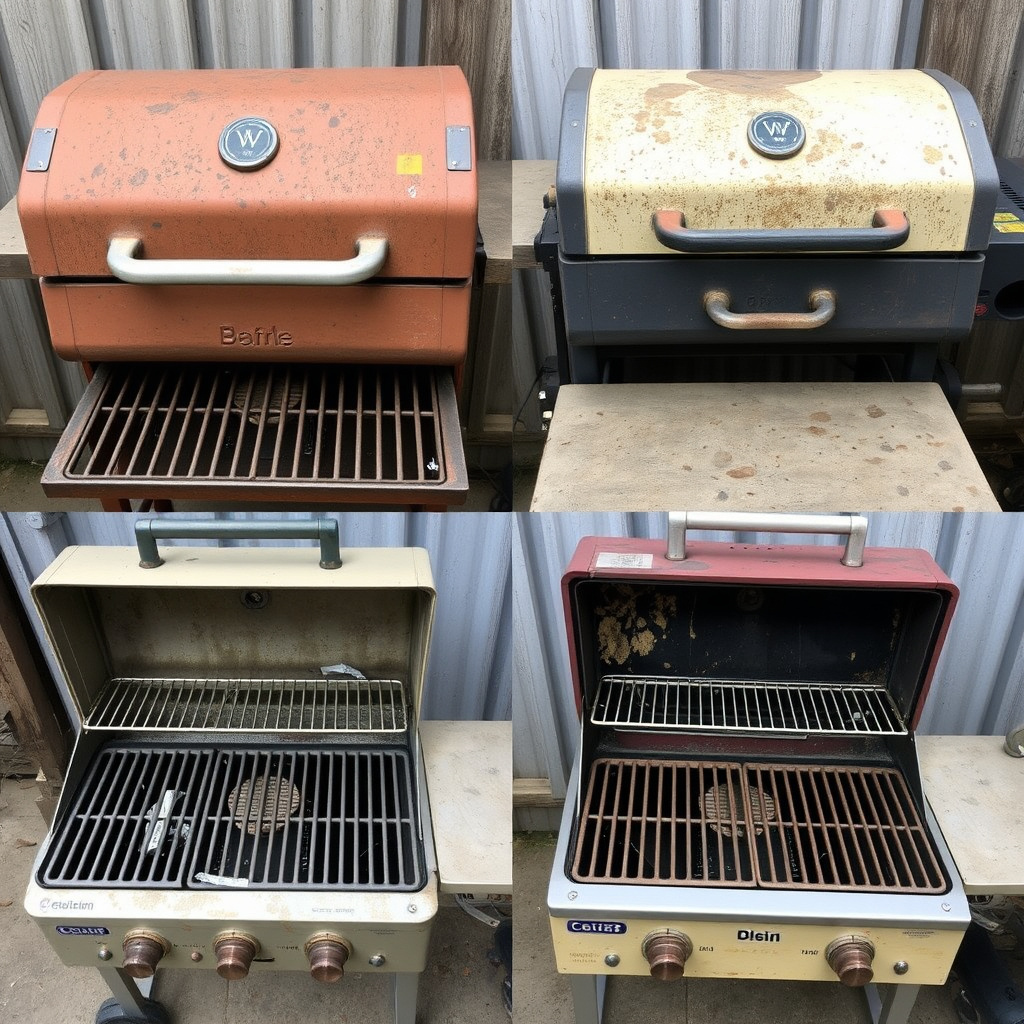
Charcoal, gas, and electric grills each have different lifespans. Charcoal grills often last 7-15 years with fewer mechanical parts to fail, while gas grills typically last 8-12 years due to burner wear and gas component aging.
Electric grills tend to have shorter lifespans, around 5-8 years, influenced by electrical parts and usage frequency. These averages depend on how often they are used and whether they receive regular cleaning and maintenance.
How Usage Frequency Affects Grill Longevity
Daily or heavy seasonal use of a grill accelerates wear, especially on burners, valves, and cooking grates. Frequent exposure to high heat stresses components and can cause damage over time.
Occasional grillers who use their equipment weekly or monthly will likely experience a longer lifespan, as less frequent usage means less overall stress and wear on parts.
Signs Your Grill Needs Replacement
Physical Damage and Rust Indicators
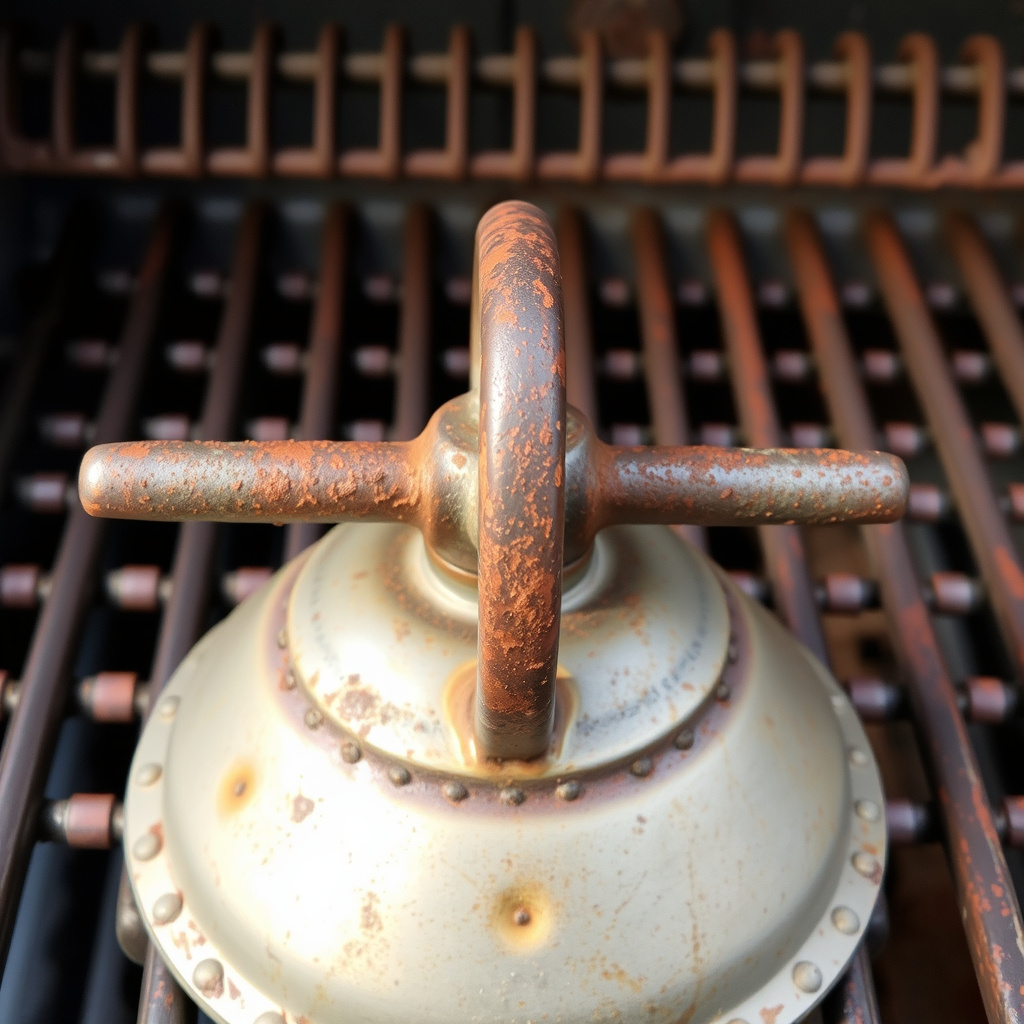
Significant rust on cooking grates or the grill body often cannot be remedied by cleaning. Structural rust can weaken the grill frame, affecting stability and safety.
Cracks, warped grates, or damaged burners reduce cooking effectiveness and can be dangerous. These signs mean it’s more cost-effective to replace the grill than to repair it.
- Rusted frame or legs
- Warped or cracked cooking grates
- Damaged or uneven burners
Decreased Performance Signs
If your grill heats unevenly, has trouble maintaining temperature, or requires frequent ignition attempts, these are performance red flags. Such issues are typically linked to failing burners or clogged gas lines in gas grills.
Repeated repairs over the years can add up, reducing the value of maintaining an old grill compared to buying a newer, more efficient model.
- Uneven heat distribution
- Difficulty igniting burners
- Temperature fluctuations
Maintenance Tips to Extend Grill Life
Regular Cleaning Practices
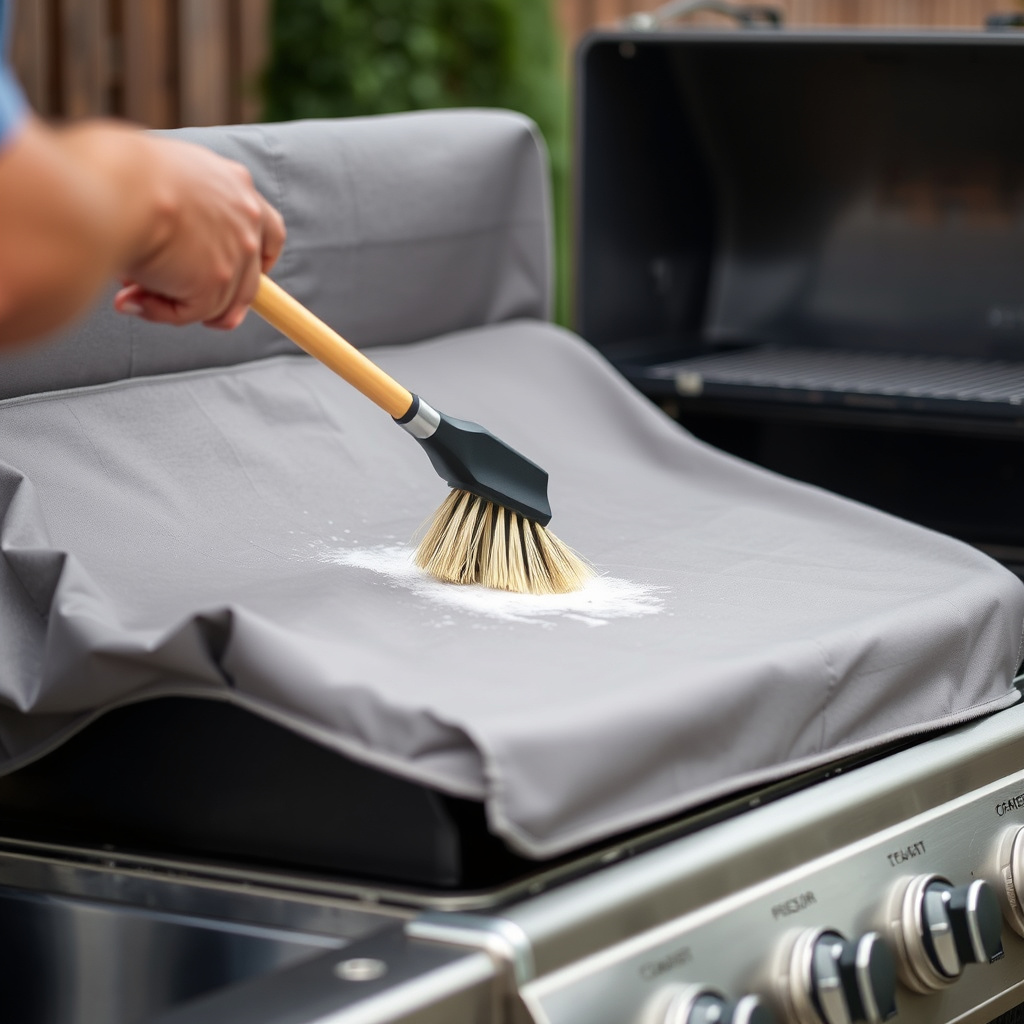
Cleaning your grill after each use prevents grease buildup and reduces corrosion risk. Removing debris from grates and the interior extends component life, especially burners in gas grills.
Seasonal deep cleaning involves checking gas lines, replacing worn parts, and scrubbing rust-prone areas. This maintenance slows wear from outdoor elements.
- Scrub grates after cooking
- Empty grease traps regularly
- Clean burners to prevent clogging
For more on this, see our related guide: How Often Should You Clean a Grill for Best Performance and Safety.
Proper Storage and Protection
Keep your grill covered when not in use with a weather-resistant grill cover to prevent rust caused by rain and moisture. Storing grills in sheltered locations can greatly increase lifespan.
Disconnecting gas supply and covering the grill during off-seasons also helps prevent damage and unexpected wear.
- Use waterproof grill covers
- Store in a garage or shed when possible
- Disconnect and secure propane tanks
Types of Grills and Their Durability
Charcoal Grills: Longevity and Maintenance
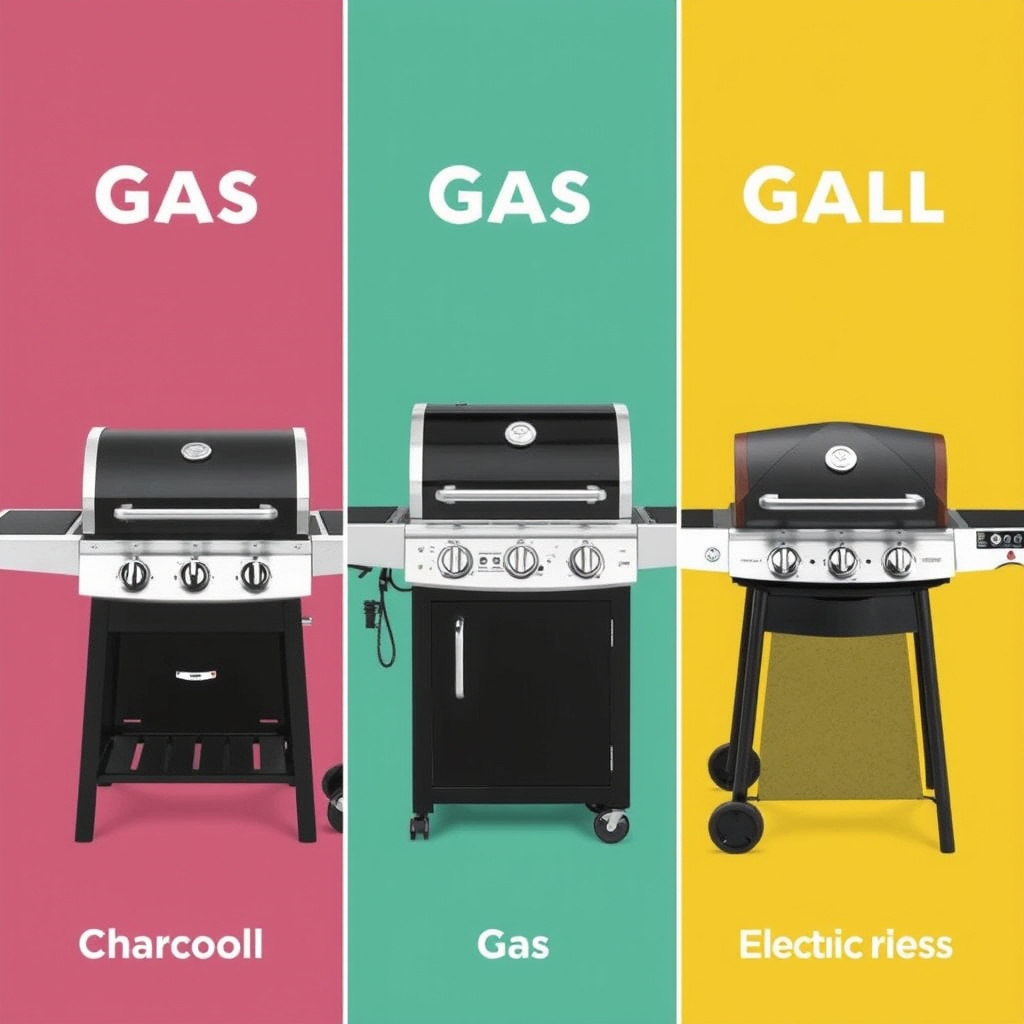
Charcoal grills often have simpler constructions, which can extend their usable lifespan if cleaned regularly and protected from rust. Heavy cast iron grates and steel bodies are common in durable models.
Because parts like charcoal trays and grates are easy to replace, charcoal grills can remain functional for many years, making their replacement less urgent.
Gas Grills: Performance vs. Wear
Gas grills offer quick heat control but require regular maintenance to burners, valves, and ignition systems that experience wear. Stainless steel models resist corrosion longer, increasing replacement intervals.
Fuel efficiency and advanced features like infrared burners affect how often users consider upgrading to newer models with better performance.
When to Upgrade: Evaluating Cost and Features
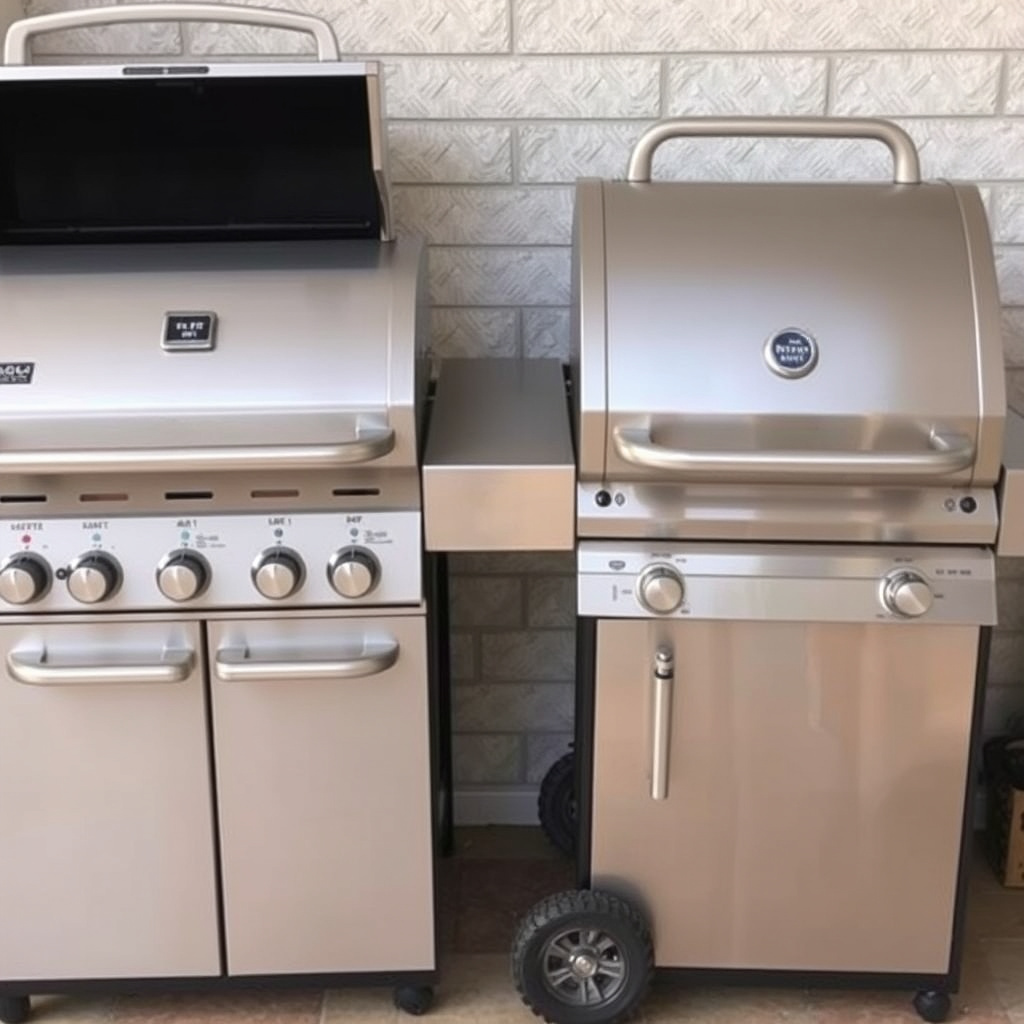
Repair vs. Replacement Cost Analysis
When repair costs exceed 50-60% of the price of a new grill, replacement is usually the better choice. Parts for older grills may become scarce, raising costs further.
Older grills also lack modern safety features and fuel efficiency improvements found in newer models, which can save money and improve grilling experience.
For more on this, see our related guide: How Many BTUs Do I Need for a Grill? A Clear Guide to Choosing the Right Power.
Benefits of New Grill Technology
Newer grills come with features like digital temperature controls, improved burner designs, and better fuel efficiency, enhancing cooking performance and convenience.
Considering an upgrade can also mean investing in more durable materials and user-friendly touches that make grilling safer and more enjoyable.
- Digital temperature displays
- Infrared burners
- Rotisserie attachments
Environmental Considerations in Grill Replacement

Disposal and Recycling of Old Grills
Old grills often contain recyclable metals like steel and aluminum. Properly recycling these parts reduces landfill waste and environmental impact.
Local waste management services may offer specific instructions or programs for disposing of grills safely, including safe propane tank disposal.
- Separate propane tanks for special disposal
- Scrap metal recycling centers
- Check local disposal regulations
For detailed grill maintenance and safety guidelines, visit this authoritative resource. grill maintenance and safety guidelines.
Choosing Eco-Friendly Grill Options
Some modern grills use sustainable materials or energy-efficient designs that reduce fuel consumption and emissions.
Electric grills with renewable energy sources or charcoal grills using natural lump charcoal provide eco-conscious alternatives for grill replacement.
- Electric grills with renewable energy
- Natural lump charcoal
- Sustainable manufacturing materials
Grill Replacement Frequency by Grill Type
Here’s a comparison of typical replacement timelines and durability factors for common grill types.
| Grill Type | Average Lifespan | Common Replacement Signs | Maintenance Requirements |
|---|---|---|---|
| Charcoal Grill | 7-15 years | Rusted grates, weakened frame | Regular cleaning, protect from moisture |
| Gas Grill | 8-12 years | Uneven heating, burner failure | Clean burners, check gas lines |
| Electric Grill | 5-8 years | Electrical faults, heating issues | Clean heating elements, dry storage |
| Portable Grill | 3-7 years | Structural damage, poor ignition | Compact cleaning, safe storage |
Frequently Asked Questions
How can I tell if my grill's burners need replacing?
Burners with uneven flames, frequent ignition failure, or visible rust spots typically need replacement to maintain consistent heat and safe operation.
Is it better to repair an old grill or buy a new one?
If repair costs approach or exceed half the price of a new grill, buying a new unit often provides better value and improved features.
Can I extend my grill’s life with regular maintenance?
Yes, routine cleaning, covering your grill, and addressing minor repairs promptly can significantly extend the functional life of most grills.
Does storing a grill indoors help it last longer?
Storing a grill indoors or under a weatherproof cover helps prevent rust and weather-related damage, extending its lifespan.
Are electric grills generally less durable than gas or charcoal grills?
Electric grills often have shorter lifespans due to electrical components wearing out faster, typically lasting 5-8 years compared to longer lifespans of charcoal or gas grills.
Key Takeaways
- Grill replacement typically occurs between 5-15 years based on type and use.
- Rust, uneven heating, and frequent repairs signal replacement time.
- Regular maintenance and proper storage extend grill lifespan.
- Consider repair costs versus new features when deciding to replace.
Conclusion
Assessing when to replace a grill requires balancing its current condition, performance, and repair expenses against the benefits of upgrading. Knowing the average lifespan of your grill type—whether charcoal, gas, or electric—can guide this decision. Regular inspections for signs like rust, warped grates, and heating issues also provide clear indications. Combining these factors helps prevent inefficient grilling and potential safety hazards while avoiding unnecessary spending on new equipment.
For those who use grills frequently, investing in a durable gas or charcoal grill with stainless steel parts and good manufacturer support is wise. If your grill shows performance problems or structural damage and repairs are costly, choosing a newer model with enhanced features such as digital controls or infrared burners improves cooking quality and ease of use. Casual grillers may legally extend life spans through diligent cleaning and weather protection, postponing replacement until truly necessary.
Ultimately, replacement timing depends on individual usage, maintenance habits, and budget considerations. Starting with a detailed evaluation of your grill’s condition and comparing repair costs against updated models clarifies the best path forward. Taking practical steps like regular cleaning and storing your grill properly can delay replacement, while being aware of environmental options ensures responsible disposal or recycling. This balanced approach leads to safer, tastier grilling experiences for years to come.



