
Pellet grills work by burning compressed wood pellets to generate heat and smoke, allowing for precise temperature control and flavorful cooking. A digital controller feeds pellets into a fire pot where they ignite, and a fan circulates heat and smoke throughout the grill chamber.
Understanding how pellet grills work is important because they combine the convenience of gas grills with the authentic smoky flavors of traditional wood smokers. Their automatic pellet feeding system maintains consistent cooking temperatures, making them accessible even for beginners while pleasing seasoned pitmasters.
This article will explain pellet grill components, the cooking process, design features, temperature control, fuel options, and maintenance tips. You'll also find a comparison of pellet grill types to help you decide which model suits your grilling setup.
Pellet Grill Components and How Each Part Functions
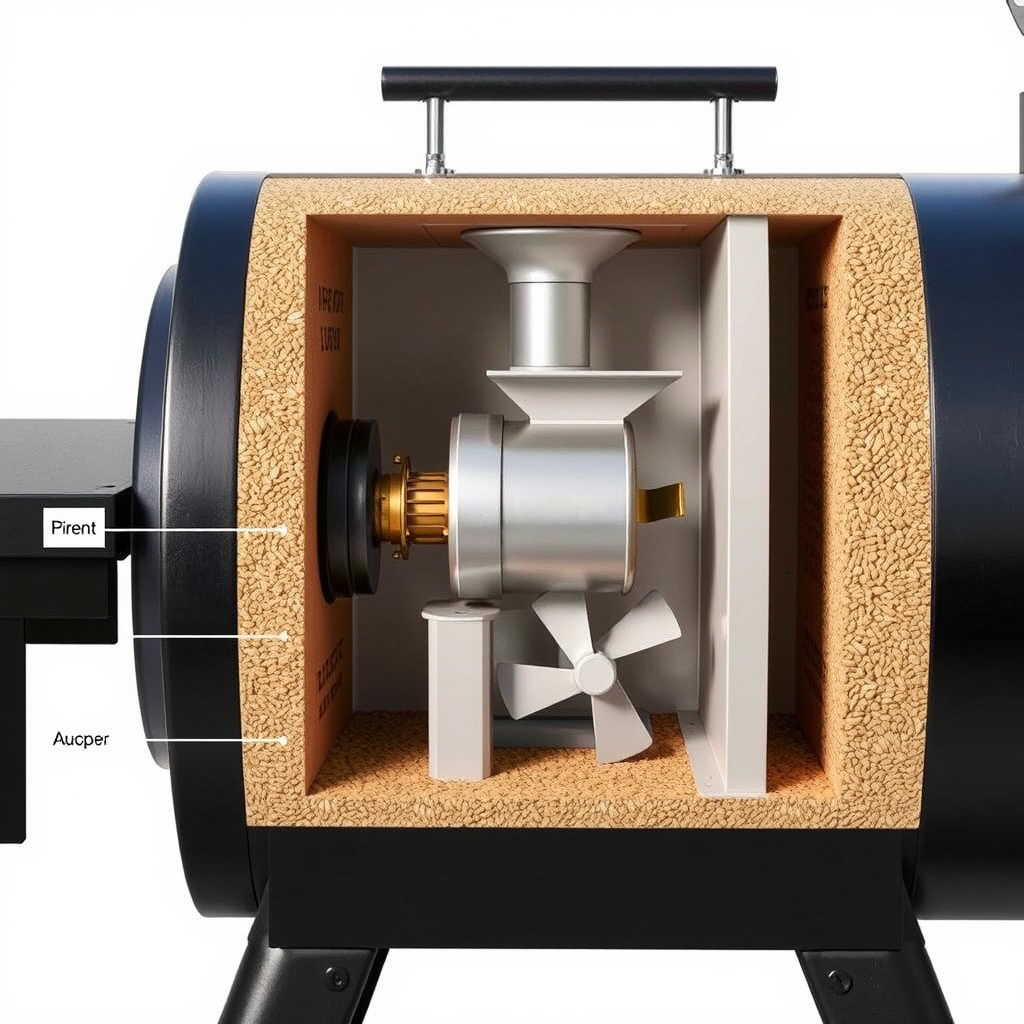
Understanding the Pellet Hopper and Auger System
The pellet hopper stores compressed wood pellets and feeds them to the fire pot via an auger, a rotating screw mechanism. This system regulates how many pellets enter the fire pot according to temperature settings, ensuring consistent fuel delivery.
Because the auger speed is controlled electronically, the grill maintains steady temperatures by adjusting pellet feed in real time, avoiding flare-ups or temperature drops. This self-feeding aspect sets pellet grills apart from manual smokers.
Role of the Fire Pot and Fan in Heat Generation
The fire pot ignites the wood pellets, producing heat and smoke that flavor the food. A hot rod inside the pot creates ignition, and the burning pellets sustain a steady fire as long as pellets are fed.
A fan blows air through the fire pot to enhance combustion and circulates heat and smoke evenly around the cooking chamber. This prevents hot spots, providing uniform cooking results.
How Temperature Control Works in Pellet Grills
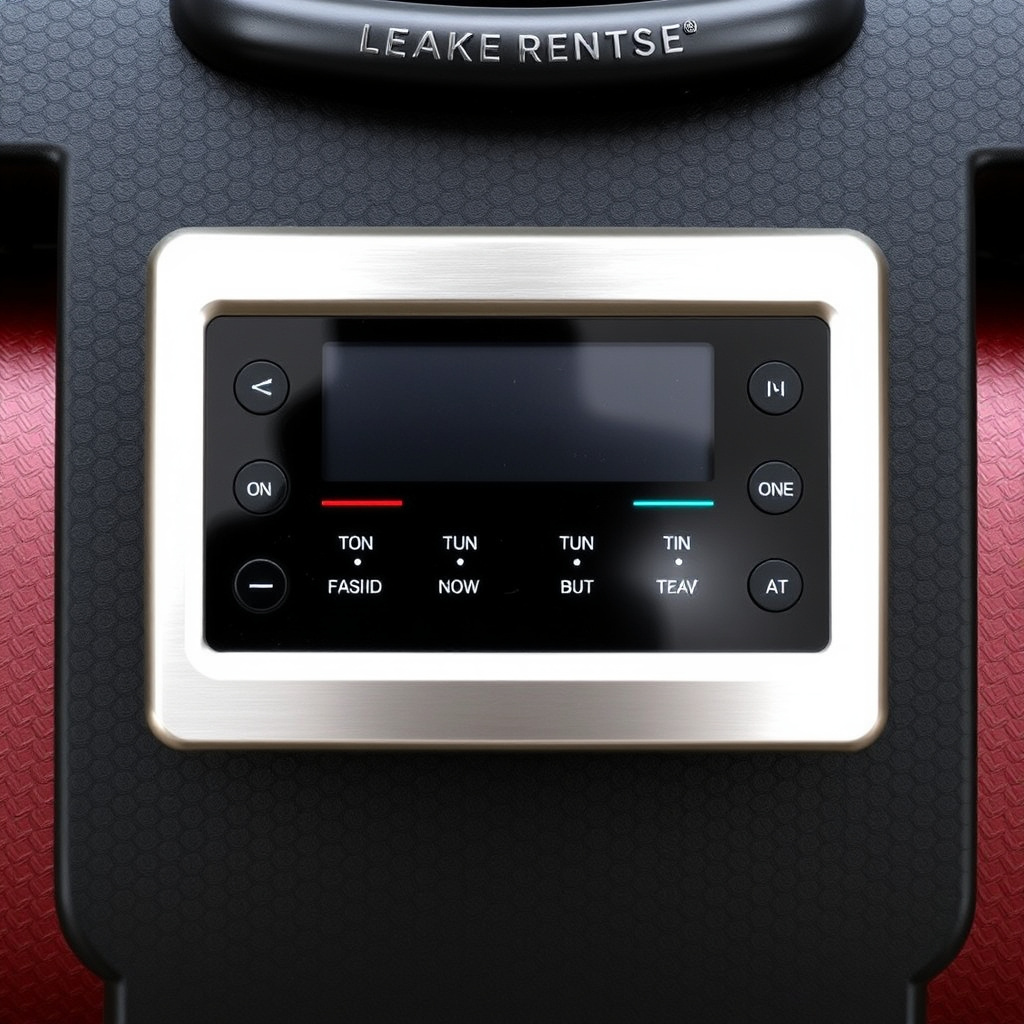
Digital Controllers and Their Temperature Regulation
Pellet grills use digital controllers to monitor and regulate cooking temperature by adjusting pellet feed rate and fan speed. Users set desired temperatures, and the controller automatically modulates pellet delivery to maintain it precisely.
Advanced controllers offer features like meat probes, programmable cooking cycles, and Wi-Fi connectivity, improving convenience and control for backyard chefs.
Impact of Pellet Quality and Type on Temperature Stability
High-quality wood pellets made from pure hardwood without fillers burn more consistently and help maintain stable temperatures. Lower quality pellets may produce inconsistent heat and excessive ash.
Different wood types like hickory, apple, or mesquite also influence flavor but can slightly affect burn consistency, important when precise temperature control is desired.
The Cooking Process: From Startup to Serving
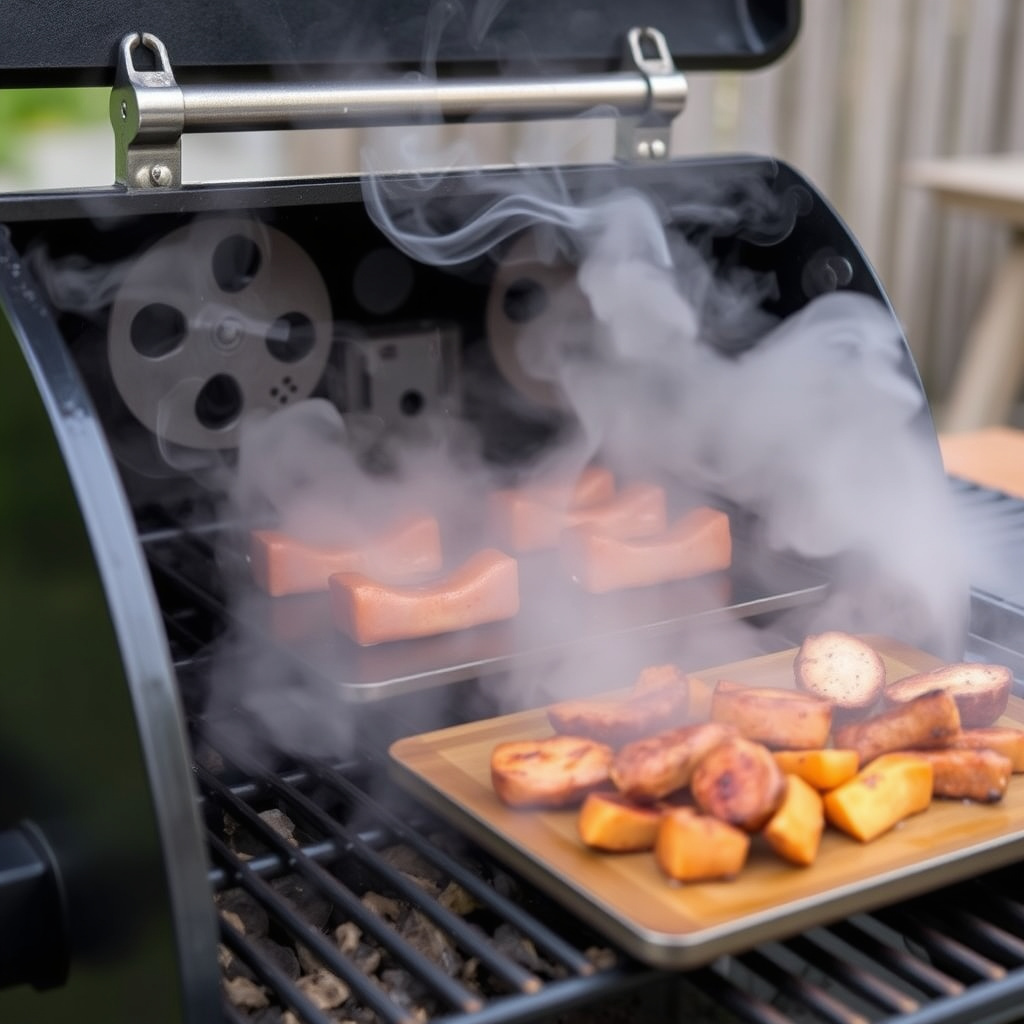
Starting Your Pellet Grill Safely and Efficiently
To start a pellet grill, fill the hopper with wood pellets and power on the controller. The ignition rod heats the fire pot quickly, and pellets are fed automatically as the controller reaches the set temperature.
Preheating typically takes 10 to 15 minutes, during which the grill stabilizes temperature and produces smoke, preparing for consistent cooking.
For more on this, see our related guide: How to Choose a Pellet Grill: A Detailed Buyer’s Guide.
Maintaining Temperature and Smoke During Cooking
Once up to temperature, the grill maintains it by adjusting pellet feed and airflow as needed. Smoke production is steady, giving foods distinct wood-fired flavor without overpowering bitterness.
Using meat probes with compatible controllers helps monitor internal food temperature, enabling perfectly timed cooking and resting phases.
Pellet Grills vs. Other Types of Outdoor Cookers
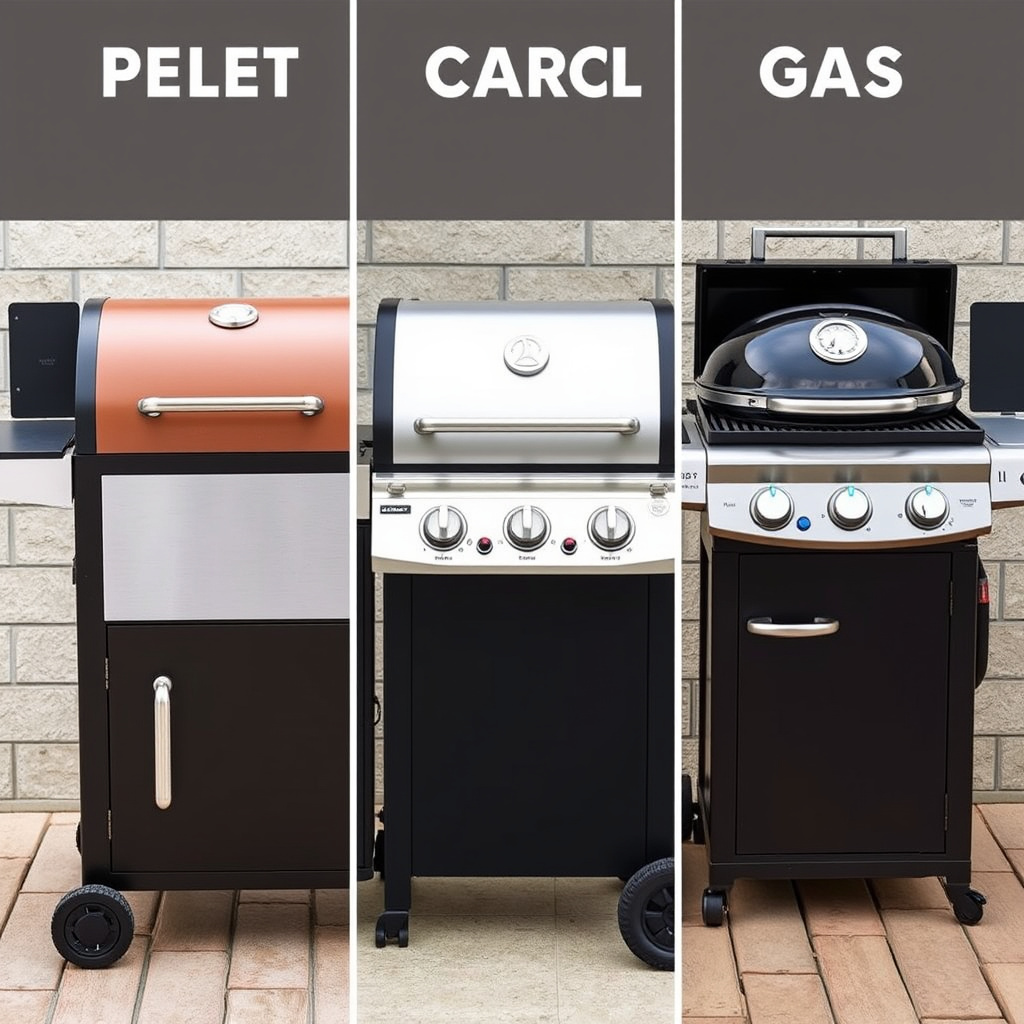
Advantages Over Charcoal and Gas Grills
Pellet grills offer more precise temperature control and longer cooking times without tending compared to charcoal grills. They also deliver a genuine smoky flavor unlike gas grills, which provide convenience but lack authentic smoke.
Their automated pellet feed system requires less user intervention, making them ideal for low-and-slow cooking and multi-hour smoking sessions.
Potential Drawbacks Compared to Traditional Methods
Pellet grills rely on electricity, limiting their portability compared to charcoal options. They also require purchasing specific pellets, which adds ongoing costs and dependency on supply.
Additionally, their mechanical parts can require maintenance unlike simpler grills. Some purists may prefer the manual control and flavor nuances from traditional smoking methods.
Maintenance Tips to Keep Your Pellet Grill Performing Well
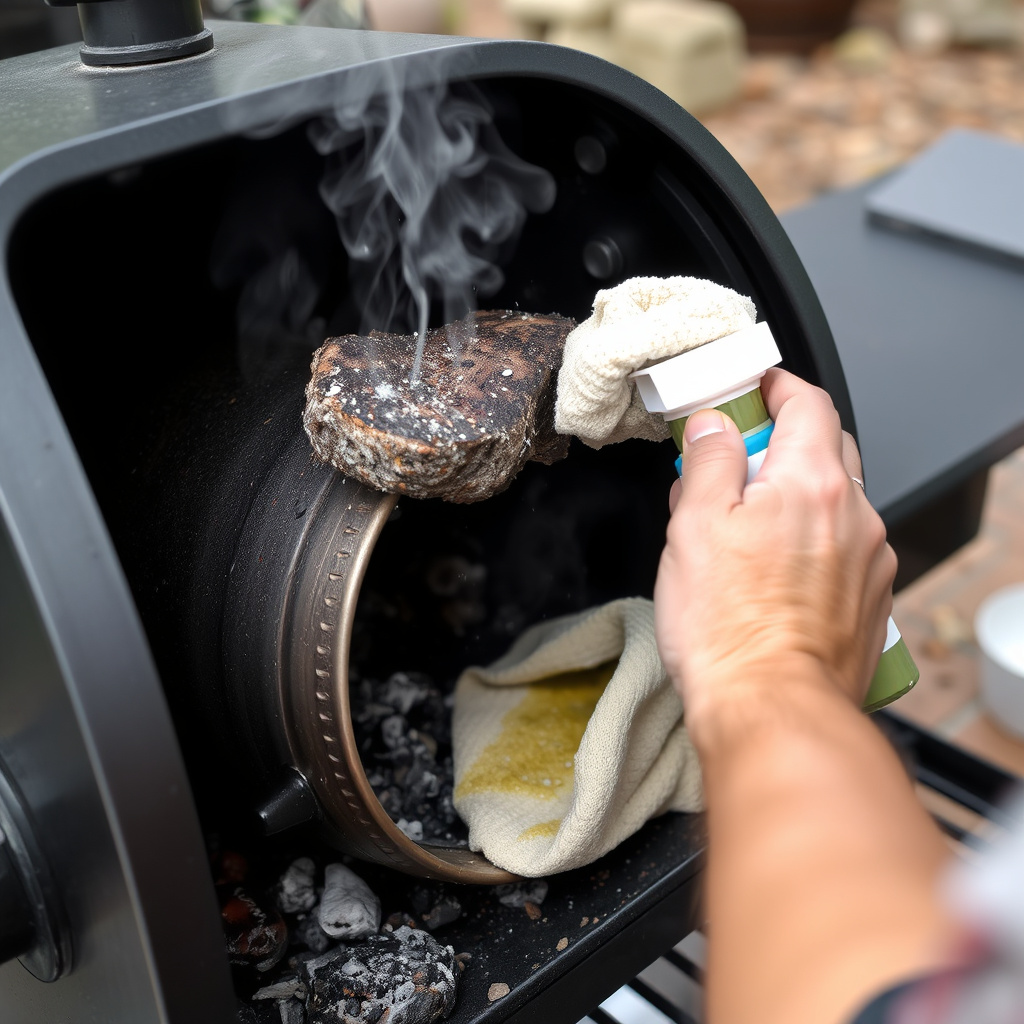
Cleaning the Fire Pot and Cooking Chamber
Regular cleaning of the fire pot removes ash buildup that can affect pellet burning efficiency and temperature consistency. The cooking chamber should also be wiped down to avoid grease fires and maintain food safety.
Emptying the ash trap and inspecting parts between uses extends grill lifespan and keeps smoke clean and flavor pure.
For more on this, see our related guide: How to Build an Outdoor Kitchen with a Grill: A Step-by-Step Guide.
Storing Pellets and Equipment Properly
Pellets must be stored in a dry, cool place to prevent moisture absorption, which ruins their ability to burn well. Using airtight containers prevents contamination and clumping.
When not in use for long periods, covering the grill to shield it from weather and protecting electronic components preserves functionality.
Choosing the Best Pellet Grill for Your Needs
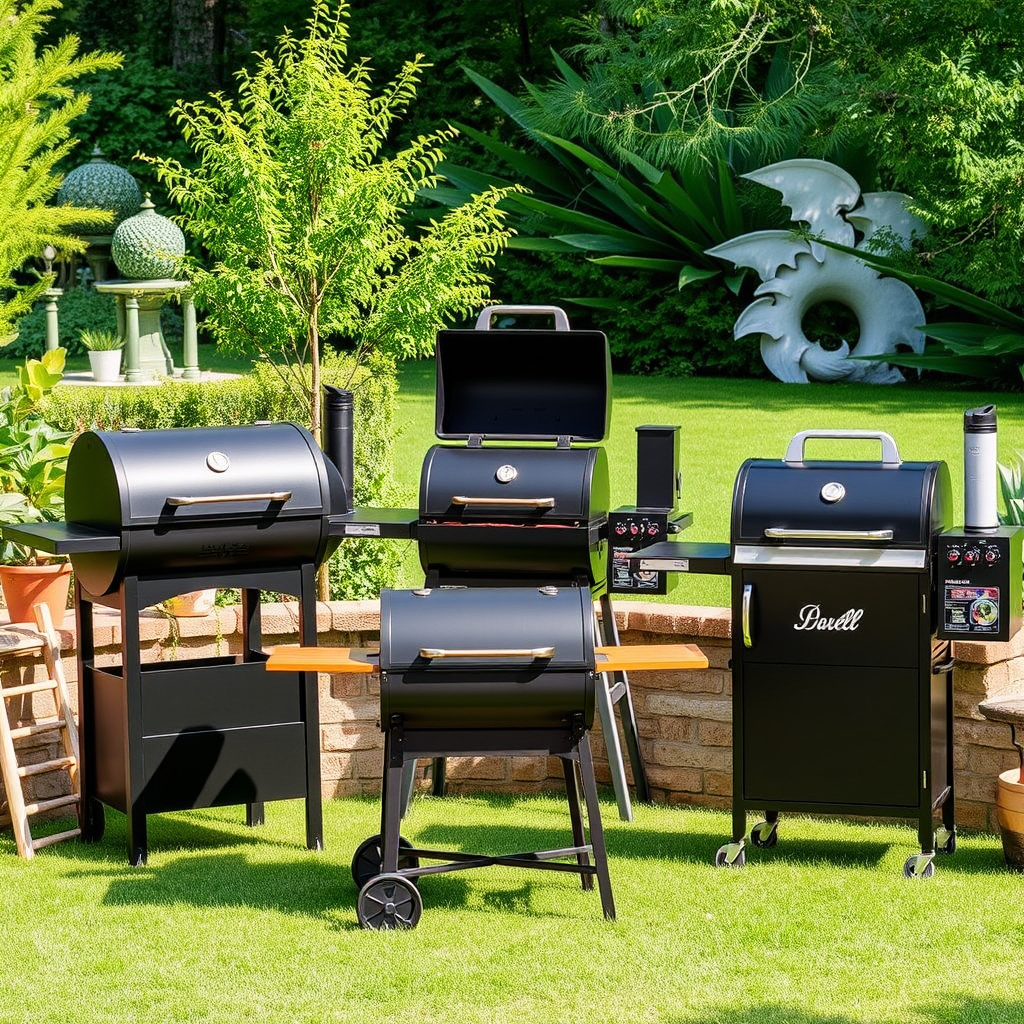
Key Features to Evaluate Before Buying
Consider hopper capacity, temperature range, controller sophistication, and build quality when selecting a pellet grill. Larger hoppers reduce refilling during long cooks, while advanced digital displays improve user experience.
Durability features like stainless steel construction and weatherproof finishes affect longevity, especially in outdoor environments.
- Hopper size: Larger for less refills
- Temperature range: Wider for grilling and smoking
- Controller type: Basic vs. advanced digital
- Build materials: Stainless steel preferred
For a detailed technical overview of pellet grills, you can visit the Pellet grill Wikipedia article. Pellet grill Wikipedia article.
Popular Pellet Grill Brands and Models
Top brands like Traeger, Camp Chef, and Pit Boss offer models suited for beginners and serious enthusiasts, varying in size and technology features. Reading user reviews provides insight into reliability and performance.
Budget options provide great entry points, while premium models feature Wi-Fi connectivity and larger cooking areas for backyard setups seeking flexibility.
Pellet Grill Type Comparison
This table compares common pellet grill categories based on key features, helping you decide which best suits your backyard cooking style.
| Category | Hopper Capacity (lbs) | Temperature Range (°F) | Typical Price Range | Best Use Case |
|---|---|---|---|---|
| Entry-Level | 8-10 | 180-450 | $400-$700 | Casual grilling and small smokers |
| Mid-Range | 12-20 | 160-500 | $700-$1200 | Frequent backyard use and medium-sized cooks |
| Premium | 20-30+ | 150-600+ | $1200-$2500 | Serious enthusiasts and large events |
| Portable Models | 5-7 | 180-450 | $500-$900 | Tailgating and camping with power access |
Frequently Asked Questions
Can pellet grills be used during power outages?
Pellet grills require electricity to run the auger and fan, so they cannot operate during power outages unless you use a backup power source like a generator or battery pack.
What types of pellets should I use for smoking different foods?
Hardwood pellets like hickory and mesquite suit beef and pork, while fruitwoods like apple and cherry provide milder smoke ideal for poultry and fish.
How often should I clean my pellet grill?
Cleaning after every 5-10 uses is recommended, especially clearing ash from the fire pot and wiping drip trays to maintain performance and food safety.
Are pellet grills suitable for high-heat searing?
Most pellet grills reach 450-500°F, suitable for some searing, but may not reach the intense heat of gas or charcoal grills designed specifically for this purpose.
Is it safe to leave a pellet grill unattended during cooking?
Many pellet grills have safety features and stable temperature control, but it’s best practice to check periodically and not leave the grill completely unattended for hours.
Key Takeaways
- Pellet grills use an automated pellet feed and fan system for precise temperature control and consistent smoke.
- Digital controllers simplify maintaining cooking temperatures and enable programmable grilling.
- Fuel quality affects both flavor and temperature stability in pellet grilling.
- Regular maintenance keeps pellet grills performing efficiently and extends lifespan.
Conclusion
Deciding how pellet grills work helps demystify their operating system and highlights why they are favored by many backyard grillers. Their blend of automation, temperature precision, and authentic wood-fired flavor makes them a versatile cooking option. Understanding each component's role and the cooking method assists in choosing or using a pellet grill with confidence.
When selecting a pellet grill, consider your typical cooking style and frequency. Entry-level models suit casual users grilling occasionally, while premium options with larger hopper capacities and advanced controls are better for large gatherings and complex recipes. Portable pellet grills work well for tailgaters who require convenient, flavorful cooking on the go.
For those ready to start with pellet grilling, a practical step is to research brands and models within your budget that meet your size and feature needs, then try cooking basic recipes to gain familiarity with temperature settings and smoke flavors. This will help you appreciate how pellet grills work and enable you to produce delicious meals with minimal effort.



