
Smoking meat on a gas grill is absolutely doable and can yield delicious, smoky flavors if done right. By adjusting your grill's burners and using wood chips wrapped in foil or in a smoker box, you can create a low and slow heat environment perfect for smoking your favorite meats such as brisket, ribs, or chicken.
Many grill users believe smoking requires a charcoal or dedicated smoker setup, but gas grills can be adapted with simple techniques. Getting the temperature steady at 225-275°F and adding smoke flavor through wood chips is key. This process seals in moisture and infuses your meat with rich aromas without needing advanced equipment.
This article will explain how to prepare your gas grill for smoking, choose the right wood chips, control temperature, and monitor your meat. You'll learn how to set up indirect heat zones, when to add wood chips, and timing basics to get tender, smoky results, making your gas grill more versatile.
Setting Up Your Gas Grill for Smoking
Creating an Indirect Heat Zone
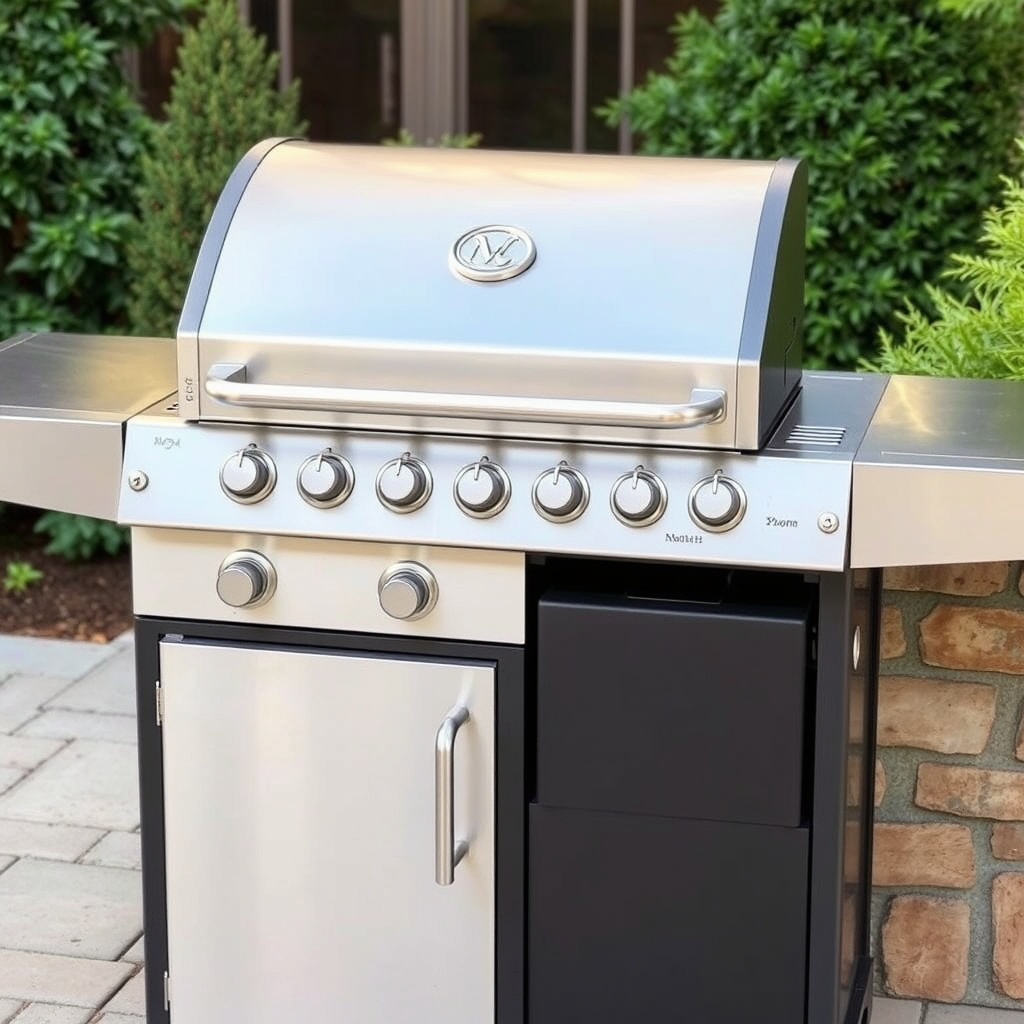
Indirect heat means the burners under the meat are off while the adjacent burners remain on, creating a cooking environment similar to a smoker. For a standard three-burner grill, light the left and right burners on medium heat and leave the middle burner off. Place your meat above the unlit burner. This prevents direct heat from searing the outside too fast, allowing smoke to penetrate.
This setup stabilizes your grill at the low temperatures needed to smoke meat, generally between 225 and 275°F. Use a grill thermometer to monitor the temperature at grate level. Adjust burner settings slightly to maintain consistent heat over longer cooking times.
Choosing and Preparing Wood Chips
Select wood chips based on flavor profiles; hickory and mesquite deliver stronger smoky notes while apple and cherry provide a mild, fruity smoke. Soak your wood chips in water for at least 30 minutes to extend their smoldering time and prevent quick burning when added to the grill.
After soaking, drain the chips and place them in a smoker box or wrap them tightly in aluminum foil with perforations to allow smoke out. Position this container directly above the lit burners so the chips heat up and produce smoke steadily during cooking.
- Hickory for beef and pork
- Applewood for poultry and fish
- Mesquite for bold flavors
- Cherry for subtle sweetness
Maintaining Temperature and Smoke Control
Managing Low and Slow Cooking
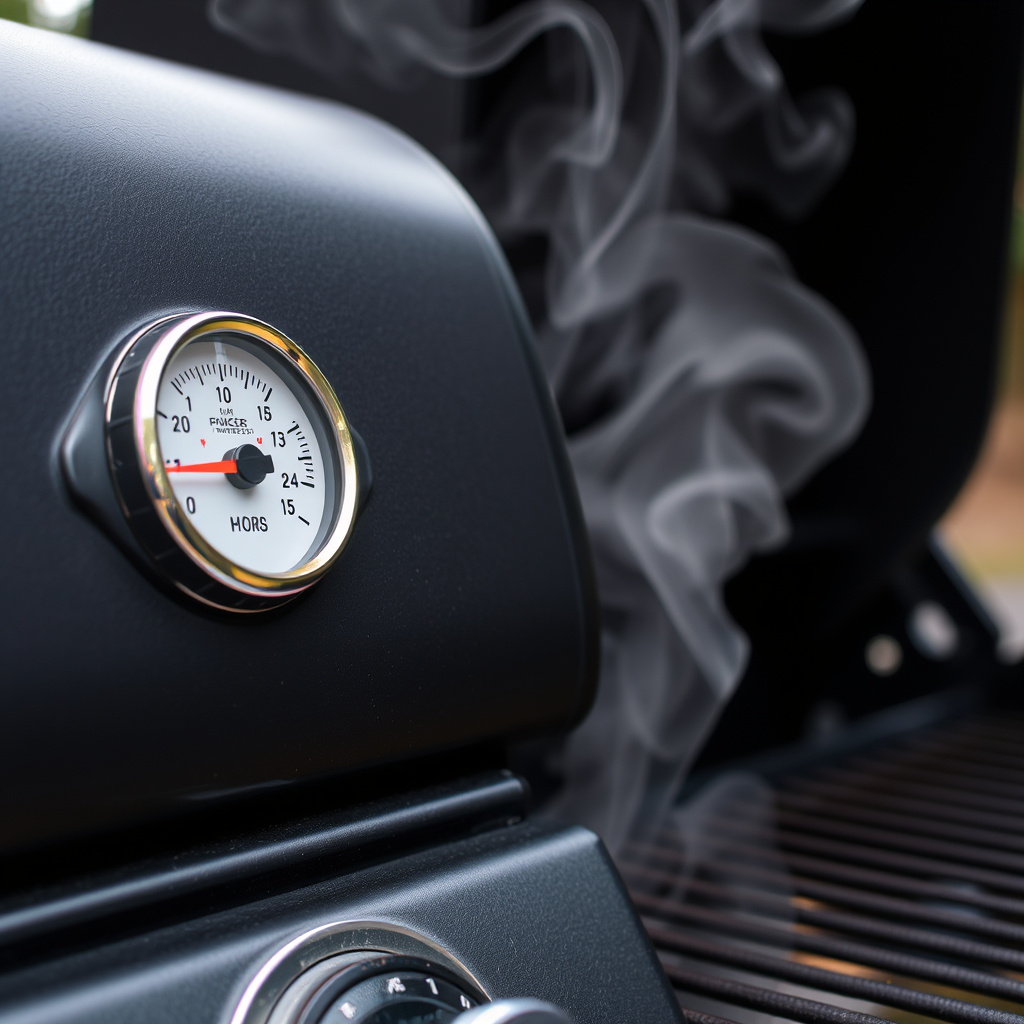
Maintaining a stable temperature is critical when smoking meat on a gas grill. Aim for 225-275°F and monitor frequently. Adjust the lit burners' flame height to keep heat steady. Using a water pan between the burners can help regulate temperature and add moisture to the cooking environment, preventing dryness.
Avoid opening the grill lid too often as this releases heat and smoke, interrupting the cooking process. Instead, use a leave-in meat thermometer to check internal temperature and rely on grill thermometers to track ambient heat.
- Use burner control knobs to tweak temp
- Add soaked wood chips every 45-60 minutes
- Keep grill lid closed
- Use a water pan to stabilize heat
For more on this, see our related guide: How to Pick the Best Grill for Your Backyard Cooking.
Adjusting Smoke Levels and Timing
The intensity of smoke can be controlled by the amount and type of wood chips used. Too many chips may create bitter smoke flavor, while too few won't impart enough. Add wood chips in small batches every hour to maintain gentle smoke. Remember the type of meat and cooking duration influences how much smoke is desirable.
Keep in mind that over-smoking can lead to a harsh taste. For longer cooks like brisket, limit smoking to the first few hours, then finish with indirect heat alone. For quicker items like chicken breasts, a shorter smoke time usually works best.
Preparing Your Meat for Smoking
Selecting Cuts Suitable for Smoking
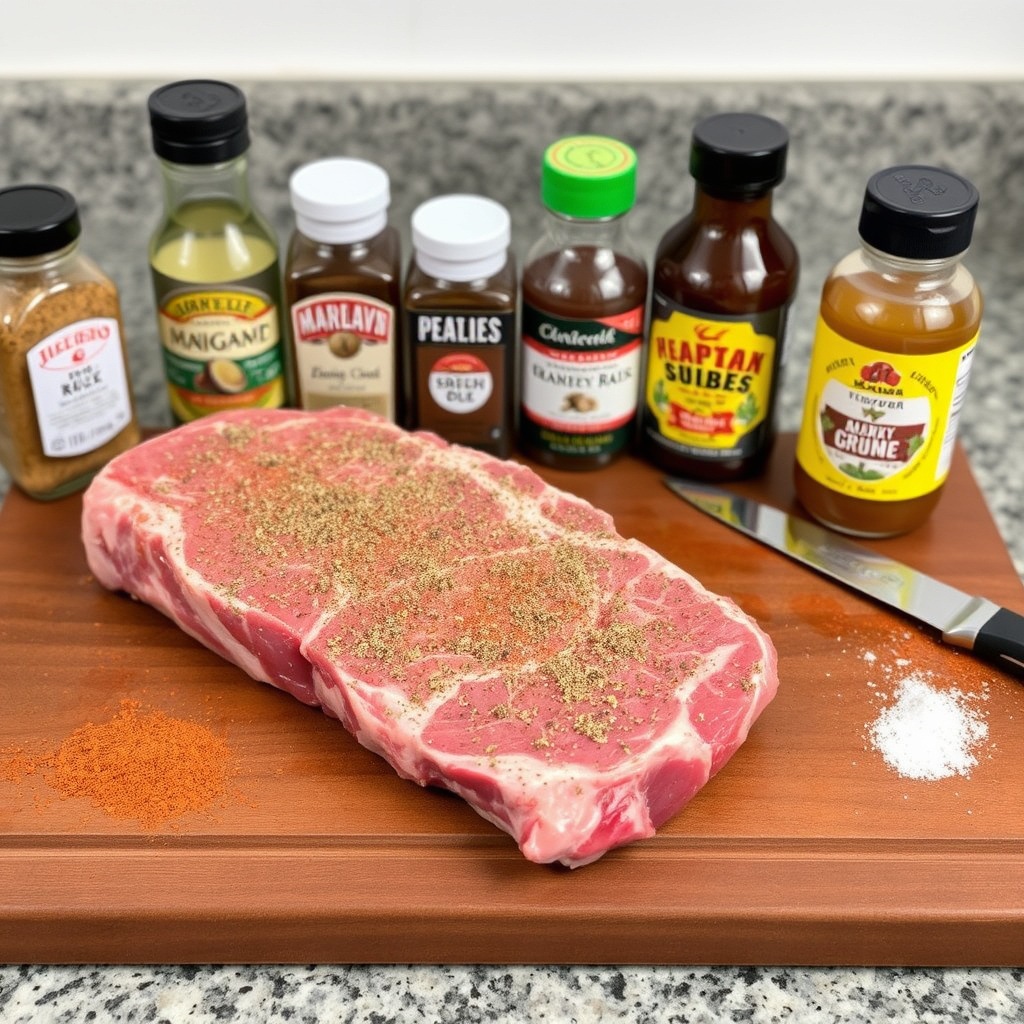
Not all meats are equally suited for smoking. Tougher, fatty cuts like pork shoulder, beef brisket, and ribs excel because they break down slowly during long cooking. Leaner cuts like chicken breasts can be smoked but require close temperature control to avoid drying out.
Consider the time investment as well; large cuts need several hours, sometimes up to 12-16 hours on the grill. Smaller portions or flank steaks can be smoked shorter for quicker meals while still benefiting from smoke flavor.
Using Rubs, Marinades, and Brining
Applying dry rubs composed of salt, sugar, paprika, and spices enhances the smoky profile and tenderizes the meat. Marinades add moisture and infuse complementary flavors. For poultry, brining prior to smoking helps retain juiciness by absorbing extra moisture.
Marinate or rub your meat at least a few hours before smoking, ideally overnight. This gives seasoning time to penetrate and contributes to flavorful bark formation during cooking.
- Dry rubs for crust and flavor
- Marinades for moisture and complexity
- Brining for lean cuts
- Allow seasoning to sit overnight
Monitoring and Finishing Your Smoked Meat
Using Meat Thermometers Accurately
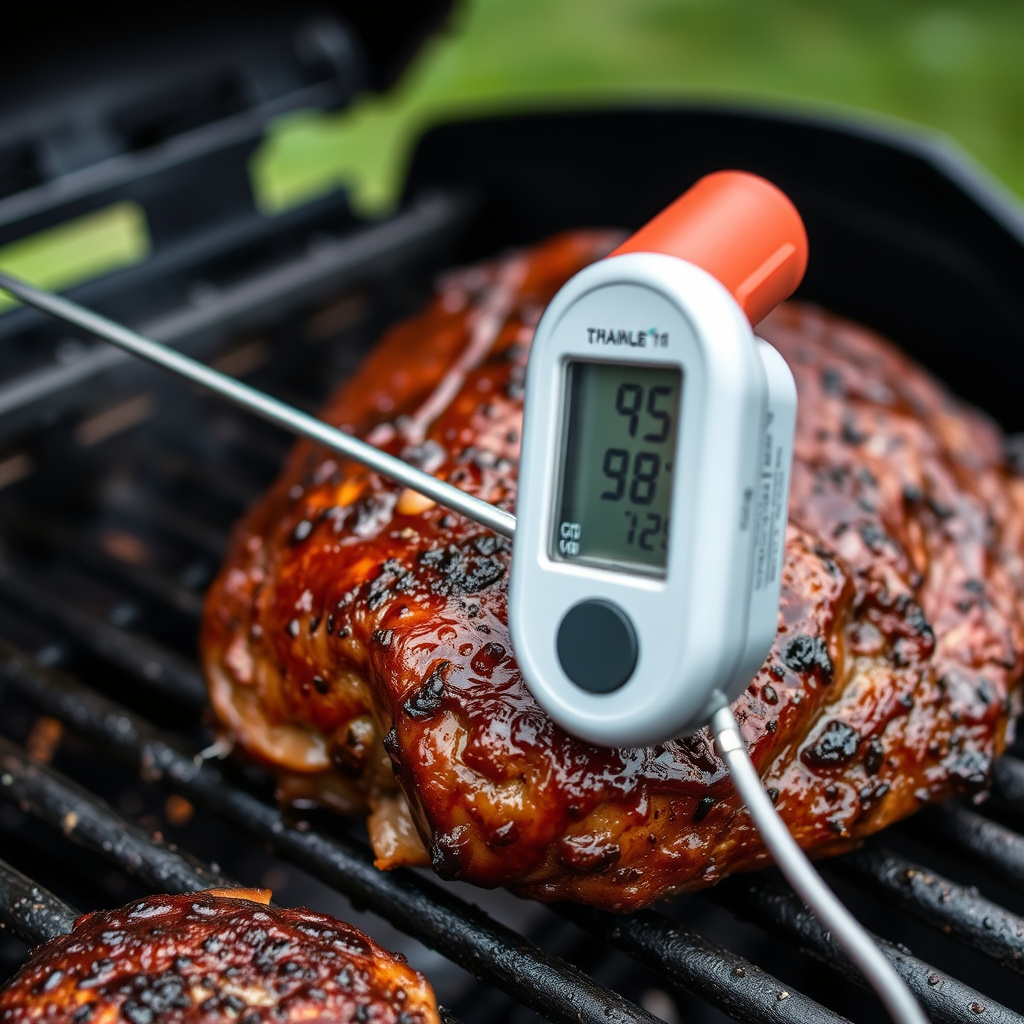
Accurate temperature reading guarantees your meat is cooked perfectly and safe to eat. Use a probe thermometer inserted into the thickest part of the cut. Target internal temperatures depend on the meat type, for example, 195-205°F for brisket and 165°F for poultry.
Wireless or leave-in thermometers let you monitor temperature throughout cooking without opening the lid, preserving heat and smoke levels.
- Probe placement in thickest part
- Target 195-205°F for brisket
- 165°F safe temp for chicken
- Use wireless thermometers for convenience
For more on this, see our related guide: How to Choose a Pellet Grill: A Detailed Buyer’s Guide.
Resting and Serving Smoked Meat
Resting meat after smoking allows juices to redistribute, improving tenderness and flavor. Keep your smoked meat covered loosely with foil and let it rest for 15-30 minutes before slicing. This step avoids juice loss and keeps the meat moist.
When serving, slice against the grain for beef or pull apart pork shoulder. Pair your smoked meats with barbecue sauces or sides to complement the smoky flavor created on your gas grill.
Troubleshooting Common Gas Grill Smoking Issues
Handling Temperature Fluctuations
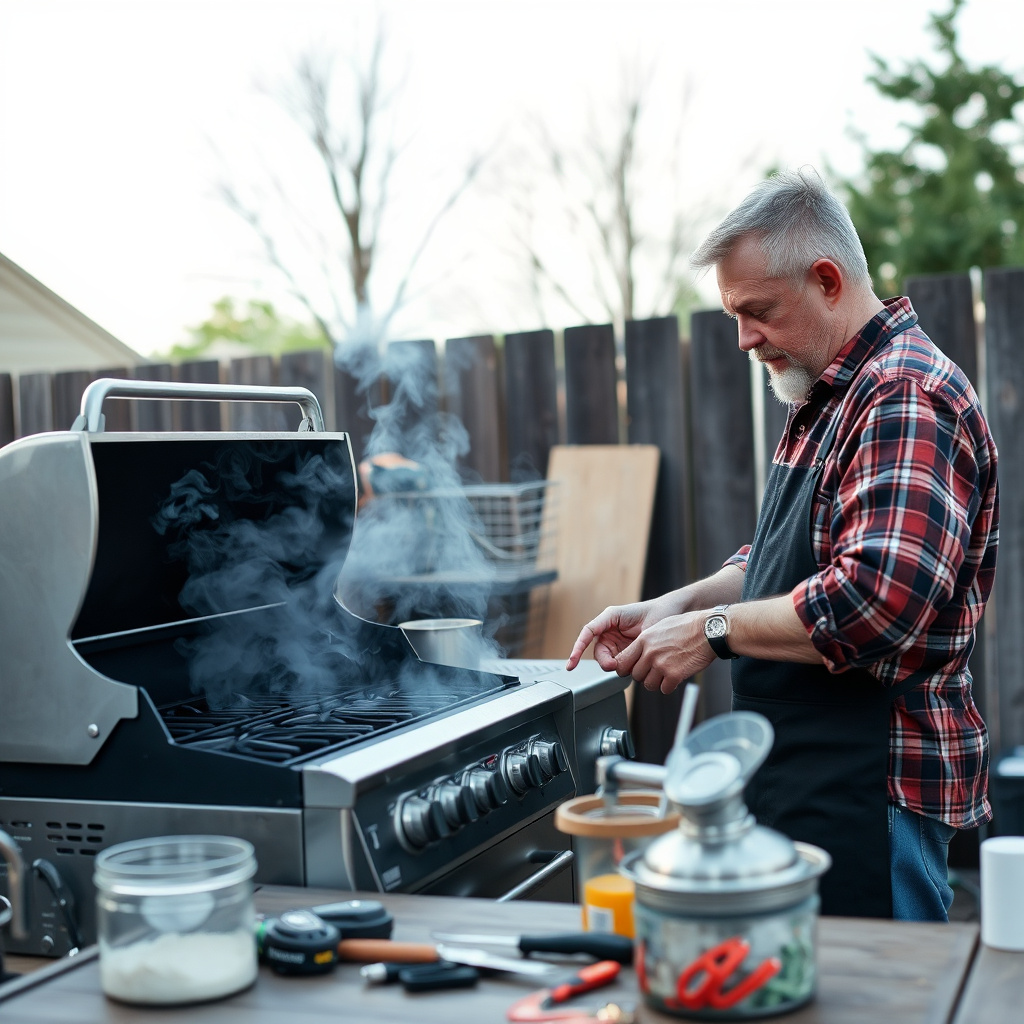
Gas grills can spike in temperature if burner flames flare up or if vents are improperly adjusted. If your grill temperature climbs above 275°F, reduce burner heat and open vents slightly to cool the cooking space. Conversely, if it drops below 225°F, increase flame intensity and close vents gradually.
Check for gas supply problems or dirty burners that may cause uneven heating and clean them regularly to maintain consistent temperatures.
- Adjust burner knobs in small increments
- Keep vents partially open for airflow
- Clean burners to prevent flare-ups
- Check gas supply pressure
For more detailed information on smoking meat on a gas grill and barbecue methods, the Wikipedia page on barbecue offers excellent insights. smoking meat on a gas grill.
Improving Smoke Flavor and Output
If your smoke is weak or barely noticeable, your wood chips may not be heating enough or you added too few. Make sure chips are soaked and placed over direct heat. Use a smoker box close to the burners or foil packets with holes to allow smoke escape.
Experiment with wood chip types and quantities and adding a dedicated smoke tube to your grill to increase smoke output if desired.
Gas Grill Smoking Methods Comparison
Here’s a quick comparison of popular methods to produce smoke on a gas grill for meat smoking.
| Method | Ease of Use | Smoke Intensity | Cost | Maintenance |
|---|---|---|---|---|
| Wood Chip Foil Packets | Easy | Medium | Low | Low |
| Smoker Box | Moderate | High | Moderate | Moderate |
| Electric Smoke Generator | Easy | High | High | Low |
| Pellet Smoke Tube | Moderate | High | Moderate | Low |
Frequently Asked Questions
Can I smoke meat on any gas grill?
Most gas grills can be adapted for smoking by setting up indirect heat zones and adding wood chips for smoke. However, grills with precise temperature controls and space for a smoker box work best.
How long does it take to smoke meat on a gas grill?
Smoking times vary widely based on meat type and size, ranging from 2-3 hours for chicken to 10-16 hours for brisket. Low and slow cooking at 225-275°F is standard.
What wood chips are best for smoking meat on a gas grill?
The best wood chips for smoking depend on flavor preference: hickory and mesquite offer strong smoke, fruitwoods like apple and cherry provide milder, sweeter notes.
Do I need to soak wood chips before using them?
Soaking wood chips helps them smolder longer, creating steady smoke instead of burning quickly. Soak for at least 30 minutes, then drain before placing on the grill.
How do I prevent the gas grill from getting too hot while smoking?
Create an indirect heat zone by turning off burners beneath the meat and only lighting adjacent burners at low to medium settings. Use a water pan and monitor temperature, adjusting burner levels as needed.
Key Takeaways
- Create indirect heat zones on your gas grill for low and slow smoking.
- Use soaked wood chips in a smoker box or foil packets for consistent smoke.
- Monitor grill temperature between 225-275°F to maintain proper cooking conditions.
- Rest smoked meats before serving for maximum juiciness and flavor.
Conclusion
Successfully smoking meat on a gas grill depends primarily on controlling heat and smoke levels carefully. By setting up your grill for indirect cooking and using wood chips prepared for slow smoldering, you can replicate the smoky environment traditionally achieved by charcoal smokers. Patience is essential since smoking is a lengthy process requiring frequent temperature checks and adjustments. Selecting appropriate cuts and seasoning beforehand complements the flavor development as the smoke infuses the meat during the cooking session.
For beginners or occasional smokers, wood chip foil packets combined with indirect heat provide an accessible way to experiment with smoked flavors without extra equipment. More dedicated enthusiasts might prefer investing in a smoker box or pellet smoke tube to intensify smoke flavor and ease maintenance. Cuts like pork shoulder, ribs, or chicken thighs perform well with gas grill smoking and offer rewarding, tender results after hours on low heat. Keeping your grill chamber moist with a water pan improves texture and helps prevent the meat from drying out over time.
The next step after mastering basic smoking on a gas grill is to explore different wood chip varieties to suit your taste and refine timing based on specific meats. Document your process and adjust for preferences as each grill behaves slightly differently. Smoking this way adds versatility to your gas grill, expanding your outdoor cooking repertoire to include richly flavored, juicy smoked meats enjoyed by family and friends.



