
Controlling temperature on a gas grill involves adjusting the burner knobs and managing airflow to achieve precise heat levels for grilling. By learning how to regulate the gas flow with the valves, you can set low, medium, or high temperatures and maintain consistent heat throughout cooking.
Maintaining the right temperature ensures food cooks evenly, preventing undercooking or burning. Understanding your gas grill's controls helps you avoid flare-ups caused by grease and enhances flavor through proper searing and slow cooking where necessary.
This article will guide you through essential techniques for managing grill temperature, including how to read your grill's built-in thermometer, use burner settings efficiently, and apply advanced tips like indirect grilling and managing flare-ups for better results.
Understanding Your Gas Grill’s Temperature Controls
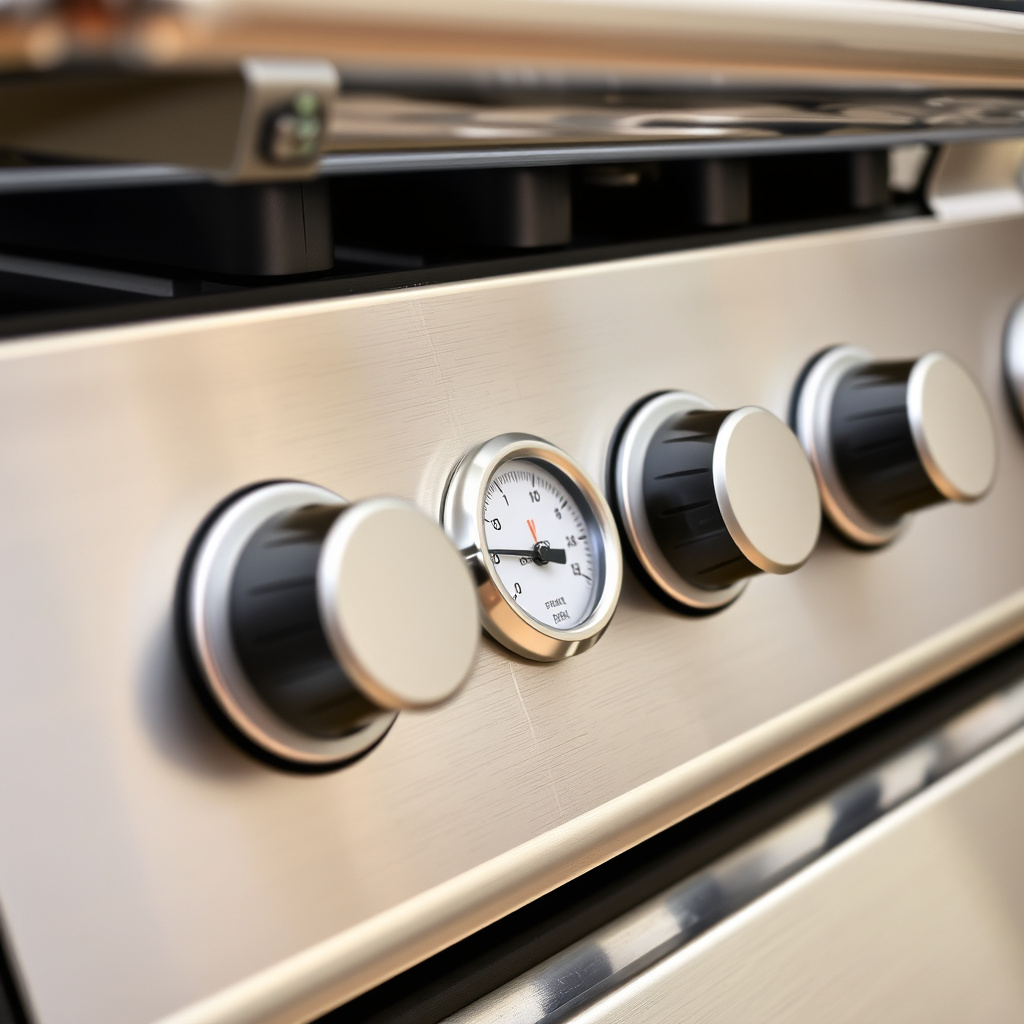
How Burner Knobs Regulate Heat
Gas grills generally have individual burner knobs that control the gas flow to each burner, allowing precise temperature adjustment. Turning a knob clockwise decreases the gas flow and lowers the heat; turning it counterclockwise increases the gas and raises the heat.
Knowing your grill’s knob positions helps create zones of varying temperatures, from high-heat searing to low-heat slow cooking. This zoned cooking technique expands your grilling options by letting you move food to different temperature areas.
- Turn knobs fully on for maximum heat
- Turn knobs partially on for medium heat
- Turn knobs low or off for cooler zones
Using the Built-in Thermometer Effectively
Most gas grills feature a built-in lid thermometer that provides an estimate of internal temperature. While convenient, these thermometers can be inaccurate if positioned too far from the food or affected by direct flame heat.
For better readings, invest in a quality grill surface thermometer probe. These allow real-time monitoring of cooking temperature right where the food rests, enabling better control over grill adjustments.
Setting Gas Grill Temperature for Different Cooking Styles
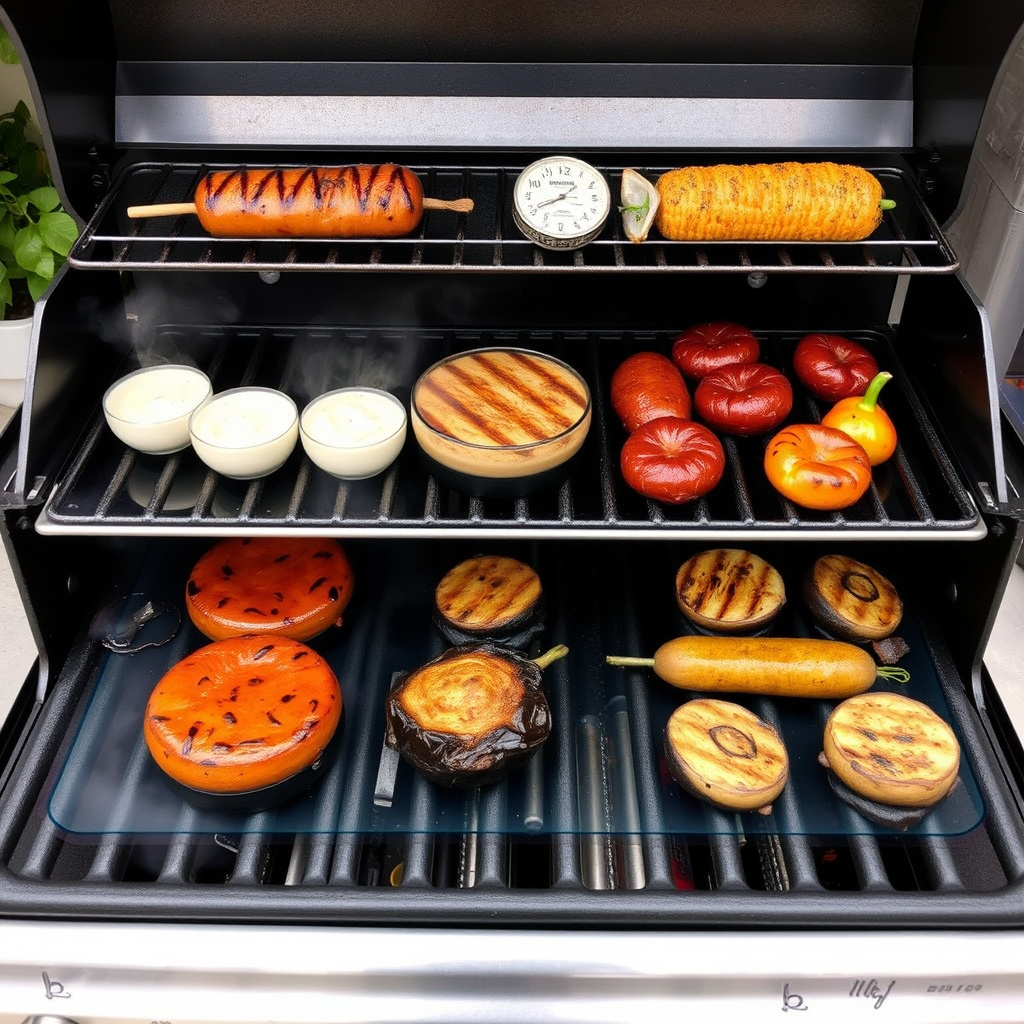
High Heat for Searing and Quick Cooking
High heat zones usually range from 450°F to 600°F and are ideal for searing steaks, chops, and vegetables quickly. These high temperatures create a crust on meat that locks in juices and flavor.
To achieve this, turn all burners to high or turn on one burner fully if you want a direct sear area. Use minimal cooking time on high heat to avoid burning or drying out the food.
- Set burner knobs to maximum
- Preheat grill 10-15 minutes
- Cook food quickly, flipping often
For more on this, see our related guide: How to Keep a Grill from Rusting: Effective Protection Tips.
Medium and Low Heat for Slow Cooking and Smoking
Medium heat zones range between 300°F and 450°F and are perfect for cooking chicken, fish, and thicker cuts that need longer cooking times. Low heat under 300°F is ideal for smoking, slow roasting, or keeping food warm.
Adjust burners to medium or low settings or create indirect heat by turning off a burner and placing food away from active flame zones. This technique prevents burning while allowing thorough cooking.
- Set burner knobs between low and medium
- Use indirect grilling method
- Allow longer cooking times
Managing Flare-ups and Temperature Fluctuations
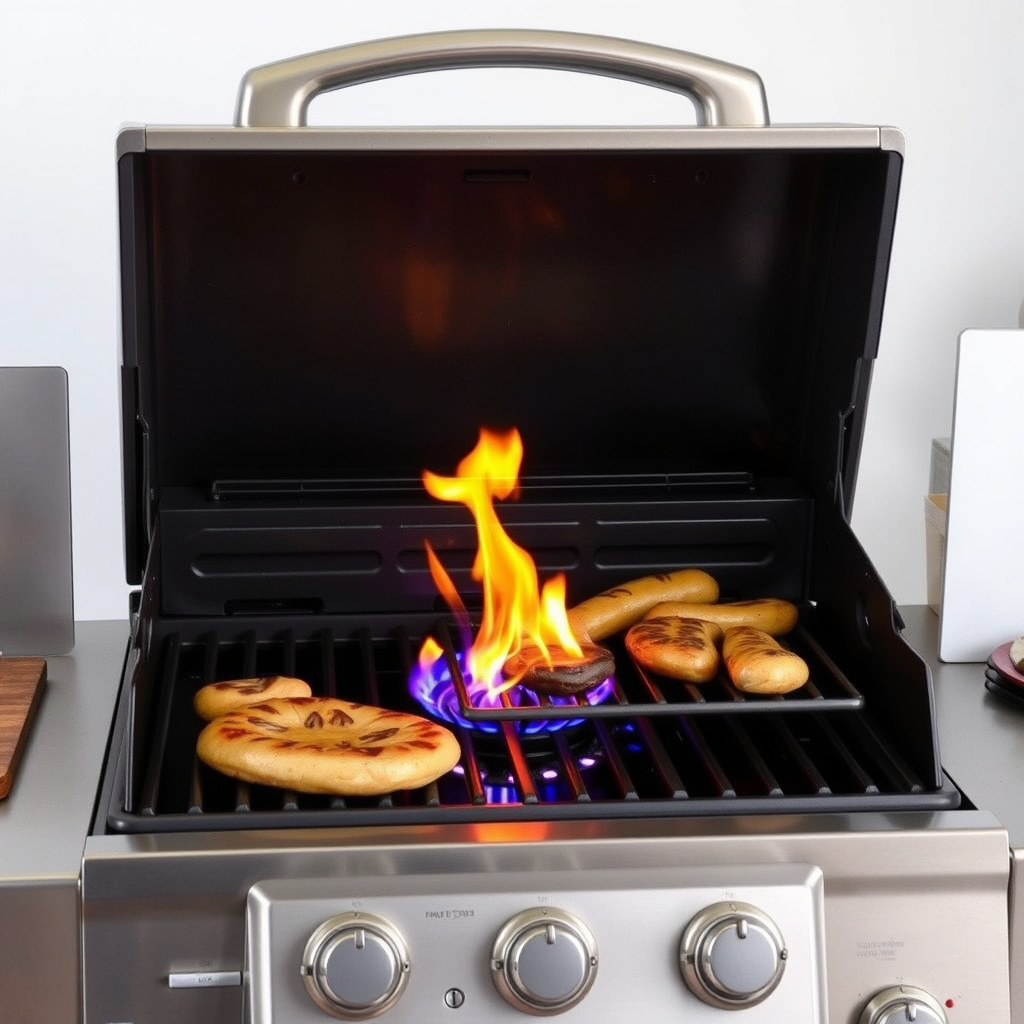
Identifying Common Causes of Flare-ups
Flare-ups occur when fat drips onto hot burners or heat shields, igniting bursts of flame. These sudden flames can char food and alter grill temperature unexpectedly.
To reduce flare-ups, trim excess fat from meat, clean grease traps regularly, and use leaner cuts when possible. Understanding this helps maintain stable heat and reduces fire hazards.
- Fat drippings hitting burners
- Grease buildup in drip pans
- High heat igniting oils
Techniques to Control Temperature During Flare-ups
When flare-ups happen, move food to a cooler section of the grill temporarily. You can also partially close the lid to reduce oxygen, which helps control flames but avoid closing it fully as this can increase heat.
Keep a spray bottle with water handy for small flare-ups, but use it sparingly to avoid ash and steam. Maintaining burner knobs at medium or low settings can also minimize flare intensity.
- Move food to indirect heat area
- Partially close the lid
- Use water spray bottle cautiously
Using Gas Grill Temperature Settings for Different Foods
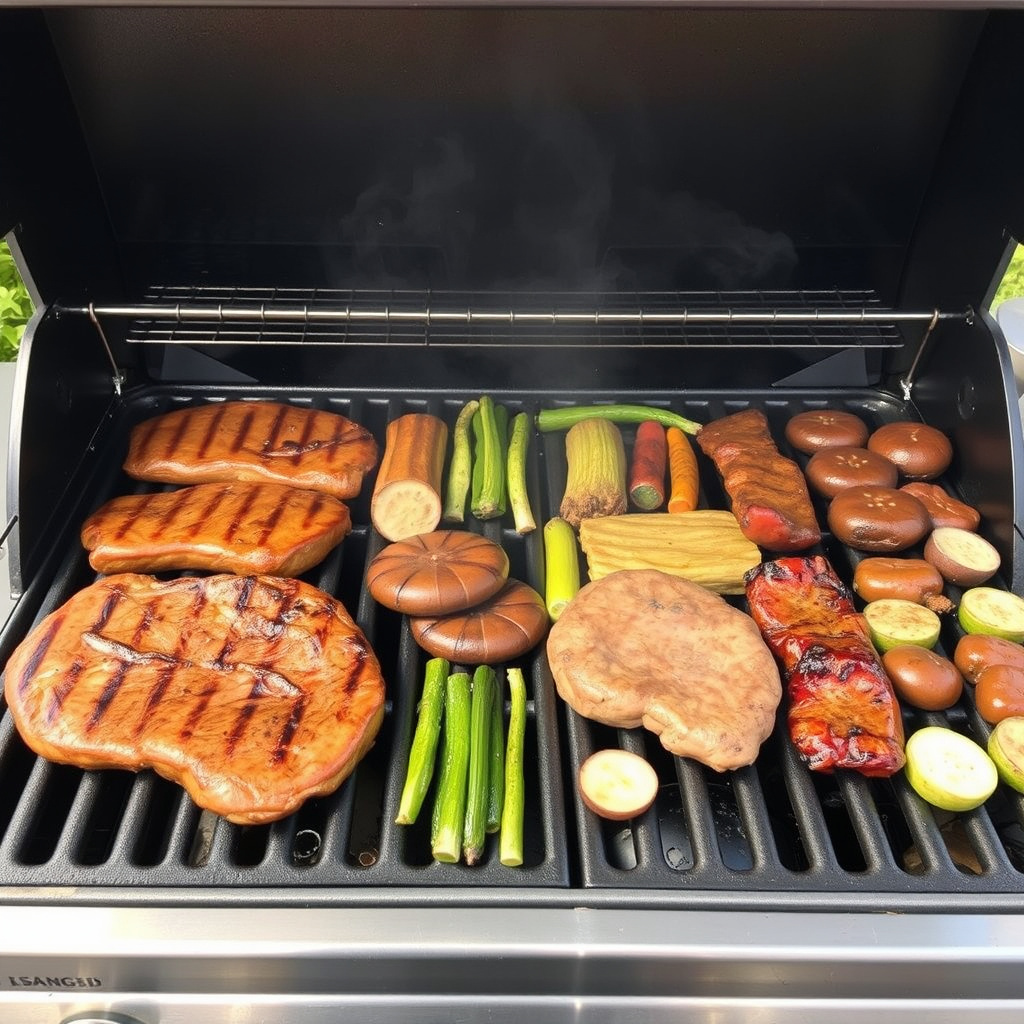
Best Temperature Settings for Meats
Steaks and burgers benefit from high heat (450°F-600°F) for searing, while chicken and pork require medium heat (350°F-450°F) for safe cooking without burning the exterior.
Fish and seafood do better with medium to low heat (300°F-400°F) as high heat can dry them out quickly. Adjusting burner knobs accordingly ensures juicier outcomes.
- High heat for steaks and burgers
- Medium heat for chicken and pork
- Low to medium heat for fish and seafood
For more on this, see our related guide: How to Prevent Flare Ups on a Grill for Safe, Even Cooking.
Temperature Guidelines for Vegetables and Fruits
Vegetables grill best at medium heat (350°F-450°F) to develop grill marks while retaining moisture and texture. Fruits like pineapple or peaches require indirect heat or low temperatures to prevent burning while softening.
Using gas grill temperature settings correctly guarantees even cooking without charring or overcooking delicate produce.
- Medium heat for most vegetables
- Low to indirect heat for fruits
- Use grill basket for smaller items
Advanced Temperature Control Tips for Gas Grills
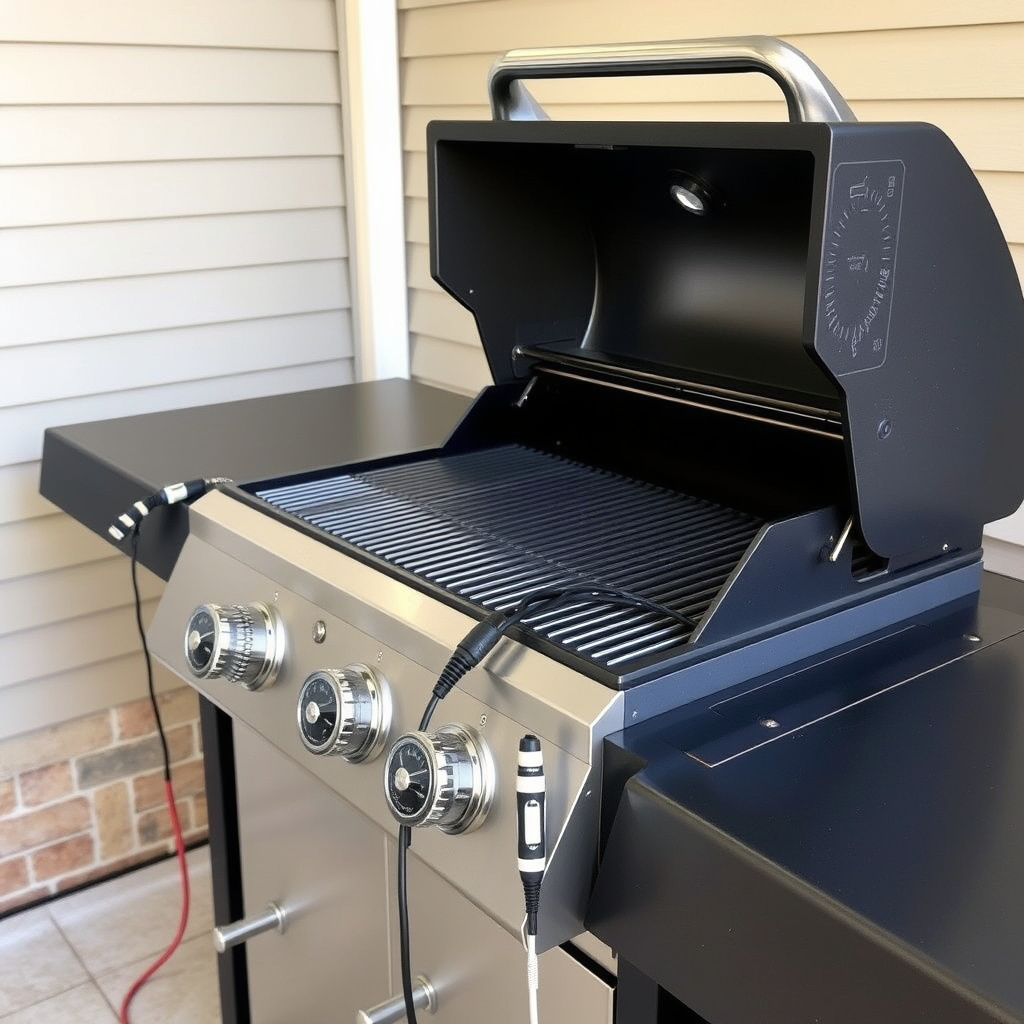
Indirect Grilling and Use of Heat Zones
Indirect grilling involves turning off one or more burners and cooking food next to but not directly over the flame. This method mimics slow roasting, allowing better temperature control over longer cook times.
Creating separate heat zones by adjusting burner knobs lets you sear on high heat then move food to lower heat to finish cooking, enhancing flavor and texture.
- Turn off one or more burners
- Place food adjacent to heat source
- Use different burner levels for zones
For more detailed information on gas grill temperature control techniques, you can visit the Wikipedia page on Barbecue. Gas grill temperature control techniques.
Using Temperature Probes and Digital Controls
Digital temperature probes inserted in the food or grill surface provide accurate readings and help maintain precise cooking temps. Some advanced gas grills include Wi-Fi or Bluetooth controls to monitor and adjust temperature remotely.
Utilizing these tools minimizes guesswork and improves grilling outcomes by allowing fine-tuning of burner knobs based on real-time data.
- Insert probe into thickest part of food
- Connect to digital app if available
- Adjust burner knobs based on readings
Gas Grill Temperature Control Methods Comparison
This table compares common methods to control temperature on gas grills, highlighting their benefits and limitations to help choose the right approach.
| Method | Control Precision | Ease of Use | Best For |
|---|---|---|---|
| Burner Knobs Adjustment | High | Easy | General grilling and zone cooking |
| Built-in Thermometer | Moderate | Very Easy | Quick heat estimate |
| Indirect Grilling | Moderate | Moderate | Slow cooking and smoking |
| Temperature Probes & Digital Controls | Very High | Moderate | Precise cooking, complex recipes |
| Manual Flare-up Management | Low | Challenging | Occasional flare-ups |
Frequently Asked Questions
Can I control temperature on any gas grill with the burner knobs?
Yes, burner knobs are the primary temperature control on gas grills. Adjusting the knobs changes gas flow and heat output, allowing direct regulation of cooking temperature.
How accurate is the built-in thermometer on a gas grill?
Built-in thermometers provide a general estimate but can be affected by heat fluctuations and placement. For precise cooking, a grill surface or meat probe thermometer is recommended.
What is the best way to handle flare-ups on a gas grill?
Move food to a cooler area, partially close the lid, and use a spray bottle to lightly douse flames. Also, trim fat and keep grease clean to reduce flare-ups.
How do I create different heat zones on a gas grill?
Adjust burner knobs to have some burners on high and others on low or off. This creates direct high-heat zones and indirect cooler zones for versatile grilling.
Are digital temperature probes worth the investment?
Yes, especially for serious grillers. They provide accurate, real-time temperature readings and some allow remote monitoring, improving cooking precision.
Key Takeaways
- Use burner knobs to adjust gas flow and create cooking zones.
- Built-in thermometers offer rough temperature estimates but consider a probe for accuracy.
- Manage flare-ups by controlling fat drippings and moving food away from flames.
- Advanced tools like digital probes help achieve precise temperature control.
Conclusion
Controlling temperature on a gas grill hinges on understanding how burner knobs regulate gas flow and heat production. Combining this knowledge with effective use of your grill’s thermometer and flare-up management improves cooking outcomes. Creating different heat zones also broadens cooking techniques, allowing searing, slow cooking, and smoking simultaneously. Thoughtful temperature control reduces burnt or undercooked food while enhancing flavor through proper searing and even cooking.
For everyday grilling, rely on adjusting burner knobs and monitoring temperature with your grill’s built-in thermometer. For thicker or delicate cuts, utilize indirect grilling zones to gently finish cooking. When precision matters, digital temperature probes offer accurate feedback and remote control advantages. Managing flare-ups through preventive trimming and grease maintenance keeps heat consistent. Whether making quick steaks or slow-roasting chicken, applying the right temperature settings tailored to your food type and preferences makes all the difference.
If you want to improve your grilling skills, start by experimenting with burner knob adjustments and observe how different settings affect temperature and cooking time. Investing in temperature probes and practicing indirect cooking techniques will elevate results. Remember to maintain your grill by cleaning grease traps regularly to avoid flare-ups that alter temperature. Controlling temperature on your gas grill doesn’t require complex equipment, just a clear understanding of your controls, awareness of food needs, and a bit of hands-on practice.



