
The amount of charcoal needed for a grill depends largely on the grill size, cooking duration, and the type of food. On average, a small 14-inch grill requires about 2 pounds of charcoal for a quick grilling session. For larger grills or longer cooking times, you might need between 4 to 6 pounds or more. This provides enough heat to cook food evenly without repeatedly adding charcoal.
Knowing how much charcoal to use matters because too little may result in inconsistent cooking temperatures, while too much can waste fuel and produce excessive smoke. Additionally, charcoal type affects burning time and heat output, which influences your total fuel needs. Adjusting quantities based on your recipe and grill size helps preserve fuel and perfect your grilling experience.
This article will cover how charcoal amounts vary with different grills, cooking methods, and types of charcoal. We'll also discuss tips for managing charcoal during grilling, compare common charcoal types, and suggest how to estimate your charcoal needs for various grilling occasions.
Estimating Charcoal Amounts Based on Grill Size
Small Grills (10-14 inches)
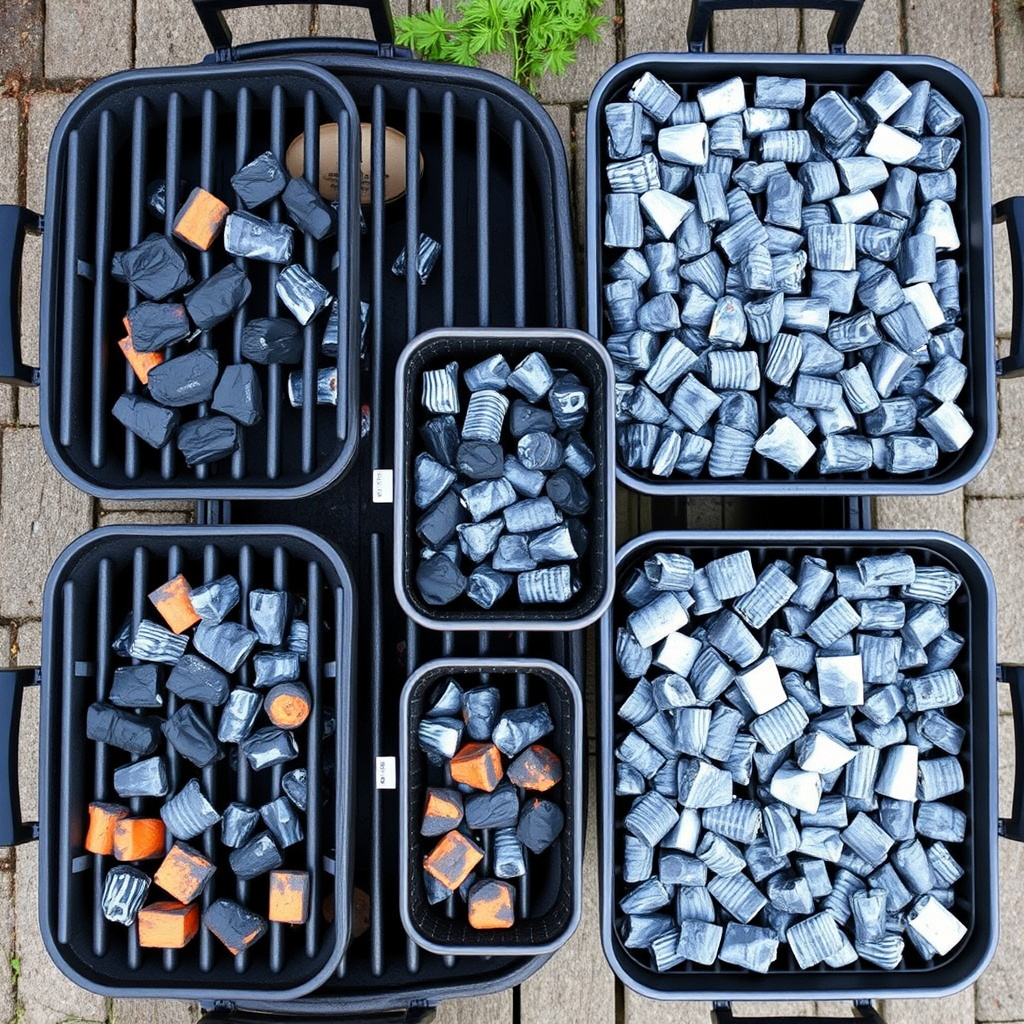
Small grills typically require around 2 pounds of charcoal to reach medium-high heat. This amount is sufficient for cooking meals for 2-4 people over 30-60 minutes. Compact design means less charcoal retains heat better but also requires reloading for extended cooking.
When using small grills, maintaining consistent heat is easier with fewer briquettes, but it’s essential to monitor charcoal consumption closely, especially for longer cooks. Using lump charcoal can require a little more due to faster burn rates.
Medium to Large Grills (18-22 inches)
For medium to large grills, expect to use 4 to 6 pounds of charcoal to build a steady, sustainable fire. This range suits groups of 5-8 people or longer cooking sessions like slow smoking or roasting. The larger surface area demands more fuel to cover the grill bed evenly.
Using a two-zone setup, where coals are concentrated on one side, can reduce charcoal use while still providing direct and indirect heat options. It allows better temperature control, which is practical when grilling large cuts of meat vs. quick vegetables.
Impact of Cooking Duration on Charcoal Quantity
Short Cooking Sessions
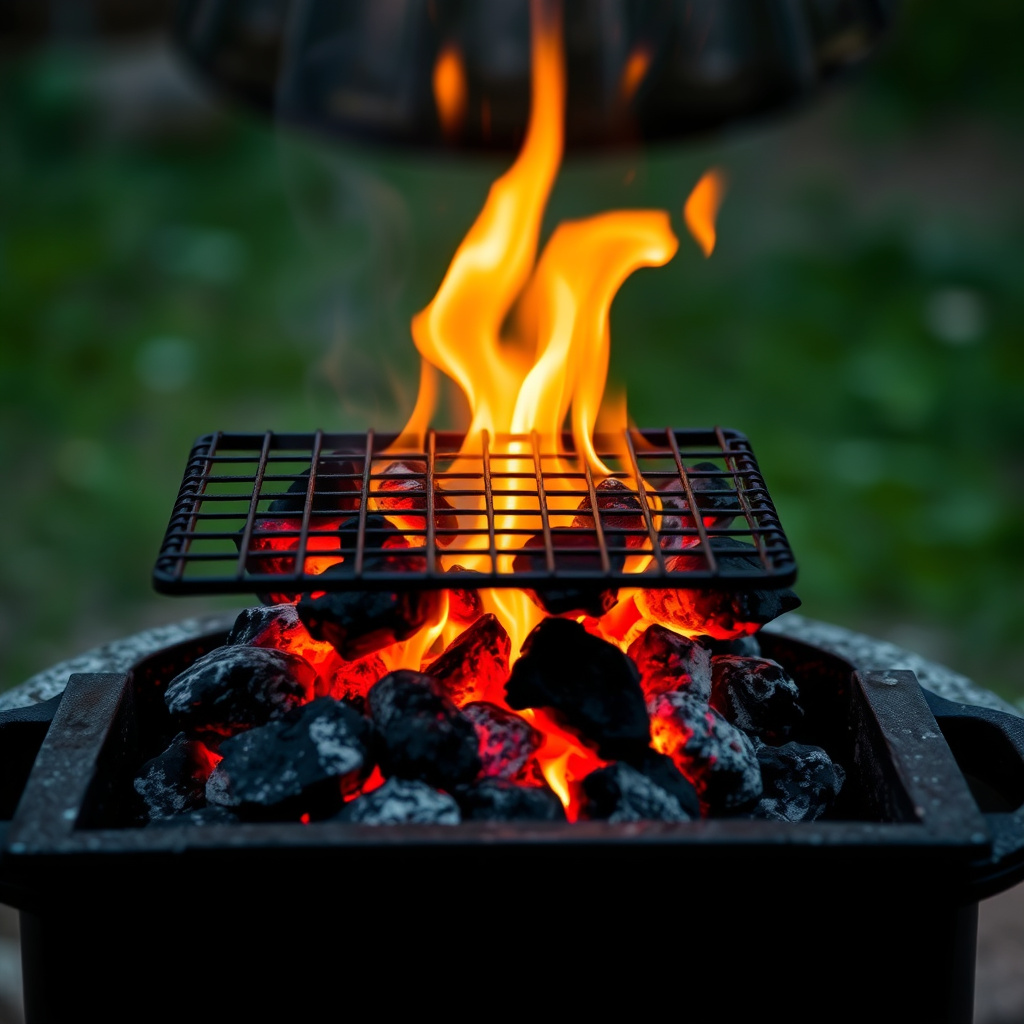
For quick grilling, such as burgers or steaks cooked in 20-40 minutes, less charcoal is needed. Usually, 2-3 pounds suffice depending on grill size. The goal is to get the grill hot quickly and maintain steady heat without excess fuel burn-off.
Charcoal lighting methods also affect time and amount used; chimney starters concentrate heat allowing for faster burn readiness and more efficient charcoal use.
Extended Grilling and Smoking
Longer cooking, including smoking or roasting for several hours, increases charcoal needs substantially. Plan for 6 to 10 pounds or more depending on cooking length and grill insulation. A slow-burning approach with adjusted airflow prolongs charcoal life.
Adding charcoal in intervals maintains temperature without overusing fuel. Monitoring heat output and supplementing with fresh coals ensures consistent cooking for multi-hour plans.
Choosing the Right Charcoal Type
Lump Charcoal
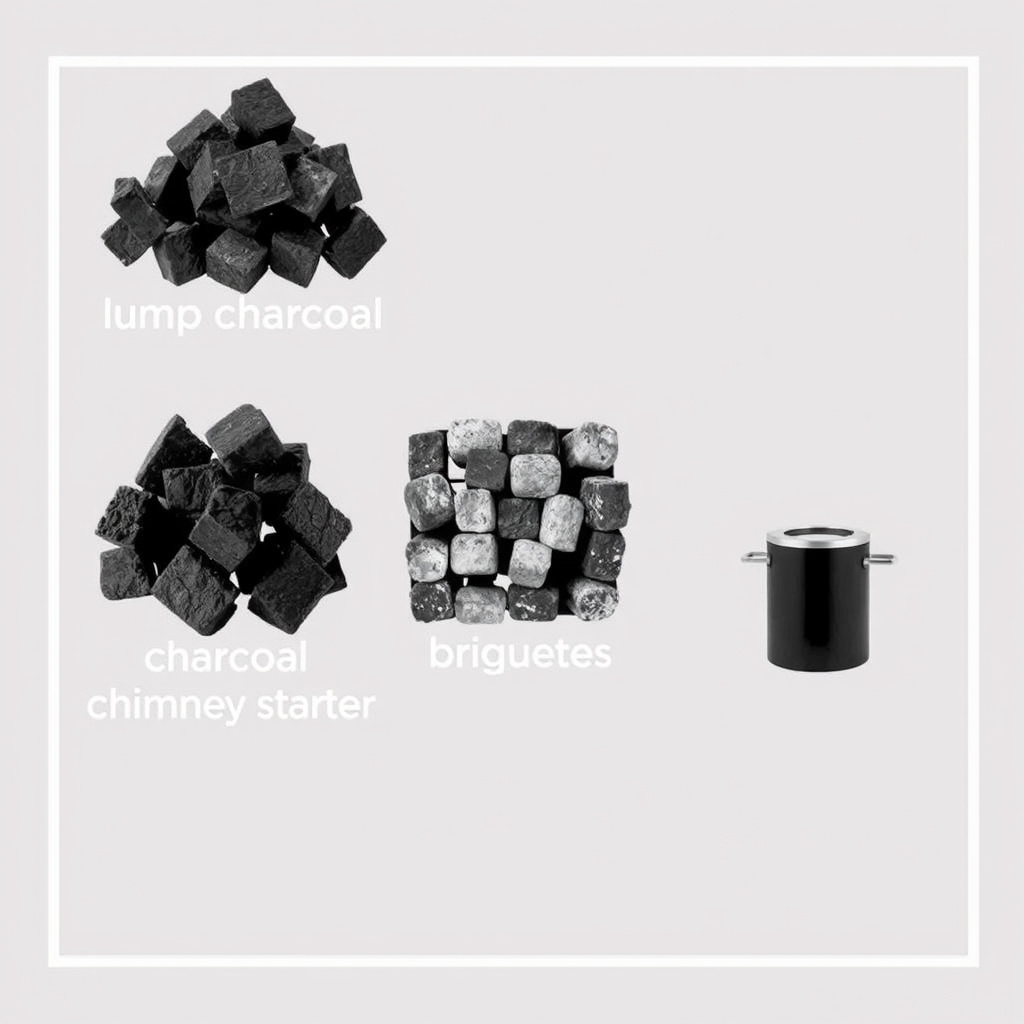
Lump charcoal is made from natural hardwood chunks and ignites hotter and faster than briquettes. Because it burns faster, you generally use more pounds of lump charcoal for longer cooks. It imparts a smoky flavor desirable for meats and offers precise temperature control.
It’s less uniform in size and burn time, which may require more frequent attention while grilling, but offers cleaner burns with fewer additives compared to briquettes.
- Burns hotter initially
- Faster burn rate requires more frequent refueling
- Natural hardwood source
For more on this, see our related guide: Can You Use Wood in a Charcoal Grill? Tips and Safety Advice.
Charcoal Briquettes
Charcoal briquettes are uniform shaped and burn consistently at a steadier temperature, making them ideal for beginners. They tend to last longer than lump charcoal and hold heat well, often needing less frequent replenishment.
Due to additives like binders, they produce more ash which requires more cleanup. Briquettes make estimating the number of pounds easier since their burn times are more predictable.
- Consistent size and burn time
- Longer-lasting heat
- Produces more ash
Charcoal Grilling Tips to Optimize Fuel Usage
Managing Airflow for Efficient Burning
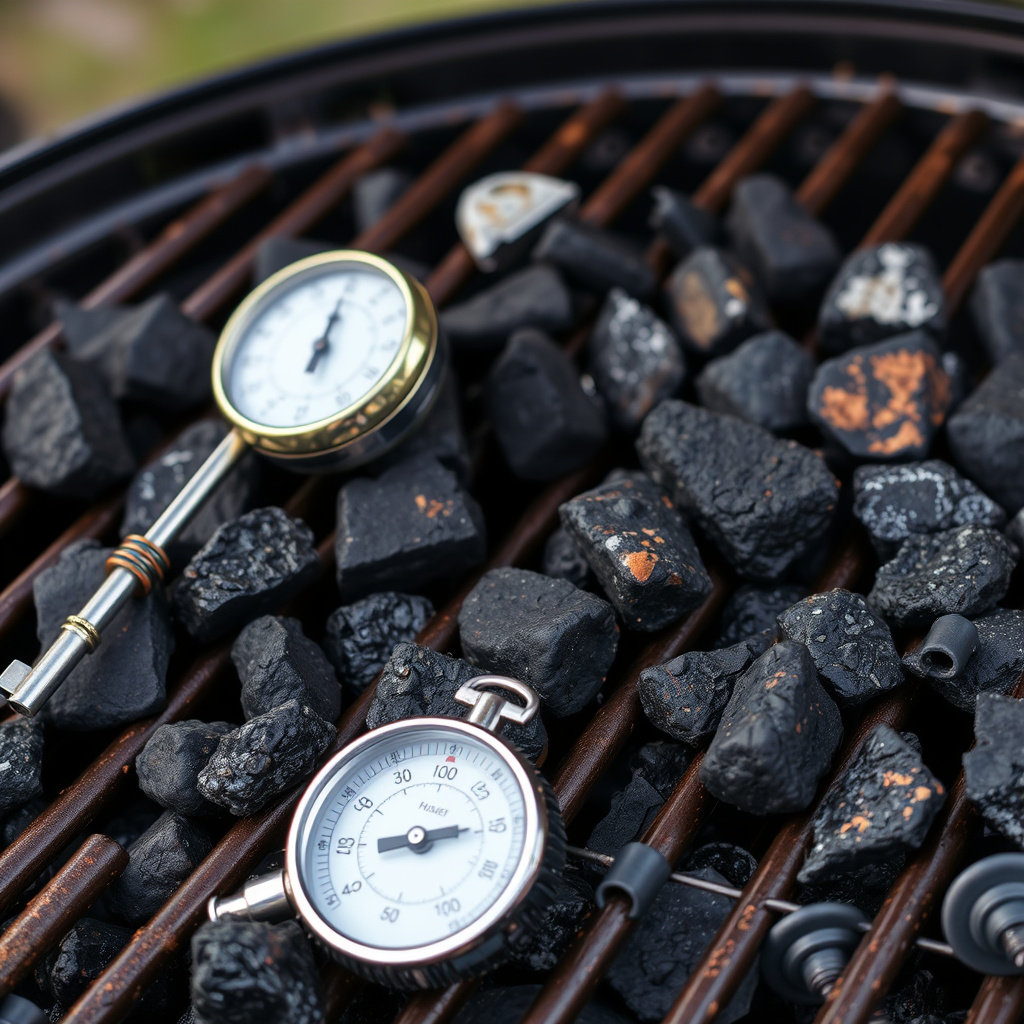
Controlling the grill’s vents regulates oxygen flow to the charcoal, impacting the burn rate and heat intensity. Closing vents partially slows combustion, extending fuel life, while opening them fully ramps up heat for searing.
Adjusting airflow allows you to stretch out charcoal usage during long cooks and helps maintain stable temperatures without excessive coal consumption.
Arranging Charcoal for Heat Zones
Creating two heat zones by stacking coals on one side lets you sear on the hot side and cook indirectly on the cooler side. This method uses charcoal more efficiently because you can regulate cooking speed and avoid over-fueling the entire grill bed.
A good arrangement balances enough fuel to create direct heat and space to manage the temperature for various foods cooking at once.
Estimating Charcoal Needs for Different Foods
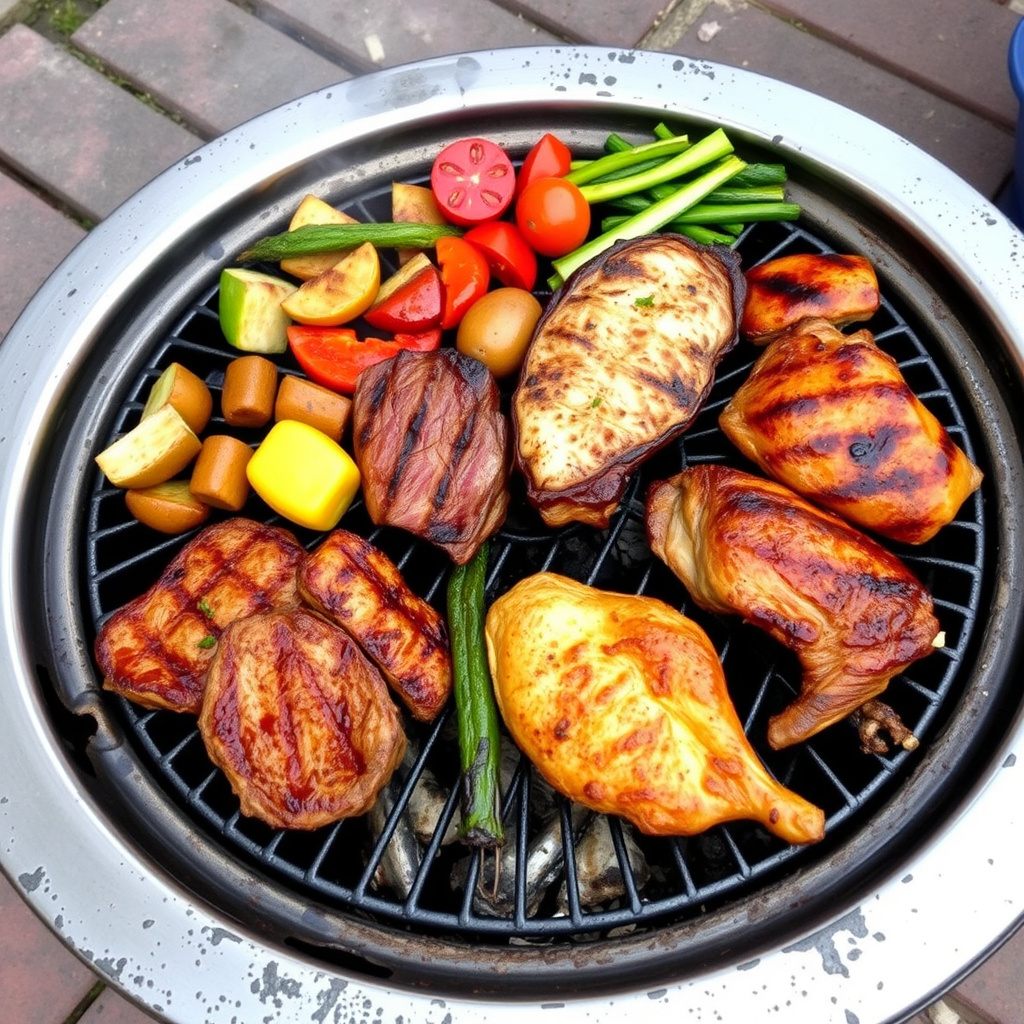
High-Heat Foods (Steaks, Burgers)
High-heat foods like steaks and burgers require heavy initial charcoal loads to create searing temperatures of 500-600°F. Estimating 2 to 4 pounds works well for a standard grill and quick cook times around 15-30 minutes.
Extra charcoal may be needed if cooking multiple batches or large quantities. Starting with more ensures the grill stays hot enough to produce a proper crust.
For more on this, see our related guide: Can You Use a Grill in the Garage? Safety and Practical Tips.
Low and Slow Foods (Ribs, Brisket)
Low and slow cooking calls for consistent moderate heat around 225-275°F over several hours. Maintaining this requires adding charcoal periodically, totaling 6 to 10 pounds depending on cooking length and grill efficiency.
Indirect heat zones prevent burning, allowing meat to tenderize slowly while charcoal burns steadily through controlled airflow and re-fueling.
Storing and Handling Charcoal Properly
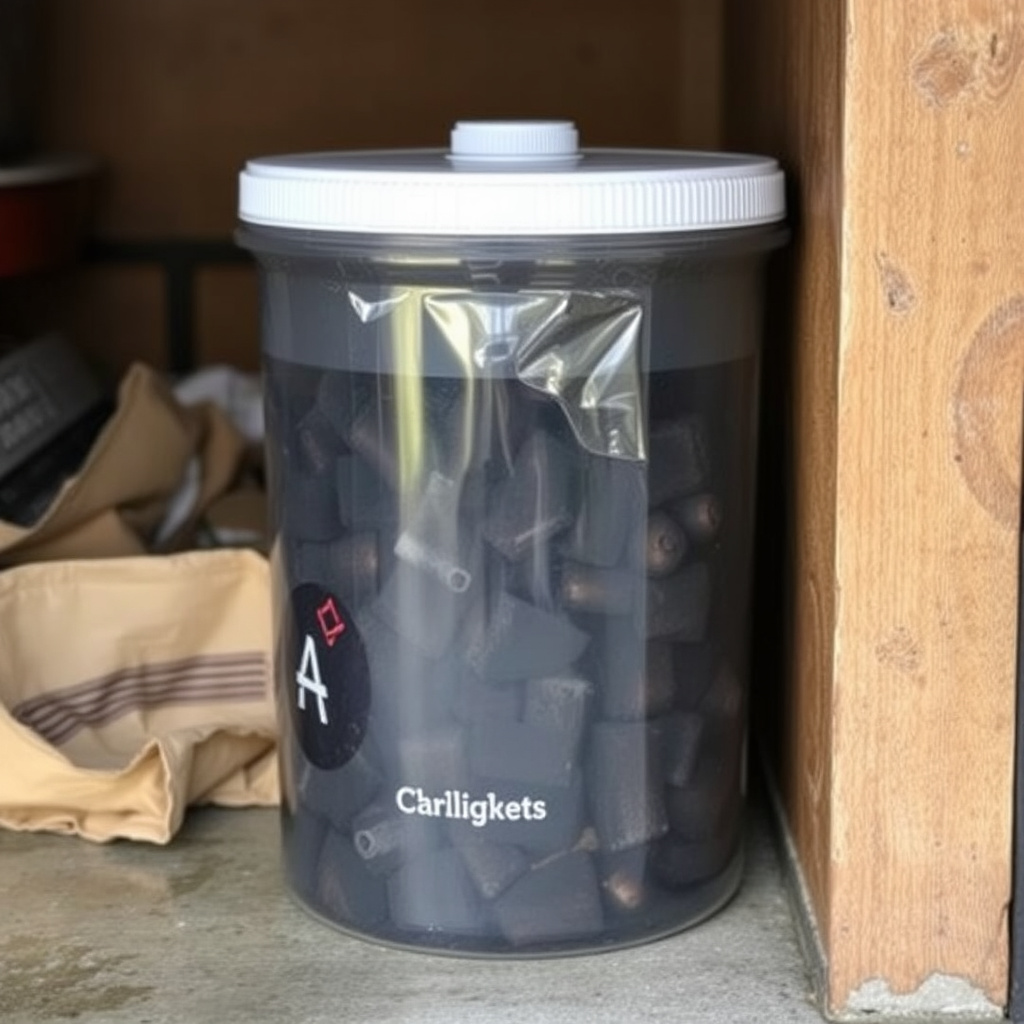
Preventing Moisture Exposure
Charcoal absorbs moisture from humidity, reducing burn efficiency and producing excessive smoke. Store charcoal in airtight containers in a dry place to preserve quality for several months.
Keep bags off damp ground and away from direct water sources. Moist charcoal will struggle to ignite and burn unevenly.
For an in-depth look at charcoal grilling techniques and history, see this charcoal grilling overview. charcoal grilling overview.
Safe Handling and Transportation
Transport charcoal using sealed bags or containers to avoid spillage and minimize dust exposure. Handle cool ashes safely by disposing of them in metal containers away from combustible materials.
Avoid transporting lit charcoal to prevent fire hazards. Using a chimney starter simplifies moving hot coals safely once ignited.
Charcoal Types for Grilling: Lump vs. Briquettes
This table compares lump charcoal and briquettes across key attributes affecting grill fuel decisions.
| Characteristic | Lump Charcoal | Charcoal Briquettes |
|---|---|---|
| Burn Temperature | Higher (up to 700°F) | Moderate (around 500-600°F) |
| Burn Duration | Shorter | Longer |
| Ash Production | Less | More |
| Ease of Use | Varied size; needs monitoring | Uniform size; easy to manage |
| Flavor Impact | Strong smoky flavor | Mild flavor |
| Cost | Generally more expensive | Usually cheaper |
Frequently Asked Questions
How long does 2 pounds of charcoal last on a grill?
Two pounds of charcoal typically burn for about 45 minutes to 1 hour depending on grill size and airflow settings. This is enough for a quick meal like burgers or hot dogs.
Can I reuse charcoal for multiple grilling sessions?
Yes, partially burnt charcoal can be reused if it still contains solid pieces. Let ashes cool and store remaining pieces to add to new charcoal for longer burning times.
Is lump charcoal better than briquettes for flavor?
Lump charcoal offers a stronger smoky flavor due to its natural hardwood composition, preferred by many grilling enthusiasts. Briquettes have a milder flavor because of additives.
How do I know if I have enough charcoal on the grill?
Proper charcoal coverage is visible when the coals form a glowing bed about 3-4 inches thick across the grill surface. Adjust quantity if spots appear cooler or if heat is uneven.
What’s the best way to light charcoal efficiently?
Using a chimney starter is the most efficient way to light charcoal evenly. It quickly ignites coals without lighter fluid and reduces chemical taste in food.
Key Takeaways
- Charcoal needs vary by grill size and cooking duration, typically 2-6 pounds for average sessions.
- Lump charcoal burns hotter and faster; briquettes burn longer and more consistently.
- Managing airflow and charcoal arrangement optimizes fuel use and temperature control.
- Matching charcoal amount to food type and cooking style improves grilling results.
Conclusion
Choosing how many pounds of charcoal for a grill depends primarily on the grill’s size and your cooking goals. Small grills need less charcoal, around 2 pounds, while larger grills or extended cooking sessions require 4 to 6 pounds or more. The cooking duration and method—whether quick steaks or slow-smoked ribs—also affect how much fuel you’ll consume. Understanding these variables helps you plan fuel amounts that match your grilling needs without unnecessary waste or frequent refueling. This approach will keep your grill hot and your food cooked to perfection.
For casual grilling of burgers or hot dogs on a small to medium grill, starting with 2 to 3 pounds of briquettes provides steady heat and simpler management. If you prefer natural flavor and higher heat, lump charcoal is a good choice but expect to use it slightly more often. For longer cooks, like brisket or ribs, plan for 6 pounds or more and add coals as needed. Arrange coals for two-zone cooking to optimize heat control and charcoal lifespan. Using a chimney starter makes lighting faster and easier for all charcoal types.
Next time you plan a barbecue, estimate charcoal based on grill size, cooking time, and charcoal type. Have extra charcoal on hand when trying new recipes or smoking for hours to avoid interruptions. Store your charcoal properly to keep it dry and ready for use. With these guidelines, you’ll grill confidently without guessing how much fuel to buy or use, improving both your grilling efficiency and food outcomes.



