
Using a grill in the garage is generally unsafe and strongly discouraged due to the significant fire and carbon monoxide poisoning risks. Grills—especially charcoal and propane types—require proper ventilation that garages typically lack, making their use indoors hazardous.
Many people wonder if it’s possible to grill in a garage during bad weather or for convenience, but this practice can lead to dangerous fumes building up quickly. Carbon monoxide is an odorless, colorless gas that can cause serious injury or death when inhaled in enclosed areas without enough airflow.
This article explains why grilling in a garage is unsafe, explores legal and safety guidelines, offers safer alternatives for indoor cooking, and provides tips on how to enjoy grilled food without risking harm to you and your home.
Understanding the Risks of Using a Grill in the Garage
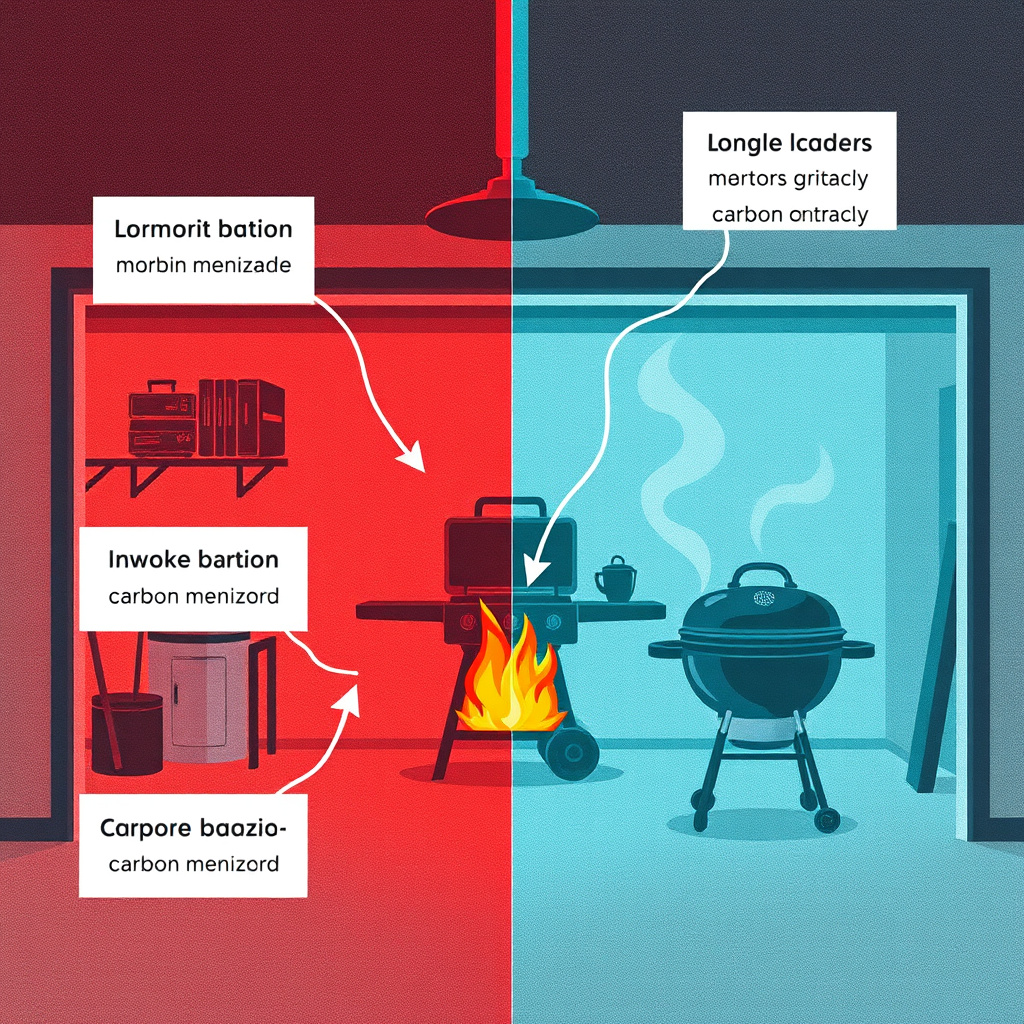
Fire Hazards Associated With Garage Grilling
Grills produce open flames and high heat that can easily ignite flammable items commonly stored in garages, such as gasoline, paint, solvents, and cardboard boxes. The confined space limits emergency response time, increasing the risk of property damage and injury.
Garage construction materials like wooden studs, drywall, and insulation can quickly catch fire. Poor airflow compounds this risk by allowing heat and burnable gases to accumulate.
- Combustible materials stored nearby
- Limited exit routes in case of fire
- Heat buildup and flare-ups
- Steam or smoke damage to stored belongings
Carbon Monoxide Dangers From Indoor Grilling
Both charcoal and propane grills emit carbon monoxide (CO), a toxic gas that can't be detected by human senses. In enclosed spaces like a garage, CO concentration can build rapidly, leading to symptoms from headaches and dizziness to fatal poisoning.
Garages often have poor ventilation, especially when doors are closed or windows are absent. This traps CO inside, creating a deadly atmosphere within minutes of grill use.
- CO is colorless and odorless
- Symptoms include nausea, confusion, loss of consciousness
- CO poisoning can occur even with brief exposure
- Proper ventilation is critical to prevent buildup
Legal and Code Regulations on Grilling Indoors
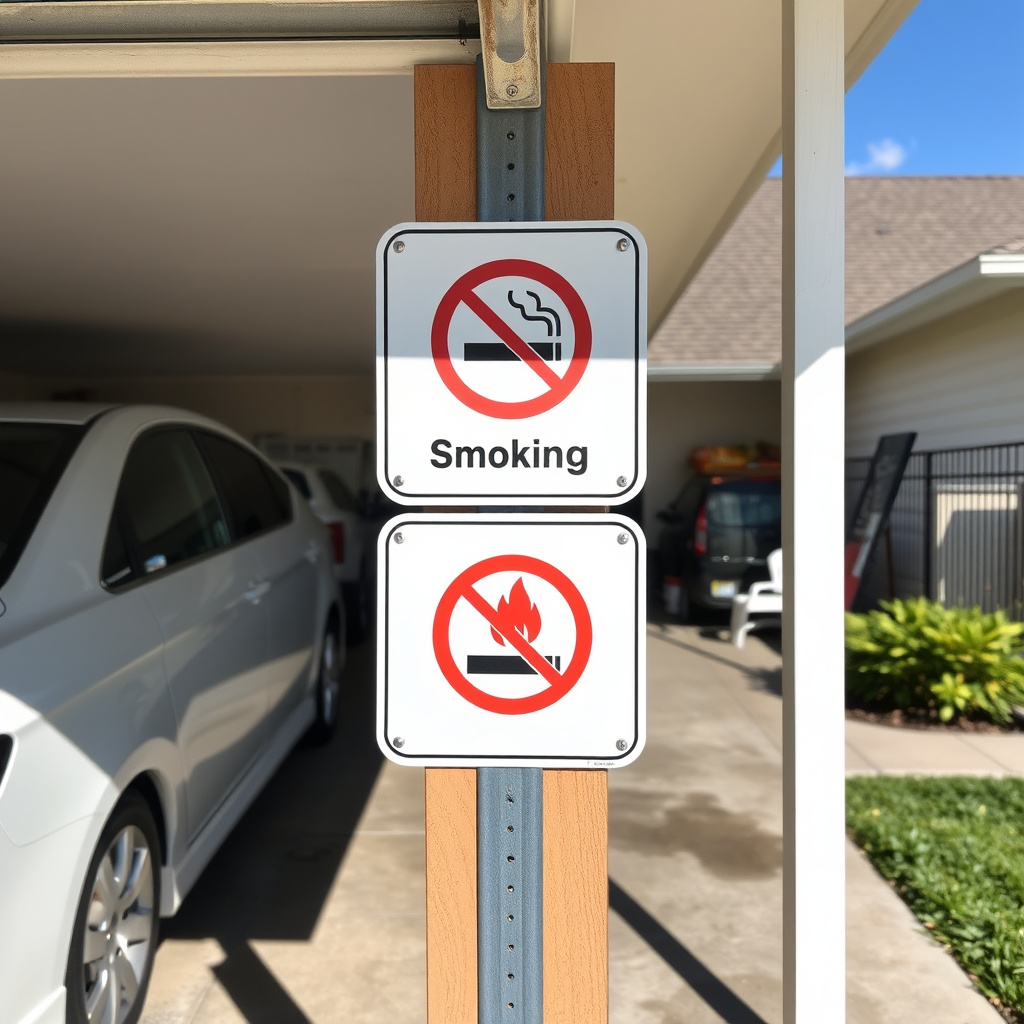
Local Fire Codes and Restrictions
Many municipalities prohibit the use of charcoal or gas grills indoors or in attached garages based on fire safety codes. These rules protect homeowners and emergency responders by minimizing accidental fires and toxic gas exposure.
Ignoring these regulations can lead to fines, insurance claim denials, and increased liability if an accident occurs. It is important to check with local authorities before attempting any indoor grilling.
- Check municipal fire ordinances
- Insurance policy clauses on indoor grill usage
- Potential penalties for violations
- Reporting and inspection procedures
Building Codes and Ventilation Requirements
Building codes require adequate ventilation when using combustion appliances indoors, including grills. Most garages lack ventilation systems designed for gas emissions from grills, making compliance impossible.
Even installing mechanical ventilation to exhaust smoke and gases may not guarantee safe indoor grilling due to heat and flame risks.
Safe Alternatives to Using a Grill in the Garage
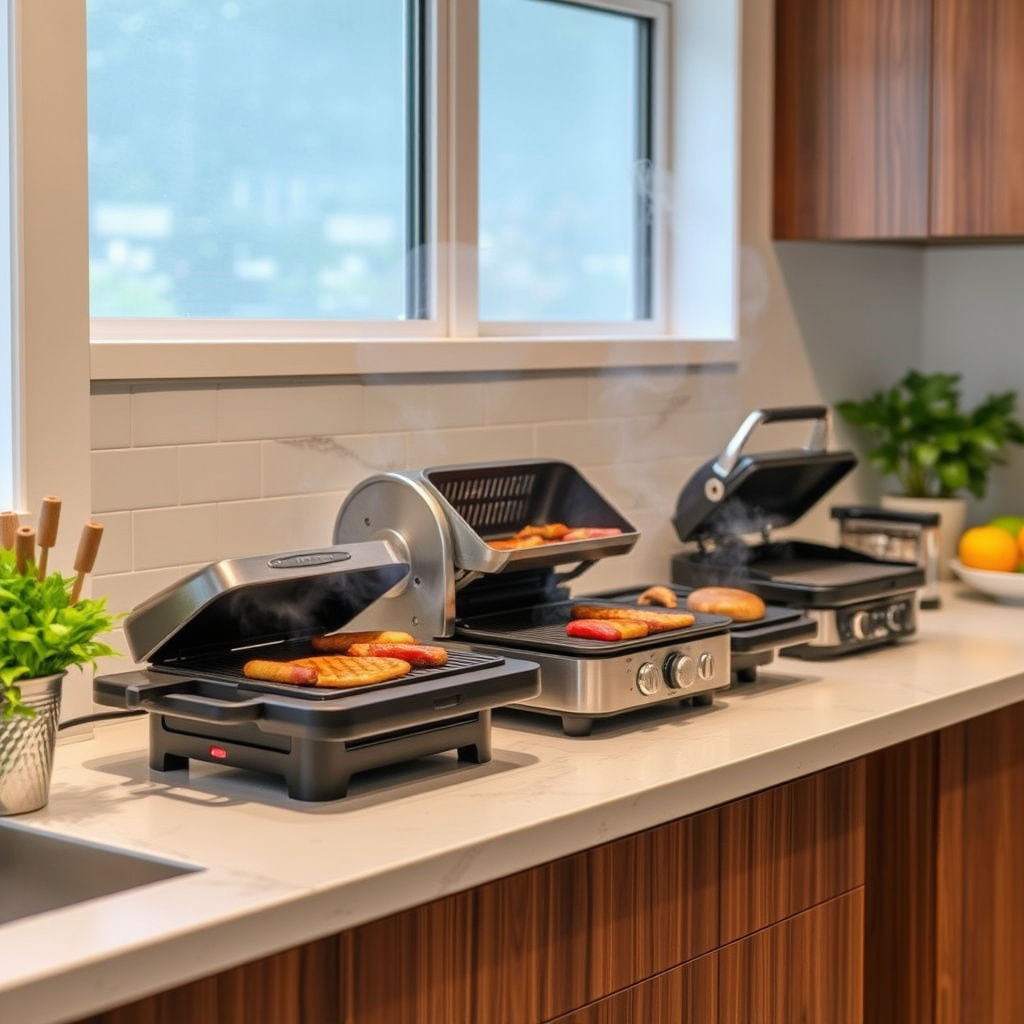
Electric Indoor Grills
Electric indoor grills offer a safer way to enjoy grilled food without the fire hazards or carbon monoxide risks of propane or charcoal. They produce no open flame and emit minimal smoke, making them suitable for kitchens or enclosed spaces.
Many models feature drip trays to reduce smoke and non-stick surfaces for easy cleaning. Their compact size makes them convenient for small apartments or homes without outdoor space.
- No open flame
- Minimal smoke production
- Easy to use and clean
- Safe for indoor kitchens
For more on this, see our related guide: Are Gas Grills Safe? Key Safety Tips and Risks Explained.
Outdoor Grilling Alternatives When Weather Is Bad
If outdoor grilling is your preference but poor weather makes it difficult, consider screened-in porches or open garages with doors fully open for airflow. Portable grills designed for balconies or patios offer compact solutions.
Using a grill outdoors remains the safest option for traditional grilling methods, and positioning it away from walls and structures reduces fire risk.
- Screened porch with ventilation
- Open garage with garage door fully raised
- Portable tabletop grills for balconies
- Using fire-retardant mats underneath grills
Proper Ventilation Tips for Safe Indoor Cooking
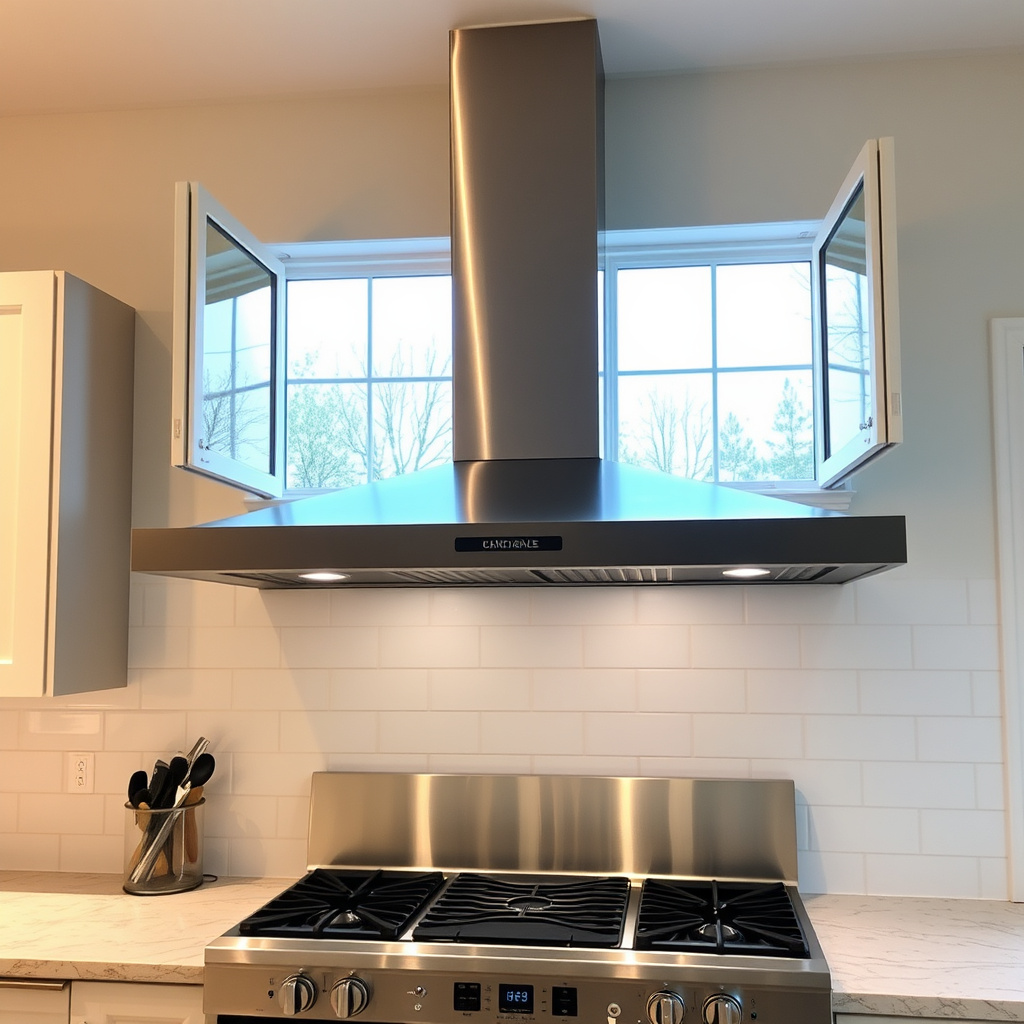
How Ventilation Helps During Indoor Grilling
Ventilation helps remove smoke, fumes, and gases from indoor cooking areas, improving air quality and reducing health risks. This is critical when using appliances that produce combustion byproducts.
Range hoods coupled with open windows can significantly reduce smoke concentration, but they cannot completely eliminate carbon monoxide from grills designed for outdoor use.
Setting Up Effective Ventilation Systems
For electric grills indoors, use a powerful kitchen exhaust fan or range hood rated for smoke capture. Position the grill near open windows or doors to facilitate airflow. Avoid placing grills near combustible materials.
Avoid using fuel-based grills indoors even if ventilation seems sufficient, as CO risks persist. Carbon monoxide detectors can provide an additional safety layer but should not replace proper cooking methods.
- Use mechanical exhaust ventilation
- Open multiple windows for cross-ventilation
- Keep combustible materials away
- Install carbon monoxide alarms near cooking areas
Maintaining and Cleaning Grills Used Indoors or Outdoors
Routine Grill Cleaning Best Practices
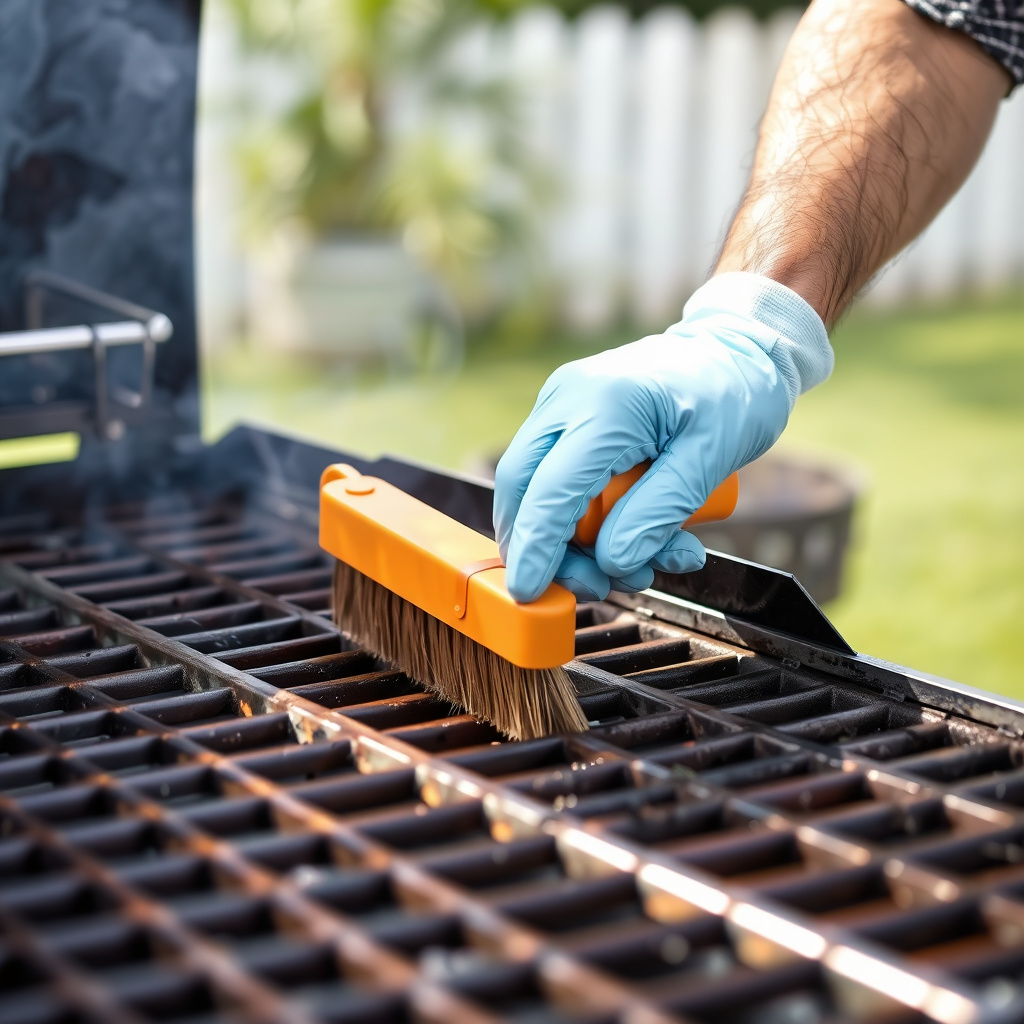
Regular cleaning prevents grease buildup, which can cause flare-ups and smoke. Brush grill grates after each use and clean grease traps frequently to maintain safe operation and prolong grill lifespan.
Use appropriate cleaning tools such as wire brushes, scraper tools, and mild detergents. Avoid harsh chemicals that may leave residues affecting food safety.
- Clean grates after every cook
- Empty and clean grease trays
- Check gas lines and connections regularly
- Store grill in a dry place to prevent rust
For more on this, see our related guide: How Long Does a Grill Last? Lifespan and Maintenance Tips for Your Outdoor BBQ.
Special Considerations for Indoor Electric Grills
Electric grills used indoors need careful cleaning to prevent electrical hazards. Always unplug before cleaning. Remove and clean drip trays to reduce smoke and odors.
Do not immerse the entire unit in water—use damp cloths for exterior surfaces and follow manufacturer instructions.
- Unplug grill before cleaning
- Remove drip trays and wash separately
- Wipe down surfaces with damp cloth
- Follow manufacturer cleaning guidelines
Choosing the Right Grill for Your Space and Needs
Comparing Propane, Charcoal, and Electric Grills
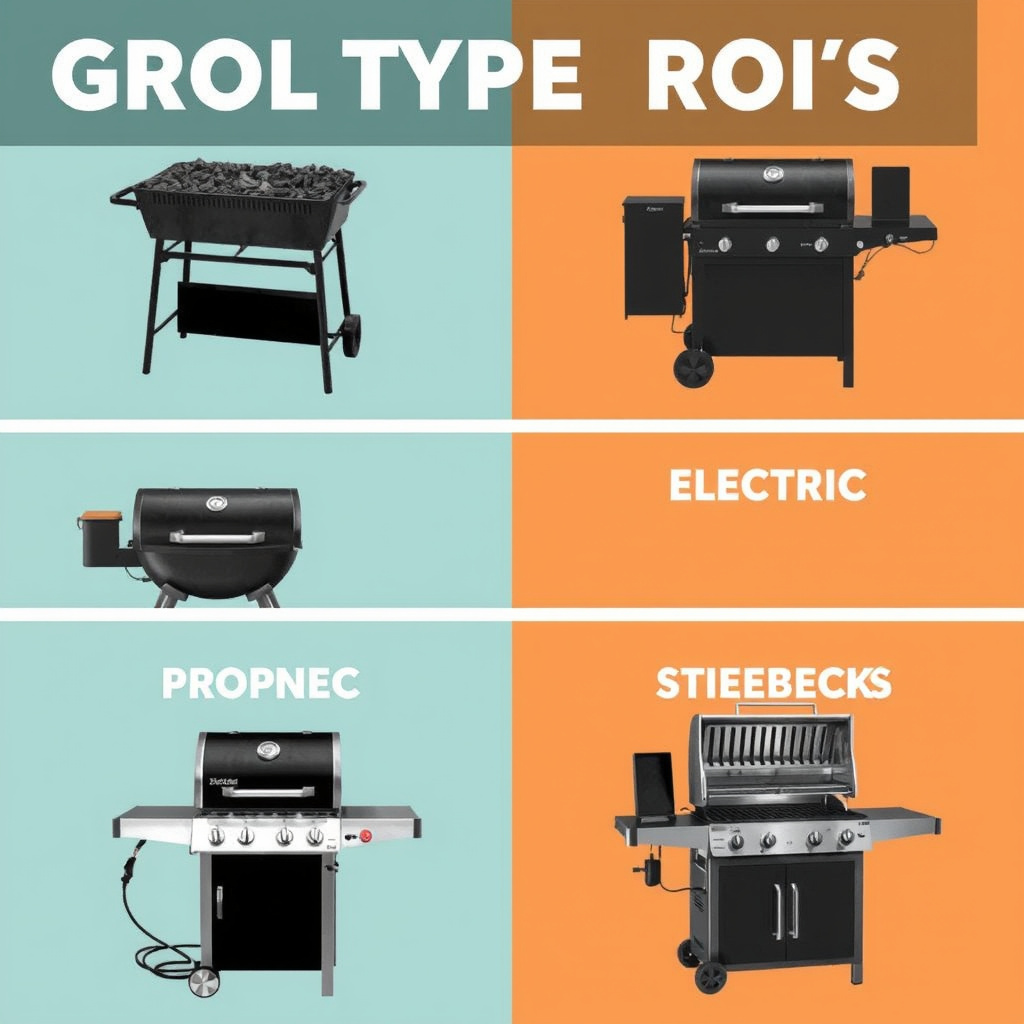
Each grill type has benefits and limitations depending on where you want to use it. Propane and charcoal grills provide authentic flavor but are unsafe indoors. Electric grills sacrifice some flavor but offer the convenience and safety needed for indoor use.
Consider available space, ventilation, and your cooking style when selecting a grill. Outdoor use suits propane or charcoal best, while electric models work well for apartments or homes without outdoor areas.
- Propane: fast heat, outdoor use only
- Charcoal: smoky flavor, outdoor use only
- Electric: no open flame, suitable indoors
- Smokeless grills: designed to reduce smoke
For official grilling safety guidelines and fire prevention tips, consult the National Fire Protection Association. grilling safety guidelines.
Size and Portability Considerations
Space constraints impact which grill is practical. A small electric grill fits easily on a countertop, while larger charcoal grills need outdoor space. Portable grills offer flexibility for travel or small outdoor areas.
Weigh portability against cooking capacity, keeping safety in mind. Never prioritize compact size over ventilation and safe operation.
- Countertop electric grills for small spaces
- Portable propane grills for camping
- Full-size charcoal grills for backyard use
- Smokeless grills for indoor grilling
Grill Type Safety and Use Comparison
This table summarizes key safety and usage differences among common grill types to help you decide the best fit for your space.
| Grill Type | Indoor Use Safety | Ventilation Needs | Flavor Authenticity | Portability |
|---|---|---|---|---|
| Charcoal Grill | Not safe; produces CO and open flame | High ventilation required; outdoor use only | High smokey flavor | Moderate portability |
| Propane Grill | Not safe; open flames and gas leaks risk | High ventilation required; outdoor use only | Authentic grilled flavor | High portability |
| Electric Grill | Safe for indoor use with low smoke | Minimal ventilation needed | Moderate flavor, less smoky | High portability |
| Smokeless Indoor Grill | Designed for indoor safety | Very low ventilation required | Mild grilled flavor | Very portable |
Frequently Asked Questions
Is it ever safe to use a propane grill inside a garage?
Using a propane grill inside a garage is unsafe due to the risk of fire and carbon monoxide buildup. Garages lack proper ventilation to disperse toxic gases, making indoor use dangerous.
Can indoor electric grills replace outdoor charcoal grills?
Electric grills provide a safer, convenient alternative for indoor use, but they don’t replicate the smoky flavor of charcoal grills perfectly. They are suitable when outdoor grilling isn’t possible.
What are signs of carbon monoxide poisoning from grilling indoors?
Symptoms include headache, dizziness, weakness, nausea, and confusion. If you feel these while cooking, immediately ventilate the area and seek fresh air or medical attention.
Are there any ventilation setups that make garage grilling safe?
Even with mechanical ventilation, grills producing combustion gases shouldn’t be used in garages due to open flame and CO risks. The safest option is to grill outdoors.
What types of grills are safest for apartment balconies?
Small electric or propane grills rated for balcony use are best. Always check local regulations and ensure proper clearance from walls and railings.
Key Takeaways
- Grilling inside a garage poses serious fire and carbon monoxide risks and should be avoided.
- Local codes typically prohibit indoor grilling of propane and charcoal grills for safety.
- Electric indoor grills offer a safer alternative for grilled food without open flames.
- Proper ventilation is essential for any indoor cooking but cannot eliminate all grill-related hazards.
Conclusion
Deciding whether to use a grill in the garage involves weighing safety, legal, and health considerations. Due to the dangers of carbon monoxide accumulation and fire risks, using traditional charcoal or propane grills inside garages is not advisable or compliant with most local fire codes. These risks can lead to serious injury, property loss, or fatal outcomes when ventilation is insufficient.
For those wanting grilled flavors but restricted by indoor or inclement weather conditions, electric indoor grills present a practical choice. They significantly reduce smoke and eliminate open flames, suited to use in kitchens or enclosed spaces. For outdoor enthusiasts concerned about weather, setting up grills on screened porches or ensuring the garage door is fully open can offer alternatives while minimizing hazards.
Ultimately, the safest practice is to avoid grill use inside garages altogether. Instead, invest in electrical grilling devices for indoor cooking or designate a safe, ventilated outdoor space for traditional grilling. Always keep carbon monoxide detectors near cooking areas and check local regulations to protect yourself and your home.



