
Yes, you can use wood in a charcoal grill to add smoke flavor and increase cooking versatility. Adding wood chunks or chips on top of hot charcoal can infuse your food with rich, smoky aromas that charcoal alone cannot provide.
Many grillers combine wood and charcoal for optimal heat and flavor. Wood burns faster than charcoal, so using it in moderation helps control cooking temperatures while enhancing taste. This method is popular for barbecuing meats, where distinct smoky notes boost flavor profiles.
This article will explain safe ways to use wood in a charcoal grill, types of wood best suited for grilling, how to manage temperature and smoke, and common pitfalls to avoid when integrating wood with charcoal.
Understanding the Role of Wood in a Charcoal Grill
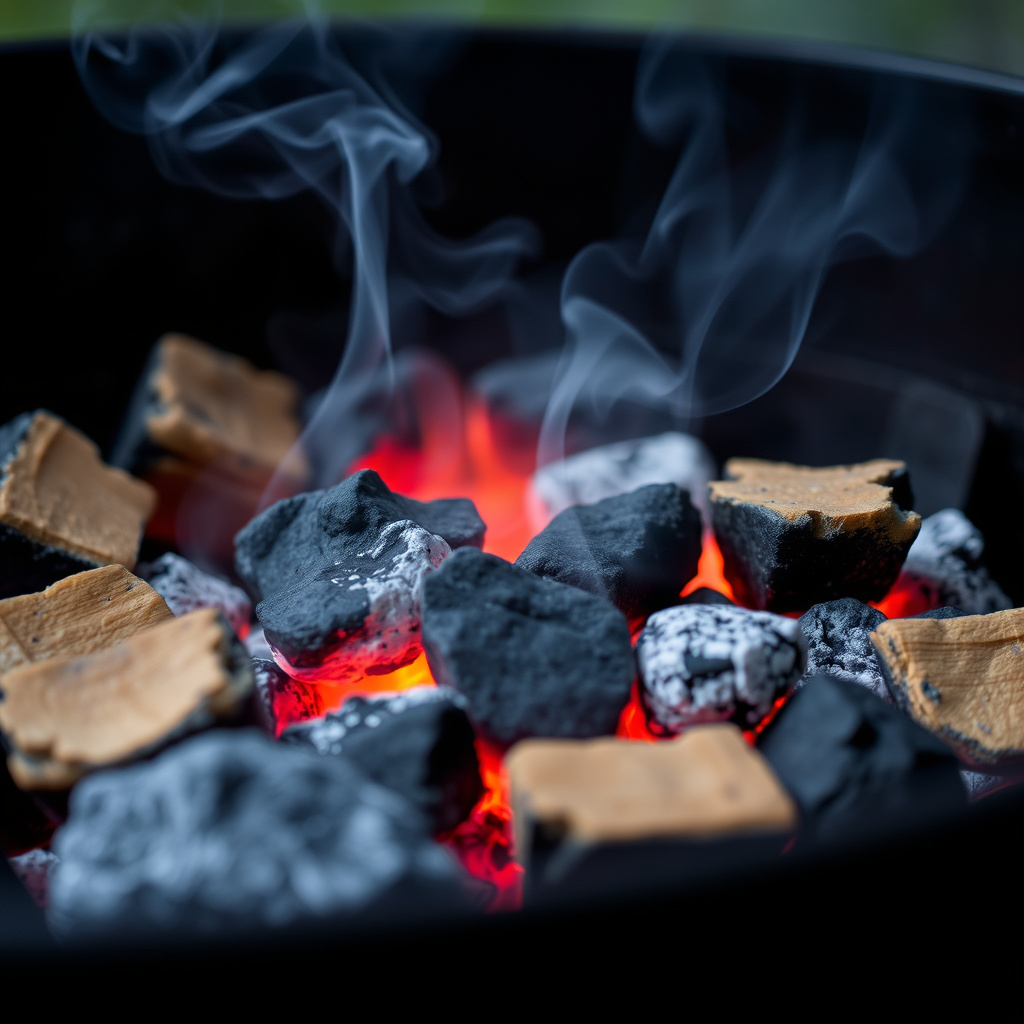
Why Use Wood Alongside Charcoal?
Wood adds a deeper, more complex smokiness to grilled food than charcoal on its own can provide. Charcoal primarily offers consistent heat, but wood imparts specific flavor compounds based on its type. This combination enriches grilled meats and vegetables, making the cooking experience more flavorful.
Because wood burns faster and hotter than charcoal, it’s generally used in smaller amounts, often as chunks or chips. Adding wood to a charcoal grill also enables different grilling styles like indirect smoking and slow cooking with smoke infusion.
How Wood Affects Heat and Smoke Production
Wood ignites quickly and generates bursts of hot smoke, influencing both temperature and taste. The intensity and duration of smoke depend on the moisture content and size of the wood pieces. Wet or green wood produces excessive smoke and undesirable flavors.
Properly seasoned wood contributes lighter, cleaner smoke with aromatic smoke components like guaiacol and syringol, responsible for smoky flavors. Combining wood with charcoal allows more control over both heat and smoke levels during grilling.
Selecting the Best Wood for Your Charcoal Grill
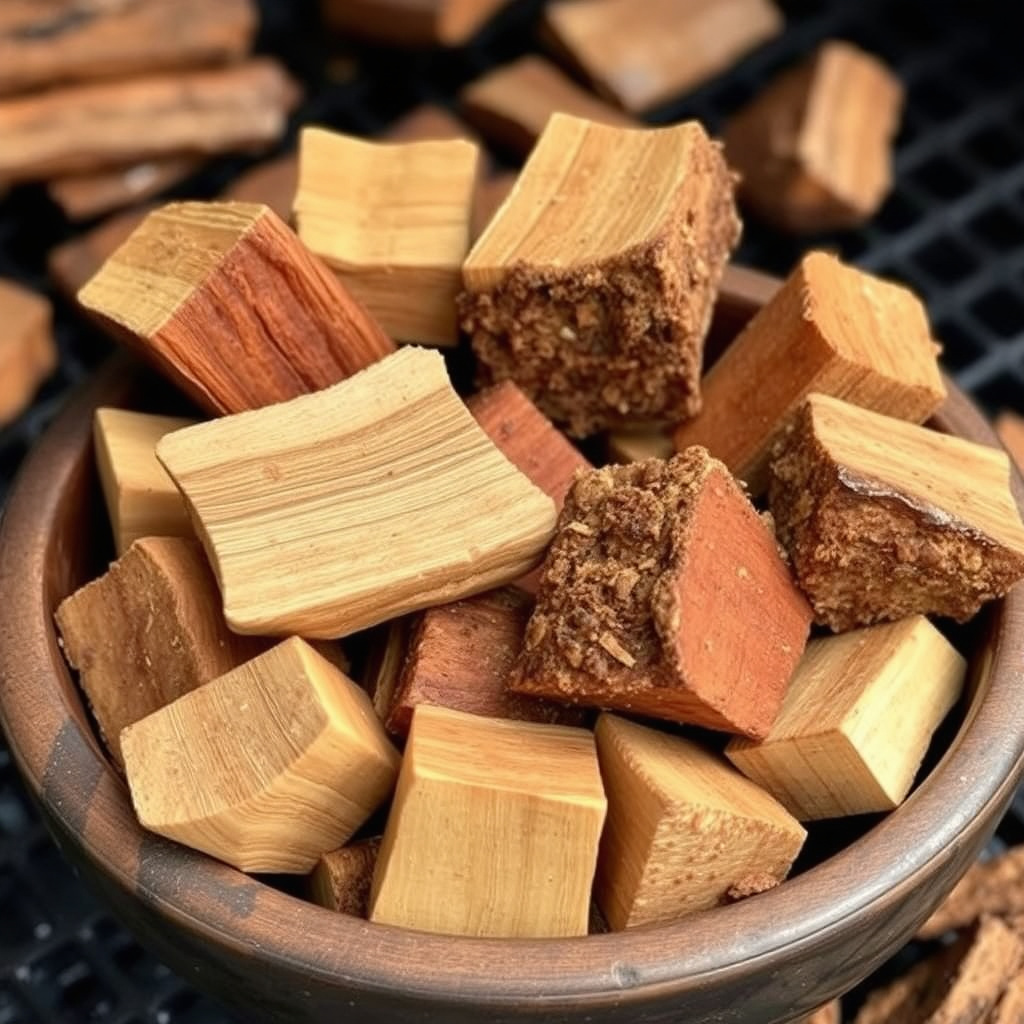
Hardwoods That Enhance Flavor Without Overpowering
Choosing the right wood is key to balancing flavor intensity. Popular hardwoods for grilling include hickory, oak, apple, cherry, and mesquite. Hickory gives a strong smoky flavor often associated with Southern barbecue, while fruitwoods like apple and cherry provide a milder, sweeter aroma.
Avoid softwoods such as pine or cedar, which have resins that create unpleasant tastes and excessive soot. Using dry, well-seasoned hardwood chunks or chips ensures a clean burn and flavorful smoke.
- Hickory: bold, classic barbecue flavor
- Oak: versatile and balanced smoke
- Apple: mild, slightly sweet smoke
- Cherry: fruity and sweet aroma
- Mesquite: strong, earthy smoke best for quick grilling
Avoiding Unsafe Woods and Materials
Not all woods are safe for grilling. Pressure-treated lumber, painted, or chemically treated woods emit toxic fumes and must never be used. Driftwood and softwoods can introduce bitter or harsh smoke flavors.
Always use untreated, natural hardwoods sourced for cooking use to avoid health risks. Proper storage of wood to keep it dry will also prevent unwanted off-flavors caused by mold or rot.
Techniques for Using Wood in a Charcoal Grill
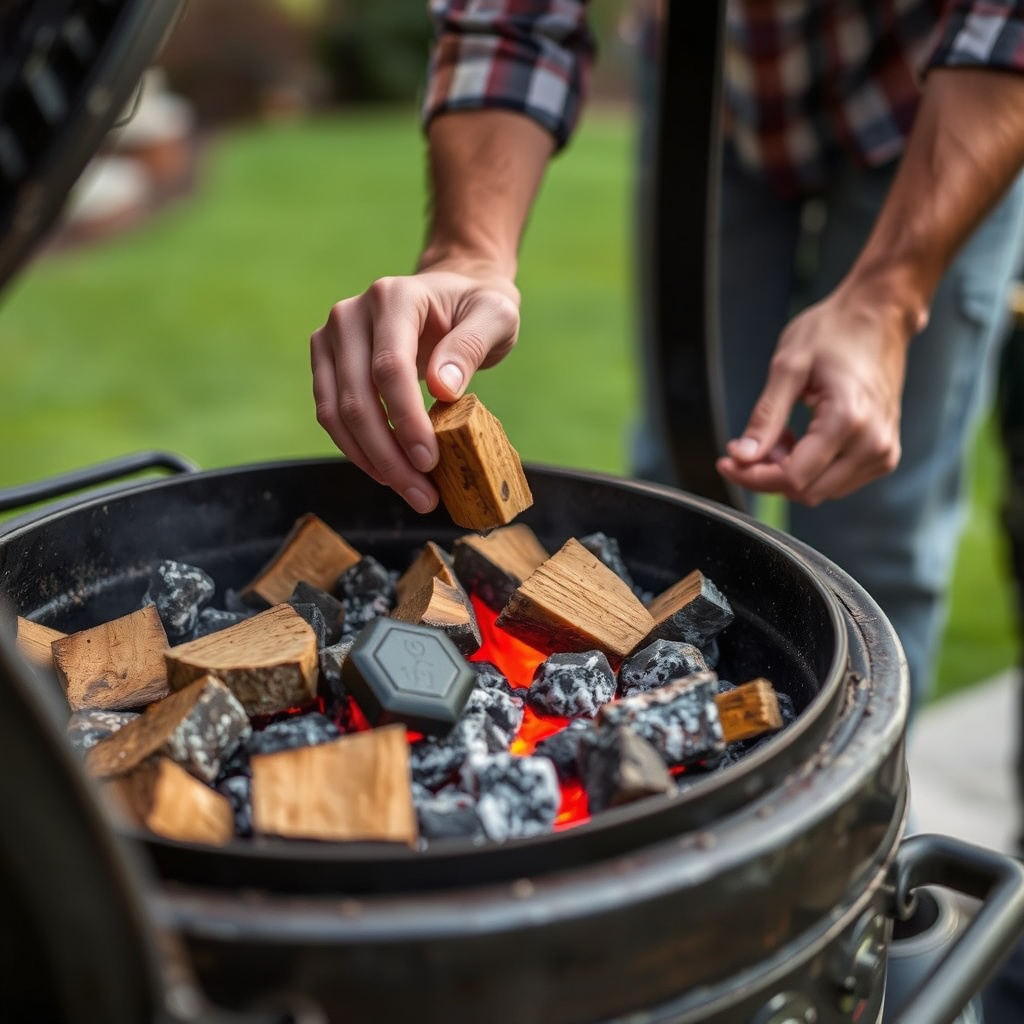
Adding Wood Chunks and Chips for Smoking
Wood chunks are ideal for longer-lasting smoke and are added directly on hot charcoal. Chips burn faster and are better soaked in water beforehand, then placed in a smoker box or wrapped in foil with holes to control smoke release.
Start with small amounts of wood and add intermittently to maintain steady smoke levels without overwhelming the food. Controlling airflow also influences smoke absorption and heat distribution.
- Use chunks for slow smoke and chips for quick bursts
- Soak chips for 30 minutes before use
- Use smoker boxes or foil packets for wood chips
For more on this, see our related guide: Can You Grill Frozen Steak? A Practical Guide to Perfect Results.
Managing Temperature and Smoke for Best Results
Combining wood and charcoal requires attentive temperature management. Wood produces more variable heat, which can cause flare-ups or unpredictable temperature spikes if added in excess.
Using a two-zone cooking method—one side with charcoal and wood for indirect heat, the other for direct grilling—gives better control. Monitor the grill temperature with a built-in or handheld thermometer to adjust airflow vents.
- Set up two-zone heat for indirect smoking
- Add wood gradually to avoid flare-ups
- Use grill vents to regulate airflow and smoke
Safety Considerations When Using Wood in Charcoal Grills
Handling Fire Risks When Adding Wood
Because wood burns hotter and faster than charcoal, it can cause sudden flames or flare-ups if not monitored properly. Always add wood chunks carefully with tongs to avoid burns and do so while the grill lid is open to control smoke.
Avoid piling too much wood at once, which can produce excessive smoke and increase fire hazards. Keep a spray bottle of water nearby to manage minor flare-ups safely.
Proper Storage and Preparation of Wood
Store wood in a dry, ventilated area to prevent mold growth and moisture absorption that impairs burning quality. Never use freshly cut or wet wood directly as it generates excess smoke and creosote that can coat your grill interior.
Season wood for at least six months after cutting to ensure optimal dryness and improve flavor extraction during grilling.
Cleaning and Maintenance After Using Wood in Charcoal Grills
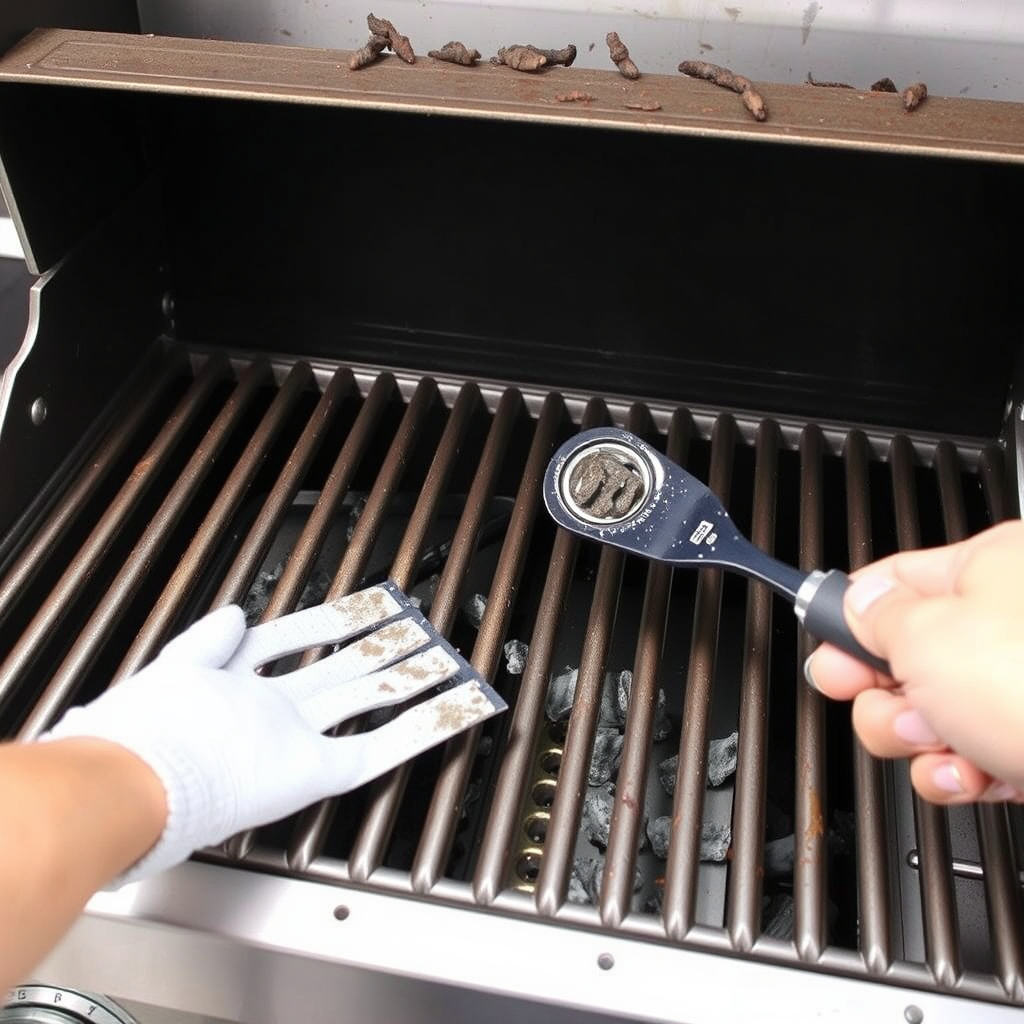
Removing Ash and Residue from Wood Smoke
Wood and charcoal both produce ash that can clog vents and reduce airflow if not cleaned regularly. After the grill cools, remove ash with a brush or ash tool to maintain proper ventilation for future grilling.
Residue from smoke can accumulate on grill grates and inside the lid, requiring thorough scrubbing or use of grill cleaners to prevent rust and off-flavors.
- Empty ash catcher after each use
- Scrub grates with wire brush
- Check and clean grill vents
For more on this, see our related guide: Can You Grill Frozen Chicken? A Safe and Delicious Guide.
Keeping Your Grill in Good Condition
Regular maintenance extends grill life and performance, especially when using wood, which can deposit sticky creosote. Inspect seals, vents, and hinges to detect damage early.
Season cast iron grill grates after cleaning and store the grill covered to protect from weather elements.
Enhancing Flavor Profiles Using Wood in Your Grill
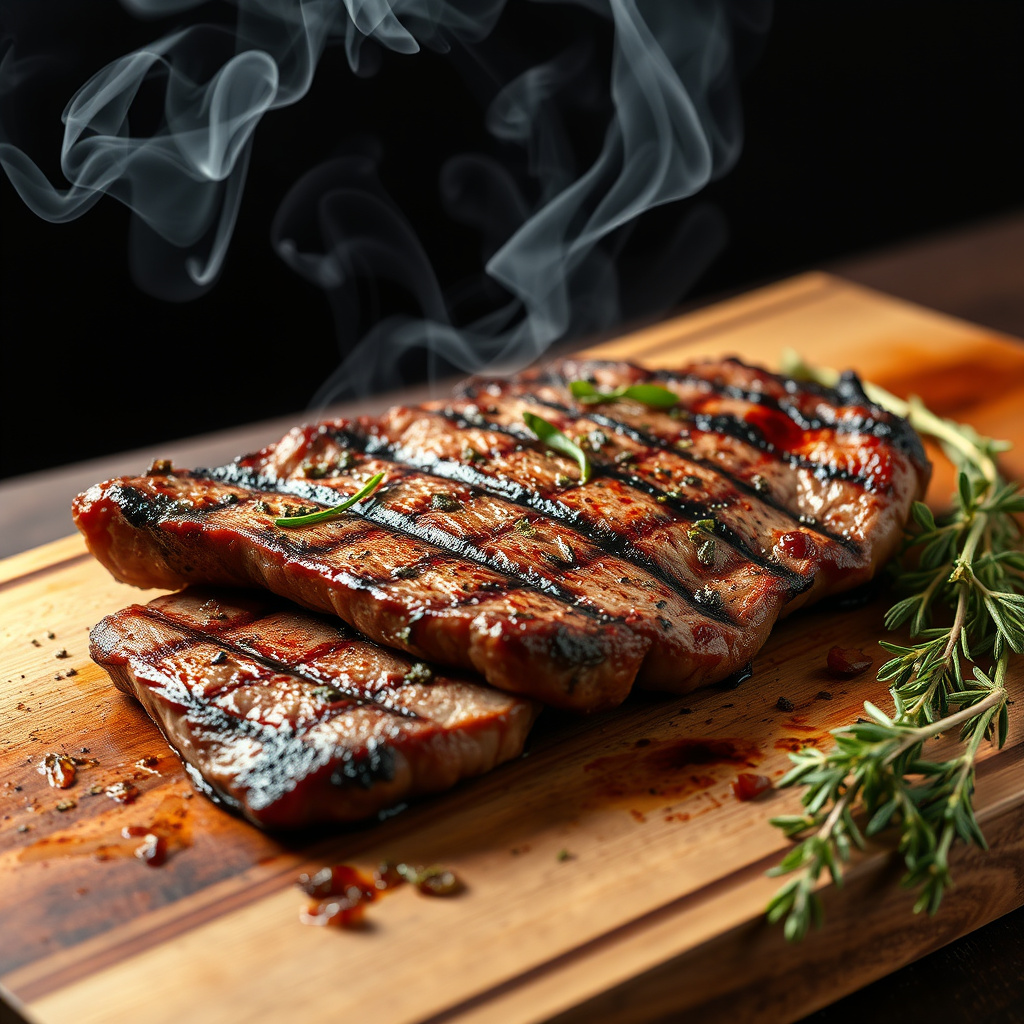
Matching Wood Types with Different Foods
Different woods complement different foods; for instance, mesquite pairs well with bold red meats, while fruitwoods like apple and cherry suit poultry and pork. Experimentation helps find individual flavor preferences.
Blending wood types can produce unique smoke flavors, adding complexity to your dishes. Keep track of which combinations work best with your signature recipes.
- Mesquite for beef and game meats
- Apple and cherry for poultry and pork
- Hickory for ribs and brisket
For a more detailed understanding of how wood smoke influences barbecue flavor, you can explore this resource on smoking in cooking. Wood smoke flavor in barbecue.
Using Wood to Create Signature Smoky Dishes
Wood smoking on a charcoal grill can replicate traditional barbecue styles by controlling smoke duration and wood choice. Smoke rings, bark development, and tender textures depend on consistent low and slow heat plus appropriate wood
Incorporating wood lets home grillers reproduce restaurant-quality smoky flavors, elevating backyard cooking from simple grilling to authentic barbecue artistry.
Comparison of Common Wood Types for Charcoal Grills
This table summarizes the characteristics of popular woods ideal for use with charcoal grills in terms of flavor intensity, burn time, and best food pairings.
| Wood Type | Flavor Profile | Burn Duration | Best For |
|---|---|---|---|
| Hickory | Strong, bacon-like smoky flavor | Long | Pork, ribs, brisket |
| Oak | Medium, balanced smoke | Long | Beef, lamb, vegetables |
| Apple | Mild, sweet, fruity | Medium | Poultry, pork, fish |
| Cherry | Sweet, mild, fruity | Medium | Poultry, pork, vegetables |
| Mesquite | Strong, earthy, intense | Short | Steak, game, quick grilling |
Frequently Asked Questions
Can I use any type of wood in my charcoal grill?
No, only dry, untreated hardwoods are safe for grilling. Avoid softwoods, green, or chemically treated woods as they produce harmful fumes and unpleasant flavors.
How much wood should I add to my charcoal grill?
Use wood sparingly; small chunks or soaked chips work best. Adding too much wood can cause flare-ups and overpower food with smoke.
Do I need to soak wood chips before using them in a charcoal grill?
Soaking chips for about 30 minutes helps them smolder longer rather than burn quickly, providing steady smoke for your food.
Can I combine different types of wood when grilling?
Yes, blending woods like hickory and apple can create unique, layered smoke flavors catering to your taste preferences.
Is there a difference between wood chunks and wood chips for grilling?
Wood chunks burn slower and are better for longer smoke sessions, while chips ignite quickly and are best for short bursts of smoke.
Key Takeaways
- Wood enhances charcoal grill flavor by adding distinct smoke profiles.
- Choose dry, untreated hardwoods like hickory, oak, apple, or cherry.
- Add wood in moderation to control smoke and temperature.
- Manage grill airflow and temperature carefully when using wood.
Conclusion
Figuring out how to integrate wood into a charcoal grill requires attention to wood type, amount, and grilling technique. Using wood primarily adds flavorful smoke that elevates grilled dishes beyond what charcoal alone can offer. A solid understanding of how smoke interacts with food helps in choosing woods and adjusting grills for consistent cooking results. Watching temperature and managing airflow is critical to balancing heat and smoke when using both wood and charcoal in tandem.
If you want to add specific flavors to your barbecue or smoking sessions, start with popular hardwoods such as hickory for bold pork dishes, apple or cherry for sweeter profiles with poultry, or mesquite for strong beef flavors. Combining these woods with high-quality lump charcoal can create rich, smoky flavors. Two-zone cooking setups enable safer, more controlled wood use, preventing overheating and flare-ups while maximizing smoke infusion.
For your next grilling session, pick a seasoned hardwood chunk that matches your desired flavor, and add small amounts gradually over hot charcoal. Keep a thermometer handy, monitor grill temperature, and adjust vents for optimal heat and smoke control. Enjoy experimenting with wood-enhanced charcoal grilling to develop your signature smoky dishes with depth and character.



