
You should clean your grill after every use for the best results, but a deep cleaning is recommended at least once every few months depending on how often you grill. Regular cleaning removes grease buildup and food residues that can cause flare-ups and affect flavor.
Keeping your grill clean isn't just about aesthetics; it also prevents dangerous grease fires and prolongs the lifespan of your appliance. How frequently you need to clean varies with usage: frequent grillers might clean more often, while occasional users can stretch out deeper cleanings.
This article explains the cleaning intervals you should follow based on grilling frequency, the differences between light and deep cleaning, and the essential tools and methods to keep your grill safe, efficient, and tasty all season long.
Understanding Grill Cleaning Frequency
Cleaning After Every Use
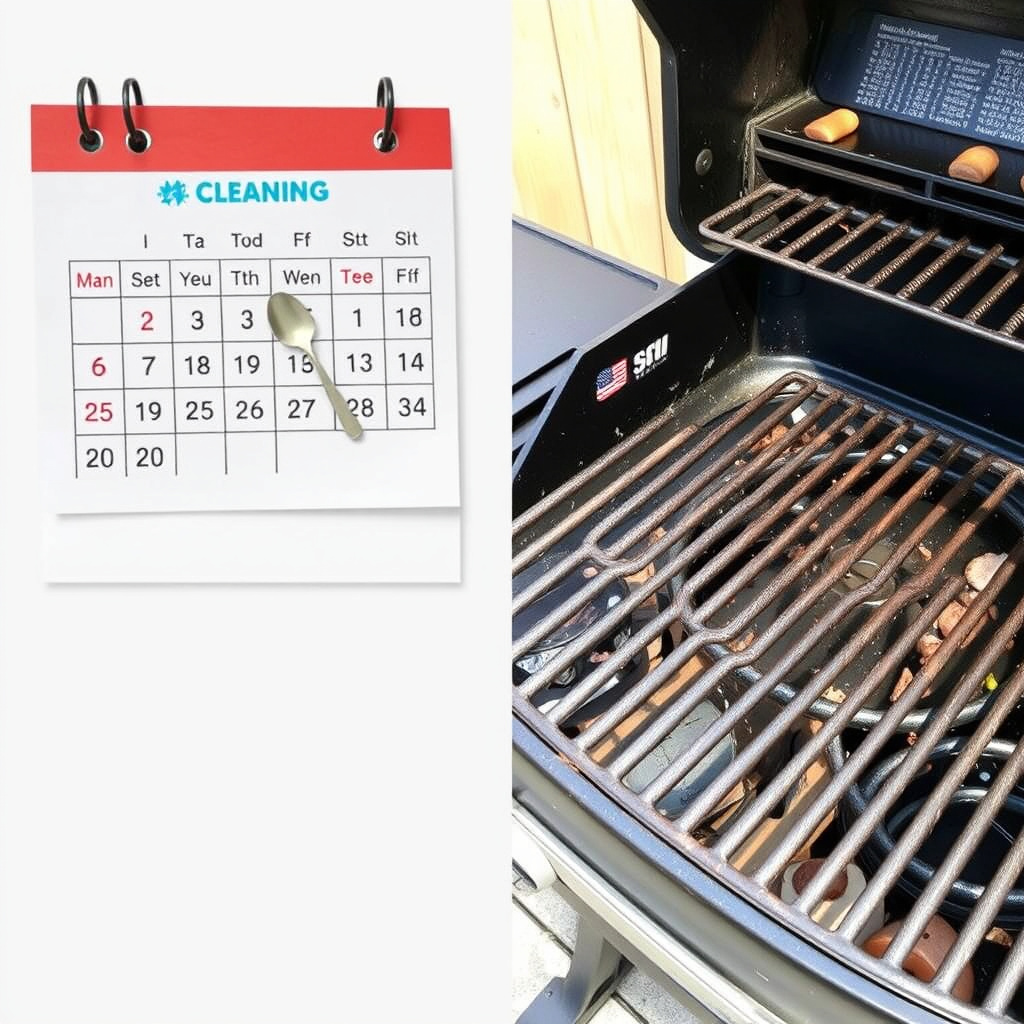
Cleaning your grill after each use is crucial for removing food residue and grease that accumulate during cooking. This frequent cleaning helps prevent stubborn buildup that could harbor bacteria or cause flare-ups in later sessions.
A simple brush-down of grates while they are still warm can loosen leftover bits, and wiping the drip tray stops grease from pooling. This routine cleaning usually takes a few minutes but greatly improves flavor and safety.
- Brush grill grates with a wire brush
- Empty and wipe drip trays
- Clean grease traps
Deep Cleaning Intervals
Deep cleaning should be done every few months or more often if you grill heavily, such as multiple times a week. This involves dismantling parts of your grill, scrubbing grates thoroughly, and cleaning burners and interior areas free of grease and carbon deposits.
Neglecting deep cleaning can shorten your grill’s durability and cause poor heat distribution. Depending on the grill type, expect to fully clean it at least 2-4 times per year for steady performance.
- Remove grates and clean in warm soapy water
- Scrape and clean burners and interior surfaces
- Check for rust or wear
Types of Grill Cleaning
Routine Cleaning Techniques
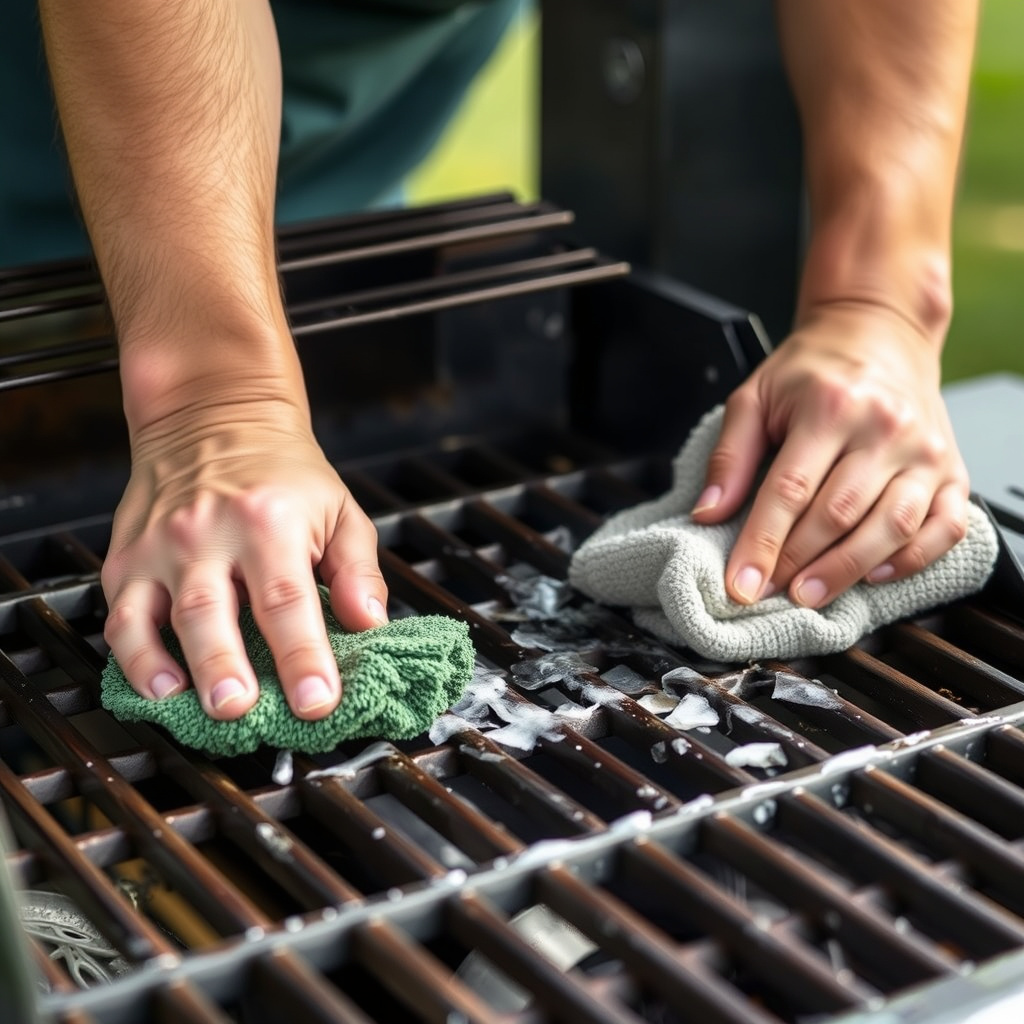
Routine cleaning focuses on quick cleanup directly after cooking. This includes brushing grates and wiping surfaces while the grill is still warm, which allows residue to loosen easily.
Using a grill brush with stiff bristles, or a scraper designed for your grill type, helps remove stuck-on food quickly. Many also run their grill on high heat for a few minutes to burn off leftovers before brushing.
Deep Cleaning Methods
Deep cleaning involves taking your grill apart partially to access hidden grease and carbon deposits. Soaking removable parts, such as grates and flavorizer bars, in soapy water allows grime to soften.
Scraping the burner tubes and cleaning inside the grill hood removes blockages and smoke residue. For gas grills, check connections and valves during this process to keep everything safe.
Tools and Products for Effective Grill Cleaning
Essential Cleaning Tools
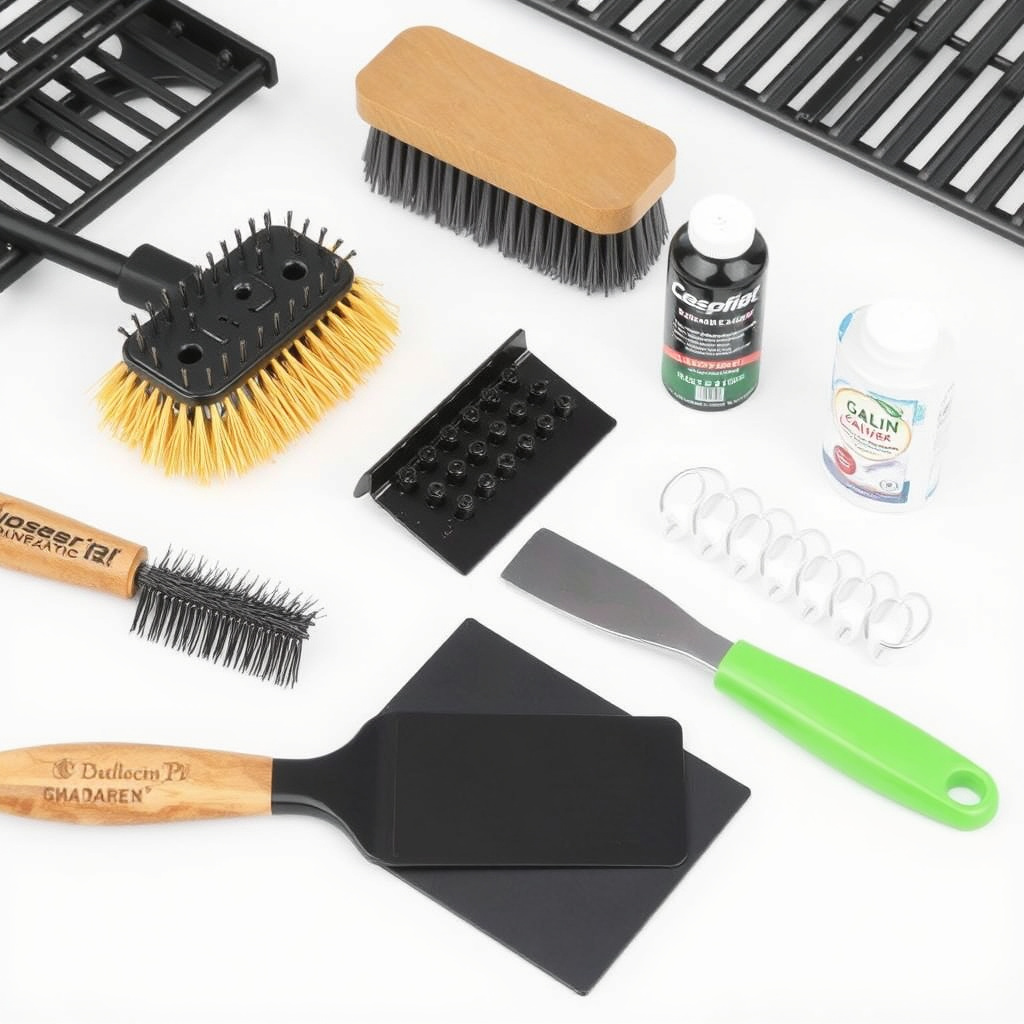
High-quality wire brushes are the most common tool for removing debris from grill grates. Choose a brush designed for your grill type, and replace it regularly to avoid shedding bristles.
Scrapers, scrubbing pads, and microfiber cloths help clean different parts of the grill and wipe grease away safely without scratching surfaces.
- Wire brushes
- Scrapers
- Microfiber cloths
- Bucket with soapy water
For more on this, see our related guide: How Many BTUs Do I Need for a Grill? A Clear Guide to Choosing the Right Power.
Safe Cleaning Products
Use grill-specific cleaning sprays that break down grease without harmful chemicals, especially for food contact surfaces. Mild dish soap with warm water works well for most parts.
Avoid harsh abrasives or oven cleaners that can damage the finish or leave unsafe residues. Natural cleaning mixtures like vinegar and baking soda can also be effective alternatives.
Seasonal and Post-Winter Cleaning
Preparing Your Grill for Winter Storage
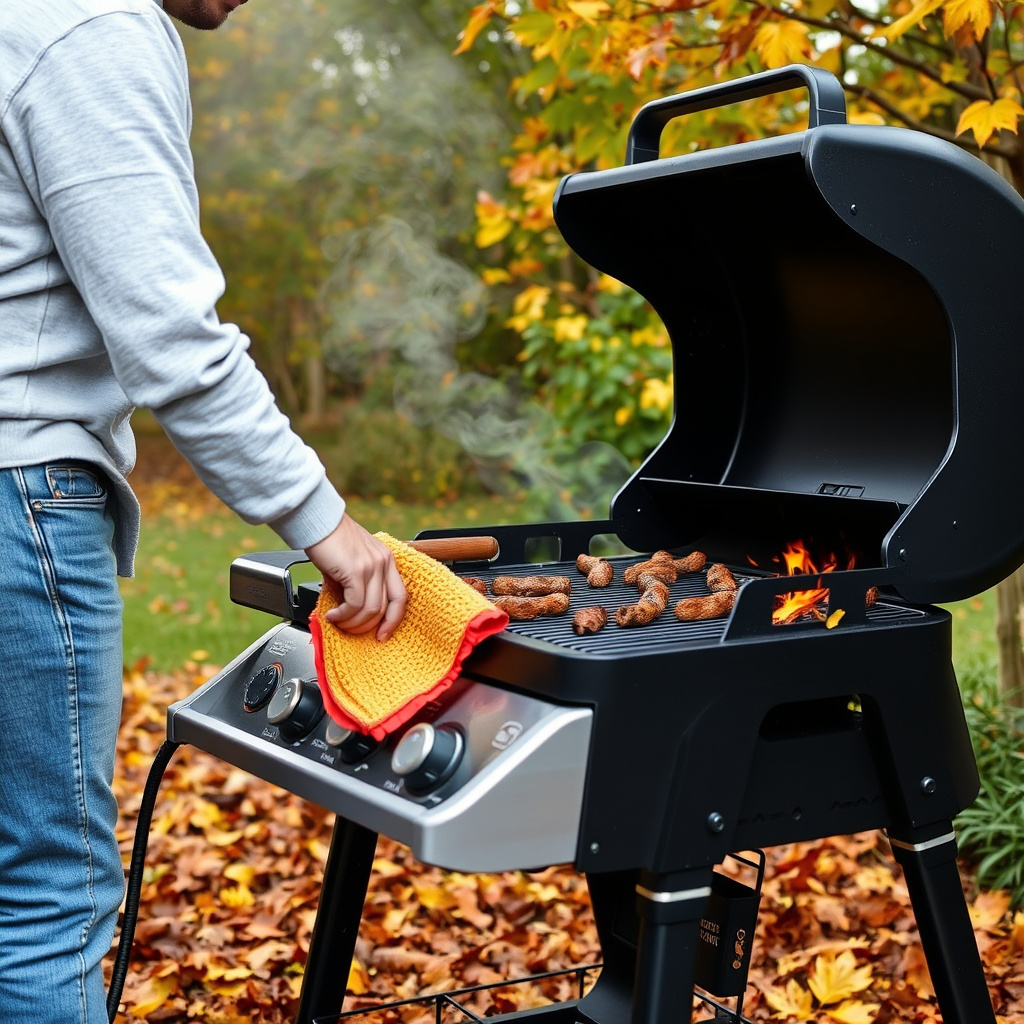
Cleaning your grill thoroughly before storing it for winter prevents rust and keeps it ready for spring. This includes a deep clean of all surfaces, checking for any damage, and covering the grill properly.
Empty any grease traps and disconnect gas connections safely. Applying a light coat of cooking oil on cast iron parts before storage also helps prevent rust during the off-season.
- Clean grill grate and drip trays deeply
- Apply protective oil to cast iron
- Cover grill with a weather-resistant cover
Spring Cleaning for Performance
At the start of grilling season, conduct another deep clean to remove any dust or moisture buildup during winter. Check burners and ignition systems carefully and replace any worn parts.
Doing this ensures your grill heats evenly and works reliably throughout the season. A thorough spring cleaning can avoid frustration and maintain safety.
How Cleaning Frequency Affects Grill Lifespan and Safety
Preventing Fire Hazards
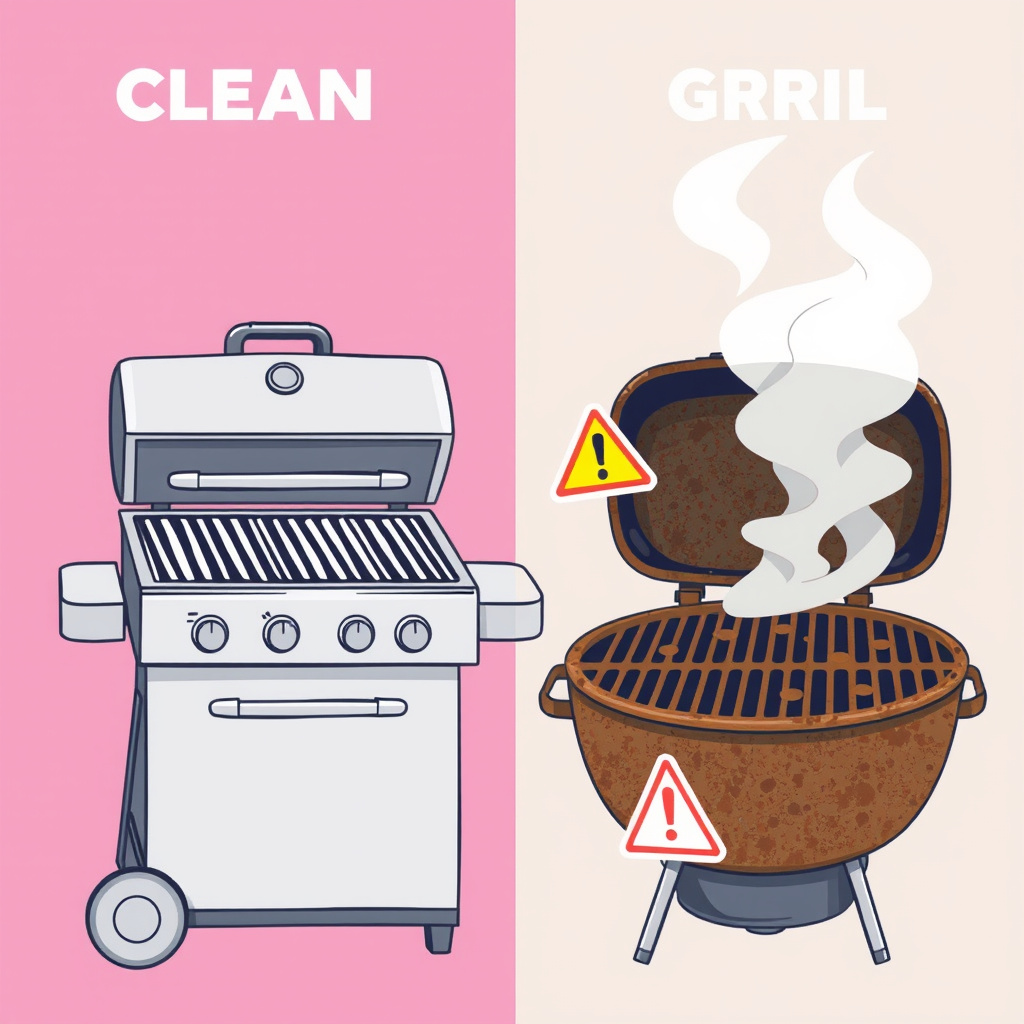
Grease buildup is one of the main causes of dangerous flare-ups and grill fires. Regular cleaning after each use helps reduce accumulated fat and food particles that could ignite unexpectedly.
Deep cleaning removes hardened grease traps and blockages in burners that could cause uneven flames or dangerous gas leaks. Prioritizing cleanliness significantly decreases fire risks.
For more on this, see our related guide: How Much Does a Traeger Grill Cost? A Detailed Pricing Guide.
Extending Grill Durability
Corrosion and rust occur faster when grease and food debris accumulate and are left unattended. Routine and deep cleanings preserve metal surfaces and paint, which means your grill lasts longer.
Taking time to maintain plugs, burners, and grates extends the grill’s functional life and maintains heat efficiency. This prevents costly repairs or premature replacements.
Professional Cleaning Services and When to Use Them
When to Consider Professional Cleaning
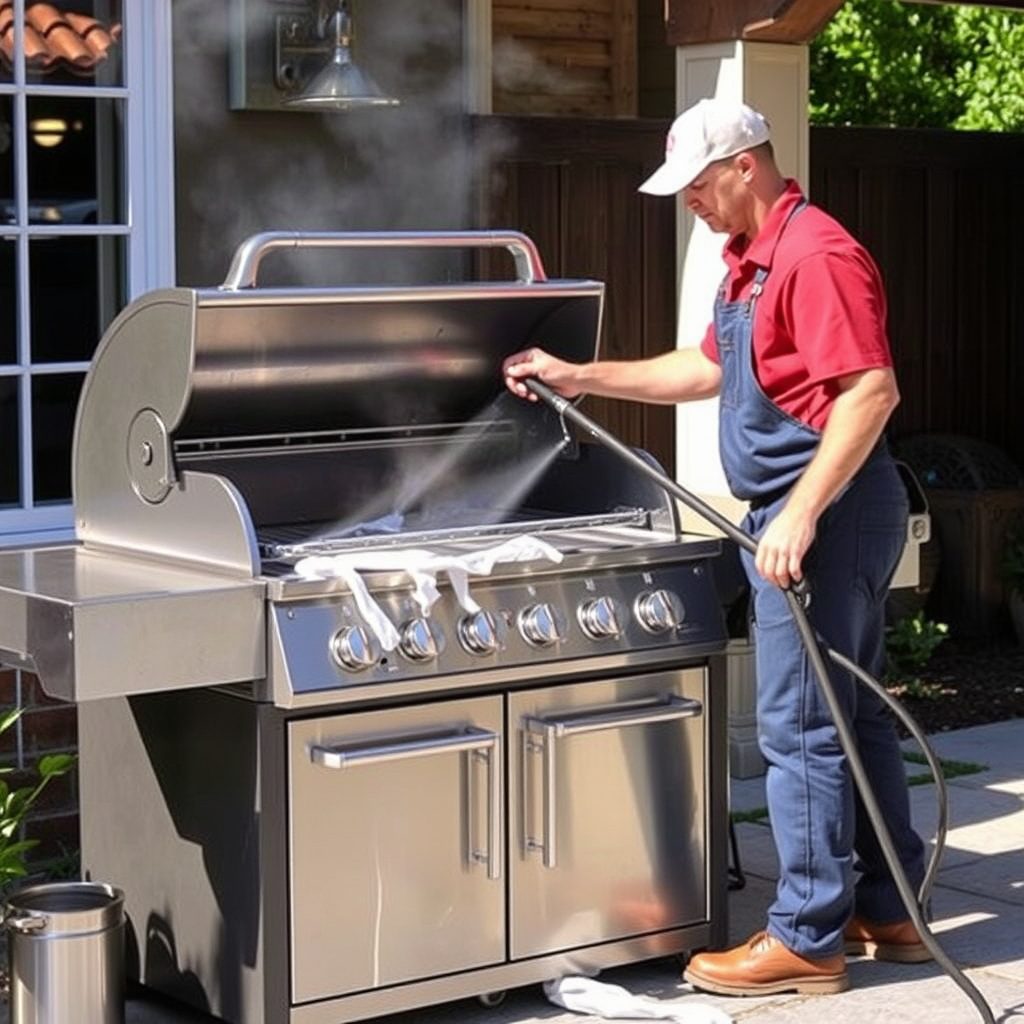
If your grill has heavy grease buildup or corrosion that is tough to remove, a professional cleaning service can restore it effectively. Services include full disassembly, deep grease removal, and safety inspections.
Professionals also handle difficult parts such as gas valves and burners safely. This option is ideal if you grill frequently and want to maintain peak condition without extensive effort yourself.
For official guidelines on grilling safety and maintenance, consult this grilling safety advice from the Consumer Product Safety Commission. Grilling safety advice.
Cost and Benefits of Professional Services
Professional grill cleaning can range from $75 to $150 depending on grill size and condition. While it may be more expensive than DIY, it offers peace of mind and thorough maintenance.
Regular professional cleanings every year or so can complement your routine cleanings, preserving grill performance and safety over the long term.
Grill Cleaning Frequency Comparison
This table compares cleaning frequencies and recommended maintenance based on grilling habits and grill types.
| Type of User | After-Each-Use Cleaning | Deep Clean Frequency | Notes |
|---|---|---|---|
| Casual Griller | Brush grates and empty drip tray | Twice per year | Grills 1-2 times/month, light cleaning sufficient |
| Regular Griller | Brush grates and clean drip tray | Every 2-3 months | Grills weekly, requires more frequent deep cleaning |
| Heavy Griller | Brush grates, wipe surfaces | Monthly or every 6 weeks | Grills multiple times/week, grease builds up faster |
| Charcoal Grill User | Clean grates, remove ash | Monthly | Ash removal crucial to prevent flavors from affecting food |
| Gas Grill Owner | Brush grates, clean drip tray | Every 2-3 months | Burners also need inspection and cleaning |
Frequently Asked Questions
Is it safe to clean the grill while it's still hot?
Yes, brushing grill grates while they are warm helps remove residue more easily, but be cautious to avoid burns and use tools with heat-resistant handles.
How do I clean a cast iron grill grate without damaging it?
Avoid using soap on cast iron; instead, scrape residue and use a wire brush. After cleaning, dry thoroughly and apply a light coat of oil to prevent rust.
Can I use household cleaners on my grill?
Use only grill-safe cleaning products or mild dish soap. Avoid harsh chemicals that can leave residues harmful to health or damage grill surfaces.
What are signs that my grill needs a deep cleaning?
If you notice uneven heating, persistent smoke, or grease flare-ups despite regular brushing, it's time for a thorough deep cleaning.
How does cleaning affect the flavor of grilled food?
A clean grill prevents burnt residue and old grease from imparting off-flavors, ensuring your food tastes fresh and as intended.
Key Takeaways
- Clean your grill grates after every use to remove food residue and grease.
- Perform deep cleaning multiple times a year to maintain grill efficiency and safety.
- Using the right tools and cleaning products protects your grill and food.
- Regular cleaning reduces fire risks and extends the grill's lifespan.
Conclusion
Deciding how often to clean a grill depends primarily on your frequency of use and type of grill. Casual users might get by with routine cleaning and biannual deep cleans, while frequent grillers benefit from monthly deep cleans combined with after-use brushings. The main goal is preventing grease buildup, flare-ups, and corrosion, which can compromise safety and quality. By following a consistent schedule, you maintain the grill’s heat performance and reliability year-round.
For those who grill mostly on weekends, a light clean after each session and a deep clean twice a year are sufficient—this keeps flavors pure and prevents buildup. Heavy grillers cooking multiple times weekly should clean grates every use and deep clean more often, ideally monthly or every six weeks. Charcoal grillers also need to empty ash regularly to avoid contaminating food with stale flavors. Gas grill owners benefit from attention to burner maintenance during deep cleans to ensure even heating and safe operation.
Taking your grill’s cleaning seriously not only improves cooking results but also protects your investment. Begin each grilling season with a thorough deep clean and establish an after-use routine that fits your habits. When buildup becomes unmanageable, consider professional cleaning services for a fresh start. A clean grill is a safer, tastier, and more enjoyable tool, so make grill cleaning part of your cooking ritual this season.



