
When deciding how many BTUs you need for a grill, a good rule of thumb is to have at least 80-100 BTUs per square inch of cooking surface. This range provides enough heat for efficient cooking, allowing for steady temperature control and the ability to sear meats properly. However, exact needs depend on grill size and your typical cooking habits.
BTUs, or British Thermal Units, measure the heat output of a grill’s burners. Unlike just picking the highest BTU number, matching BTU output to your grill's cooking area ensures even heating and fuel efficiency. An overly high BTU rating on a small grill might cause flare-ups, while too low BTUs lead to slow cooking times and uneven results.
This article will cover the relationship between BTUs and grill size, how different grill types use BTUs, tips for buying the best grill for backyard cooking, and practical advice on balancing BTUs with other grill features.
Understanding BTUs and Their Role in Grilling
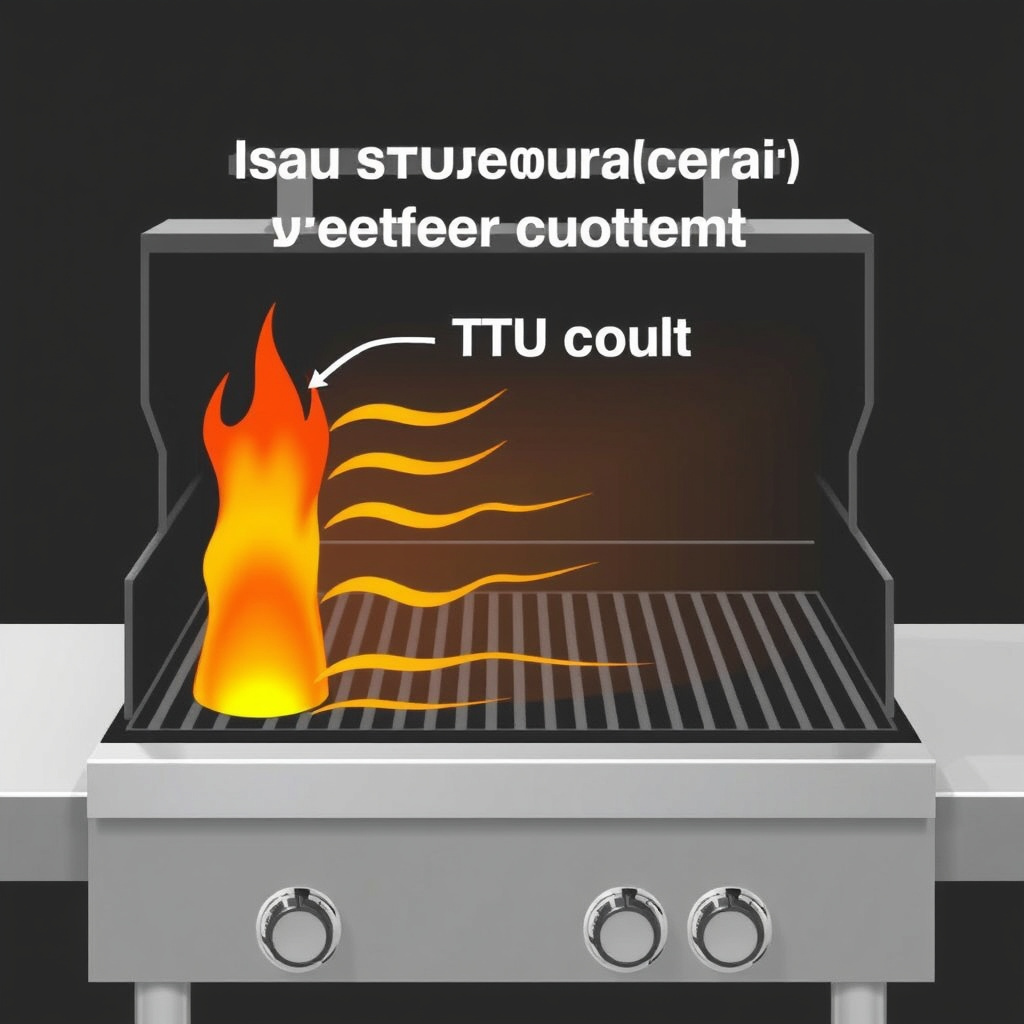
What Does BTU Mean in Grilling?
BTU stands for British Thermal Unit, a measurement of heat energy. For grills, BTUs indicate how much heat the burners can produce per hour. This number helps buyers gauge a grill's heating capacity but doesn’t tell the whole story about grilling performance.
High BTUs generally mean faster heating and better searing capabilities. However, the efficiency of heat distribution and grill design impact how effectively that BTU output translates to cooking power.
How BTUs Affect Cooking Performance
The number of BTUs influences how quickly a grill heats up and whether it can maintain steady temperatures under cooking loads. A grill with too few BTUs may struggle during colder weather or with multiple food items.
Conversely, too many BTUs can cause excessive flare-ups and burning. A balanced BTU rating tailored to the grill size leads to more controlled cooking and better results.
Determining BTUs Based on Grill Size and Usage
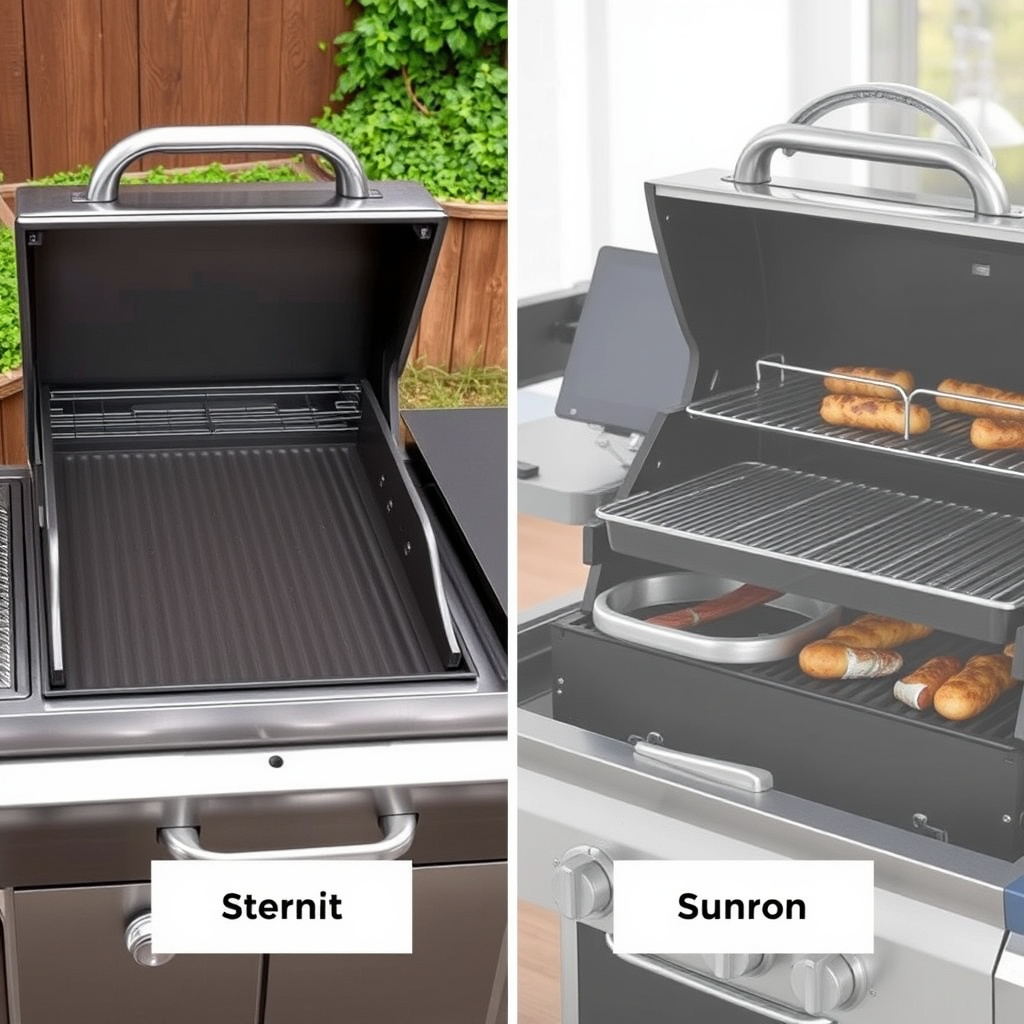
Calculating BTUs per Square Inch
The practical approach to choosing BTUs is multiplying your grill’s cooking surface area (in square inches) by 80 to 100 BTUs. For a 400-square-inch grill, 32,000 to 40,000 BTUs is an effective range.
This calculation offers a good heating balance, allowing for even heat distribution and preventing fuel waste or temperature spikes.
- Measure the cooking area accurately
- Use higher BTUs for cold climates or frequent searing
- Consider lower BTUs if you cook slow or low often
Grill Size Versus Heat Output Examples
Small grills (under 300 sq. in.) perform well with 24,000 to 30,000 BTUs, suitable for casual backyard cooking or small families.
Larger grills (over 500 sq. in.) demand 40,000 BTUs or more to maintain heat evenly across the surface, especially when cooking for groups.
BTUs in Different Types of Grills
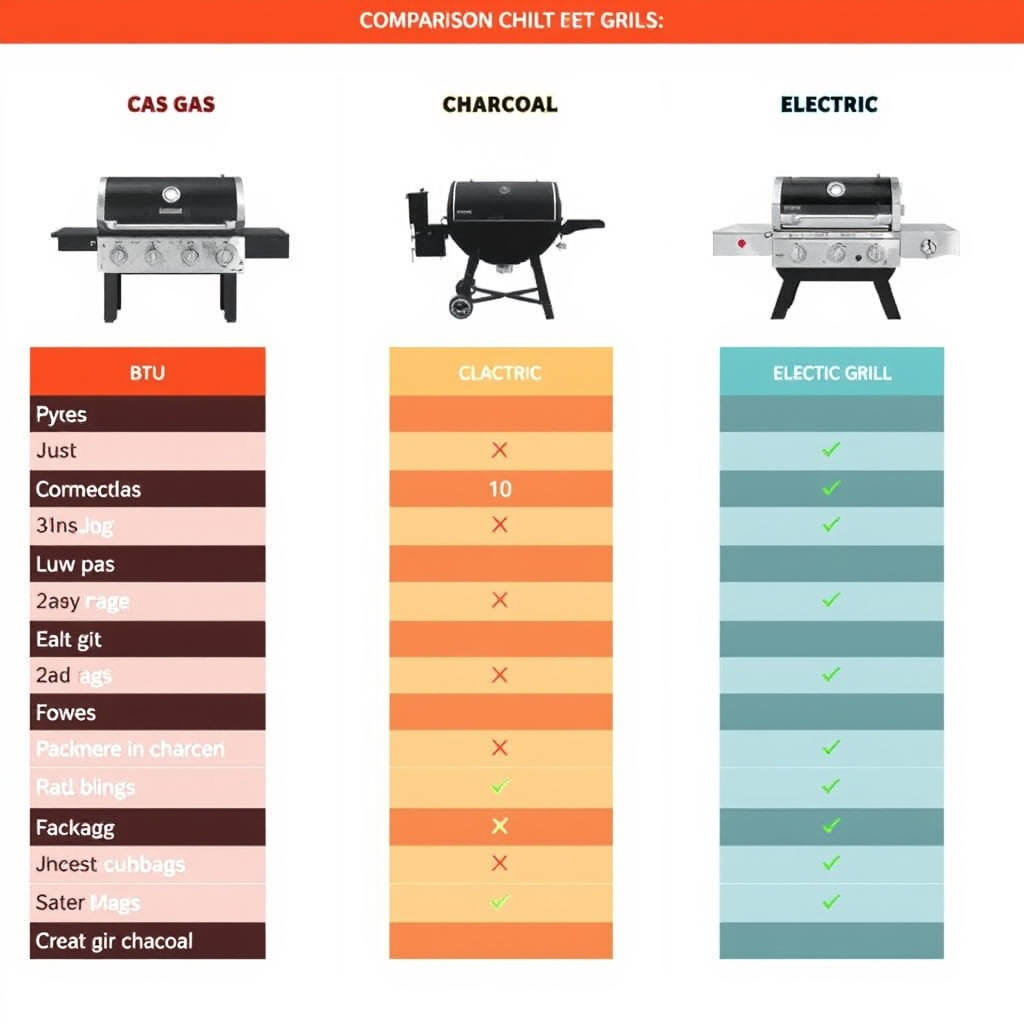
Gas Grills and BTU Ratings
Gas grills advertise BTU ratings prominently; these indicate burner heat output. While important, the grill’s design, burner layout, and ventilation also shape cooking efficiency.
High BTU gas grills provide quick heat and consistent temperatures, ideal for searing and direct grilling.
- BTUs per burner vary widely
- Check grill size for balanced heat
For more on this, see our related guide: How to Choose a Gas Grill: A Practical Guide for Every Backyard Cook.
Charcoal and Electric Grills and BTUs
Charcoal and electric grills don’t list BTUs since they use indirect measurement of heat or wattage. Charcoal heat varies by the amount and quality of coal and airflow control.
Electric grills use wattage which converts differently to heat; higher wattage equates to more heat but BTU comparisons are less straightforward.
Choosing the Best Grill for Backyard Cooking
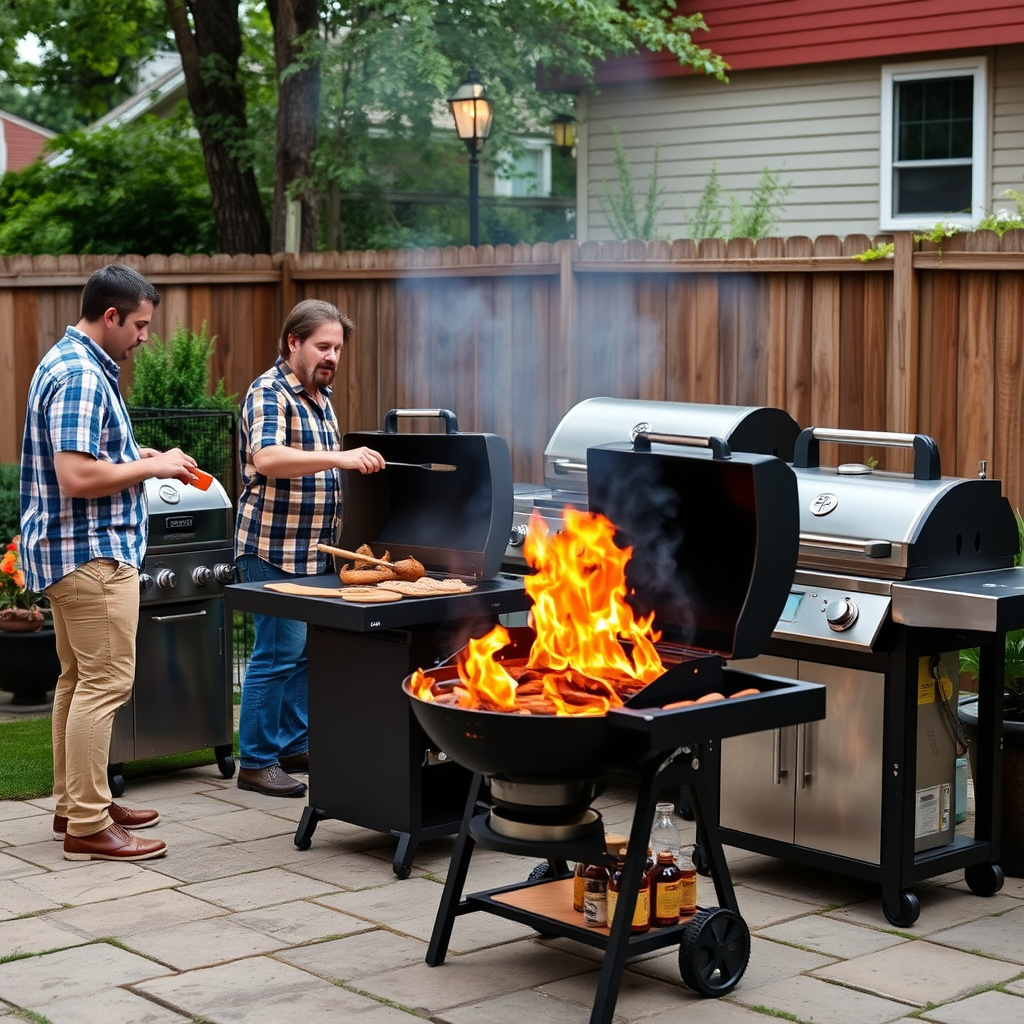
Matching BTUs to Cooking Style
If you grill mostly small meals or vegetables, a moderate BTU grill suffices. For heavy searing or large gatherings, opt for grills with higher BTUs to maintain heat when the lid is open.
Regular users who prefer slow cooking or smoking might find lower BTUs advantageous for better temperature control over long periods.
Other Factors Alongside BTUs
While BTUs are key, factors such as burner quality, grill materials, insulation, and airflow system significantly affect overall grilling experience.
Investing in well-made, durable grills from trusted brands often results in better heat retention and cooking results than focusing on BTUs alone.
- Material quality impacts heat retention
- Burner placement affects evenness
- Ventilation controls flare-ups
Maintaining and Optimizing Grill BTU Performance
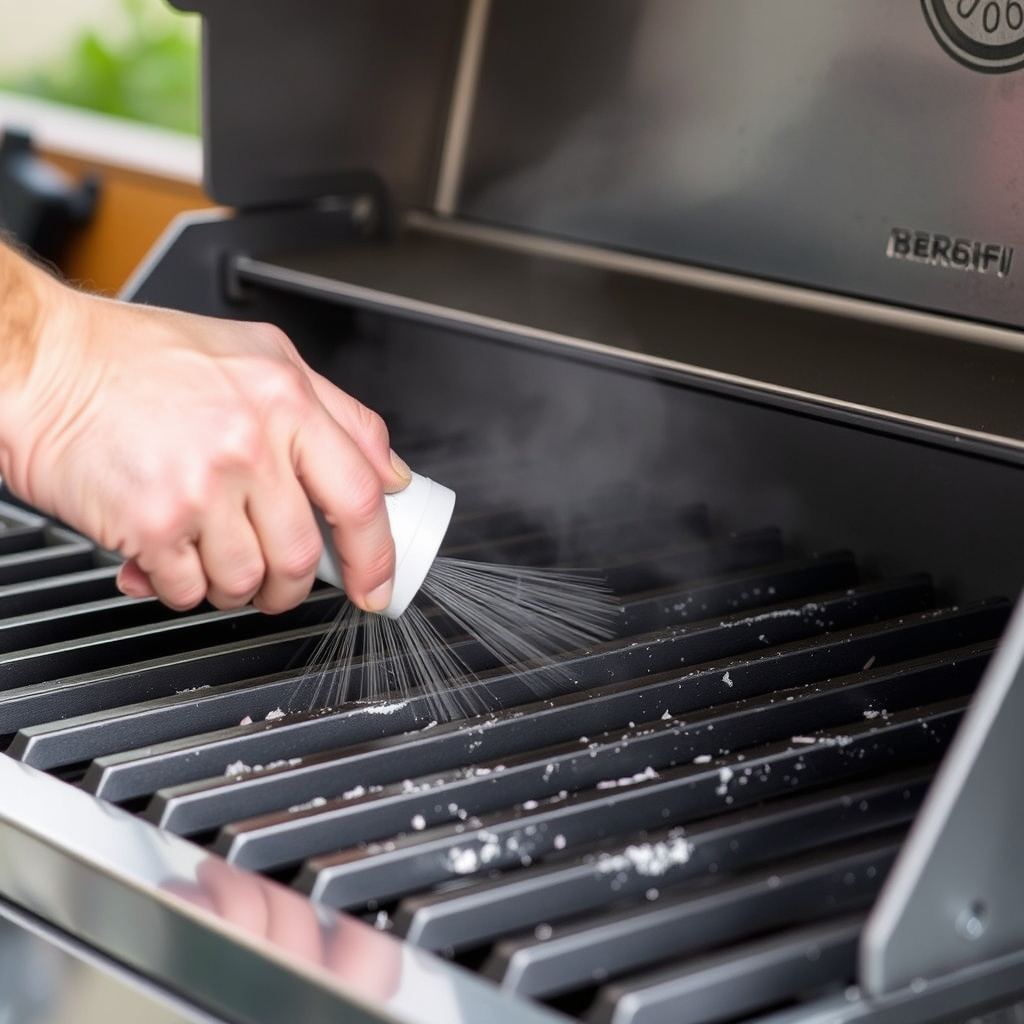
Cleaning Burners for Efficient Heat
Regular burner cleaning prevents clogs that reduce BTU output. Residue or rust can block the gas flow, lowering flame intensity and causing uneven heat spots.
Use a grill brush and inspect burners yearly to keep your grill performing at its BTU rating.
- Clean venturi tubes
- Check for rust and holes
- Replace worn burners
For more on this, see our related guide: Can You Use a Propane Grill with Natural Gas? What You Need to Know.
Controlling Heat with Grill Settings
Adjusting burner valves and grill vents helps fine-tune how the BTU output translates into cooking temperature. Learning to manage these controls prevents flare-ups and wasted fuel.
Consider investing in a quality thermometer to monitor grill temperature accurately.
Energy Efficiency and Fuel Types Related to BTUs
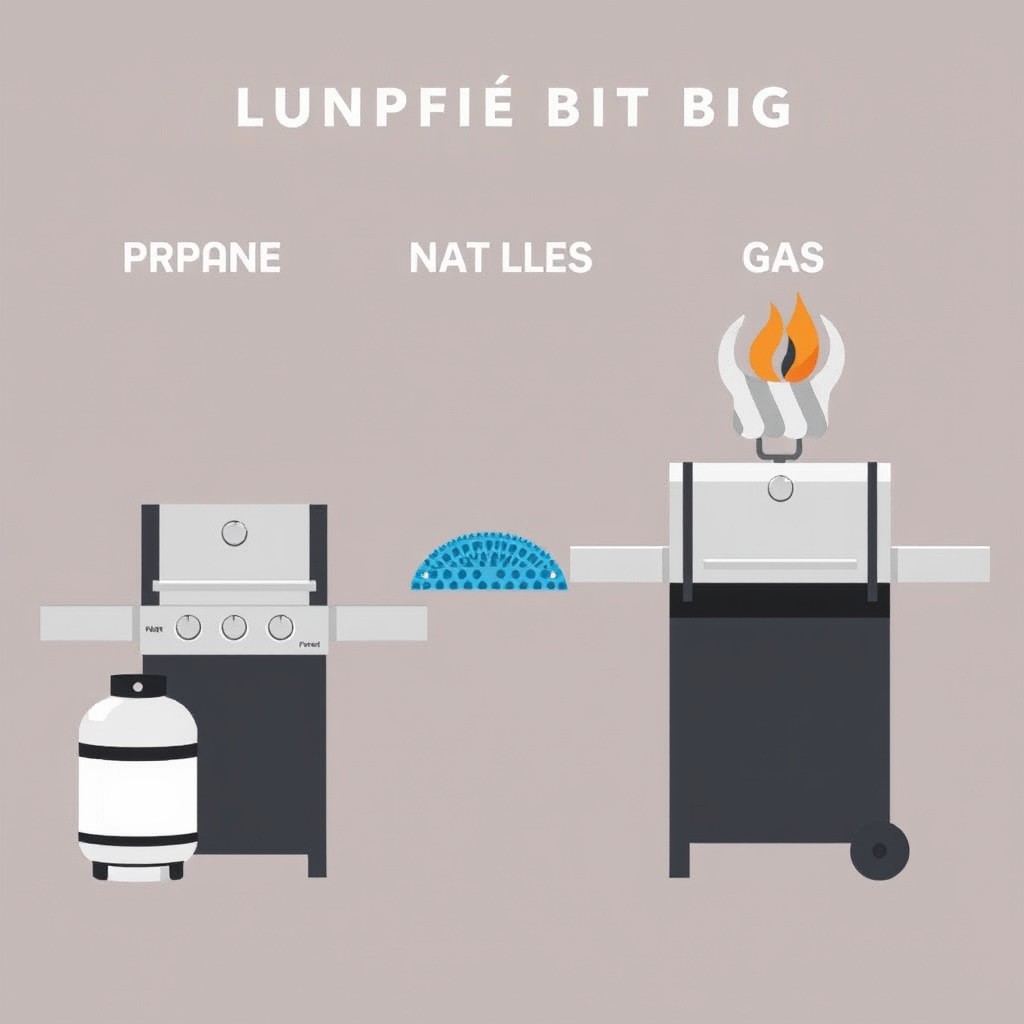
Propane vs. Natural Gas BTU Output
Both propane and natural gas grills have similar BTU ranges but differ in fuel cost and availability. Propane burns hotter, often providing better BTU performance per unit volume.
Natural gas grills offer convenience with continuous fuel supply, making them efficient for frequent grilling.
- Propane produces about 91,500 BTUs per gallon
- Natural gas supplied via pipelines
- BTUs vary by appliance design
For a detailed overview of grilling technologies and history, consult the Wikipedia article on Grill. Grill.
Efficiency Considerations for Charcoal and Electric Grills
Charcoal grills don't list BTUs but have variable heat output depending on charcoal type and arrangement. They offer unique flavor but less precise temperature control.
Electric grills, rated by wattage, tend to have lower heat and slower cooking times, suitable for limited spaces or apartments.
Grill BTU Ratings: Different Grill Categories Compared
Here’s how typical grill categories stack up in BTU output and cooking surface size to help you identify the best match for your needs.
| Grill Category | Typical Cooking Surface (sq. in.) | Recommended BTUs | Ideal Use Case |
|---|---|---|---|
| Compact Portable Grills | 150-250 | 12,000-20,000 | Camping, small gatherings |
| Small Gas Grills | 250-350 | 24,000-30,000 | Families, casual backyards |
| Medium Gas Grills | 350-500 | 30,000-40,000 | Frequent cooks, medium groups |
| Large Gas Grills | 500-700+ | 40,000-60,000 | Entertaining, large groups |
| Charcoal Grills | Varies | Variable heat output | Flavor-focused, traditional cooking |
| Electric Grills | 150-350 | Lower heat/wattage | Indoor or limited outdoor use |
Frequently Asked Questions
Does a higher BTU grill always cook food faster?
Not necessarily. While higher BTUs can heat up a grill faster, actual cooking speed depends on grill design, heat retention, and even heat distribution.
Can I use a grill with low BTUs for searing steaks?
Low BTU grills may struggle to reach the high heat needed for perfect searing. Look for grills that supply at least 80-100 BTUs per square inch for searing purposes.
Are the BTUs on a grill’s label always accurate for cooking performance?
BTUs measure potential heat output but don’t reflect how well the grill transfers and retains that heat. Material and design matter too.
How does weather affect the BTU needs for grilling?
Colder or windy conditions require more BTUs to keep the grill at cooking temperature because heat escapes faster.
Is it better to have more BTUs than needed for flexibility?
Having some extra BTUs can help with quick heating and searing, but extremely high BTUs on a small grill may cause flare-ups and uneven cooking.
Key Takeaways
- Calculate BTUs based on cooking surface size for balanced performance.
- Gas grills list BTUs; charcoal and electric grills require different heat considerations.
- Matching BTUs to your grilling style improves cooking control and efficiency.
- Regular maintenance helps maintain the grill’s effective BTU output.
Conclusion
Selecting the right number of BTUs for a grill depends mostly on the size of the cooking surface and your individual cooking habits. Instead of just looking for the highest BTU rating, find a grill that offers about 80-100 BTUs per square inch to get steady, even heat without fuel waste or flare-ups. Keep in mind that the grill’s design and build quality also influence how effectively it uses its BTU output, meaning thoughtful balance is key to a satisfying grilling experience.
For those who grill regularly for family or friends, investing in a medium to large gas grill with around 35,000 to 50,000 BTUs covers a range of needs including searing and indirect cooking. If outdoor space or cooking demands are smaller, a compact or small gas grill with roughly 20,000 to 30,000 BTUs is both economical and sufficient. Meanwhile, charcoal grill fans should focus less on BTUs and more on good airflow and charcoal quality, while electric grill buyers should consider wattage and temperature control.
After measuring your grilling area and considering typical meals, your next step is to visit stores or online listings to compare models with appropriate BTU ratings and reliable build quality. Don’t overlook burner placement, materials, and venting as these all enhance how BTUs perform in practice. Regular maintenance will keep your grill running efficiently so you can enjoy delicious backyard meals for years.



