
The number of burners you need on a grill largely depends on how many people you usually cook for and what types of meals you plan to prepare. For small families or occasional grilling, two burners are often sufficient. Larger families, avid grillers, or those who like to cook different foods simultaneously might benefit from three or more burners for better heat control and versatility.
Burners control your grill's heat zones, which directly affect cooking efficiency and flavor. More burners give you greater control over temperature differences, enabling diverse cooking techniques like searing and slow roasting on the same grill. Knowing the right burner count can save you money and improve your grilling experience by matching your cooking style and capacity to the grill’s capabilities.
This article outlines factors influencing grill burner needs, explores burner configurations and features, and compares grill types to help you select the ideal number of burners. Whether you're a casual griller or host frequent barbecues, this guide will help you make an informed choice that fits your space, budget, and culinary ambitions.
Understanding Grill Burners and Their Functions
What Does a Grill Burner Do?
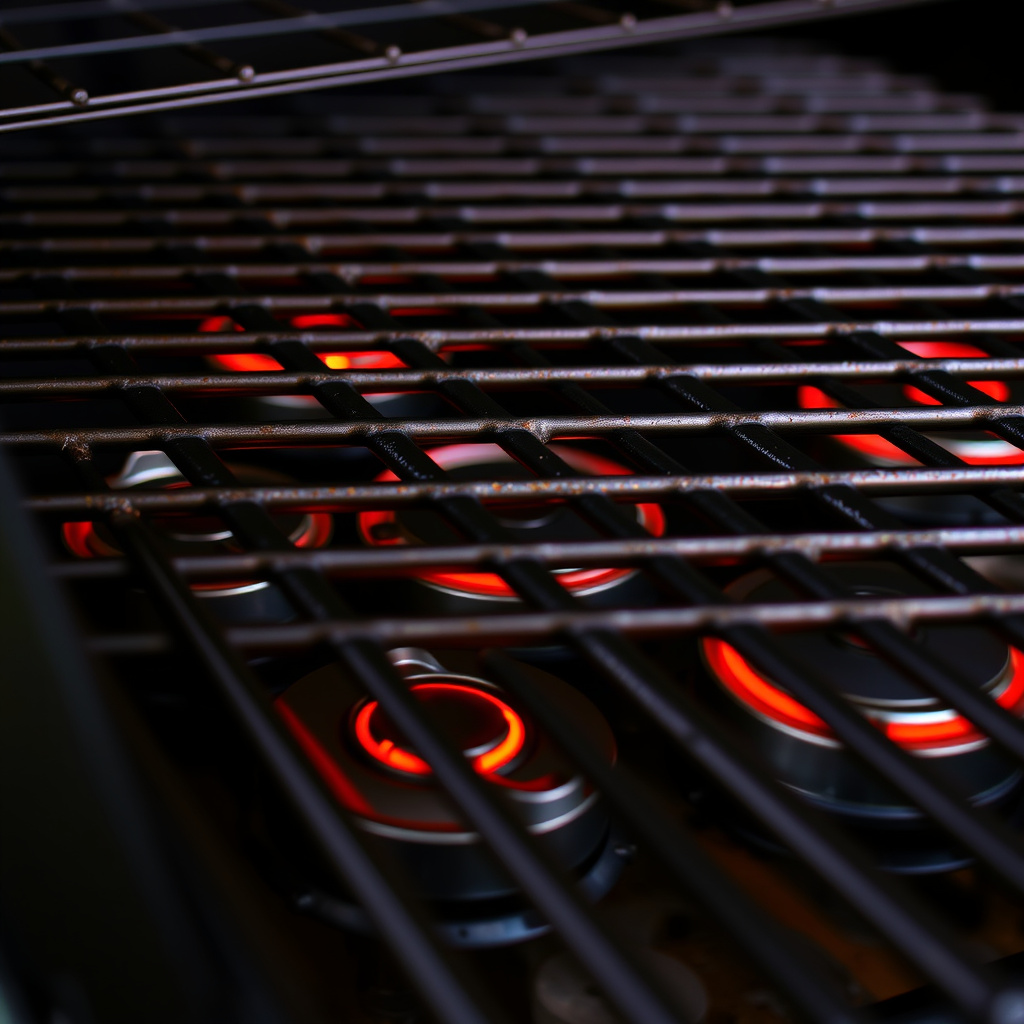
Each grill burner is a heating element that produces flame and heat to cook food. Most modern grills use either gas burners powered by propane or natural gas, or charcoal burners that rely on lump charcoal or briquettes heated by airflow. The burners are placed beneath the cooking grates and their number influences heat distribution and control.
Burners allow for setting distinct heat zones on the grill. Multiple burners can be turned on or off independently, letting you create hot direct heat for searing and cooler indirect heat for slow cooking. This flexibility is what makes having more burners advantageous for complex grilling tasks.
How Burner Quantity Affects Cooking Performance
More burners generally mean better heat management and a larger cooking surface. For example, a two-burner grill provides two heat zones and typically accommodates 200–300 square inches of cooking space, ideal for small groups. A four-burner grill often exceeds 500 square inches, supporting multiple cooking zones and larger food quantities.
However, having too many burners for your needs may lead to inefficiency and unnecessary expense. If you mostly grill small meals, a complex burner setup can be more difficult to maintain and operate efficiently.
Determining the Right Number of Burners for Your Needs
Assessing Your Usual Cooking Volume
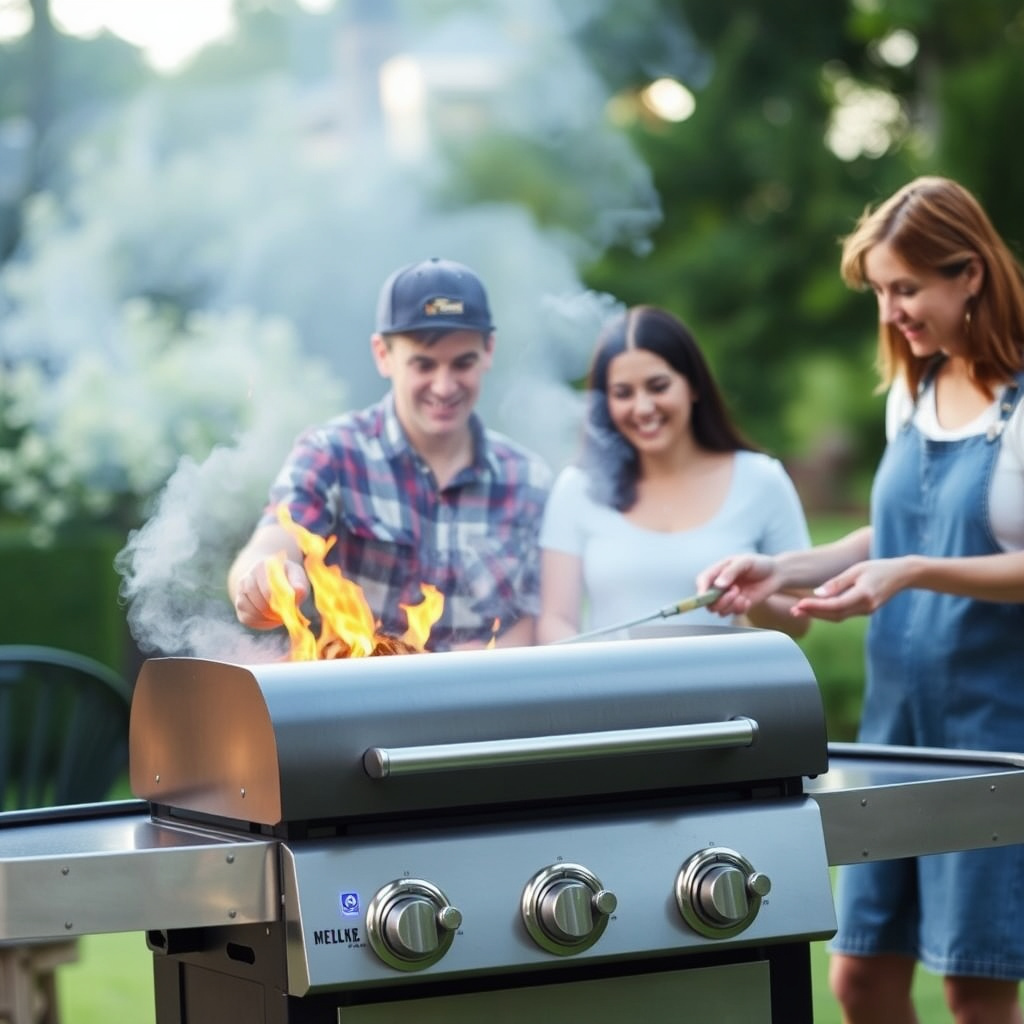
Consider how many people you usually cook for and the amount of food you prepare simultaneously. A couple or small family often finds two burners enough for standard tasks like burgers or chicken breasts. Larger gatherings or frequent entertaining may require three or four burners to handle multiple dishes at once without overcrowding the grill.
If your cooking style involves mostly quick searing, fewer burners with higher heat might suffice. But for recipes involving indirect heat or slow roasting, additional burners provide the necessary heat zones for temperature control.
Matching Burner Count to Grill Size and Space
The overall grill size limits or determines how many burners you can effectively use. Compact grills usually have one or two burners and around 200 square inches of cooking area, suitable for balconies or small patios. Larger backyard grills can accommodate three to five burners, offering more flexibility but also requiring more space and higher initial investment.
If you face space constraints, prioritize fewer burners with quality heat control over adding extra burners that won’t be fully utilized.
Exploring Different Burner Configurations and Types
Standard Inline vs. Offset Burner Layouts
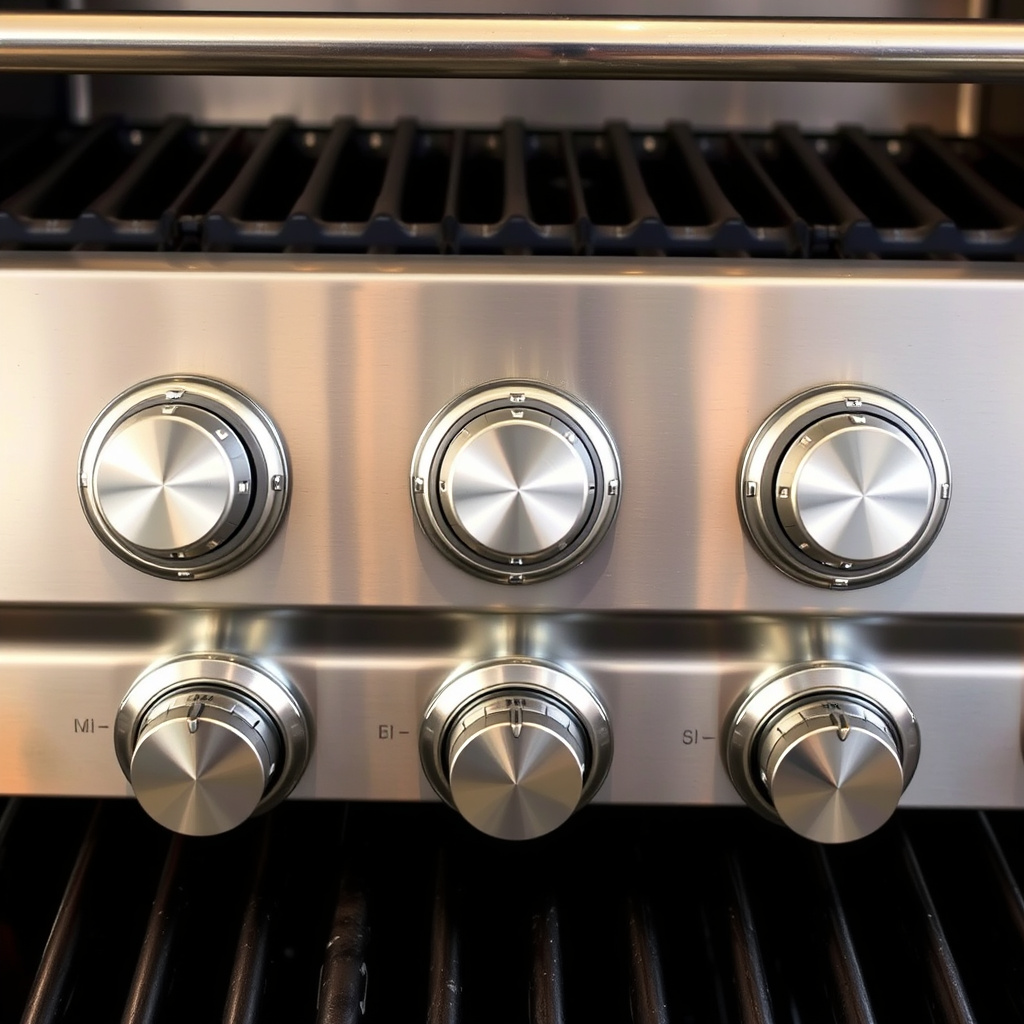
Most grills feature burners arranged in a straight line under the grates, which creates uniform heat zones. Inline burners are easy to control individually but may limit the flexibility in creating diverse heat zones on wider grills.
Offset burner layouts place burners staggered or spaced apart, providing a combination of large direct heat areas and indirect zones simultaneously. This layout suits users who want to grill multiple food types at different temperatures on the same surface.
For more on this, see our related guide: How to Know When Your Grill Is Hot Enough for Perfect Cooking.
Types of Burners: Cast Iron, Stainless Steel, and Ceramic
Cast iron burners are durable and retain heat well, but they require regular maintenance to prevent rust. Stainless steel burners resist corrosion and last longer with less upkeep. Ceramic burners hold intense heat and distribute it evenly, ideal for performance enthusiasts but often cost more.
Choosing the burner material affects your grill’s lifespan and how evenly it cooks. Budget also plays a role; stainless steel provides a good balance between cost and durability for casual grillers.
Gas Grill Burner Quantities: Options and Advantages
Two-Burner Grills for Compact Use
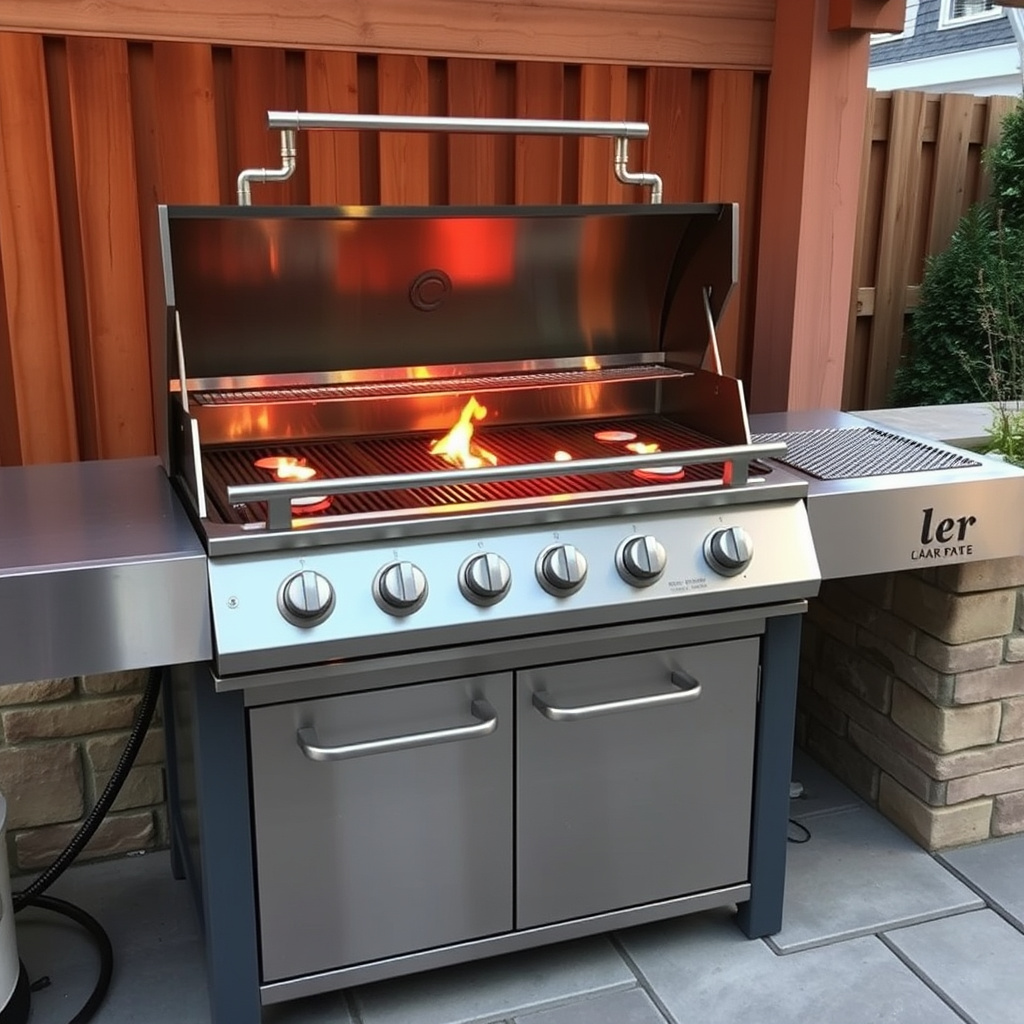
Two-burner grills offer a manageable cooking space and are perfect for beginner grillers or those with limited outdoor room. They support direct and indirect cooking zones well enough for small meals or casual cookouts.
These grills are generally more affordable and easier to clean but might feel cramped when cooking for several people or when using complex recipes demanding multiple heat zones.
- Compact design fits small patios
- Sufficient for 2-4 people
- Lower propane consumption
Four-Burner Grills for Versatility
Four burners are common in mid-sized grills that offer about 500 square inches of cooking space or more. They provide superior heat zoning for searing, roasting, and warming simultaneously without flavor crossover.
This configuration suits serious enthusiasts and families who entertain often. The ability to turn burners on and off individually improves energy efficiency despite the larger size.
- Multiple independent heat zones
- Suitable for 6+ people
- Ideal for varied cooking styles
How Burner Number Influences Grilling Techniques
Direct vs. Indirect Cooking Zones
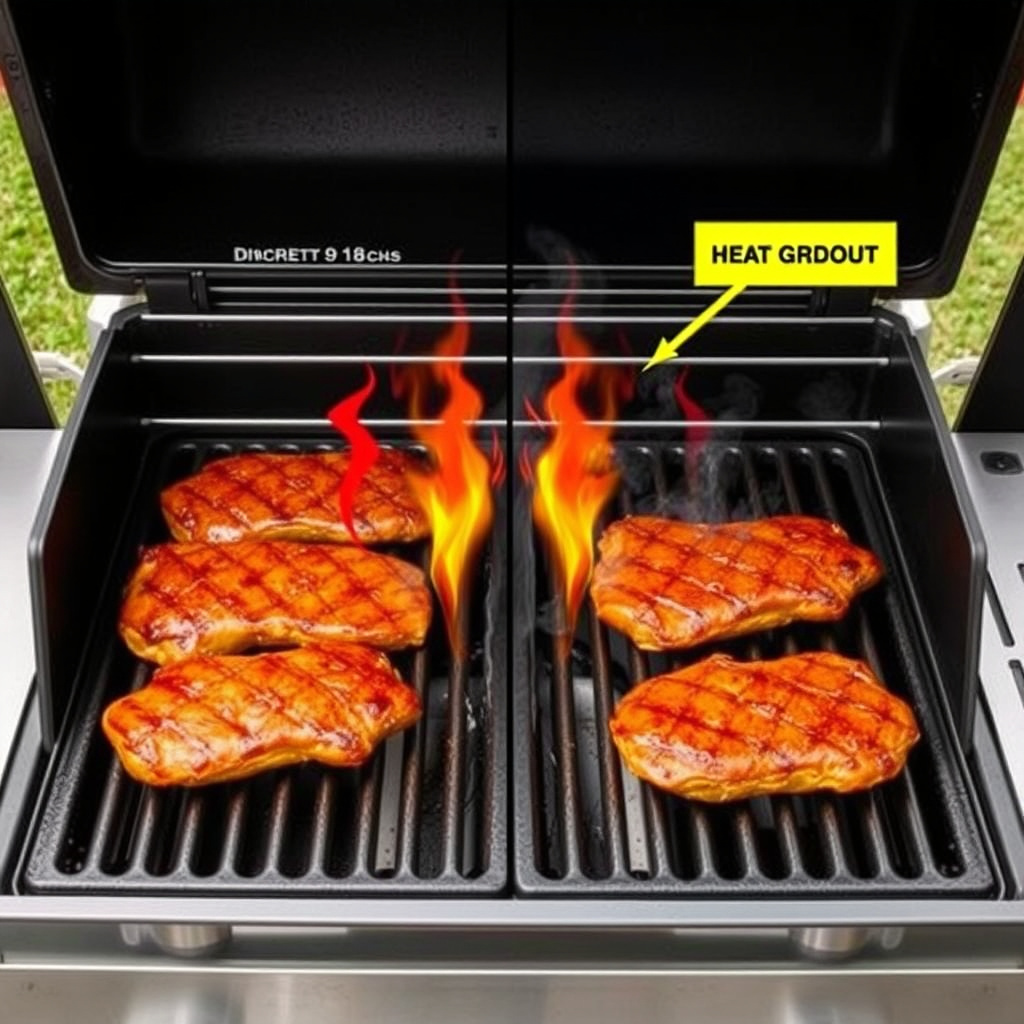
Direct heat means food is placed above a burner that produces high temperatures ideal for searing steaks or burgers quickly. Indirect heat requires turning off or lowering an adjacent burner, allowing slower cooking and roasting for tougher cuts or delicate items like fish.
Having multiple burners enables easy switching between these zones during cooking. A single-burner grill rarely allows this flexibility, limiting the cooking methods possible.
For more on this, see our related guide: How to Smoke Meat on a Gas Grill: A Step-by-Step Guide.
Multi-Zone Cooking Benefits with More Burners
Grills with three or more burners allow users to set a low, medium, and high heat zone simultaneously. This enables complex recipes such as smoking on one side while grilling vegetables on another.
Multi-zone grilling can improve taste and texture by catering to different cooking times and heat requirements on one grill surface. It also expedites meal prep when cooking a variety of foods together.
- Simultaneous searing and slow cooking
- Reduces need for multiple grills
- Enhances flavor with precise temperature control
Electric and Charcoal Grills: Burner Considerations
Burner Differences in Electric Grills
Electric grills use heating elements rather than traditional gas burners, often arranged as one or two coils beneath the grill surface. Since the heat output is less intense, these grills usually don't benefit from multiple burners like gas models.
Instead of burner count, electric grills focus on wattage and cooking surface size. They’re best for indoor or apartment grilling but lack the heat control zones typical in gas grills.
For further reading on how grill burners function and different grill types, check out this overview of grill cooking. grill burner basics.
Charcoal Grills and Their Heat Zones
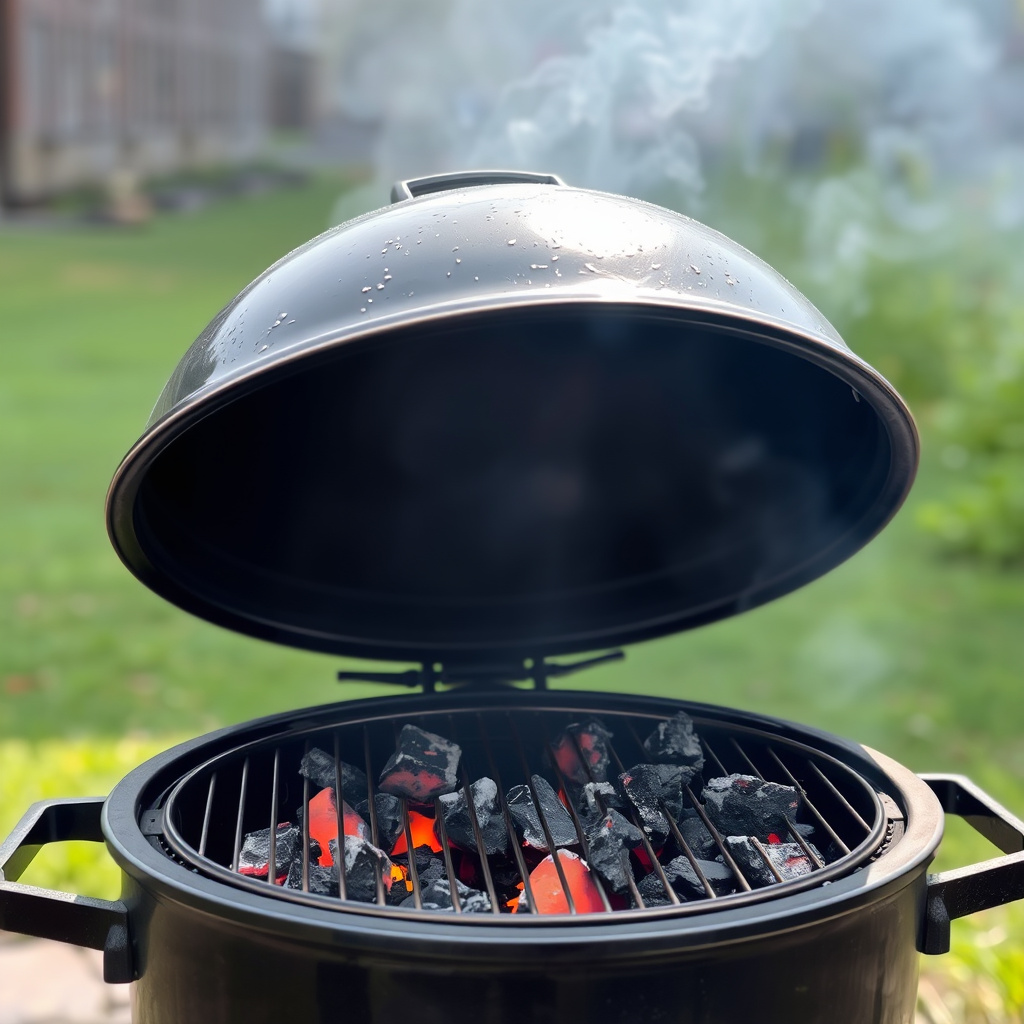
Charcoal grills don’t have burners but mimic zoning by adding coals differently across the grill to create direct and indirect heat areas. Adjusting coal placement allows cooks to approximate multi-burner setups through manual heat management.
Having a larger charcoal grill with adjustable grates improves the ability to manage cooking zones and simulate burner versatility, but it requires more skill and attention compared to gas burner controls.
- Manual coal placement for heat zones
- Adjustable vents control airflow and heat
- Requires practice to master temperature control
Gas Grill Burner Configuration Comparison
Here is a quick comparison of common gas grill burner configurations based on size, cooking area, and typical use cases.
| Burner Count | Cooking Area (sq. in.) | Ideal For | Average Price Range |
|---|---|---|---|
| 1 Burner | 150-200 | Solo or picnic grilling | $100-$200 |
| 2 Burners | 200-300 | Small families, casual use | $200-$400 |
| 3 Burners | 300-400 | Medium families, versatile use | $350-$600 |
| 4 Burners | 500+ | Large families, frequent entertaining | $500-$900 |
| 5+ Burners | 600+ | Serious grillers, commercial-style cooking | $800-$1500+ |
Frequently Asked Questions
Can I cook everything with just one burner on a grill?
Yes, you can cook many basics on a single burner grill using direct heat, but it lacks flexibility for multi-zone or complex cooking like indirect roasting or smoking.
Does having more burners use more fuel?
Running more burners increases fuel usage, but turning on only as many burners as needed can help manage propane or natural gas consumption efficiently.
Are more burners always better for grilling?
Not always; more burners mean better heat control but also higher cost and maintenance. Choose burners based on your cooking habits and grill size.
How does burner number affect grill maintenance?
More burners mean more components to clean and possibly replace. Simpler grills with fewer burners usually require less upkeep over time.
Can I upgrade my grill to add more burners?
Usually grills aren’t designed for adding burners after purchase, so upgrading typically means buying a larger grill with the desired burner count.
Key Takeaways
- Burner count affects heat zones and cooking versatility on a grill.
- Two burners suit small families; four or more fit larger groups and complex cooking.
- Burner type and layout impact cooking style and maintenance needs.
- Choose burner count based on how much and what you cook most often.
Conclusion
Deciding how many burners you need on a grill starts by examining your typical cooking volume, space, and style. A smaller two-burner grill supports everyday grilling for small households, while three to five burners open options for multi-zone cooking and larger gatherings. Balancing burner count with grill size and budget will help you find the right fit that offers flexibility without unnecessary complexity or expense.
For those who grill primarily for family dinners or casual use, a grill with two or three burners often provides sufficient cooking space and heat control. Enthusiasts who entertain or experiment with various cooking techniques will benefit from four or more burners, which facilitate simultaneous searing, roasting, and warming zones. Considering burner durability and layout can further enhance your grilling efficiency and satisfaction.
If you're just starting or limited by space, invest in a compact two-burner grill and master basic grilling techniques before moving to larger models. For seasoned grillers, prioritize burner quality and multi-zone capability while factoring your grilling frequency. Taking these factors into account will ensure your next grill meets your needs and elevates your outdoor cooking experience.



