
Choosing a gas grill starts with understanding your cooking needs and space. Consider the size of your typical gatherings, the fuel type—propane or natural gas—and desired features like burners’ number and heat control. Matching these factors quickly narrows your options for an efficient purchase.
Gas grills offer the advantage of quick heat-up times and convenient temperature control, which makes them popular for backyard cooking. Since grill designs vary widely, knowing which features correlate with your grilling frequency and menu preferences helps avoid overspending on unnecessary extras.
This article breaks down important criteria including grill size, fuel source, cooking power, materials, and budget. We'll also explore how to evaluate brands and key extras that enhance your grilling experience, helping you confidently select the ideal gas grill.
Understanding Gas Grill Sizes and Cooking Area
Determining the Cooking Surface You Need
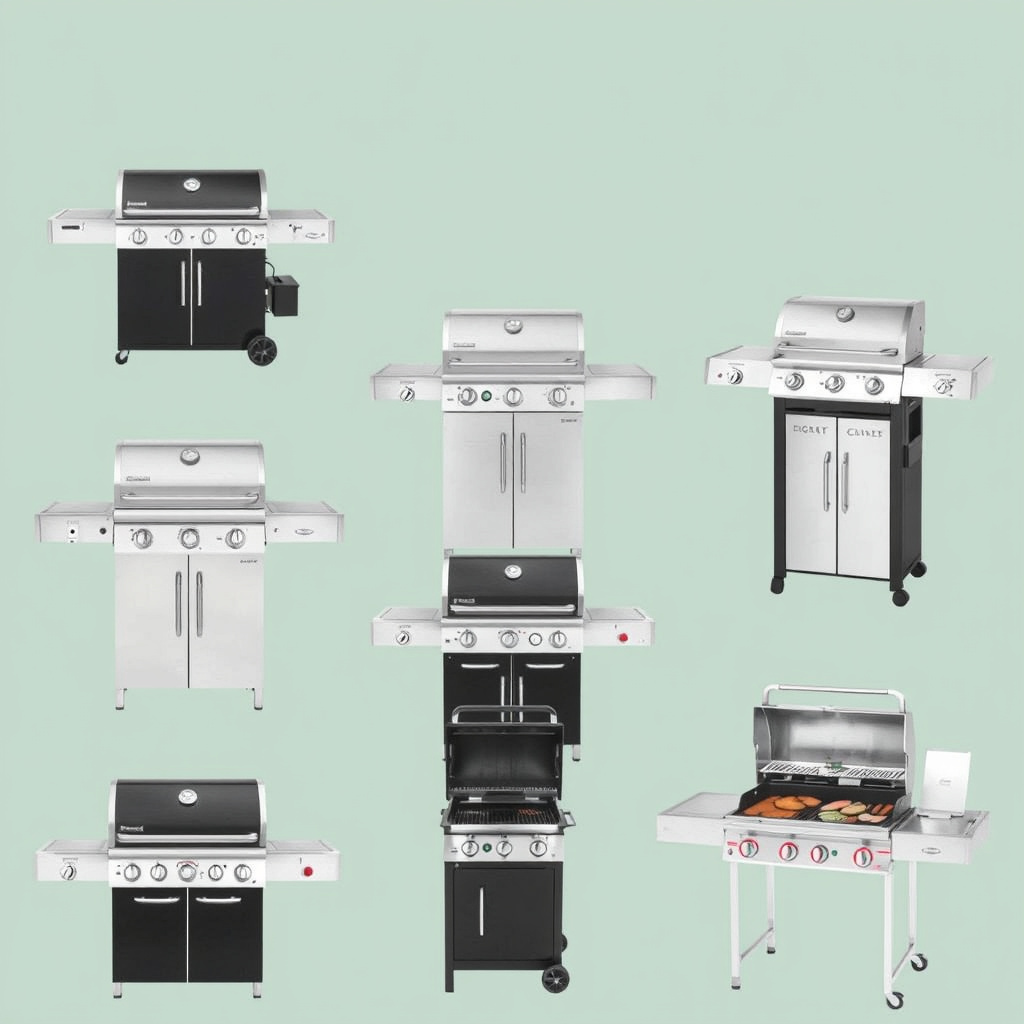
The cooking surface area is fundamental when choosing a gas grill. Smaller grills might offer 300–400 square inches of cooking space, suitable for 2-4 people. Larger models can have 600 square inches or more, accommodating bigger parties and more complex meals. Evaluate how often you grill and how much food you usually prepare to pick the right size.
Consider the grill’s main cooking area and whether it has additional warming racks. Warming racks are useful for keeping food hot without drying it out or finishing items at lower temps. If you tend to entertain frequently or cook for families, a larger grill that includes these features will be a better fit.
- Small (under 400 sq. in.): great for singles or couples
- Medium (400–600 sq. in.): ideal for small families
- Large (600+ sq. in.): perfect for large gatherings
How Grill Size Affects Portability and Storage
Beyond cooking area, physical dimensions affect where you can place and store the grill. Compact grills are easier to move and fit well on small patios or balconies but may compromise on cooking capacity. Larger grills usually have wheels but require dedicated outdoor space and may be heavier to relocate.
If you have limited storage or frequently transport the grill, focus on models with foldable side shelves or detachable parts. Otherwise, a fixed larger grill might serve better for backyard setups where mobility is not a priority.
Choosing Between Propane and Natural Gas Grills
Advantages of Propane Gas Grills
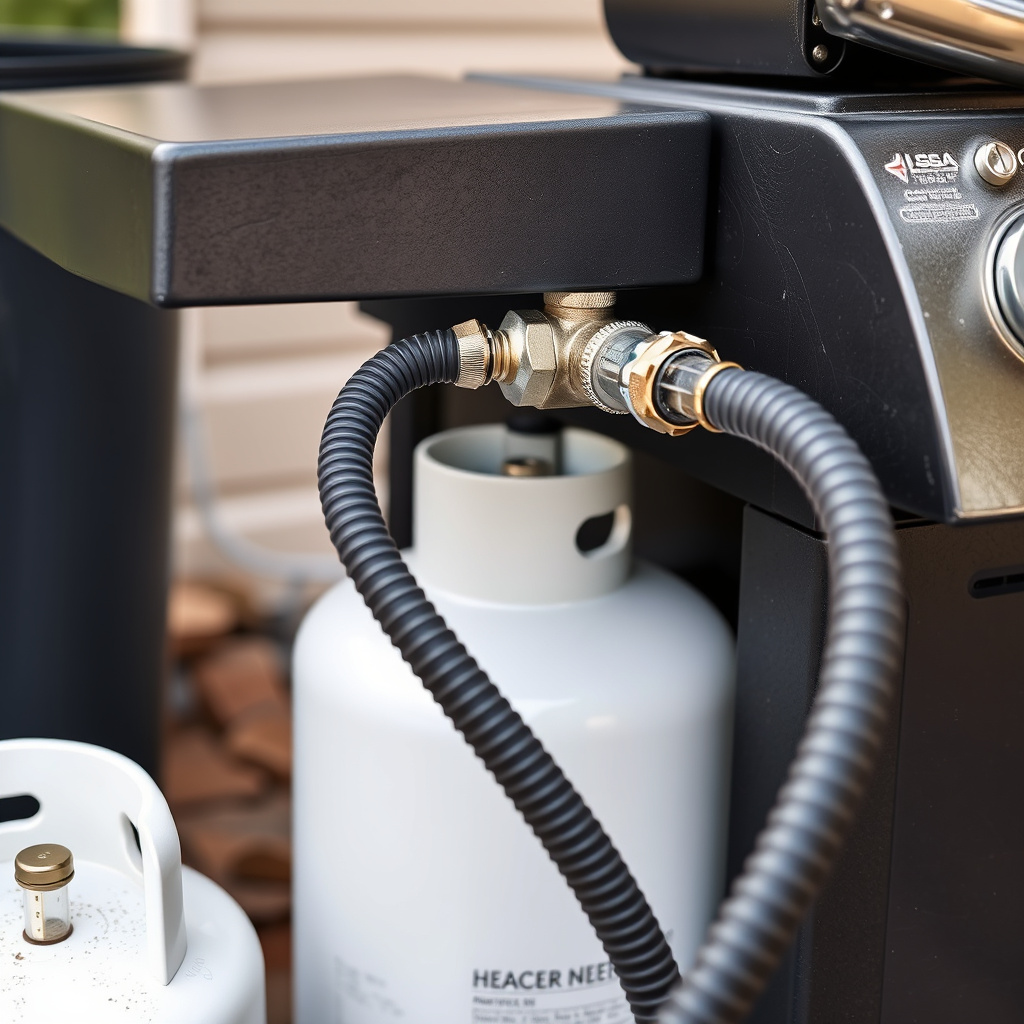
Propane gas grills offer portability and flexibility since tanks are easy to swap and move around. This makes them a popular choice for gatherings, tailgating, or locations without a natural gas hookup. They generally heat quickly and can be used right out of the box without professional installation.
Because propane is stored in pressurized tanks, they must be refilled regularly, and availability can vary depending on your location. Tanks also add some bulk but can be secured safely with proper storage.
- Portable and flexible
- Fast heating times
- Requires tank refills
Benefits and Considerations with Natural Gas Grills
Natural gas grills connect directly to your home’s gas line, providing constant fuel supply without needing tank refills. This setup offers convenience and can be more cost-effective over time. Installation usually requires a professional and a suitable gas line near the grilling area.
They tend to be less portable but offer cleaner burning with lower emissions. If you plan frequent grilling and have easy access to a natural gas line, these grills provide steady performance without interruptions.
- Continuous fuel supply
- Lower long-term cost
- Requires fixed installation
Materials and Build Quality of Gas Grills
Grill Body and Frame Materials
Durability starts with the materials used. Stainless steel bodies resist rust and corrosion and usually last longer, especially in humid or coastal environments. Powder-coated steel grills can be more affordable but may wear faster without proper care.
Aluminum is lightweight and rust-resistant but less common for grill bodies. Think about where the grill will be stored and how often you’ll maintain it when deciding on materials.
- Stainless steel: durable, rust-resistant
- Powder-coated steel: affordable, prone to wear
- Aluminum: lightweight, less common
For more on this, see our related guide: What Is a Gas Grill and How to Choose the Best One.
Grates and Burner Material Quality
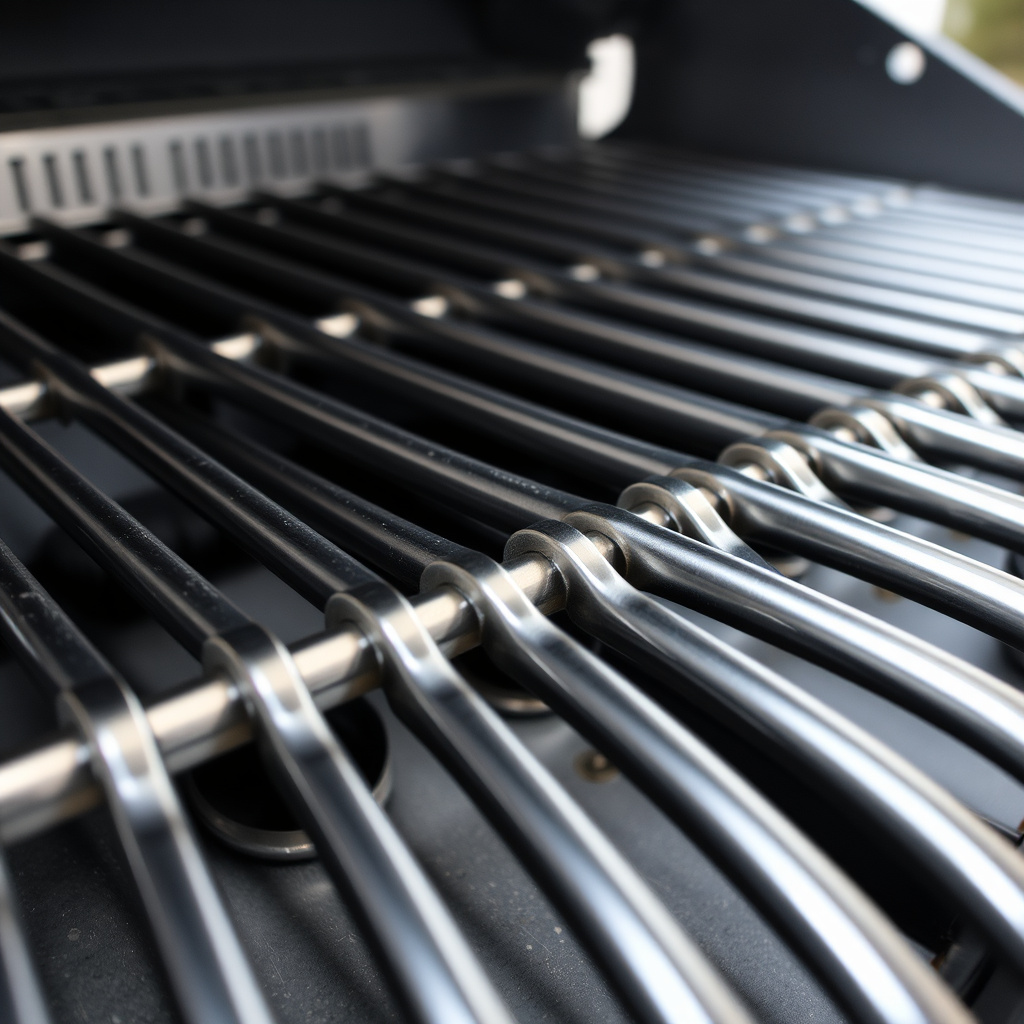
Cooking grates come in cast iron, stainless steel, or porcelain-coated variants. Cast iron retains heat well but requires seasoning to prevent rust. Stainless steel grates are easy to clean and resist corrosion, while porcelain coatings add non-stick surfaces but can chip over time.
Burners made from stainless steel typically last longer and provide even heat distribution. Some high-end grills use cast brass burners, which resist corrosion and maintain consistent heat.
- Cast iron grates: excellent heat retention
- Stainless steel grates: low maintenance
- Porcelain-coated grates: non-stick, fragile
Key Performance Features When Choosing a Gas Grill
Heat Output and Burner Configuration
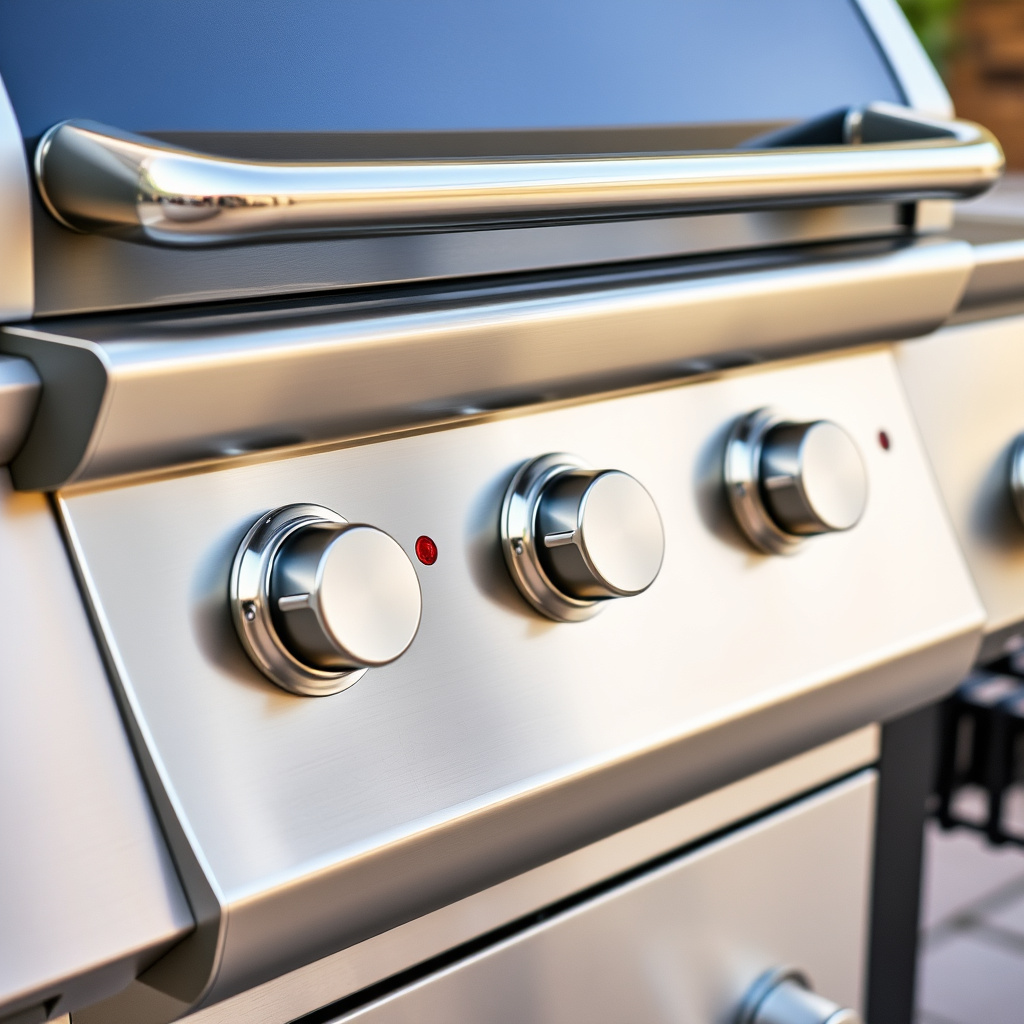
Measured in BTUs (British Thermal Units), heat output reflects a grill’s power. Higher BTU ratings indicate more intense heat, but efficient design and cooking surface size also affect cooking performance. Multi-burner grills provide zone cooking, allowing different heat levels for various foods simultaneously.
Burner placement and ignition systems are important too. Look for reliable, push-button igniters for safety and convenience. The number and size of burners should align with your typical cooking volume.
- Check total BTUs relative to grill size
- Multiple burners for zone cooking
- Reliable ignition systems
Additional Features That Improve Cooking
Features like built-in thermometers, side burners, rotisserie attachments, and smoker boxes can enhance your grilling versatility. Side burners are great for sauces or side dishes, while rotisserie kits offer slow, even cooking for whole chickens or roasts.
Warming racks, grease management trays, and storage cabinets add convenience and cleaner operation. Prioritize extras based on your grilling style and budget since not all add significant value for casual users.
- Rotisserie and side burners for versatility
- Built-in thermometers for temperature control
- Grease management systems for easy cleanup
Setting a Budget and Evaluating Brands
Price Ranges and Value Considerations
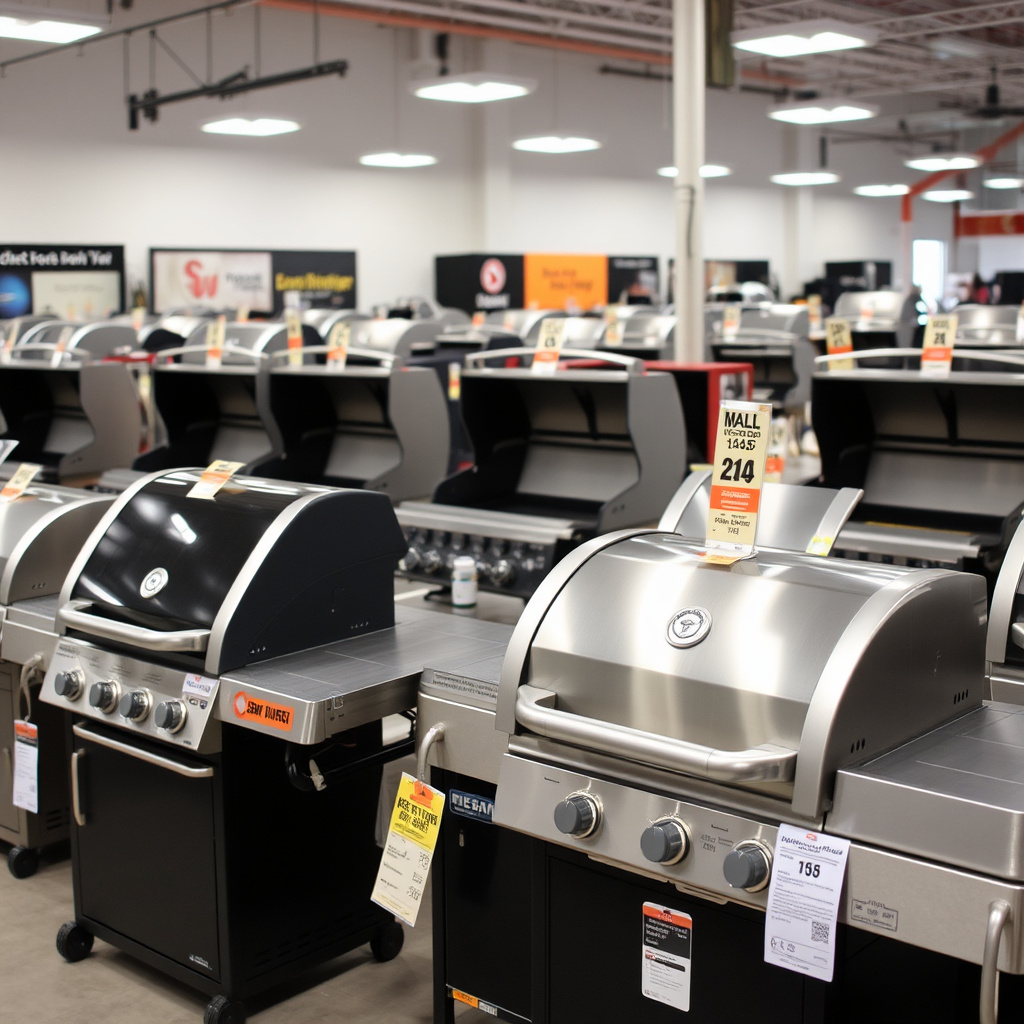
Gas grills range from under $200 for basic models to several thousand for commercial-grade units. Entry-level grills offer foundational features suitable for occasional grillers. Mid-range options blend durability and features well, while premium grills provide advanced controls, materials, and extras.
Consider the balance of upfront cost against longevity and performance. A higher initial investment can pay off through years of reliable use, but don’t overspend on features you won’t use frequently.
- Entry-level: $150–$400
- Mid-range: $400–$1000
- Premium: $1000+
For more on this, see our related guide: How to Choose a Grill: A Practical Guide for Every Backyard Cook.
Reputable Gas Grill Brands to Know
Popular brands like Weber, Broil King, and Napoleon are known for producing durable models with good warranties and customer support. They offer a range of sizes and features, catering to many grilling needs. Lesser-known brands may offer competitive prices but often compromise on build quality or parts availability.
Research user reviews and expert opinions to understand real-world performance. Brand reputation often reflects long-term satisfaction and easier replacement parts sourcing.
Maintenance and Safety Tips for Gas Grills
Routine Cleaning and Upkeep
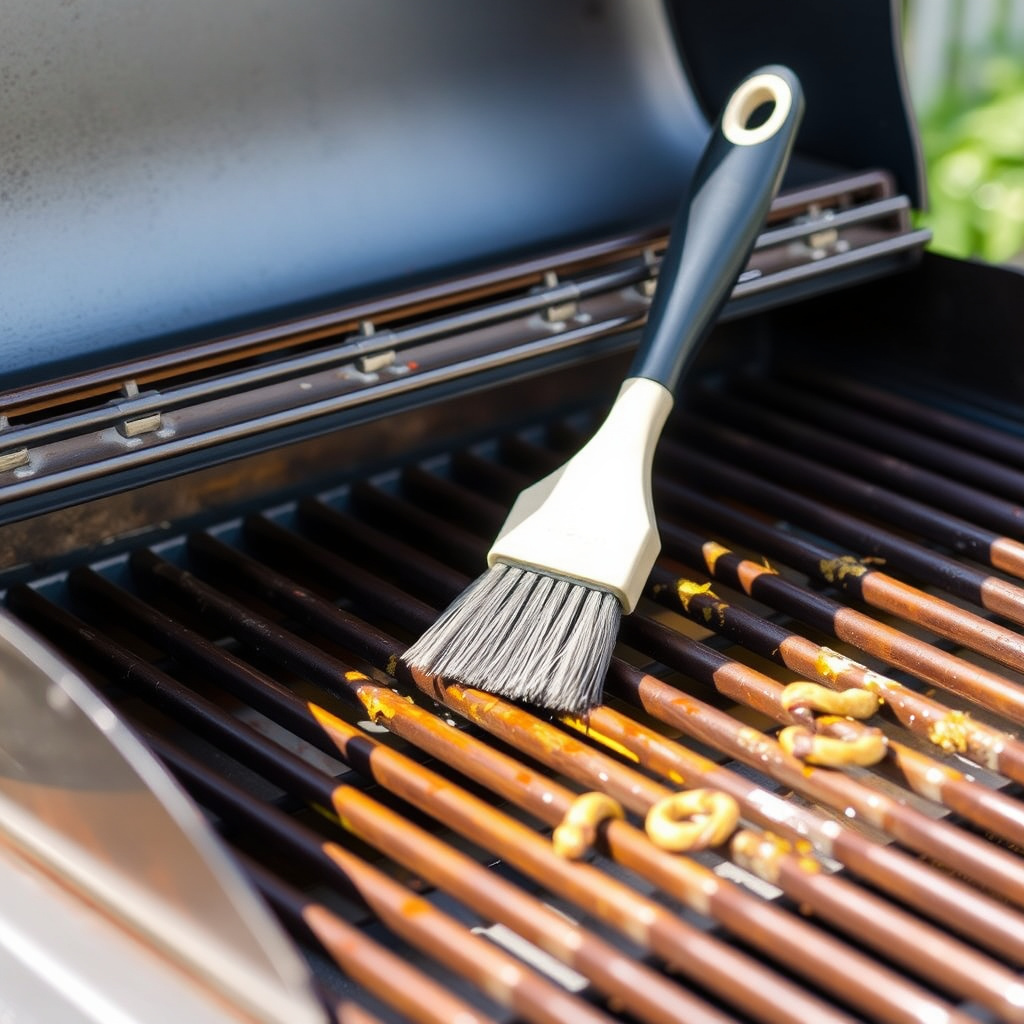
Regular cleaning extends a gas grill’s lifespan and maintains cooking quality. After each use, brush grates to remove char and debris. Periodically clean burners and grease trays to prevent flare-ups. Cover your grill when not in use to protect it from weather.
Inspect hoses and connectors regularly for cracks or leaks. Replace damaged parts promptly. This prevents gas leaks, which are a safety hazard.
- Brush grates after each use
- Clean grease trays monthly
- Check hoses for leaks regularly
For a broader understanding, you can explore the gas grill article on Wikipedia. gas grill article on Wikipedia.
Safety Practices When Using Your Gas Grill
Always operate your grill in a well-ventilated area away from structures. Before lighting, keep the lid open to avoid gas buildup. Store propane tanks upright and in a shaded spot. Follow manufacturer instructions for setup and lighting procedures to reduce risk.
Avoid leaving grills unattended and keep a fire extinguisher nearby. These actions significantly decrease the chances of accidents or fire hazards during grilling.
- Use grill outdoors and away from flammable materials
- Keep lid open during ignition
- Store propane tanks properly
Gas Grill Types Category Comparison
Here's a side-by-side comparison of common gas grill categories to help you weigh their features, costs, and suitability.
| Category | Fuel Source | Average Price Range | Portability | Ideal For |
|---|---|---|---|---|
| Portable Gas Grills | Propane | $150–$400 | High | Small gatherings, camping |
| Home-Use Mid-Size Grills | Propane or Natural Gas | $400–$1000 | Medium | Families, frequent backyard cooking |
| Built-In Grills | Natural Gas | $1000–$3000 | Low | Permanent outdoor kitchen setups |
| Premium High-End Grills | Propane or Natural Gas | $1500–$5000+ | Low | Serious grillers, advanced features |
Frequently Asked Questions
Can I convert a propane gas grill to natural gas?
Yes, many propane gas grills can be converted to natural gas using a conversion kit provided by the manufacturer, but it requires professional installation to ensure safety and proper function.
How important is the BTU rating when choosing a gas grill?
BTU rating indicates heat output but doesn't tell the whole story. Efficient design and cooking surface size matter too, so focus on overall performance rather than just BTUs.
Are stainless steel grills better than other materials?
Stainless steel grills resist rust and are durable, making them a popular choice, especially in humid environments. However, higher cost and weight can be downsides compared to powder-coated models.
What safety checks should I perform before grilling?
Inspect hoses for cracks or leaks, ensure propane tanks are properly stored, keep the grill area clear of flammable items, and always operate your grill outdoors with the lid open on ignition.
Is a side burner worth having on a gas grill?
Side burners add cooking flexibility for preparing sauces or side dishes. They benefit those who frequently entertain or prepare multi-course meals but may not be essential for casual grillers.
Key Takeaways
- Match grill size with your typical cooking volume and space.
- Choose propane for portability or natural gas for convenience.
- Prioritize durable materials like stainless steel for longevity.
- Consider features and budget to find balanced value.
Conclusion
Selecting the right gas grill involves balancing factors such as cooking area, fuel type, material quality, and performance features. Understanding how often and what you plan to grill helps prioritize size and burner configuration. Also, paying attention to build materials impacts durability and maintenance needs over time. Careful evaluation leads to a grill that fits your lifestyle without overspending.
For casual weekend grillers or those with limited space, smaller portable propane grills deliver good value and convenience. Families usually find mid-size propane or natural gas grills ideal for their cooking demands, offering ample area and easy temperature control. If you want to integrate grilling into a permanent outdoor kitchen, large built-in natural gas grills provide continuous fuel and higher-end features. Premiun models from established brands offer additional perks like rotisserie and side burners for advanced cooks.
Start by measuring your available outdoor space and determining your usual cooking volume. Then consider whether mobility or fuel convenience matters more: propane suits flexibility; natural gas fits fixed setups. Read expert reviews and test models in-store if possible. By following this process, you can confidently select the best gas grill that matches your tastes, budget, and grilling frequency.



