
You cannot use a propane grill with natural gas without making specific modifications. Propane grills are designed for the higher pressure and different gas characteristics of propane, so simply connecting them to natural gas can lead to unsafe operation or poor performance.
Natural gas and propane differ in energy content and delivery pressure, which means their grills have tailored burner orifices and regulators. Using the wrong gas type without proper conversion can cause flame issues, incomplete combustion, or even gas leaks. Understanding these differences is key before attempting to switch fuels.
This article will explain how propane and natural gas grills differ, what conversion options exist, safety considerations for using natural gas with a propane grill, and how to choose the right equipment for your needs.
Understanding the Differences Between Propane and Natural Gas
Chemical Composition and Energy Content
Propane is a liquefied petroleum gas stored under pressure as a liquid, which vaporizes into gas for combustion. Natural gas is mostly methane and is delivered via pipelines at lower pressure in gaseous form. Propane has a higher energy content per cubic foot, making its flame hotter when burned optimally.
This difference means burner orifices on propane grills are typically smaller to restrict gas flow, whereas natural gas grills have larger orifices to compensate for lower gas energy density. Attempting to use these fuels interchangeably without adjusting the hardware leads to inefficient burning.
Pressure and Delivery System Variations
Regulators and valves for propane grills are set to handle gas at approximately 10-11 inches water column pressure, much higher than natural gas’s typical 4-6 inches. Propane tanks store gas liquid under pressure, while natural gas is supplied at constant line pressure through pipelines.
Connecting a propane grill directly to a natural gas system without converting the pressure and orifices can cause flames to sputter or extinguish, posing fire hazards. Proper adaptors and regulators designed for natural gas use are required for safe operation.
Can You Convert a Propane Grill to Use Natural Gas?
Conversion Kits: What They Include
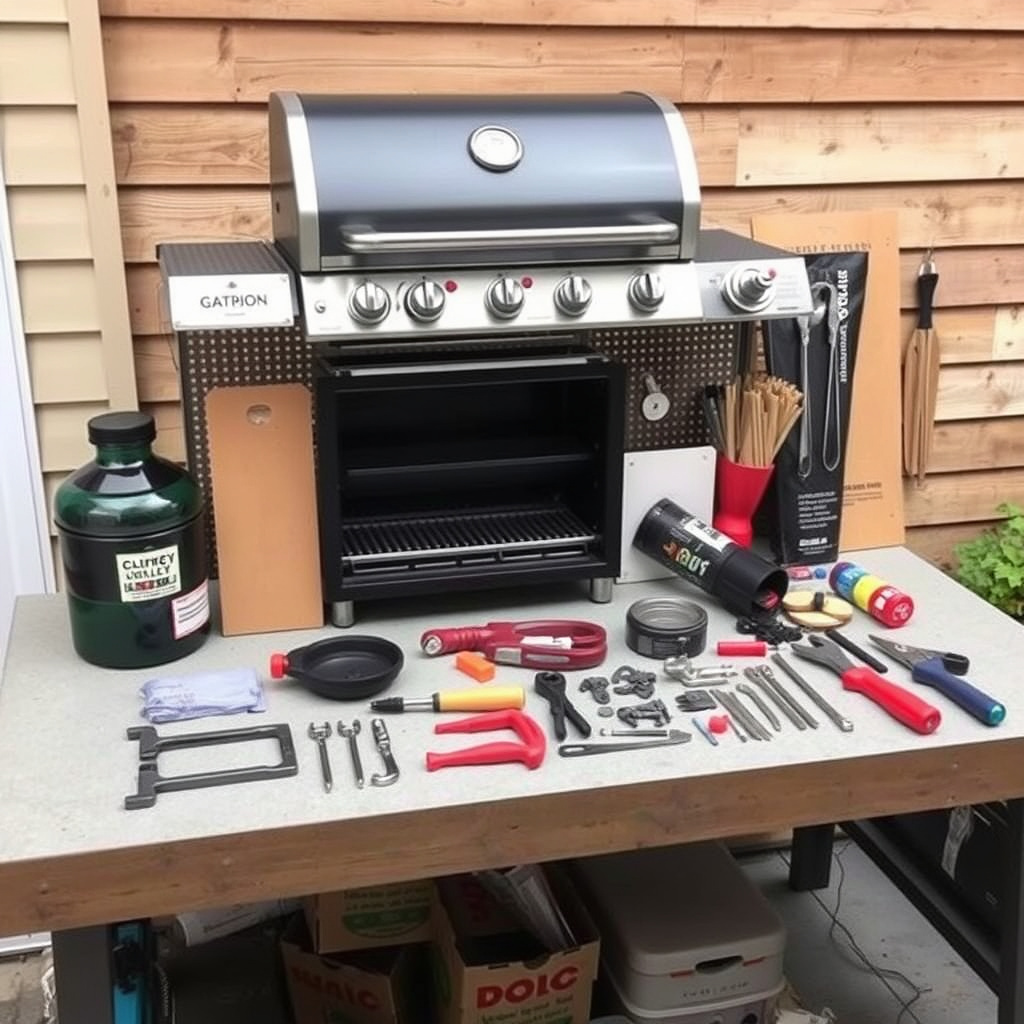
Many manufacturers offer natural gas conversion kits for propane grills. These kits usually contain new burner orifices, a natural gas regulator, and connecting hoses designed for the lower pressure and flow requirements of natural gas.
Installing a conversion kit adjusts the gas delivery system to match natural gas specifications, making it safe to use. These kits vary by brand and grill model, so it’s essential to buy one compatible with your grill.
- New burner orifices sized for natural gas
- Natural gas regulator
- Gas hose and fitting adapters
- Installation instructions
Professional Installation Versus DIY
While some experienced users install conversion kits themselves, many recommend professional installation due to safety risks involved with gas systems and ensuring proper sealing and regulator settings.
A professional can verify there are no leaks, test pressure levels, and confirm flame quality after conversion. Improper installation not only reduces grill performance but could cause dangerous gas leaks.
Safety Considerations When Using Natural Gas with a Propane Grill
Risks of Using the Wrong Gas Without Conversion
Connecting a propane grill to natural gas without converting orifices and regulators can cause weak flames that may go out, allowing unburned gas to accumulate and create fire or explosion hazards.
Incorrect gas pressure can also damage valves and regulators, leading to malfunction or leaks over time. It’s important never to attempt this kind of gas switch without appropriate modifications.
For more on this, see our related guide: How to Convert a Propane Grill to Natural Gas Safely and Easily.
Testing and Maintenance After Conversion
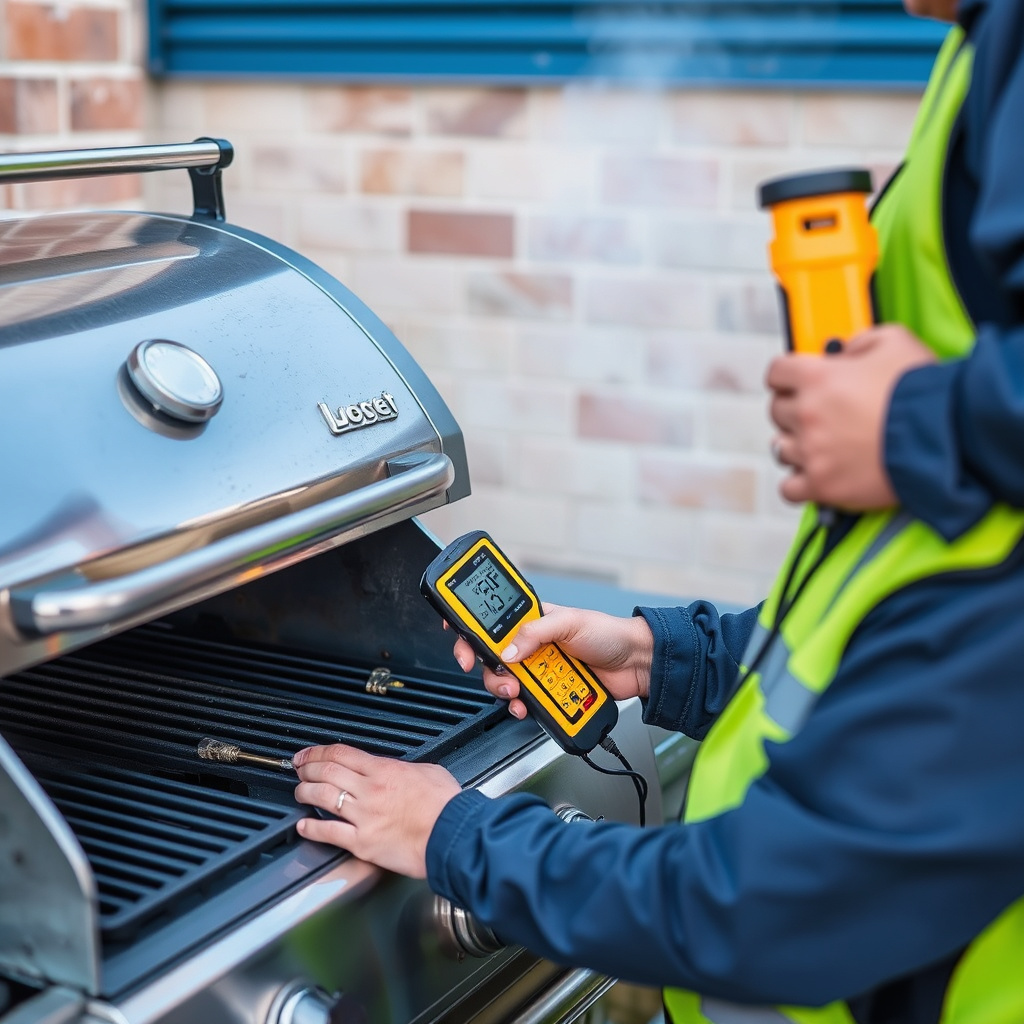
After converting a propane grill to natural gas, users should check for gas leaks using soapy water or electronic detectors, verify flame color and strength, and ensure the grill’s ventilation is adequate.
Routine maintenance includes tightening fittings, cleaning orifices, and monitoring the condition of hoses and regulators to maintain safe operation.
- Perform leak test after installation
- Check flame for steady blue jet
- Inspect hoses for cracks regularly
- Schedule professional inspection annually
Performance Differences Between Propane and Natural Gas Grills
Heat Output and Cooking Speed
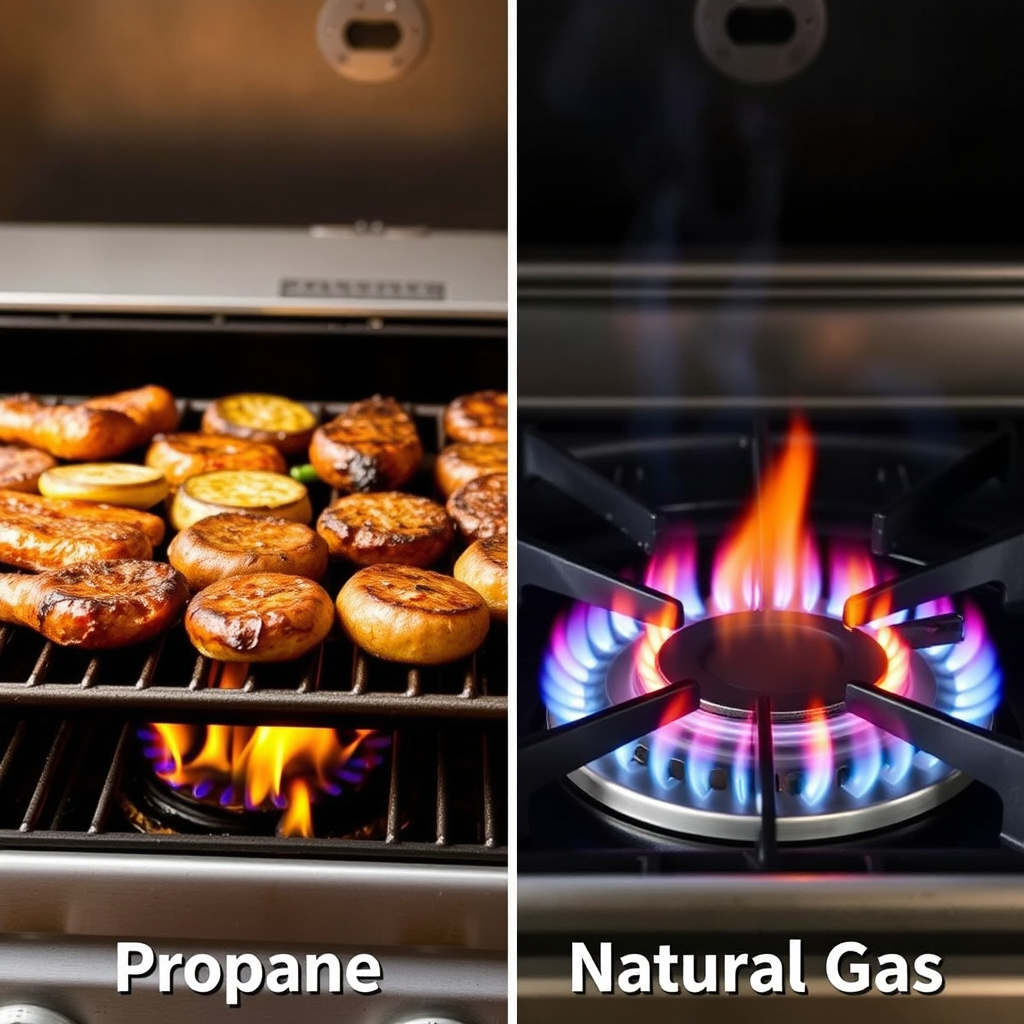
Propane grills generally reach higher temperatures more quickly because propane has higher BTU per unit volume than natural gas. This can result in faster searing and shorter preheat times.
Natural gas grills provide a steadier but slightly cooler flame, which some users prefer for longer, lower-temperature cooking. Users converting a propane grill may notice variation in heat profiles.
Flavor and Smell Considerations
Some grillers report that propane imparts a subtle scent to the food due to its combustion characteristics, which can be different from natural gas's cleaner burn.
Conversion to natural gas may alter cooking aromas slightly, but flavor differences are minimal when the grill is properly adjusted.
Choosing the Right Grill for Your Fuel Type
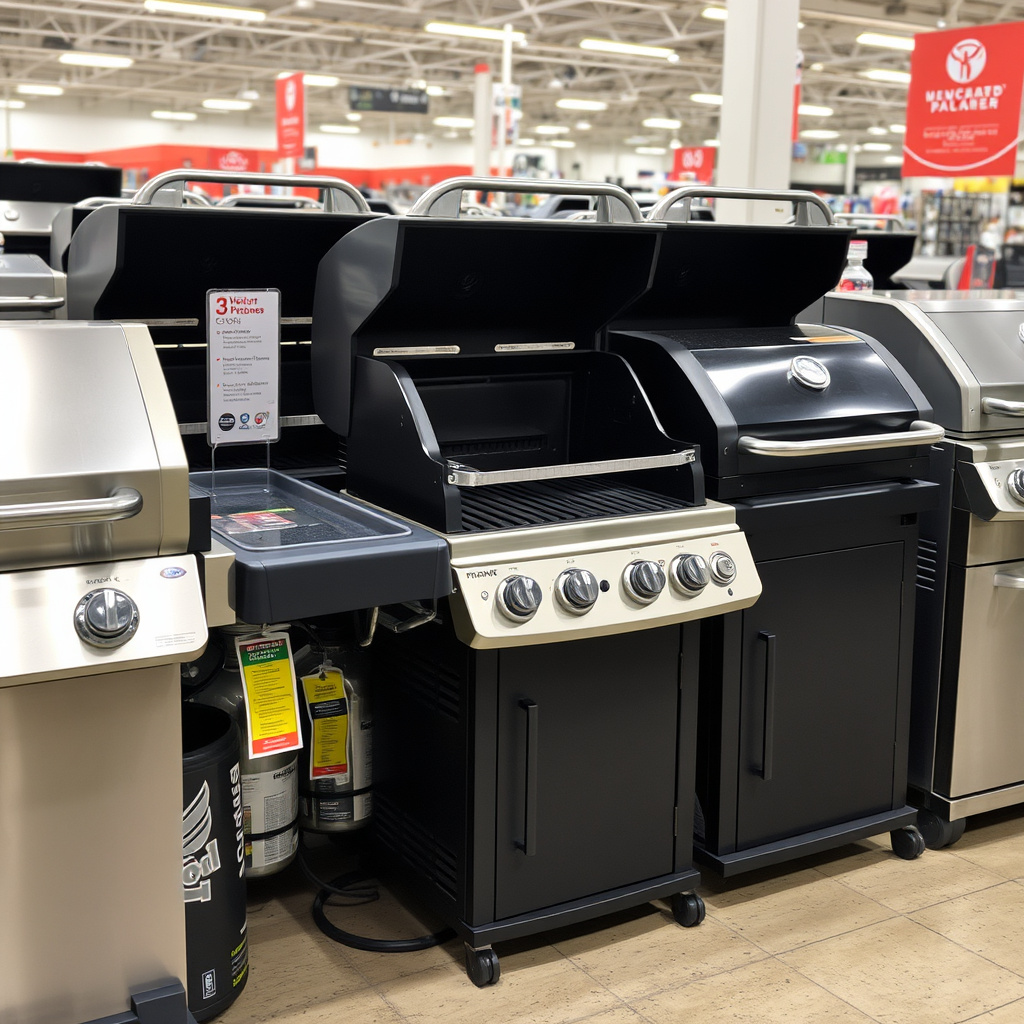
Propane Grills: Portability and Convenience
Propane grills are popular for their portability and independence from fixed gas lines, making them suitable for patios, tailgating, or areas without natural gas service.
Their tanks require regular refilling or replacement, but many users appreciate their ability to relocate the grill easily.
For more on this, see our related guide: Can You Grill in the Winter? Practical Tips for Cold-Weather Barbecuing.
Natural Gas Grills: Cost Efficiency and Continuous Fuel
Natural gas grills hook up to a home’s utility lines, providing a continuous supply without tank switching. They tend to be more cost-effective over time due to lower fuel prices and reduced maintenance.
However, they lack portability, as the grill must remain near the gas connection point.
Installation and Compatibility Tips
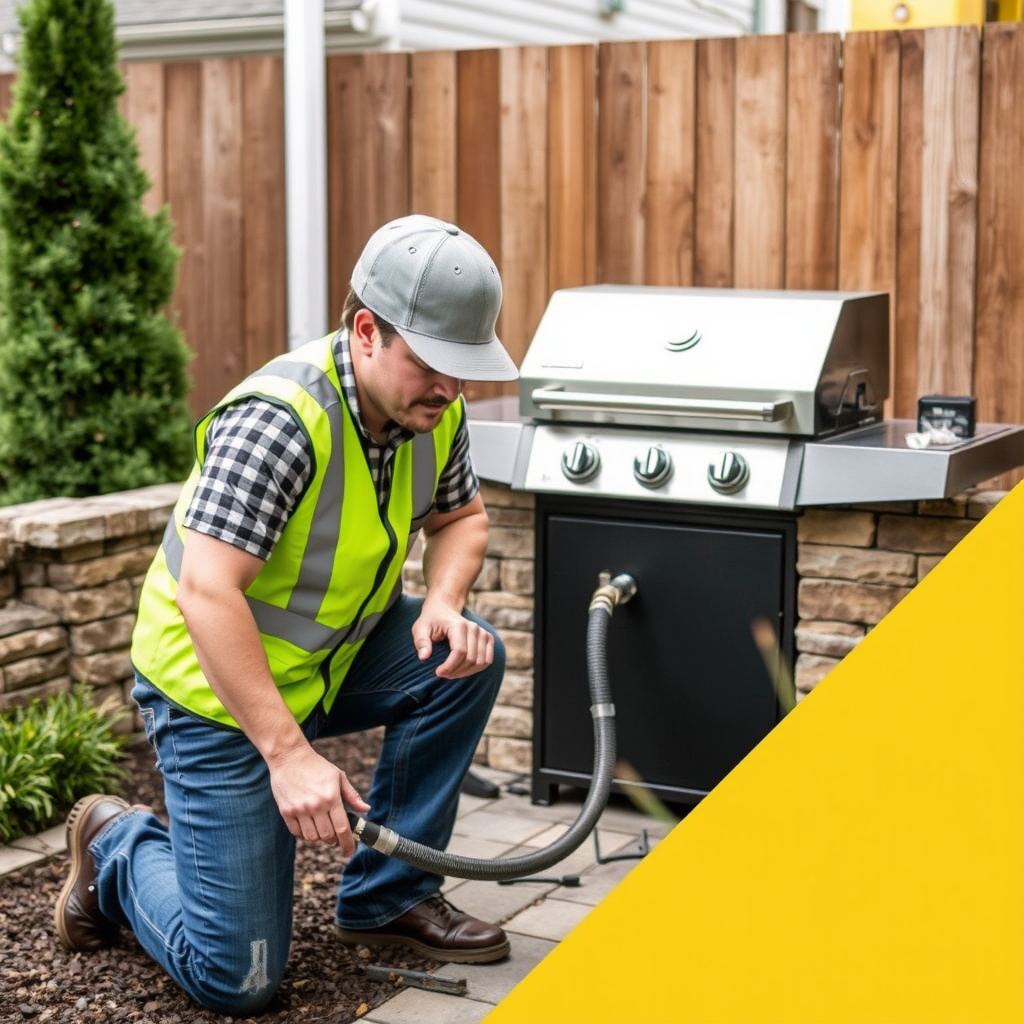
Confirming Grill Model Compatibility
Not all propane grills can be converted to natural gas, especially older or lower-end models. Always check with the manufacturer’s specifications to find compatible conversion kits or instructions.
Using an incompatible kit or attempting DIY conversions without guidance can result in unsafe operation or void warranties.
For a deeper understanding of how gas grills function and differ, this detailed overview provides valuable background. gas grill differences explained.
Proper Gas Line Installation
Natural gas lines should be installed by licensed professionals who can confirm proper sizing, secure fittings, and adherence to local codes. Improper line installation can cause pressure drops or leaks.
Flexible gas hoses designed for outdoor grill use must be rated for natural gas and inspected regularly for damage.
- Use licensed installers for gas lines
- Select hoses certified for natural gas
- Follow local building codes
- Schedule periodic inspections
Propane Grill Versus Natural Gas Grill Comparison
Here’s a side-by-side look at key differences between propane and natural gas grills to help you weigh factors for your grilling setup.
| Feature | Propane Grill | Natural Gas Grill |
|---|---|---|
| Fuel Source | Portable propane tanks | Fixed natural gas line |
| Fuel Pressure | High (approx. 10-11 in water column) | Low (approx. 4-6 in water column) |
| Heat Output | Higher BTUs per cubic foot | Lower BTUs per cubic foot |
| Portability | Easy to move | Fixed location |
| Running Cost | Higher per unit fuel cost | Lower per unit fuel cost |
| Conversion Feasibility | Yes, with conversion kit | Generally no conversion required |
Frequently Asked Questions
Can I plug my propane grill directly into a natural gas line?
No, directly connecting a propane grill to a natural gas line is unsafe because the grill’s orifices and regulator are designed for propane’s higher pressure and energy content.
What is involved in converting a propane grill to natural gas?
Conversion involves installing a kit with new burner orifices, a natural gas regulator, and appropriate hoses to adjust for lower pressure and gas volume of natural gas.
Is professional installation necessary for natural gas conversion?
While some owners can do it themselves, professional installation is recommended to ensure safety, proper pressure settings, and leak-free connections.
Will my grill’s heat output change after conversion?
Yes, natural gas generates slightly less heat than propane, so expect slower heating and lower maximum temperatures after converting a propane grill.
Are natural gas grills more cost-effective than propane grills?
Typically yes, because natural gas is cheaper per energy unit and provides an uninterrupted supply without tank refills.
Key Takeaways
- Propane grills are not safe to use directly with natural gas without conversion.
- Conversion kits include orifices, regulators, and hoses designed for natural gas.
- Professional installation is recommended for safety and performance.
- Natural gas offers cost benefits but less portability than propane.
Conclusion
Understanding the differences between propane and natural gas is fundamental when considering using a propane grill with natural gas. Because these fuels have distinct pressure and energy characteristics, a propane grill requires specific adjustments through conversion kits to function safely and effectively with natural gas. The decision should balance safety, performance, and convenience, acknowledging that improper gas use can lead to safety hazards and poor grilling results.
If you own a propane grill but want to use natural gas, purchasing a compatible natural gas grill conversion kit is the safest approach. For those prioritizing portability, keeping a propane grill is more practical. Meanwhile, natural gas grills are ideal for homeowners with reliable gas lines seeking continuous fuel and cost savings. Professional installation and regular maintenance post-conversion will protect your investment and ensure safe operation.
To proceed, identify if your grill supports conversion and obtain the correct kit from the manufacturer. Engage a professional installer to handle the gas line modifications and test the system thoroughly before use. With the right preparation, you can enjoy natural gas grilling safely on your propane grill and appreciate the benefits this fuel source offers.



