
A propane grill typically uses between 1 to 2 pounds of propane per hour of cooking, depending on the grill’s size, burner BTU rating, and cooking temperature. Smaller portable grills may consume closer to 1 pound per hour, while larger backyard models with multiple burners can burn around 2 pounds or more during high-heat grilling sessions.
Understanding propane usage matters because it helps you estimate how often you'll need to refill your tank, avoid running out mid-cookout, and budget fuel expenses effectively. Propane consumption varies based on grill settings, cooking style, and external conditions like wind or ambient temperature, so knowing typical usage ranges ensures better preparation for any grilling occasion.
This article covers the factors influencing propane grill fuel consumption, how to calculate approximate usage, comparisons between different grill types, and tips to improve propane grill fuel efficiency for longer, more economical cooking sessions.
Factors Affecting How Much Propane a Grill Uses
Burner Size and BTU Rating
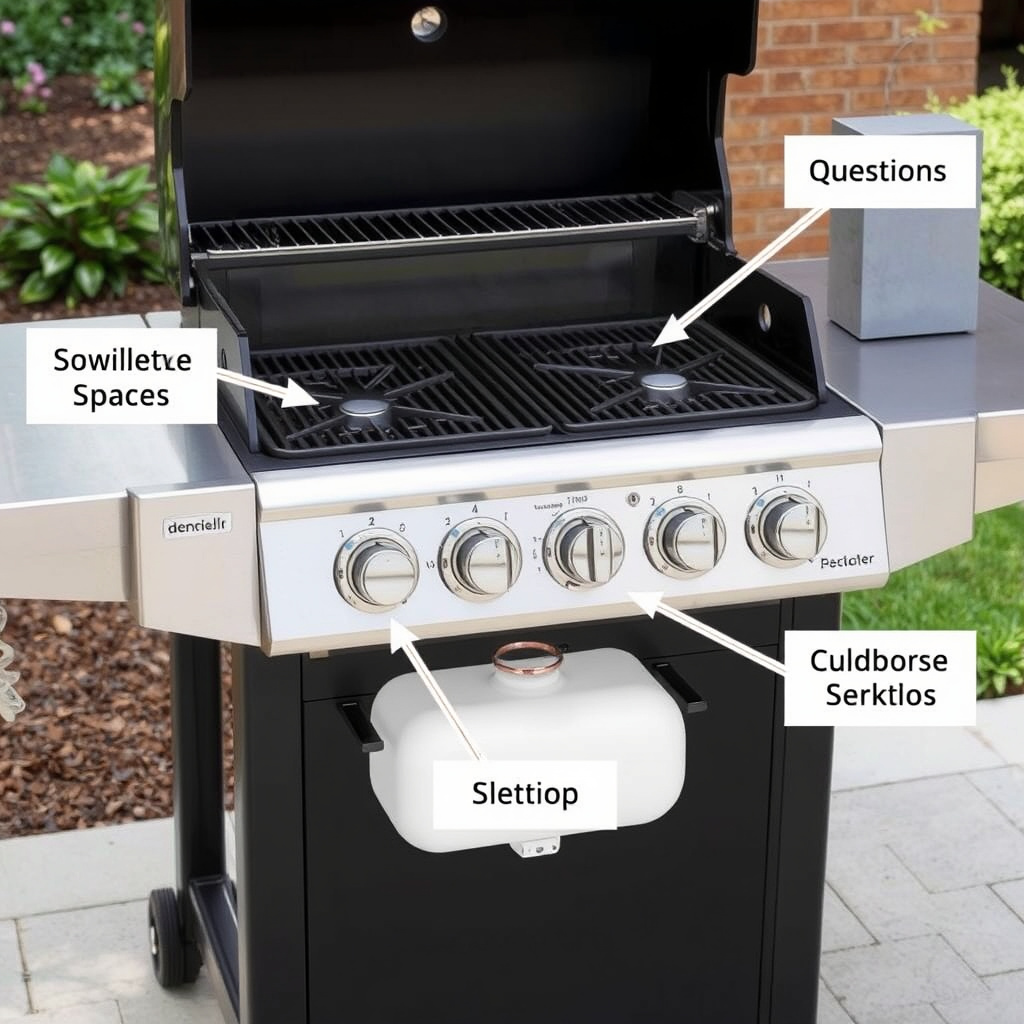
The burner size and its British Thermal Unit (BTU) rating are primary drivers of propane consumption. BTUs measure the heat output, with common backyard grills ranging from 20,000 to 60,000 BTUs in total. Higher BTUs mean faster heating but also more propane burned per hour.
For example, a grill rated at 40,000 BTUs burns roughly 1.55 pounds of propane per hour since 1 pound of propane produces about 21,500 BTUs. Knowing your grill’s BTU rating allows you to roughly calculate propane usage over time.
Cooking Temperature and Duration
Grills set at higher temperatures naturally consume propane faster. Maintaining a steady high heat for searing or grilling dense meats uses more fuel than slow cooking or smoking at lower temperatures.
Longer cooking sessions increase total propane consumption, but using lower heat often balances out usage. Adjusting temperatures based on food type can optimize fuel economy without compromising taste.
Propane Tank Sizes and Their Usage Time
Standard 20-Pound Tanks
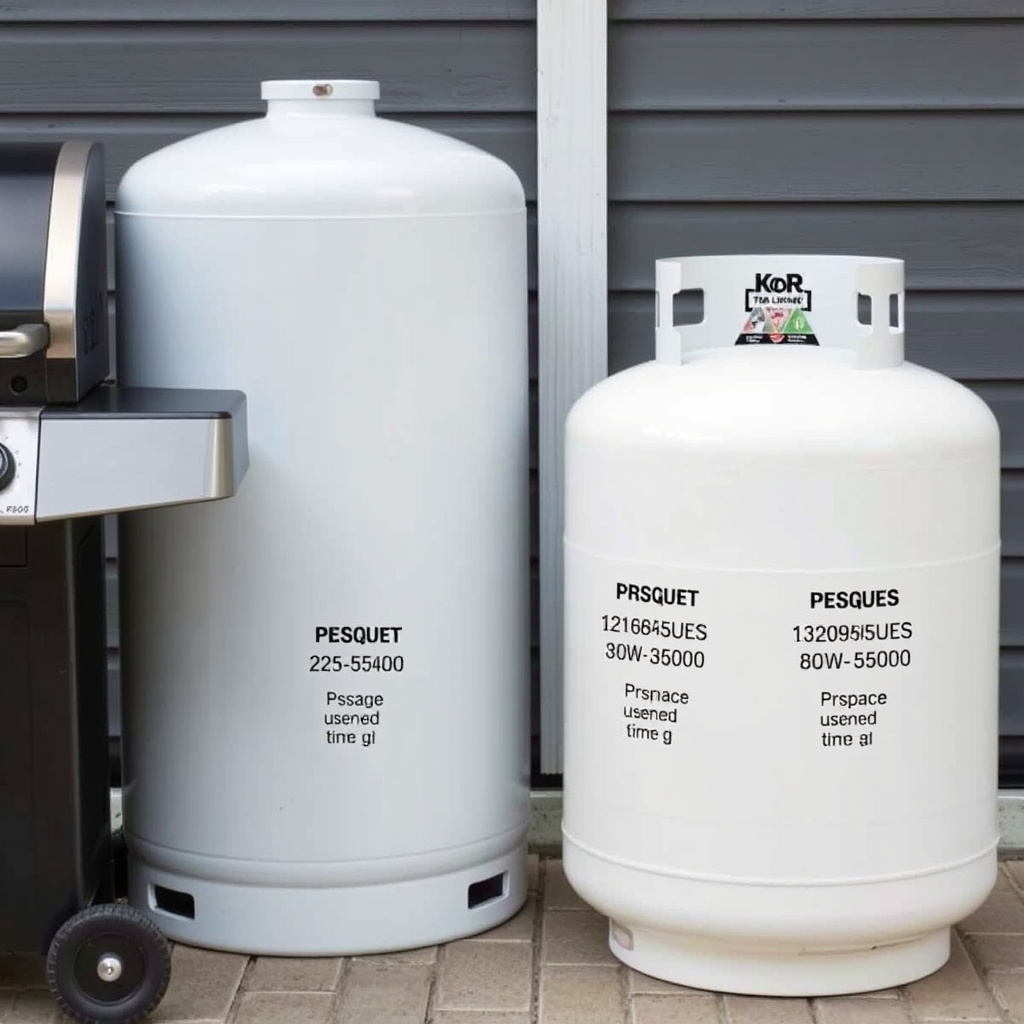
The most common propane tank paired with grills is the 20-pound tank, holding about 4.7 gallons of propane. At 1 to 2 pounds per hour consumption, this size can last roughly 10 to 20 hours depending on grill use and temperature.
This size balances portability and capacity, making it suitable for frequent backyard grilling or larger barbecue gatherings without constant refilling.
Smaller and Larger Tank Options
Portable grills often use smaller 1-pound or 5-pound tanks, which provide shorter cooking times but higher mobility for camping or tailgating. For extended grilling, larger tanks up to 100 pounds are sometimes used but require special handling and connections.
Choosing the right tank depends on how often and how long you grill, weighing convenience against capacity needs.
Estimating Propane Consumption for Your Grill
Calculating Usage Based on BTU
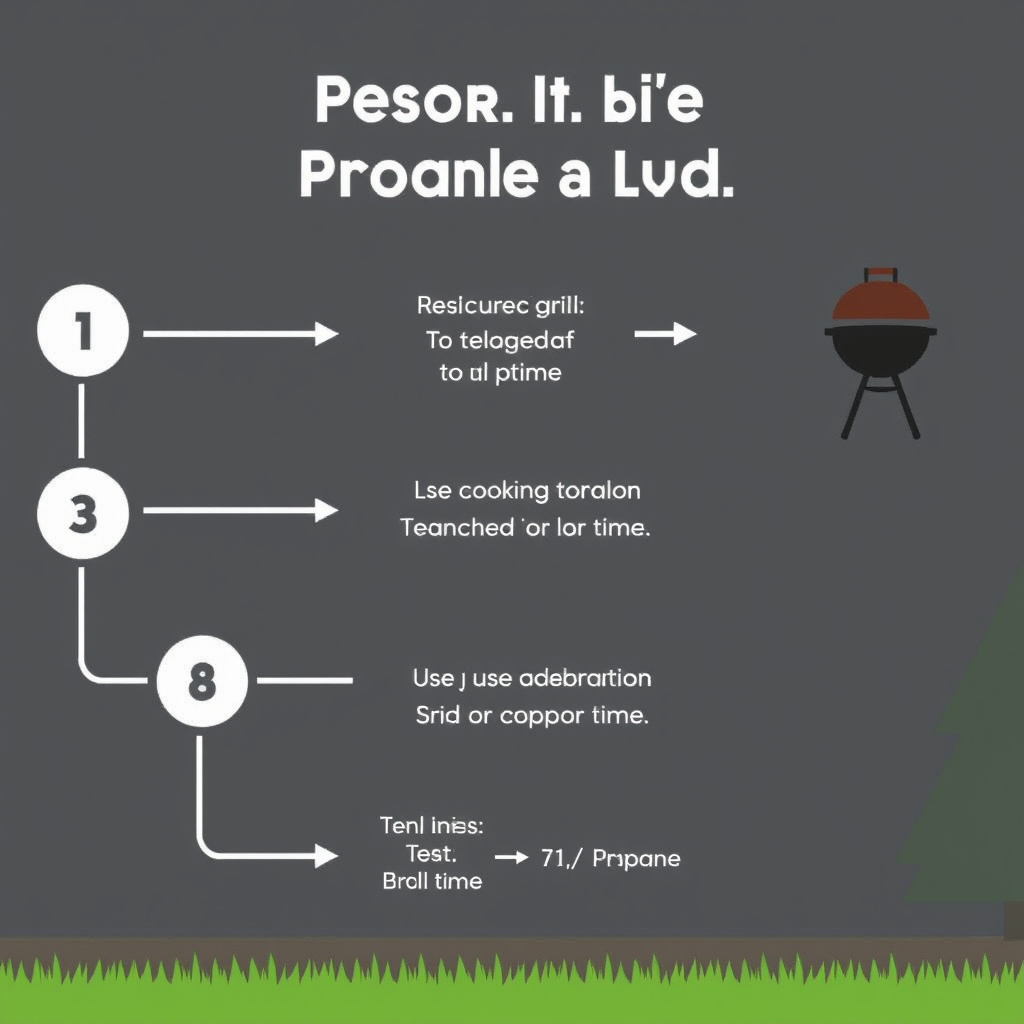
To estimate propane consumption, divide your grill’s total BTU rating by 21,500 (BTUs per pound of propane). This results in pounds of propane burned per hour at full burner use.
For example, a 30,000 BTU grill burns approximately 1.4 pounds of propane per hour when all burners are on high.
For more on this, see our related guide: How Much Does a Weber Grill Cost? A Complete Price Guide.
Adjusting for Real-World Usage
Realistic propane use often varies because grills are not run at full capacity continuously. Using less than full heat, intermittent burner cycles, and indirect cooking methods lower actual consumption.
Factoring in average use patterns and occasional temperature adjustments provides a more practical estimate of fuel needs for typical grilling activities.
Comparing Propane Grill Fuel Efficiency
High-BTU vs Low-BTU Grills
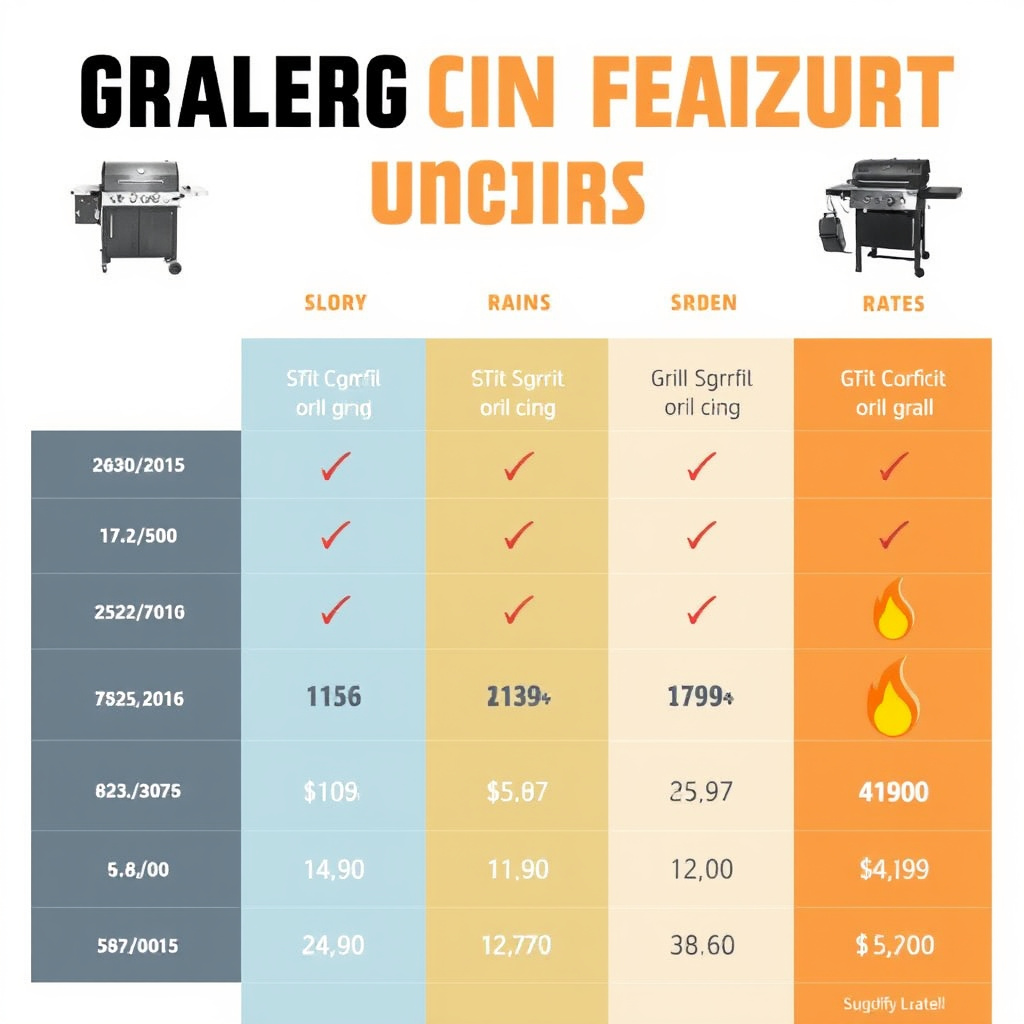
High-BTU grills deliver intense heat quickly but at the cost of burning more propane per hour. Conversely, low-BTU models operate more efficiently for longer, slow-cooked meals but may lack powerful searing capabilities.
Choosing between these depends on your preferred cooking style—whether you grill fast at high heat or enjoy extended cooking sessions.
Infrared vs Traditional Burners
Infrared burners use less propane by heating grills more evenly and reducing heat loss. They achieve quick high heat with improved fuel efficiency compared to traditional flame burners.
While more efficient, infrared technology can come at a higher upfront grill cost but often saves propane during long-term use.
Tips to Improve Propane Grill Fuel Efficiency
Maintaining Proper Grill Settings
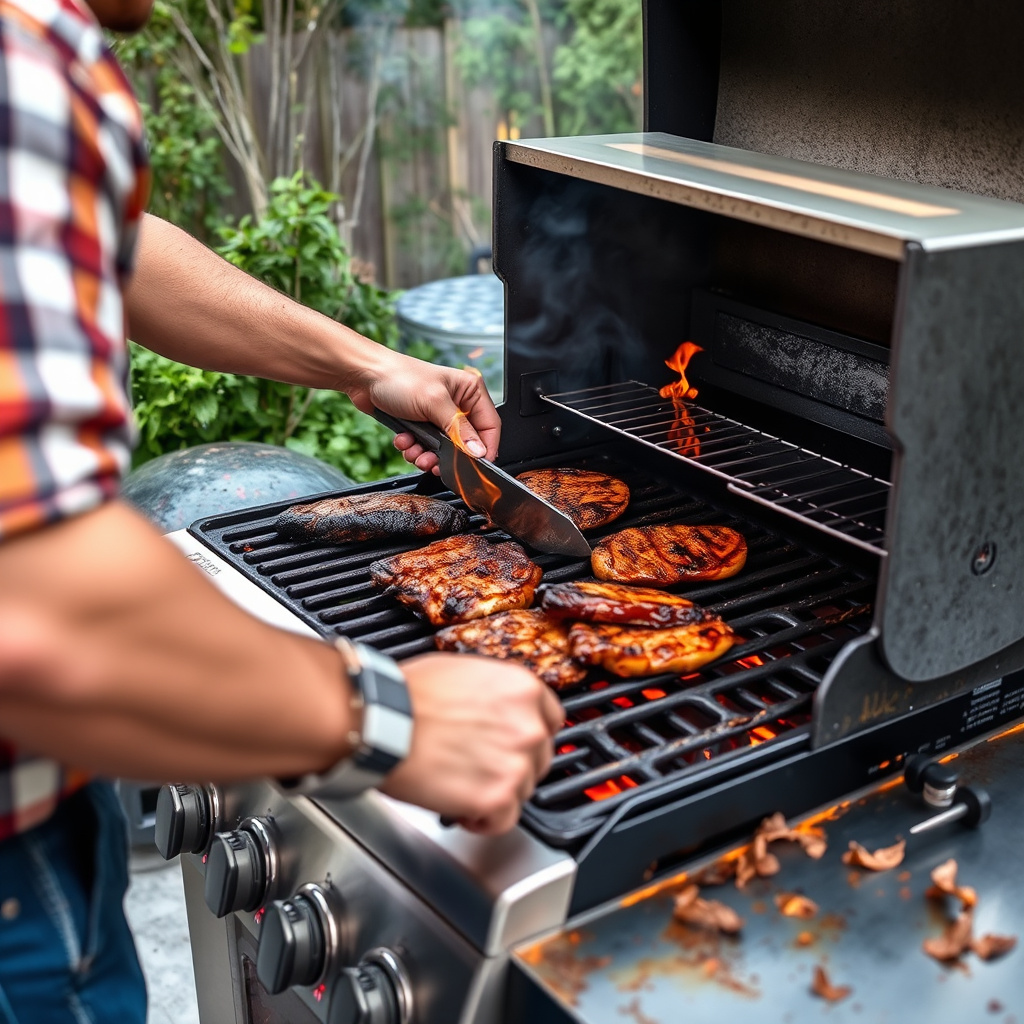
Keeping grill temperature dialed to appropriate levels conserves fuel—avoid overheating just to speed cooking, as it wastes propane without improving food quality.
Preheating only as long as necessary and closing the lid help maintain stable temperatures while using less propane overall.
For more on this, see our related guide: How Much Does a Grill Cost? An In-Depth Price Guide for Every Budget.
Regular Grill Maintenance
Clean burners and check for obstructions to optimize propane flow and prevent inefficient combustion. Well-maintained grills operate more efficiently and use fuel economically.
Inspect hoses and connections regularly to avoid leaks that waste propane and pose safety risks.
Safety Considerations for Propane Grill Usage
Proper Storage and Handling
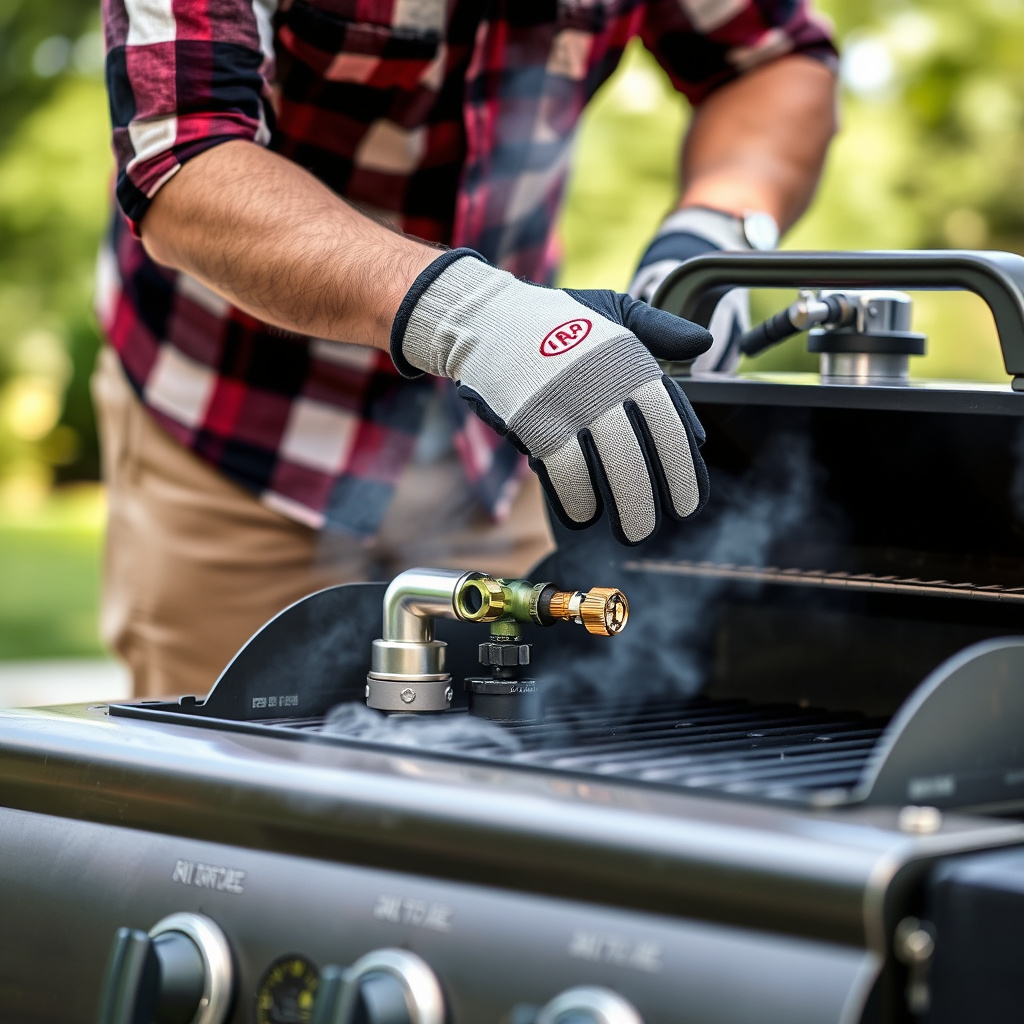
Store propane tanks upright in well-ventilated outdoor areas away from heat sources. Avoid storing tanks indoors or in enclosed spaces to reduce fire risk.
When transporting, secure tanks safely and ensure valve caps are on to prevent accidental leaks.
For more detailed technical information about propane grills, the Propane grill article on Wikipedia provides extensive background and specifications. Propane grill article on Wikipedia.
Detecting and Fixing Leaks
Apply a soap and water solution to valves and connections to check for bubbles indicating leaks. Tighten or replace components as needed before grilling.
Never use grills or tanks that smell strongly of propane until the source of the leak is fixed for safe operation.
Propane Grill Fuel Consumption Comparison
Here’s a table comparing common propane grill types and their fuel consumption rates based on typical burner sizes and usage patterns.
| Grill Type | BTU Rating | Approx. Propane Usage (lbs/hr) | Typical Tank Duration (20-lb tank) |
|---|---|---|---|
| Portable Grill | 10,000-15,000 | 0.5-0.7 | 28-40 hours |
| Standard Backyard Grill | 30,000-50,000 | 1.4-2.3 | 8.5-14 hours |
| High-End Infrared Grill | 40,000-60,000 | 1.5-2.8 | 7-13 hours |
| Smoker/Slow Cooker Grill | 8,000-12,000 | 0.4-0.6 | 33-47 hours |
Frequently Asked Questions
How long does a 20-pound propane tank last on a grill?
A 20-pound tank generally lasts between 8 and 20 hours of grilling time depending on the grill's BTU rating and how high the burners are set.
Does cooking temperature affect propane usage?
Yes, higher cooking temperatures increase propane consumption because the grill burns more fuel to maintain intense heat levels.
Are infrared grills more fuel-efficient than traditional propane grills?
Infrared grills often use propane more efficiently by focusing heat directly on food and reducing heat loss, leading to lower fuel consumption.
Can propane leaks affect grill fuel consumption?
Yes, propane leaks waste fuel and reduce efficiency, so checking and fixing leaks is key to honest propane grill fuel efficiency.
How can I reduce propane consumption on my grill?
Using moderate cooking temperatures, covering the grill lid while cooking, and maintaining burners properly all reduce propane usage.
Key Takeaways
- Propane grill consumption ranges from 1 to 2 pounds per hour depending on BTU and temperature
- A standard 20-pound tank lasts roughly 8 to 20 hours based on use
- Infrared grills tend to be more fuel-efficient than traditional propane grills
- Regular maintenance and proper cooking techniques help extend propane tank life
Conclusion
Estimating how much propane a grill uses starts with understanding its BTU rating and how that translates into fuel consumption per hour. Factors such as cooking temperature, grill size, and burner type all impact the amount of propane you’ll burn during each grilling session. Balancing heat needs with propane usage can help you plan refills and control grilling costs effectively.
For frequent backyard grilling, a standard 20-pound propane tank often provides a reliable balance of capacity and portability, lasting between 8 and 20 hours based on grill usage. Infrared grills offer a fuel-efficient alternative at a higher initial cost, ideal for those who grill regularly and want to save on fuel in the long run. Smaller portable grills with 1 or 5-pound tanks suit occasional use or outdoor adventures. Understanding these options allows you to pick the best fit for your grilling style and propane budget.
Your next step involves checking your grill’s BTU rating and typical cooking habits to estimate propane use practically. Maintain your grill carefully and adjust your cooking temperatures to improve propane grill fuel efficiency. By doing so, you’ll enjoy flavor-packed meals with fewer refills, making outdoor cooking simpler and more cost-effective.



