
Knowing exactly when your grill is hot enough is essential for cooking your food properly and achieving that perfect sear. To determine this, you can use several hands-on tests like the hand test or using a thermometer to check the internal grill temperature, aiming for specific heat ranges based on what you’re cooking.
Getting the grill temperature right can make a big difference in texture, flavor, and doneness. Grills, whether gas, charcoal, or electric, each have unique heating dynamics, so understanding how to judge their heat without relying solely on timers helps you cook consistently and avoid undercooked or burnt meals.
This article explains reliable ways to check if your grill is hot enough, including tactile tests, temperature guides, and using tools like thermometers. You’ll also discover how different types of grills heat up and what temperature ranges suit different grilling tasks.
Recognizing When Your Grill Is Hot Enough
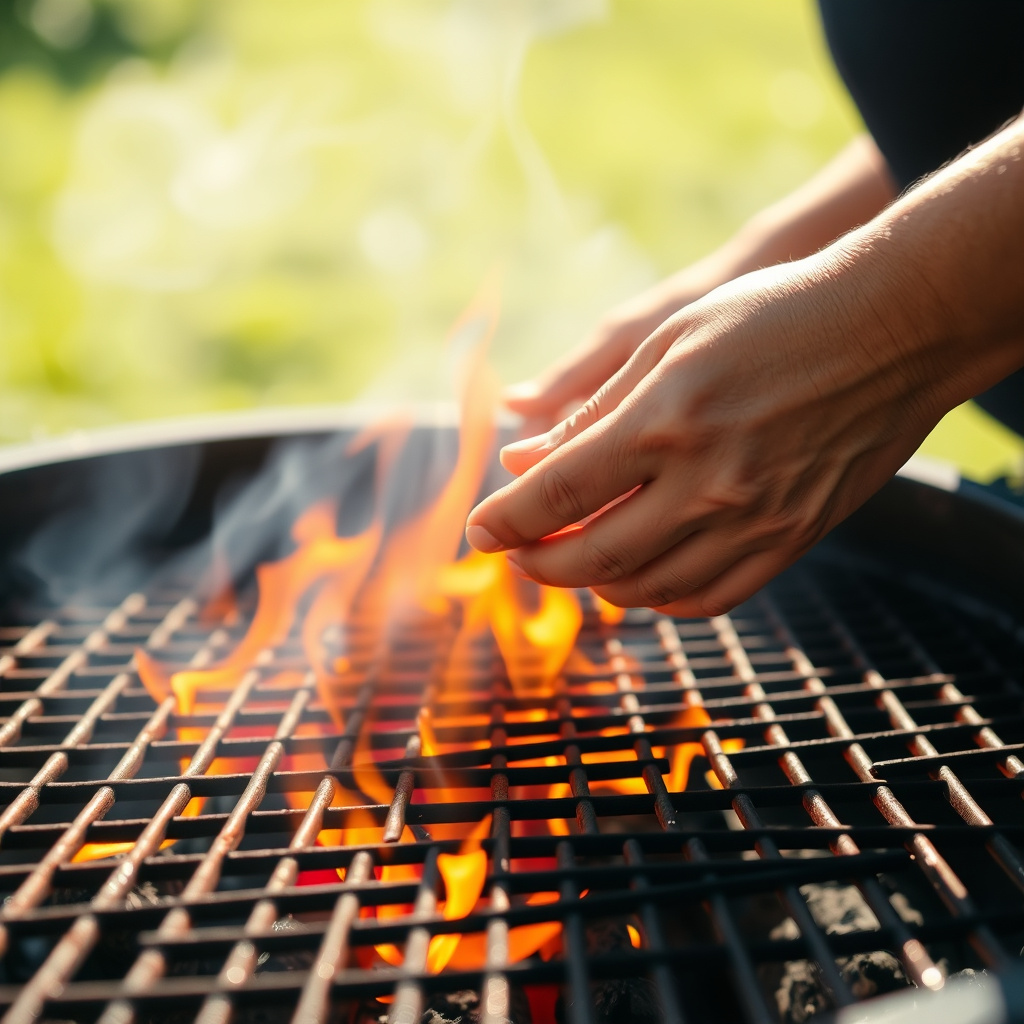
The Hand Test: Feeling the Heat Without Tools
The hand test is a simple method to judge grill heat by placing your hand a few inches above the grate and counting how long you can hold it there before the heat becomes uncomfortable. Generally, if you can hold your hand for 2 seconds, the grill is at very high heat (450-550°F); 4 seconds indicates medium heat (350-450°F); and 6-8 seconds suggests lower heat (250-350°F).
This quick test helps home cooks estimate the grill’s surface temperature without any equipment. Make sure to keep your hand steady above the grill and do not touch the grate itself to avoid burns.
- 2 seconds = high heat (450-550°F)
- 4 seconds = medium heat (350-450°F)
- 6-8 seconds = low heat (250-350°F)
Using a Grill Thermometer for Precise Temperature
For a precise measurement, many grills come with built-in thermometers, or you can use an external grill thermometer to check the internal temperature. Place the thermometer probe on the grate or directly in the cooking zone to get an accurate reading of your cooking area.
Thermometers help avoid guesswork and allow you to adjust your heat source accordingly. Different foods require different grill temperatures, so a grill thermometer provides exact data to optimize your cooking.
Understanding Grill Temperature Zones
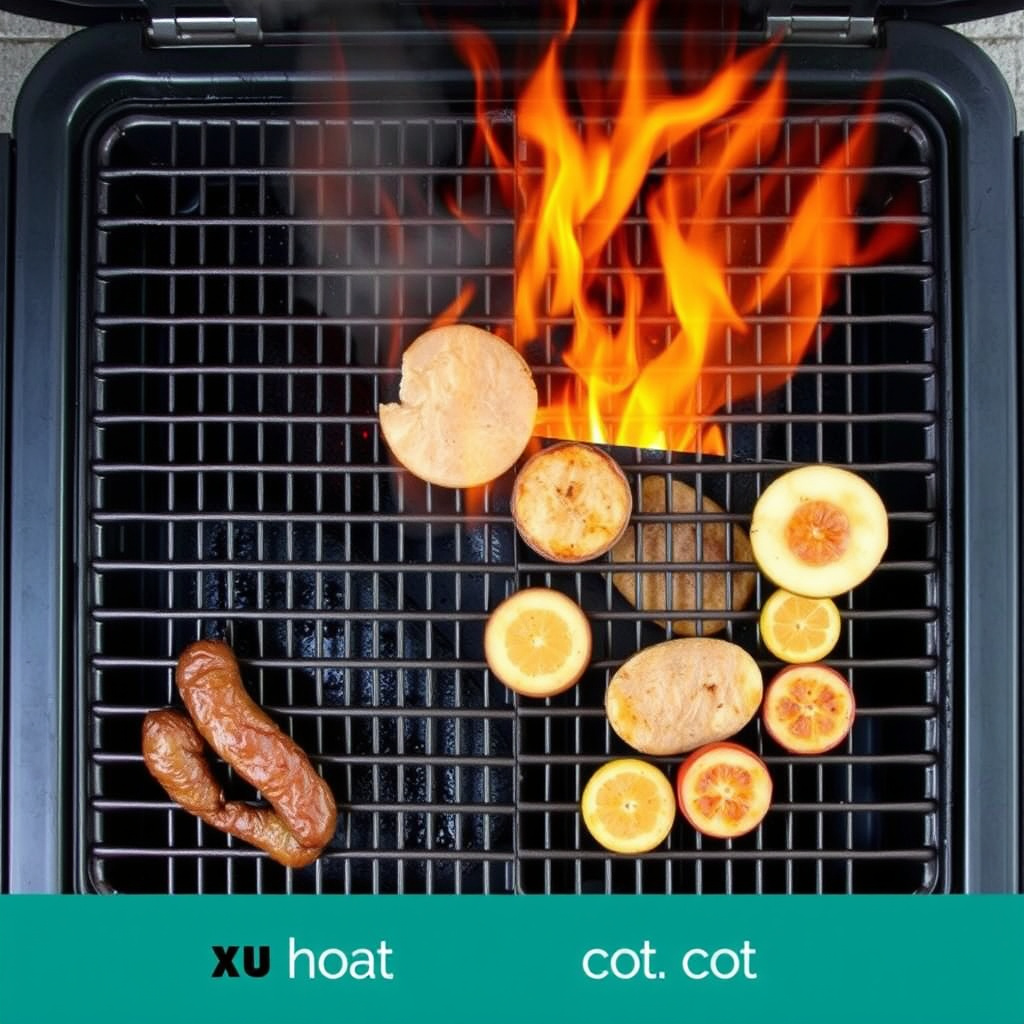
Creating Hot and Indirect Heat Zones
Most grills can be set up with two or more temperature zones to accommodate various cooking styles. Direct zones have high heat for searing, usually between 450°F and 550°F, while indirect heat zones are cooler, around 250°F to 350°F, ideal for slower cooking or delicate items.
Recognizing these zones and knowing when each is hot enough ensures foods cook evenly and prevents burning. The hotter side is perfect for quick chops or steaks, while the cooler side works for chicken or vegetables.
- High heat zone for searing
- Medium to low heat zone for slow cooking
Adjusting Heat Levels on Different Grill Types
Gas grills allow easy temperature adjustments through burner controls and usually respond quickly to changes. Charcoal grills require managing coals and vents, so knowing when your coals are glowing red or covered in white ash is critical to judging heat.
Electric grills reach set temperatures but may vary in heat distribution; using the hand test or thermometer remains valuable to confirm the cooking temperature across the grate.
Visual and Sensory Cues Indicating Proper Grill Temperature
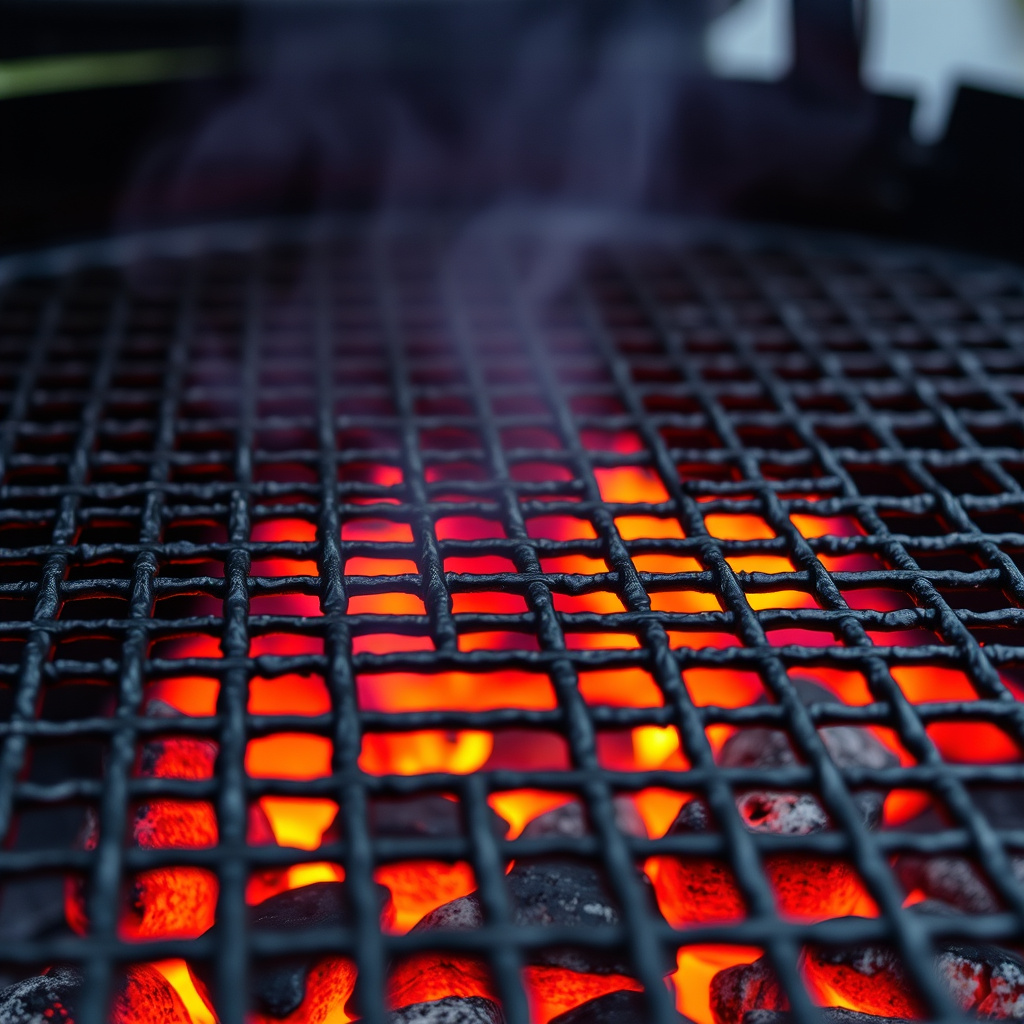
Appearance of Charcoal and Flame
One sign a charcoal grill is hot enough is when the coals turn bright red with a coating of white ash. This state means the charcoal has reached a high and stable temperature suitable for grilling.
For gas grills, visible blue flames or steady glowing burners indicate adequate heat. Flames that are too high or produce soot could mean the grill is too hot or needs cleaning.
- White ash on charcoal means ready heat
- Blue steady flame shows proper gas grill heat
For more on this, see our related guide: How to Make Grill Marks Like a Pro on Your Food.
Smoke and Sizzle: Auditory and Olfactory Hints
When the grill is hot enough, placing food on the grate should produce an immediate sizzle sound, signaling the surface is sufficiently heated for searing. The smell of a clean grill heating up or wood smoke (if using) also signals readiness.
Avoid placing food before the sizzle starts or when smoke is heavy and acrid, which may be a sign the grill is overheating or dirty.
Common Mistakes That Lead to Incorrect Grill Heat
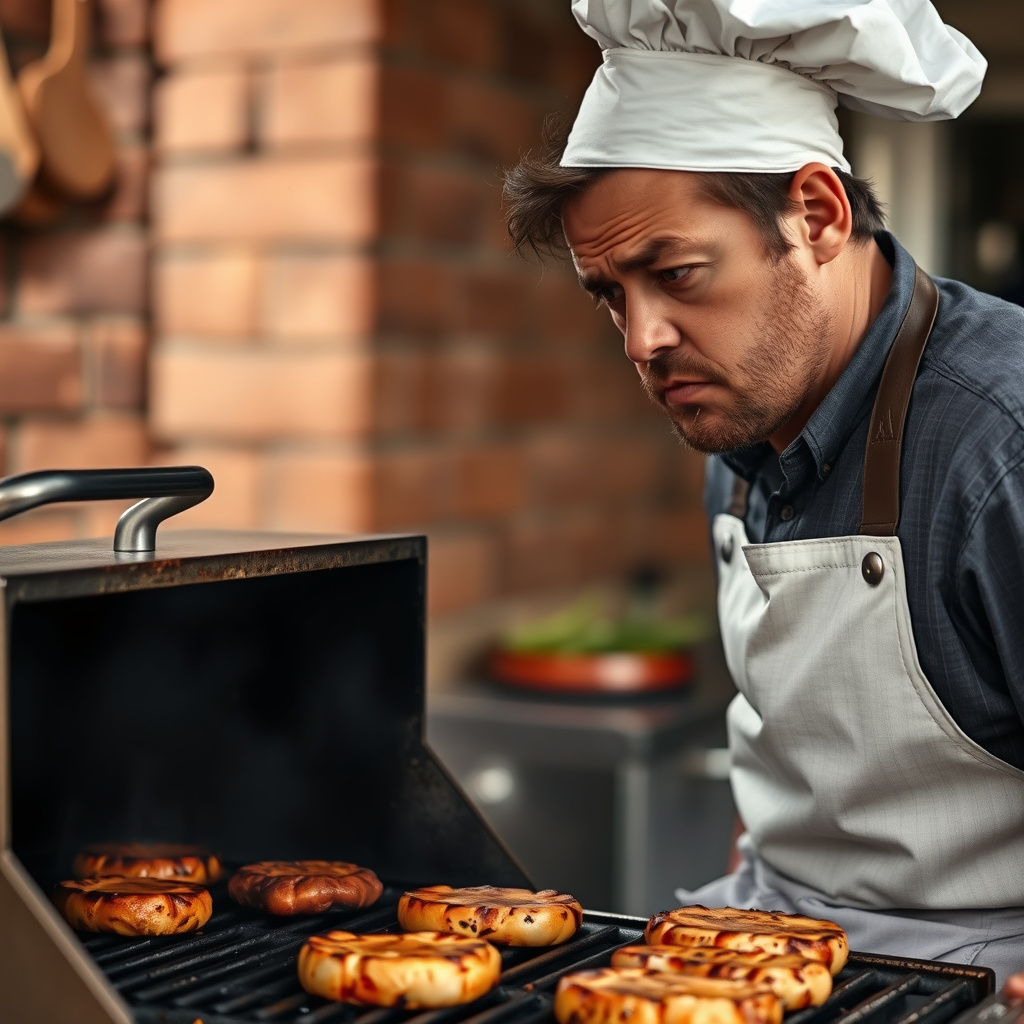
Not Allowing Adequate Preheating Time
Jumping into cooking before the grill has properly preheated often causes uneven cooking and sticking. Allow gas grills about 10-15 minutes and charcoal grills 20-30 minutes for the desired temperature.
Skipping this step can mean the grill isn't hot enough to create the crust that locks in moisture or develop grill marks.
Ignoring Wind and Weather Effects
Wind, cold temperatures, and humidity can all reduce the grill’s effective heat. Ignoring these factors can result in a grill that feels hot but cooks too slowly or unevenly.
Adjusting your grill’s settings and using tools like grill covers or wind guards can help maintain steady heat despite weather changes.
Using Grill Temperature Guides for Different Foods
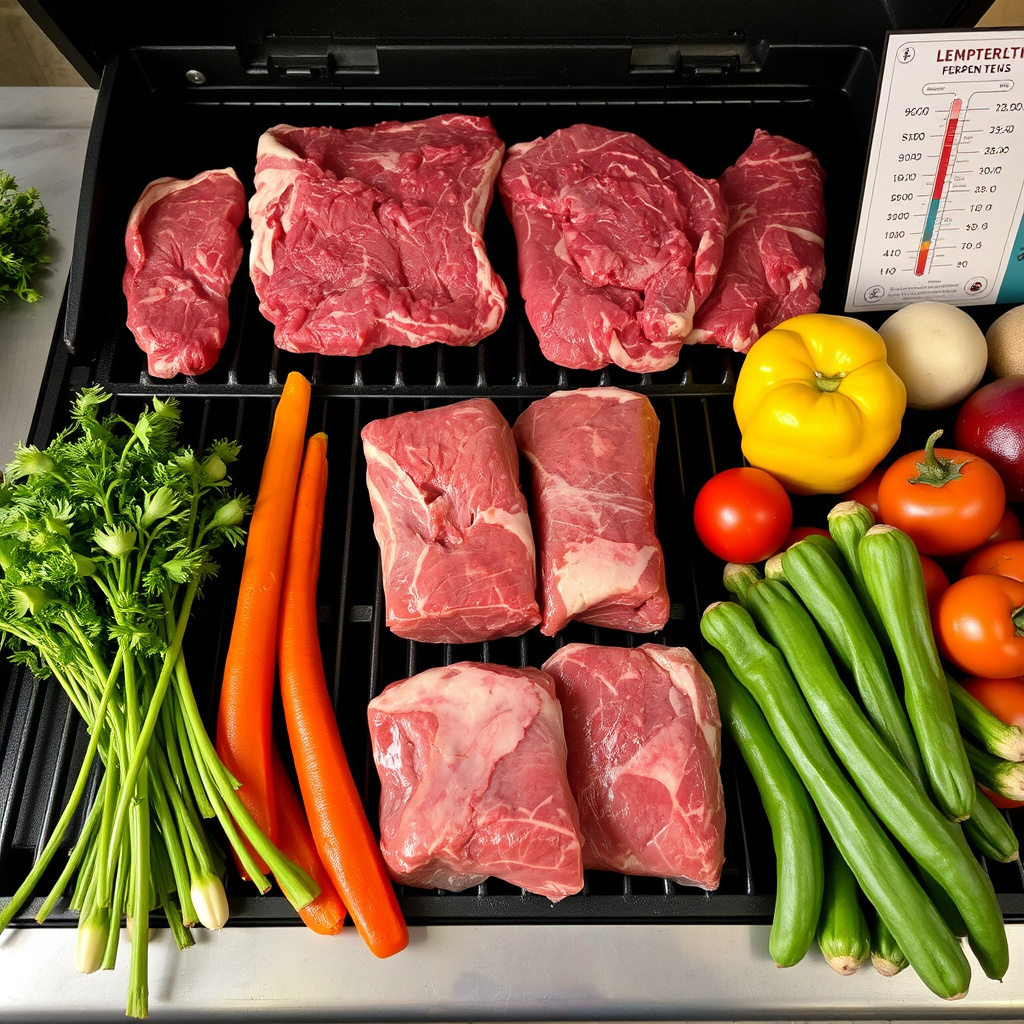
Ideal Temperatures for Various Types of Meat
Steaks and burgers require high heat (450°F and above) for quick searing, locking in juices. Chicken and pork perform best at medium heat (350-450°F) to cook through without burning.
Fish and vegetables usually do well at medium to low heat (250-350°F) to prevent drying out or charring.
- Steak: 450°F+ for searing
- Chicken: 350-450°F
- Fish and veg: 250-350°F
For more on this, see our related guide: How to Move a Heavy Grill Safely and Efficiently.
How Grill Temperature Guide Helps Avoid Overcooking
Using a grill temperature guide allows you to match heat levels to food types and thicknesses to avoid overcooking or undercooking meals. Maintaining correct temperatures ensures even cooking and preserves food texture.
Following these temperature guidelines speeds up meal prep and improves results, especially for users who grill routinely or for guests.
Essential Tools to Check Your Grill’s Heat Level
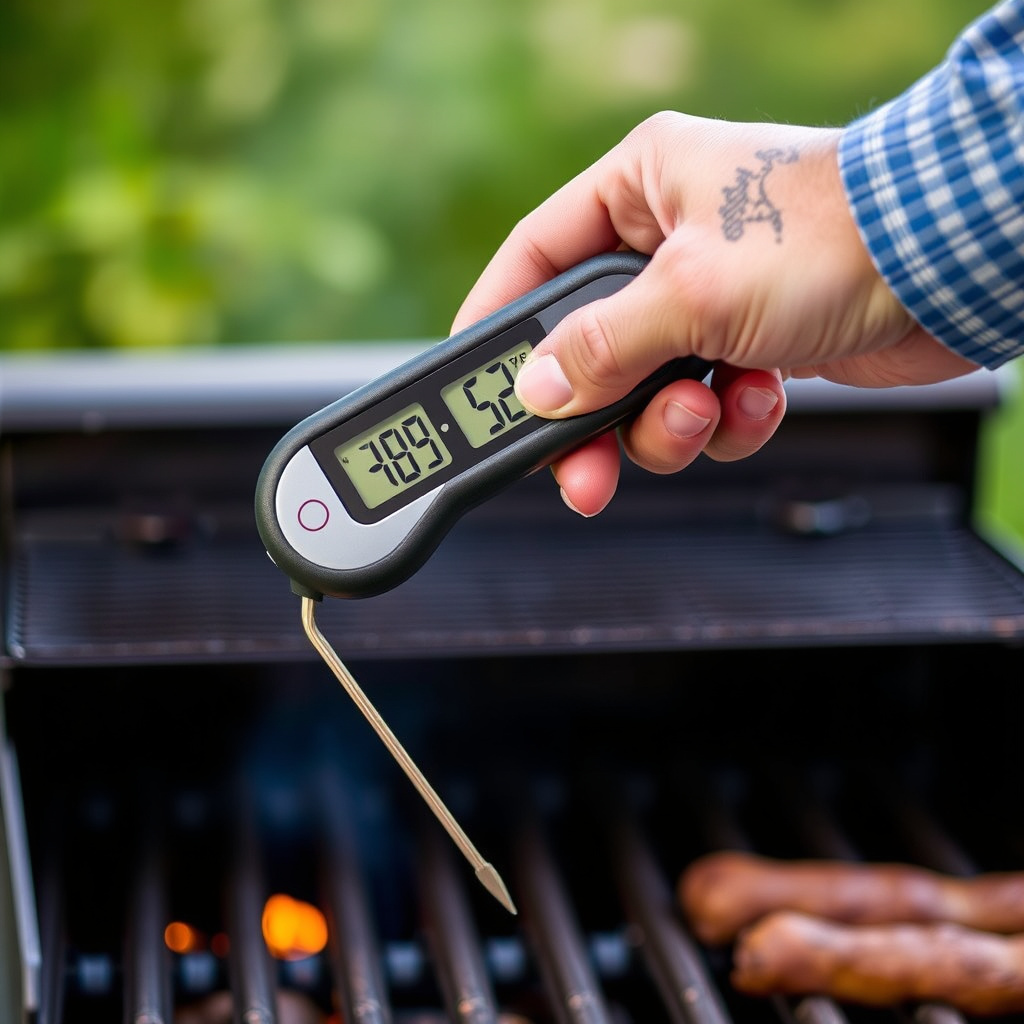
Digital and Infrared Thermometers
Digital grill thermometers provide precise numerical temperature readings, sometimes with probes that can stay in food to check doneness. Infrared thermometers give quick surface temperature readings by scanning your grill grate without contact.
Both tools help verify if the grill is hot enough and help adjust burners or move coals to achieve correct heat zones.
- Digital thermometers for internal and ambient temps
- Infrared for fast surface temperature checks
For a detailed explanation of grilling temperatures and techniques, refer to the grill temperature basics on Wikipedia. Grill temperature basics on Wikipedia.
Grill Thermometer Placement and Usage Tips
Placement of the thermometer affects accuracy; it should be located near where food will cook but not directly on flames. Avoid touching hot grates or coals with probes to prevent damage or false readings.
Regularly calibrate your thermometer for best results and combine its use with tactile tests for a full understanding of grill heat.
Grill Heat Detection Methods Comparison
This table compares common methods to determine when a grill is hot enough, highlighting their pros and cons for different grilling situations.
| Method | Accuracy | Ease of Use | Equipment Needed | Best For |
|---|---|---|---|---|
| Hand Test | Moderate | Very Easy | None | Quick checks, home cooks |
| Built-in Grill Thermometer | Moderate to High | Easy | Built-in device | Gas grills |
| Digital Meat/Grill Thermometer | High | Moderate | Thermometer tool | Precise temperature control |
| Infrared Thermometer | High | Easy | Infrared gun | Surface temperature checks |
| Visual Charcoal Check | Moderate | Easy | None | Charcoal grilling |
Frequently Asked Questions
How long should I preheat my grill before cooking?
Preheat gas grills for about 10-15 minutes and charcoal grills for 20-30 minutes until coals are white-hot with ash covering. This allows the grill to reach the right temperature for cooking.
Can I use the hand test on all types of grills?
Yes, the hand test works for gas, charcoal, and electric grills by gauging heat intensity above the grill grate, but should be done carefully to avoid burns.
What temperature should I aim for when grilling chicken?
Chicken is best grilled over medium heat, between 350°F and 450°F, to cook thoroughly without burning the exterior.
Why does my grill temperature vary even when set to the same level?
Factors like wind, weather, uneven heat distribution, or dirty burners can cause temperature fluctuations, so checking heat manually is helpful.
Is it necessary to use a thermometer to know when a grill is hot enough?
While not required, a thermometer provides more precise heat readings, helping avoid guesswork and improving grilling consistency.
Key Takeaways
- Use the hand test or thermometer to accurately judge grill heat.
- Different foods require specific grill temperature ranges for best results.
- Charcoal readiness is signaled by glowing red coals with white ash.
- Preheat your grill thoroughly to ensure even cooking.
Conclusion
Knowing when your grill is hot enough comes down to understanding and measuring heat through practical methods like the hand test or a reliable thermometer. It’s key to the quality of your grilled food, affecting everything from texture to flavor consistency. Rather than guessing, using physical cues and tools provides confidence when cooking.
For quick meals like steaks or burgers, aiming for high heat zones above 450°F works best, so testing the temperature before cooking helps lock in juiciness and sear marks. Medium heat suits chicken and pork, while low to medium heat is preferable for fish and vegetables to prevent drying. Choosing the right grill temperature based on what you cook reduces waste and enhances your grilling results.
Start your next grilling session by investing in an accurate thermometer and practicing the hand test under safe conditions. Take time to prepare your grill by preheating fully and observing coal readiness if grilling with charcoal. These steps make it easier to cook with confidence and enjoy great grilled meals consistently.



