
Choosing a pellet grill involves evaluating how much cooking space you need, the quality and consistency of temperature control, and the grill’s build materials. A pellet grill uses compressed wood pellets as fuel, allowing you to combine smoking, grilling, and roasting all in one. For reliable performance, look for a model with digital temperature controls and a sturdy hopper that stores enough pellets for your cooking sessions.
Pellet grills have surged in popularity because they provide a distinct smoky flavor along with convenience and versatility. Unlike traditional charcoal or gas grills, pellet grills offer precise temperature management, making them ideal for slow smoking as well as faster cooking styles. Your choice matters because different grills vary in pellet capacity, cooking area, and additional features like Wi-Fi connectivity or temperature probes.
This article will examine the key factors to consider such as temperature range, size, durability, and cost. We will also compare different types of pellet grills and guide you through the best options available whether you’re an amateur griller or aiming to upgrade your setup. By the end, you’ll have a clear overview to help you find the right pellet grill for your needs.
Understanding Pellet Grill Temperature Control
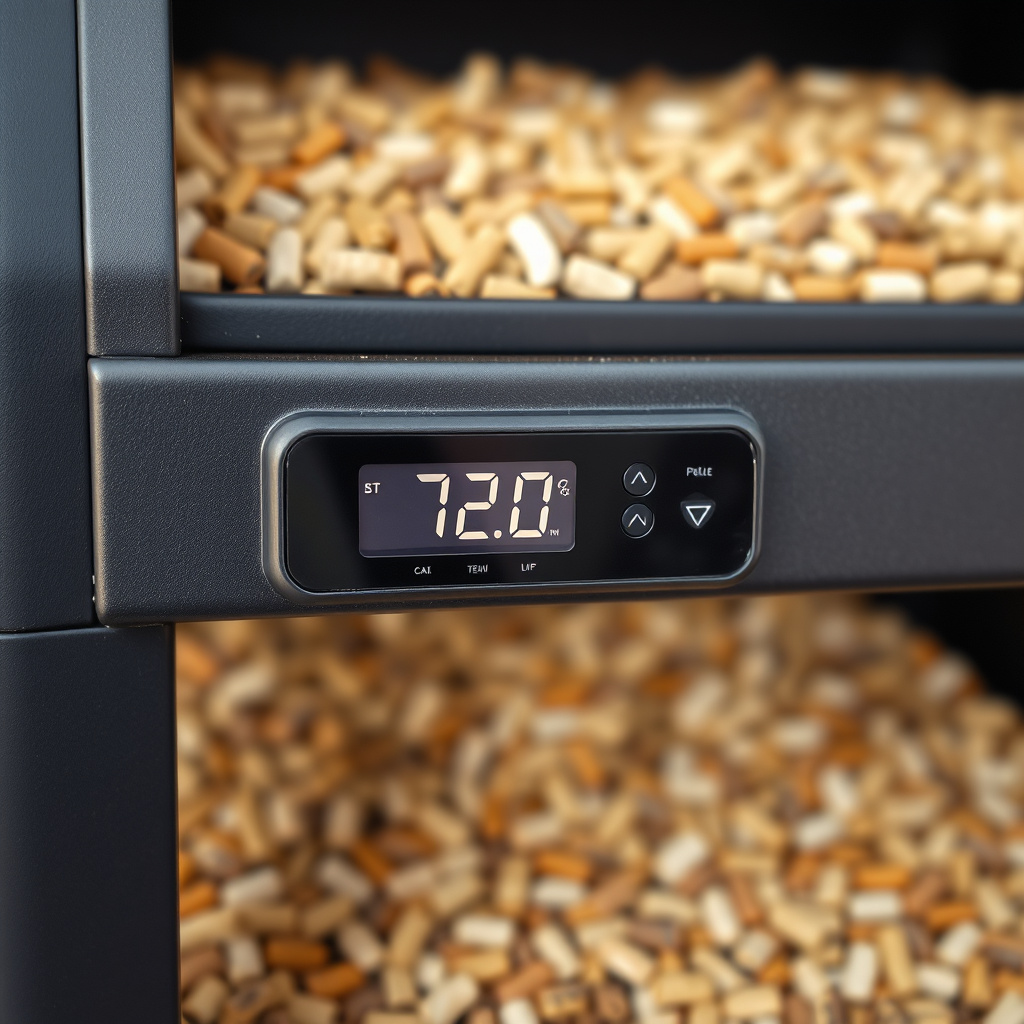
How Digital Controllers Work
Pellet grills use an electric feed system controlled by a digital thermostat to regulate the amount of pellets fed into the fire pot. This digital controller maintains your grill’s temperature within a narrow range, often within 10 degrees Fahrenheit, for consistent cooking. High-end models offer PID controllers that adjust pellet feed rates more precisely, preventing temperature fluctuations.
Most entry-level pellet grills feature simple LED temperature displays with basic adjustments, while advanced controllers can be programmed for specific smoke profiles or integrated with smartphone apps. This makes cooking complex recipes easier by allowing set-it-and-forget-it operation.
- Basic controllers: manual adjustments, less accurate
- PID controllers: precise, adaptive pellet feed
- Wi-Fi enabled: remote monitoring and control
Temperature Range Considerations
Choose a pellet grill that offers a wide enough temperature range to support your cooking goals. Typical ranges are from 180°F for slow smoking up to 500°F or more for searing. If you plan to cook briskets, ribs, or low-and-slow recipes, a grill with accurate low-temperature control is essential.
For grilling steaks or vegetables, higher maximum temperatures and quick heating capabilities become important. Some pellet grills also feature sear stations or side burners to supplement higher heat needs since most pellet grills don’t reach as high temperatures as charcoal grills.
Sizing Up Pellet Grills for Your Cooking Needs
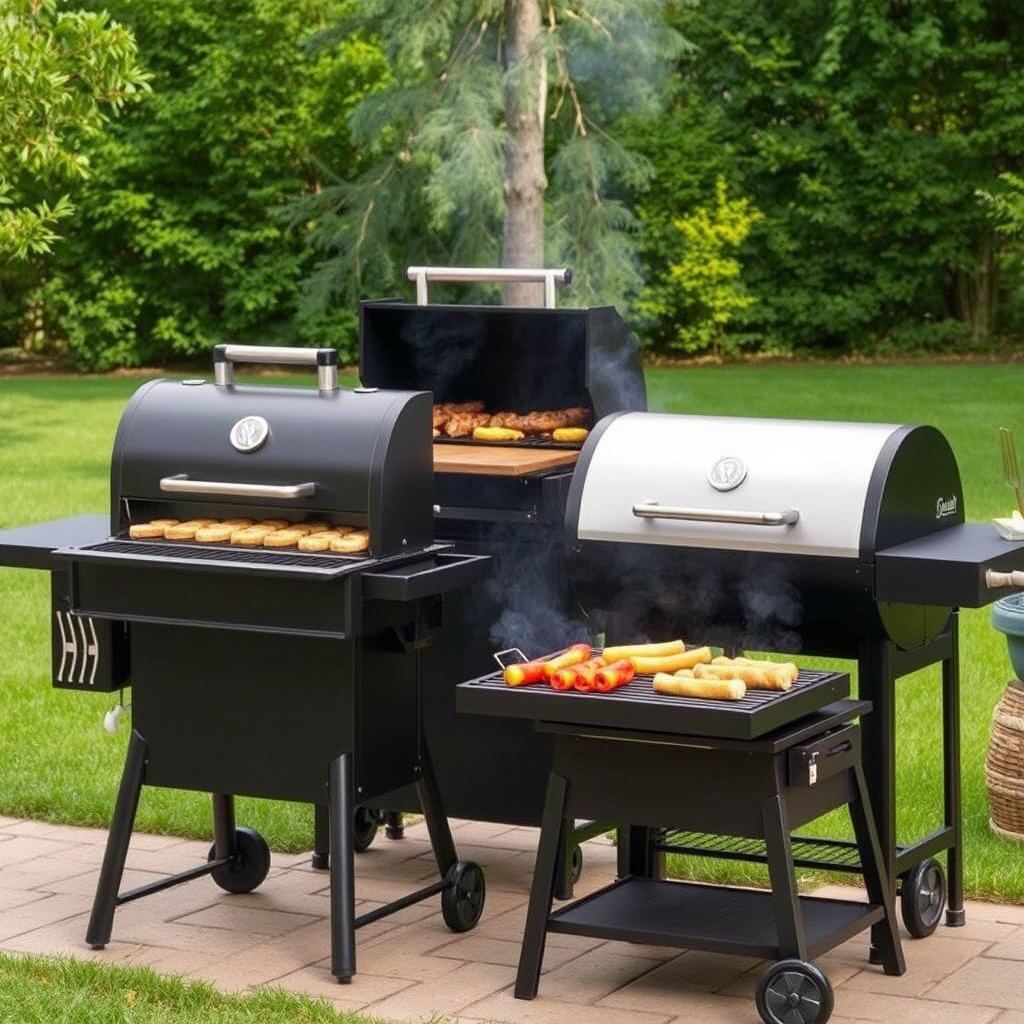
Assessing Cooking Area
Determine the size of the cooking surface based on the number of people you usually grill for and the types of food you prepare. Small grills have around 300-400 square inches of grilling area, suitable for 2-4 people. Larger models can exceed 800 square inches, handy for parties or tailgate events.
Keep in mind that pellet grills often feature multiple rack levels, which effectively increase the total cooking space. If you plan to cook multiple items simultaneously, look for models with secondary racks or expandable surfaces.
- Small: ~300-400 sq. in. (ideal for small families)
- Medium: 400-600 sq. in. (good for gatherings)
- Large: 600+ sq. in. (best for frequent entertaining)
Portability and Weight
Consider how often you will move the grill or take it to different locations. Portable pellet grills are smaller, lighter, and may have convenient carrying handles or fold-out legs. They often have shorter cooking times due to smaller hopper sizes but are ideal for tailgating or camping.
Heavier, stationary models usually offer larger cooking surfaces and bigger pellet hoppers, providing longer cook cycles and enhanced heat retention. These tend to be best suited for backyard use where mobility isn’t a priority.
- Portable models: weigh under 50 lbs, compact size
- Stationary models: 100+ lbs, spacious and durable
Pellet Grill Build Quality and Materials
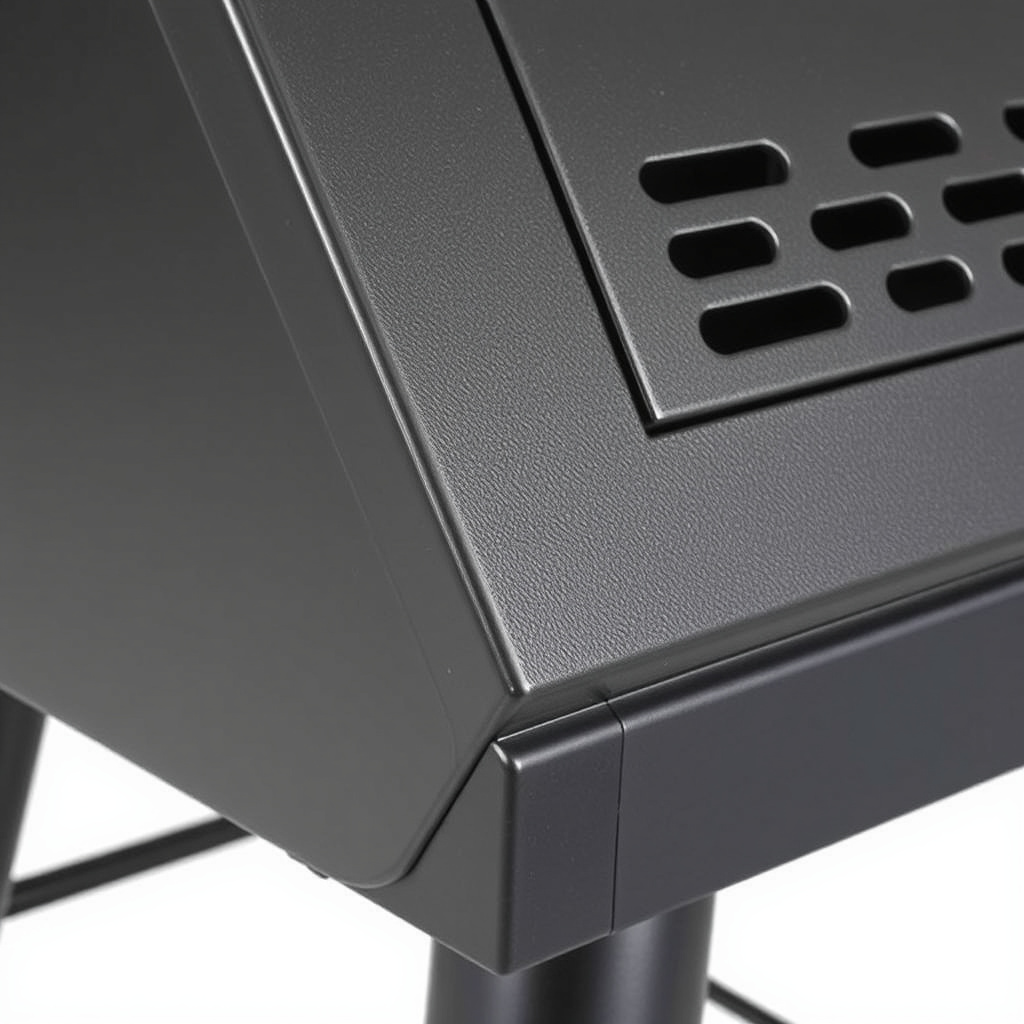
Construction Materials to Look For
High-quality pellet grills typically use thick steel for the body and lid, which improves heat retention and durability. Powder-coat finishes or porcelain enameled surfaces resist rust and make cleaning easier. Avoid thin sheet metal bodies prone to warping or rusting over time.
The grill grates should be made from sturdy materials too, like stainless steel or cast iron. Cast iron grates provide excellent heat retention and a great sear, while stainless steel requires less maintenance and won’t rust.
- Steel thickness: 14-16 gauge preferred
- Grate materials: cast iron vs. stainless steel
- Rust-resistant coatings
For more on this, see our related guide: How to Choose a Grill: A Practical Guide for Every Backyard Cook.
Hopper and Auger Durability
The pellet hopper holds the compressed wood pellets and feeds them to the fire pot via an auger. Quality hoppers have smooth welds and a sealed lid to keep pellets dry during outdoor use. Augers should be powered by reliable motors that don’t jam easily, ensuring steady pellet flow during cooking.
Some grills feature auger safety shutoffs and easy-clean designs to prevent pellet jams or overheating. These features contribute to long-lasting performance and less hassle during grilling.
Fuel Efficiency and Pellet Types
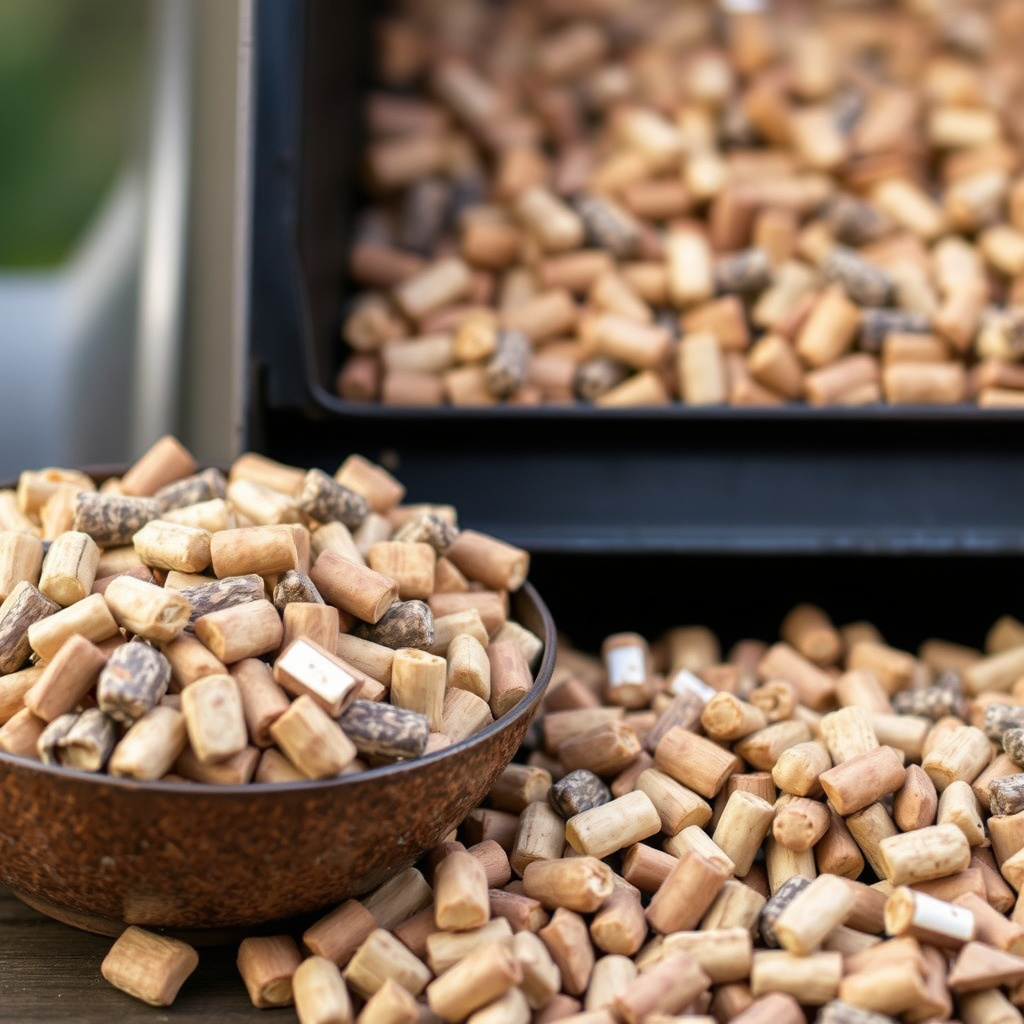
Types of Pellets and Their Flavors
Pellet grills use compressed hardwood pellets made from species like hickory, mesquite, cherry, or applewood. Each type imparts a distinctive smoky flavor to your food. Some pellet blends combine these woods for complex flavor profiles suited for different meats or cooking styles.
It’s advisable to choose grills compatible with multiple pellet brands and varieties if you plan to experiment. Using premium pellets free of fillers or additives leads to cleaner burning and better flavor.
- Common flavors: hickory, mesquite, applewood, cherry
- Blends for versatile smoking profiles
- Avoid pellets with additives or softwood fillers
How Efficient Pellet Usage Affects Cooking
Pellet consumption depends on cooking temperature, grill insulation, and pellet quality. Efficient grills optimize pellet feed to maintain set temperatures with minimal waste, saving you money and reducing refills during long cooks.
Some grills have larger hoppers which allow longer unattended cooking sessions, while compact models may require more frequent pellet topping. Checking fuel efficiency ratings or user reviews can guide your choice if long smoke times are critical.
Additional Features Impacting Pellet Grill Choice
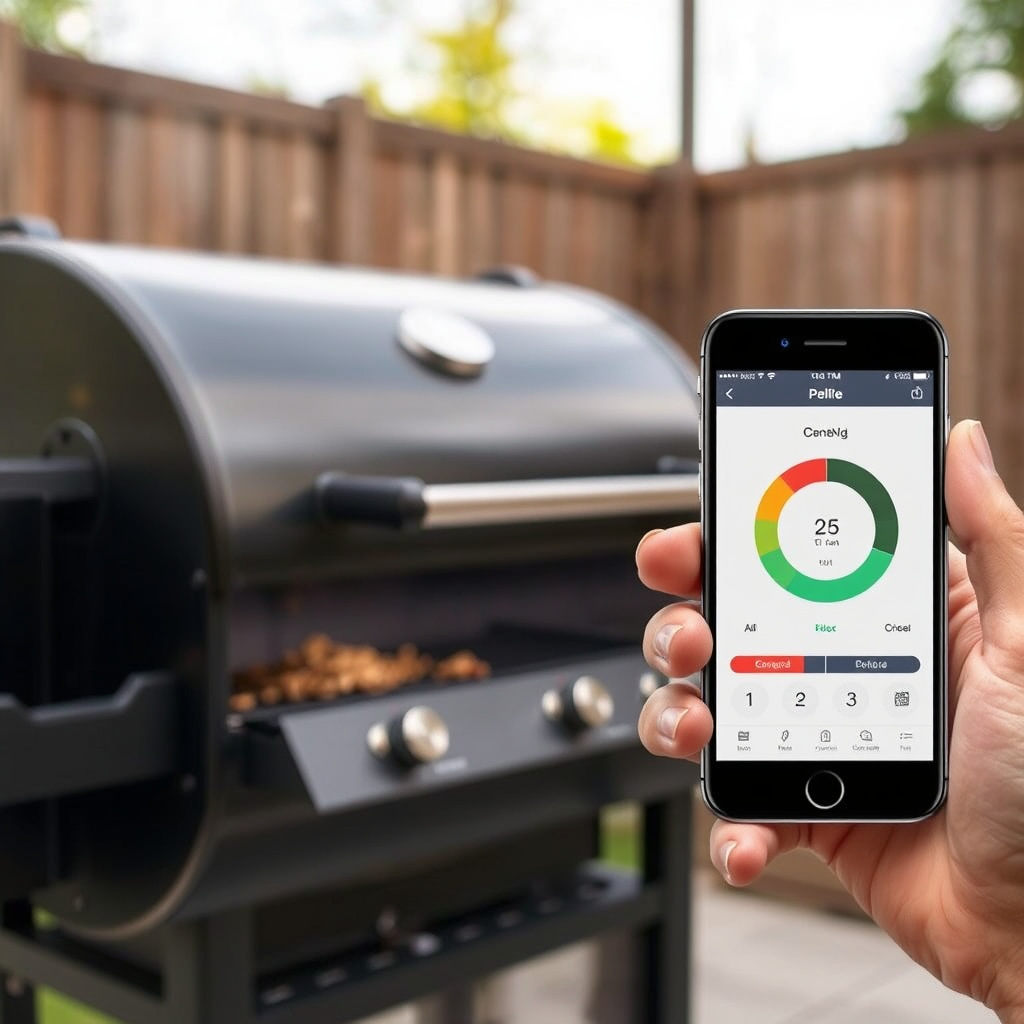
Smart Technology and Remote Control
Many pellet grills now offer Wi-Fi connectivity and smartphone apps to monitor and adjust cooking temperatures remotely. This technology allows you to track progress, set custom cooking profiles, and receive alerts without being tethered to the grill. It's particularly useful for long smokes that can last several hours.
Some premium models even integrate temperature probes for both grill and food, helping you achieve perfect doneness. These smart features add convenience but usually come with higher price tags.
- Wi-Fi and Bluetooth remote monitoring
- Multi-probe temperature integration
- Customizable cook profiles
For more on this, see our related guide: How to Build an Outdoor Kitchen with a Grill: A Step-by-Step Guide.
Convenience and Cleaning Features
Look for pellet grills with easy ash removal systems and grease management to reduce cleanup time. Removable drip trays and accessible firepots make maintenance simpler. Some grills also include features like foldable shelves or tool hooks for added usability.
Ventilation design impacts smoke output and heat consistency, so grills with well-designed vents tend to perform better under varying weather conditions.
- Ash cleanout drawers
- Removable grease pans
- Foldable side shelves and storage hooks
Budgeting for Your Pellet Grill Investment
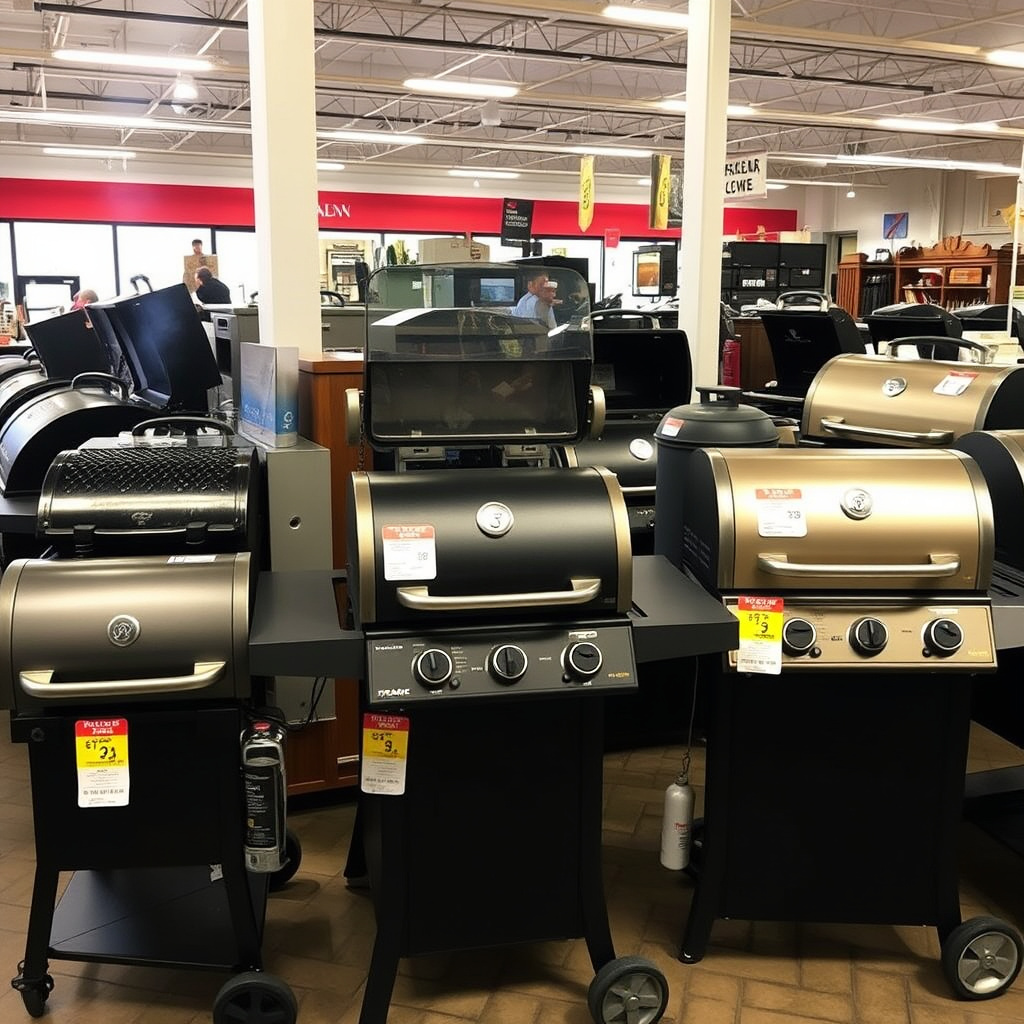
Price Ranges and Expected Quality
Pellet grills range from budget units under $300 to premium models above $1500. Lower-priced grills often have fewer features, smaller cooking areas, and basic controllers, suitable for beginners or casual users. Mid-range grills offer a balance of durability, size, and some smart features.
High-end grills emphasize advanced controllers, superior construction, larger cooking surfaces, and convenience features that justify their higher cost. Deciding your budget early can narrow down the best choices within your price bracket.
- Entry-level: $250-$600
- Mid-range: $600-$1000
- Premium: $1000+
For a general overview and history of pellet grills, you can visit the pellet grill information on Wikipedia. Pellet grill information on Wikipedia.
Value Over Time and Warranty
Investing in a well-built pellet grill with a solid warranty offers better long-term value. Cheaper grills may require repairs or replacement parts sooner, costing more over time. Look for brands offering at least a 3-year warranty on key components and good customer support.
Consider the cost and accessibility of replacement parts like augers, controllers, and door seals. Reading owner reviews helps identify models with strong durability track records.
Pellet Grill Category Comparison
Here’s a quick overview comparing entry-level, mid-range, and premium pellet grills to help you spot differences in size, features, and price.
| Category | Cooking Area (sq. in.) | Temperature Range (°F) | Key Features | Typical Price Range |
|---|---|---|---|---|
| Entry-Level | 300-400 | 180-450 | Basic digital controller, small hopper | $250-$600 |
| Mid-Range | 400-600 | 180-500 | PID controller, moderate hopper, some Wi-Fi | $600-$1000 |
| Premium | 600-1200+ | 180-600+ | Advanced PID, Wi-Fi, multi-probes, large hopper | $1000-$2000 |
Frequently Asked Questions
What makes pellet grills different from charcoal or gas grills?
Pellet grills use wood pellets as fuel, providing consistent temperature control and a smoky flavor. They combine the convenience of gas grills with the flavor depth of charcoal smokers, offering precise digital control over cooking.
Can pellet grills reach high temperatures for searing?
Most pellet grills max out around 450-500°F, which is sufficient for many grilling tasks but may not achieve the intense sear of charcoal grills. Some pellet grills include sear plates or supplementary burners for higher heat.
Are pellet grills easy to clean?
Pellet grills generally have ash cleanout systems and removable drip pans, making cleaning straightforward. Regular maintenance of the fire pot and hopper keeps the grill functioning well.
What is the best pellet grill for beginners?
For beginners, entry-level pellet grills with simple digital controls and manageable cooking areas offer an approachable start. Models with solid build quality and straightforward operation reduce the learning curve.
Do pellet grills work well in cold or windy weather?
Good pellet grills with solid insulation and ventilation design maintain consistent temperatures even in colder or windy conditions. Some models include weather-resistant coatings and wind guards.
Key Takeaways
- Pellet grills provide precise temperature control using digital controllers and wood pellets.
- Choose grill size based on your typical cooking volume and portability needs.
- Build quality, including steel thickness and pellet hopper design, affects durability.
- Smart features like Wi-Fi control add convenience but increase cost.
Conclusion
Deciding how to choose a pellet grill begins with understanding your cooking habits and goals. Temperature control accuracy, grilling area, and build quality are fundamental factors. Considering digital controller types and pellet hopper capacity will ensure you can cook different recipes with consistent results. By balancing these elements against your budget, you can find a pellet grill that fits both your lifestyle and culinary ambitions.
If you mainly cook for a small group and want an approachable option, entry-level pellet grills offer reliable performance with basic controls. For those who grill often or entertain larger groups, mid-range models provide greater cooking space and better temperature consistency. Enthusiasts seeking advanced features like multi-probe monitoring and Wi-Fi connectivity should explore premium pellet grills that combine big cooking surfaces with high-end electronics and sturdy construction.
After evaluating these factors, the next step is to prioritize the characteristics that match your outdoor cooking style. Whether you want a compact portable grill for tailgates or a large backyard smoker with smart controls, reading reviews and testing models locally can guide your purchase. A well-chosen pellet grill can expand your grilling repertoire with its blend of convenience and authentic smoky flavor.



