
Smoking meat on a charcoal grill involves controlling heat and smoke to infuse your food with rich, smoky flavor. You start by setting up your grill for indirect cooking, placing charcoal to one side and wood chips for smoke on top. Maintaining a steady temperature around 225-250°F allows slow cooking that tenderizes the meat while imparting smoke aromas.
This technique transforms a standard charcoal grill into an effective smoker and lets you achieve flavors similar to traditional smokers without extra equipment. Understanding the airflow, temperature management, and wood choice are key to mastering this method. It's a popular approach because charcoal grills are widely available and versatile.
In this guide, you'll discover how to prepare your charcoal grill for smoking, how to manage fuel and airflow, pick the right wood chips, and tips for smoking different types of meat. We'll also review common mistakes and ways to monitor and adjust temperature throughout the process.
Preparing Your Charcoal Grill for Smoking Meat
Setting Up for Indirect Heat
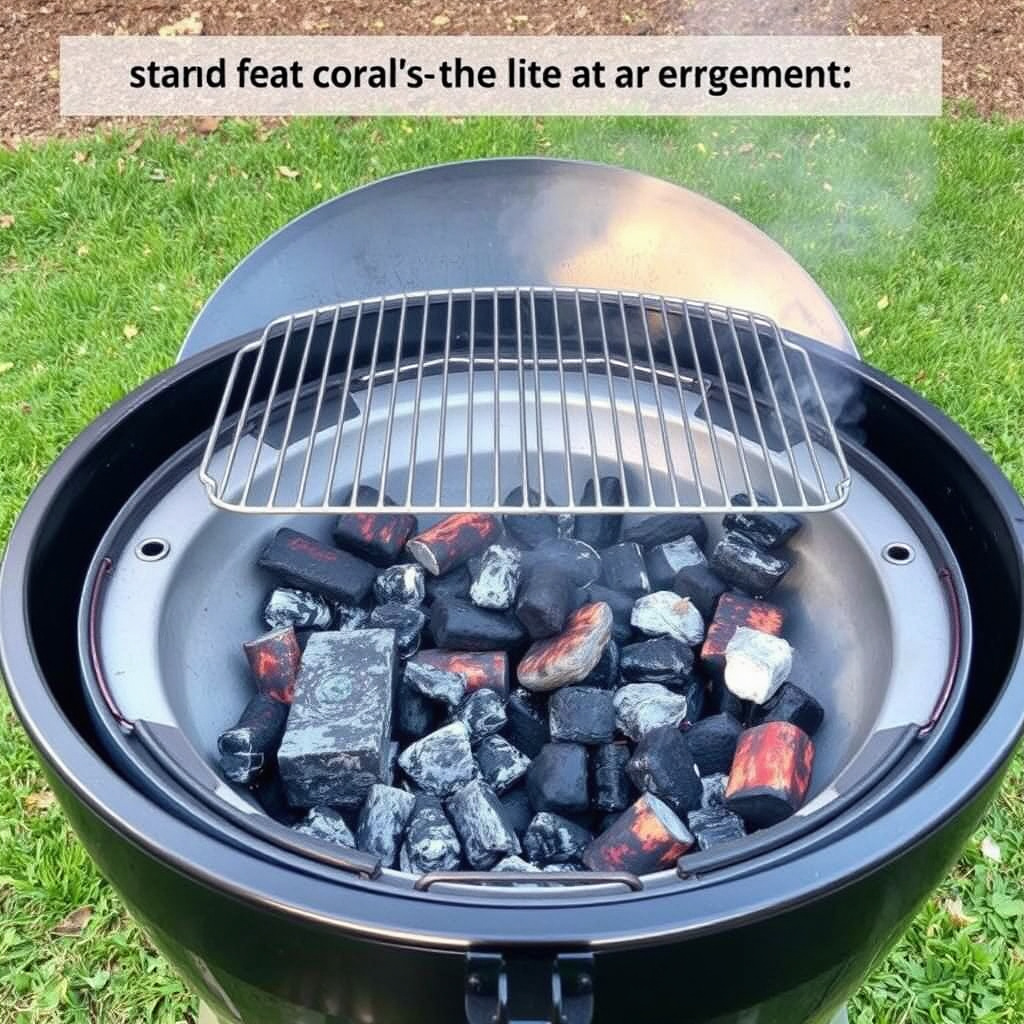
Arrange charcoal on one side of the grill to create a two-zone fire: hot on one side and cooler on the other. This setup lets you cook meat slowly over indirect heat, avoiding the direct flame that can char your meat while still producing enough heat for smoking.
Use a heat deflector like a drip pan filled with water between the coals and the meat to stabilize temperature and diffuse heat. This also helps maintain moisture around the meat during extended cooking sessions.
- Place charcoal on one side only
- Use a drip pan as heat deflector
- Keep the grill lid closed to control airflow
Lighting Charcoal for Consistent Temperature
Light charcoal using a chimney starter for even burning without needing lighter fluid, which can impart off-flavors. Allow coals to ash over gray before spreading within the grill.
Once lit, place your coals to maintain a grill temperature between 225°F and 250°F. Adjust airflow vents gradually to fine-tune the temperature, opening vents to increase heat and closing them slightly to reduce it.
- Avoid lighter fluid to prevent chemical taste
- Use chimney starter for fast, even ignition
- Adjust vents to manage temperature effectively
Choosing and Using Wood Chips for Smoke Flavor
Selecting the Right Wood Type
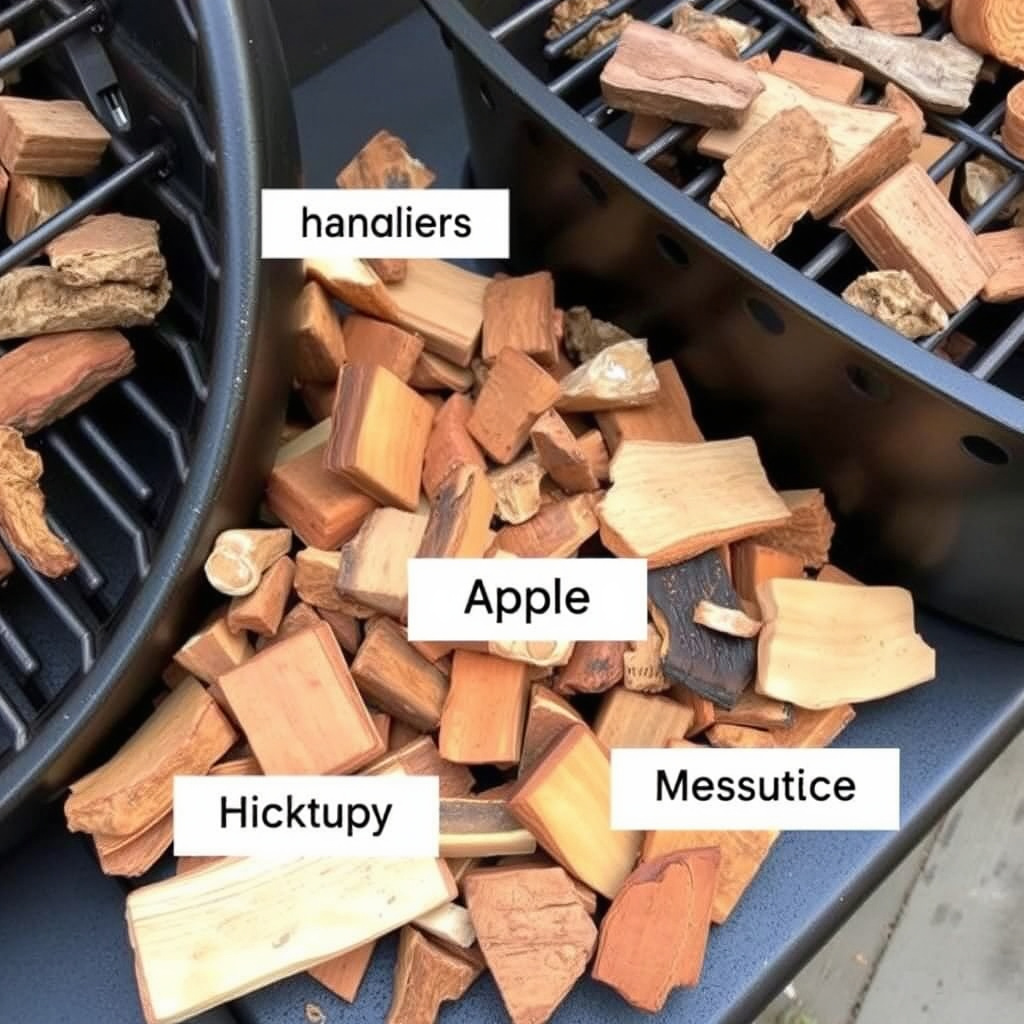
Different wood chips impart distinct flavors to smoked meat. Hardwoods like hickory and mesquite offer strong, bold smoke, ideal for beef or pork. Fruitwoods such as apple or cherry provide mild, sweet-smoky notes better suited to poultry or fish.
Avoid softwoods like pine that create harsh smoke and residue. Pre-soaking wood chips in water for 30 minutes helps them smolder rather than burn rapidly, producing longer, steadier smoke.
- Hickory: strong, smoky flavor perfect for pork
- Apple: mild, sweet, complements poultry
- Mesquite: intense smoke, ideal for quick cooks
- Soak chips before using for prolonged smoke
Adding Wood Chips to Your Grill
Place soaked wood chips directly on the hot coals or in a smoker box over the charcoal. As they heat, the chips produce aromatic smoke that flavors the meat. Refresh wood chips every hour or as needed based on smoke density.
Avoid piling too many chips at once since excess smoke can make food bitter. Aim for thin, consistent smoke production to enhance flavor without overpowering.
- Use smoker box or foil packet with holes
- Add chips gradually to maintain steady smoke
- Replace chips when smoke starts to thin
Monitoring and Controlling Temperature During Smoking
Using Thermometers for Accuracy
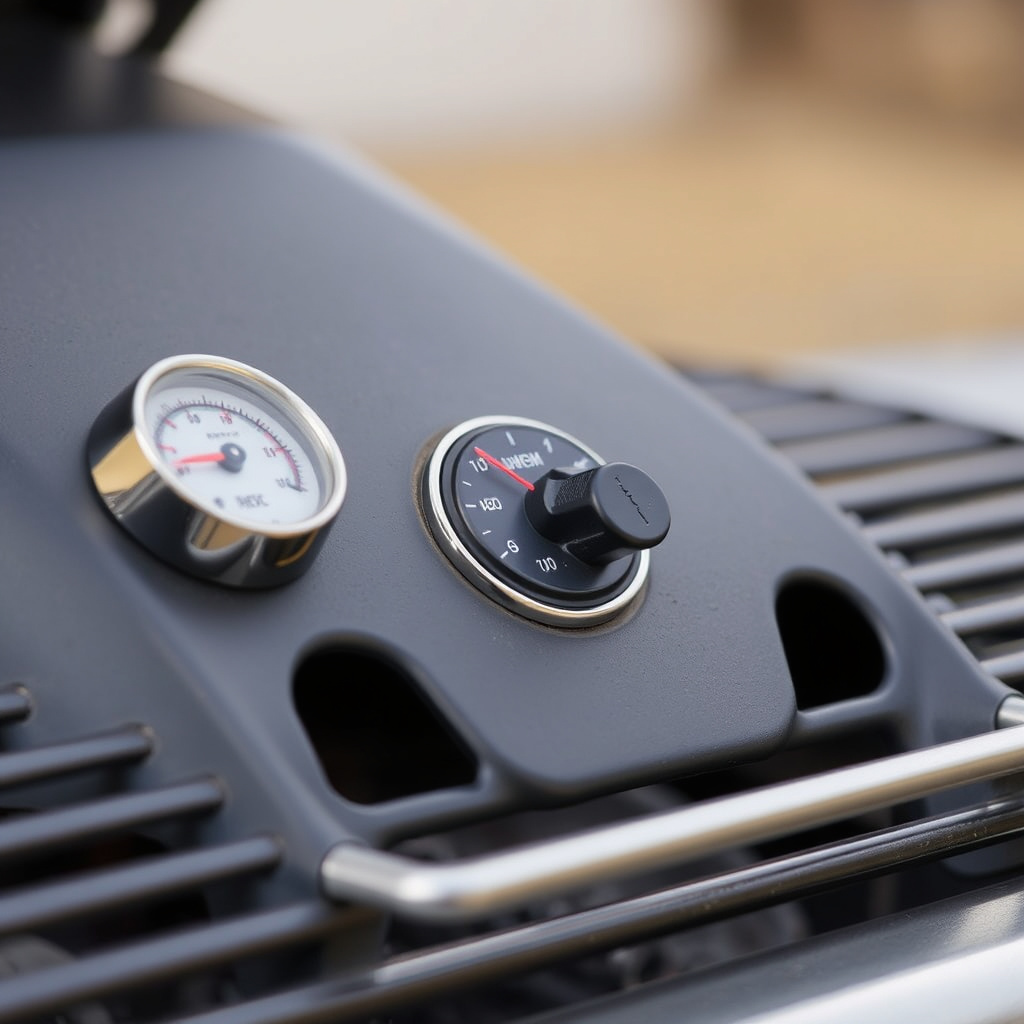
A reliable grill thermometer is essential for maintaining the low, steady heat needed for smoking meat. Monitor both the grill’s ambient temperature and the internal temperature of the meat to ensure even cooking.
Digital leave-in meat probes provide continuous temperature readings, allowing you to track doneness without lifting the lid and losing heat or smoke.
- Use both grill and meat thermometers
- Avoid frequent lid opening to keep temperature stable
For more on this, see our related guide: How to Smoke Meat on a Gas Grill: A Step-by-Step Guide.
Adjusting Airflow to Manage Heat
Control of airflow through the grill vents is the main way to regulate charcoal fire temperature. Open vents increase oxygen, intensifying the fire and raising temperature, while closing vents reduces oxygen and lowers heat.
Balance bottom vents (air intake) and top vents (exhaust) to fine-tune smoking conditions. Remember that outside weather can affect grill temperature too.
- Open vents to increase temperature
- Close vents slightly to lower heat
- Balance intake and exhaust vents carefully
Smoking Different Types of Meat on a Charcoal Grill
Smoking Beef and Pork Cuts
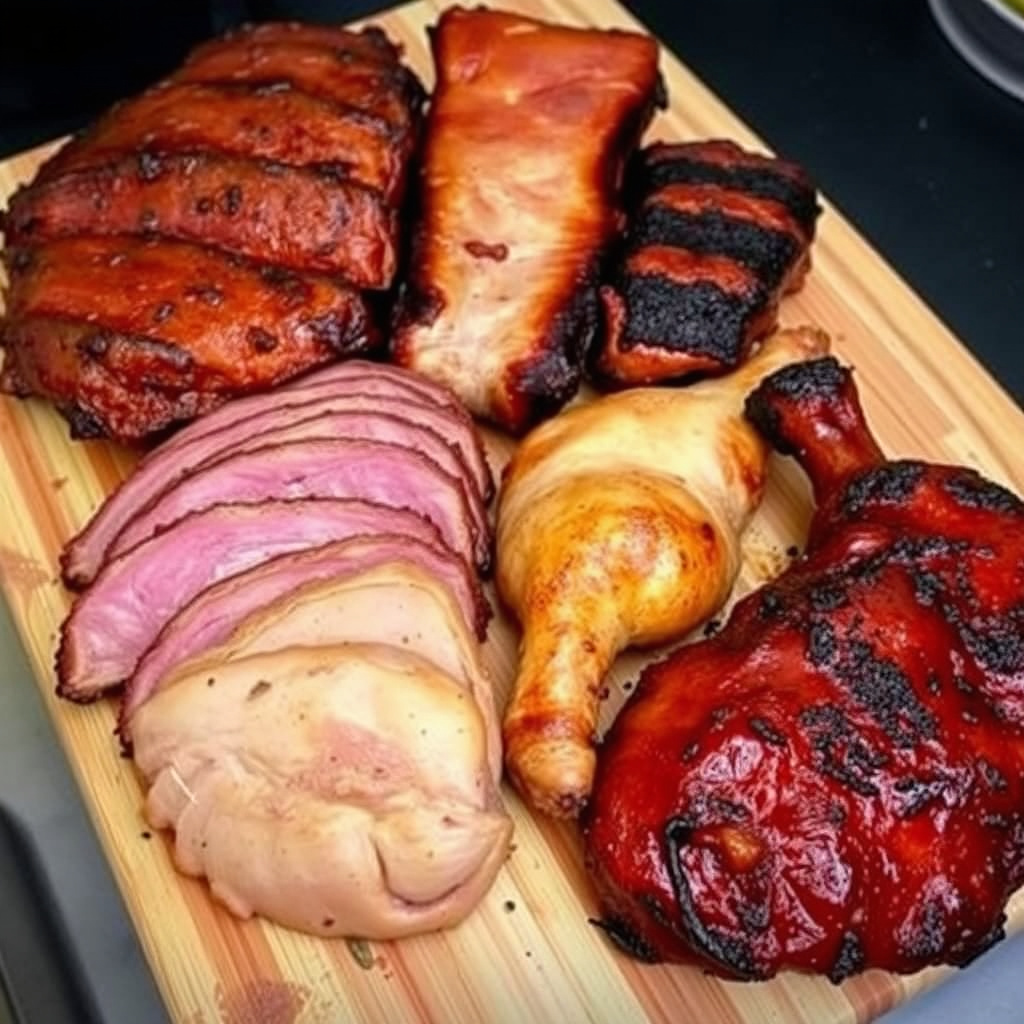
Large cuts such as brisket, pork shoulder, and ribs benefit most from low and slow cooking at 225-250°F to break down connective tissue and fat. These meats often require several hours to become tender and flavorful.
Seasoning beforehand and wrapping meat during the last part of cooking (the Texas crutch) can enhance moisture retention. Rest the meat after smoking before slicing to keep juices intact.
- Maintain temperature between 225-250°F
- Use dry rubs for seasoning
- Wrap meat in foil to speed up cooking if needed
Smoking Poultry and Fish
Chicken, turkey, and fish have delicate textures and require slightly lower smoke intensity. Use milder wood chips and keep temperatures on the lower end around 225°F to avoid drying out the meat.
Poultry benefits from indirect heat with occasional basting. Fish cooks faster, so smoking times range from 1-3 hours depending on thickness and species.
- Use fruitwoods like apple or cherry
- Keep temperature around 225°F
- Baste poultry during cooking for moisture
Common Mistakes to Avoid When Smoking Meat on a Charcoal Grill
Overloading with Charcoal or Wood
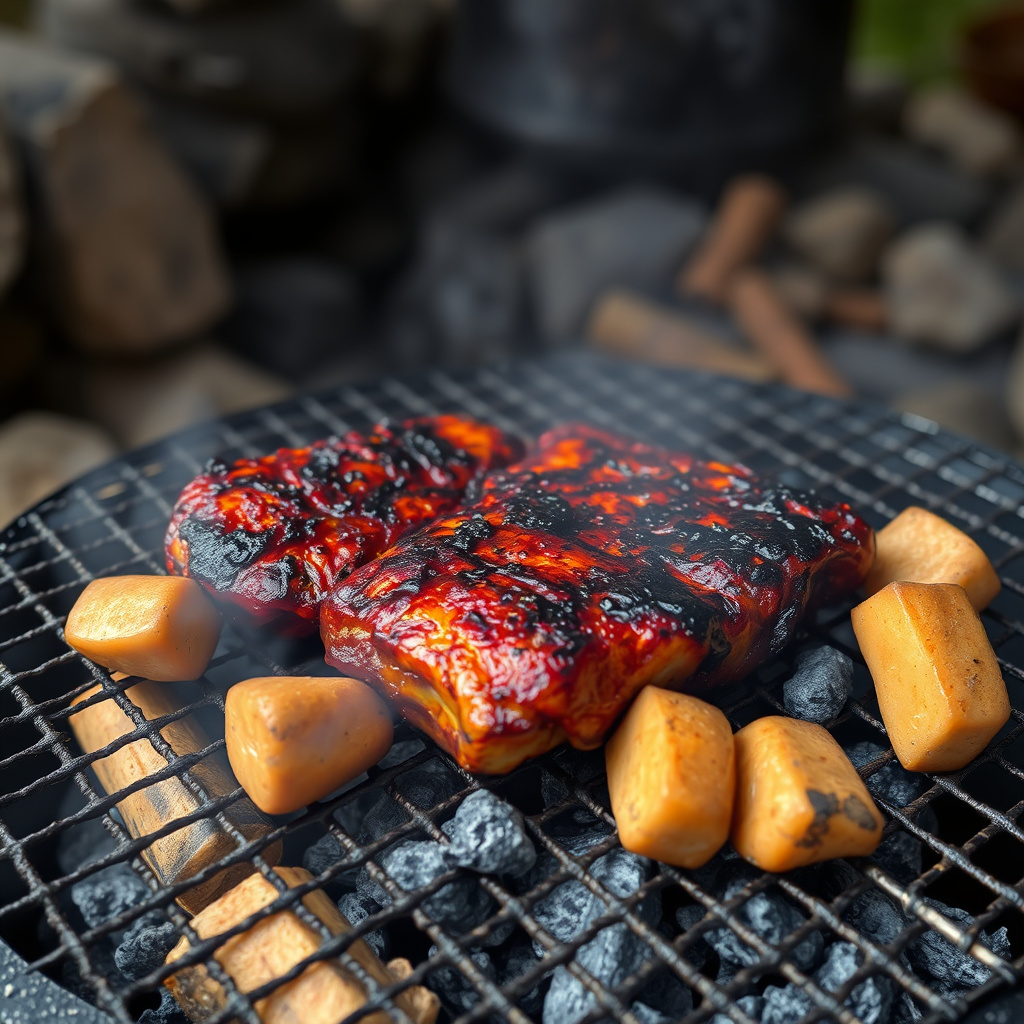
Using too much charcoal or wood can spike the temperature and produce harsh smoke flavors. This overwhelms the meat and often results in a bitter taste or an uneven cook.
Start with a manageable amount of fuel and add more gradually to keep smoke thin and steady without temperature surges.
- Avoid filling the grill with excessive charcoal
- Add wood chips in small batches
- Manage fire size to prevent flare-ups
For more on this, see our related guide: How to Control Temperature on a Charcoal Grill for Perfect BBQ.
Frequent Lid Opening and Poor Vent Management
Opening the grill lid frequently lets out smoke and heat, causing temperature swings that prolong cooking time and affect flavor. Poor vent adjustments can cause the fire to die or flare suddenly.
Keep the lid closed as much as possible and make small vent adjustments to keep a steady airflow and temperature.
- Minimize opening the lid during cooking
- Adjust vents gradually, not abruptly
- Monitor temperatures regularly to respond promptly
Maintaining Your Charcoal Grill for Smoking
Cleaning Ash and Residue After Smoking
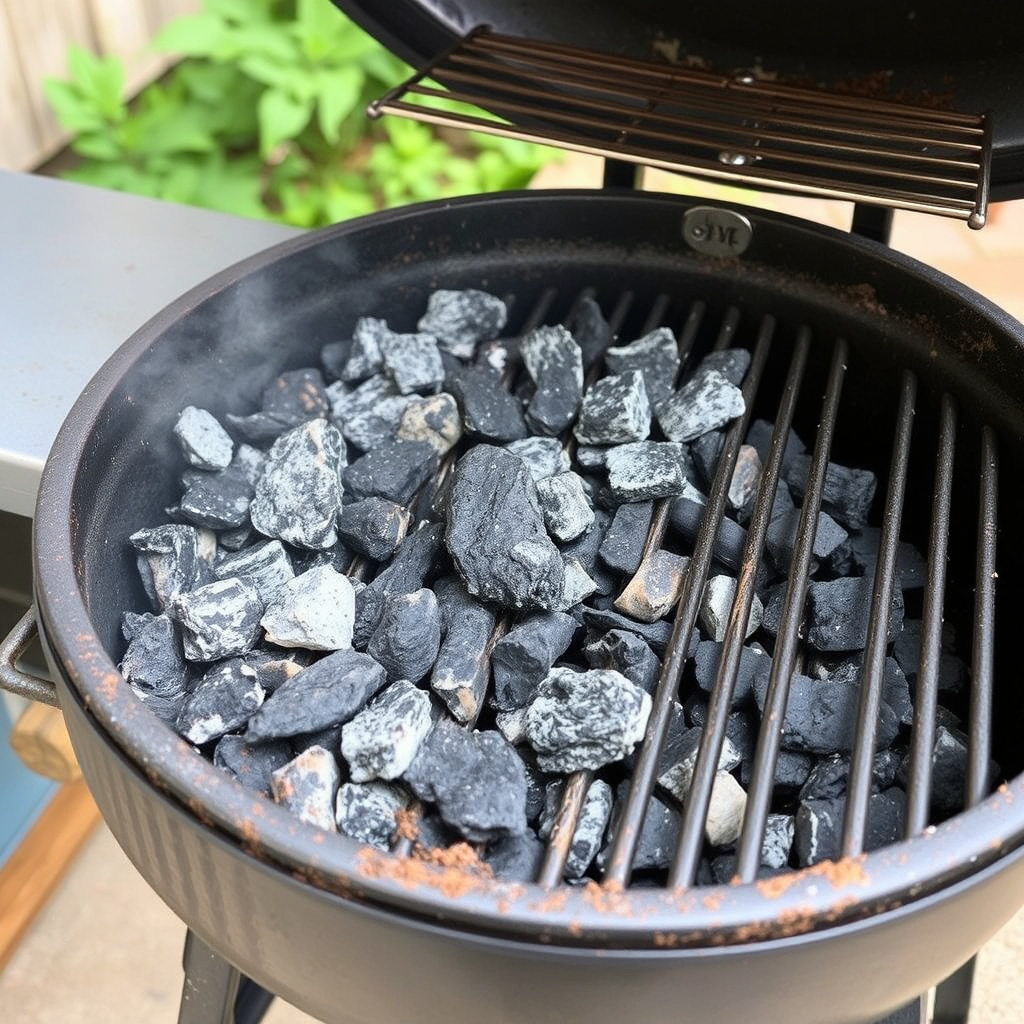
Removing ash and grease after each smoking session keeps airflow unobstructed and prevents flare-ups. Use a grill brush and scraper to clean grates, and empty the ash catcher regularly.
Proper cleaning extends grill life and maintains the quality of your smoke flavor by avoiding buildup of old residue.
- Empty ash catcher after each use
- Scrub grill grates thoroughly
- Clean drip pan and heat deflectors
For an expanded overview of smoking methods, check out Wikipedia’s guide on barbecue smoking. Wikipedia’s guide on barbecue smoking.
Storing and Protecting Your Grill
Store your grill in a dry, covered area to protect from rust and weather damage. Use a grill cover designed to fit your model for best protection.
Regularly inspect vents and hinges to keep them free from debris and rust for easy operation during smoking sessions.
- Keep grill covered when not in use
- Inspect and clean vents monthly
- Lubricate hinges if necessary
Types of Charcoal Grills for Smoking Meat: Category Comparison
Here’s a comparison of common charcoal grill types and how well they perform when used for smoking meat.
| Grill Type | Temperature Control | Smoke Quality | Ease of Use | Price Range |
|---|---|---|---|---|
| Kettle Grill | Good with vent adjustments | Excellent smoke circulation | Moderate | $50-$200 |
| Barrel Grill | Better due to larger size | Great with heat deflectors | Moderate to Difficult | $150-$400 |
| Kamado Grill | Excellent – ceramic retains heat | Superior smoke retention | Moderate | $300-$1500 |
| Offset Smoker with Charcoal | Best with dedicated chambers | Authentic smoky flavor | Difficult | $250-$800 |
Frequently Asked Questions
Can I smoke meat on any charcoal grill?
Most charcoal grills can be adapted for smoking by setting them up for indirect heat and controlling temperature and smoke with vents and wood chips.
How long does it take to smoke meat on a charcoal grill?
Smoking can take anywhere from one to several hours depending on the type and size of meat and maintaining a steady 225-250°F temperature.
Do I need to soak wood chips before smoking?
Soaking wood chips helps them smolder rather than burn quickly, extending smoke time and providing consistent smoke flavor.
What is the ideal smoking temperature for meat on charcoal?
Maintaining a grill temperature between 225°F and 250°F is ideal for slow smoking that tenderizes meat and enhances flavor.
How often should I add wood chips during smoking?
Add wood chips every 45 minutes to an hour or when you notice the smoke thinning to keep a steady smoke presence.
Key Takeaways
- Set up your charcoal grill with indirect heat by arranging coals to one side
- Use soaked wood chips for steady aromatic smoke
- Maintain steady temperatures between 225°F and 250°F using vents
- Avoid frequent lid openings to preserve heat and smoke
Conclusion
Mastering how to smoke meat on a charcoal grill essentially boils down to understanding your grill’s airflow and fuel management to maintain a steady low heat. The goal is indirect cooking combined with consistent smoke, which breaks down tough fibers while infusing rich smoky aromas. Paying close attention to temperature with good thermometers prevents overcooking or drying. It's a rewarding process that turns an ordinary grill into a versatile smoker experience and elevates your backyard barbecue.
Different works best for different meats: brisket, ribs, and pork shoulder do well with a two-zone setup using heavier woods like hickory for bold flavor, while poultry and fish benefit from milder fruitwoods and gentler smoke. Kettle grills are a great budget-friendly option offering good temperature control, whereas kamado grills provide superior heat retention but at a higher price. Offset smokers are superior but require more skill and attention.
Begin your smoking journey with small cuts and experiment with wood flavors and vent adjustments to get a feel for your specific grill’s behavior. Keeping vents balanced and the lid closed as much as possible preserves smoke and heat. With practice and patience, your charcoal grilled smoked meat will rival any specialized smoker’s output. For more detailed methods and history, exploring additional resources can deepen your grasp and appreciation of traditional smoking techniques.



