
Choosing how to pick the best grill starts with understanding your cooking needs, available space, and preferred fuel type. Whether you want a gas, charcoal, or electric grill, the right choice depends on your flavor preference, ease of use, and maintenance level.
Grilling is often the centerpiece of backyard gatherings, so finding a grill that suits your lifestyle can enhance both taste and convenience. Different grills offer distinct advantages—from quick lighting and temperature control to rich smoky flavors—making it essential to weigh their features carefully.
This article covers various grill types, features to prioritize, size considerations, and tips for durability and safety. By the end, you'll be equipped to select the best grill for backyard use that matches your budget and culinary goals.
Understanding Grill Types for Effective Backyard Cooking
Gas Grills: Convenience Meets Control
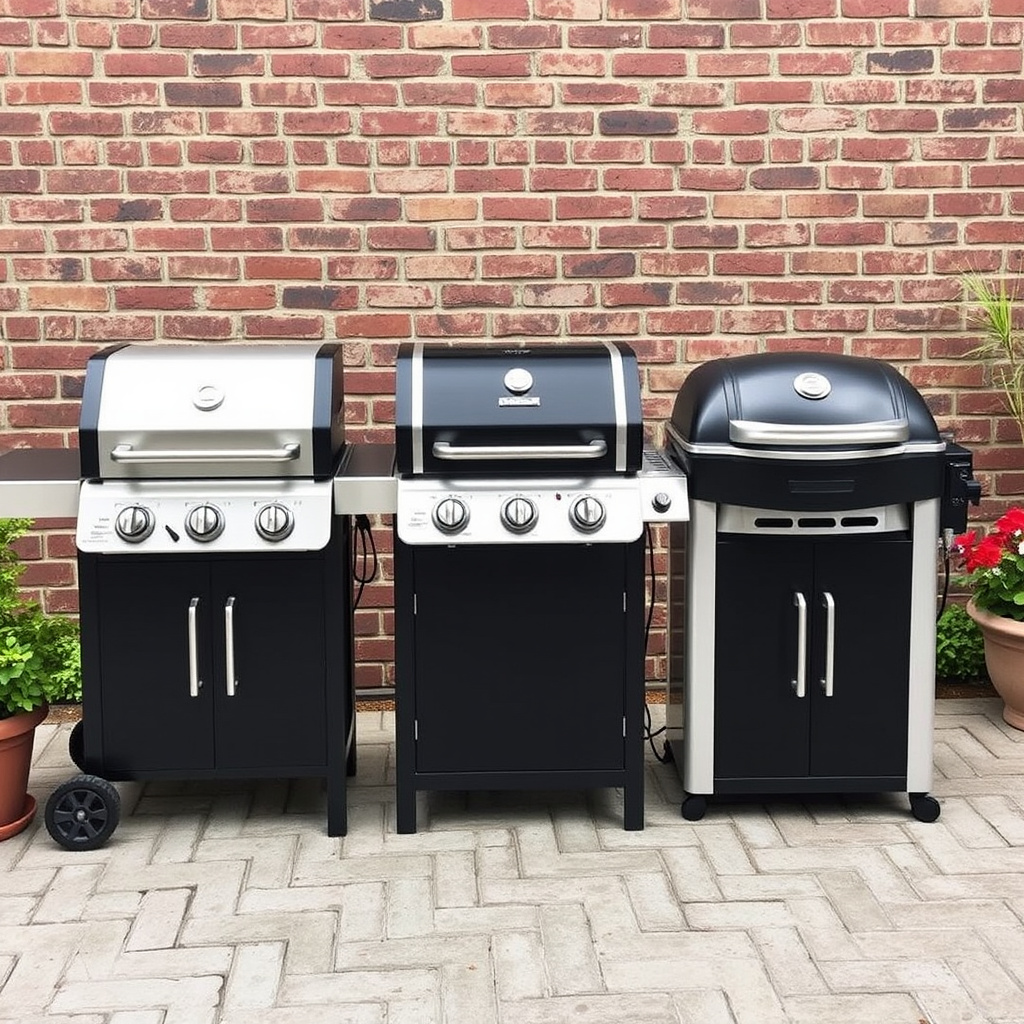
Gas grills use propane or natural gas for heat, offering quick startup and precise temperature adjustments. They are ideal for cooks who value speed and consistent heat without the waiting time charcoal requires.
These grills often come with multiple burners and side shelves, enhancing cooking flexibility. However, they produce less smoky flavor compared to charcoal grills, which could be a consideration depending on your taste preferences.
- Fast ignition with push-button startup
- Even heat distribution through multiple burners
- Easy temperature control
- Requires propane tank or natural gas hookup
Charcoal Grills: Rich Flavor with More Effort
Charcoal grills provide intense heat and a signature smoky flavor prized by many grilling enthusiasts. Lighting charcoal takes time and skill but rewards with that classic char and deeper taste.
Control over cooking temperature comes from adjusting air vents and charcoal arrangement. Charcoal grills are often more portable and less expensive but need regular ash disposal and monitoring during cooking.
- Authentic smoky flavor
- Requires charcoal briquettes or lump charcoal
- Manual temperature regulation via vents
- Longer preparation and cleanup time
Key Features to Evaluate When Choosing a Grill
Cooking Area Size and Capacity
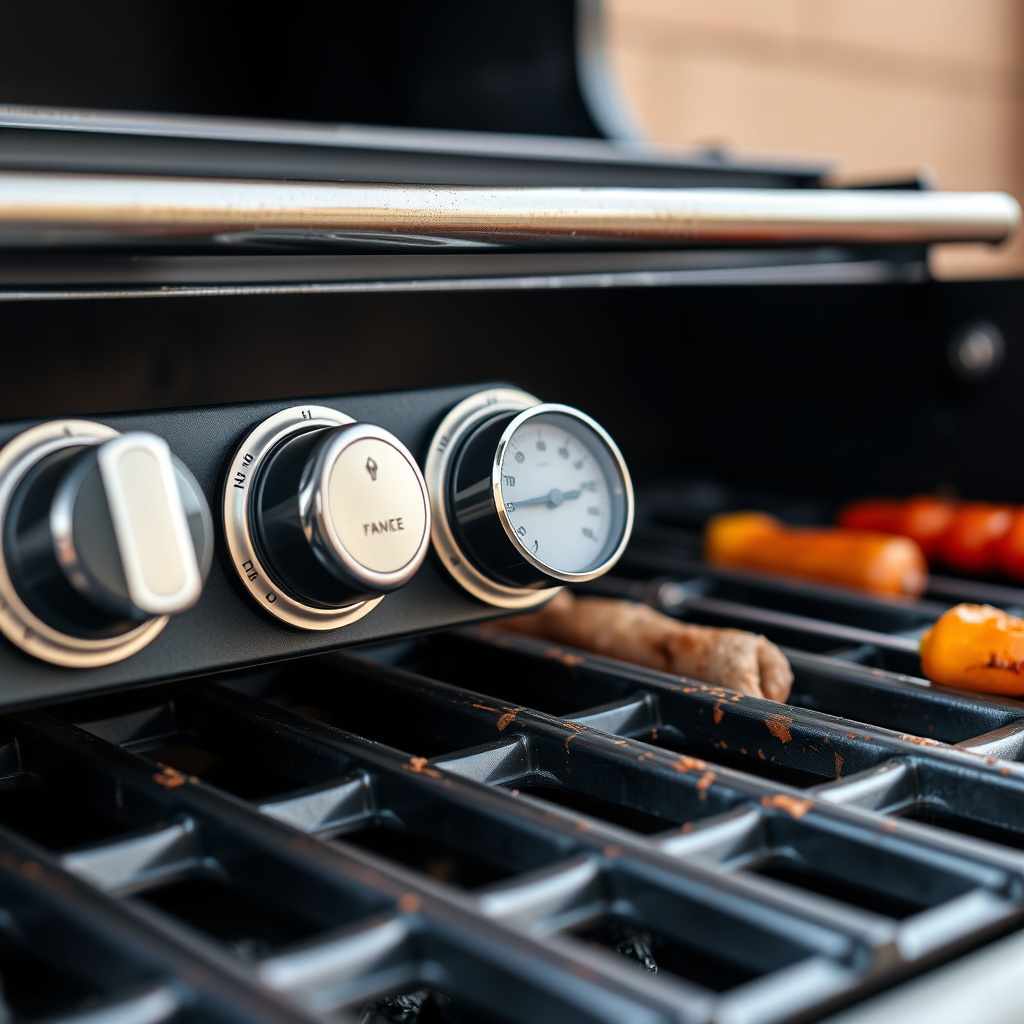
The size of the cooking surface directly impacts how much food you can prepare at once. For smaller families or occasional use, a compact grill with around 200-300 square inches of cooking space may suffice.
For frequent entertaining or larger groups, larger grills with 400+ square inches or multiple cooking zones allow simultaneous grilling of various foods. Remember to match the grill size to your typical usage to avoid wasted space or insufficient capacity.
- Compact grills suit small patios or balconies
- Larger grills accommodate parties and meal prep multitasking
- Multiple burners let you cook at different temperatures
- Expandable racks add flexibility
Material Quality and Durability
Grill materials like stainless steel and cast iron affect longevity and heat retention. Stainless steel offers rust resistance and easy maintenance, while cast iron grates excel in heat retention but need seasoning to prevent rust.
Look for sturdy frames and good construction to withstand outdoor conditions. Quality grills tend to have warranties covering cooking components, which can indicate the manufacturer’s confidence in durability.
- Stainless steel resists corrosion
- Cast iron provides superior heat retention
- Porcelain-coated grates simplify cleaning
- Check warranty length and coverage
Fuel Source Considerations in How to Pick the Best Grill
Propane and Natural Gas Grills
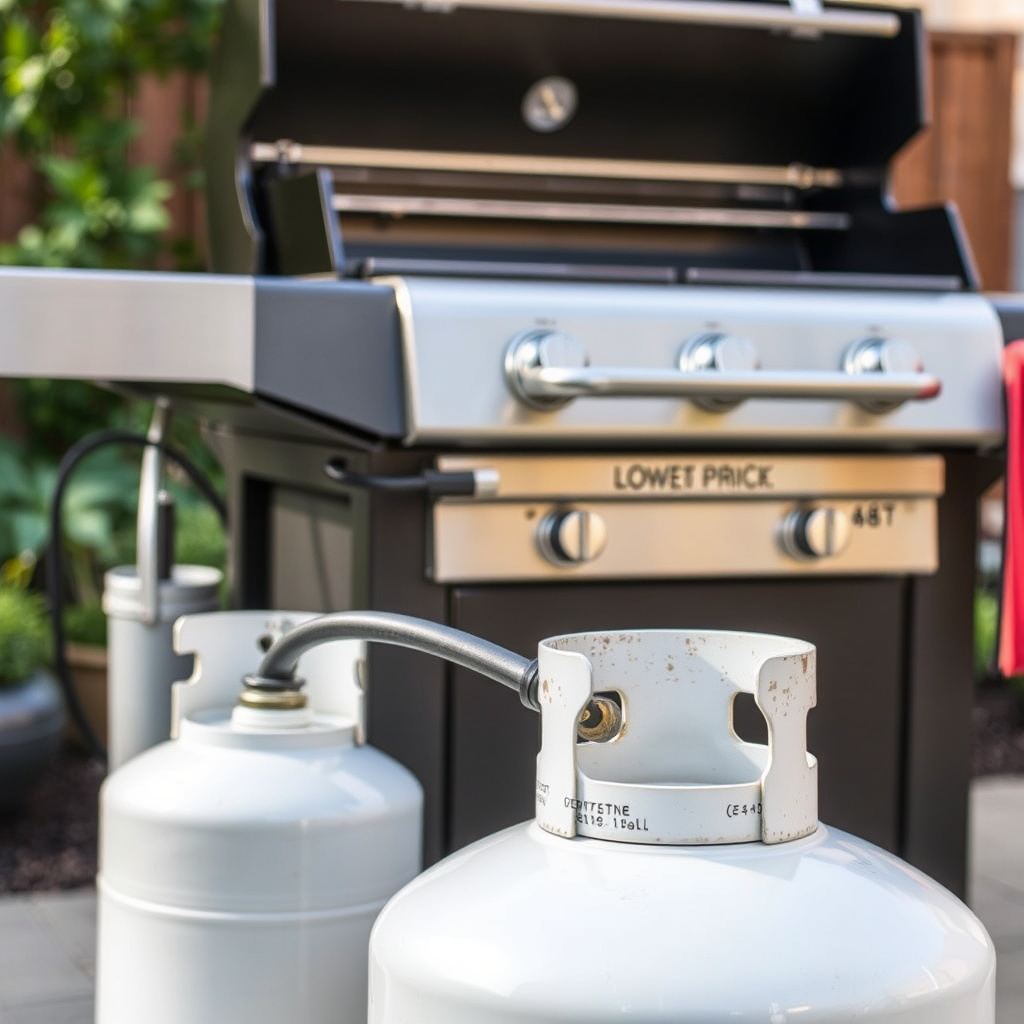
Propane grills offer portability and quick operation thanks to easily detachable tanks. Natural gas grills connect to home gas lines, removing the need for tank replacement but requiring professional installation.
Both fuel types provide clean burning and steady heat. Choosing between them depends on convenience, access to natural gas, and how often you grill.
- Propane provides portability
- Natural gas offers unlimited fuel supply
- Clean burning with less smoke
- Installation needs vary
For more on this, see our related guide: How to Choose a Gas Grill: A Practical Guide for Every Backyard Cook.
Electric Grills for Compact and Indoor Use
Electric grills are ideal for apartments, condos, or places where open flames are restricted. They plug into standard outlets and produce minimal smoke, making them suitable for indoor grilling.
While not offering the same flavor as charcoal or gas grills, electric models are user-friendly, easy to clean, and good for grilling basics like vegetables and thin cuts of meat.
- Ideal for indoor or limited outdoor spaces
- No open flame, safer around children
- Less smoky flavor compared to gas or charcoal
- Requires electrical outlet
Additional Functional Features to Enhance Grilling
Built-in Thermometers and Temperature Controls
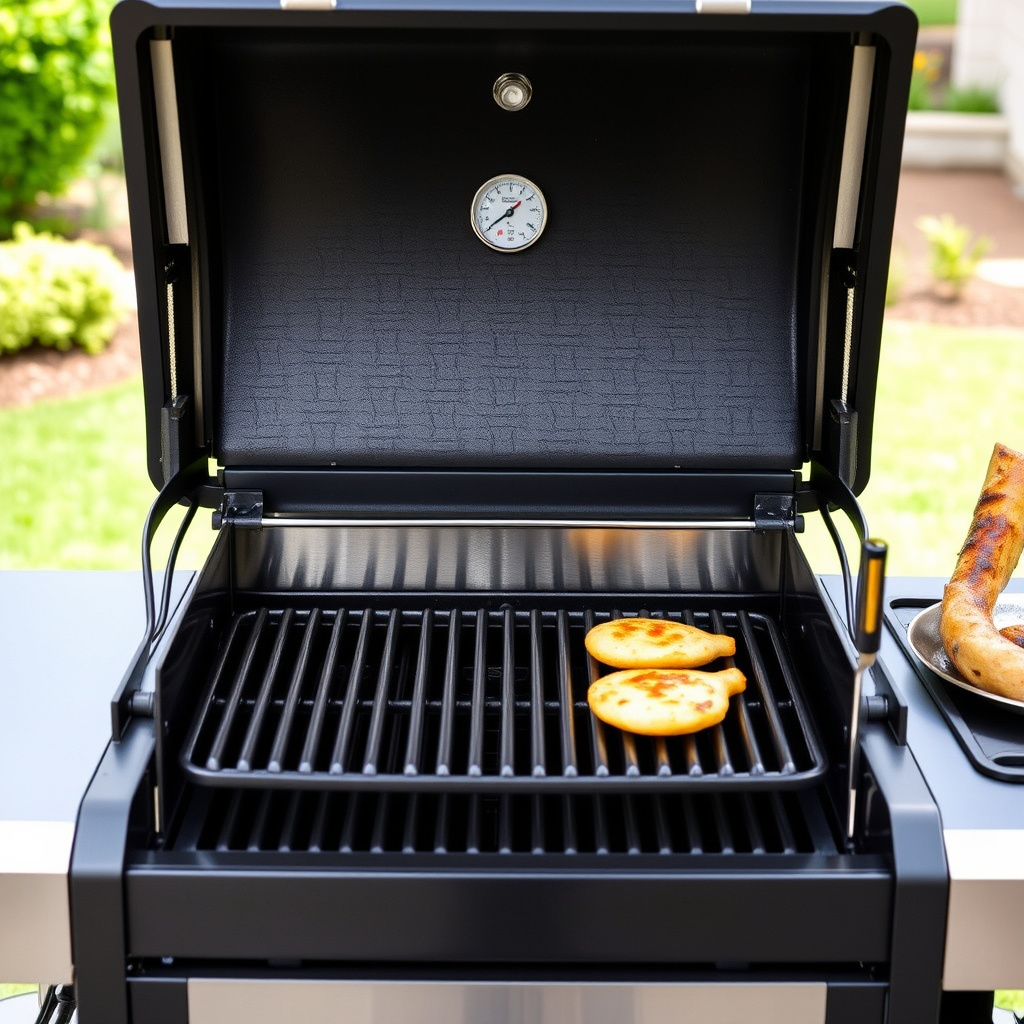
Accurate temperature monitoring helps prevent overcooking or undercooking. Many grills include built-in thermometers on the lid and adjustable knobs for precise heat management.
Higher-end models may have digital controls or integrated probes for meat temperature, making it easier to cook dishes exactly to desired doneness.
- Lid thermometers monitor internal grill heat
- Adjustable burners let you create zones
- Digital controls offer precise settings
- Meat probes improve cooking accuracy
Side Shelves, Storage, and Portability
Side shelves provide workspace for prep and holding cooking tools, enhancing convenience. Built-in cabinets or hooks can keep utensils, fuel, and accessories organized.
Consider whether you need wheels for moving the grill easily or folding shelves for compact storage if space is limited.
- Side shelves expand prep area
- Cabinets keep tools accessible
- Casters add mobility
- Foldable components help save space
Maintenance and Safety Tips for Long-Term Grill Use
Cleaning Techniques for Each Grill Type
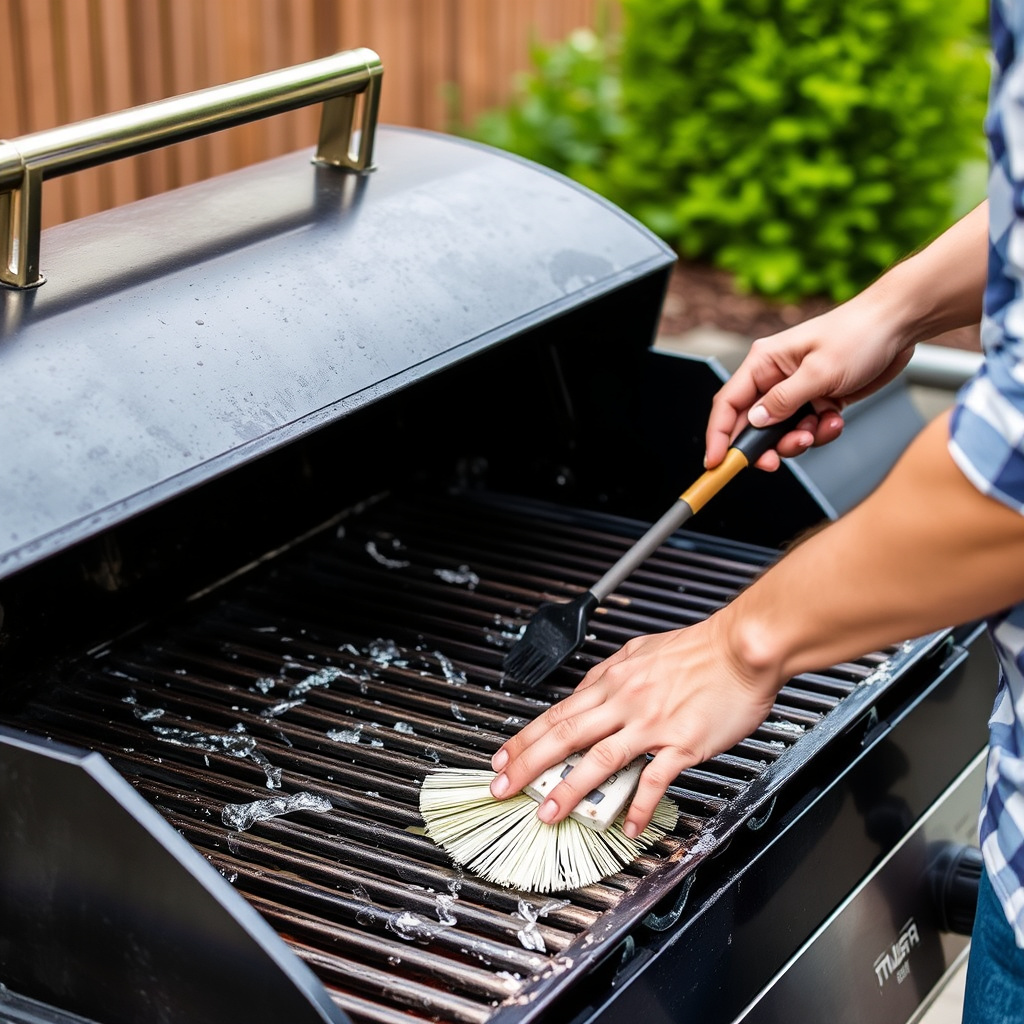
Regular cleaning prevents buildup and extends grill life. Charcoal grills need ash removal after each use, while gas grills require cleaning of burner tubes and drip trays to avoid flare-ups.
Electric grills benefit from wiping heating elements and cooking surfaces, using manufacturer-recommended tools. Seasoning cast iron grates periodically maintains their coating and prevents rust.
- Remove charcoal ashes after cooling
- Clean gas burners with wire brush
- Wipe electric grill surfaces after cooling
- Season cast iron grates regularly
For more on this, see our related guide: How to Replace Grill Grates: A Practical Step-by-Step Guide.
Safety Precautions and Proper Storage
Place grills in open, well-ventilated areas away from flammable materials. Always check for gas leaks before use and turn off fuel sources after grilling.
Cover grills during bad weather or store in a shed when not in use for extended periods. This protects from rust and damage, ensuring safe operation season after season.
- Keep grill away from structures
- Test gas connections periodically
- Use grill covers for protection
- Store in dry locations off-season
Budgeting and Brand Selection for the Best Grill
Setting a Realistic Grill Budget
Grills range widely in price depending on materials, size, and features. Basic charcoal or electric grills can be affordable ($100–$300), while premium gas grills with stainless steel construction cost $500 and up.
Decide how much you are willing to invest by balancing initial cost with expected use frequency and desired durability. Investing a bit more upfront can avoid replacements in the near future.
- Entry-level grills from $100 to $300
- Mid-range gas grills $300 to $700
- Premium models $700+
- Consider long-term value, not just price
For more detailed information on grilling techniques and history, check out the grilling section on Wikipedia. Grilling section on Wikipedia.
Recognized Brands and Warranty Importance
Brands with good reputations often provide better customer support and warranties, reflecting higher manufacturing standards. Look for grills with at least a 1- to 5-year warranty on major components.
Research customer reviews and professional ratings to get a sense of reliability. Popular brands often have a wide selection, making it easier to find a grill tailored to your needs.
- Choose brands known for durability
- Check warranty coverage details
- Read customer reviews
- Consider local dealer support
How to Pick the Best Grill: Fuel Type Comparison
This table compares popular fuel types to help you decide which grill suits your cooking preferences, convenience, and budget best.
| Fuel Type | Flavor Profile | Ease of Use | Cost Range | Portability |
|---|---|---|---|---|
| Charcoal | Rich, smoky flavor | Requires setup and monitoring | $100–$400 | High |
| Gas (Propane) | Mild, clean flavor | Quick ignition, easy control | $200–$1500 | Medium |
| Gas (Natural) | Mild, clean flavor | Immediate heat, continuous fuel | $300–$2000 | Low |
| Electric | Less smoky, mild flavor | Plug and play, user-friendly | $100–$500 | High |
Frequently Asked Questions
What is the easiest type of grill for beginners?
Gas grills, especially propane models, are generally the easiest for beginners due to instant ignition and precise temperature control without needing charcoal preparation.
Can I use a charcoal grill indoors?
No, charcoal grills should never be used indoors because they produce carbon monoxide and create fire hazards. Use them only in well-ventilated outdoor spaces.
How often should I clean my grill?
Cleaning after every use is ideal to prevent buildup. Deep cleaning, including burners and grates, should be done seasonally or every few months depending on usage.
Do electric grills offer the same flavor as charcoal grills?
Electric grills do not provide the same smoky flavor as charcoal grills; they are better suited for convenience and indoor use but lack that traditional grilled taste.
Is it worth investing in a more expensive grill?
Spending more can mean better materials, durability, and features. If you grill often, investing in a quality grill often pays off through longer lifespan and superior performance.
Key Takeaways
- Gas and charcoal are the main grill types with distinct benefits
- Choose grill size based on typical cooking volume
- Material quality affects durability and heat retention
- Budget realistically and consider brand warranties
Conclusion
Selecting the best grill requires balancing practical factors such as fuel type, size, and features with your personal cooking preferences and outdoor space. Understanding how each grill type affects flavor, control, and maintenance helps you make an informed choice. Pay attention to build quality and user-friendly features that suit your cooking style to maximize enjoyment.
For casual or beginner grillers, a propane gas grill offers convenience and consistent results, making it a common favorite. Charcoal grills appeal to those who prioritize authentic smoky flavor and don't mind more hands-on cooking. Electric grills fit smaller spaces or indoor scenarios where open flames aren’t permitted. Matching these characteristics with your budget and lifestyle will guide you toward the best grill for backyard gatherings.
Before purchasing, try to visit stores to see grills in person, consider customer reviews, and factor in warranty and support. Once you have your grill home, invest time in learning maintenance and safety steps to keep it performing well. With the right grill, your backyard cooking will be a highlight of any season.



