
Controlling temperature on a charcoal grill involves managing airflow through the vents and adjusting the amount and placement of charcoal. You can regulate the heat by opening or closing the top and bottom vents to control oxygen supply, which influences how hot the coals burn. Moving coals closer or farther from the cooking surface also impacts temperature control.
Proper temperature control is key for grilling a wide range of foods to perfection. Without it, your food can easily burn on the outside while remaining undercooked inside. This technique allows you to slow-cook tough cuts or sear steaks at high heat, making charcoal grilling versatile and rewarding.
This article covers core methods for temperature management on charcoal grills, including vent adjustment, charcoal arrangements, tools to measure heat, and tips on keeping consistent cooking temperatures throughout your grilling session.
Understanding Airflow to Control Temperature on a Charcoal Grill
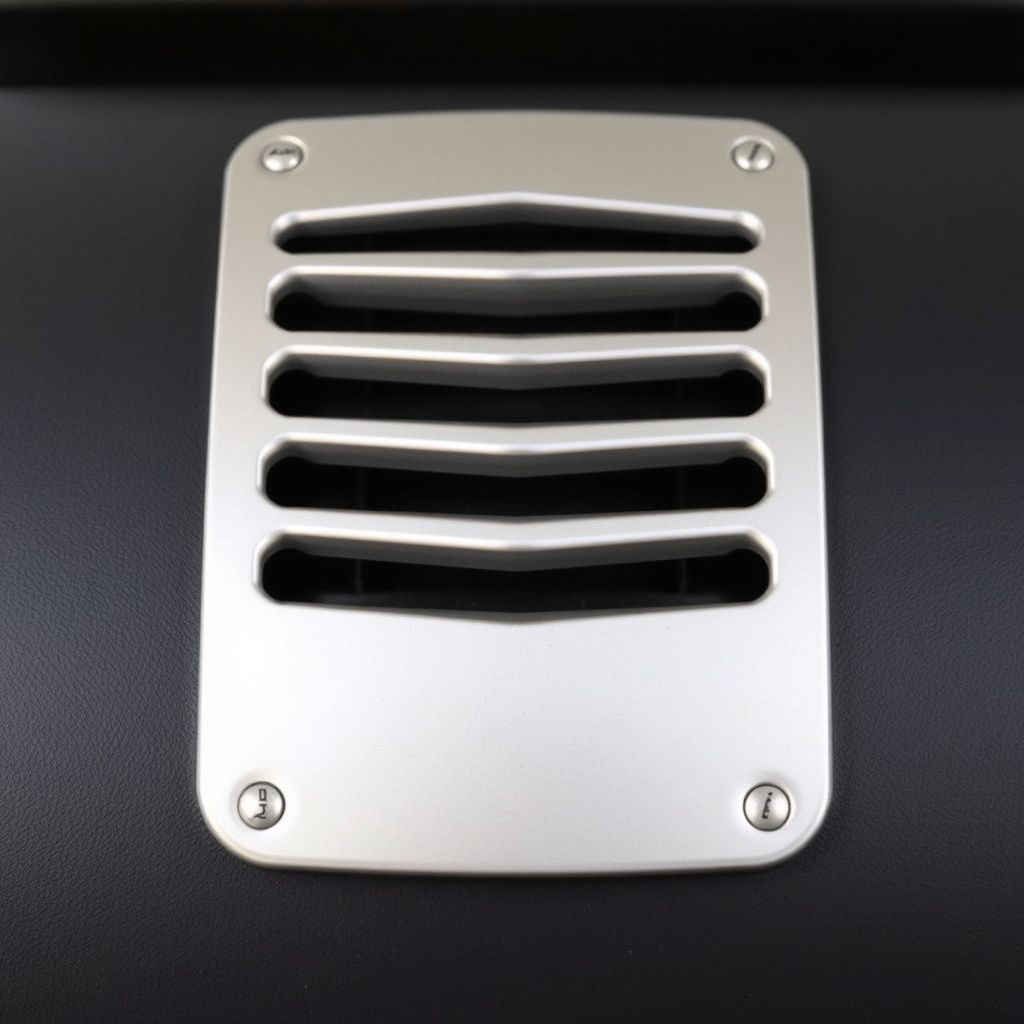
How the Vents Affect Heat
Charcoal grill temperature control hinges on how you manage airflow through the grill's vents. The bottom vent draws oxygen under the charcoal, fueling combustion, while the top vent allows hot air and smoke to escape. Opening the vents increases oxygen flow and boosts the temperature, while closing them restricts air and lowers heat.
Both vents function together: closing the bottom vent can smother the fire, while the top vent controls airflow direction and prevents smoke buildup. Skilled manipulation of these vents lets you vary temperatures from low-and-slow cooking to high-heat searing.
- Bottom vent controls oxygen supply
- Top vent controls exhaust and airflow
- More open vents mean higher heat
- Closing vents lowers temperature
Common Mistakes in Vent Usage
A common error is fully closing vents too soon, which can extinguish the charcoal or cause inconsistent heat. Another mistake is opening vents too wide, leading to burning food or flare-ups. Proper vent handling requires subtle adjustments rather than abrupt changes.
Monitoring how your grill reacts when you adjust vents helps you learn its unique air flow characteristics. Every grill varies slightly based on design and age, so trial and error is normal to perfect your temperature control skills.
Charcoal Arrangement Techniques for Heat Control
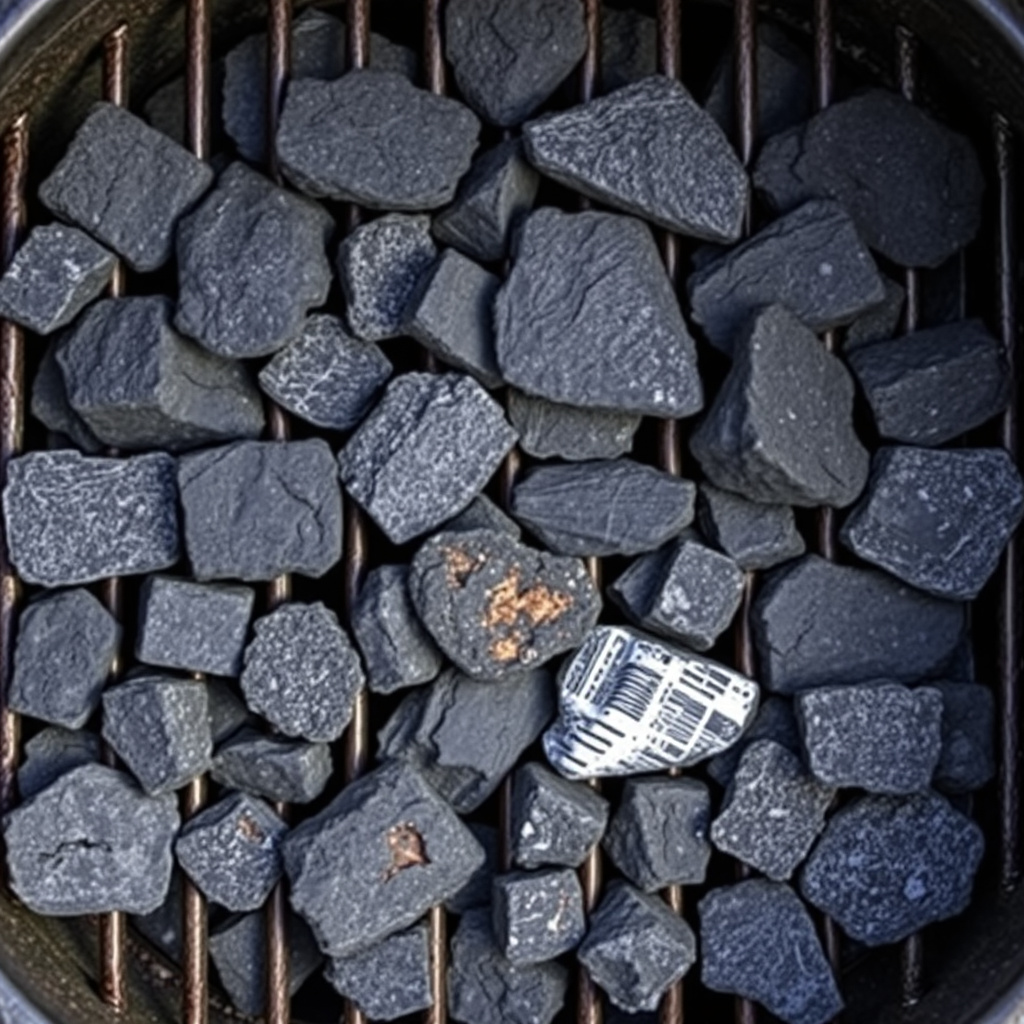
Direct vs Indirect Heating Zones
Creating direct and indirect heat zones by arranging charcoal is a core temperature control strategy. Direct heat means placing coals directly beneath the cooking grate, ideal for searing. Indirect heat places coals to one side or around the perimeter, allowing slower cooking away from direct flames.
This setup lets you start food over high heat and then move it to indirect zones to finish cooking without burning. Understanding this split is fundamental when controlling temperature on a charcoal grill for foods that require varied heat levels.
- Direct zone: coals directly under food
- Indirect zone: coals off to the side
- Use direct for searing, indirect for slow cooking
Charcoal Piles and Thickness
The size and density of your charcoal pile affect temperature intensity and duration. A thick, tightly packed pile burns hotter and longer, perfect for maintaining high heat for searing steaks or burgers. A thinner, spread-out layer gives lower, more manageable temperatures suited for long cooks like ribs or brisket.
Distributing charcoal evenly helps keep consistent temperatures. For extended sessions, adding unlit coals around hot coals—a method called the two-zone fire—allows gradual heat replenishment without sudden temperature spikes.
Tools and Techniques for Monitoring Grill Temperature
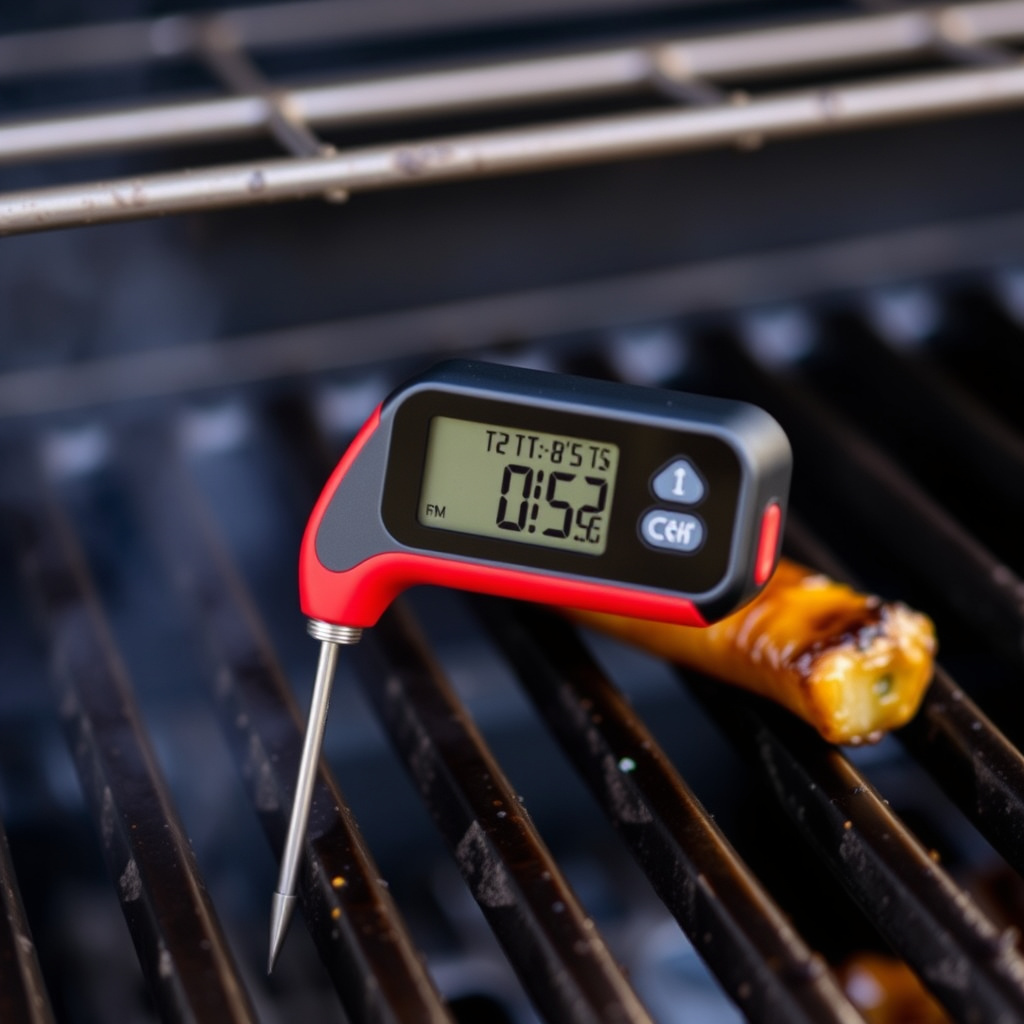
Using Grill Thermometers
A reliable grill thermometer is essential for accurate temperature readings in charcoal grilling. Built-in dome thermometers often show air temperature near the lid, not the cooking grate, so meat probes or infrared thermometers can give more precise heat measurements.
Investing in a good quality probe thermometer helps maintain steady temperatures by letting you monitor the grill's internal heat and the food's core temperature simultaneously.
- Built-in dome thermometers measure ambient heat
- Probe thermometers measure meat and grill grate temp
- Infrared thermometers offer quick surface reads
For more on this, see our related guide: How to Prevent Flare Ups on a Grill for Safe, Even Cooking.
Heat Management Techniques
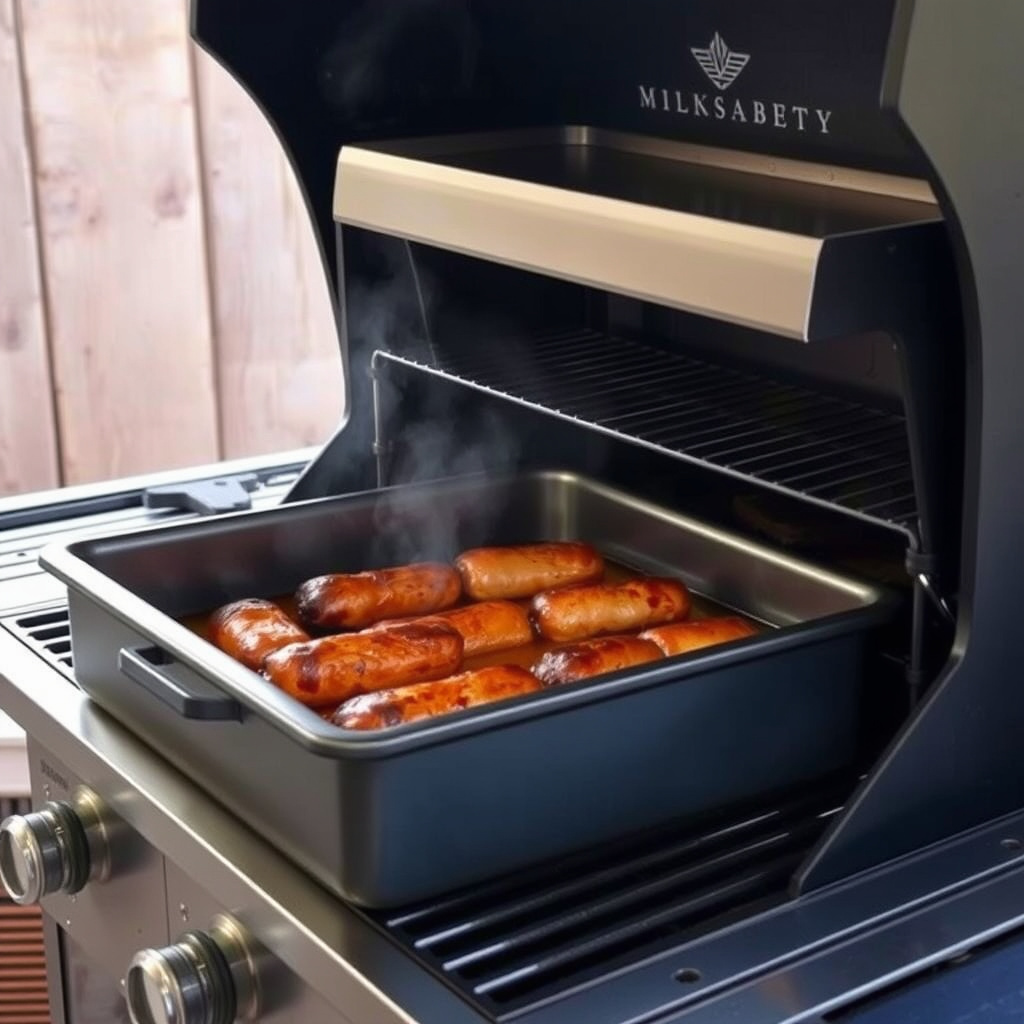
Regularly checking temperature and adjusting vents or charcoal placement keeps heat steady. Techniques like using a water pan in indirect zones help stabilize heat by absorbing and distributing heat evenly.
Avoid frequently opening the lid, which causes heat loss. Instead, trust thermometer readings and make gradual changes to air vents or charcoal arrangement to fine-tune the temperature.
Fuel Types and Their Impact on Temperature Control
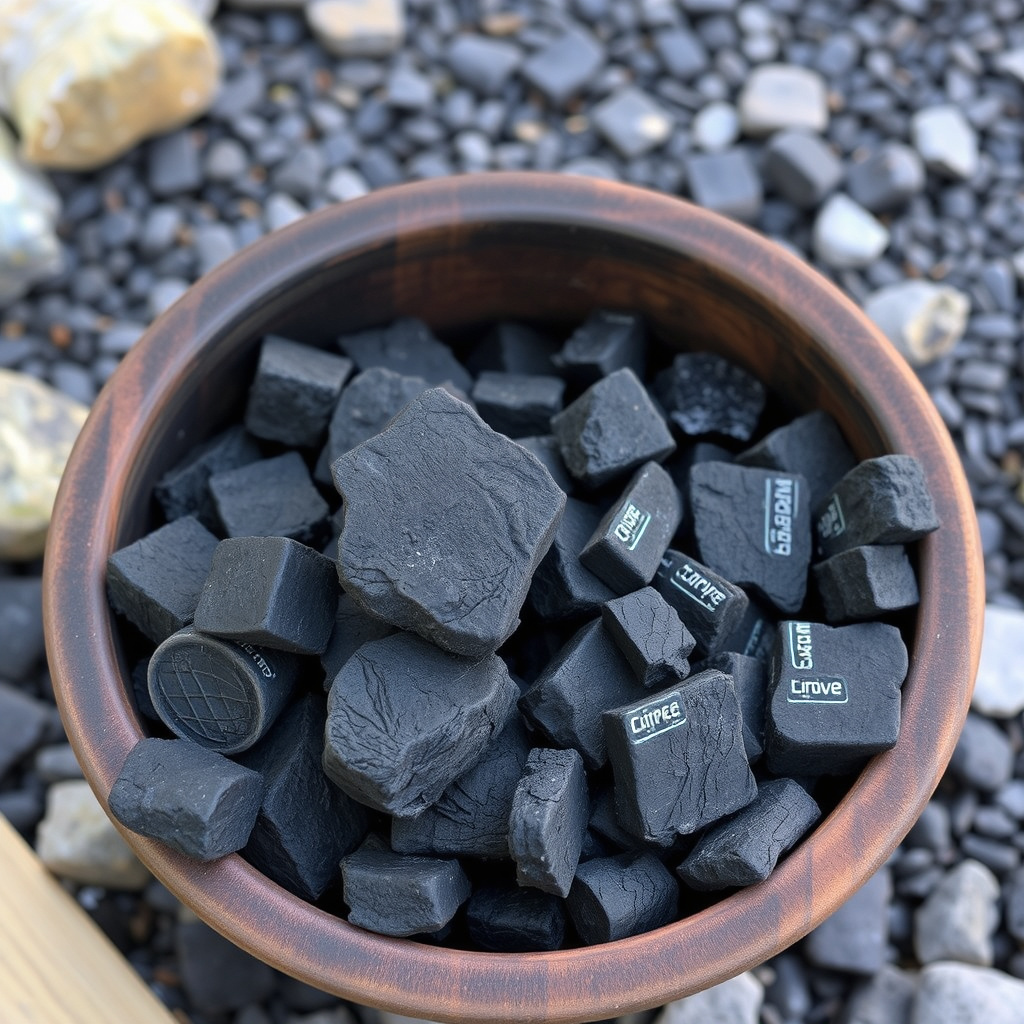
Briquettes vs Lump Charcoal
Charcoal briquettes offer consistent size and burn time, making them easier to control for steady temperatures. Lump charcoal burns hotter and faster but can be less predictable due to irregular sizes.
Choosing between briquettes and lump charcoal depends on your cooking style. For controlled, slow-barbecue sessions, briquettes provide dependable heat, while lump charcoal suits those wanting quick, high-temperature searing.
- Briquettes: uniform, steady heat
- Lump charcoal: hotter, less predictable
- Lump ignites faster, briquettes last longer
Impact of Additives and Quality
Some briquettes contain additives or binders which can affect flavor or burn characteristics. Opting for natural charcoal without chemicals helps maintain flavor integrity and temperature consistency.
Higher quality charcoal produces less ash, which minimizes airflow blockage and improves temperature regulation. Keeping vents clear of ash build-up is important for stable heat control.
Maintaining Consistent Temperature Over Long Cooking Sessions
Managing Coals During Extended Use
For long cooks like smoking or slow roasting, you must add fresh charcoal periodically to maintain temperature. Using the Minion method, where unlit coals are placed around hot coals, lets new fuel ignite gradually, sustaining consistent heat.
Avoid piling too much fresh charcoal at once as this can cause temperature spikes. Space out additions and monitor heat carefully as fuel burns down.
- Add small amounts of charcoal gradually
- Use Minion method for slow fuel burn
- Avoid large sudden fuel additions
For more on this, see our related guide: How to Pick the Best Grill for Your Backyard Cooking.
Using Water Pans and Smoke Management
A water pan placed beneath the grate helps moderate heat by absorbing excess heat and adding humidity to the cooking environment. This prevents the grill from getting too hot and drying out food during long smoking sessions.
Controlling smoke with vent adjustments also contributes to temperature stability and final flavor. Steady smoke flow without flare-ups is ideal for maintaining both temperature and taste.
Safety Tips While Controlling Charcoal Grill Temperature
Handling Hot Charcoal Safely
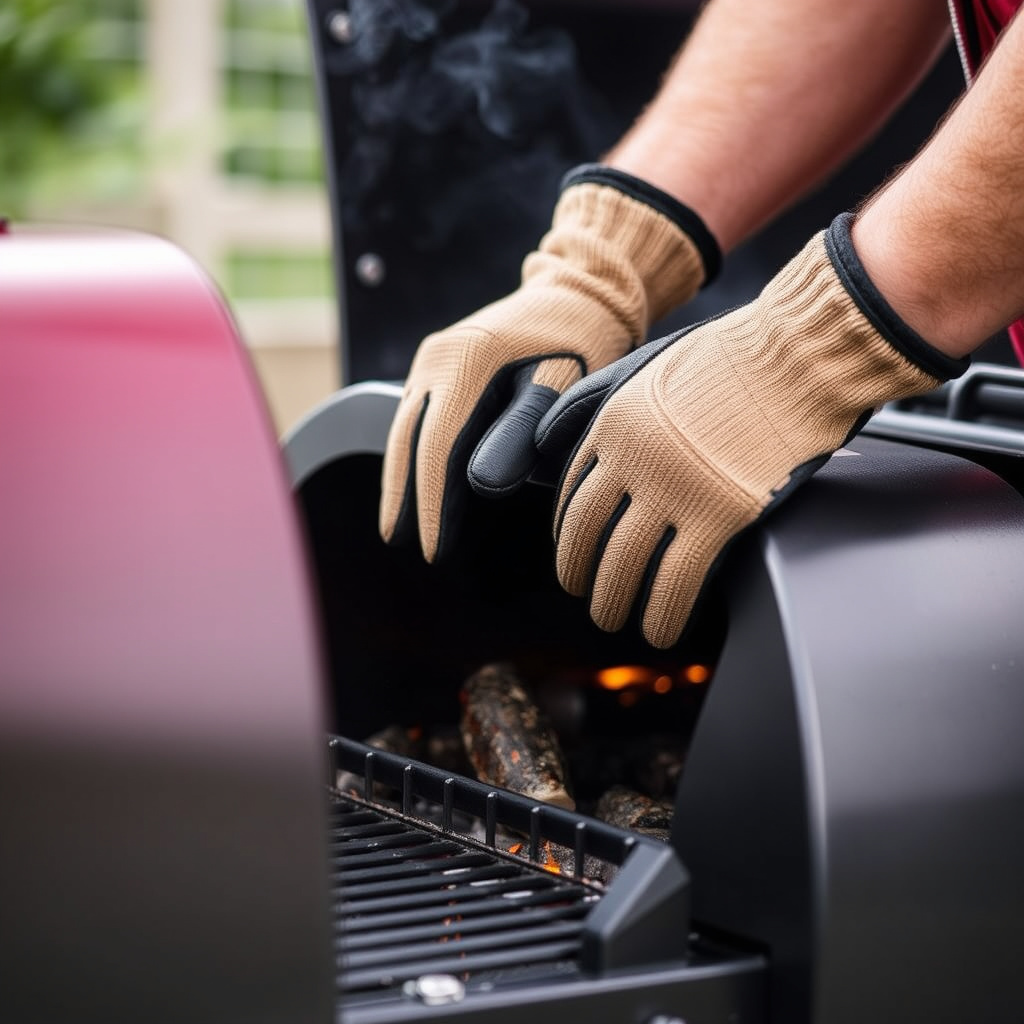
Charcoal can reach temperatures above 1000°F, so wearing heat-resistant gloves when adjusting vents or charcoal placement protects your hands. Never use flammable liquids to speed up ignition, as this can cause dangerous flare-ups.
Use long-handled tools designed for grilling to safely manipulate charcoal and food without getting too close to the heat source.
- Wear heat-resistant gloves
- Avoid flammable ignition liquids
- Use long-handled grilling tools
For a detailed overview of charcoal grilling fundamentals, including fuel types and grill design, refer to the charcoal grilling basics on Wikipedia. Charcoal grilling basics.
Proper Vent Operation and Positioning
When adjusting vents, open them slowly to avoid sudden oxygen surges that could cause flare-ups. Position your grill in a well-ventilated area away from structures and flammable materials to reduce fire risk while controlling temperature.
Ensure proper disposal of ashes in a metal container once coals are fully extinguished to prevent accidental fires after grilling.
Charcoal Grill Temperature Control Methods Comparison
Here’s a comparison of popular temperature control methods and fuel types to help you choose the best approach for your grilling needs.
| Method | Ease of Control | Heat Range | Fuel Consumption | Best For |
|---|---|---|---|---|
| Vent Adjustment | Moderate | Low to High | Efficient | All types of cooking |
| Charcoal Arrangement (Direct/Indirect) | Easy | Low to High | Moderate | Versatile cooking styles |
| Fuel Type (Briquettes) | Easy | Steady Medium | Long Burn Time | Slow cooking & beginners |
| Fuel Type (Lump Charcoal) | Challenging | Very High | Variable | High-heat searing |
| Water Pan Use | Moderate | Low to Medium | Higher | Smoking & slow cooking |
Frequently Asked Questions
How do I increase the temperature on my charcoal grill?
To raise the temperature, open the bottom and top vents more to allow additional oxygen to fuel the charcoal. Adding more lit charcoal can also increase heat quickly.
Why does my grill temperature drop when I open the lid?
Opening the lid releases heat and disrupts airflow, causing a temperature drop. Minimize lid openings during cooking to maintain stable heat.
Can I control temperature without vents on my charcoal grill?
Vents are essential for airflow control; without them, temperature regulation becomes very difficult. If your grill lacks vents, consider upgrading or modifying it for better airflow.
Which fuel is better for consistent temperature, briquettes or lump charcoal?
Charcoal briquettes provide more consistent, steady heat, making them better for controlled cooking, while lump charcoal burns hotter but less predictably.
How often should I add charcoal during a long cooking session?
Add fresh charcoal gradually every 45 minutes to an hour during long cooks to maintain steady temperature without causing heat spikes.
Key Takeaways
- Adjusting vents controls airflow and temperature on charcoal grills.
- Charcoal arrangement creates direct and indirect heat zones for versatile cooking.
- Using a grill thermometer improves temperature monitoring accuracy.
- Fuel type and quality impact heat consistency and flavor.
Conclusion
Mastering how to control temperature on a charcoal grill requires a balance of managing airflow, charcoal placement, and vigilant temperature monitoring. The interplay between the bottom and top vents primarily dictates oxygen supply, influencing coal combustion intensity. By arranging charcoal into direct and indirect zones, cooks gain the flexibility to sear meats at high heat and finish them over gentler warmth. Additionally, understanding your grill’s unique characteristics and responding to temperature changes gradually helps you achieve reliable cooking results every time.
For those aiming at precise temperature control, charcoal briquettes offer steady, predictable heat suitable for low-and-slow barbecue, while lump charcoal suits quick, high-heat searing sessions. Integrating tools like probe thermometers can dramatically improve your confidence in managing internal grill temperatures. Employing tricks such as the Minion method for long cooks, and using water pans to moderate temperature swings, creates ideal conditions for tender, flavorful food. Combining these methods empowers anyone to grill expertly with charcoal fuel.
If you’re ready to improve your grilling skills, start by experimenting with vent adjustments and charcoal positioning to see their immediate effects on temperature. Investing in an accurate thermometer is the next logical step toward consistent cooking. Practice gradual changes rather than sudden shifts and take notes on how your grill responds. These simple habits transform charcoal grilling from guesswork into a gratifying craft, delivering delicious meals with finely controlled heat every time.



