
To keep a grill from rusting, regular cleaning and proper storage are essential. After each use, remove ashes and food debris, then dry the grill thoroughly to prevent moisture buildup, which causes rust. Applying a protective coat of oil or high-temperature grill spray also helps shield metal surfaces.
Rust on grills can weaken the structure, affect cooking quality, and shorten the grill’s lifespan. Since grills are exposed to both heat and outdoor elements, they are very prone to corrosion, especially if left uncovered or unattended. Preventative steps can save you from costly repairs or replacements.
This article explores practical methods on how to keep a grill from rusting, including cleaning routines, protective treatments, storage solutions, and material considerations. We will also examine common rust-prone areas on grills and compare various rust prevention products.
Understanding Why Grills Rust
How Moisture Causes Rust
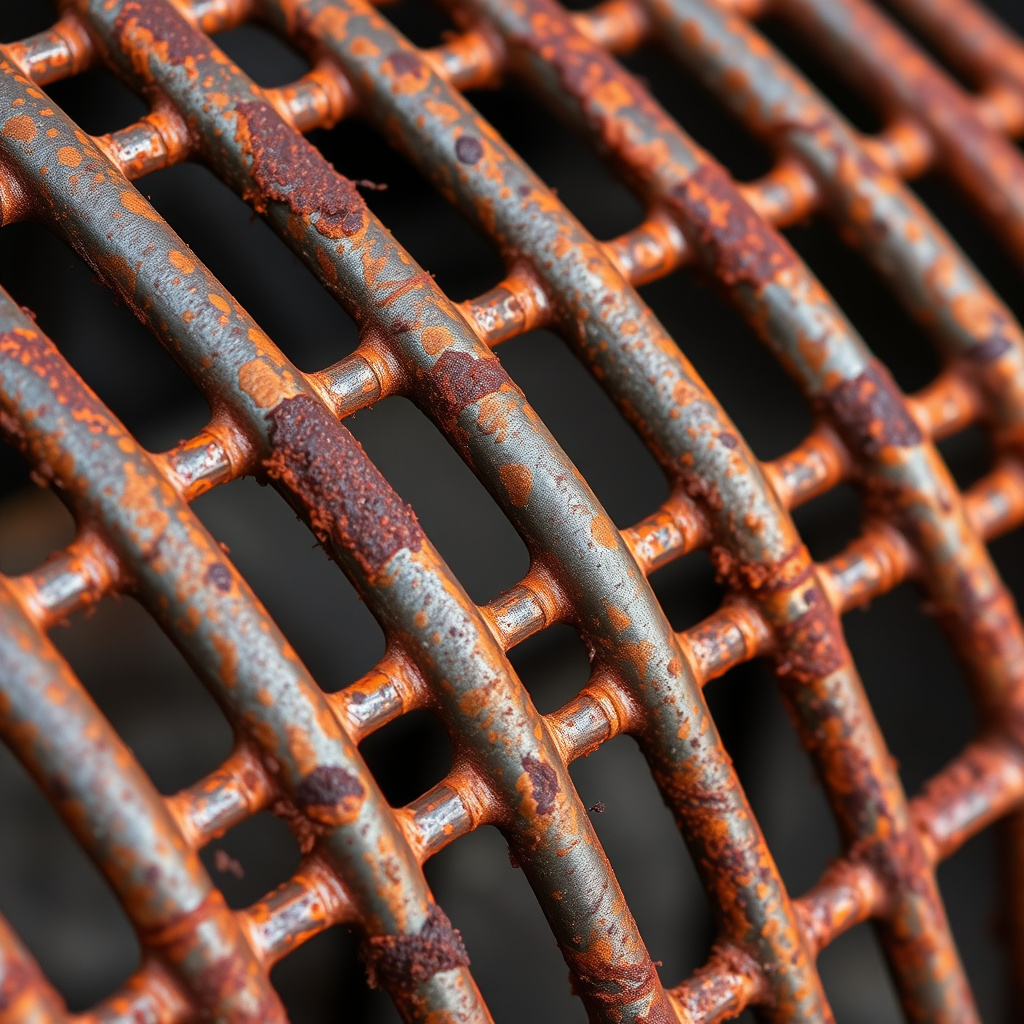
Rust forms when iron in the grill’s metal reacts with oxygen and moisture, creating iron oxide. Moisture can come from rain, humidity, or leftover food juices. Even small amounts of water trapped inside can accelerate rust formation, especially on unprotected surfaces.
Condensation after grilling or cleaning can linger unnoticed, promoting corrosion from the inside out. The combination of heat and moisture cycles encourages faster deterioration, making it important to dry grills promptly after exposure to water.
Common Rust-Prone Areas on a Grill
Rust typically develops on the grill grates, burner tubes, and inside the grill body where moisture accumulates. Grates made of cast iron or steel are especially vulnerable without regular seasoning or coating. Metal joints and fasteners also corrode faster due to crevices holding water.
Heat shields and grease trays can collect drippings that corrode if not cleaned regularly. Recognizing these vulnerable parts helps target rust prevention efforts more effectively.
- Grill grates – cast iron or bare steel
- Burner tubes exposed to moisture
- Inner grill body
- Grease trays and heat shields
- Metal screws and joints
Essential Cleaning Techniques to Prevent Rust
Regular Cleaning After Use
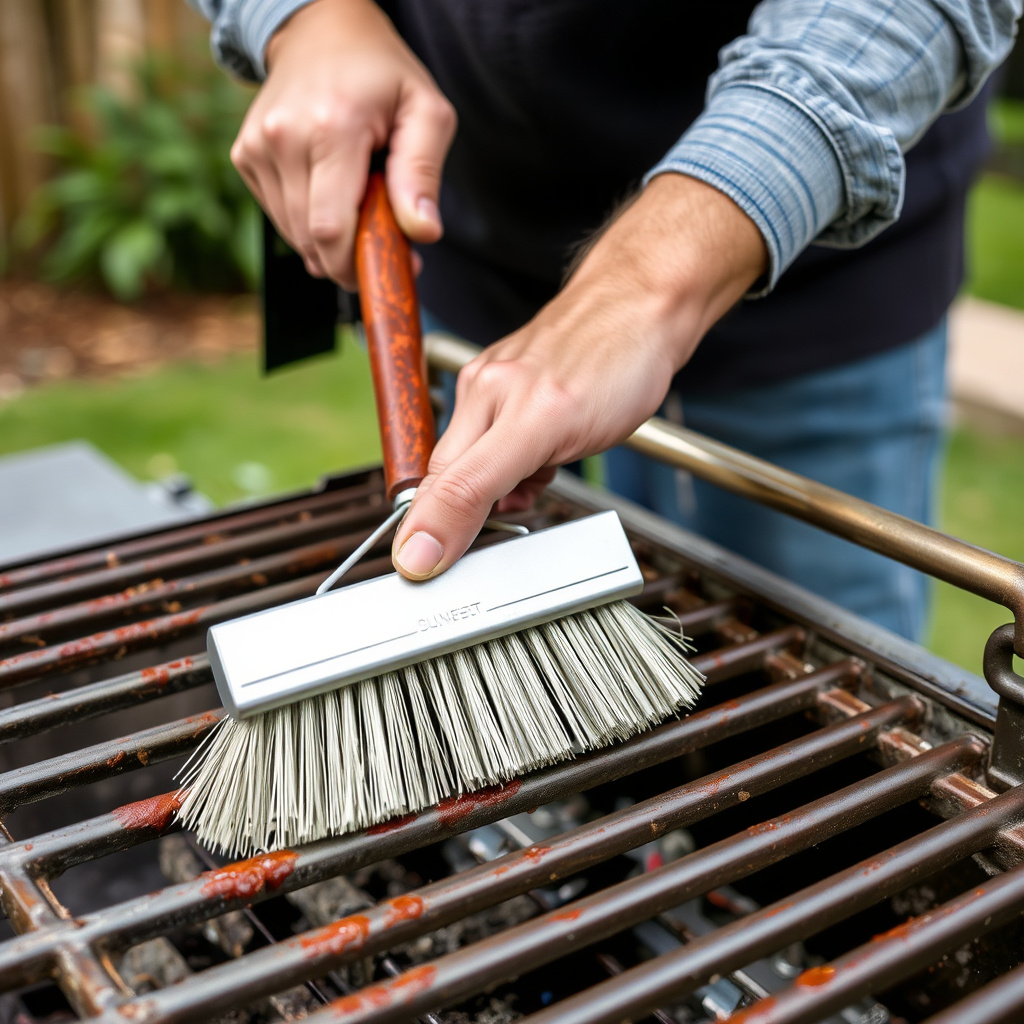
Cleaning your grill immediately after using it prevents food particles and grease from hardening, which can trap moisture and cause rust. Use a stiff wire brush or grill scraper to remove burnt residue while the grill is still warm but safe to handle.
Washing the grates with mild soap and water monthly and thoroughly rinsing and drying them reduces dirt buildup that holds moisture. Avoid harsh chemicals that can damage protective coatings.
- Brush grates after each use
- Monthly soap and water wash
- Avoid abrasive cleaners that remove coatings
Deep Cleaning and Maintenance
Twice a year, perform a deep clean by disassembling removable parts and soaking them in warm, soapy water. Scrub with a nylon brush to remove stubborn rust spots or grease. Inspect burners and replace any rusted components before the grilling season starts.
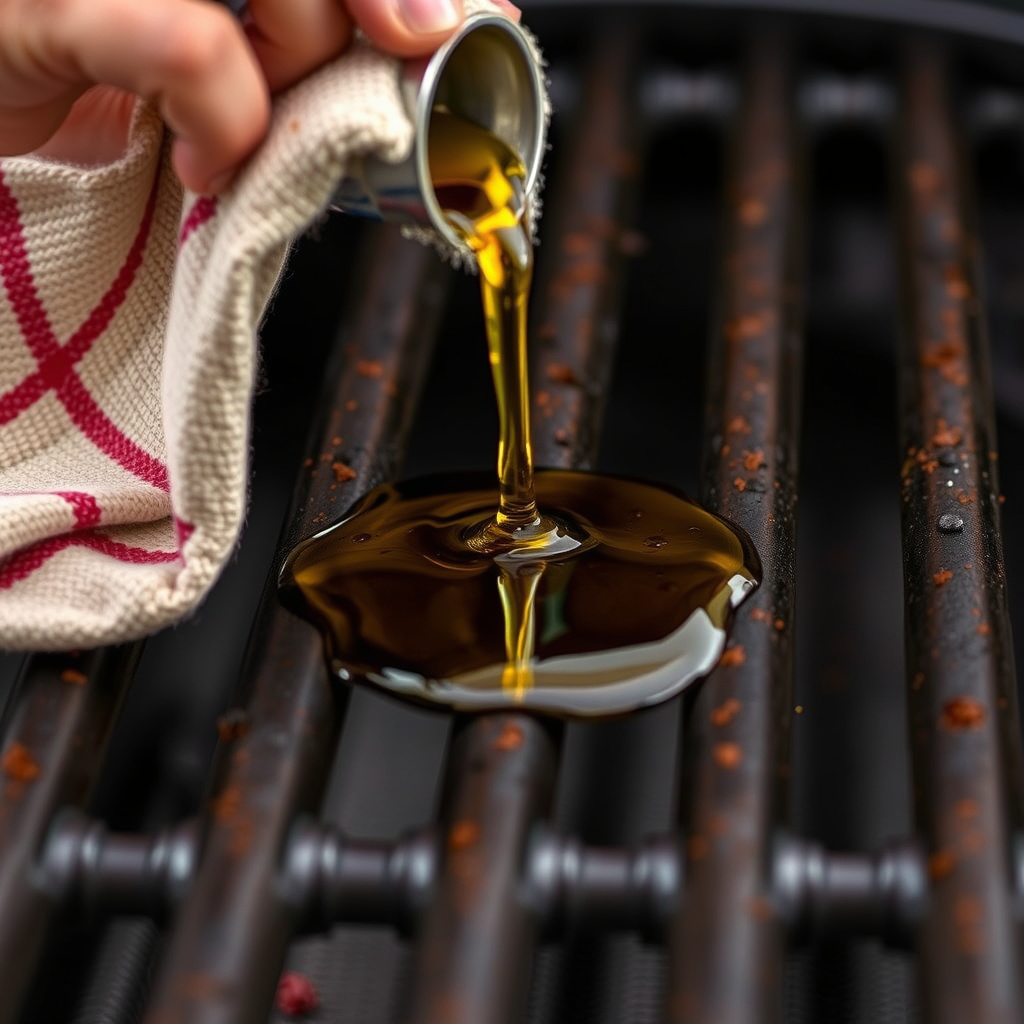
Dry every component thoroughly to eliminate all moisture. Applying a thin layer of cooking oil to cast iron grates after cleaning helps create a moisture barrier and prevents rust.
- Soak and scrub removable parts
- Inspect and replace rusty components
- Oil grates after drying
Protective Treatments That Keep Your Grill Rust-Free
Oiling and Seasoning Grill Grates
Applying a thin coat of high-smoke-point oil, such as canola or flaxseed oil, to grill grates after each cleaning creates a protective layer that repels moisture. This method is especially effective for cast iron grates, which are highly susceptible to rust without seasoning.
Seasoning involves applying oil and heating the grates to bond the oil to the surface, forming a durable barrier that improves with regular upkeep.
- Use oils with high smoke points
- Apply thin, even coats of oil
- Re-season regularly for durability
For more on this, see our related guide: How to Choose a Pellet Grill: A Detailed Buyer’s Guide.
Using Grill Covers and Rust-Proof Sprays
A good grill cover shields your equipment from rain, snow, and humidity when not in use. Waterproof covers made of heavy-duty fabric with secure fasteners reduce moisture exposure significantly, preventing surface rust.
Rust-proof sprays and high-temperature paint coatings can be applied to metal grill bodies and accessories to form a protective shield. Always choose products specifically designed for grills that withstand high heat and food-safe standards.
- Waterproof, fitted grill covers
- Rust-preventive sprays suitable for grills
- Avoid covers that trap moisture inside
How Storage Conditions Impact Grill Rust
Indoor vs Outdoor Storage
Indoor storage in a garage or shed minimizes grill exposure to rain and snow, cutting down the chances of rust. However, poorly ventilated indoor spaces can trap humidity, so airflow is critical.
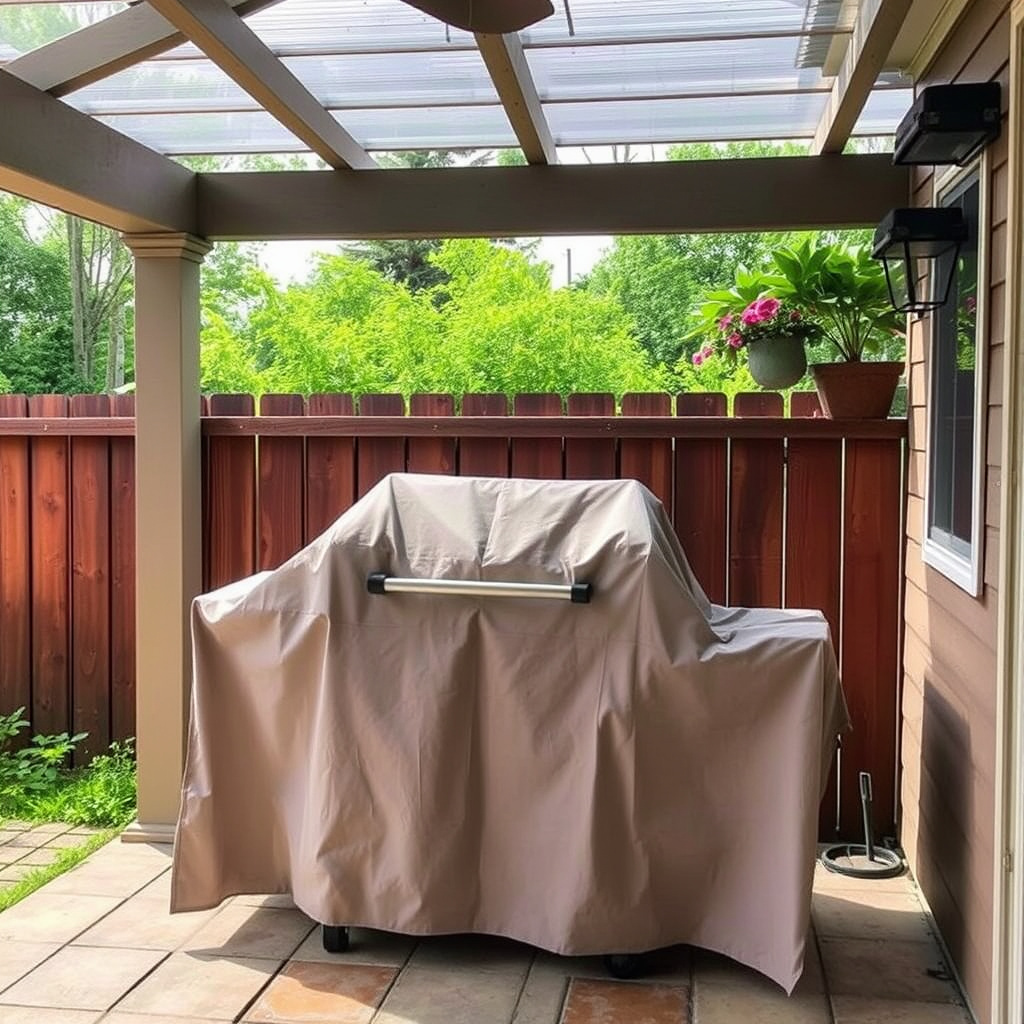
Outdoor storage is common, but a sturdy, weather-resistant grill cover is necessary to create a moisture barrier. Avoid placing grills near sprinklers or low-lying areas where water collects.
- Indoor storage offers better rain protection
- Ensure adequate ventilation indoors
- Use heavy-duty covers outdoors
Seasonal Care and Off-Season Storage
Before storing your grill for long periods, clean and oil all metal parts thoroughly. Disassemble removable components and store them separately in dry places.
If possible, keep the grill in a climate-controlled area during winter. If not, elevate it off ground surfaces and cover with a breathable, water-resistant cover to prevent rust buildup over months.
- Thorough cleaning and oiling before storage
- Climate-controlled or elevated storage
- Use breathable waterproof covers
Material Choices and Design Features That Resist Rust
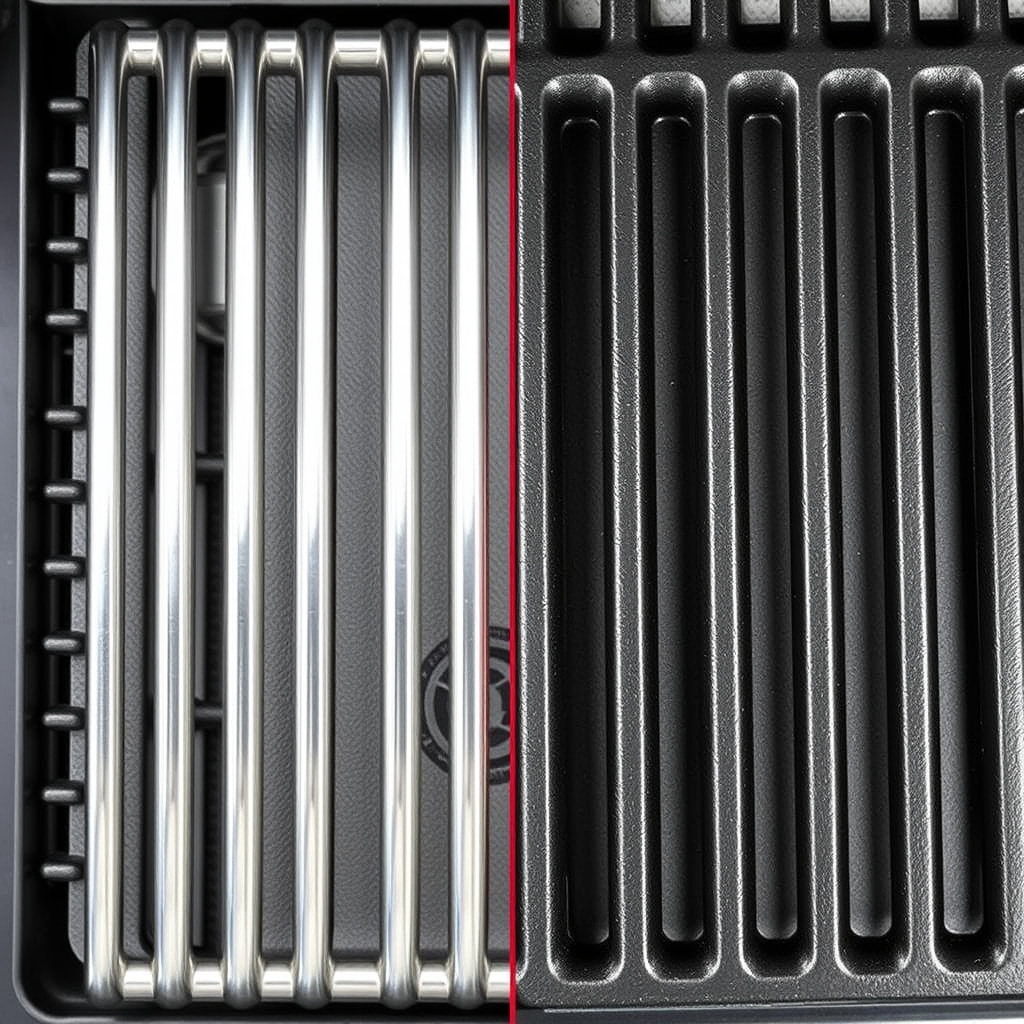
Stainless Steel vs Cast Iron Grates
Stainless steel grates resist rust naturally due to their chromium content forming a protective oxide layer. They require less maintenance but may not retain heat as well as cast iron. Stainless steel is ideal for those seeking low upkeep.
Cast iron grates provide excellent heat retention and cooking performance but need regular seasoning and oiling to prevent rust. Their porous surface can absorb oils and flavors over time if properly maintained.
- Stainless steel is rust-resistant and low maintenance
- Cast iron holds heat better but needs seasoning
- Choose based on cooking style and upkeep readiness
For more on this, see our related guide: How to Fix a Gas Grill That Won’t Light: Step-by-Step Troubleshooting Guide.
Rust-Resistant Coatings and Treatments
Some grills feature porcelain-coated steel grates which combine rust resistance with easy cleaning. The coating prevents metal exposure to moisture but can chip if handled roughly, exposing bare metal.
Heat-resistant powder coatings on grill bodies also protect against rust and corrosion, extending the grill’s lifespan and preserving its finish.
- Porcelain-coated grates block moisture
- Powder coating protects grill bodies
- Careful handling to avoid chipping coatings
Routine Inspection and Repairs to Stop Rust Spread
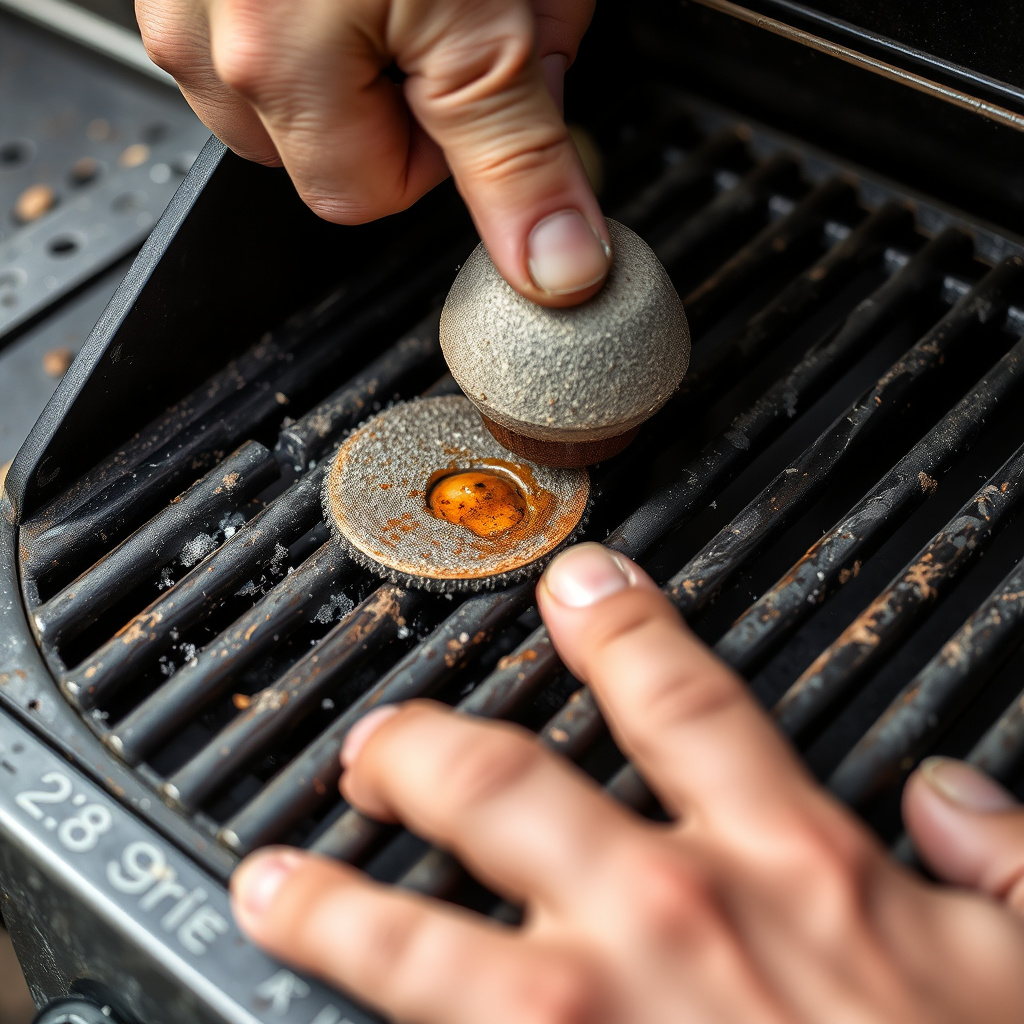
Regular Rust Checks
Regular visual inspections help catch rust early before it spreads. Look closely at joints, screws, grates, and underside of the grill. Use steel wool or sandpaper to remove surface rust promptly and reapply oil or protective coatings afterward.
Ignoring small rust spots can lead to metal weakening and holes, so treating issues quickly preserves grill integrity.
- Inspect critical areas monthly
- Remove surface rust with abrasives
- Reapply protective layers after cleaning
For a detailed scientific explanation of rust and corrosion, see the grill rust article from Wikipedia. grill rust article from Wikipedia.
DIY vs Professional Repairs
Minor rust removal and repainting can be done as a DIY project if you have the right materials, such as grill-safe paint and rust converter sprays. This is economical for surface corrosion.
For serious rust damage affecting burners or structural parts, professional repair or replacement may be safer. Ensure replacement parts fit the grill model precisely to avoid further corrosion risks.
- DIY for light rust and repainting
- Professional service for structural damage
- Use compatible parts for repairs
Grill Rust Prevention Methods Comparison
Here’s a comparison of common rust prevention methods highlighting their advantages and considerations.
| Method | Effectiveness | Maintenance Required | Cost |
|---|---|---|---|
| Regular Cleaning and Drying | High | Moderate – after every use | Low |
| Oiling and Seasoning Grates | High for cast iron | Regular application | Low |
| Using Grill Covers | Moderate to High | Occasional cleaning | Medium |
| Rust-Resistant Materials (Stainless Steel) | Very High | Low | High |
| Rust-proof Sprays and Paints | Moderate | Periodic reapplication | Medium |
| Indoor or Controlled Storage | Very High | Low | Medium to High |
Frequently Asked Questions
Can I prevent grill rust without using oil or seasoning?
Yes, using stainless steel grates or porcelain-coated surfaces helps prevent rust naturally. Additionally, storing the grill indoors or using quality covers reduces moisture exposure, minimizing rust without oiling.
How often should I clean my grill to avoid rust?
Brushing the grill grates after every use and performing a deep clean at least twice a year keeps rust at bay. Regular drying and cleaning remove moisture and debris that cause corrosion.
Is it safe to use rust-removal chemicals on my grill?
Only use rust removers that are specifically designed for grills and food surfaces. Non-food-safe chemicals can leave residues harmful to health, so choose products labeled for grill maintenance.
Does grill rust affect cooking flavor or safety?
Minor surface rust may not alter flavor much but can flake off into food. Extensive rust can degrade material integrity, posing safety risks. Keeping grills rust-free ensures safe and better-tasting meals.
Can I repair rusted grill parts myself?
Small rust spots can often be sanded down and treated with rust-resistant paint at home. However, significant rust damage, especially on burners or structural parts, should be handled by professionals.
Key Takeaways
- Moisture is the primary cause of grill rust—drying and cleaning are vital.
- Regular oiling and seasoning protect cast iron grates from corrosion.
- Using stainless steel parts and quality grill covers greatly reduces rust risk.
- Routine checks and timely rust removal preserve grill lifespan.
Conclusion
Choosing how to keep a grill from rusting involves combining good habits with the right materials. Regular cleaning and thorough drying reduce moisture exposure, the main catalyst for rust. Protective measures like oiling casts iron grates and covering the grill when not in use provide additional defense layers. Understanding your grill’s vulnerabilities and inspecting it frequently stops rust before it spreads, maintaining cooking quality and safety over years.
If you use cast iron grates, consistent seasoning with high-smoke-point oils and prompt cleaning after use are essential. For those wanting lower maintenance, stainless steel grates paired with a tight-fitting, water-resistant cover offer excellent rust resistance. Storing grills in controlled environments during off-seasons minimizes rust risks further. Consider rust-proof sprays and repainting as supplemental protection, especially on grill bodies and non-grate parts. Each method suits different lifestyles and budgets, so tailor your choices accordingly.
To protect your investment, start by setting a cleaning schedule and selecting materials or covers that fit your climate. Address any small rust spots immediately with sanding and oiling. If rust damage worsens, professional service may be necessary. By taking these practical steps, your grill will stay in good condition, delivering great meals and longevity.



