
Preventing flare ups on a grill starts by managing excess fat, controlling airflow, and maintaining the right heat level so that sudden flames don’t char your food or create dangerous bursts of fire. Knowing how to prevent flare ups on a grill lets you enjoy perfectly cooked meals without ruined flavor or accidental burns.
Flare ups happen when fat or oil drips onto hot coals or burners, igniting brief flames that can flare higher than expected. Besides risking burnt food, flare ups can damage grill grates and pose safety risks. Understanding what triggers these bursts of fire matters for anyone who regularly uses a grill, whether gas or charcoal.
This article covers strategies to avoid flare ups before they start, practical techniques to control them if they do occur, and maintenance tips that reduce flare up risk over time. We’ll also compare common grill types and flare up tendencies to help you choose the best grill for flare-up management.
Managing Fat and Oil to Prevent Flare Ups on a Grill
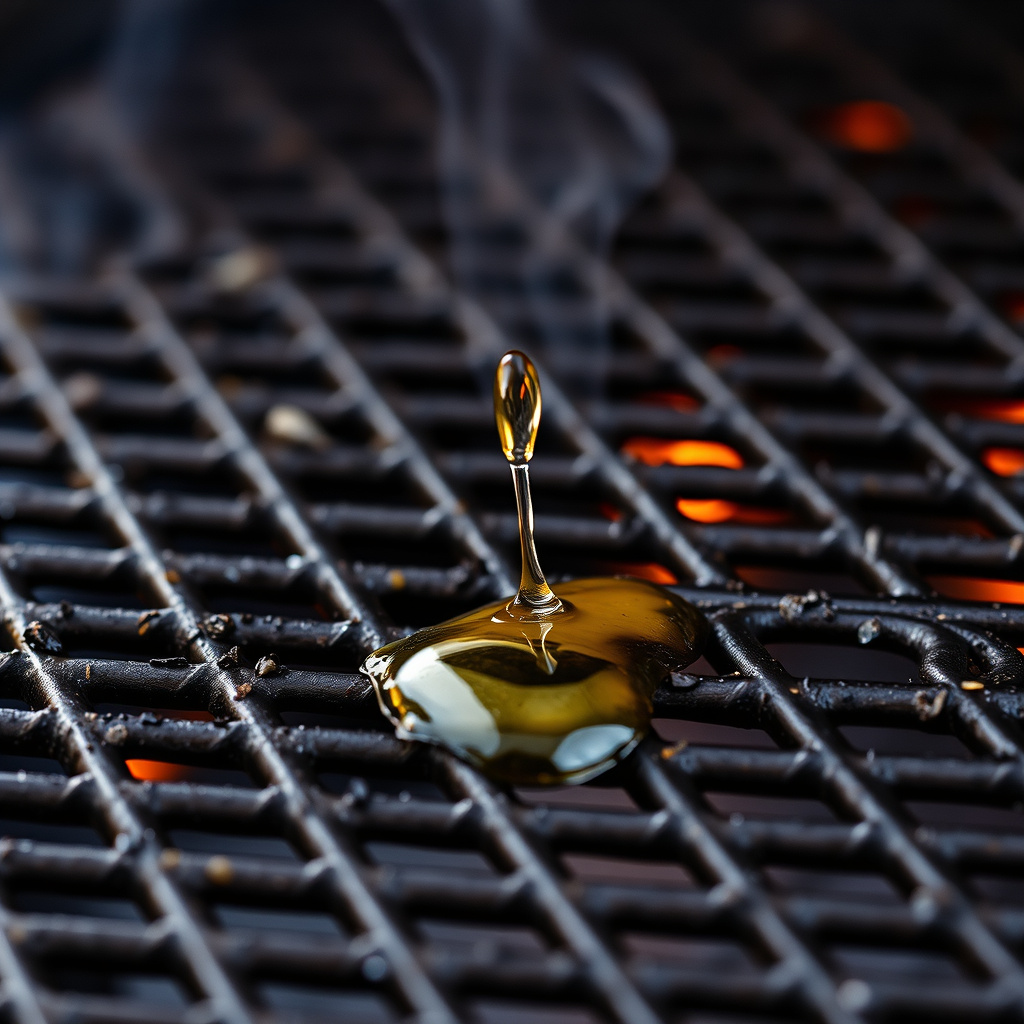
Trimming Meat and Using Lean Cuts
Trimming excess fat from meats before grilling significantly reduces the fuel available for flare ups. Fat rendered off cuts drips onto flames or hot surfaces causing sudden bursts of fire. Opting for leaner cuts or trimming visible fat lowers flare up risk without sacrificing flavor.
Choosing meats known for modest fat content, like skinless chicken breasts or sirloin steaks, also helps maintain steady grilling temperatures and even cooking. When fattier cuts are desired, trim large fat deposits and monitor carefully during grilling.
- Remove large fat caps
- Prefer lean cuts for extended grilling
- Trim fat close to cooking time
Controlling Added Oils and Marinades
Overly oily marinades or brushing thick layers of oil can drip and ignite on the grill surface, sparking flare ups. Use oil sparingly and apply marinades that absorb well into the meat or vegetables to minimize drips.
Patting excess marinade off the food before grilling and using spray bottles to mist oil instead of pouring it on can help keep flare ups at bay while enhancing char and flavor.
- Use oil sparingly
- Pat excess marinade
- Mist oils with spray bottle
Heat and Airflow Control Techniques
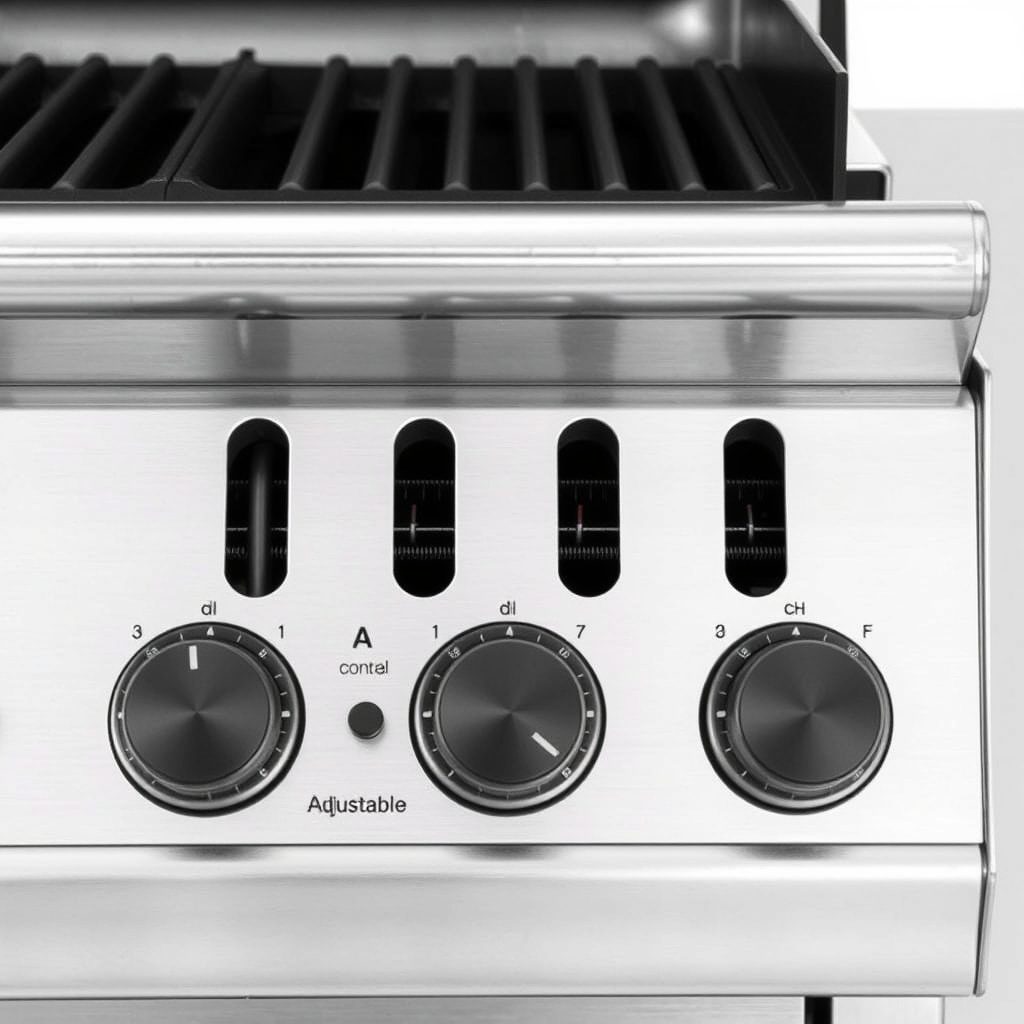
Using Two-Zone Cooking to Avoid Flare Ups
Setting up a grill with distinct hot and cooler zones allows you to sear food over direct heat while moving it away from flames to finish cooking. This method prevents food from staying over flare-up-prone areas too long.
Two-zone cooking also gives you a safe spot to place food that is flaring up or releasing excess fat, reducing burnt spots or fire hazards.
- Direct heat zone for searing
- Indirect heat zone for finishing cooking
- Move food during flare ups
For more on this, see our related guide: Why Does My Grill Have Flare Ups? Understanding and Preventing Flare Ups.
Controlling Airflow to Regulate Flames
Adjusting grill vents or gas knobs lets you control oxygen flow, which directly influences flame size and flare ups. Closing vents partially lowers oxygen and reduces flare intensity without smothering fire completely.
Learning your specific grill’s airflow system helps you quickly respond if flames flare unexpectedly, preventing damage or dangerous conditions.
- Adjust grill vents to control oxygen
- Lower heat to manage flames
- Know your grill’s venting system
Keeping Your Grill Clean for Flare-Up Control
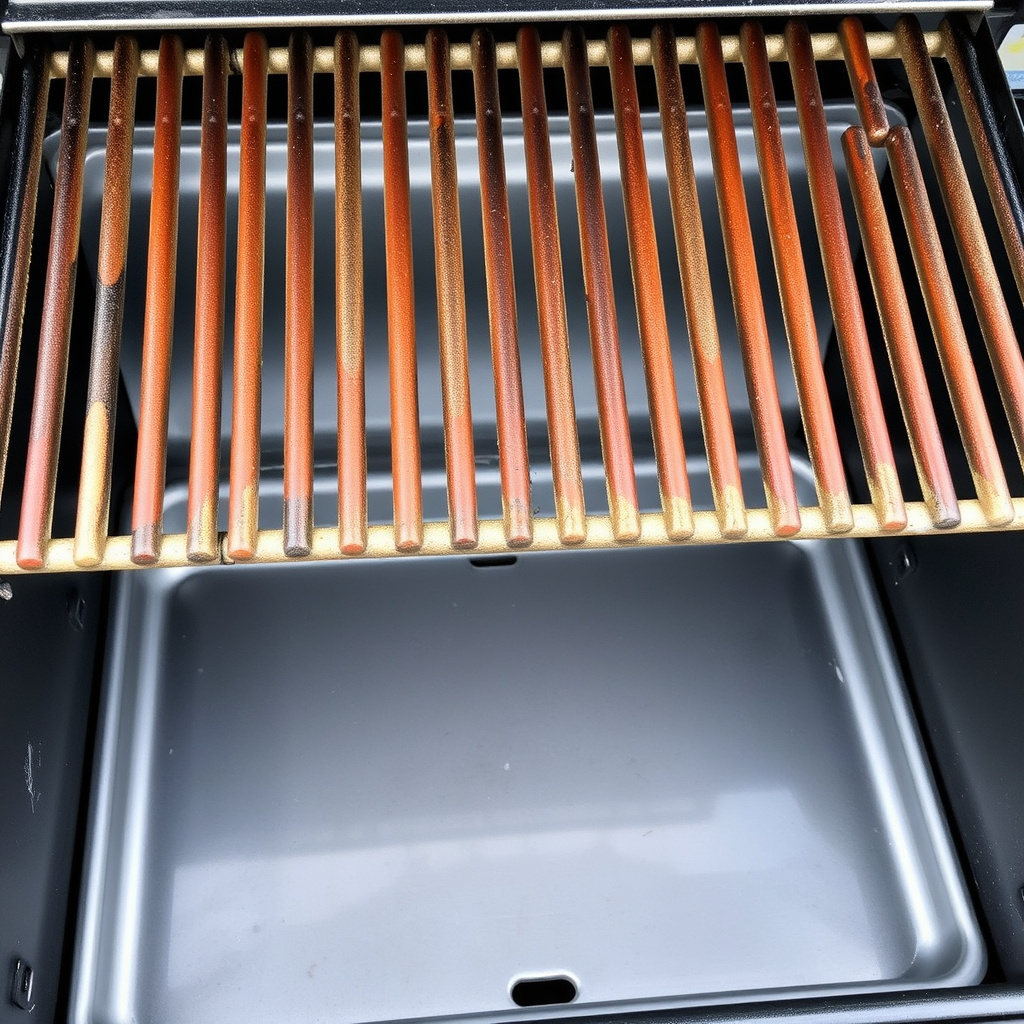
Removing Grease and Food Residue
Grease buildup on grill grates and drip pans accumulates fatty residue that easily ignites. Regular cleaning after each use removes leftover oils and charred bits, cutting flare up risk significantly.
Use grill brushes or scrapers to clean grates thoroughly, and wipe down or replace drip trays where grease collects before it hardens.
- Clean grates after every use
- Empty and clean drip pans
- Remove charred debris
Performing Deep Maintenance Periodically
Deep cleaning sessions several times a season, including burner inspection and cleaning, help maintain even heat distribution and reduce flare ups caused by uneven flames or clogged fuel lines.
Disassemble parts as recommended by the manufacturer to access and clean grease traps, burners, and heat deflectors.
- Deep clean burners and components
- Check for grease buildup in hidden areas
- Schedule periodic maintenance
Effective Responses When Flare Ups Occur
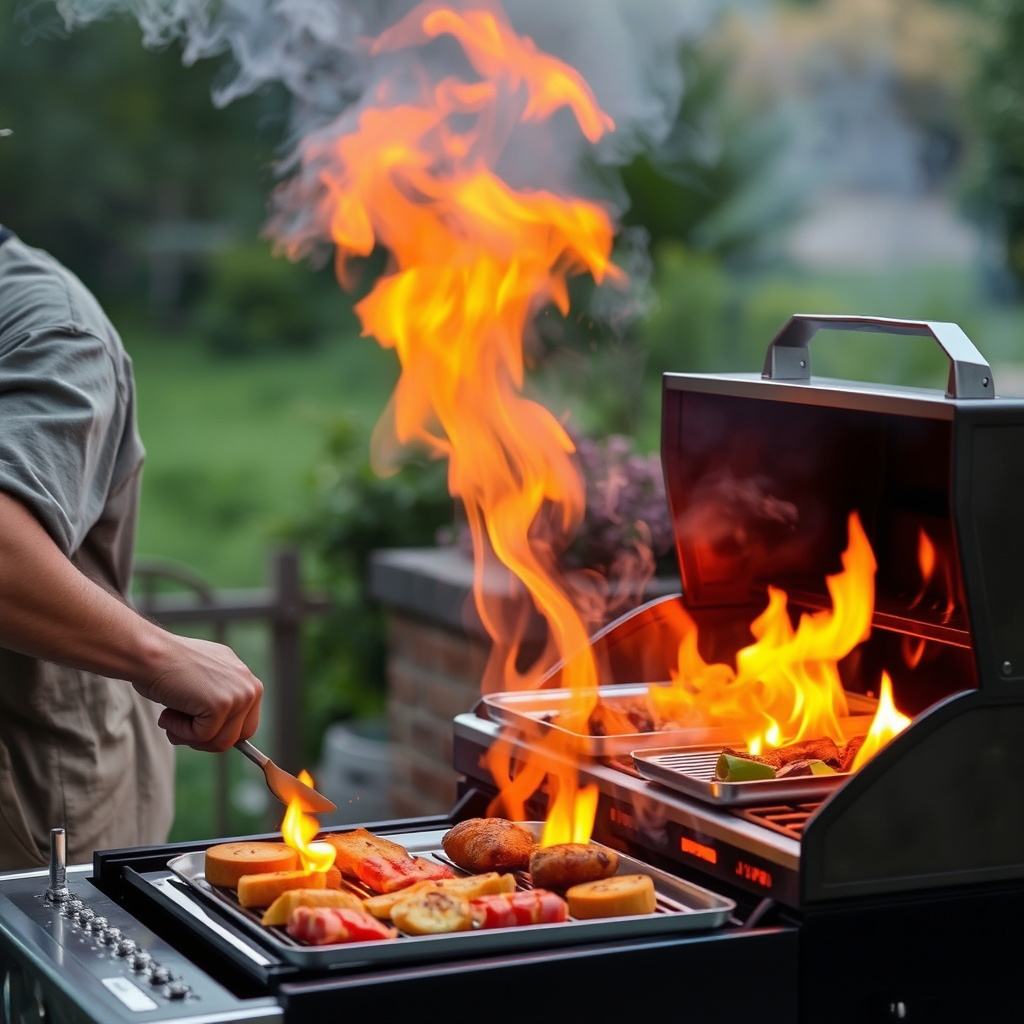
Moving Food and Using the Lid
If flare ups start suddenly, quickly move food to the cooler side of the grill to avoid charring or burnt flavor. Closing the grill lid limits oxygen which usually helps flames subside faster.
Avoid spraying water on flare ups as it causes steam and ash to land on food, diminishing taste and safety.
- Move food to indirect heat
- Close lid to contain flames
- Avoid water sprays on flare ups
For more on this, see our related guide: How to Keep Food from Sticking to Grill: Practical Tips for Perfect Grilling.
Using Grill Tools and Fire Suppressants
Keeping a grill spatula or tongs nearby lets you safely reposition food or shift flaming coals to reduce flare ups. Some grillers keep a fire extinguisher or baking soda within reach for emergencies but avoid any liquids that can spread grease fires.
Turning off burners momentarily on gas grills can also help reduce flame intensity when flare ups happen.
- Use tools to move food
- Have baking soda or extinguisher ready
- Adjust burners to control heat
Comparing Grill Types and Flare Up Risks
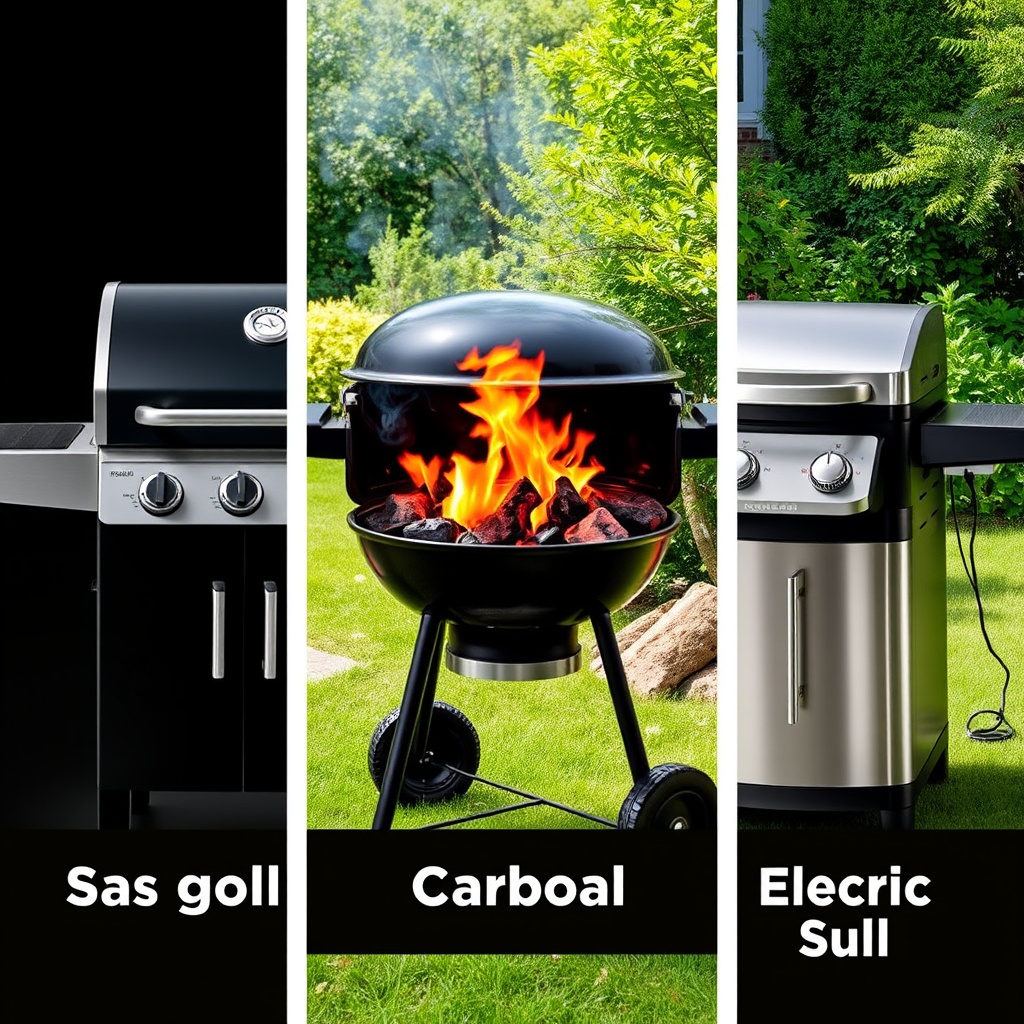
Gas Grills and Flare Ups
Gas grills are prone to flare ups from grease dripping onto burners and igniting. Their quick heat recovery means flames can flare rapidly but also subside quickly with controlled airflow and shutoff knobs.
Built-in features like grease management systems and removable drip trays help reduce flare ups on gas grills.
- Quick to flare and settle
- Grease traps reduce risk
- Easy heat adjustment
Understanding how flammable liquids interact with fire can provide useful context for preventing grill flare ups. flammable liquids and flare ups.
Charcoal and Electric Grills
Charcoal grills can flare up when fat drips onto hot coals. Flair control involves spacing coals strategically and controlling vents. Electric grills have minimal flare ups due to no open flames but can also burn oils if overheated.
Charcoal requires more active flare-up management, while electric grills offer consistent heat with fewer flare risks.
- Charcoal needs vent control
- Electric grills have lower flare risks
- Coals spacing matters
Grill Types and Flare-Up Risk Comparison
The table below contrasts various grill types regarding their flare-up tendencies, control features, and maintenance needs.
| Grill Type | Flare-Up Frequency | Control Options | Maintenance Complexity |
|---|---|---|---|
| Gas Grill | Moderate | Adjustable burners and vents, grease traps | Medium |
| Charcoal Grill | High | Charcoal arrangement, vent control | High |
| Electric Grill | Low | Thermostatic heat control | Low |
| Pellet Grill | Low to Moderate | Automated feed with temperature controls | Medium |
Frequently Asked Questions
Why do flare ups happen more with fatty meats?
Fatty meats release more grease as they cook, and when this drips onto hot grill surfaces or flames, it ignites flare ups. Trimming fat reduces these drips and lowers flare risk.
Is it safe to use water to extinguish flare ups on a grill?
Spraying water on flare ups is not recommended as it can cause steam, ash, and grease to spread, worsening the situation. Instead, move food away and close the lid to reduce oxygen.
How often should you clean your grill to prevent flare ups?
Cleaning grill grates and drip pans after each use prevents grease buildup. Deep maintenance, including burner cleaning, should be done a few times per grilling season.
Does using a marinade increase flare up risk?
Marinades with excessive oil can drip and cause flare ups. Patting food dry before grilling and applying thin layers of oil help reduce this risk.
What is two-zone cooking and how does it help with flare ups?
Two-zone cooking creates hot and cooler sections on the grill, allowing you to sear food on direct heat then move it away to finish cooking without flare-ups.
Key Takeaways
- Trim excess fat and choose lean cuts to lower flare ups
- Control heat and airflow using two-zone cooking and vents
- Keep your grill clean to prevent grease ignition
- Move food away and close the lid when flare ups occur
Conclusion
When deciding how to prevent flare ups on a grill, the best approach is a combination of preparation, active cooking techniques, and regular maintenance. Managing the fat content of what you grill, applying smart heat controls like two-zone setups, and cleaning your grill thoroughly are proven ways to keep flames manageable and consistent. Understanding your grill’s airflow and features also plays a key role in flare-up prevention.
For those who often grill fattier meats or marinated items, trimming fat and using grill areas strategically can reduce risks without compromising flavor. Gas grills offer convenient controls and grease traps for easier flare-up management, whereas charcoal grills require more attention to coal placement and vents. Electric grills minimize flare ups but lack the smoky flavor some prefer, making choice of grill type important based on your flare-up priorities and cooking preferences.
Next time you fire up the grill, start with lean cuts or well-trimmed meats, set up a two-zone cooking area, and keep a spray bottle or spatula handy to safely respond if sudden flare ups threaten your meal. Following these practices will help you enjoy safer, tastier grilling with fewer fire surprises.



