
If your gas grill won't light, the issue is often due to a clogged burner, empty propane tank, faulty igniter, or obstructed gas flow. To fix it, start by checking the fuel supply, clean the burners, test the igniter, and examine the gas lines for blockages or leaks. These steps usually resolve the problem quickly.
A gas grill that fails to ignite not only prevents you from cooking but can be a source of frustration and concern. Understanding the potential causes helps you tackle each one with confidence, saving time and money on unnecessary repairs or replacements.
This article covers how to safely diagnose and fix common gas grill lighting problems including fuel supply issues, burner cleaning techniques, igniter troubleshooting, and gas line inspections, so you can restore your grill's performance and enjoy outdoor cooking again.
Checking the Fuel Supply and Propane Tank
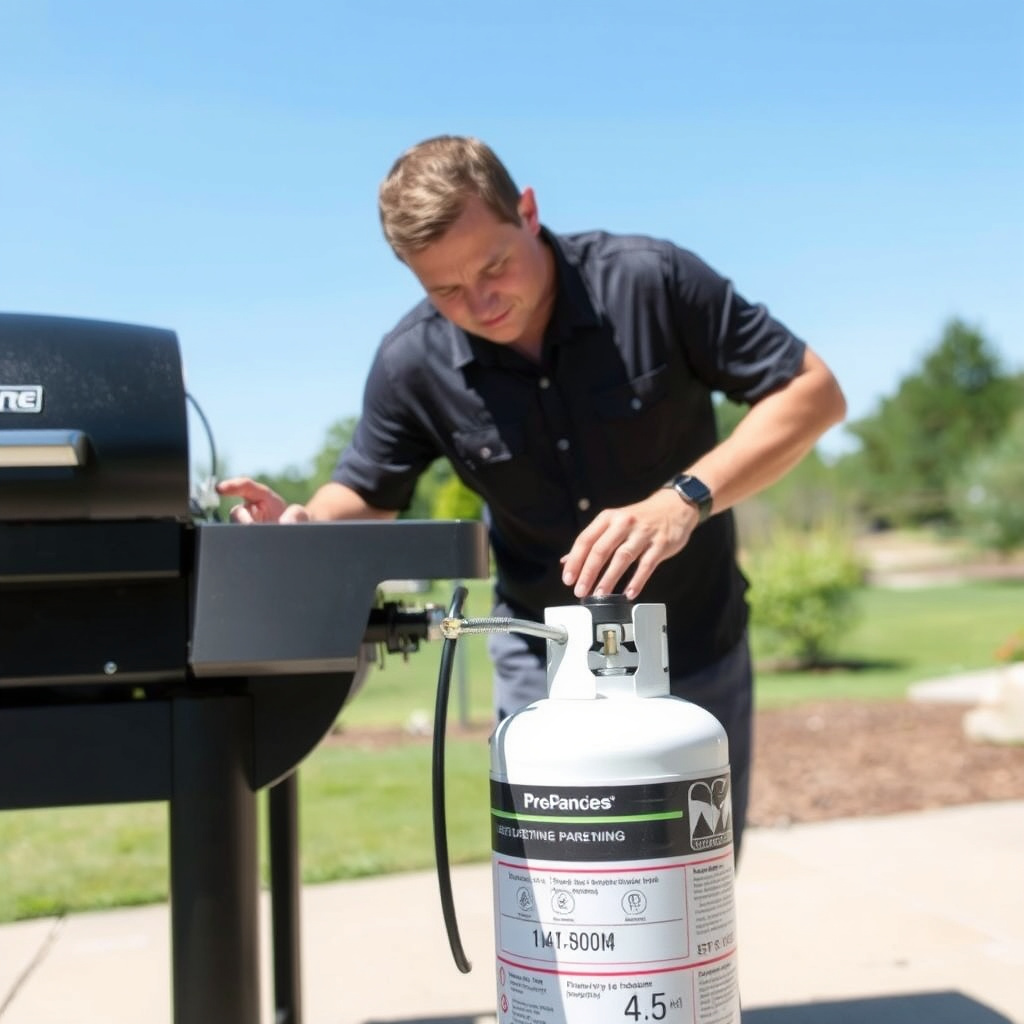
Inspecting the Propane Tank
Start by verifying that your propane tank has fuel. Even if it feels heavy, the tank might be empty or low. Disconnect the tank and check the gauge if available. Replace or refill the tank if necessary to assure steady gas flow to your grill.
Additionally, ensure the tank valve is fully opened. A partially closed valve can restrict gas flow, preventing ignition. Make sure connections between the regulator and tank are tight, which helps maintain proper pressure.
- Check for visible rust or damage on the tank.
- Use soapy water to detect leaks at connection points.
- Replace an old or faulty propane tank if suspected.
Evaluating the Regulator and Hose
The regulator controls gas pressure from the tank to the grill. If it malfunctions, your grill may fail to light. Remove the regulator and inspect it visually for cracks, dirt, or debris.
Check hoses for cracks, holes or kinks that could block gas flow. Replace any damaged hoses, and make sure the hose connection is secure. Regular maintenance of these components prevents common gas grill lighting problems.
- Replace regulator if more than 10 years old or visibly damaged.
- Avoid sharp bends in the hose when positioning the grill.
Cleaning and Inspecting the Burners
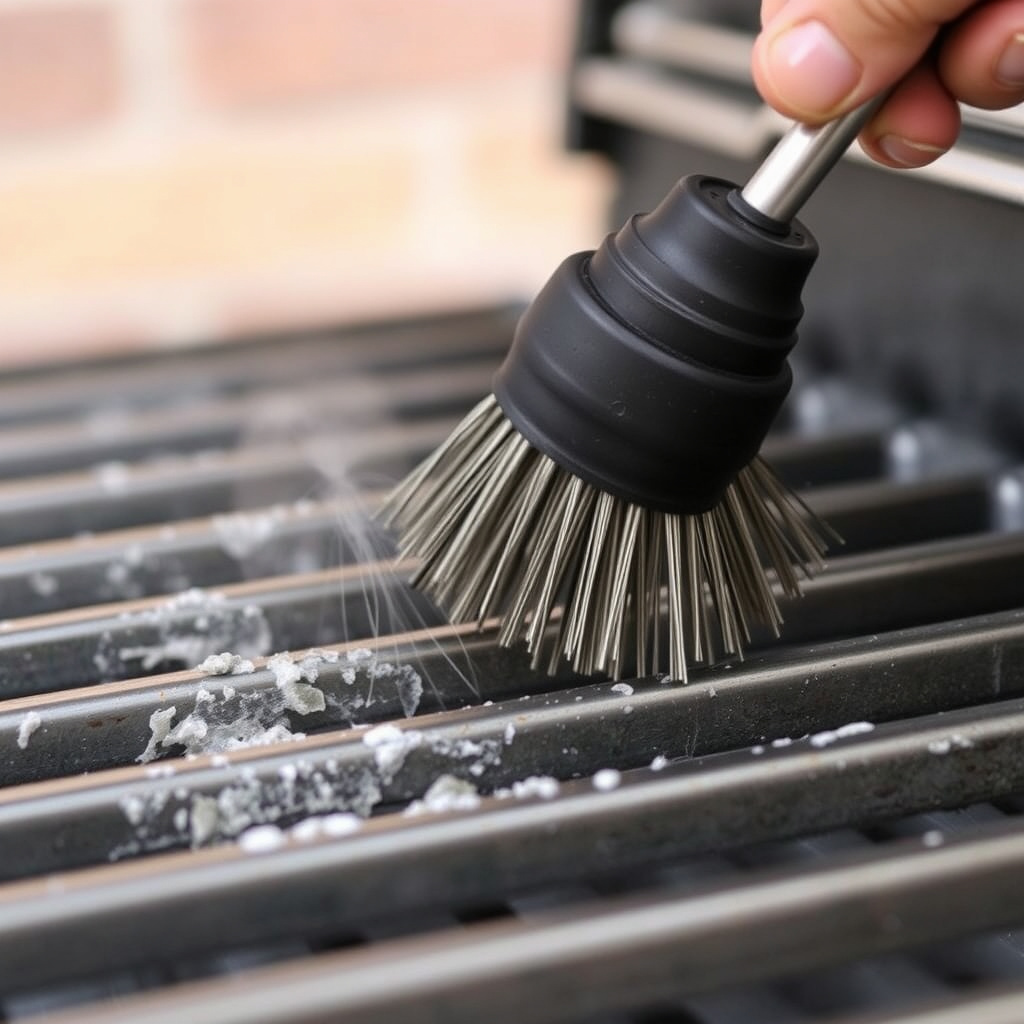
Removing and Cleaning Burners
Clogged burners are one of the top reasons a gas grill won’t light. Burners can become blocked by grease, food residue, or insects. Removing the burners allows you to clean the ports with a wire brush or a toothpick to clear obstructions.
Make sure to clean both the top and underside of each burner. After cleaning, reinstall the burners properly to ensure gas flows evenly through all ports for consistent ignition.
- Wear gloves to avoid cuts from sharp edges.
- Use a soft brush to avoid damaging burner surface.
- Never use a pin or metal wire that might enlarge holes.
For more on this, see our related guide: Why Won’t My Gas Grill Light? Troubleshooting Common Issues.
Checking Burners for Damage
Inspect burners for corrosion, rust, or cracks. Damaged burners spray gas unevenly, preventing ignition or causing unsafe flare-ups. Replace any burners that show significant wear or damage.
Ensure the burner vents align correctly with the gas valve outlets and the ignition source, as misalignment can stop proper lighting.
- Test burners after cleaning by turning the grill on briefly.
- Replace with manufacturer-specified burners if necessary.
Troubleshooting the Ignition System
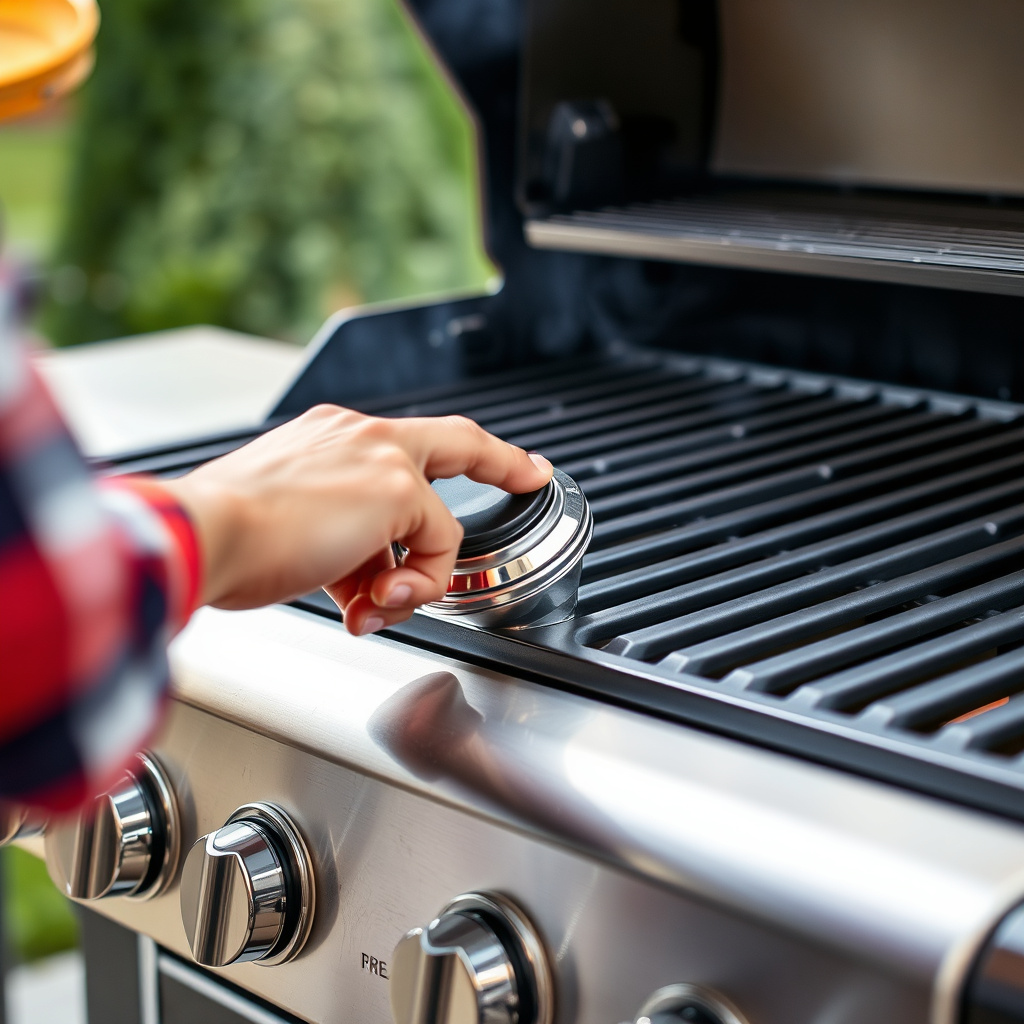
Testing the Spark Igniter
Most gas grills use a spark igniter to create the flame. If nothing happens when pressing the igniter button, the ignition electrode or piezo igniter might be faulty. Remove the electrode to check for dirt or corrosion and clean gently.
If cleaning doesn’t restore function, test the wires connected to the igniter for damage or disconnections, and replace any broken parts.
- Look for a visible spark when pressing the igniter near the burner.
- Replace ignition battery if your grill requires one.
Lighting Manually for Safety Checks
If the igniter fails but gas flows adequately, you can light the grill manually with a long match or grill lighter. Use caution to avoid burns or gas buildup before lighting.
This method helps determine if the problem is with the igniter or gas system and lets you use the grill temporarily until the igniter is repaired.
- Open the grill lid to prevent gas accumulation.
- Hold the flame near burner ports while slowly turning on the gas.
Inspecting and Clearing Gas Lines
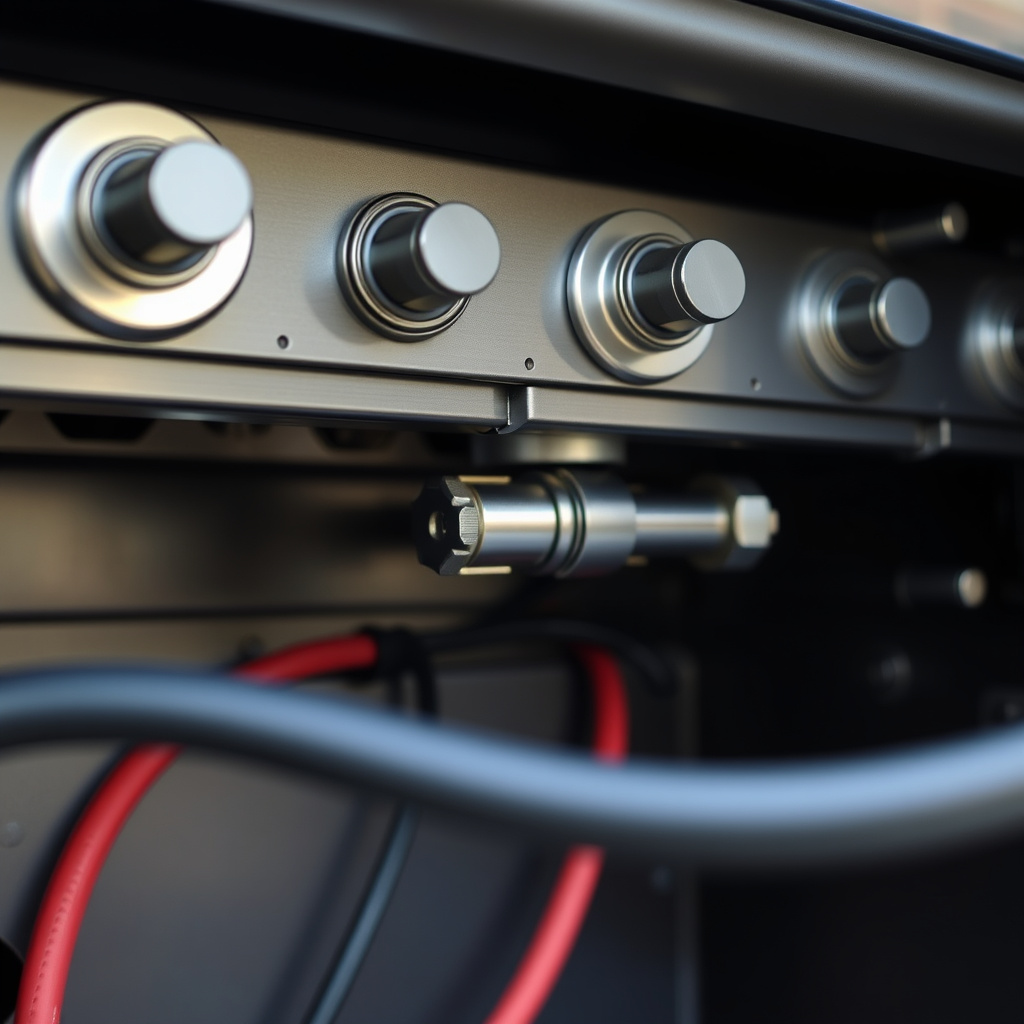
Checking for Gas Leaks
Gas leaks are dangerous and can prevent your grill from lighting. Apply a soap and water mixture to hoses and connections. If bubbles form, gas is escaping and parts should be tightened or replaced immediately.
Gas leaks reduce fuel pressure, causing lighting issues, and present a fire risk. Never use your grill if a leak is suspected until repairs are made.
- Turn off the grill and propane before testing.
- Replace cracked or brittle hoses promptly.
Clearing Blockages in Gas Lines
Over time, rodent nests, debris, or rust inside gas lines can block flow. Disconnect hoses and blow air through them or use compressed air to clear obstructions.
For internal blockages in larger tubes, professional servicing is recommended to avoid damage.
- Avoid sharp bends that might trap debris.
- Regularly clean gas lines in high-use grills.
Maintaining Your Gas Grill for Consistent Lighting
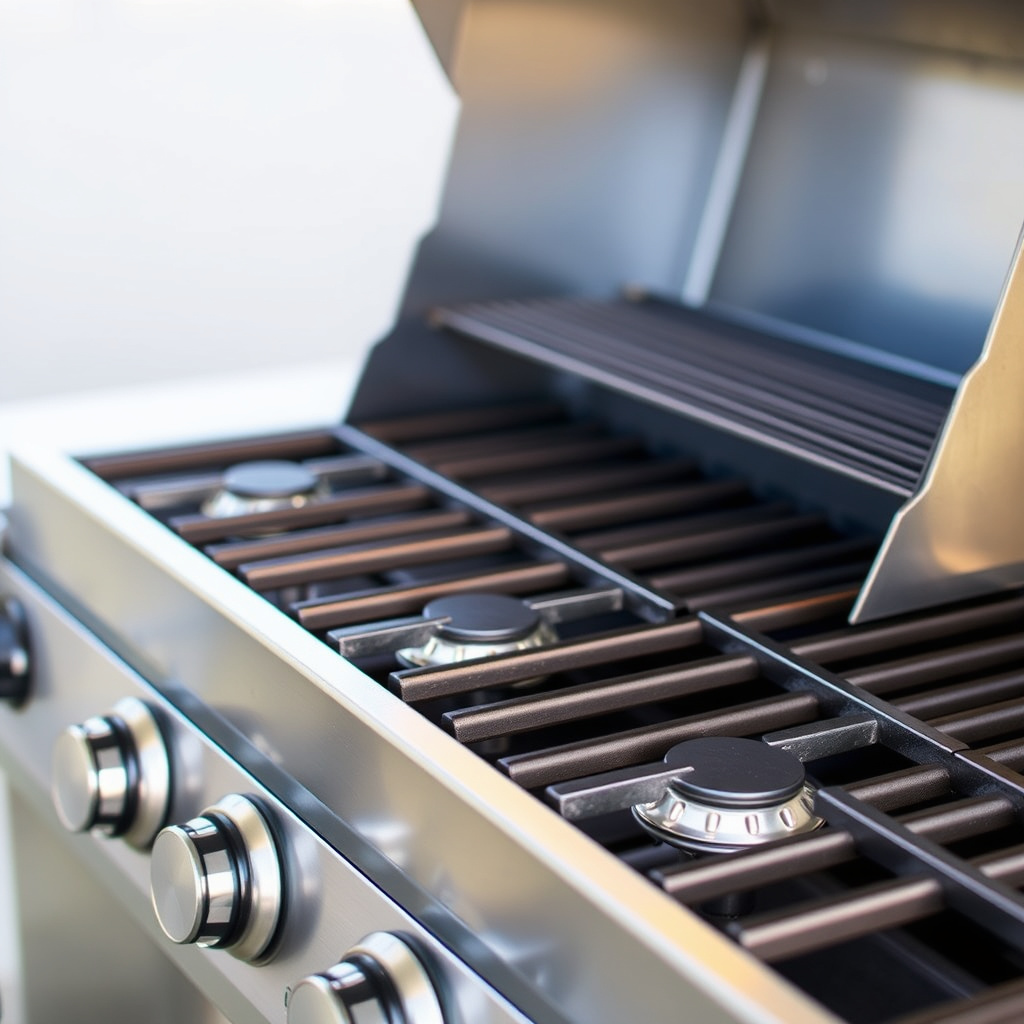
Routine Cleaning and Inspection
Regularly clean burners, ignition components, and grease chambers to prevent buildup that impedes lighting. Inspections every season before grill use help spot early wear or damage.
Wiping down connections and testing igniters ensures reliable performance, reducing downtime and enhancing safety.
- Remove debris from grease trays and pans.
- Store grill with a cover to prevent weather damage.
For further guidance on grill upkeep and safe operation, check out this resource on gas grill maintenance tips. gas grill maintenance tips.
Storing and Protecting Your Grill
Proper storage protects your grill against moisture and rusting parts that can cause lighting failures over time. Use a waterproof cover, disconnect propane tanks safely, and keep your grill in a sheltered area.
Seasonal maintenance such as replacing worn hoses or regulators before heavy use can save frustration later.
- Disconnect tanks during long periods of non-use.
- Check for insect nests in vents before each grilling season.
Gas Grill Ignition Types Comparison
Below is a comparison of popular gas grill ignition systems and their typical characteristics.
| Ignition Type | Reliability | Ease of Use | Maintenance Needs | Cost |
|---|---|---|---|---|
| Piezo Igniter | High | Easy | Low | Low |
| Electronic Spark Igniter | Medium | Very Easy | Medium | Medium |
| Manual Match Lighting | Low | Difficult | Low | Very Low |
| Battery-Powered Igniter | High | Easy | Medium | Medium |
Frequently Asked Questions
Why does my gas grill light then immediately go out?
This can happen if the flame sensor is dirty or faulty, causing the gas valve to shut off. Cleaning the igniter rod or replacing the sensor usually fixes the problem.
Can I use water to clean grill burners?
Using limited water when cleaning burners is okay, but avoid soaking them to prevent rust. It’s best to use a wire brush and wipe off debris dry.
How do I know if my propane tank is empty?
You can check by the tank's weight or use a propane gauge. A completely empty tank feels much lighter and won’t supply gas to your grill.
Is it safe to light my gas grill with a match?
Yes, if the igniter fails, you can light the grill with a long match but take safety precautions such as opening the lid and lighting carefully to avoid gas buildup.
How often should I replace the gas hose on my grill?
Inspect your hose annually and replace it if you see cracks, brittleness, or signs of wear. Most hoses last several years but timely replacement prevents leaks.
Key Takeaways
- Always verify fuel supply and open propane valves fully.
- Clean and inspect burners regularly to prevent clogs.
- Test and maintain igniters for reliable spark creation.
- Check gas lines for leaks and blockages before grilling.
Conclusion
Resolving the issue of a gas grill that won’t light involves systematically ruling out common problems like empty propane tanks, clogged burners, faulty igniters, and gas line obstructions. A methodical approach helps identify the cause without unnecessary part replacements or costs, restoring grill function safely and efficiently.
For daily grill users, routine burner cleaning and checking for gas leaks are critical and often solve lighting issues quickly. If the igniter fails, upgrading to an electronic spark igniter can provide convenience, while propane tank management remains a simple but vital step for infrequent grillers. Each fix aligns with different usage scenarios and budgets.
If your grill continues to resist lighting after addressing these areas, it’s wise to consult a professional repair technician to check internal valves and regulators. Taking care with regular maintenance and early repairs will help keep your gas grill ready for many seasons of flavorful cooking.



