
Keeping food from sticking to the grill starts with proper preparation, especially cleaning and oiling your grill grates before cooking. A clean, well-oiled grill surface creates a barrier between the metal and the food, preventing sticking whether you grill meat, vegetables, or delicate fish.
Sticking food can ruin your grilling experience, causing messes and food loss. Factors like residual food particles, insufficient preheating, or incorrect oil application all contribute to sticking issues. Understanding these factors helps you make your next barbecue smoother and more enjoyable.
This article will cover simple steps to prevent sticking, including preheating strategies, best oils to use, grilling techniques for sticky ingredients, and care tips for your grill. You’ll also find comparisons of various grill types and their stick-resistance, plus answers to common grilling questions.
Preparing Your Grill to Keep Food from Sticking to Grill
Cleaning Your Grill Grates Properly
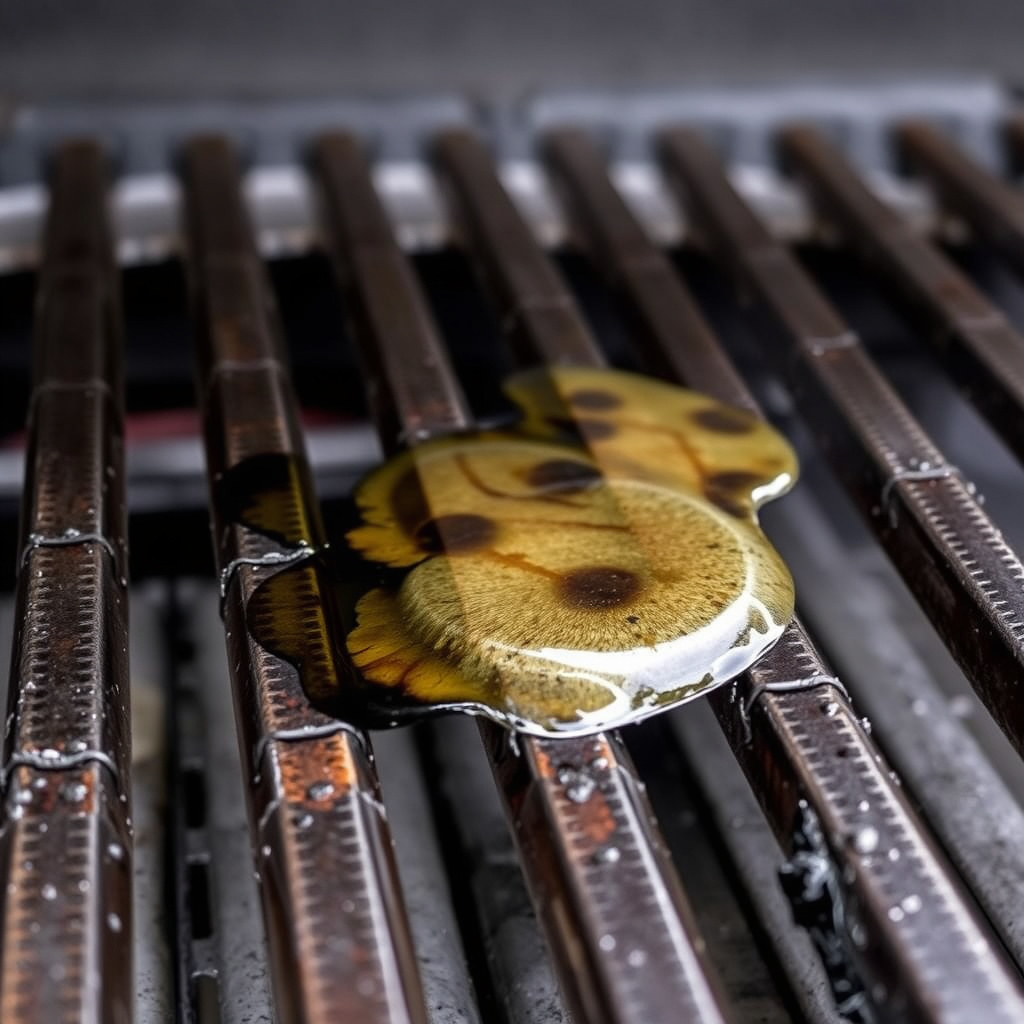
The first step to prevent sticking is to clean your grill grates thoroughly. Residual food particles and grease can create uneven cooking surfaces that trap food. Use a stiff wire brush or a specialized grill scraper to remove debris after each use.
Make sure to clean both before and after cooking. Pre-cleaning eliminates old buildup, while post-cooking cleaning prevents residue hardening. For stubborn grime, a soak in hot soapy water can restore your grates’ smoothness.
- Use a grill brush with stainless steel bristles
- Heat grill slightly before brushing for easier cleaning
- Avoid harsh chemicals that damage grate coating
- Clean grates after each grilling session
Oiling the Grill for a Non-Stick Surface
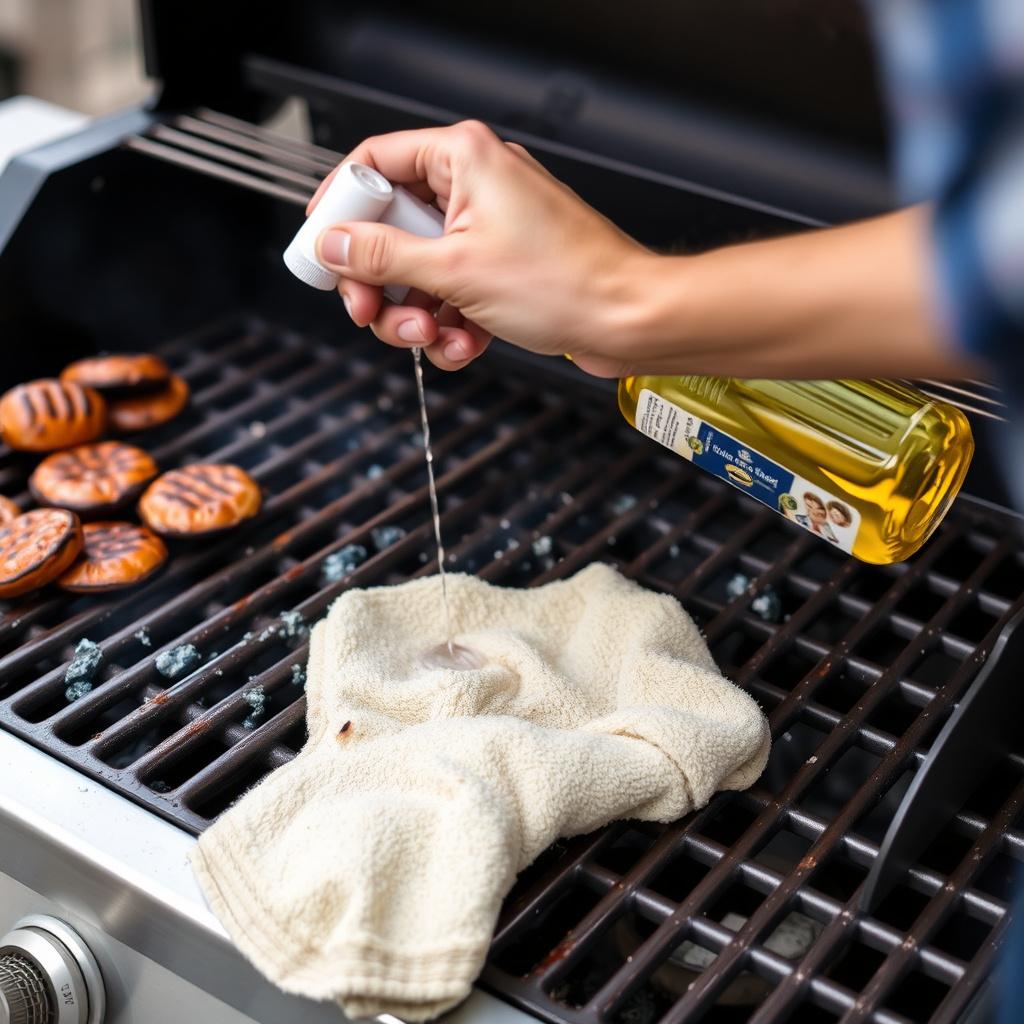
After cleaning, the next critical step is oiling your grill grates. Apply a thin layer of a high smoke point oil, like canola or grapeseed oil, using a paper towel held with tongs. This creates a protective, non-stick coating.
Avoid spraying oil directly onto a hot grill since it may cause flare-ups. Instead, oil the grates when they are warm but not scorching. This technique helps food to release easily when flipped and reduces the chance of tearing or sticking.
- Choose oils with high smoke points (above 400°F)
- Use oil sparingly to avoid flare-ups
- Apply oil with a heat-resistant cloth or paper towel
- Oil grates after preheating but before placing food
Grilling Techniques to Prevent Food Sticking
Proper Preheating and Temperature Control
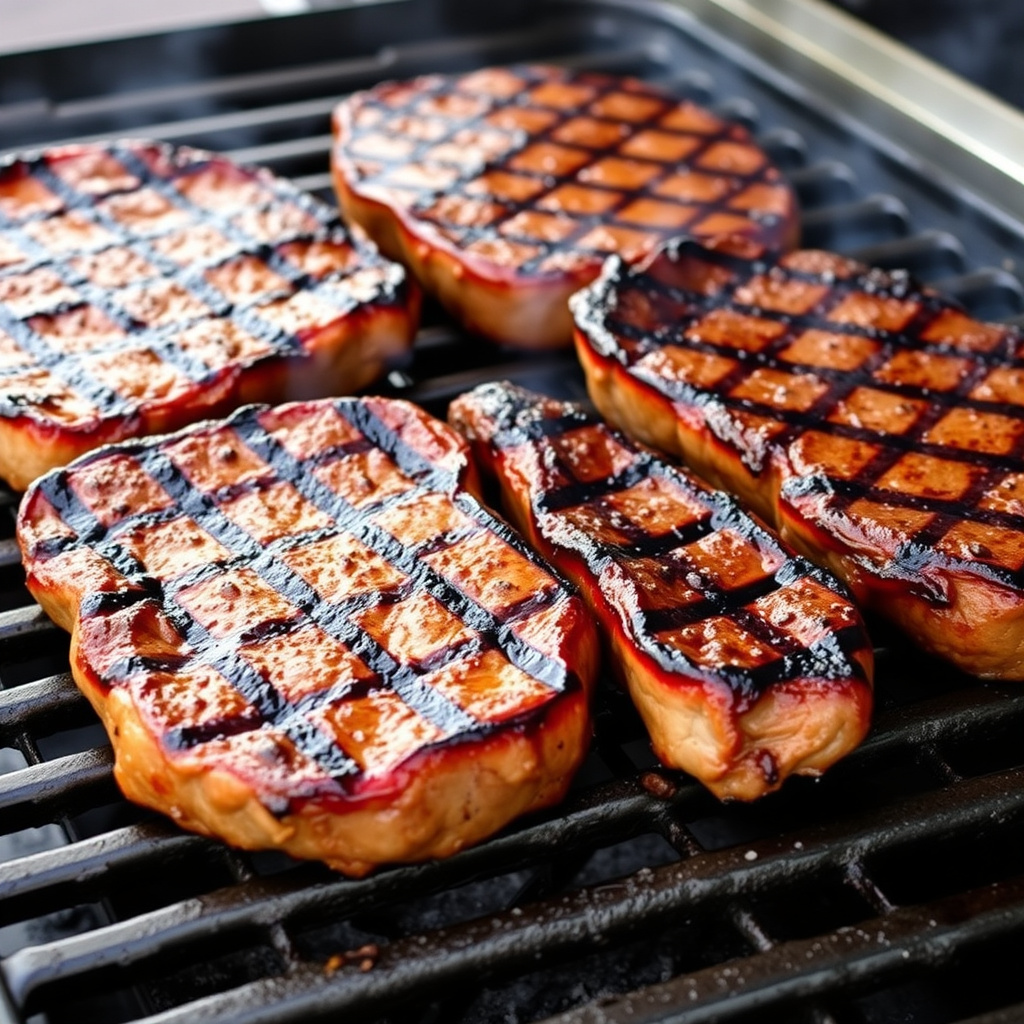
Preheating your grill is essential to keeping food from sticking. When the grates are sufficiently hot, food sears quickly, forming a barrier that prevents adhesion. Ideal preheating times range between 10 to 15 minutes depending on grill type and fuel.
Maintain consistent heat throughout cooking. Fluctuating temperature causes uneven cooking and increases sticking risks. Using a grill with built-in thermometers can help monitor and adjust heat levels precisely.
- Heat grill to 400-500°F for best searing
- Avoid opening the grill lid frequently to retain heat
- Use indirect heat zones for delicate foods
- Check grill temperature with an infrared thermometer
For more on this, see our related guide: How to Choose a Grill: A Practical Guide for Every Backyard Cook.
Handling Food Correctly During Grilling
Pat food dry before grilling to reduce moisture, which can increase sticking. Place food on the grill gently without pressing down, allowing proper sear formation. Resist flipping too early; most foods release naturally when ready to turn.
Use appropriate tools like wide spatulas to flip fragile items like fish. Avoid overcrowding the grill, which lowers surface temperature and causes uneven cooking. Give each item room to breathe and cook evenly.
- Dry food surfaces before grilling
- Wait to flip until clear grill marks form
- Use long-handled, wide spatulas or tongs
- Avoid overcrowding the grill surface
Choosing the Right Oils and Marinades to Reduce Sticking
Best Oils to Use for Grilling
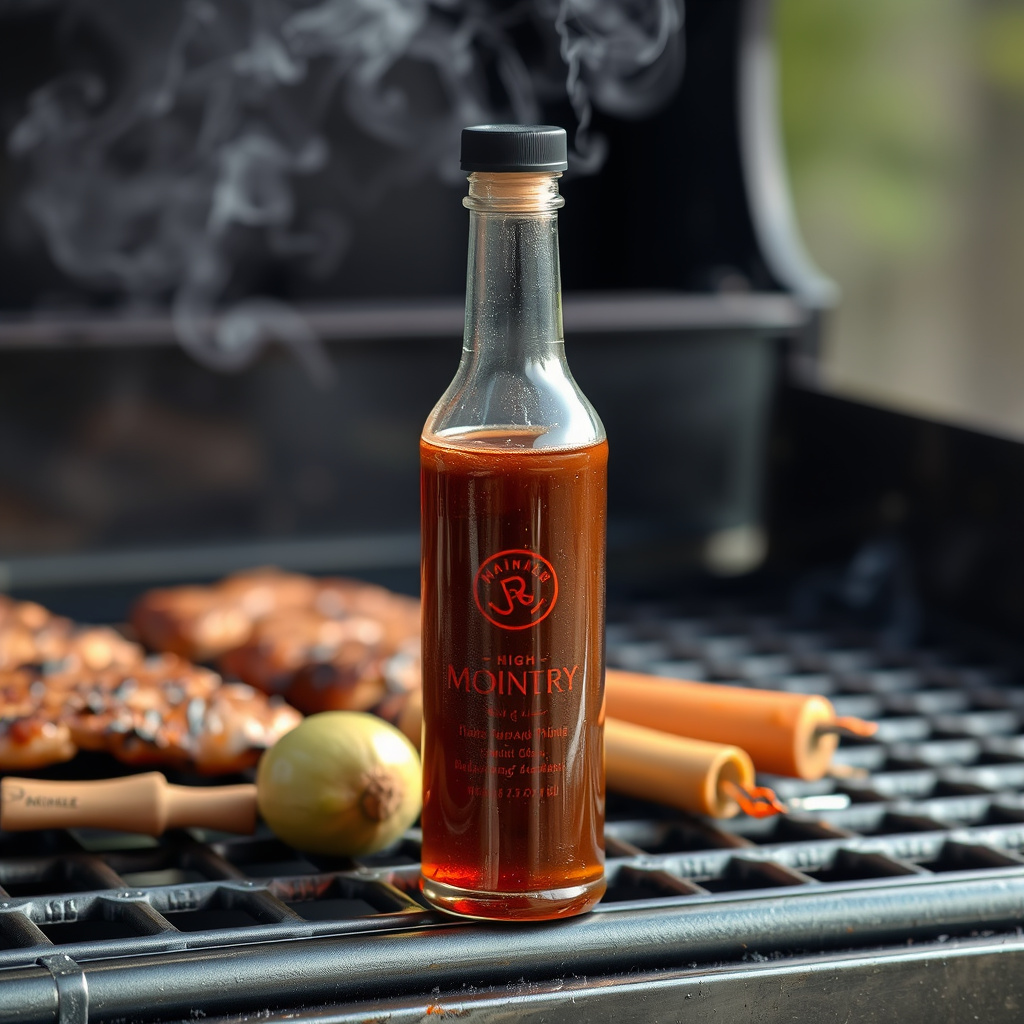
Oils with high smoke points work best for grilling because they withstand high heat without burning or smoking excessively. Canola, grapeseed, avocado, and peanut oils are excellent choices to prevent sticking and add subtle flavor.
Olive oil, while popular, has a lower smoke point and is better for medium-heat cooking or drizzling after grilling. Avoid using butter directly on grates because it burns quickly and can cause sticking.
- Canola oil ( smoke point 400°F )
- Grapeseed oil ( smoke point 420°F )
- Avocado oil ( smoke point 520°F )
- Avoid butter and olive oil for direct grate application
Marinades and Their Role in Grill Stickiness
Marinades rich in sugar or honey can increase sticking because they caramelize and harden on the hot grill. If using sweet marinades, apply them in the last minutes of cooking to reduce sticking.
Acidic marinades with vinegar or citrus soften proteins and can lessen stickiness. Allow enough time for marinades to penetrate but avoid overly wet surfaces before cooking by patting food dry.
- Apply sugary marinades late in cooking
- Pat food dry after marinating
- Use acidic marinades to tenderize
- Avoid thick sugary glazes early in cooking
Grill Types and Their Impact on Preventing Food Sticking to Grill
Cast Iron vs. Stainless Steel Grates
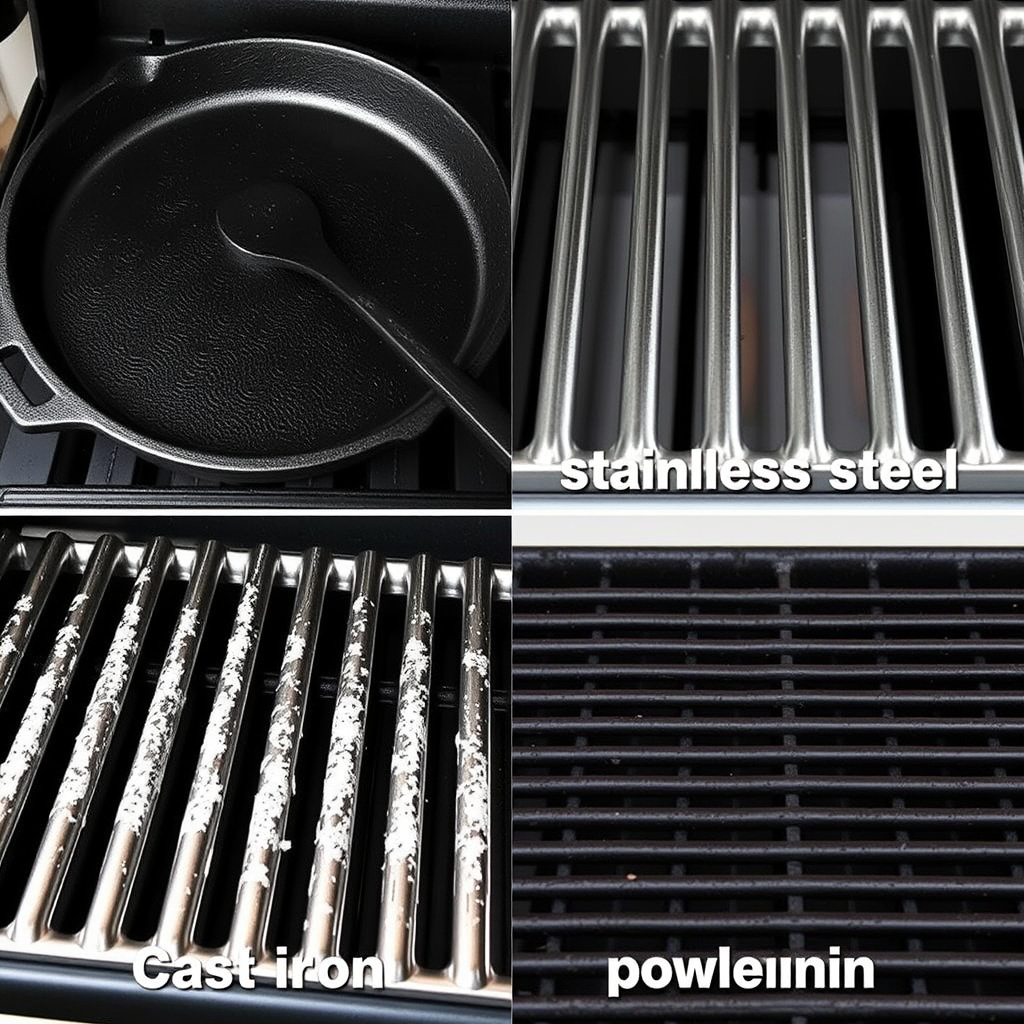
Cast iron grates retain heat exceptionally well, producing even searing temperatures that help food release cleanly. When seasoned properly, cast iron also creates a natural non-stick surface. However, they require regular oiling and maintenance to prevent rust.
Stainless steel grates are durable and easy to clean but may not retain heat as evenly. They are less prone to rust but tend to cause more sticking if not well-oiled or adequately preheated.
- Cast iron: superior heat retention and non-stick when seasoned
- Stainless steel: easier maintenance, less heat retention
- Regular oiling needed for both types
- Season cast iron before each use
For more on this, see our related guide: How to Replace Grill Grates: A Practical Step-by-Step Guide.
Porcelain-Coated and Other Specialty Grates
Porcelain-coated grates have a smooth, glass-like surface that naturally reduces food sticking. They are easy to clean but can chip under heavy use, potentially exposing the metal beneath to rust.
Other specialty surfaces like ceramic or chrome-plated grates offer varying degrees of non-stick performance but also require gentle handling and careful cleaning routines.
- Porcelain coating prevents sticking but can chip
- Ceramic grates retain heat evenly
- Handle coated grates carefully to avoid damage
- Clean gently with nonabrasive tools
Maintaining Your Grill for Long-Term Non-Stick Performance
Routine Post-Grilling Care
After every use, brush the grates while still warm to remove food particles. This prevents buildup that invites sticking in future grillings. Then, apply a light coat of oil to preserve the surface and inhibit rust formation.
Storing your grill with the lid open after cooling helps moisture evaporate, reducing corrosion. Regular cleaning extensions the life of your grill and keeps it performing at its best.
- Brush grates with wire brush after each use
- Apply thin coat of oil before storing
- Store grill in dry, ventilated area
- Schedule deep cleans seasonally
For more detailed background on barbecue grilling methods and equipment, see this grilling article on Wikipedia. Grilling article on Wikipedia.
Deep Cleaning and Seasonal Maintenance
Every few months, deep clean your grill by dismantling grates and soaking in warm, soapy water. Scrub with nonabrasive sponges to remove stuck-on residue. Inspect for wear, rust, or damage and re-season cast iron grates as necessary.
Seasonal maintenance might include checking burners, replacing damaged grates, and cleaning grease traps. Comprehensive upkeep ensures your grill continues to provide food-release-friendly surfaces.
- Disassemble grates for thorough cleaning
- Use hot soapy water and soft scrubbers
- Inspect for rust and wear
- Re-season cast iron grates periodically
Comparison of Grill Grate Types for Food Stick Prevention
The table below compares common grill grate materials on heat retention, stick resistance, maintenance, and durability to help you choose the best option.
| Grate Material | Heat Retention | Stick Resistance | Maintenance Required | Durability |
|---|---|---|---|---|
| Cast Iron | High | Excellent when seasoned | High – requires regular oiling and seasoning | Moderate – prone to rust if neglected |
| Stainless Steel | Moderate | Moderate – needs good preheating and oil | Low – easy cleaning, less maintenance | High – resists rust and wear |
| Porcelain-Coated Steel | Moderate | Good – smooth surface reduces sticking | Medium – avoid chipping and harsh brushes | Moderate – coating can chip exposing metal |
| Ceramic | High | Good | Medium – gentle cleaning needed | Moderate – fragile coating |
Frequently Asked Questions
Why does food stick to my grill even when it’s clean?
Food can stick if the grill isn’t properly preheated or oiled. Preheating creates a seared crust that releases easily, and oiling adds a barrier preventing adhesion.
Can I use butter or olive oil on the grill to prevent sticking?
Butter and olive oil have low smoke points and can burn quickly, causing sticking and flare-ups. Use high smoke point oils like canola or grapeseed instead.
How often should I clean and oil my grill grates?
Clean your grates after every use and apply a thin oil coat each time to maintain the non-stick surface and prevent rust.
Does marinating meat help prevent it from sticking to the grill?
Marinating can help tenderize but sugary marinades increase sticking if applied early. Pat meat dry before grilling and add sweet sauces near the end.
What’s the best way to flip food without it sticking?
Wait until food naturally releases from the grill, usually when grill marks form. Use a wide spatula or tongs gently to flip, avoiding pressing down on the food.
Are there certain foods more likely to stick to the grill?
Yes, delicate foods like fish and vegetables tend to stick more due to their structure. Using proper heat and oiling techniques reduces sticking risks.
Key Takeaways
- Clean and oil grill grates before each use to create a non-stick surface.
- Preheat the grill properly and maintain consistent temperatures for better searing.
- Choose high smoke point oils and apply them carefully to prevent flare-ups.
- Select grate materials suited to your maintenance preferences and cooking style.
Conclusion
Deciding how to keep food from sticking to the grill hinges mainly on preparation and proper grill maintenance. Ensuring your grill grates are clean and well-oiled before cooking forms the foundation for food to release cleanly. Alongside this, correct preheating to achieve high, steady heat allows creating a natural seared barrier that minimizes sticking. Understanding how your grate material interacts with heat and oil can tailor your approach—cast iron needs seasoning but rewards with stick resistance, while stainless steel requires attentive oiling. Incorporating these factors affords a consistent, enjoyable grilling experience without the frustration of stuck food.
For specific grilling scenarios, using cast iron grates with regular seasoning produces excellent results for steaks and burgers where even heat retention matters. Conversely, stainless steel grates suit busy grillers desiring easier cleanup though requiring more vigilant oil application to avoid sticking. When using marinades or grilling delicate items like fish, remember to apply sugary sauces later in cooking and maintain indirect heat zones. Incorporating these techniques alongside the recommended high smoke point oils enhances food release quality and flavor retention, transforming grilling sessions whether casual or gourmet.
Taking practical steps to maintain your grill beyond cooking sessions will pay off in superior performance over time. After every cookout, clean and lightly oil your grates to preserve their non-stick qualities and prevent rust. Seasonal deep cleaning and inspection help catch wear early, so your grill remains a reliable cooking tool. By combining preventative care with attentive cooking techniques demonstrated here, you’ll master how to keep food from sticking to grill surfaces, creating flawlessly grilled food and a more satisfying barbecue experience every time.



