
If you want to enjoy flavorful outdoor meals, learning how to choose a grill that suits your needs is key. Deciding on the right grill depends on factors like fuel type, cooking space, temperature control, and maintenance. Whether you prefer gas, charcoal, or electric, matching your grill to your habits and preferences is the first step.
A grill is more than a cooking tool—it shapes your whole outdoor cooking experience. Selecting the wrong grill can lead to frustration, wasted money, or limited cooking options. Understanding the pros and cons of different grill styles and their capacities will help you find a model that delivers consistent performance and fits your space.
This article breaks down major grill types, fuel options, cooking features, and maintenance tips. It also compares models across price ranges and capabilities, helping you spot the best grill for backyard gatherings, small patios, or serious weekend barbecues.
Understanding Grill Fuel Types
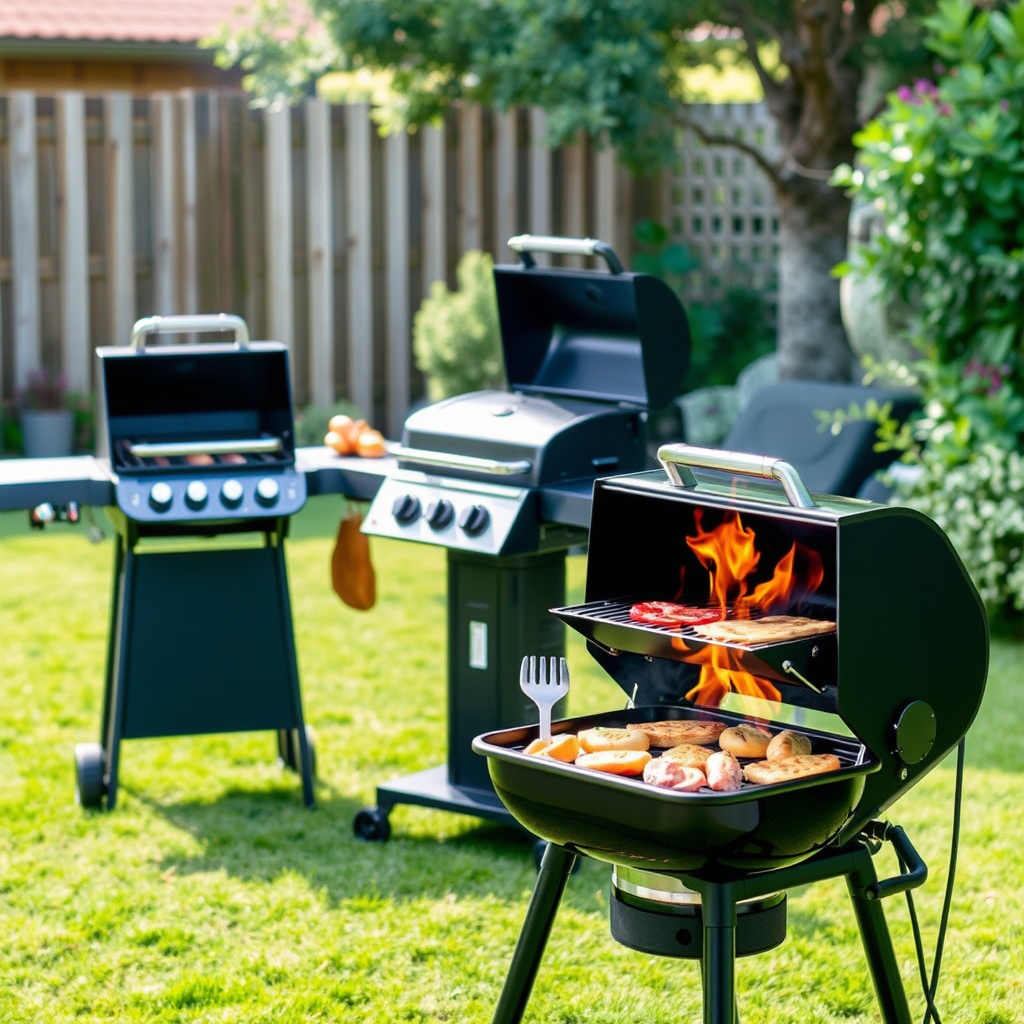
Gas Grills: Efficiency and Convenience
Gas grills use propane or natural gas to deliver heat quickly and with easy temperature control. They are popular for their convenience, as they light instantly and maintain consistent heat, making them ideal for routine grilling sessions.
Most gas grills have multiple burners to create zones for different heat levels, allowing you to cook various foods simultaneously. The downside is that they often lack the smoky flavor that charcoal grills provide.
Charcoal Grills: The Classic Flavor Choice
Charcoal grills burn briquettes or lump charcoal, giving food a distinctive smoky aroma and rich taste highly desired by many grilling enthusiasts. They require more preparation time and skill to manage heat effectively.
Because charcoal grills don’t have built-in temperature dials, controlling cooking conditions involves adjusting air vents and charcoal placement. This hands-on approach appeals to users who enjoy the process of grilling as much as the result.
Grill Size and Cooking Area
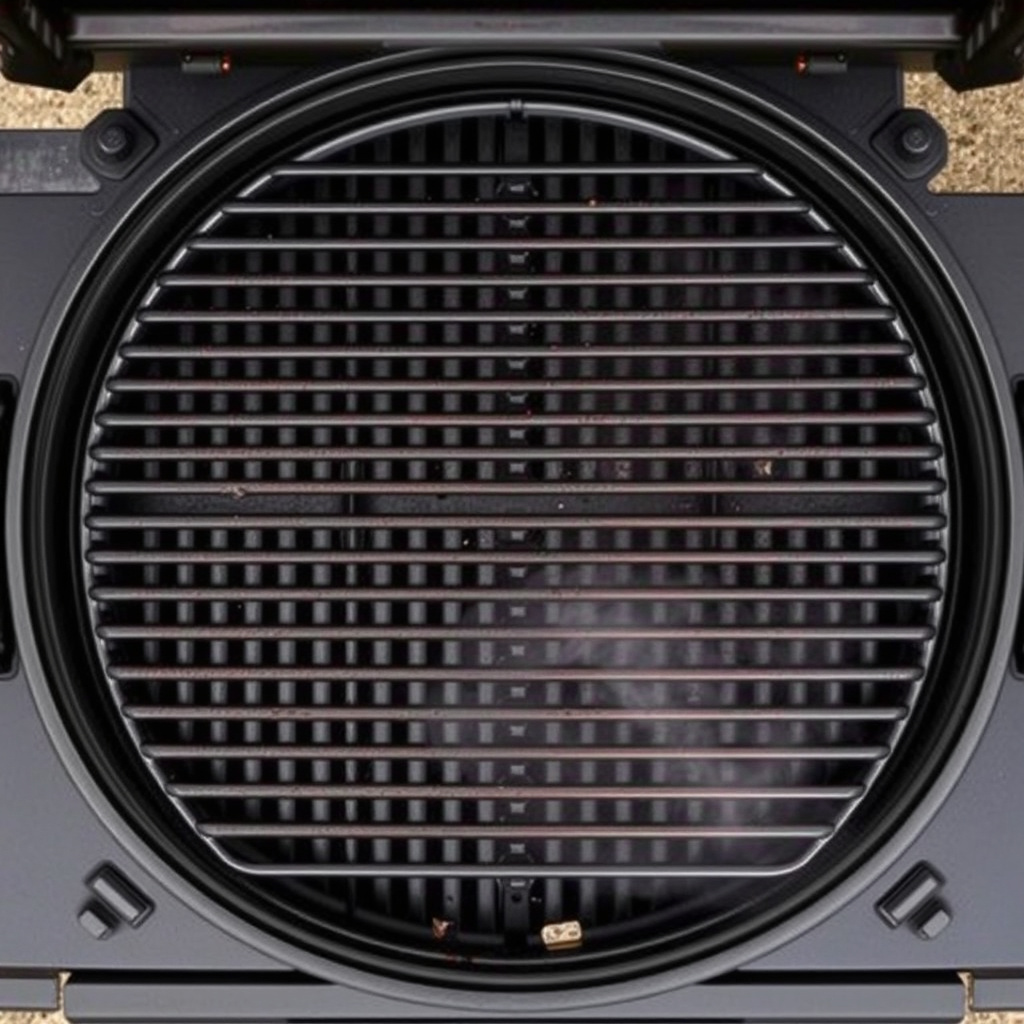
Choosing the Right Cooking Space
Grill size is largely about how many people you plan to feed regularly. Small grills with about 200-300 square inches of cooking surface suit couples and small families, while large grills with 500+ square inches accommodate bigger groups or frequent entertaining.
Keep in mind that the surface area measurement often excludes warming racks, which help keep food warm off the main cooking zone but don’t contribute significantly to cooking capacity.
- 200-300 sq. in.: Small gatherings, couples
- 300-500 sq. in.: Families and moderate entertaining
- 500+ sq. in.: Large groups and parties
Portability vs. Permanent Setup
Portable grills are compact and lightweight, designed for picnics, tailgating, or balconies with limited space. They often operate on smaller fuel tanks and can sacrifice cooking area for convenience.
Conversely, built-in or freestanding grills provide more power and stability but are meant to stay in one place, often integrated into outdoor kitchen setups. Balance your space and mobility needs before choosing.
Materials and Build Quality
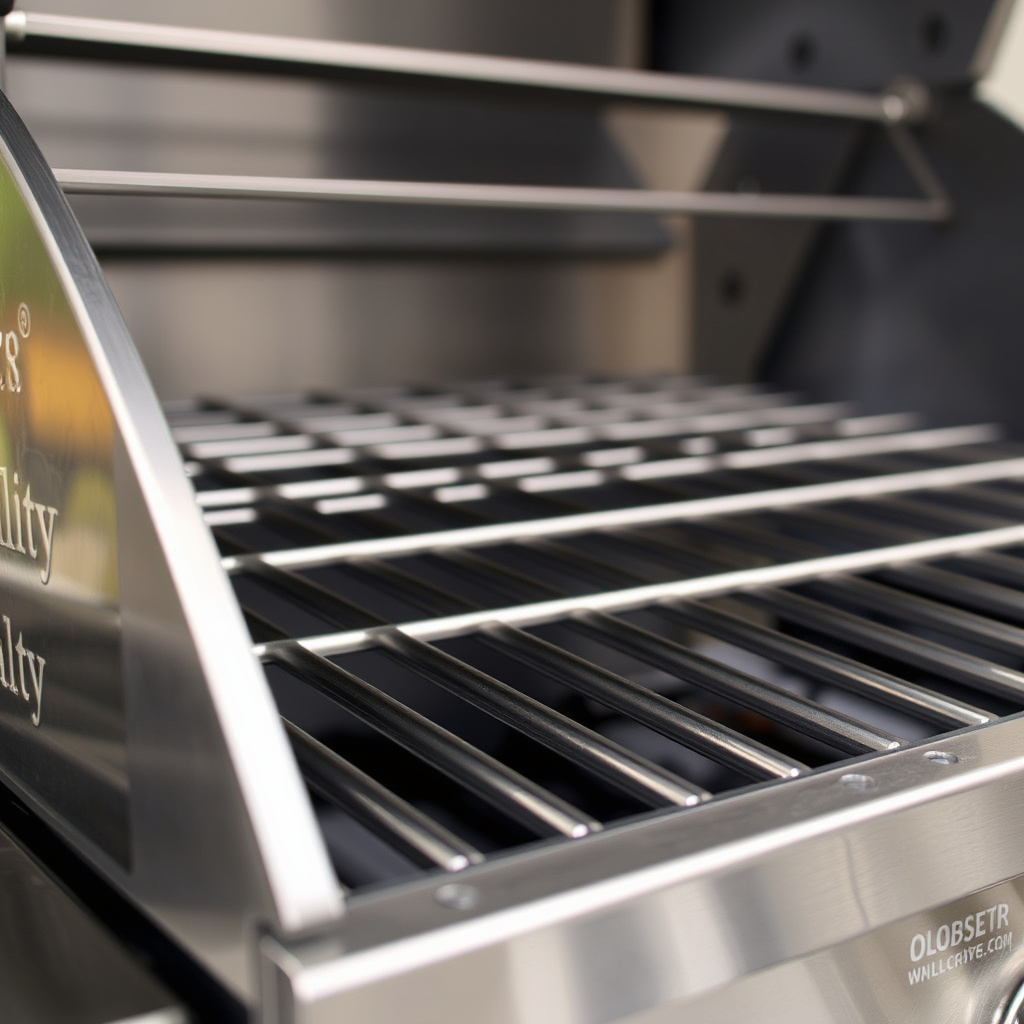
Why Stainless Steel Works Best
Stainless steel resists rust and corrosion while offering durability for outdoor use. High-end grills often feature stainless steel burners, grates, and body panels, which hold up well under weather exposure and high heat.
Cheaper grills might use painted steel or aluminum, which can deteriorate faster. Stainless steel requires occasional cleaning but often lasts many grilling seasons without major issues.
- Corrosion resistant
- Easy to clean
- Long-lasting durability
For more on this, see our related guide: What Is a Gas Grill and How to Choose the Best One.
Grate Materials and Cooking Performance
Grates come in cast iron, stainless steel, or porcelain-coated steel. Cast iron retains heat exceptionally well and produces ideal sear marks, but needs seasoning to prevent rust. Stainless steel grates are low-maintenance and durable but can cool faster.
Porcelain-coated grates are easy to clean and resist sticking but may crack or chip over time, exposing the underlying metal to rust.
- Cast iron: great heat retention, requires maintenance
- Stainless steel: easy care, less heat retention
- Porcelain-coated: smooth surface, prone to chipping
Key Features for Convenience and Control
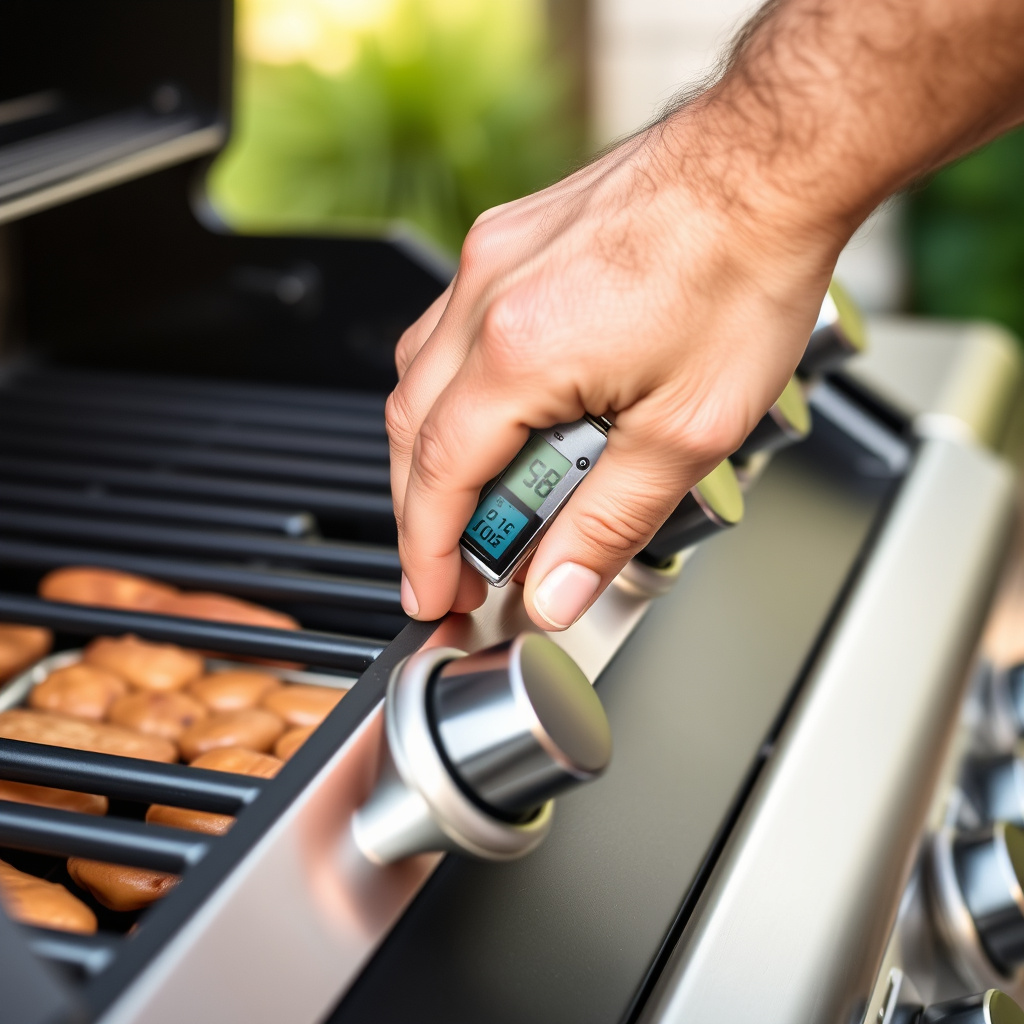
Temperature Control and Thermometers
Precise temperature control is vital for consistently grilled food. Gas grills usually feature adjustable burners and built-in thermometers helping you monitor heat levels without lifting the lid.
Charcoal grills rely on airflow control and skill to maintain proper temperatures, so accessories like chimney starters and specialized thermometers can improve your grilling experience.
Additional Accessories and Extras
Side burners, rotisserie kits, smoking boxes, and warming racks add versatility to your grill. Consider which features you’ll realistically use to avoid paying for extras you don’t need.
Storage options such as shelves and built-in tool hooks streamline your cooking area, while easy-clean grease management systems reduce post-cookout maintenance.
- Side burners for sauces and sides
- Built-in lighting for nighttime grilling
- Grease tray and drip pan features
Maintenance and Longevity
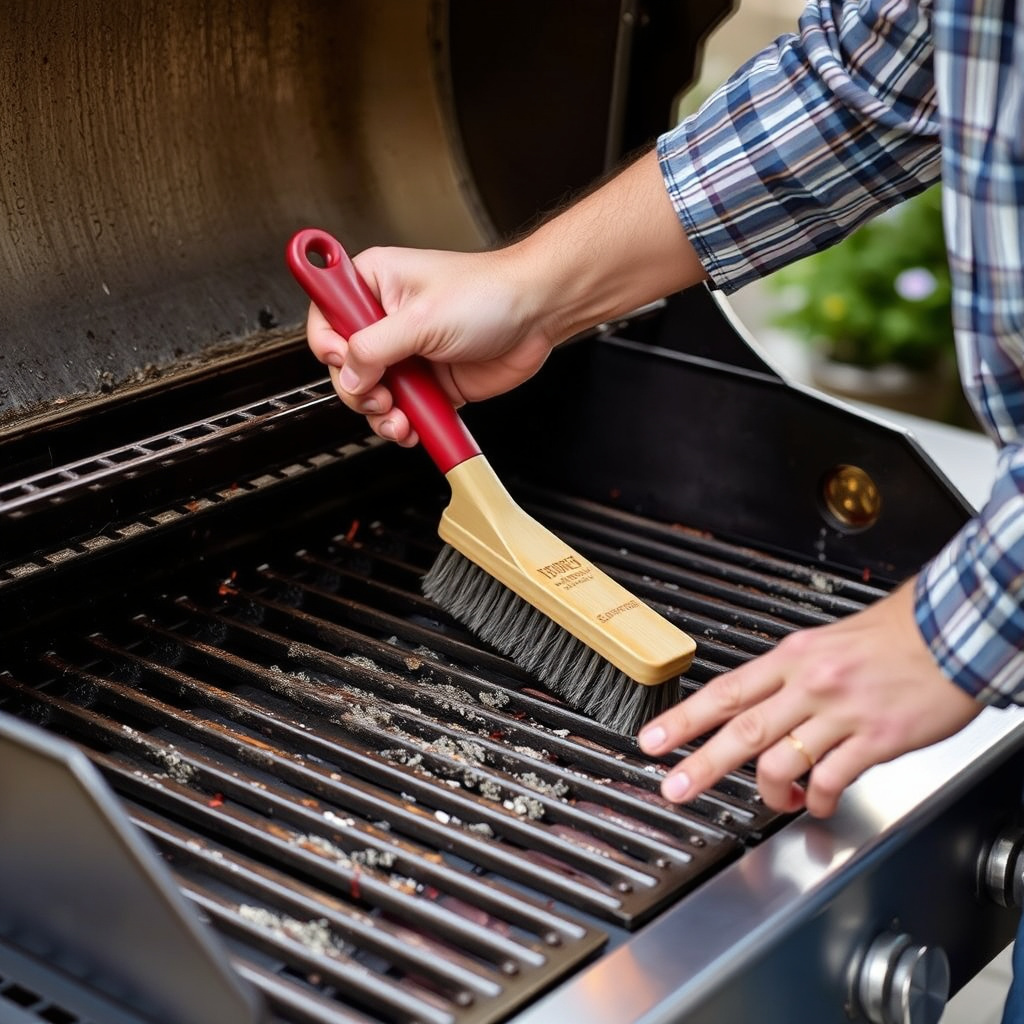
Routine Cleaning Tips
Regularly scrubbing the grates after cooking prevents buildup that affects food flavor and grilling performance. Emptying grease trays and wiping down surfaces further extends your grill's life.
Using grill covers protects against the elements and reduces rust and wear, especially for grills left outdoors during off-season periods.
- Brush grates after each use
- Empty drip pans regularly
- Cover grill when not in use
For more on this, see our related guide: How to Build a Brick BBQ Grill: Step-by-Step Construction Guide.
Parts Replacement and Repairs
Common parts like burners, ignition systems, and grates may eventually need replacement, so check for models with easily available spare parts.
Buying from well-known manufacturers tends to guarantee longer support and access to repair components, which keeps your grill functioning well over many years.
Understanding How to Choose a Grill for Your Needs
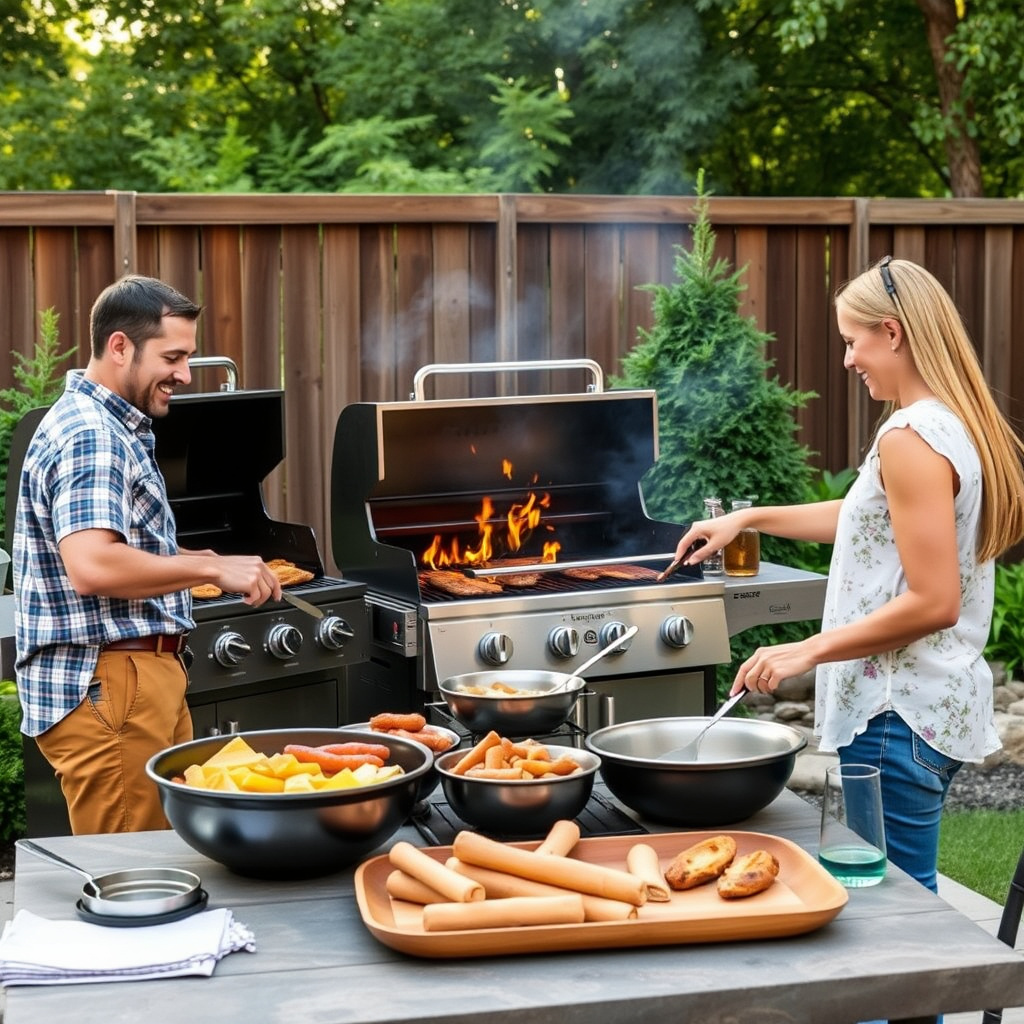
Matching Grill Choice to Cooking Style
If you're a casual cook who values speed and simplicity, a gas grill suits your style with its quick ignition and steady heat. For those who prize authentic smoky flavor and enjoy hands-on control, charcoal is the preferred option.
Electric grills cater well to apartment dwellers or areas with grilling restrictions, offering a smokeless alternative but generally lacking high-heat capabilities.
For a detailed background on grilling methods and history, you can explore grilling basics on Wikipedia. Grilling basics on Wikipedia.
Budget Considerations
Decide how much you're willing to spend initially and for ongoing maintenance. Basic portable grills can cost under $100, while premium models with features like infrared burners or rotisseries exceed $1,000.
Keep in mind that investing in quality build and features reduces replacement costs and ensures better grilling results over time, offering more value than the cheapest options.
Grill Types Category Comparison
Here’s a comparison of common grill categories by fuel type, grilling area, heat control, and typical price range to help you evaluate options quickly.
| Category | Fuel Type | Cooking Area (sq. in.) | Heat Control | Price Range ($) |
|---|---|---|---|---|
| Gas Grill | Propane/Natural Gas | 300 – 700 | Excellent | 200 – 1500 |
| Charcoal Grill | Charcoal Briquettes/Lump | 200 – 600 | Moderate | 50 – 700 |
| Electric Grill | Electricity | 150 – 400 | Basic | 100 – 500 |
| Portable Grill | Gas/Charcoal/Electric | 100 – 300 | Variable | 50 – 400 |
| Pellet Grill | Wood Pellets | 300 – 800 | Good (Digital Control) | 500 – 2000 |
Frequently Asked Questions
What is the easiest grill type to use for beginners?
Gas grills are generally the easiest for beginners because they light quickly, allow straightforward temperature adjustments, and require minimal setup compared to charcoal grills.
Can I get a smoky flavor with a gas grill?
Yes, you can add smoky flavor to gas grills by using smoking boxes or adding wood chips, though it won't fully replicate the traditional charcoal taste.
How often should I clean my grill grates?
It's best to clean grill grates after every use to prevent buildup and maintain flavor quality, and perform a deep clean at least once per season.
Are electric grills suitable for serious grilling?
Electric grills are convenient for indoor or restricted spaces but generally can’t reach the high temperatures charcoal or gas grills achieve, limiting certain cooking techniques.
What size grill do I need for a family of four?
A grill with about 300-400 square inches of cooking area is usually sufficient to prepare meals for a family of four comfortably.
Key Takeaways
- Choose grill fuel type based on cooking style: gas for convenience, charcoal for flavor, electric for restrictions.
- Match grill size to your typical number of guests to avoid overcrowding or wasted space.
- Look for durable materials like stainless steel for longer grill life and easier upkeep.
- Consider essential features like temperature control and maintenance needs when selecting a grill.
Conclusion
Selecting the right grill involves understanding your cooking habits, space constraints, and flavor preferences. Focus on the main fuel types—gas, charcoal, or electric—and evaluate how their characteristics align with your routine grilling. Size and durability should complement your frequency of use and the number of people you typically cook for, ensuring efficient and enjoyable cooking sessions.
If straightforward, quick meals are your priority, a gas grill with adjustable burners and a built-in thermometer will serve you well. For those who savor smoky, traditional barbecue, charcoal grills excel but require a learning curve and patience. Portable grills are convenient for occasional cooks on the go. The best grill for backyard use balances performance and durability, often found in mid-range stainless steel models offering both reliability and features like side burners and warming racks.
Once you’ve identified your requirements, visit physical stores to inspect builds or check trusted online retailers with customer reviews. Consider models with accessible manufacturer support for parts and repairs. Investing time in comparing these factors leads to a grilling setup that enhances your outdoor cooking for years ahead.



