
Connecting a propane tank to a grill begins by ensuring all equipment is turned off, then securely attaching the regulator’s hose to the tank’s valve using a hand-tightened fitting. This prevents leaks and guarantees a safe fuel flow to the grill.
The connection process is key to enjoying hassle-free grilling while maintaining safety standards. A proper hookup prevents gas leaks, reduces fire hazards, and optimizes your grill’s performance, which directly impacts the quality of your cooking.
This guide will cover everything from inspecting the propane tank and hose, attaching the regulator safely, to conducting leak tests and troubleshooting common problems, so you can confidently prepare your grill for use.
Preparing Your Propane Grill and Tank
Inspecting the Propane Tank
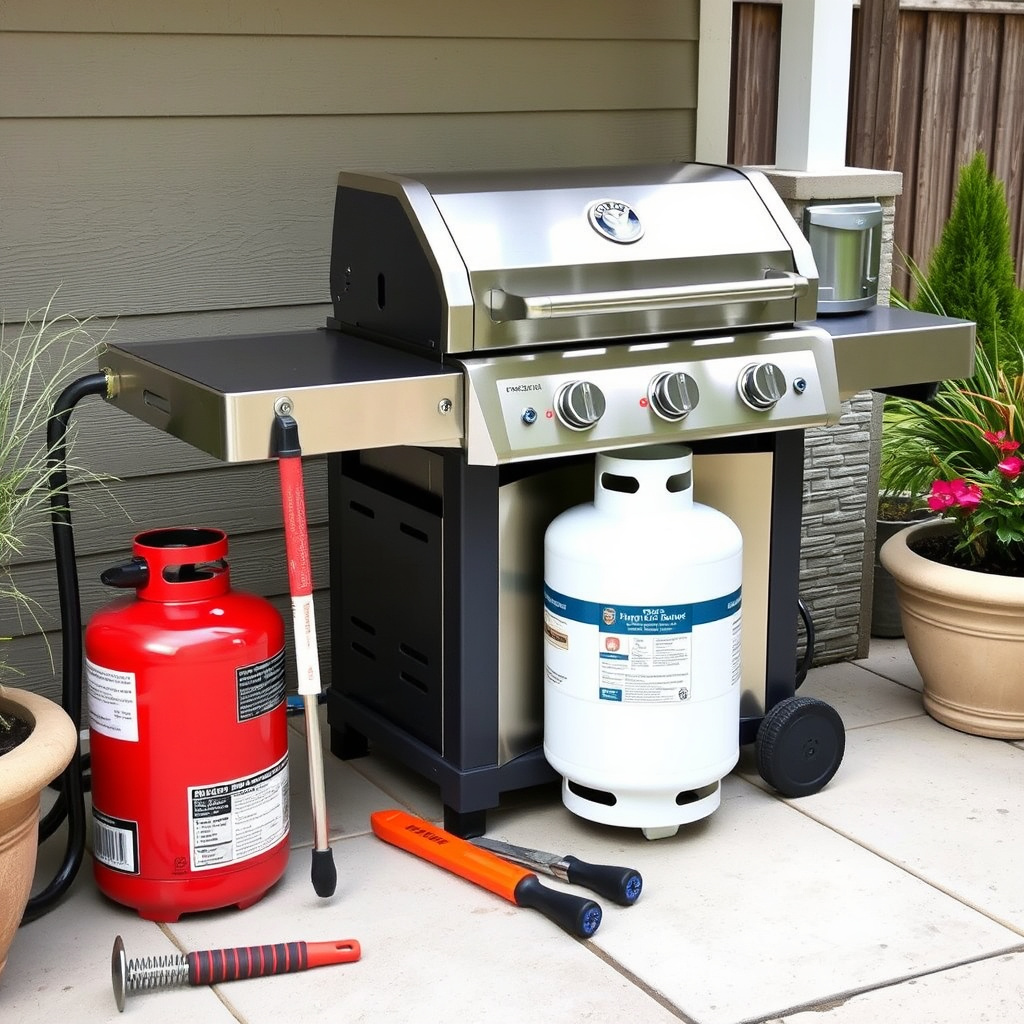
Before hooking up the propane tank, visually check it for damage such as dents or rust. Ensure the tank's valve is closed tightly to prevent unexpected gas flow. Also, verify the expiration date stamped on the side; tanks older than 10 years should be reevaluated for safety.
Checking for leaks or corrosion on the connectors attached to the tank is also essential. Any visible damage to the tank or fittings means you should replace the components to avoid dangerous situations during use.
- Check tank surface for dents or rust
- Confirm valve is fully closed
- Look for expiry date on the tank
- Inspect connectors for wear or damage
Preparing the Grill for Connection
Start by ensuring the grill’s control knobs are in the off position. Remove any protective caps on the hose fittings and clean the attachment point to clear dust or debris that can affect the gas flow.
Position the grill in a well-ventilated outdoor area on a stable, flat surface. This setup minimizes risk and allows you to work comfortably and safely during the propane grill hookup.
- Turn all grill control knobs off
- Remove protective caps from hose fittings
- Clean the hose attachment point
- Place grill outdoors on flat, steady ground
Connecting the Propane Tank to the Grill
Attaching the Regulator Hose
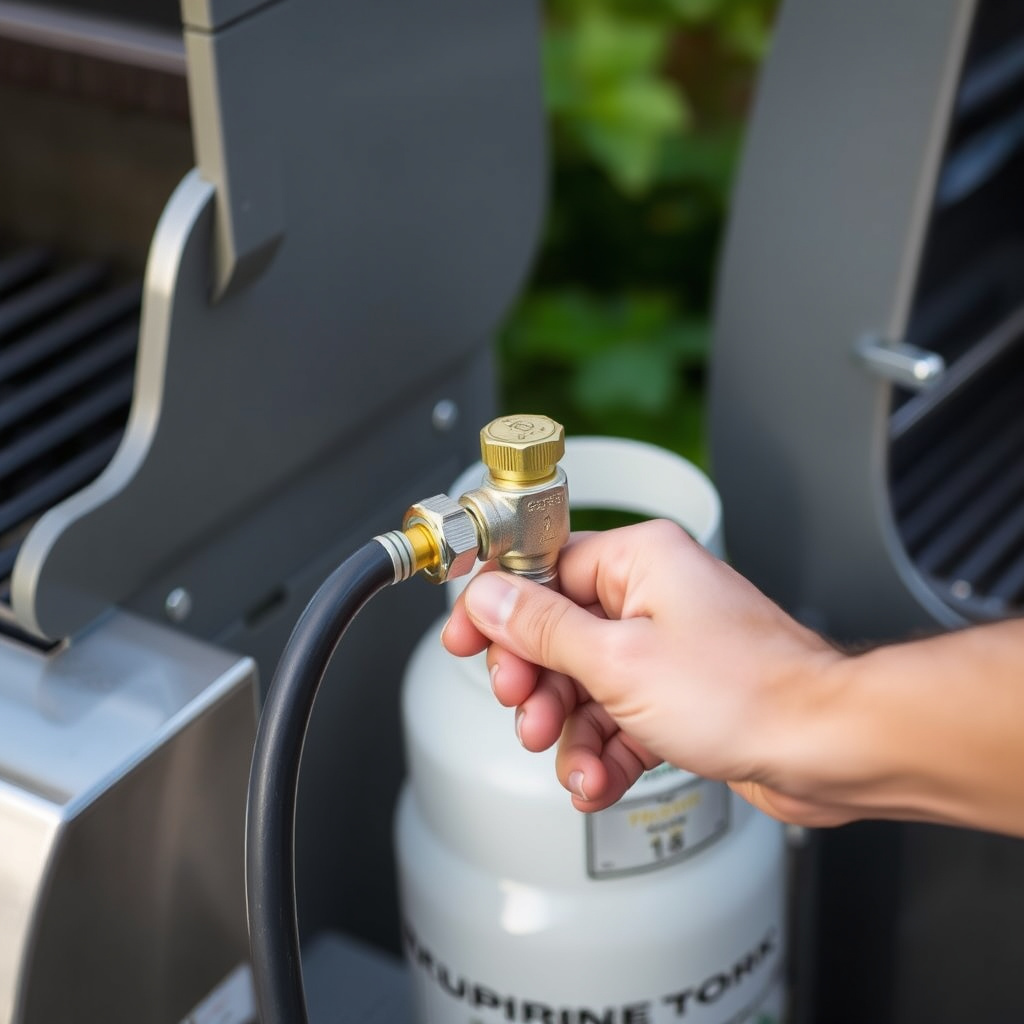
Align the regulator’s fitting with the propane tank's valve, then hand-tighten it clockwise until it feels snug. Avoid using tools that can overtighten and damage the nut or fitting threads.
Once the regulator is connected securely, ensure the other end of the hose is firmly attached to the grill’s gas inlet. Double-check all connections to maintain tightness and prevent leaks.
- Align regulator fitting to tank valve
- Hand-tighten clockwise until snug
- Avoid over-tightening with tools
- Secure hose to grill’s gas inlet
For more on this, see our related guide: How to Replace Grill Burners: A Step-by-Step Guide for Perfect BBQs.
Checking for Gas Leaks
After making all connections, open the propane valve slowly. Use a mixture of soap and water applied to the regulator and hose connection points. Bubbles indicate a leak that must be fixed before grilling.
If bubbles appear, turn off the valve immediately. Re-tighten connections, replace damaged washers or hoses, and retest until no bubbles form. Never use a flame to check for leaks.
- Open valve slowly to pressurize system
- Apply soapy water to connection points
- Look for bubbles indicating leaks
- Tighten and repair as needed before use
Using and Maintaining Your Propane Grill Setup
Operating the Grill Safely
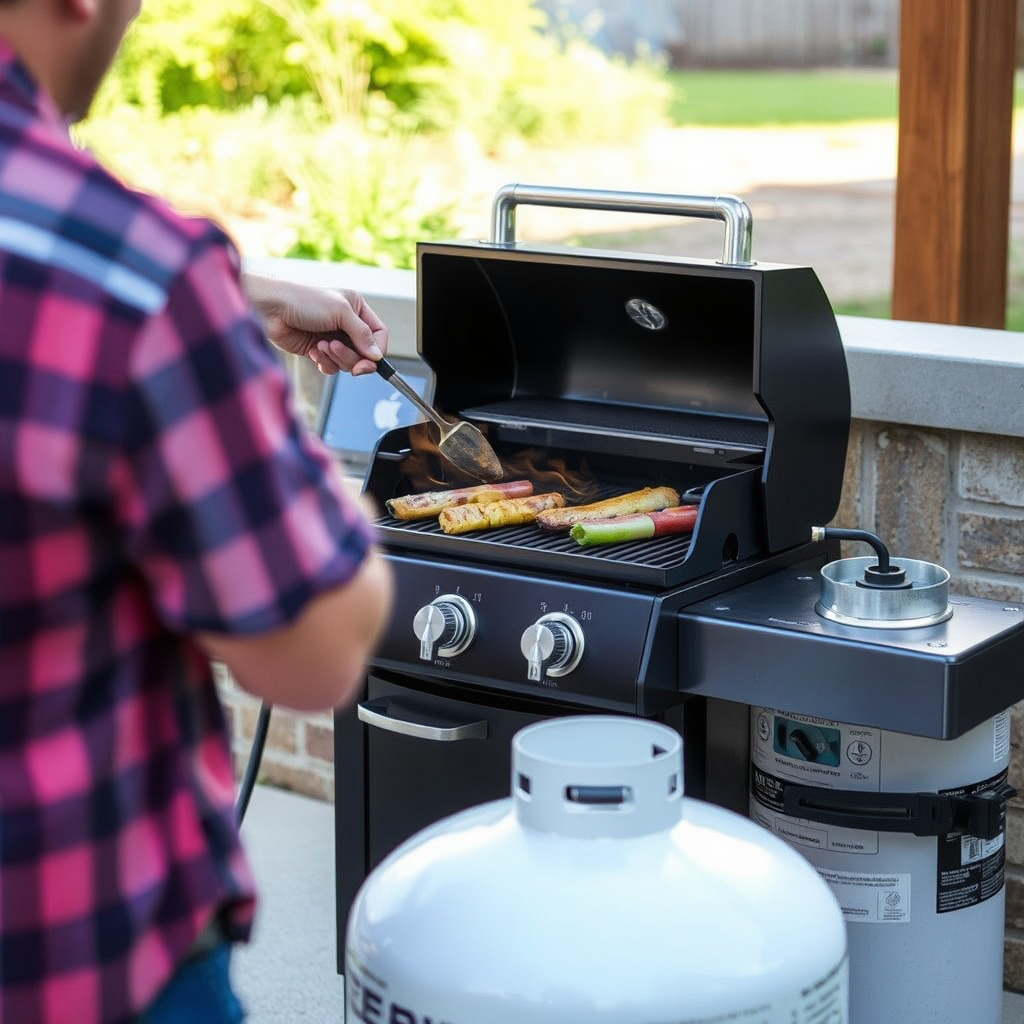
Always open the propane tank valve before lighting the grill. Follow manufacturer instructions to ignite the burners and adjust flame levels appropriately.
Keep the grill clean and free from grease buildup that might block burners or cause flare-ups. Regular inspection after each use helps prolong equipment life and enhances safety.
- Open propane valve before ignition
- Follow lighting procedures per manual
- Keep burners and grill clean
- Inspect connections routinely
Storing Your Propane Tank and Grill
Store propane tanks upright in a cool, ventilated outdoor area away from direct sunlight and heat sources to reduce explosion risk.
When disconnecting, close the valve tightly and detach the regulator hose carefully. Cover the tank valve’s opening with the protective cap for added safety during inactivity.
- Keep tank upright in ventilated space
- Avoid exposure to heat and sun
- Close valve and detach hose when storing
- Use valve cap to cover connection point
Troubleshooting Common Connection Issues
Handling Gas Flow Problems
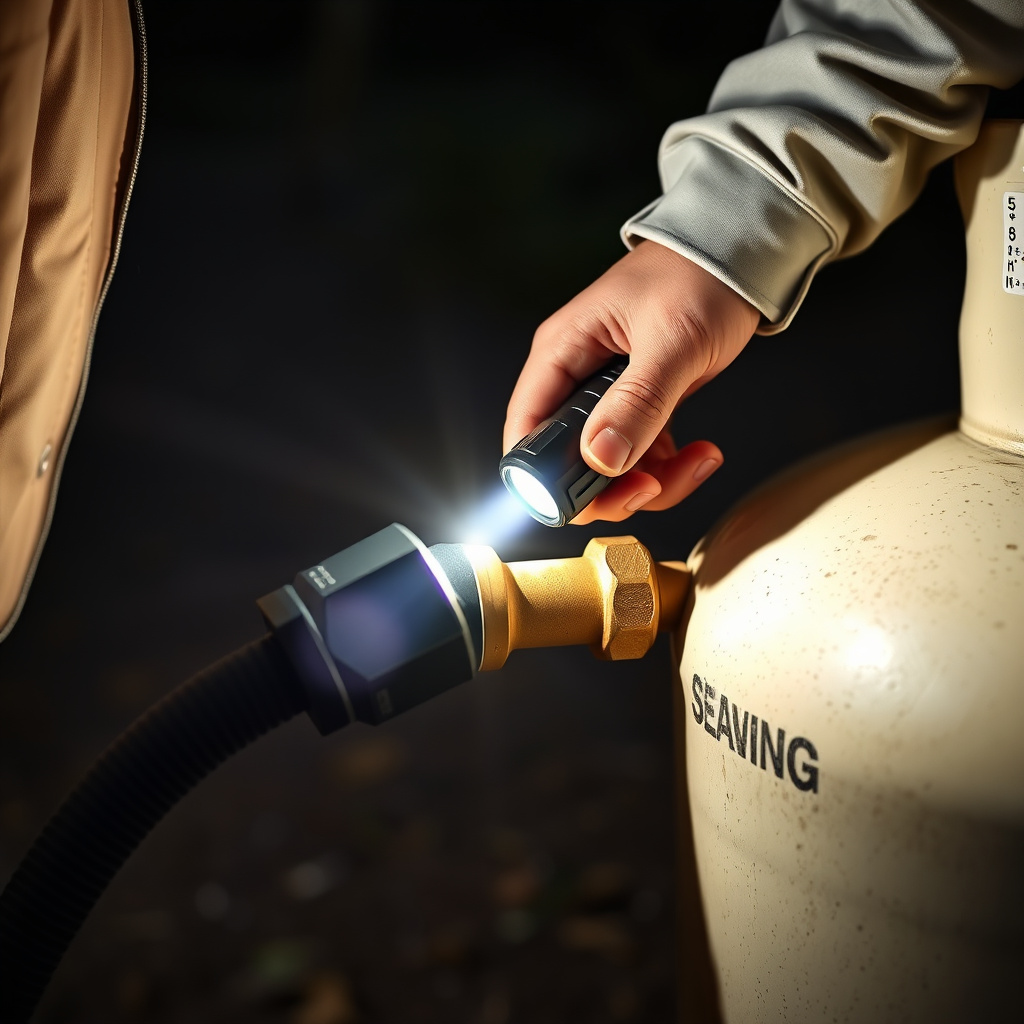
If the grill’s flame is weak or sputtering, check for blockages in the hose or regulator. Dirt and spider webs can obstruct gas lines, so clean connectors and replace worn parts if necessary.
Also, verify the tank has adequate propane. Low fuel levels often cause inconsistent flames and poor heating performance.
- Inspect and clear hose blockages
- Clean or replace regulator if damaged
- Check propane tank level
- Replace old or cracked hoses
For more on this, see our related guide: How to Fix a Gas Grill with Low Flame Quickly and Safely.
Fixing Leak and Connection Failures
Persistent leaks after tightening may mean a faulty regulator or damaged gas seals. Replace these components promptly.
Ensure the tank’s valve threads are clean and not stripped, and always use compatible regulators and hoses designed for your grill model.
- Replace damaged regulators or seals
- Clean valve threads
- Use manufacturer-approved parts
- Retest for leaks after repairs
Tips for Safe Propane Grill Hookup
Personal Safety Precautions
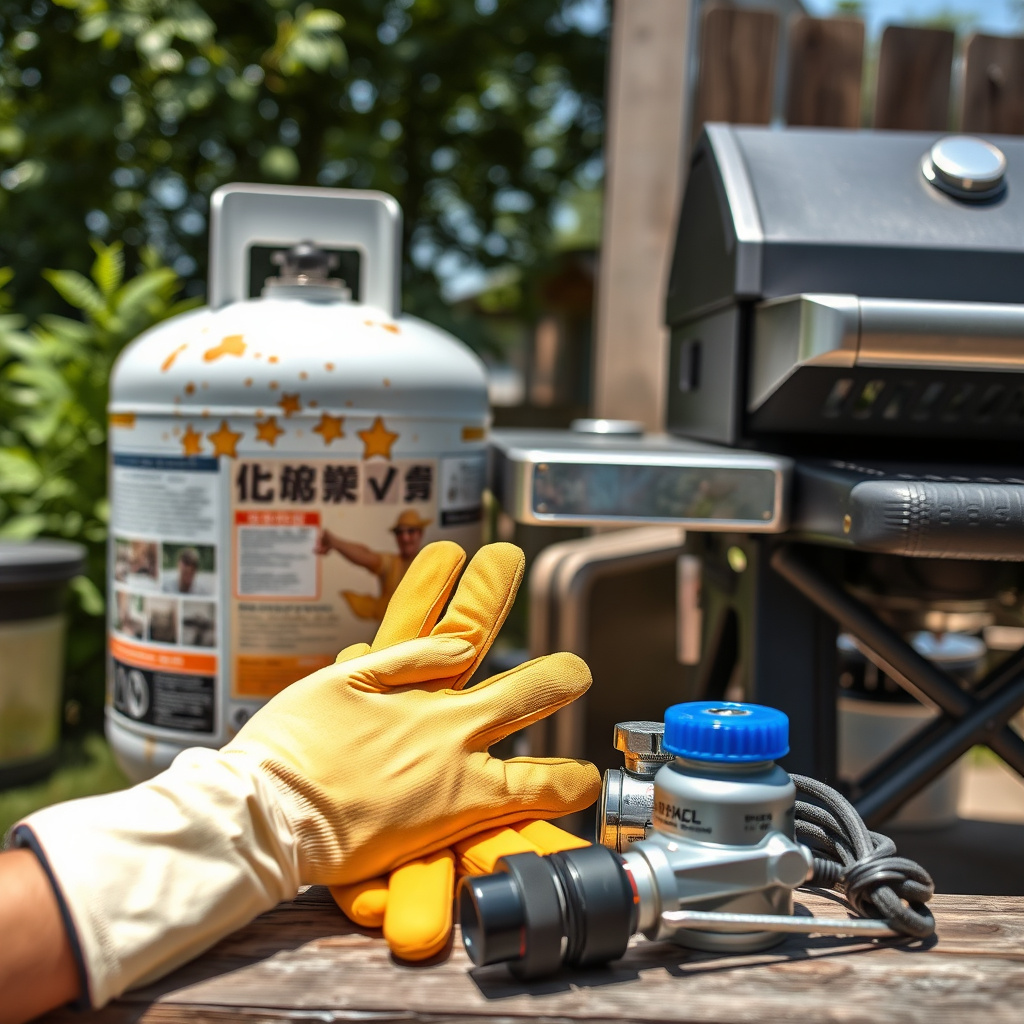
Wear gloves when connecting the propane tank to protect your hands from sharp edges and avoid burns.
Keep a fire extinguisher nearby in outdoor grilling areas. Never attempt repairs heating system while the tank valve is open or when the grill is hot.
- Wear protective gloves
- Have a fire extinguisher close
- Do not work on hot or pressurized system
- Avoid smoking near propane tanks
For authoritative safety guidelines on propane use and storage, consult the Propane Gas Safety Tips by the U.S. Consumer Product Safety Commission. Propane Gas Safety Tips.
Environmental Considerations
Always operate propane grills in well-ventilated outdoor areas to disperse gas properly. Avoid enclosed spaces to prevent carbon monoxide buildup.
Check local regulations on propane tank storage and disposal to comply with safety and environmental codes.
- Grill outdoors in open air
- Avoid using near windows or vents
- Follow local propane regulations
- Properly recycle or refill tanks
Propane Tank Sizes and Their Grill Compatibility
Here's a quick comparison of common propane tank sizes to help you match the right tank to your grill based on capacity and typical use.
| Tank Size | Capacity (lbs) | Typical Grill Use | Weight (empty) |
|---|---|---|---|
| 5 lb | 1 gallon | Portable grills, small patio grills | 10 lbs |
| 10 lb | 2 gallons | Small to mid-size grills, RVs | 18 lbs |
| 20 lb | 4.7 gallons | Most home grills, mid to large size | 17 lbs |
| 30 lb | 7 gallons | Large grills, commercial use | 25 lbs |
| 40 lb | 9.4 gallons | High-demand commercial grills | 38 lbs |
Frequently Asked Questions
Can I connect any propane tank to my grill?
Most grills use a standard 20-pound tank with a POL valve connector, but it's important to check your grill’s specifications and use compatible tank connectors.
How do I know if my propane tank is empty?
Check the tank weight or use a propane gauge. A common trick is pouring warm water down the side and feeling for a cooler section indicating remaining fuel.
What should I do if I smell gas when connecting the tank?
Immediately close the propane valve, do not light any flames, and check all connections for leaks using soapy water. Replace damaged parts before using the grill.
Is it necessary to turn off the propane tank after grilling?
Yes, always turn off the propane tank valve after grilling to prevent gas leaks and maintain safety when the grill is not in use.
How often should I replace the propane hose or regulator?
Inspect these parts annually for cracks, leaks, or wear. Replace hoses or regulators after five years or sooner if damage is detected.
Key Takeaways
- Always check propane tank and connections for damage before hookup.
- Hand-tighten regulator fittings and never use tools to overtighten.
- Perform leak tests with soapy water before lighting the grill.
- Store propane tanks upright in well-ventilated outdoor areas.
Conclusion
Connecting a propane tank to a grill safely requires attention to detail through each stage—from inspection to final leak testing. By following a straightforward process you can avoid risks associated with gas leaks, maintain a reliable fuel supply, and enjoy consistent grill performance. Prioritizing safety with regular equipment checks helps keep every grilling session trouble-free and enjoyable.
Choosing the right propane tank size and compatible regulators also plays a vital role in your grilling experience. Smaller tanks work well for portable propane grill hookup needs, while the standard 20-pound tanks suit most home setups. For those using larger or commercial grills, selecting heavier tanks brings longer cooking times but requires secure handling and proper placement.
Once you are comfortable with these connection steps, your next move is to confidently perform a leak test and ignite your grill as per manufacturer instructions. Treating your propane setup with care and storage respect ensures prolonged equipment life and safety. With this knowledge, you’re prepared to connect your propane tank to a grill with peace of mind and ease.



