
Replacing grill burners involves turning off the gas supply, removing the grates and heat tents, detaching the faulty burners from the manifold, and then installing the new burners in their place. This process restores your grill’s heat output and cooking performance.
Burners are key components that provide consistent heat distribution. Over time, they can corrode or clog, leading to uneven flames or no flames at all. Knowing how to replace grill burners yourself will save you repair costs and extend your grill's lifespan.
This guide will walk you through identifying your grill type, selecting the right replacement burners, and safely performing the replacement. It also covers maintenance tips to prevent future burner issues and troubleshooting flame problems.
Understanding Grill Burner Types and Compatibility
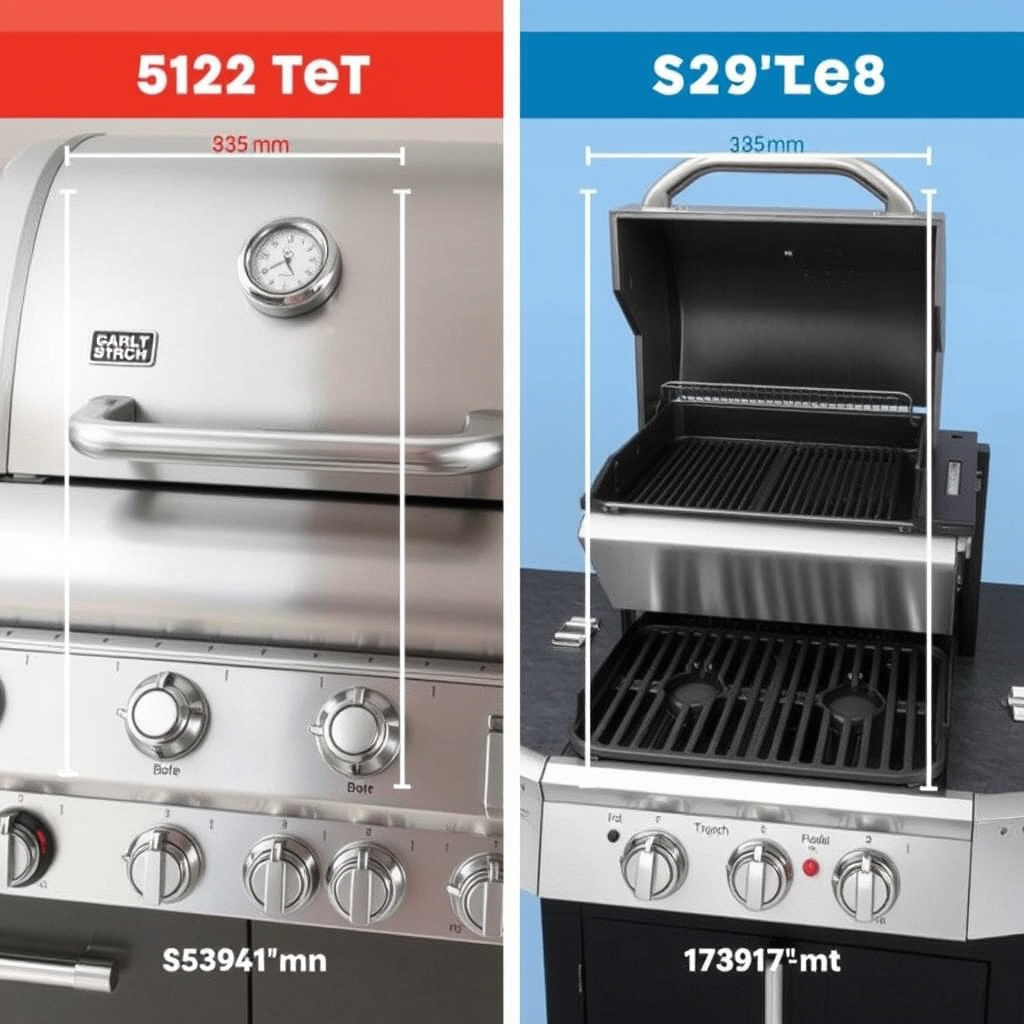
Common Grill Burner Materials and Designs
Grill burners are commonly made from stainless steel, cast iron, or aluminized steel. Stainless steel resists rust but can be costly, while cast iron offers excellent heat retention but requires more maintenance to prevent corrosion.
Designs vary between tube burners with multiple ports and bar-style burners. Each type affects heat distribution and cleaning difficulty. Recognizing these differences helps in choosing replacements matching your grill’s original burners.
- Stainless steel: rust-resistant, durable
- Cast iron: retains heat, heavy
- Aluminized steel: affordable, less durable
Checking Burner Size and Connection Type
Measure the length and width of your current burners before purchasing replacements. Sizes range typically from 15 to 24 inches in length. It is important to get exact dimensions for your grill model to ensure proper fit and alignment.
Also verify how your burner connects to the gas manifold—some use screw fittings, others have clip-in designs. Matching connection types avoids assembly issues and potential gas leaks.
- Measure burner length precisely
- Confirm fitting type (screw vs clip)
- Consult grill manual for specifications
Step-by-Step Process to Replace Grill Burners
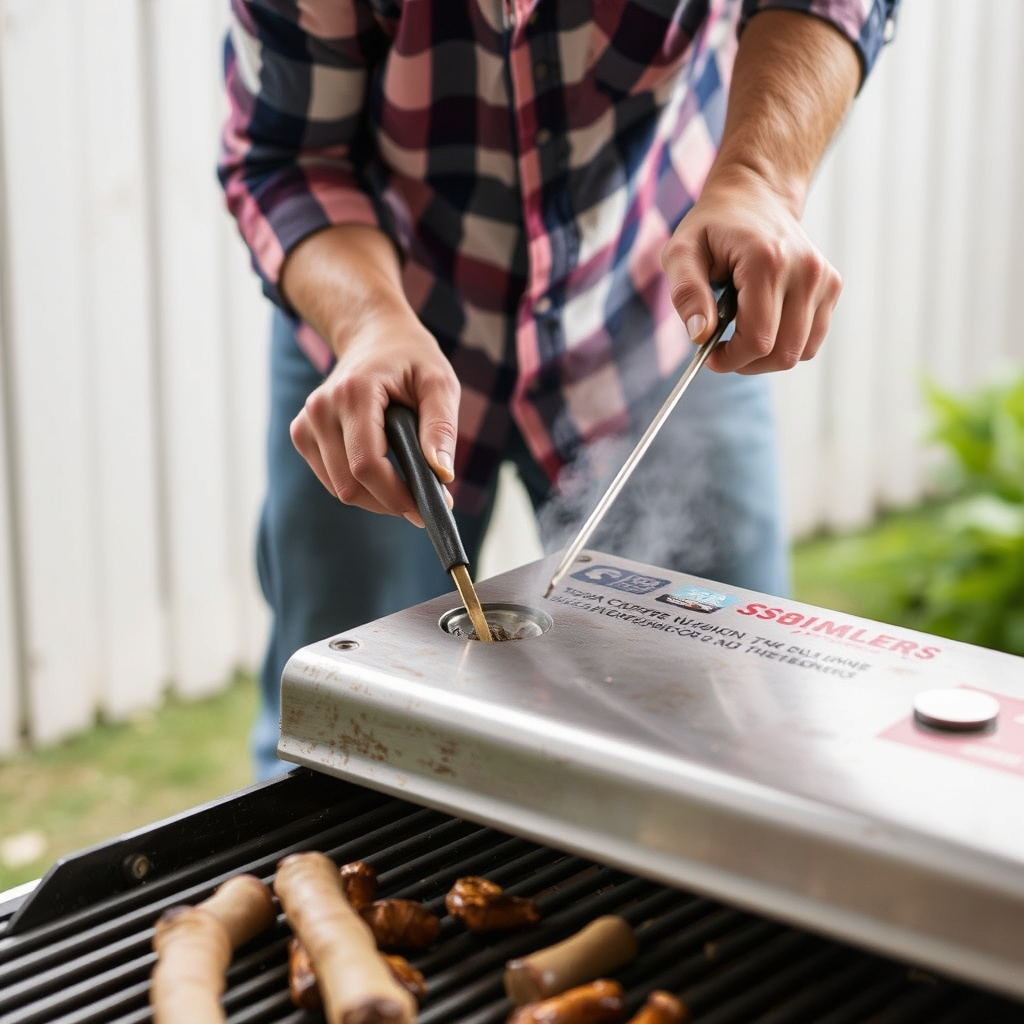
Preparing Your Grill for Burner Replacement
Start by ensuring the grill is completely cool and the gas supply valve is turned off. Disconnect the propane tank or shut off the natural gas line to prevent accidents during the replacement.
Remove the cooking grates and heat tents or flavorizer bars carefully. These parts usually rest on brackets and should lift out easily, granting access to the burners underneath.
- Turn off gas supply
- Disconnect propane or shut gas line
- Remove grates and heat tents
Removing Old Burners and Installing New Ones
Locate the burner mounts and screws securing them to the grill. Use a screwdriver or socket wrench to remove fasteners and gently slide the burner out from its gas supply tube connection.
Align the new burner’s gas inlet with the manifold, insert it fully, and secure it with screws. Replace the heat tents and cooking grates in their original positions, then reconnect the gas supply and check for leaks.
- Unscrew and detach old burners
- Insert new burner firmly
- Secure with screws
- Reposition heat tents and grates
Identifying and Handling Burner Issues Before Replacement
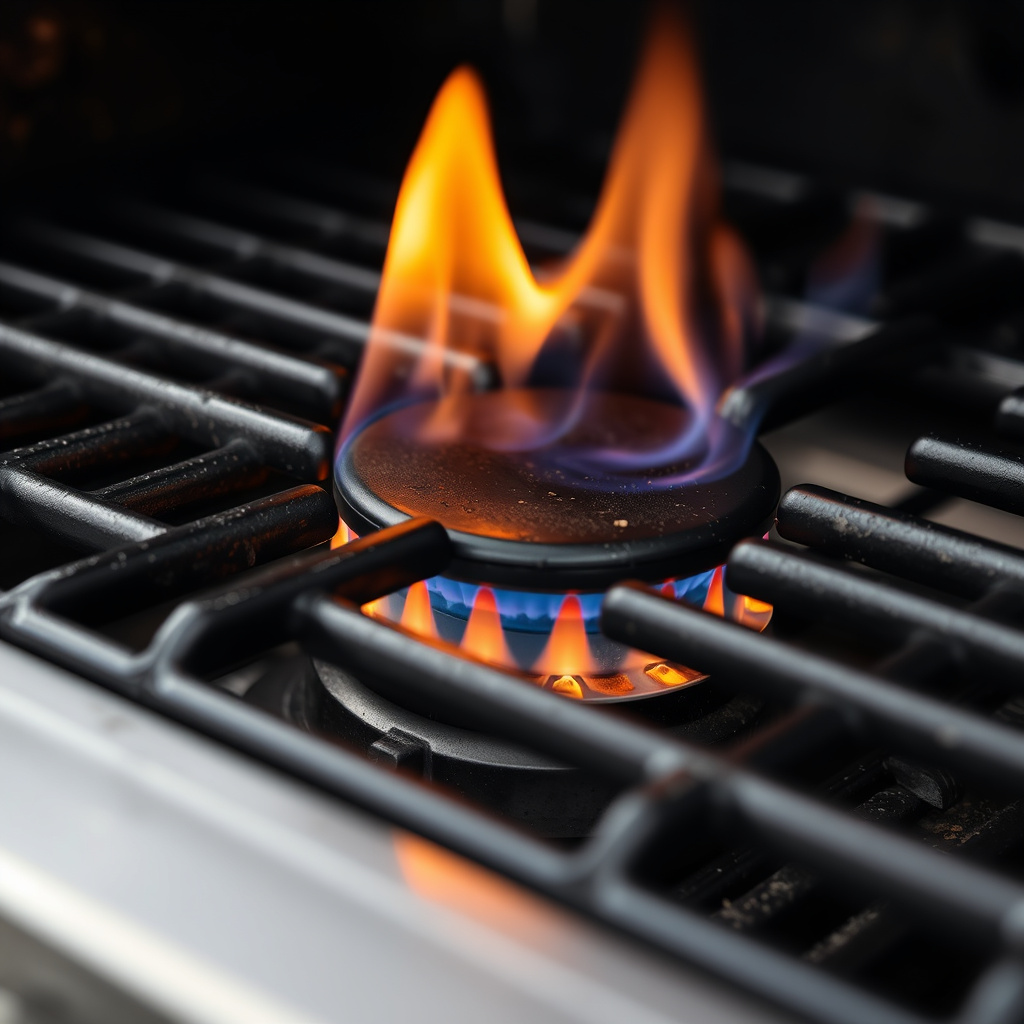
Signs Your Grill Burners Need Replacement
Uneven flames, weak heat output, or yellow, flickering flames suggest clogged or damaged burners. Rust spots or holes visible on the burner surface are clear indicators that replacement is necessary.
Sometimes a thorough cleaning can restore burner performance. But visible corrosion or flame instability usually means the burner is beyond cleaning.
- Uneven or weak flame
- Yellow instead of blue flame
- Rust or holes on burner surface
For more on this, see our related guide: How to Replace a Grill Igniter: Step-by-Step Guide for Grill Repairs.
Cleaning and Maintaining Burners to Extend Life
Regularly brush burner tubes with a wire brush to clear debris from gas ports. Avoid using harsh chemicals which can damage burner coatings.
Cover your grill when not in use and store it in a dry place to prevent rust. Inspect burners yearly for early signs of wear to plan replacements proactively.
- Use wire brush on burner ports
- Avoid harsh chemicals
- Keep grill covered and dry
- Annual burner inspections
Safety Considerations During Burner Replacement

Preventing Gas Leaks and Fire Hazards
Always confirm the gas supply is off before beginning work. Wear safety gloves and goggles to protect against sharp metal edges and any unexpected sparks.
After installing new burners, perform a soap bubble leak test around connection points to confirm no gas escapes. Never use an open flame to check for leaks.
- Turn off gas supply first
- Wear safety gloves and goggles
- Soap bubble test for leaks
- Never use open flame for leak check
Disposing of Old Burners Responsibly
Old burners often contain rusted metal parts that should be recycled rather than thrown in general waste. Check local regulations for metal recycling programs or hazardous waste disposal sites.
Avoid burning or melting old burners, as toxic fumes may be released from rust inhibitors or coating materials.
- Recycling metal parts if possible
- Follow local disposal guidelines
- Avoid burning old burners
Choosing the Best Replacement Grill Burners
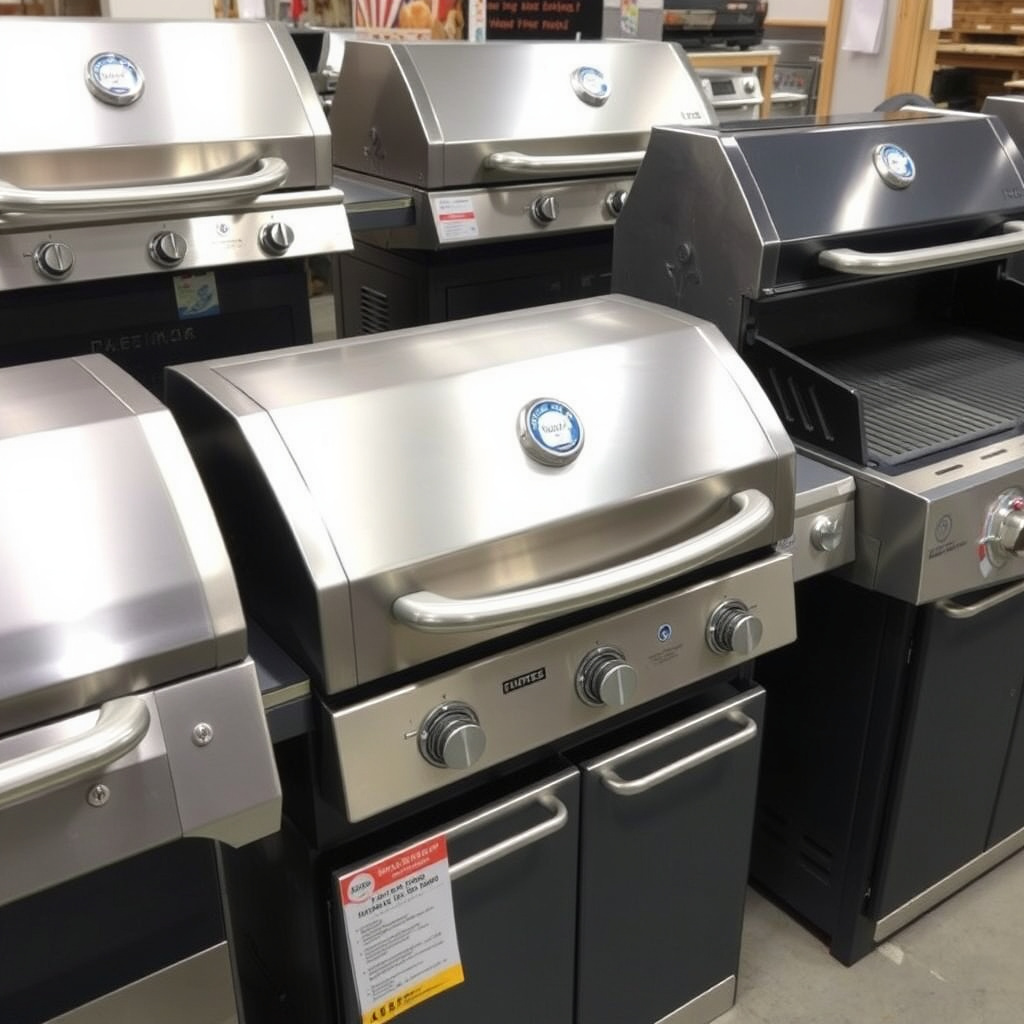
Evaluating Burner Quality and Durability
Look for burners made from high-grade stainless steel for resistance to heat and rust, especially if you grill frequently or in humid environments. Warranty length can indicate manufacturer confidence in durability.
Bar-style burners often offer better flame distribution, while tube burners are easier to clean. Balance your preferences for performance and maintenance when selecting replacements.
- High-grade stainless steel preferred
- Check warranty duration
- Choose bar-style for heat spread
- Tube burners easier to clean
For more on this, see our related guide: How to Fix a Rusty Grill: Step-by-Step Restoration Guide.
Where to Buy Replacement Grill Burners
Authorized grill brand dealers provide parts guaranteed to match your model’s specifications. Online marketplaces offer a wide selection but require careful verification of size and fitting compatibility.
Local hardware stores may stock generic burners fitting common grill types and provide expert advice. Buying from reputable sellers reduces risk of mismatches or low-quality components.
- Brand authorized dealers
- Online marketplaces with reviews
- Local hardware stores
- Verify compatibility before purchase
Maintaining Even Heat Distribution with Replacement Burners
How Replacement Burners Improve Cooking Performance
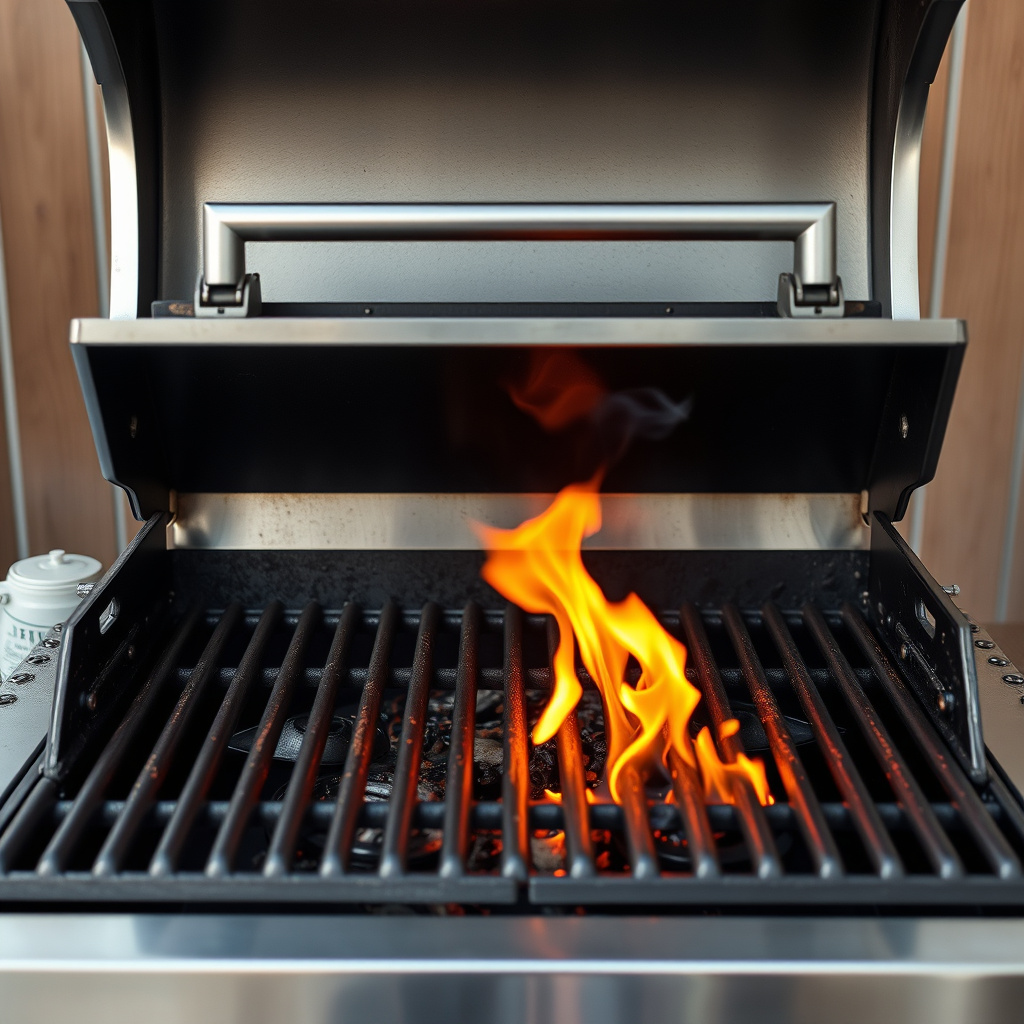
Replacing worn burners restores uniform gas flow, resulting in consistent flame height and cooking temperatures across the grill surface. This eliminates hot or cold spots that can ruin food.
A properly fitted replacement burner maximizes fuel efficiency and lowers flare-ups caused by grease igniting unevenly due to poor heat distribution.
For extended advice on maintaining grill burners to avoid early replacement, check out these grill burner maintenance tips. grill burner maintenance tips.
Post-Replacement Flame Adjustment and Testing
Once installed, adjust the grill’s air shutters or valves to achieve a steady, bright blue flame with minimal yellow tips. Test all burners individually and collectively to verify performance.
Make small adjustments after initial lighting to optimize heat distribution. Monitoring flame color and pattern helps prevent incomplete combustion and soot formation.
- Adjust air shutters for ideal flame
- Test burners individually
- Observe flame color and stability
- Avoid yellow, flickering flames
Comparison of Replacement Grill Burner Categories
This table compares common replacement burner types to help you choose based on material, maintenance, and heat performance.
| Burner Type | Material | Durability | Heat Distribution | Maintenance Ease | Typical Price |
|---|---|---|---|---|---|
| Stainless Steel Tube | Stainless Steel | High | Moderate | Easy | $30-$60 |
| Cast Iron Bar | Cast Iron | Moderate | High | Moderate | $35-$70 |
| Aluminized Steel Tube | Aluminized Steel | Low | Moderate | Moderate | $20-$40 |
| Hybrid Bar-Tube Stainless | Stainless Steel | High | High | Moderate | $50-$80 |
Frequently Asked Questions
How do I know if my grill burner needs replacing?
Look for uneven or weak flames, visible rust or holes, and persistent yellow flames. If cleaning doesn’t improve performance, replacement is recommended.
Can I replace grill burners myself without professional help?
Yes, with basic tools and safety precautions like shutting off gas supply, most grill burners can be replaced by owners following the step-by-step guide.
Are all grill burners interchangeable between brands?
No. Burners vary by size, shape, and gas connection type. Always check compatibility with your grill model before purchasing replacements.
How often should grill burners be replaced?
Depending on usage and maintenance, burners typically last 3-5 years. Inspect annually and replace when signs of corrosion or performance issues arise.
What safety checks should I perform after installing new burners?
Conduct a soap bubble leak test at connections, ensure proper flame color (blue with minimal yellow), and verify stable, even flames across all burners.
Key Takeaways
- Measure and match burner size and connection type accurately before buying.
- Turn off gas and disconnect supply before removing old burners.
- Clean burners regularly to extend life but replace if heavily corroded.
- Test for gas leaks and flame quality after installing replacements.
Conclusion
Replacing grill burners is a straightforward process that directly impacts your grill’s cooking quality and safety. By understanding your grill’s burner type and ensuring precise measurements, you avoid costly mistakes and ensure your BBQ heats evenly. Paying attention to burner material and design helps select replacements that fit your lifestyle and grilling frequency, enhancing durability and performance.
For grills with stainless steel tube burners, upgrading to high-grade stainless replacements offers excellent rust resistance for frequent users. Cast iron bar burners appeal to those seeking even heat retention but require regular care. When unsure, hybrid bar-tube models provide a balance of consistent heat and simpler maintenance. Purchasing from authorized dealers or verified sources ensures proper fit and reliability, making your replacement experience smoother.
If your grill’s flames are irregular or corrosion has set in, replacing the burners promptly can restore your setup. Follow safety protocols such as turning off the gas supply, testing for leaks, and observing flame color to keep your barbecue safe and efficient. With these steps, you’ll be ready to enjoy great grilling results for many seasons.



