
If your gas grill is producing a low flame, you can often fix it by checking and cleaning the burner, ensuring the gas supply is adequate, and inspecting the regulator for any issues. Addressing these key components usually restores proper flame height and cooking power.
A weak flame can affect cooking time and food quality, which makes it frustrating if you rely on your grill for regular meals or gatherings. Various factors like clogged burner ports, low gas pressure, or regulator malfunctions can lead to reduced flame output, so pinpointing the issue helps you fix your grill efficiently.
This article breaks down common causes of low flame on a gas grill and offers practical troubleshooting steps. We'll cover gas supply checks, burner cleaning, regulator adjustments, and tips to maintain flame quality for the best grilling experience.
Understanding Gas Grill Flame Basics
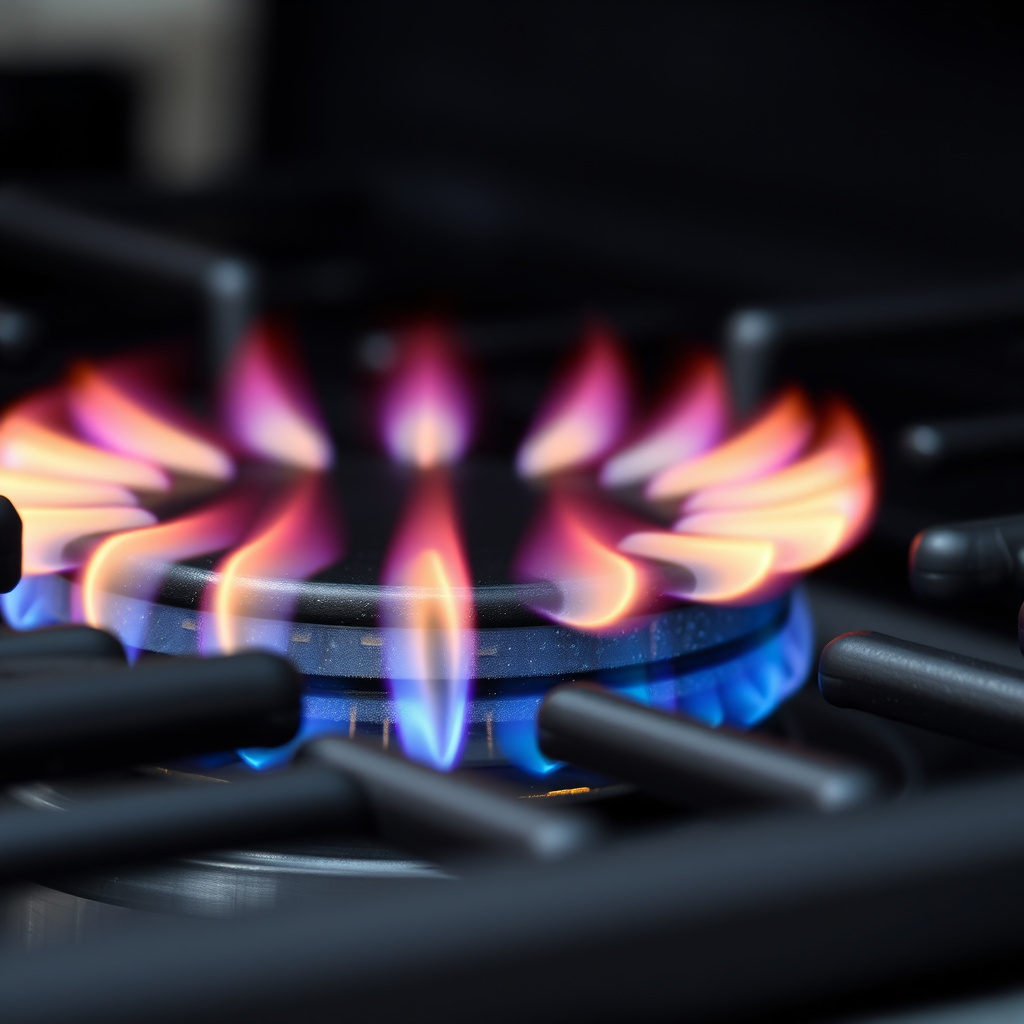
How Gas Grills Produce Flame
Gas grills create flame by releasing fuel, typically propane or natural gas, through burner ports where it mixes with air and ignites. The flame's intensity depends on fuel flow and burner condition, affecting heat output.
Burners have small holes or slots allowing gas to escape and burn evenly. If these ports are partially blocked or the gas supply is weak, the flame will appear low and uneven.
Common Causes of Low Flame
Low flame problems usually arise from clogged burner ports filled with grease or debris, insufficient gas pressure, or a faulty pressure regulator. Ignition issues can also cause inconsistent lighting, making the flame appear weak.
Environmental factors like cold weather or low propane tank pressure can temporarily lower flame strength but often improve once conditions normalize.
- Clogged burner ports
- Low gas pressure
- Damaged or dirty regulator
- Faulty ignition system
- Cold ambient temperature
Checking and Cleaning Burners to Restore Flame
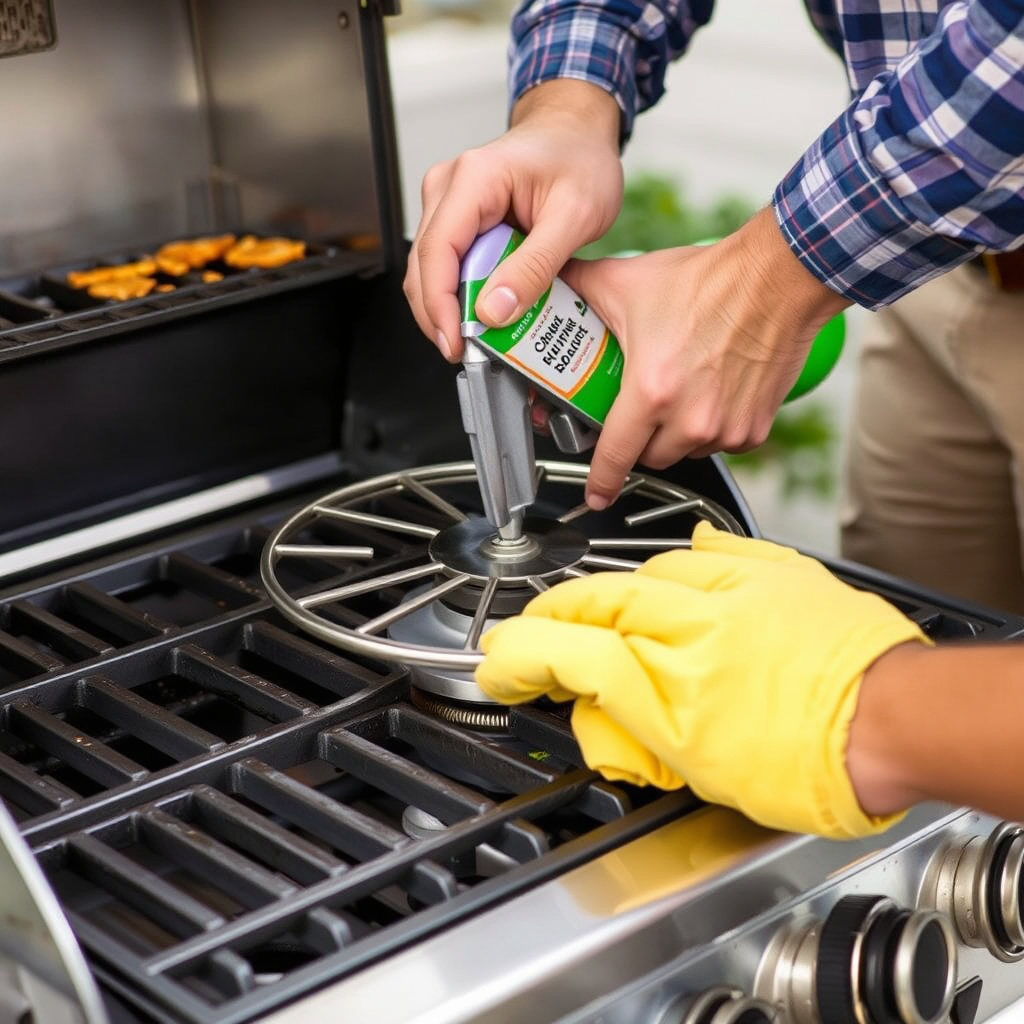
Removing and Inspecting Burners
Start by turning off the gas supply and disconnecting the propane tank or gas line. Remove grill grates and heat deflectors to access burners safely. Inspect burners for visible clogs, rust, or damage especially around burner ports.
Check for spider webs or insect nests inside burner tubes, as these can block gas flow. Light corrosion can often be cleaned off with a wire brush, but badly damaged burners should be replaced to maintain safety.
- Turn off gas and disconnect tank
- Remove grill grates and heat plates
- Inspect burner tubes for blockages or damage
Cleaning Burner Ports
Use a thin wire or pipe cleaner to gently clear debris from each burner port. Avoid enlarging the holes while cleaning, as this can lead to flame instability. A toothbrush or soft brush can remove grease and dirt from the tube surfaces.
After cleaning, flush burners with compressed air if available to remove loosened particles. Reinstall everything, reconnect gas supply, and test lighting the grill. Properly cleaned burners should produce a strong, blue flame with yellow tips.
- Use wire or pipe cleaner for ports
- Brush away grease and dirt
- Flush burners with compressed air
- Reinstall and test flame
Regulator and Gas Supply Troubleshooting
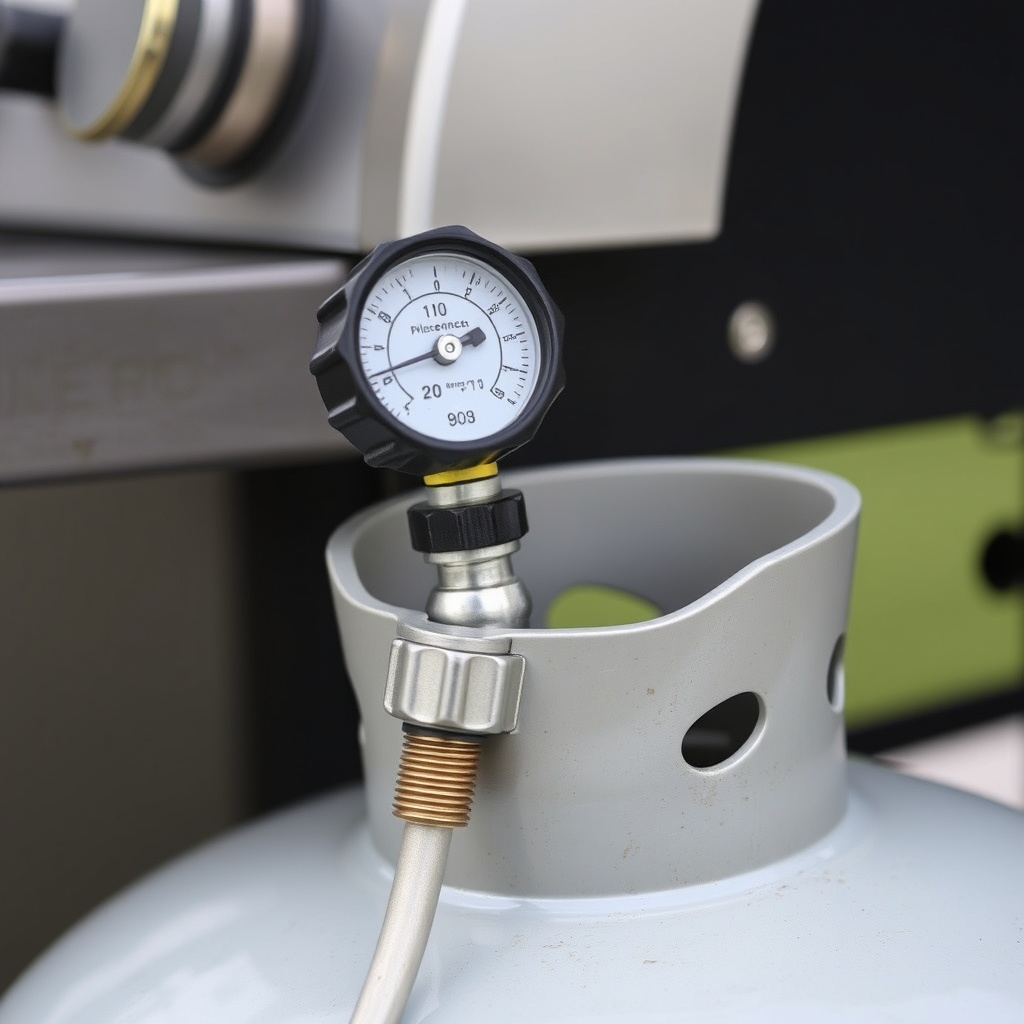
Inspecting and Resetting the Regulator
The pressure regulator controls fuel flow from the propane tank to the grill. If the flame appears low or weak, the regulator might be at fault due to dirt buildup or internal failure causing low gas pressure.
Reset a stuck regulator by shutting off the gas, disconnecting the tank, waiting a few minutes, and reconnecting. Turn the gas on slowly afterward. If problems persist, consider replacing the regulator as regulators can wear out over time.
- Shut off and disconnect propane tank
- Wait 5 minutes with valve closed
- Reconnect and slowly open valve
- Replace regulator if needed
For more on this, see our related guide: Why Is My Gas Grill Flame Yellow? Understanding Causes and Fixes.
Checking Gas Supply and Tank Pressure
Low flame can result from a propane tank running low or faulty gas lines restricting flow. Check the tank gauge to verify sufficient fuel and inspect hoses for cracks or leaks. Leaks can reduce pressure and create unsafe conditions.
Use a soap-water solution to test connections for bubbles indicating leaks. Replace damaged hoses and keep spare propane tanks on hand to avoid running out of fuel unexpectedly when grilling.
- Inspect propane tank level
- Check hoses for cracks or leaks
- Use soap solution to detect leaks
- Replace faulty gas lines
Improving Flame Performance Through Maintenance
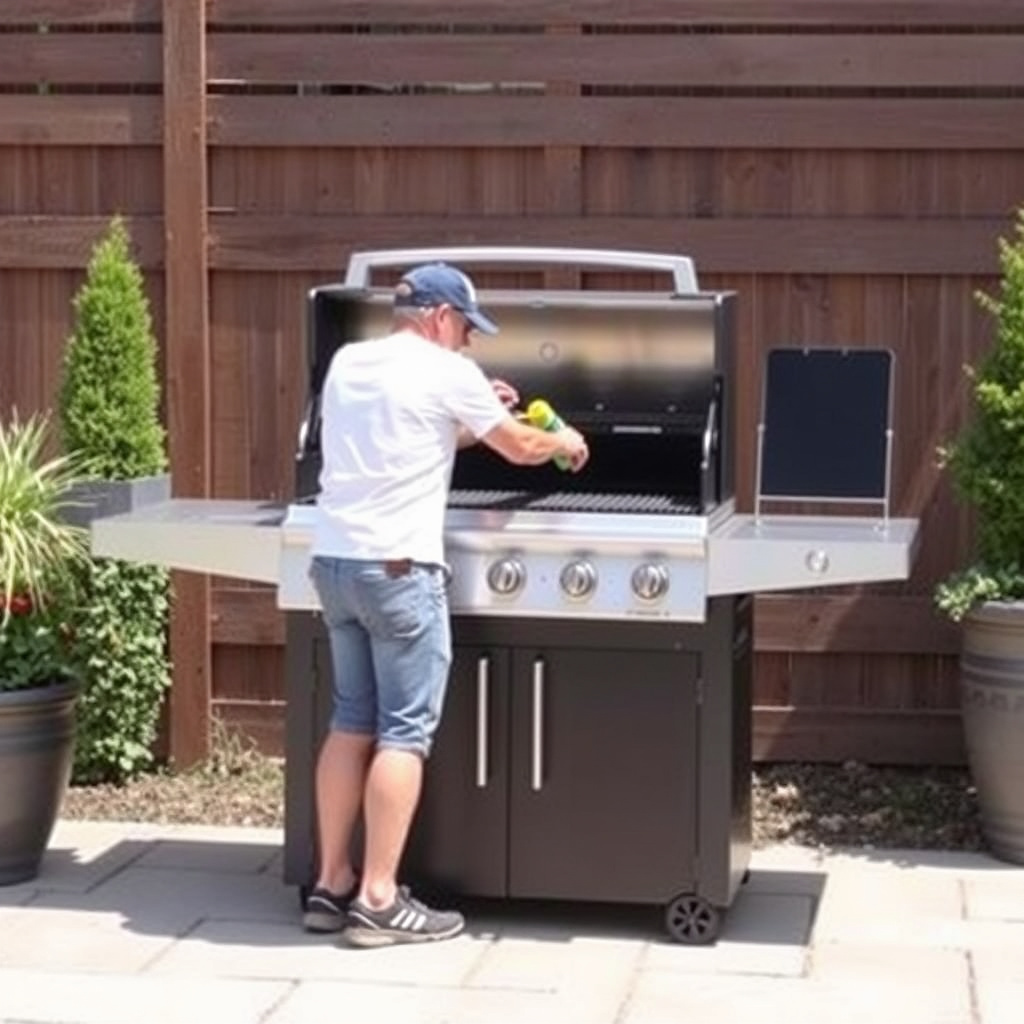
Regular Cleaning Practices
Frequent cleaning prevents grease and dirt buildup that clogs burners and reduces flame quality. After each use, brush grates and wipe down surfaces. Periodically deep clean burners and inspect internal parts.
Removing debris from burners and around air intakes helps maintain balanced fuel and air mix, which produces a consistent strong flame. Scheduling seasonal maintenance keeps your grill performing reliably year-round.
- Brush grates after every use
- Wipe burner tubes regularly
- Perform deep cleans quarterly
Storing and Protecting the Grill
Protect your grill from moisture and pests by using covers, especially in off-seasons. Moisture can cause rust and clogging on burners, while insects build nests in unused grills affecting flame quality.
Storing propane tanks upright and in shaded areas prevents pressure drops and fuel degradation. These practices help keep the gas grill flame strong and safe.
- Use a weatherproof grill cover
- Store propane tank upright in shade
- Check for insect nests regularly
Advanced Troubleshooting for Persistent Flame Issues
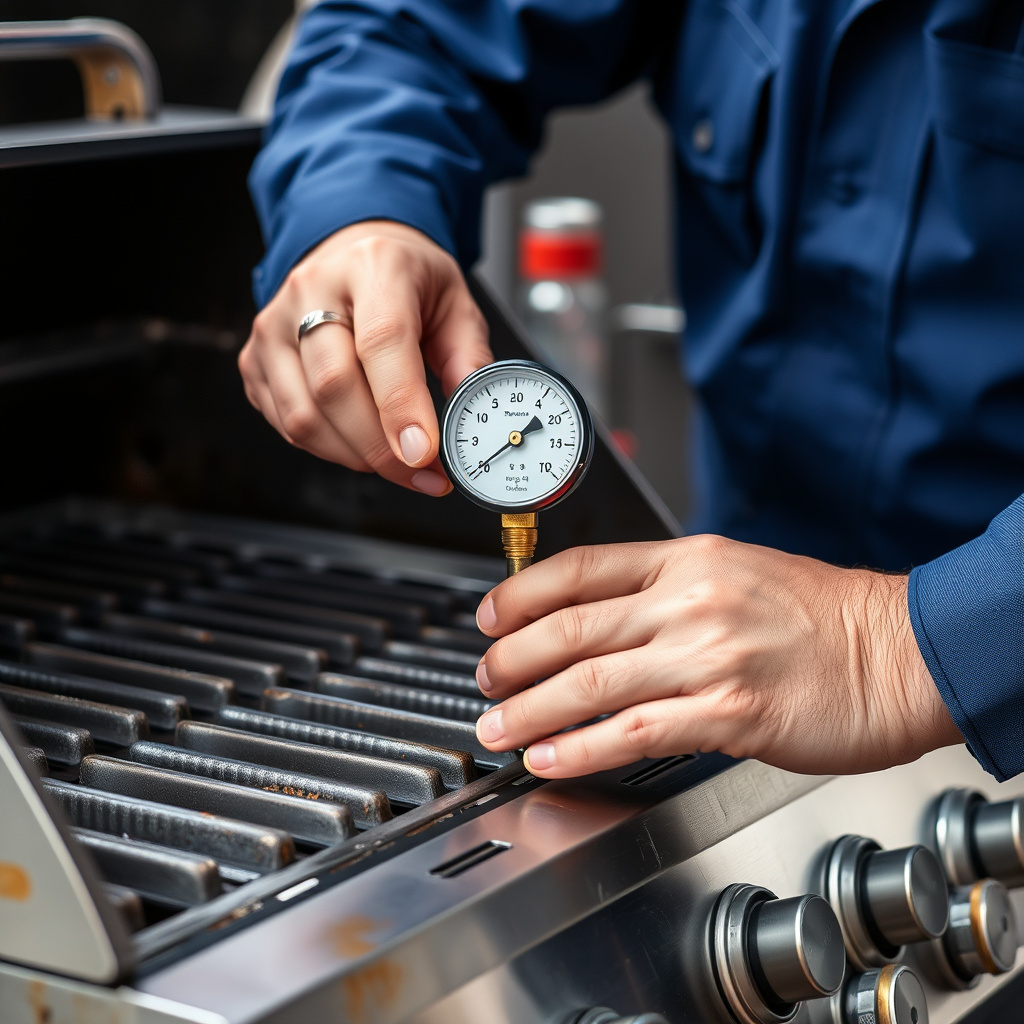
Testing Gas Pressure With a Manometer
For persistent low flame despite cleaning and regulator resets, testing gas pressure is advisable. Pressure gauges or manometers attach between the regulator and burner to measure flow, ensuring correct delivery as per manufacturer specs.
Incorrect gas pressure readings indicate the need to repair or replace the regulator, gas lines, or tank. This step usually requires some technical know-how or professional help for accuracy.
For more on this, see our related guide: Why Is My Gas Grill Flame Low? Troubleshooting and Fixes.
Replacing Burners and Components
When burners are damaged beyond cleaning or flame instability continues, replacing burners is necessary. Use manufacturer-approved parts matched to your grill model for safety and performance.
Also consider replacing valves, ignition modules, or gas hoses that show wear or damage. Timely replacement of components maintains consistent flame strength and grill safety.
- Use OEM replacement parts
- Check compatibility with grill model
- Replace worn valves and ignition parts
Safety Tips When Fixing a Gas Grill with Low Flame
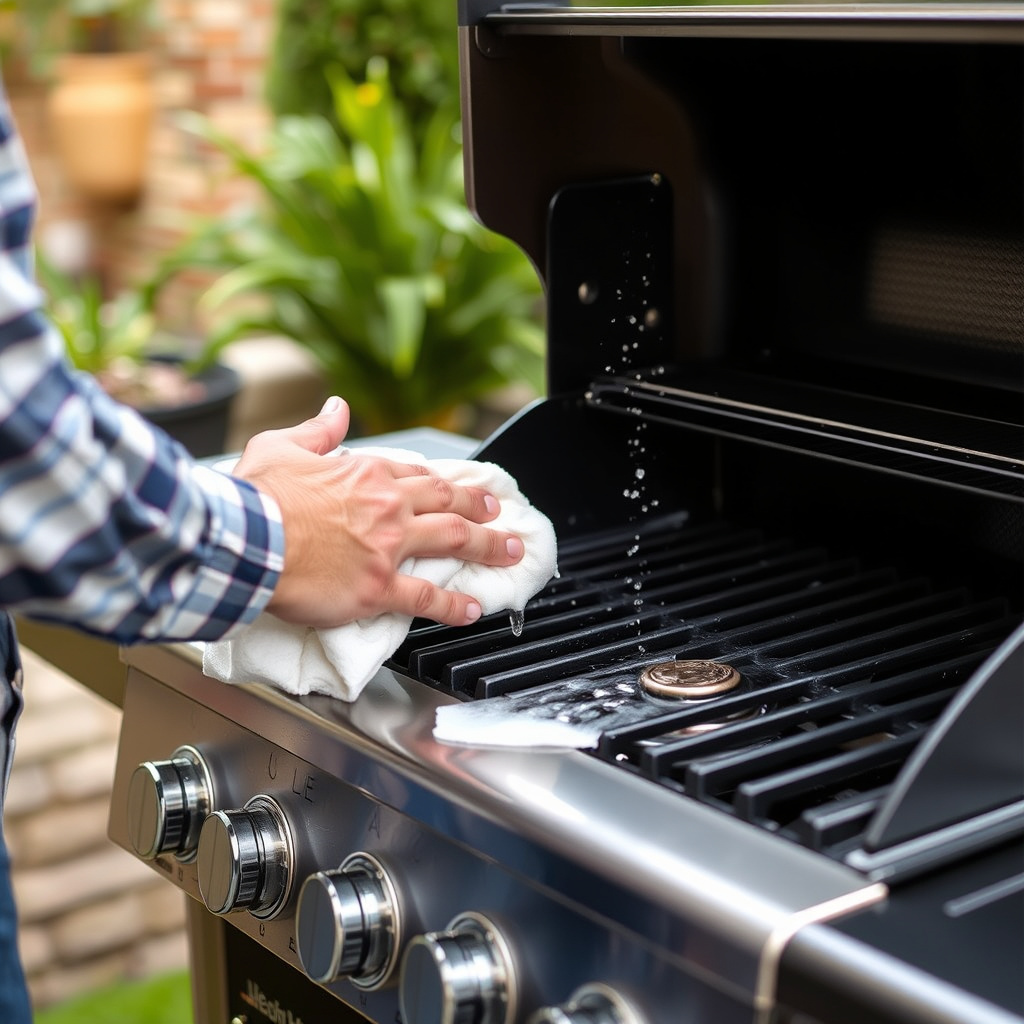
Avoiding Gas Leaks and Fire Hazards
Always turn off the gas supply before working on the grill to prevent accidental ignition or gas leaks. Use soap-water solutions to detect leaks after any maintenance or part replacement.
Never use an open flame to check for leaks. Regularly inspect hoses and connections and replace any that show cracks or wear to minimize fire or explosion risks.
- Turn off gas before repairs
- Use soap-water for leak checks
- Avoid open flame testing
- Replace damaged hoses immediately
For detailed safety guidelines and maintenance tips, refer to trusted sources on gas grill care. Gas Grill Cleaning and Maintenance.
Proper Ventilation and Handling
Work on your grill outdoors or in well-ventilated spaces to avoid gas buildup. Handle propane tanks carefully and keep sparks or flames away during maintenance.
Wear gloves and protective eyewear when cleaning or replacing parts to protect against sharp edges, chemical cleaners, or unexpected flare-ups.
- Work outdoors or ventilated areas
- Keep away from flames during maintenance
- Wear gloves and eye protection
Gas Grill Flame Issue Categories Compared
This table compares common categories causing low flame to help identify and fix your gas grill problem effectively.
| Issue Category | Symptoms | Ease of Fix | Typical Cost | Recommended Action |
|---|---|---|---|---|
| Clogged burners | Uneven or weak flame, visible debris | Easy | $0-$20 | Clean ports and tubes regularly |
| Low gas pressure | Weak flame, slow ignition | Medium | $10-$50 | Inspect regulator and tank, reset or replace |
| Damaged regulator | Inconsistent flame, no gas flow | Medium | $20-$60 | Replace regulator unit |
| Leaking hoses or connections | Smell of gas, flame extinguishes | Easy/Medium | $10-$40 | Replace hoses, tighten connections |
| Faulty ignition system | No spark or weak ignition | Medium | $15-$70 | Repair or replace ignition module |
Frequently Asked Questions
Why is my gas grill flame yellow instead of blue?
A yellow flame often means incomplete combustion caused by clogged burner ports or insufficient air mixing. Cleaning the burners and ensuring proper air flow usually restores the blue flame.
Can cold weather cause low flame on my gas grill?
Yes, cold temperatures can reduce propane pressure, making the flame appear weaker. Warming the tank or moving it to a warmer spot can improve flame strength.
Is it safe to use a grill with a low flame?
Using a grill with low flame can be unsafe if caused by gas leaks or faulty regulators. Inspect and fix these issues before grilling to avoid fire hazards.
How often should I clean my gas grill burners?
For best performance, clean burners deeply at least once every 3-4 months or more often if you grill frequently to prevent buildup that limits flame.
What tools are needed to fix a low flame on a gas grill?
Basic tools include a wire brush, pipe cleaners, screwdriver, soapy water spray, and optionally a manometer for pressure testing and replacement parts as needed.
Key Takeaways
- Low flame is often due to clogged burners or low gas pressure.
- Regular cleaning and inspection extend grill flame quality.
- Resetting or replacing the regulator can resolve many pressure issues.
- Safety precautions prevent leaks and fire hazards during repairs.
Conclusion
Addressing a gas grill with low flame requires a methodical approach focused on inspecting key components like burners, regulators, and gas supply. Key repairs often involve cleaning clogged burner ports, resetting or replacing regulators, and checking for leaks. Proper maintenance keeps your grill performing safely and effectively, ensuring your flame stays strong for cooking.
For typical home users, start with burner cleaning and inspecting the propane tank pressure. If issues persist, resetting the pressure regulator or replacing worn gas hoses can often restore normal flame output. For advanced troubleshooting, pressure testing tools can pinpoint deeper regulator or line faults. Regular maintenance, including thorough seasonal cleanings, prevents buildup and supports flame quality.
Taking care of flare problems early saves time and frustration while lowering safety risks. Use this guide as a practical reference to restore your grill’s flame quickly. If unsure or uncomfortable handling gas components, seeking professional service ensures safety and dependable repairs. With routine upkeep, your gas grill will deliver consistent, even flames for many meals to come.



