
Checking the propane level in a tank is straightforward using a few common methods. You can use a propane tank gauge, check for tank weight, or apply a hot water test to get a quick estimate of how much propane remains. Each method offers various levels of precision depending on your equipment and tank type.
Knowing the exact propane level is vital to avoid interruptions during grilling, heating, or other propane-powered activities. Unlike other fuels, propane doesn’t have a visible liquid indicator on standard tanks, so these techniques help you monitor usage without guesswork.
This article covers practical ways to check propane levels including gauge options, manual weighing, and simple visual tests. You'll learn the pros and cons of each method as well as tips on reading and maintaining your propane tank safely.
Propane Tank Gauges: Types and Usage
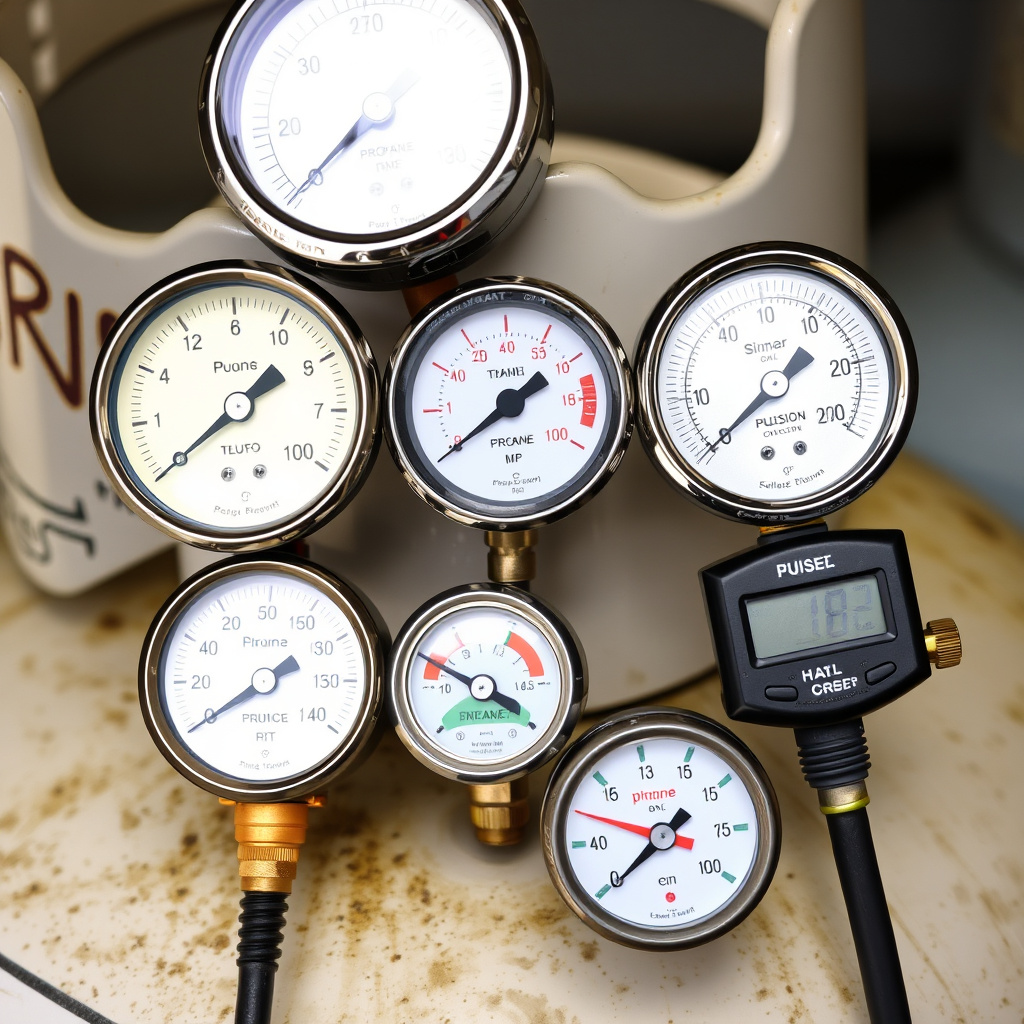
Dial Gauges: How They Work and Accuracy
Dial gauges attach to the tank's valve and use internal pressure readings to estimate propane levels. They often feature a needle that moves across colored zones indicating full, partial, or empty. However, since propane pressure varies with temperature, dial gauges provide approximate rather than exact readings.
For best results, use dial gauges when the tank is at room temperature and avoid checking levels immediately after heavy use. While dial gauges offer convenience, they can sometimes give false low or high readings due to temperature fluctuations.
- Measures internal tank pressure
- Affected by ambient temperature
- Easy to install and read
- Suits most standard propane tanks
Digital Propane Tank Gauges: Features and Benefits
Digital propane tank gauges offer more precise readings by measuring weight or pressure digitally and displaying numeric results. Some models connect to smartphones for monitoring propane levels remotely, improving convenience and accuracy.
Though digital gauges tend to cost more than dial types, their reliability and additional features make them preferred choices for regular propane users, especially for larger tanks used in home heating or RV applications.
- Provides numeric level displays
- Can connect to mobile apps
- Less affected by temperature changes
- Requires batteries or charging
Manual Methods to Check Propane Level
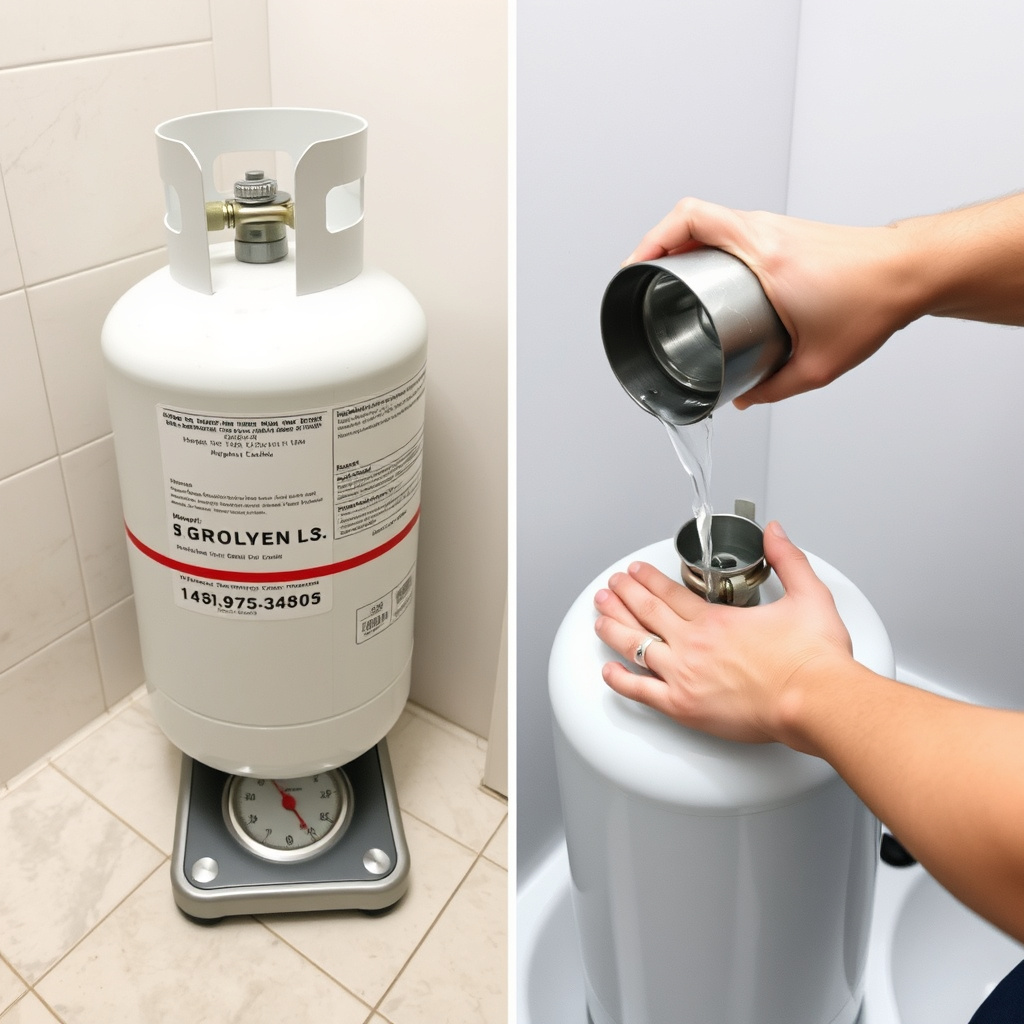
Weighing the Propane Tank Accurately
Propane tanks are stamped with a tare weight (empty tank weight) on the collar. By using a bathroom scale to weigh the tank and then subtracting the tare weight, you can calculate the propane content. Since propane's weight is standardized, this method gives an accurate measurement.
This approach works best with smaller or medium propane tanks you can lift easily. Make sure the scale is calibrated properly and place the tank carefully to avoid injury or damage.
- Find tare weight on tank collar
- Use reliable scale with correct max capacity
- Subtract tare weight from total
- Calculate propane weight remaining
For more on this, see our related guide: How to Connect a Propane Tank to a Grill Safely and Efficiently.
Using the Hot Water Test to Find the Level
Pour hot (not boiling) water down the side of the propane tank and then touch the surface with your hand. The tank will feel cool to the touch at the liquid propane level because liquid propane absorbs heat, while the empty part of the tank will feel warmer.
This simple test doesn’t provide exact numbers but is useful for a quick fuel level check before grilling or camping trips. Repeat the test along various heights of the tank for better precision.
- Use hot tap water, not boiling
- Feel tank surface for temperature change
- Identify propane fill line by coolness
- Quick and no-cost method
Reading and Understanding Propane Tank Labels
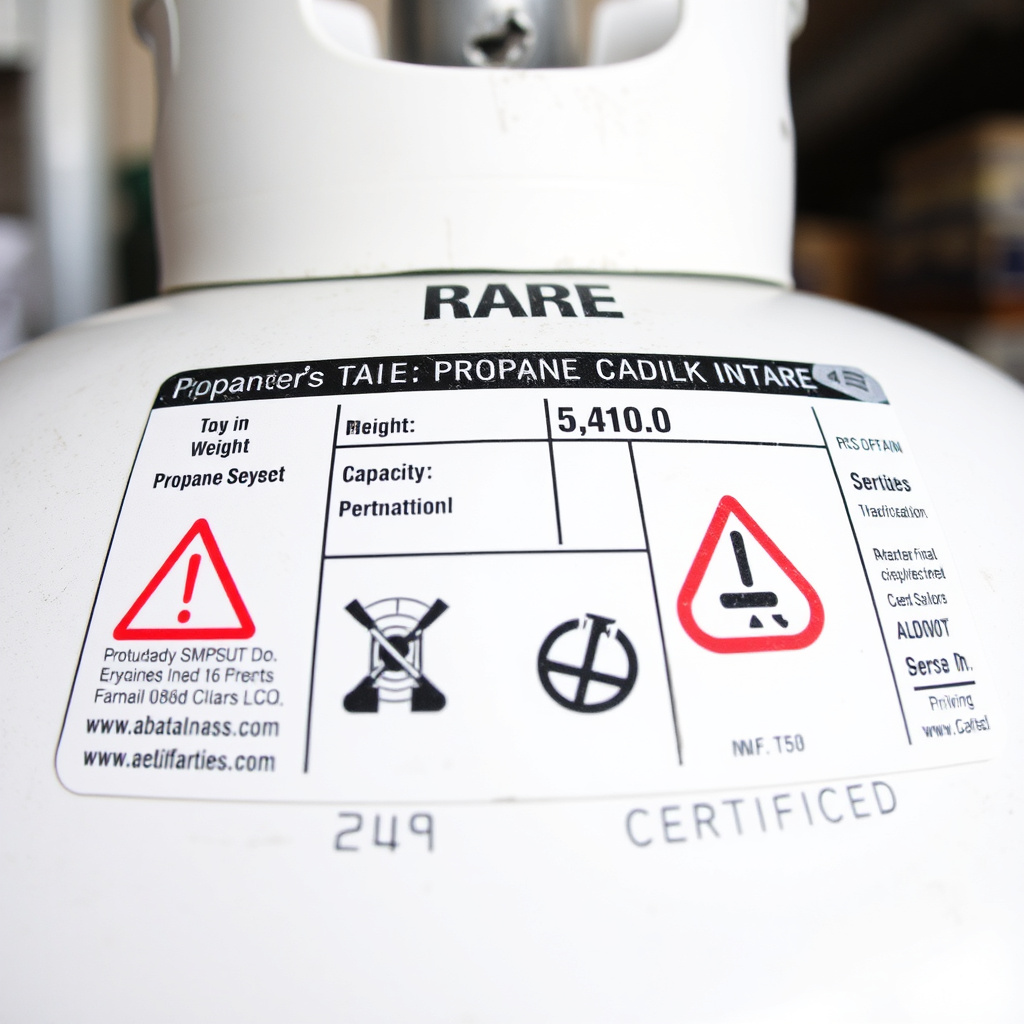
Locating the Tare Weight and Capacity Markings
Propane tanks have stamped markings near the valve collar that indicate tare weight (TW) and maximum water capacity (W.C.). The tare weight represents the empty tank weight, while the water capacity correlates closely to the maximum propane volume the tank can hold.
Knowing these numbers helps users calculate fuel levels when weighing the tank and understanding how full the tank might be in relation to its total capacity.
- Tare weight marked as 'TW'
- Water capacity often marked in pounds or gallons
- Found near tank valve collar
- Essential for manual fuel calculations
Interpreting Safety and Inspection Labels
Regular inspections are required for propane tanks, indicated by certification labels stamped or affixed to the tank. These labels include inspection dates and safety warnings that help ensure reliable performance and legal compliance.
Reading these labels is important for users who want to maintain tank safety and verify it's fit for continued use when checking propane levels.
- Includes certification dates
- Shows inspection authority
- Contains safety warnings
- Indicates tank expiration or requalification
Tank Types and Their Propane Level Monitoring
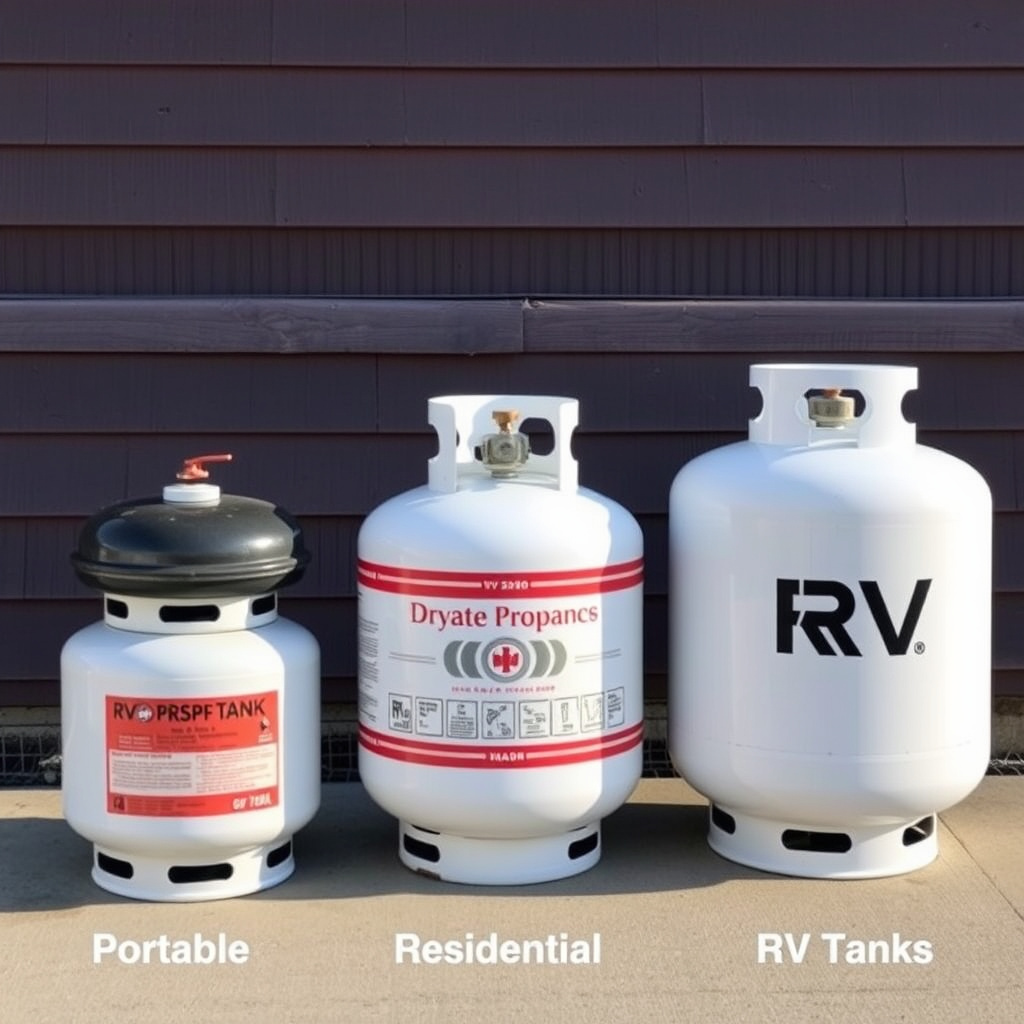
Portable Propane Tanks for Grilling and Camping
Small portable tanks, like 20-pound cylinders used in grills and camping stoves, are easiest to monitor with gauges or weighing methods. They usually have standard valve fittings compatible with most gauges, allowing quick level checks before use.
Because these tanks are frequently transported, manual inspections and quick tests like the hot water method are useful during outdoor activities when electronic gauges might not be accessible.
- Commonly 5-20 pounds capacity
- Fits standard LPG fittings
- Easy to weigh and inspect
- Ideal for quick propane level checks
For more on this, see our related guide: Why Does My Propane Grill Smell Like Gas? Common Causes and Solutions.
Large Residential and RV Propane Tanks
Large tanks used for home heating or RVs often have built-in or attachable propane tank gauges for continuous monitoring. They may use pressure sensors or weight-based digital gauges that sync with systems monitoring household propane usage.
These tanks require regular inspections and can be linked to safety shutoff valves. Their size and usage demands make accurate level monitoring critical for uninterrupted propane supply.
- Hold hundreds of pounds of propane
- Often have integrated gauges
- Require regular professional inspections
- Support remote monitoring in advanced setups
Maintaining and Calibrating Propane Tank Gauges
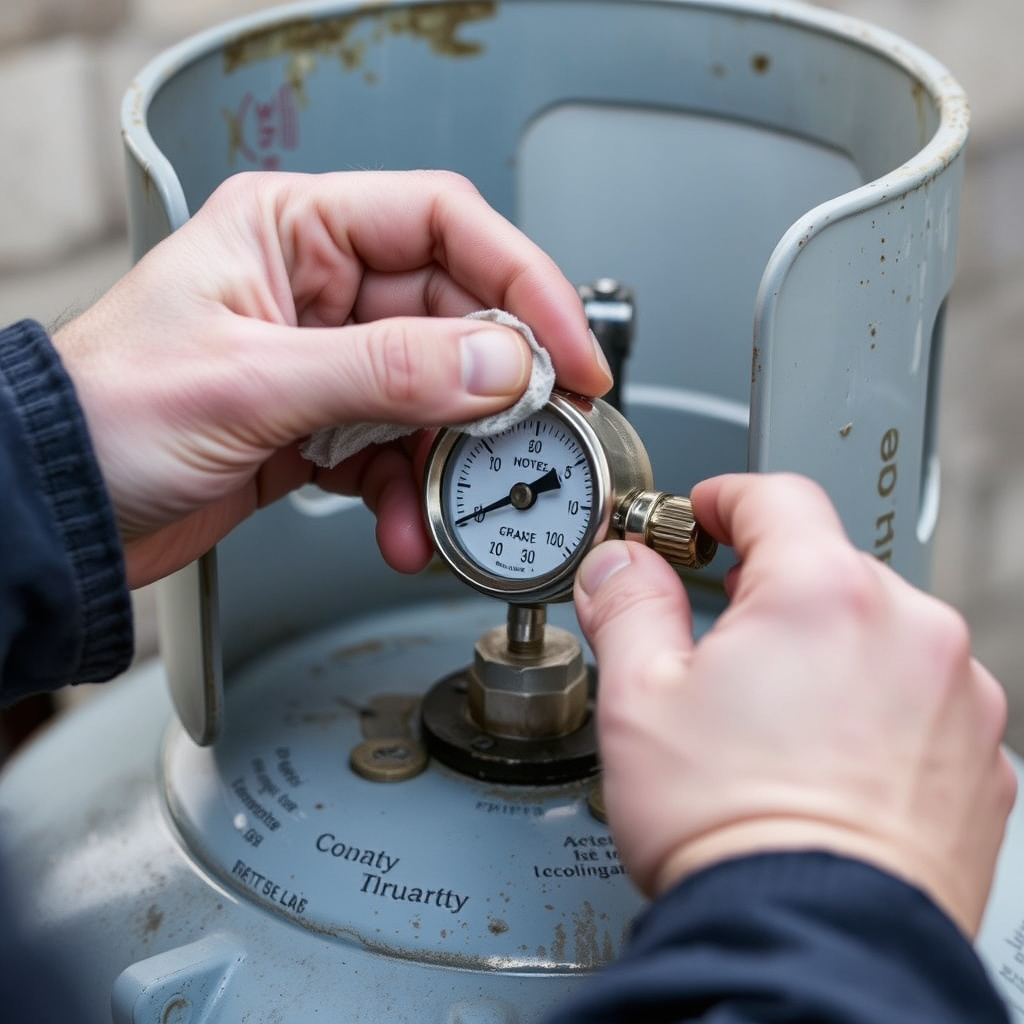
Cleaning and Inspecting Gauge Components
Over time, gauges can collect dirt and debris, affecting accuracy. Regular cleaning with a soft brush and mild detergent helps maintain correct readings. Inspect hoses, connections, and seals visually to catch any leaks or damage early.
Proper maintenance extends gauge life and enhances safety during propane level checks.
- Use soft brush to clean gauge exterior
- Inspect seals and fittings regularly
- Replace damaged components promptly
- Avoid harsh chemicals that damage gauges
For more information about propane tanks, including safety and handling, refer to propane tank basics and safety. propane tank basics and safety.
Calibrating Gauges for Accurate Readings
Calibrating analog dial gauges involves adjusting the needle position if readings drift, often using manufacturer-provided tools or calibration kits. Digital gauges may recalibrate automatically or through app-based setups.
Ensuring the gauge is calibrated enhances reliability, especially if you notice inconsistent propane level readings.
- Follow manufacturer calibration instructions
- Test gauge after calibration
- Recalibrate periodically as recommended
- Keep calibration tools handy
Propane Level Checking Methods Comparison
This table summarizes the pros and cons of various propane level checking methods to help you select the best approach for your tank type and needs.
| Method | Accuracy | Cost | Ease of Use | Best For |
|---|---|---|---|---|
| Dial Gauge | Moderate | Low | High | Standard portable tanks |
| Digital Gauge | High | Medium-High | High | Frequent or remote monitoring |
| Weighing Tank | High | Low | Medium | Small to medium tanks with known tare weight |
| Hot Water Test | Low | Free | High | Quick checks without added equipment |
Frequently Asked Questions
Can I use a propane tank gauge on any size tank?
Most propane tank gauges fit common portable tanks like 20-pound cylinders. However, large residential or RV tanks may need specialized gauges compatible with their unique fittings and sizes.
Is the hot water test safe for all propane tanks?
Yes, the hot water test uses warm water that is not boiling and poses no risk to the tank. However, avoid using very hot or boiling water as it can damage the tank's paint or components.
How often should I check the propane level?
It depends on usage frequency, but a good practice is to check before each use for portable tanks and periodically for larger tanks to avoid running out unexpectedly.
What does the tare weight on a propane tank mean?
The tare weight is the empty weight of the propane tank. Subtracting this from the total weight of the filled tank helps determine the amount of propane remaining.
Can temperature changes affect propane level readings?
Yes, propane pressure varies with temperature, which affects gauge readings, especially dial gauges. Digital weight-based methods are less influenced by temperature fluctuations.
Key Takeaways
- Multiple methods exist to check propane level including gauges and manual tests.
- Dial and digital propane tank gauges offer convenient monitoring with varying accuracy.
- Weighing tanks provides precise fuel level measurement when tare weight is known.
- Simple tests like the hot water method give quick but approximate propane levels.
Conclusion
Choosing a reliable way to check propane level in a tank depends on your tank type, usage frequency, and need for precision. For basic grilling tanks, dial gauges or the hot water test offer simple options. Larger tanks benefit from digital gauges or weighing methods for better accuracy and monitoring convenience. Understanding tare weight is foundational when using manual weighing techniques to determine propane content precisely.
If your needs are occasional or portable, the hot water test and dial propane tank gauges are affordable and easy solutions that give quick feedback on propane availability. For regular home heating or RV use, investing in a digital gauge can provide peace of mind with precise readings and remote monitoring features, minimizing the chance of running out unexpectedly.
To keep your propane tank safe and reliable for level checking, maintain gauges by cleaning and occasional calibration. Combine methods as needed — for example, use weighing alongside a gauge check — to verify readings. This balanced approach keeps you informed about propane levels. Start by identifying your tank type and decide which method suits your situation best before your next propane use.



