
Grill flare ups occur when fat or marinade drips onto hot coals or burners, igniting sudden, intense flames that can char food and pose a safety risk. To fix grill flare ups, the key is managing flare sources by adjusting heat, trimming excess fat, and maintaining a clean grill surface.
Flare ups can quickly ruin your cookout by burning your food unevenly and creating dangerous cooking conditions. Controlling flare ups not only improves the taste but also extends the life of your grill and protects those around it.
This article explains what causes grill flare ups, detailed steps to fix them as they happen, preventive techniques for smoother grilling sessions, and safety guidelines to minimize risks during outdoor cooking.
Understanding Grill Flare Ups and Their Causes
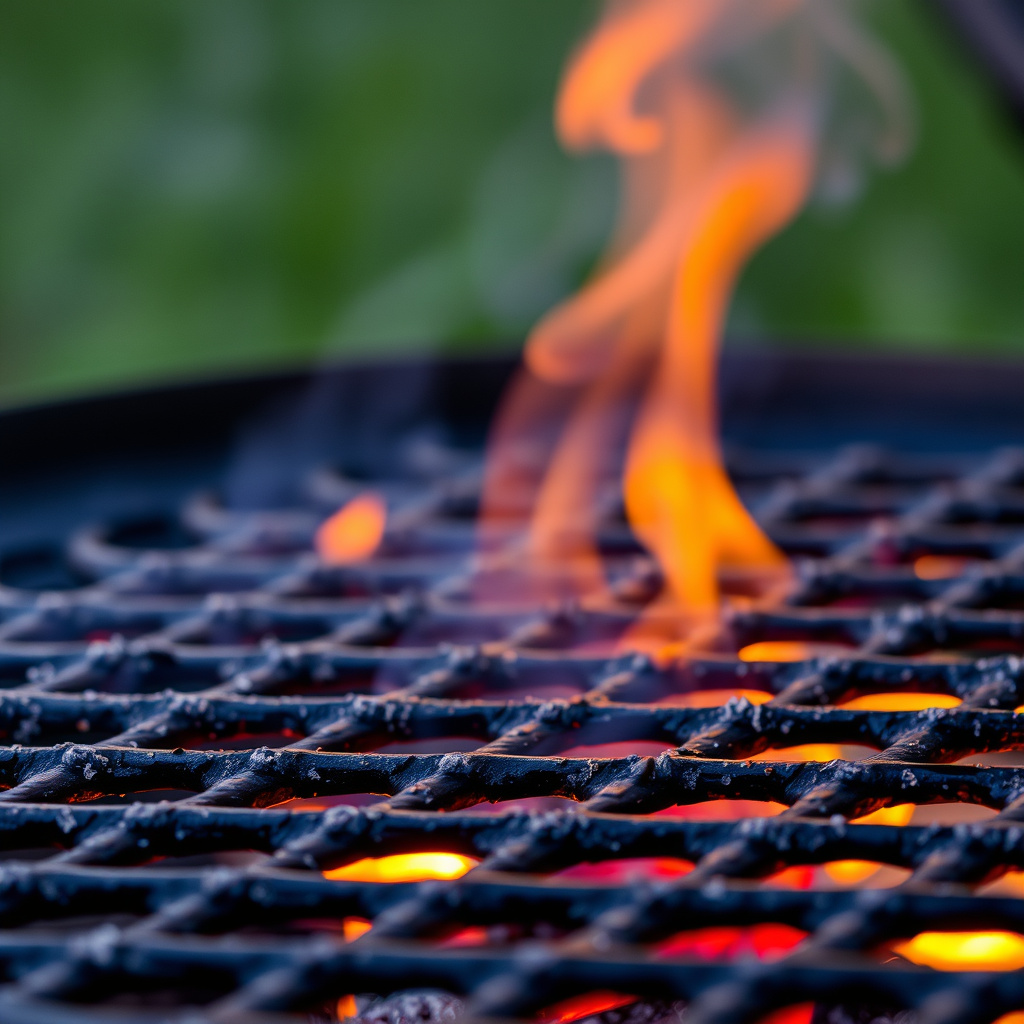
What Triggers Flare Ups on a Grill
Flare ups primarily happen when fats, oils, or sugary marinades drip onto hot grill elements such as charcoal or gas burners. The vapors ignite quickly, sending flames shooting up towards the food. This reaction is more common with fattier cuts of meat or overloaded grills.
Apart from dripping grease, flare ups can be caused by accumulated residue in the grill, such as leftover grease or food particles, which ignite under high heat. Windy conditions can also make flare ups more intense by providing more oxygen to flames.
- Fat drippings from marbled meats
- Sugary sauces or marinades
- Grease buildup on grill surfaces
- Wind affecting flame behavior
Why Flare Ups Impact Your Grilling Experience
Flare ups produce unpredictable, high heat that can quickly burn the exterior of your food while leaving interiors undercooked. This uneven cooking compromises both taste and food safety. Additionally, flare ups increase carbon monoxide and soot production, degrading grill performance over time.
From a safety perspective, flare ups can escalate to grill fires, risking burns or damage to your property. Understanding flare up causes helps you anticipate and minimize their occurrence, making grilling both safer and more enjoyable.
Quick Solutions to Fix Grill Flare Ups in Action
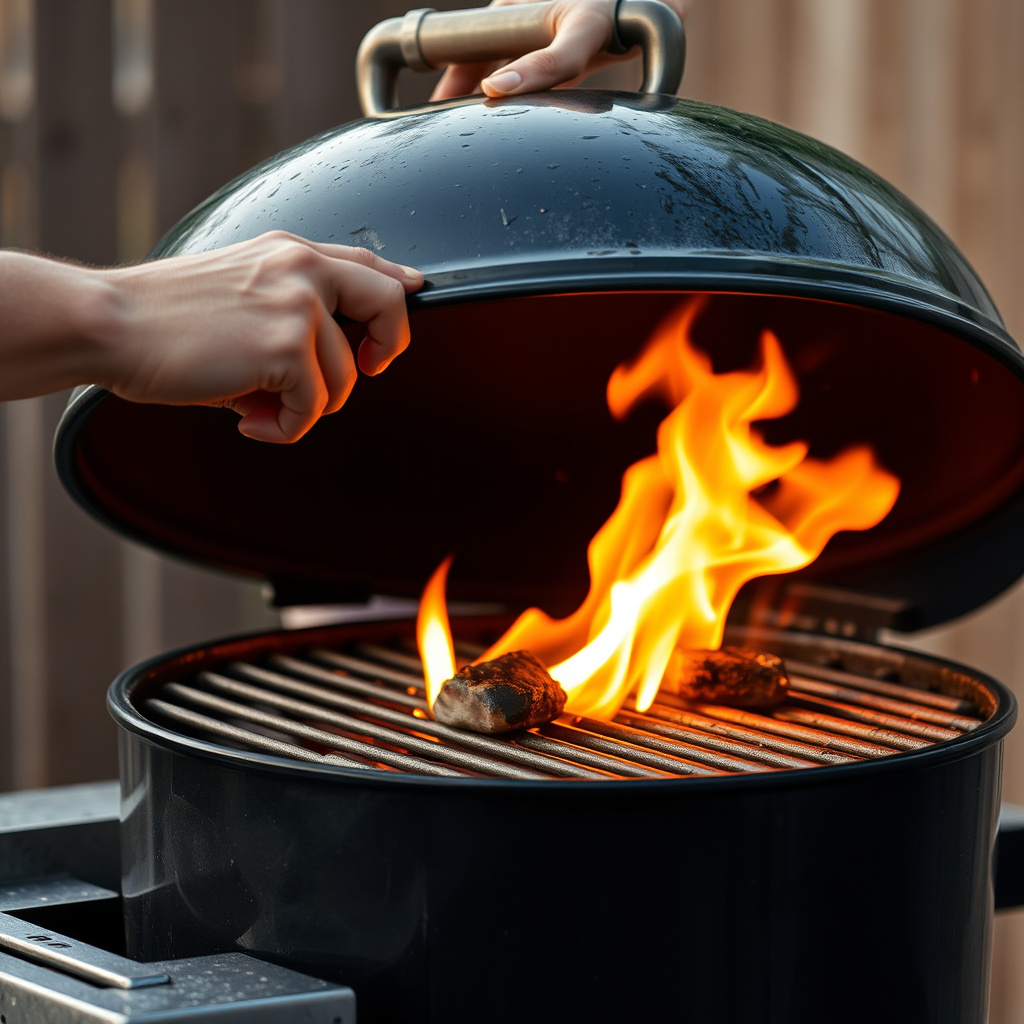
Immediate Actions When Flames Flare High
The fastest way to control a flare up is to close your grill lid to cut off oxygen supply, which weakens the flames quickly. If your grill has dampers or vents, partially close them as well to reduce airflow.
Avoid tossing water on flames, as this can scatter hot grease and cause flare ups to spread. Instead, move the food temporarily to a cooler section of the grill to prevent charring while flames subside.
- Close grill lid and vents
- Move food to indirect heat zones
- Never pour water on flare ups
For more on this, see our related guide: How to Fix a Gas Grill with Low Flame Quickly and Safely.
Using Grill Tools to Manage Flames
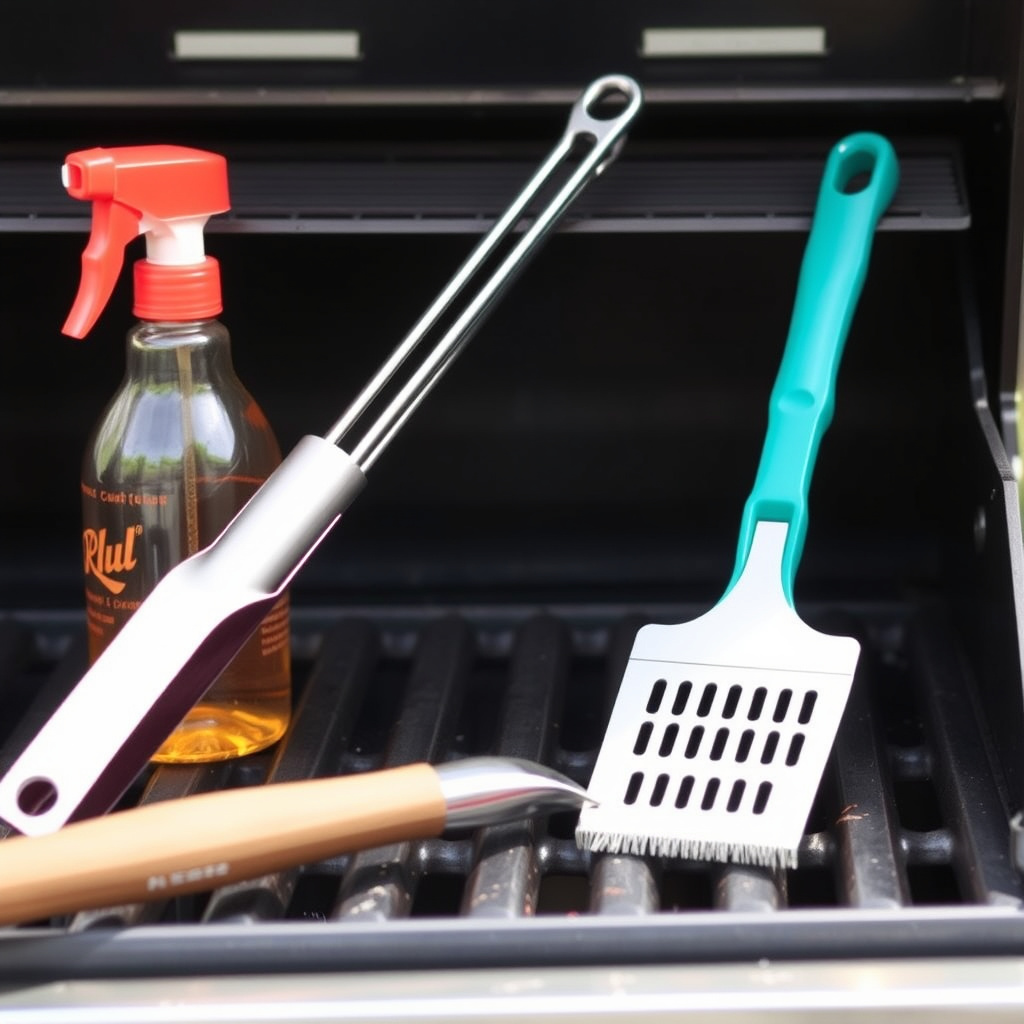
A long-handled spray bottle with water lets you gently mist flare ups without spreading grease. Keep it near the grill for quick response. You can also control flare ups by adjusting burner flames or charcoal placement to lower heat where drippings ignite most.
Scraping grease buildup with a grill brush during and after cooking reduces ignition spots. Using tongs or grill spatulas to reposition or flip food away from direct flames is another effective tactic to limit flare exposure.
- Keep a spray bottle handy
- Adjust burner controls or coals
- Remove grease and char residue frequently
- Shift food away from flames quickly
Preventing Grill Flare Ups for Smooth Cooking
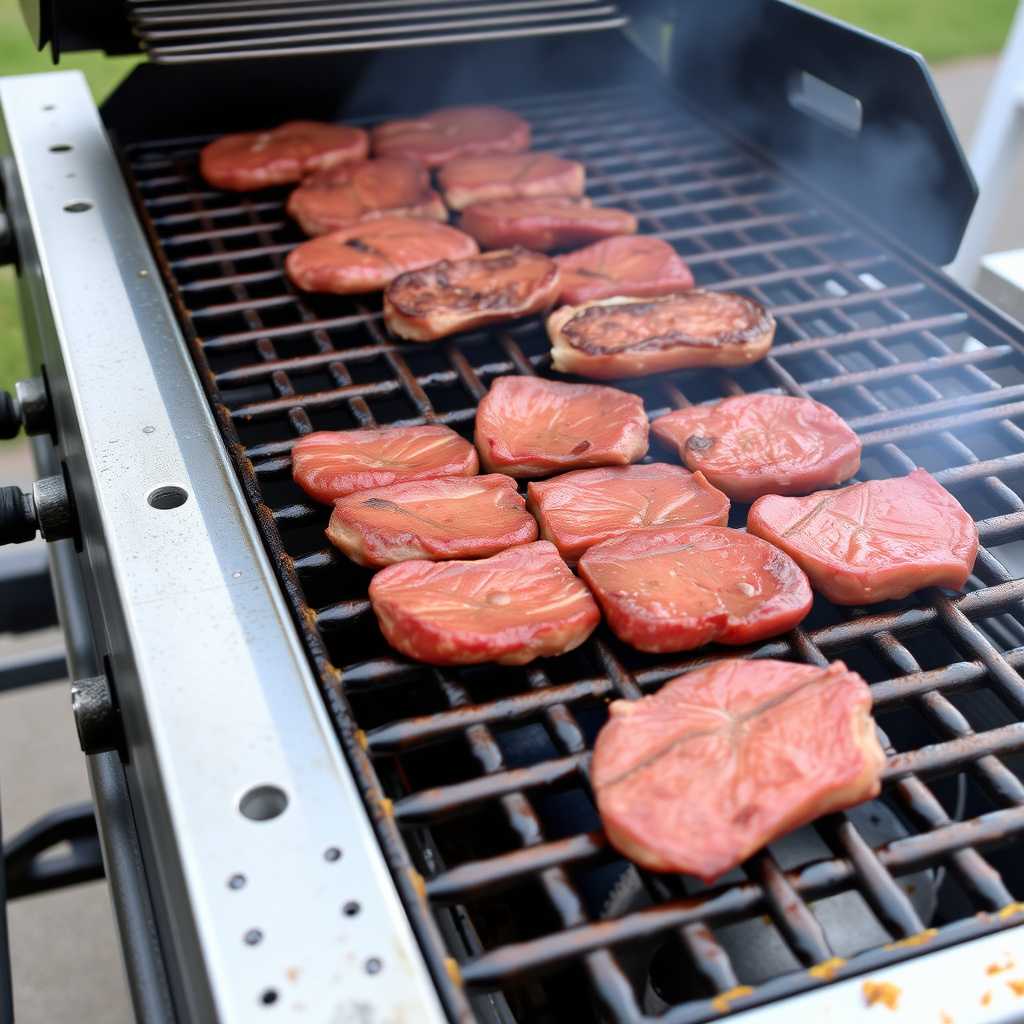
Trim Fat and Choose Lean Cuts
Fatty meats release more drippings that fuel flare ups. Trimming excess fat before grilling dramatically reduces dripping volume and flare intensity. Opting for leaner cuts or trimming marbled fatty sections limits flare risks while still providing juicy results.
Alternately, slicing meat into smaller portions allows drippings to evaporate or drip away without pooling dangerously. Marinating in oil-light sauces instead of sugary or sticky marinades reduces flare-fueling residues.
- Trim visible fat from meat
- Select lean beef, poultry, or fish
- Cut into smaller pieces for even cooking
- Use low-oil, low-sugar marinades
Maintain Your Grill Clean and Well-Set
Regularly cleaning your grill grates and drip pans removes accumulated grease that causes flare ups. Before cooking, preheat your grill hot enough to burn off stuck residues but not so hot that fat ignites instantly.
Setting up distinct zones for direct and indirect heat creates a safer environment to handle flare ups. Keeping a drip tray underneath to collect fats also helps prevent dripping fuel from hitting flames directly.
- Scrape grates after each use
- Empty and clean drip pans regularly
- Preheat grill to moderate temperatures
- Create two-zone cooking areas
Techniques and Tools for Flare-Up Control
Using Indirect Grilling Methods
Indirect grilling involves placing food away from the hottest coals or burners, allowing fats to drip harmlessly without flame ignition. This method slows cooking slightly but prevents flare ups while producing evenly cooked results.
You can also use aluminum foil drip pans beneath fatty foods to catch drippings, lowering flare risks significantly. This approach works well for large cuts and delicate items that benefit from gentler heat.
- Place food on cooler grill zones
- Use drip pans or foil trays
- Monitor temperature and cooking times
For more on this, see our related guide: How to Fix a Gas Grill Igniter: Step-by-Step Guide for Quick Repairs.
Specialized Grill Accessories to Reduce Flare Ups
Heat diffusers, lava rocks, and ceramic briquettes create an even heat surface that vaporizes fats safely before they ignite. Installing grease management systems or drip catchers on grills adds a layer of protection against flame flare.
Using grilling mats or baskets lifts food and prevents juices from dripping directly onto flames. Such tools are practical investments for anyone experiencing frequent flare ups while cooking fatty meats.
- Insert heat diffusers or lava rocks
- Use grill mats or baskets to hold food
- Install grease management trays or systems
Safety Measures During Flare Up Incidents
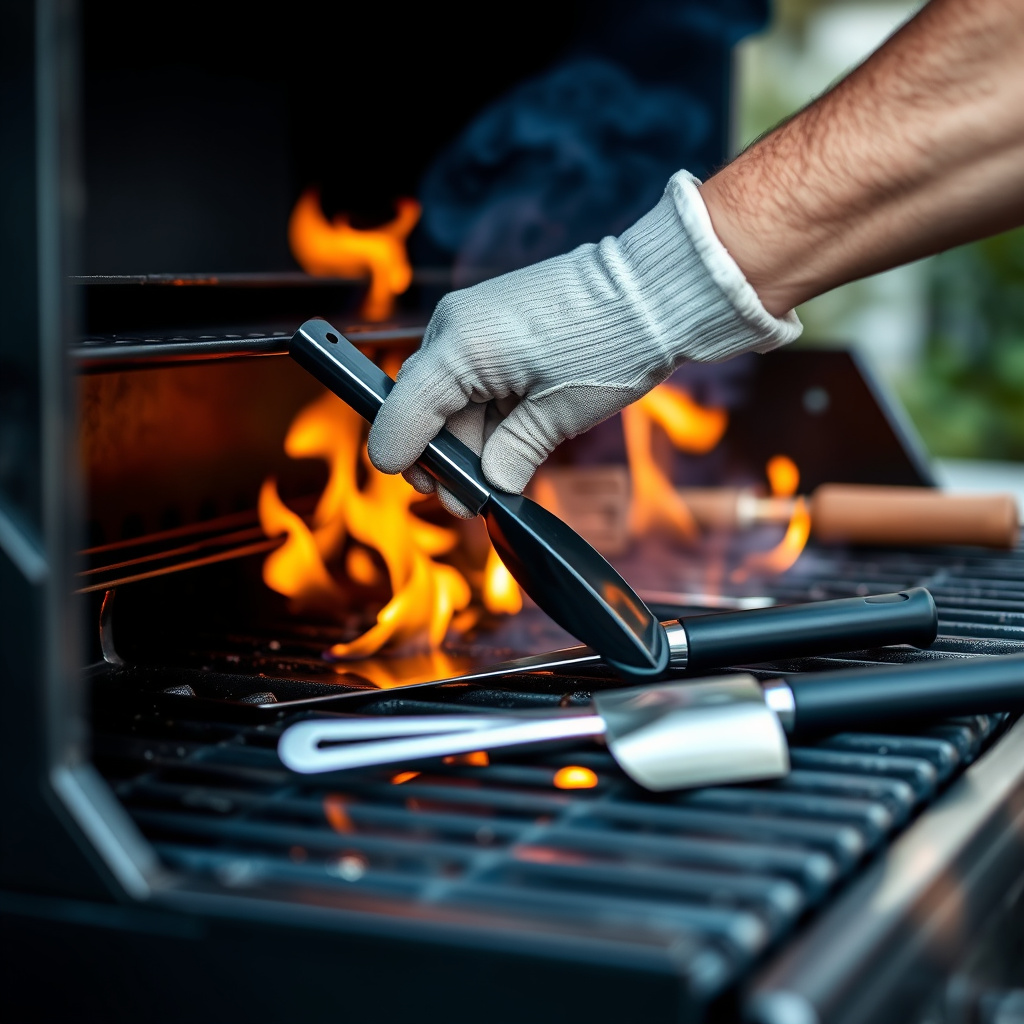
Protective Gear and Fire Safety Basics
Wearing heat-resistant gloves and long-handled tools protects hands and arms from sudden flames and sparks during flare ups. Keeping a working fire extinguisher or baking soda nearby helps quickly handle larger grill fires safely.
Avoiding loose clothing and tying back long hair minimizes accidental ignition risks. Educate everyone present about basic grill safety, including never leaving a flame unattended.
- Use heat-resistant gloves
- Keep a fire extinguisher or baking soda close
- Avoid loose sleeves or dangling items
- Supervise grill operations constantly
For more detailed background on grilling techniques and common issues like flare ups, see the grill flare ups explanation on Wikipedia. grill flare ups explanation on Wikipedia.
Responding to Extreme Flare Ups or Fires
If flare ups escalate into uncontrollable grill fires, immediately turn off burners or close vents to starve flames of oxygen. If the fire spreads beyond the grill, evacuate and call emergency services promptly.
Never move a grill that is on fire. Instead, isolate the area and use a fire extinguisher rated for grease fires to extinguish flames carefully. Practicing flare up control strategies dramatically reduces these emergency situations.
- Shut off gas or reduce oxygen flow immediately
- Do not attempt to move flaming grill
- Call fire department if fire spreads
- Use proper fire extinguisher for grease fires
Common Grill Flare Up Causes and Control Methods Compared
This comparison highlights major flare up triggers alongside effective control techniques to guide informed grilling choices.
| Cause | Description | Control Method | Best Grill Type |
|---|---|---|---|
| Fat Drippings | Excess animal fats melting and dripping onto heat source | Trim meat fat, use indirect heat, employ spray bottle | Charcoal, Gas |
| Sugary Marinades | Sweet sauces ignite quickly on hot surfaces | Use low-sugar marinades, clean grates thoroughly | Gas grill preferred for temperature control |
| Grease Build-Up | Accumulated fats and residues in grill trays and grates | Clean grill regularly, use grease trays | All grill types |
| Wind Effects | Wind fuels flames by increasing oxygen supply | Position grill shielded from wind, close lid | Covered gas grills fare better |
| Overcrowding Grill | Food juices drip in large volumes simultaneously | Space food out, cook in batches | Wider grills with two-zone setups |
Frequently Asked Questions
Can I pour water on grill flare ups to put them out?
No, pouring water on flare ups can spread hot grease and increase fire danger. Instead, close the lid, move food away from flames, or use a spray bottle to mist gently.
How does the grill lid help in controlling flare ups?
Closing the grill lid reduces oxygen supply fueling the flames, causing flare ups to subside while also preventing sudden heat spikes on your food.
What kind of marinades reduce flare ups?
Marinades low in sugar and oil content help prevent excessive dripping and caramelization that trigger flare ups during cooking.
Is indirect grilling effective against flare ups?
Yes, indirect grilling places food away from direct heat, minimizing drippings hitting flames and thereby greatly reducing flare ups.
How often should I clean my grill to prevent flare ups?
Grills should be cleaned after every use by scraping grates and emptying drip pans to remove grease that can ignite during the next cookout.
Key Takeaways
- Flare ups mainly stem from dripping fats, sugary marinades, and grease buildup.
- Closing the grill lid and moving food to indirect heat quickly controls flare ups.
- Trimming fat, cleaning the grill, and using low-sugar marinades help prevent flare ups.
- Safety gear and proper fire response are essential during flare up incidents.
Conclusion
Effectively managing grill flare ups involves understanding what triggers those sudden flames and applying immediate and preventive techniques. By focusing on trimming excess fat, monitoring your grill’s temperature zones, and keeping your equipment clean, you can control flare ups without sacrificing cooking quality or safety. The main keyword "how to fix grill flare ups" highlights this careful balance between practical flare mitigation and enjoying delicious grilled food.
For home grillers, lean cuts and two-zone indirect grilling stand out for reducing flare incidents. Those who frequently marinate or cook fatty meats should keep a spray bottle handy and invest in heat diffusers or grease management systems. Gas grills offer easier temperature regulation for preventing flare ups, while charcoal grills benefit from placement approaches to reduce direct dripping on coals. Overall, knowing your grill type's flare risks allows targeted prevention.
Start by trimming fatty portions and establishing a clean grilling environment. Practice closing the lid quickly when flames surge, and avoid water use that worsens flare ups. As you build flare control habits, you’ll gain confidence in handling flames safely while achieving even, flavorful results. Learning how to fix grill flare ups is a skill that transforms your outdoor cooking experience into a safe, rewarding routine.



