
If your pellet grill won't ignite, start by checking the basics: ensure the grill is plugged in, the propane or pellet supply is adequate, and the ignition system is clean and undamaged. Often, ignition problems stem from clogged parts or electrical faults that prevent sparks or pellet feeding.
A pellet grill’s ignition relies on coordinated electrical components and fuel delivery. Blockages in the auger, dirty igniters, or faulty wiring can stop the grill from lighting. Understanding these common issues helps target the repair quickly without unnecessary guesswork.
This article will explain how to diagnose and fix ignition issues with your pellet grill. You'll learn how to inspect and clean the ignition system, test electrical parts, clear pellet jams, and maintain your grill to prevent future failures.
Understanding Pellet Grill Ignition Systems
How the Ignition Process Works
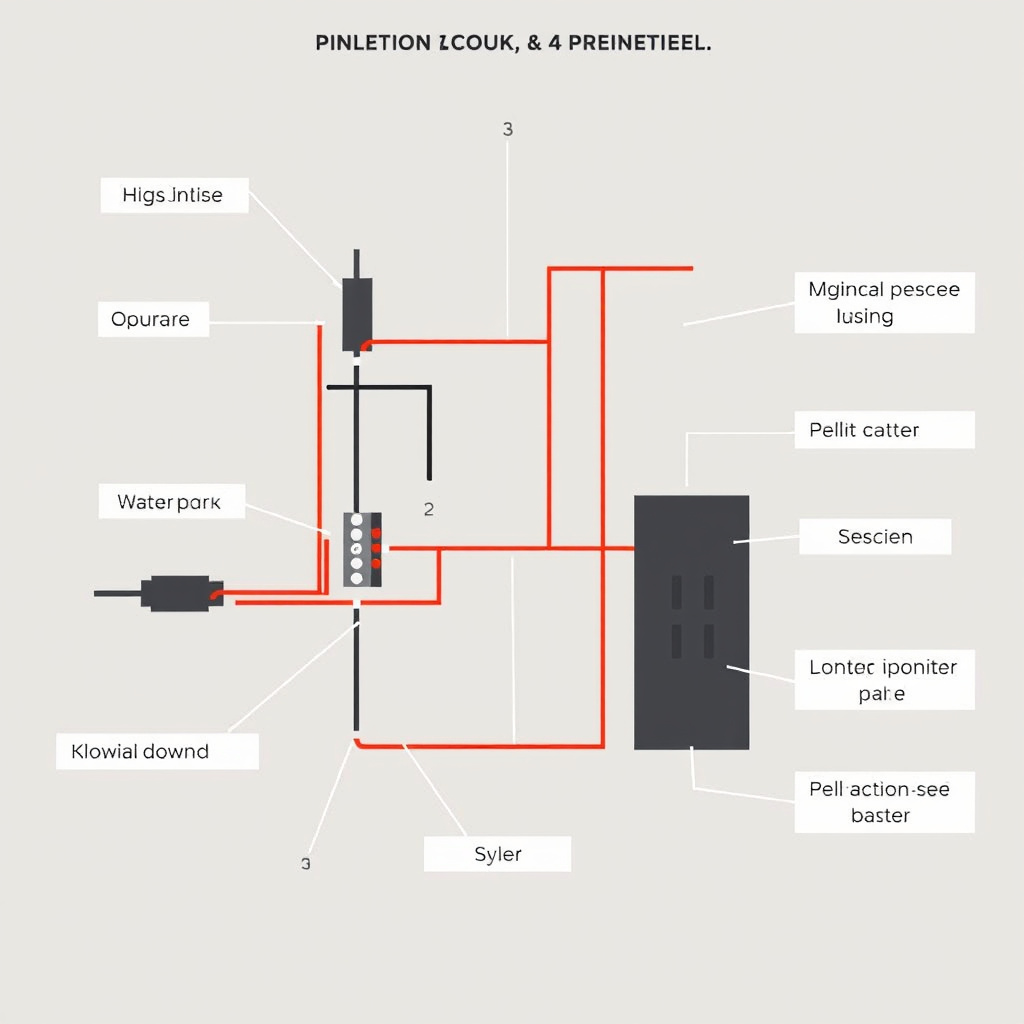
Pellet grills use a spark igniter or hot rod to ignite pellets delivered by an auger screw. When you power on the grill, the control board activates the auger and igniter in sequence to start burning pellets in the firepot.
The igniter heats up and ignites the pellets as they arrive in the firepot, while the fan provides airflow to sustain the flame. Any disruption in these parts can prevent the grill from lighting properly.
Common Ignition Components and Their Roles
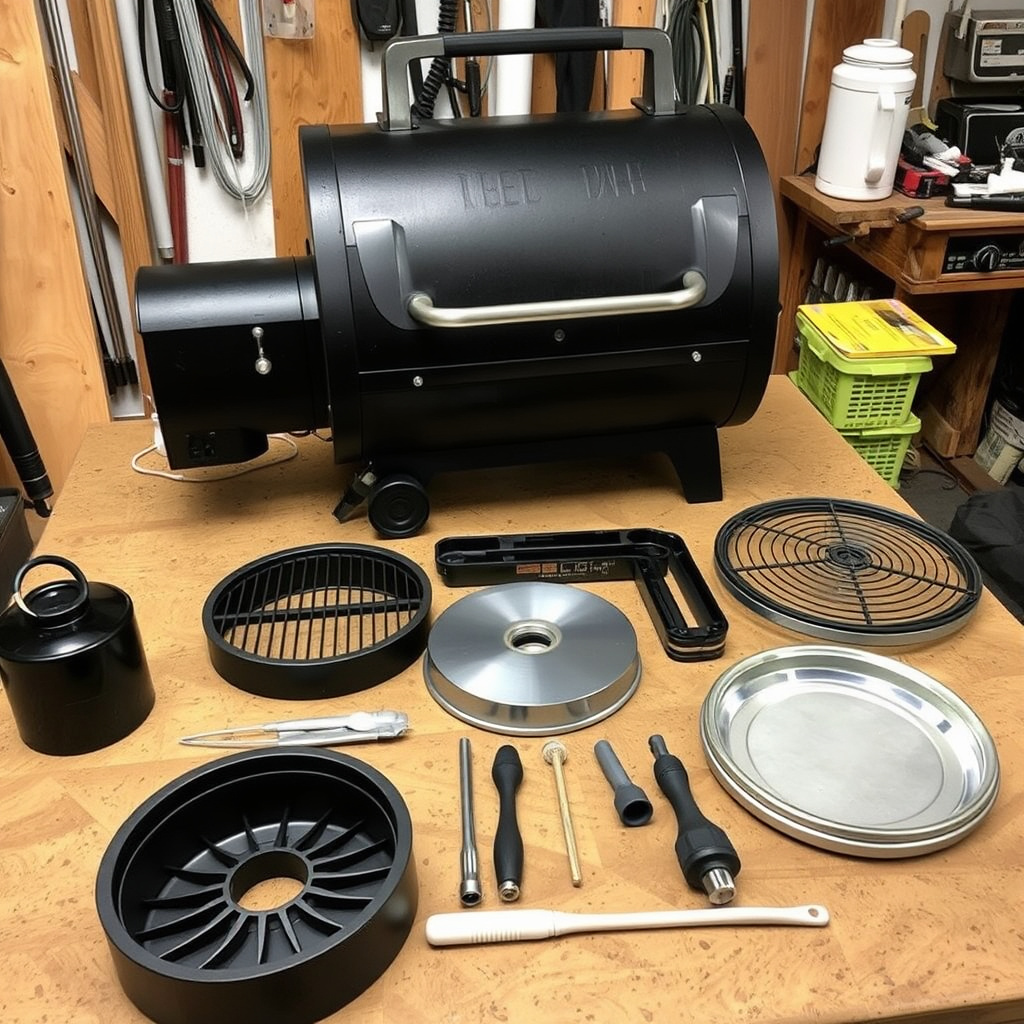
The main parts involved in ignition include the auger motor, igniter rod, combustion fan, and control board. The auger feeds pellets, the igniter sparks or glows hot, the fan pushes air to intensify the flame, and the control board coordinates the sequence.
Identifying faulty components among these is essential for efficient pellet grill ignition troubleshooting and repair.
Diagnosing Pellet Grill Ignition Problems
Checking for Power and Electrical Issues
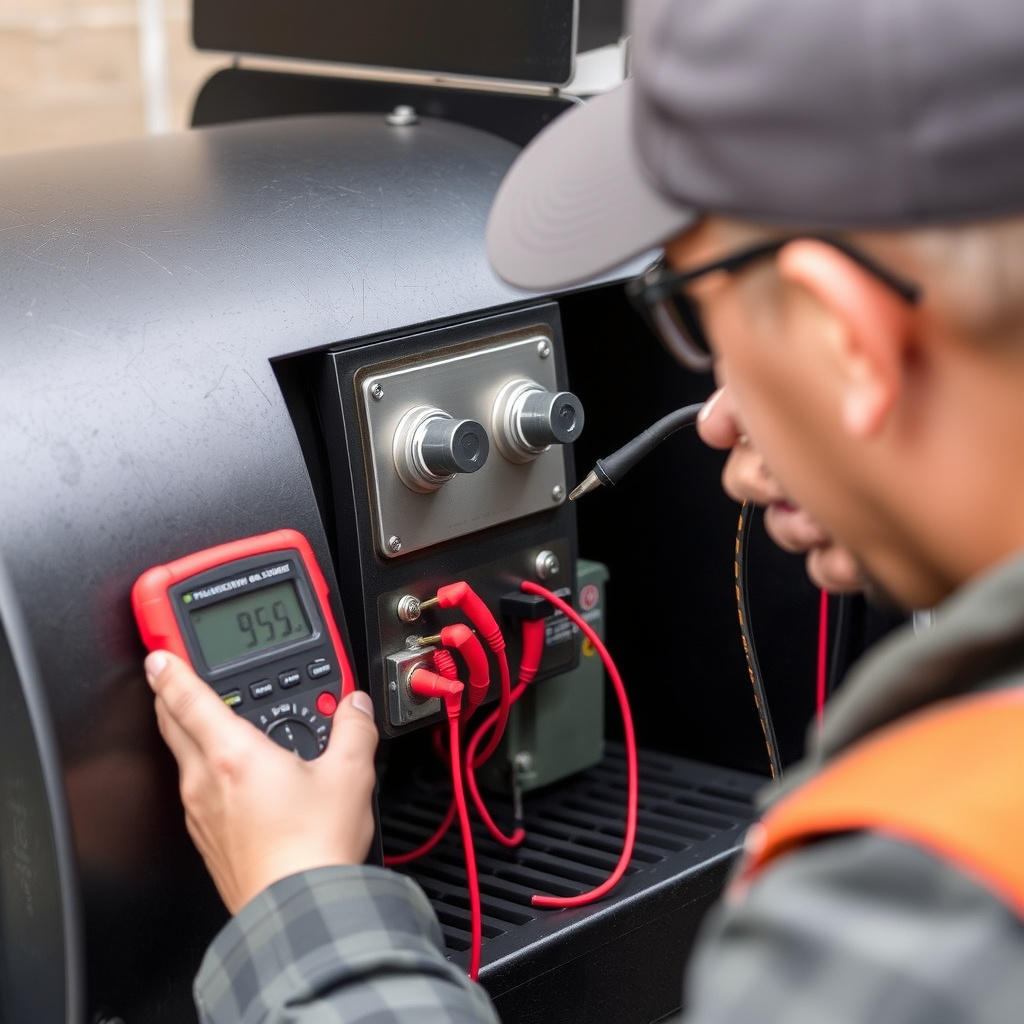
Start by verifying the grill is plugged into a working outlet and the power switch functions correctly. Inspect wiring for signs of damage or loose connections which might interrupt power to the igniter or auger.
Using a multimeter, measure voltage at key points like the igniter and auger motor to confirm they receive power when the grill starts.
- Confirm outlet is live with another device
- Inspect power cords and plugs for wear
- Check wiring harness connections inside the grill
- Use a multimeter to test continuity and voltage
Identifying Pellet Supply and Feed Issues
Pellets must be dry and able to flow smoothly through the auger. Moist or old pellets can clog the feed system, preventing ignition. Inspect the hopper for moisture and pellet quality.
Remove any pellet jams from the auger tube and verify the auger motor runs freely when powered. Blockages here can stop pellets from reaching the firepot, causing ignition failure.
- Check hopper and pellets for moisture
- Clear pellet jams manually
- Test auger motor function
- Regularly clean pellet pathways to prevent buildup
Fixing the Igniter and Firepot Problems
Cleaning and Testing the Igniter Rod
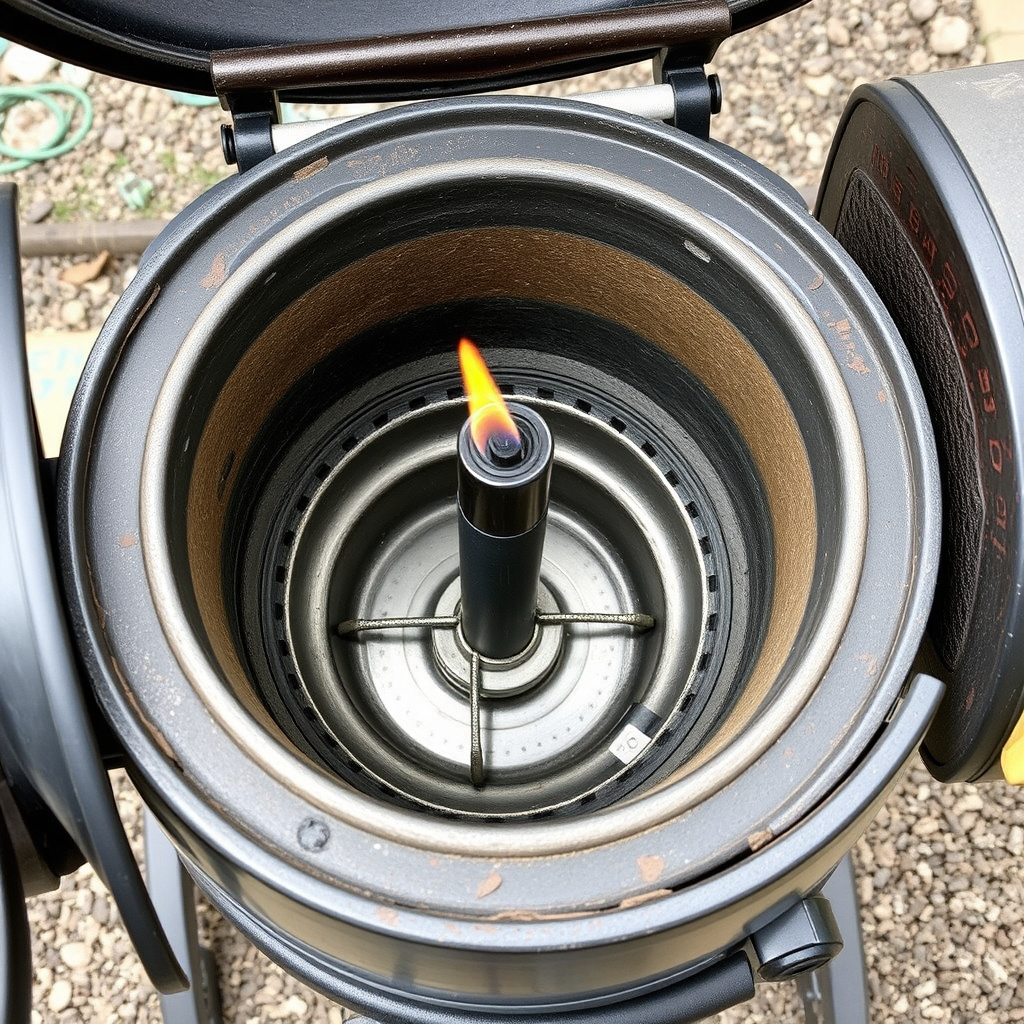
A dirty or damaged igniter rod may fail to heat properly, preventing pellet ignition. Remove the igniter and clean it with fine sandpaper to remove residue, then retest for heating.
Replace the igniter rod if it shows visible damage or does not heat despite being powered.
- Turn off and unplug grill before removal
- Use fine sandpaper or steel wool for cleaning
- Check resistance with a multimeter
- Replace igniter if cleaning does not help
Maintaining the Firepot and Airflow
Ash and pellet dust accumulate in the firepot, restricting airflow and flame ignition. Clean out the firepot regularly to maintain proper combustion conditions.
Check the fan for dust or damage that could reduce airflow needed to ignite pellets effectively.
- Remove ash after every several cooks
- Inspect and clean combustion fan blades
- Avoid overfilling the firepot with pellets
- Ensure vents are free of obstructions
Testing and Replacing Control Board or Electrical Parts
Diagnosing Control Board Failures
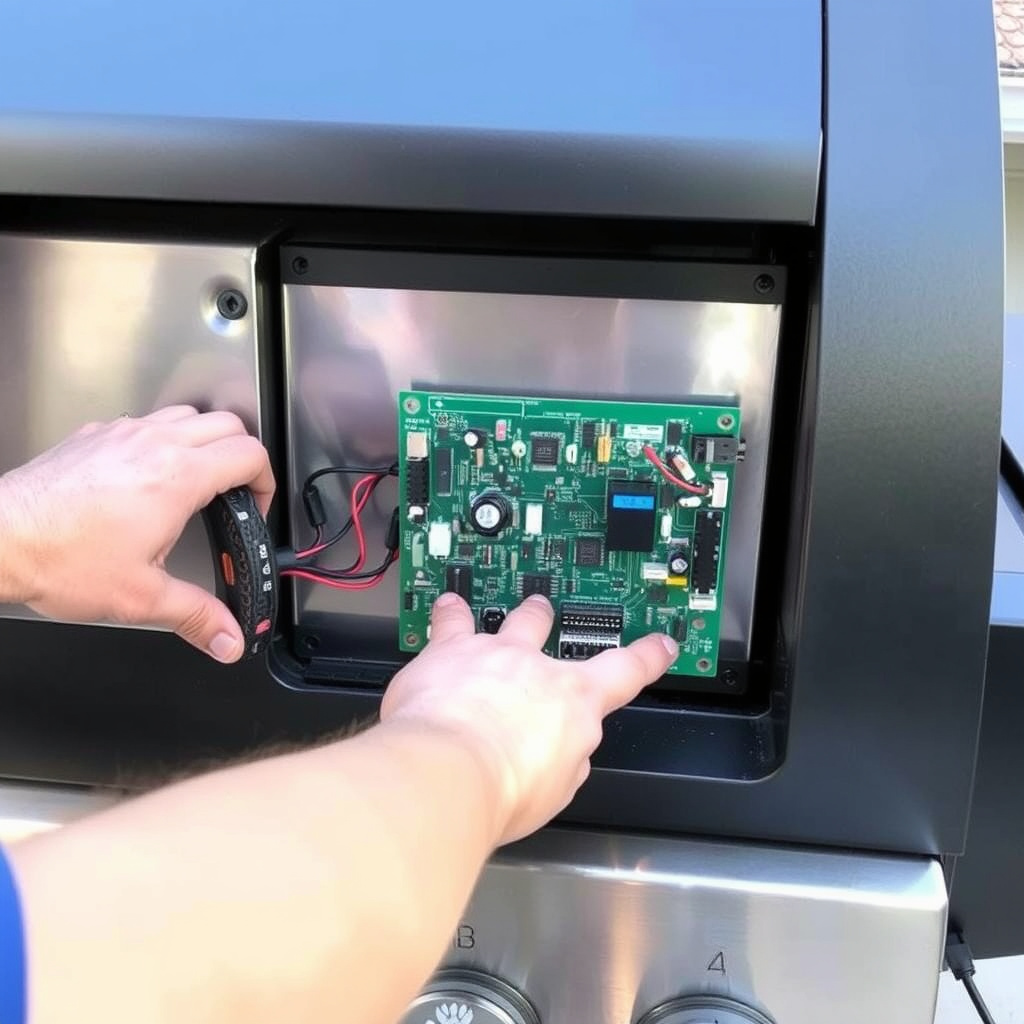
The control board orchestrates the ignition by powering the igniter and auger in sequence. Faulty boards may fail to send signals, causing no ignition.
Look for error codes or unusual behavior on the grill’s display. Testing the board may require professional tools or replacing the board if other components check out.
Replacing Faulty Motors, Fans, or Sensors
Malfunctioning auger motors or combustion fans can stop ignition by failing to feed pellets or provide airflow. Sensors like temperature probes also affect ignition sequence reliability.
Replace any motor or sensor that fails tests or shows physical damage to restore reliable ignition.
- Test motors with direct power
- Inspect sensors for corrosion or damage
- Buy OEM parts for replacements
- Follow manufacturer instructions when installing
Preventative Maintenance to Avoid Ignition Issues
Regular Cleaning and Inspection Routine
Keeping the grill clean is the best way to prevent ignition problems. Schedule regular cleaning of the hopper, auger tube, firepot, igniter, and fans to avoid buildup and part wear.
Routine visual checks can catch minor issues before they lead to ignition failures.
- Clear ash and pellet dust after every few cooks
- Inspect wiring before grilling season
- Remove pellet jams promptly
- Lubricate moving parts if recommended
Using Quality Pellets and Storage Tips
Poor-quality or damp pellets cause jams and ignition issues. Use premium, dry hardwood pellets and store them in airtight containers away from moisture.
Proper pellet storage prevents clumping and extends grill reliability.
- Purchase pellets from reputable brands
- Keep pellets in a cool, dry place
- Avoid buying pellets in excessively large quantities
- Rotate pellet stock for freshness
Safety Tips When Repairing Pellet Grills
Electrical Safety Precautions
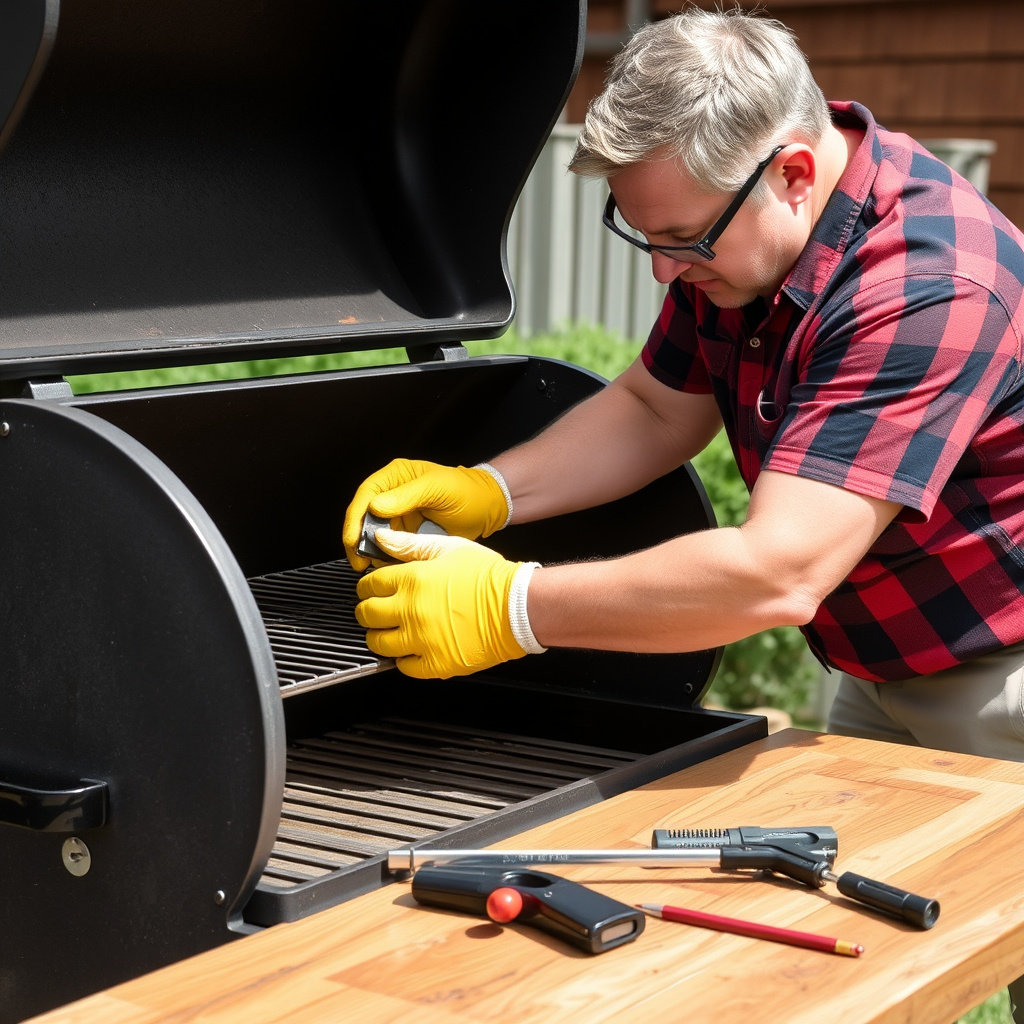
Always unplug the grill before attempting repairs or inspections to avoid electrical shock hazards. Use insulated tools and wear protective gloves if handling live testing.
Avoid working in wet conditions and check that replacement parts meet safety standards.
- Unplug grill before repairs
- Use insulated tools
- Avoid water contact during repairs
- Verify parts are UL-listed or equivalent
For detailed technical background on pellet grills, you can visit the Pellet grill Wikipedia page. Pellet grill Wikipedia page.
Fire and Burn Hazard Awareness
Igniters and combustion areas get extremely hot. Allow ample cooling time before cleaning or handling. Work in a safe area away from flammable materials to reduce fire risk.
Use proper protective gear like gloves and eyewear during maintenance.
- Wait for igniter to cool before handling
- Keep flammables away from grill
- Wear gloves and eye protection
- Have a fire extinguisher nearby
Pellet Grill Ignition System Type Comparison
Here’s a comparison of different ignition types and their typical reliability, cost, and maintenance needs to help you understand options for pellet grill ignition troubleshooting.
| Ignition Type | Reliability | Maintenance Complexity | Typical Cost | Common Issues |
|---|---|---|---|---|
| Hot Rod Igniter | High | Low | $20-$40 | Igniter rod failure, ash buildup |
| Spark Igniter | Medium | Medium | $30-$60 | Spark failure, wiring issues |
| Manual Ignition (Firestarter) | Low | Low | N/A | Requires manual lighting, inconsistent ignition |
| Electronic Control Board Ignition | High | High | $80-$150 | Control board failures, sensor issues |
Frequently Asked Questions
Why won’t my pellet grill igniter heat up?
The igniter may be dirty, damaged, or not receiving power due to electrical issues. Cleaning the igniter rod or testing power to it usually identifies the problem.
How do I clear a pellet jam in the auger?
Unplug the grill, remove the hopper and auger tube, then manually clear pellets blocking the auger using a soft tool to avoid damage.
Can wet pellets cause ignition failure?
Yes, damp pellets can clump and block the auger feed, preventing pellets from reaching the firepot and causing ignition problems.
How often should I clean my pellet grill to prevent ignition issues?
Regular cleaning after every 3-5 cooks is ideal, focusing on ash removal, firepot cleaning, and inspection of the igniter and fan components.
When should I replace my pellet grill’s control board?
Replace the control board if you see error codes, the igniter and auger work individually but not together, or if electrical testing indicates a board failure.
Key Takeaways
- Check basic power and pellet supply first when your pellet grill won’t ignite.
- Regular cleaning of the igniter, firepot, and auger prevents most ignition problems.
- Electrical testing helps identify faulty igniters, motors, or control boards quickly.
- Use quality dry pellets and store them properly to maintain reliable ignition.
Conclusion
Fixing a pellet grill that won’t ignite involves a targeted approach starting with the easiest potential causes like power supply and pellet quality. Understanding the ignition system’s components, including the igniter, auger, fan, and control board, guides the repair process effectively by narrowing down the root cause. Checking and cleaning each part systematically while testing electrical functions ensures that no aspect is overlooked, avoiding unnecessary replacements.
For many users, ignition problems stem from pellet jams or dirty igniters, which are relatively simple fixes with routine maintenance. More complex issues requiring control board or motor replacement tend to show distinct symptoms like error codes or component failure. Depending on your grill model, replacing a hot rod igniter or cleaning the firepot regularly will restore ignition reliability. For electronic ignition systems, monitoring sensor function and wiring is necessary to maintain smooth operation.
Taking proactive steps such as regular cleaning and using high-quality, dry pellets will minimize ignition failures over time. If your pellet grill still won’t ignite after troubleshooting common issues, consulting the manufacturer’s guidance or contacting professional repair support is advisable. This ensures safety and preserves your investment, letting you enjoy hassle-free grilling sessions with confidence moving forward.



