
A gas grill igniter can be fixed by identifying and addressing common issues like dead batteries, corroded electrodes, or loose wiring. Most problems can be resolved with a few basic tools and replacement parts, restoring your grill’s spark ignition to reliable working order within minutes.
Fixing the igniter matters because it controls the convenience and safety of starting your gas grill. Without a working igniter, you may have to rely on matches or a lighter, which can pose safety risks and be less efficient. Knowing how to troubleshoot and repair your igniter extends the life of your grill and improves your cooking experience.
This guide explains the main parts of a gas grill igniter, common failure points, and detailed steps to test and repair them. Additionally, you’ll learn maintenance tips and alternative lighting methods to keep your grill firing up without hassle.
Understanding How a Gas Grill Igniter Works
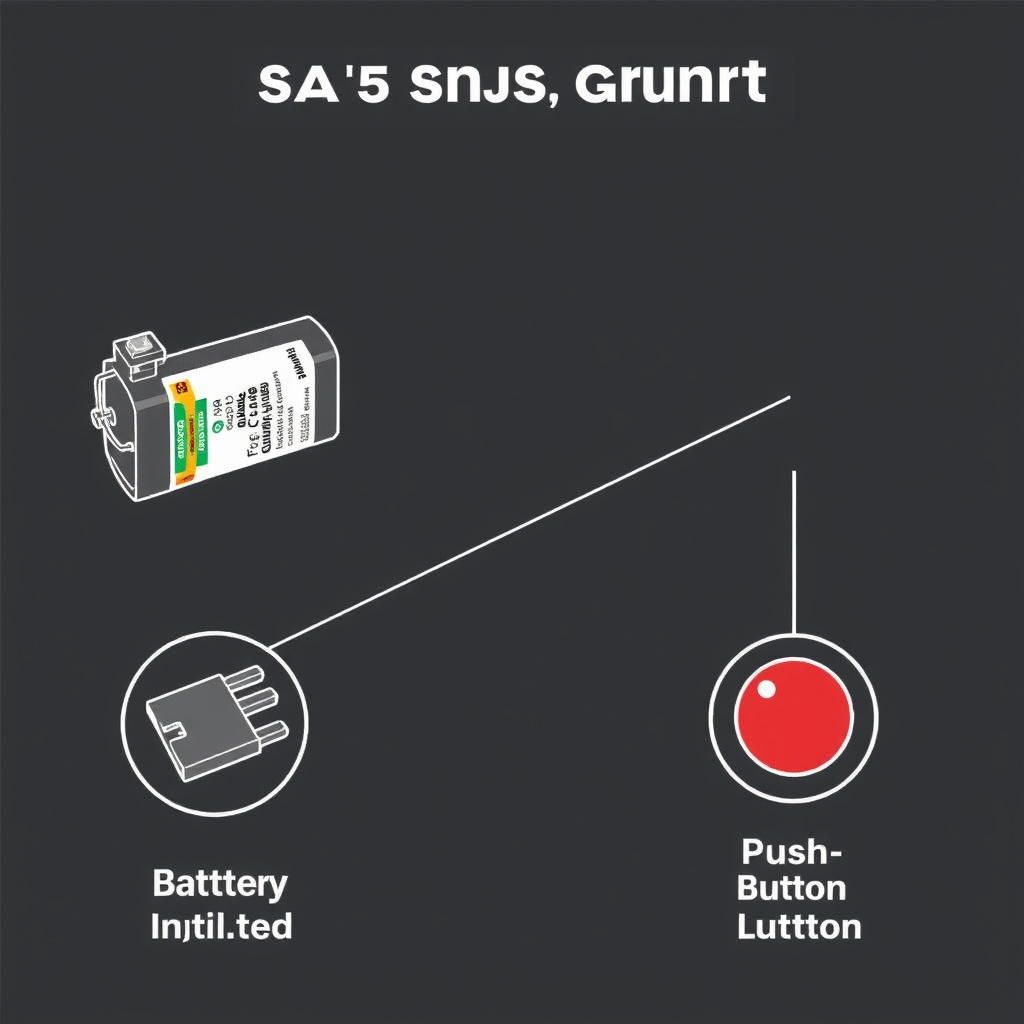
Basic Components of the Igniter
The typical gas grill igniter consists of a battery-powered push button, wiring, and a spark electrode. When the button is pressed, electricity flows through the wiring to the electrode, creating a spark that ignites the gas valves releasing propane or natural gas.
Understanding these parts helps you diagnose which component needs repair or replacement. Common igniter types include piezo igniters, which don't require batteries, and electronic igniters, which do.
- Battery and push button
- Spark electrode
- Electrical wiring and connectors
How Spark Ignition Works in a Gas Grill
When you press the igniter button, it completes an electrical circuit powering the electrode. The electrode emits a spark to the burner, igniting the released gas. The process is quick, safe, and usually reliable but depends on unobstructed sparks and good electrical connections.
If any part of this circuit fails or if the spark can’t reach the gas, your grill won’t ignite. Dirt, moisture, or corrosion can disrupt the path, which is why inspecting each element carefully is necessary.
Troubleshooting Common Gas Grill Igniter Problems
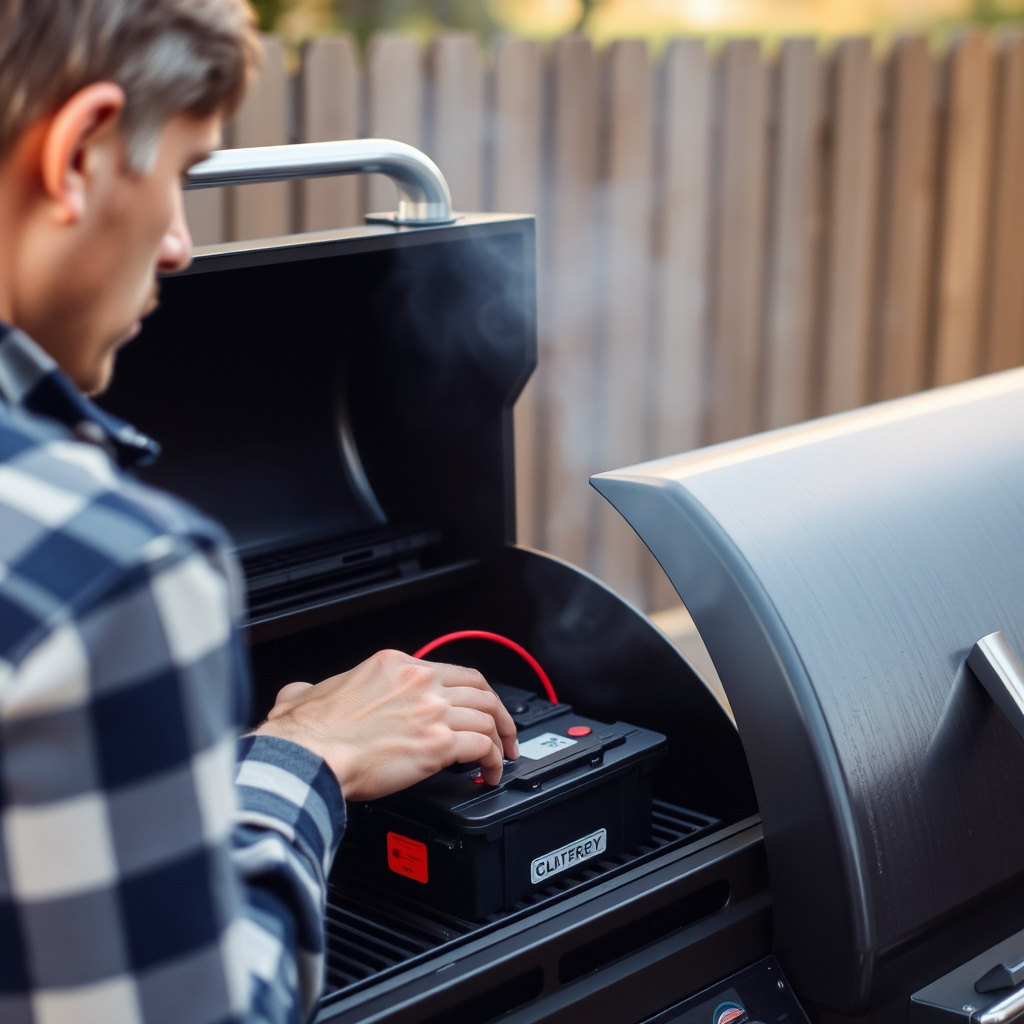
Checking and Replacing the Igniter Battery
A dead or weak battery is the most frequent cause of igniter failure. Most electronic igniters run on standard 9-volt batteries housed in an easily accessible compartment.
To test, remove the battery and check voltage with a multimeter or simply replace it with a new one. In many cases, replacing the battery restores full sparking power immediately.
- Locate battery compartment
- Remove and test battery voltage
- Replace with fresh battery if necessary
For more on this, see our related guide: How to Fix a Gas Grill That Won’t Light: Step-by-Step Troubleshooting Guide.
Inspecting and Cleaning the Electrode
The electrode tip can accumulate grease, food residue, or rust, preventing sparks. Disconnect the igniter wires, then clean the electrode tip gently with fine sandpaper or a wire brush.
Avoid aggressive cleaning that damages the electrode material. Once clean, reconnect and test the igniter. A clean electrode ensures the spark jumps to the burner effectively.
- Turn off gas supply before cleaning
- Use fine sandpaper for light corrosion
- Avoid bending or damaging the electrode
Fixing Wiring and Connection Issues in Gas Grill Ignition Troubleshooting
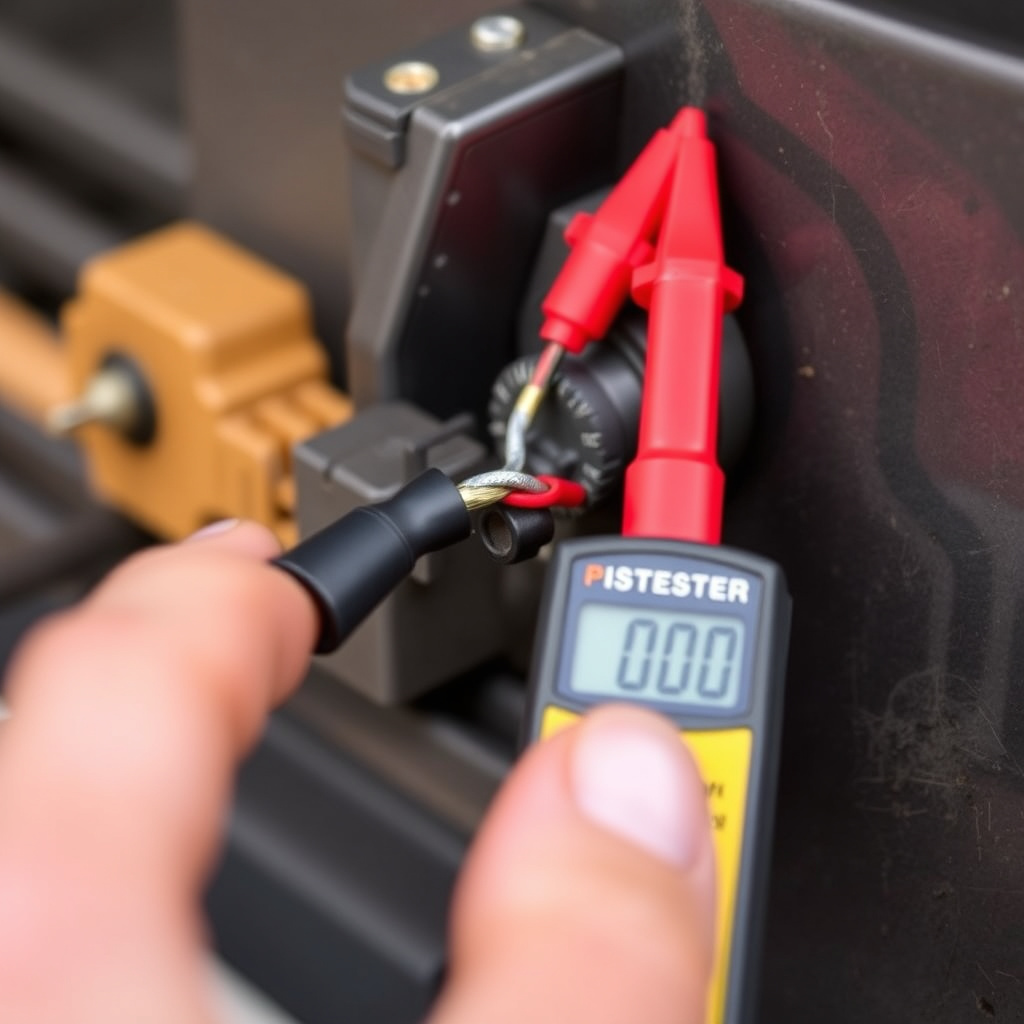
Inspecting Wiring for Damage or Loose Connections
The wiring connecting the igniter button, battery, and electrode can become frayed or disconnected due to heat and use. Check wiring for any visible breaks, burns, or corrosion, especially near connectors.
Secure any loose connectors with pliers and replace damaged wires with heat-resistant replacements designed for grills to maintain spark reliability.
- Visual inspection of wires and terminals
- Tighten or replace loose connectors
- Use heat-resistant wire replacements if needed
Testing Electrical Continuity for Faulty Components
Using a multimeter set to continuity mode, test the igniter circuit by checking the wiring between the battery, button, and electrode. A break in continuity points to defective components or wiring that must be replaced.
This test helps pinpoint if the issue is with the igniter button, wiring, or electrode so you can replace only the faulty part instead of the entire assembly.
- Set multimeter to continuity
- Test circuit sections step-by-step
- Identify broken connections or parts
Alternative Lighting Options When the Igniter Fails
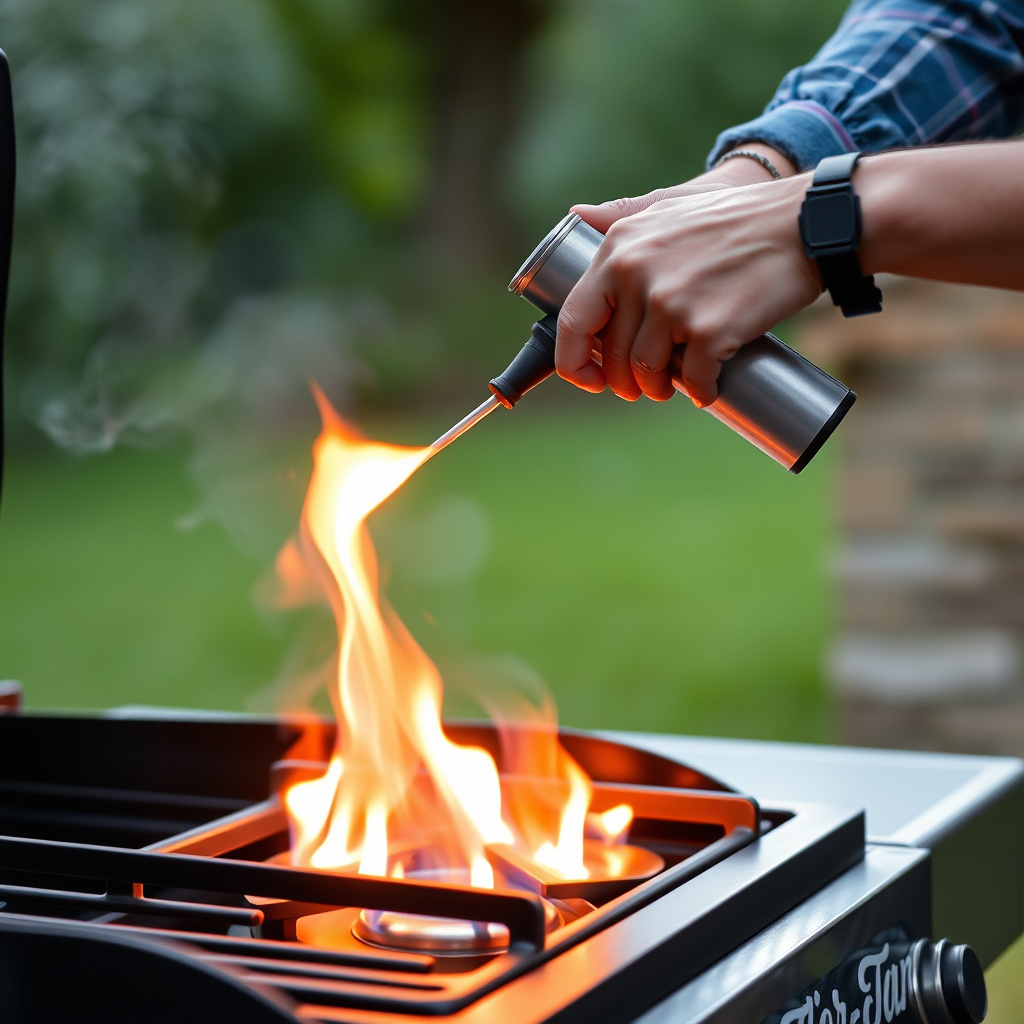
Manual Lighting with a Long Match or Lighter
If your igniter is broken and you need to grill immediately, manual lighting is an option. Use a long-neck barbecue lighter or waterproof long matches and open the gas valve just enough to allow the flame to ignite safely.
Exercise caution to avoid flare-ups, and keep your face and hands away from the burner during ignition.
- Use a proper long lighter or match
- Open gas valve partially
- Ignite burner carefully from the side
For more on this, see our related guide: Why Is My Pellet Grill Not Heating Up? Common Causes and Fixes.
Using a Piezo Igniter as a Replacement
Piezo igniters generate sparks mechanically without batteries and are sometimes compatible replacement parts for electronic igniters. Installing one involves connecting it to the igniter button and electrode wire.
They’re very reliable and can be a practical upgrade if you frequently face battery-related igniter failures.
- Check compatibility before purchase
- Install according to manufacturer instructions
- Test ignition after installation
Maintaining Your Gas Grill Igniter for Long-Term Reliability
Routine Cleaning and Inspection Tips
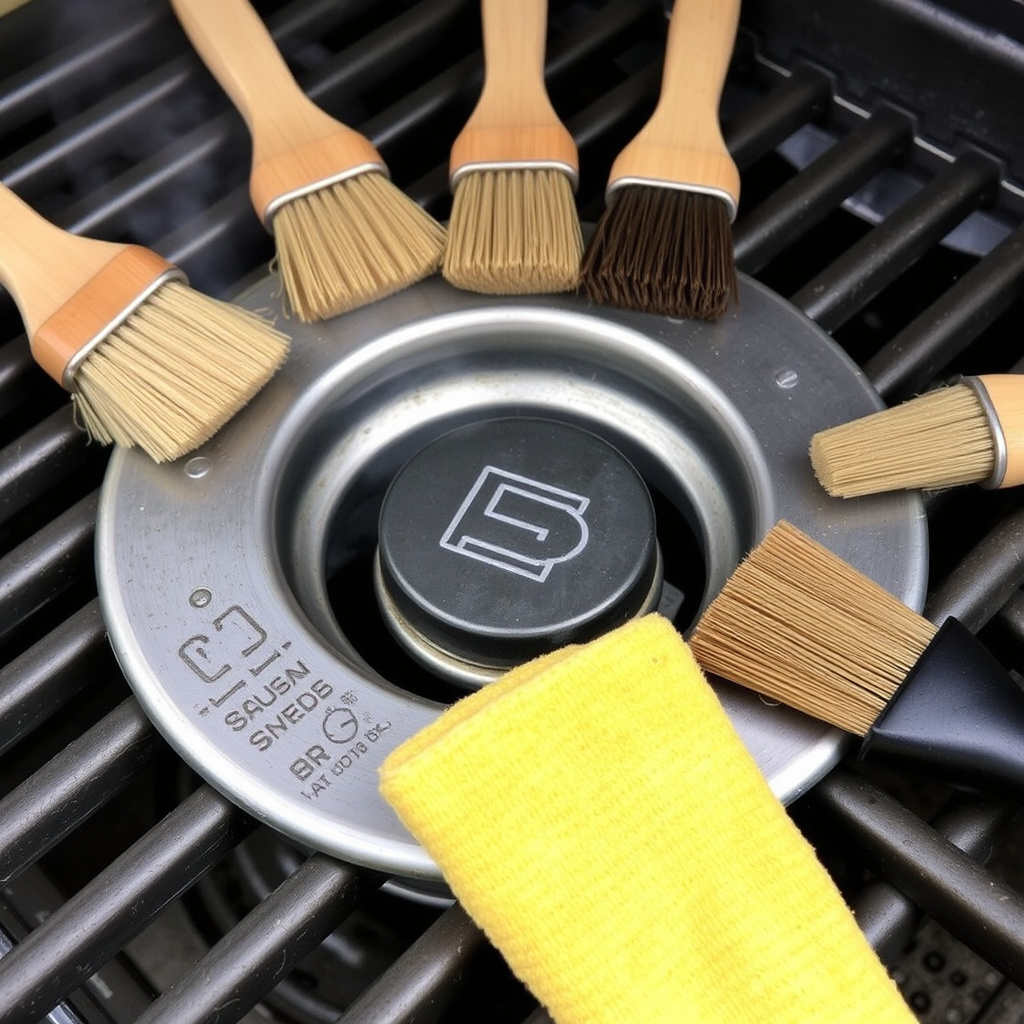
After every few uses, inspect and clean the igniter components to prevent grease buildup and corrosion. Use a soft brush and mild cleaner to wipe electrodes and push button housing.
Keep the battery compartment dry and replace batteries yearly or as soon as sparks weaken.
- Clean electrode and button housing monthly
- Keep battery contacts dry
- Replace battery proactively
For further technical details about how gas grills operate, consult the gas grill ignition Wikipedia article. gas grill ignition Wikipedia article.
Storage and Weather Protection Practices
Protect your grill and igniter from moisture by using a quality grill cover and storing indoors during harsh weather. Water infiltration can cause corrosion and wiring failure.
Proper storage extends igniter lifespan and maintains spark reliability season after season.
- Use waterproof grill covers
- Store in sheltered locations if possible
- Avoid leaving battery installed during winter
Gas Grill Igniter Types Comparison
Here is a comparison of common igniter types detailing power source and reliability factors to help you choose the best fit.
| Igniter Type | Power Source | Maintenance Needs | Reliability | Cost |
|---|---|---|---|---|
| Electronic Igniter | Battery | Battery replacement + electrode cleaning | High with fresh battery | Moderate |
| Piezo Igniter | Mechanical (spring) | Minimal cleaning | Very high, no battery needed | Low |
| Push Button with Wired Connection | Battery or wired | Battery change and wiring check | Moderate | Moderate |
| Manual Lighting | No igniter | N/A | Depends on user | Free |
Frequently Asked Questions
Why does my gas grill igniter spark but not light the grill?
If your igniter sparks but the grill doesn't light, the burner ports may be clogged or gas flow could be blocked. Clean the burners and confirm the gas supply is on and valves are open for ignition.
How often should I replace the gas grill igniter battery?
Replace the igniter battery once a year or sooner if the spark weakens. Keeping fresh batteries ensures reliable ignition every use.
Can I install a new igniter on any gas grill?
Igniter compatibility varies by grill model. Check manufacturer specifications or purchase universal igniter kits designed for your grill type and fuel.
Is it safe to light my gas grill manually without the igniter?
Yes, manual lighting is safe if done carefully using long matches or lighters and by opening the gas valve slowly. Always keep face and hands away from the grill opening.
What causes corrosion on gas grill igniters?
Corrosion typically results from moisture, grease, and exposure to outdoor elements. Regular cleaning and proper storage help prevent corrosion buildup.
Key Takeaways
- Test and replace the igniter battery first for most quick fixes
- Clean electrodes regularly to maintain effective sparks
- Inspect wiring for damage and secure loose connections
- Manual lighting is a safe alternative when igniter fails
Conclusion
Fixing a gas grill igniter involves a step-by-step approach starting with the easiest fixes like replacing batteries, then progressing to cleaning the electrode and checking wiring. By understanding each component’s role and function, you can pinpoint the source of ignition problems without unnecessary cost or delay. Taking this practical approach saves you time and avoids replacing the entire ignition system prematurely.
For grills using electronic igniters, changing the battery is often the fastest solution, while piezo igniter systems offer a low-maintenance alternative worth considering if you frequently encounter battery failures. Cleaning and inspecting the electrode is vital for all types to ensure sparks can consistently ignite the gas. If wiring appears worn or damaged, replacing or tightening connections can restore full circuit functionality. In emergencies, long igniter lighters or matches provide a safe backup way to light burners until repairs are made.
Taking care of your igniter system through regular cleaning, dry storage, and timely battery replacement enhances performance and grill longevity. When you notice ignition issues, test components methodically starting with the battery and electrode for a swift fix. Once repaired, your grill will reliably fire up, improving convenience and safety during every cookout. Next, try testing your igniter as described and plan cleaning and maintenance routines to keep sparks alive season after season.



