
Fixing a rusty grill involves removing the rust using wire brushes or sandpaper, applying a rust converter or primer, and repainting with high-heat grill paint to prevent future corrosion. Repairing or replacing damaged parts also helps restore functionality quickly.
Rust on grills happens due to exposure to moisture and heat cycles, which erodes protective coatings over time. If not addressed, rust can weaken your grill’s structural integrity and affect cooking quality. Taking early restoration steps can extend your grill’s lifespan and improve safety while preparing food.
This article covers the essential tools and supplies needed, various grill rust removal methods, treatments to stop rust from returning, handling grill grates and burners, and ongoing maintenance tips. You will also find a comparison of restoration techniques and answers to common rust-related grill problems.
Tools and Materials Needed for Grill Rust Repair
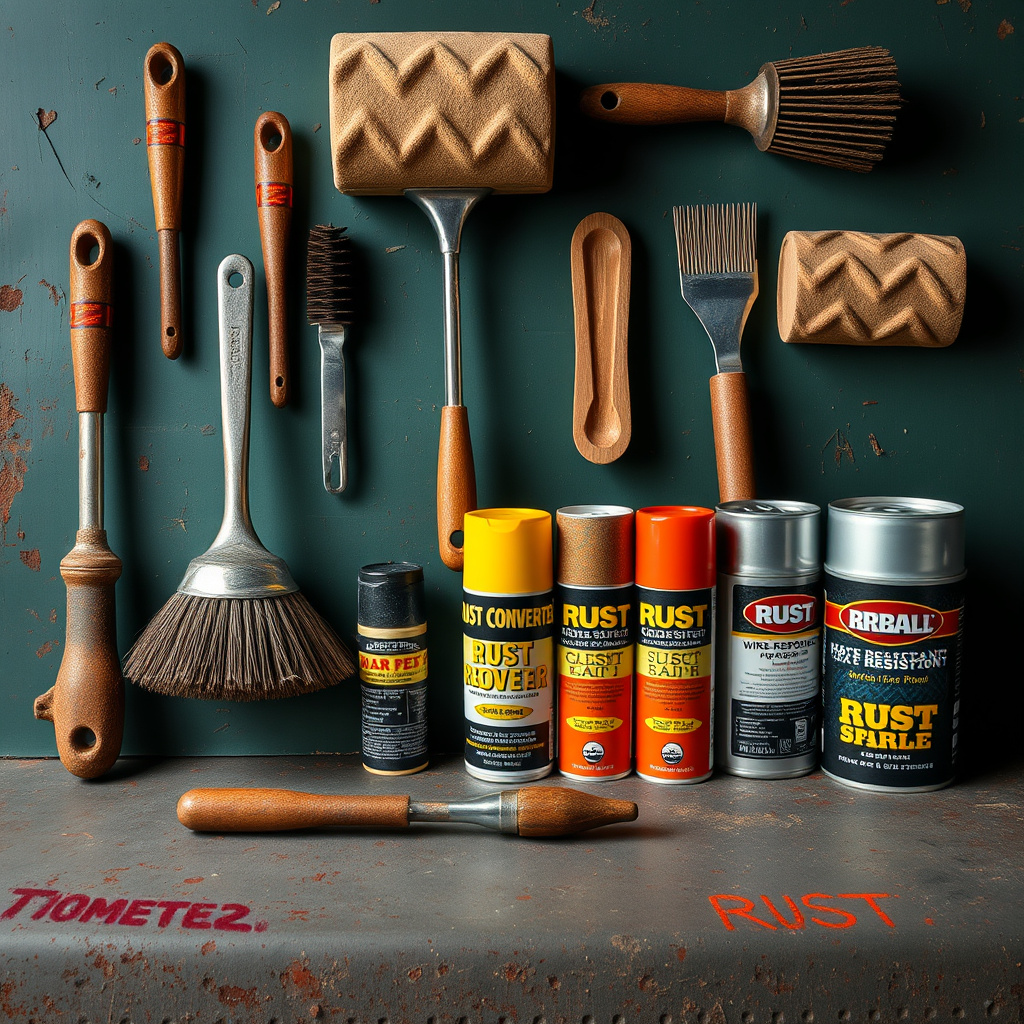
Essential Rust Removal Tools
Effective rust removal starts with having the right tools. Wire brushes, steel wool pads, and medium to coarse grit sandpaper strips make it easier to scrape off rust flakes and smooth rough surfaces. For tough rust patches, rotary tools with wire brush attachments speed up the process.
Additionally, protective gear like gloves and safety goggles keeps you safe from rust particles or chemical exposure. Having clean rags and buckets with soapy water is useful for washing off debris between rust removal sessions.
- Wire brushes in various sizes
- Steel wool pads
- Medium/coarse grit sandpaper
- Rotary drill with brush attachments
- Protective gloves and goggles
- Cleaning rags and bucket with soap
Rust Treatment and Protective Coatings
After removing surface rust, applying a rust converter chemically transforms remaining rust into a stable, paintable surface. Rust primers seal the metal and prevent new oxidation. High-heat spray paint designed specifically for grills provides long-lasting protection against heat exposure and moisture.
Some products combine rust treatment and primer properties, allowing a two-step restoration process. Remember to allow each layer proper drying time to avoid trapping moisture or causing bubbling during heating.
- Rust converter solution
- Rust-inhibiting primer
- High-heat grill paint spray
- Optional: metal filler for holes
Grill Rust Removal Methods
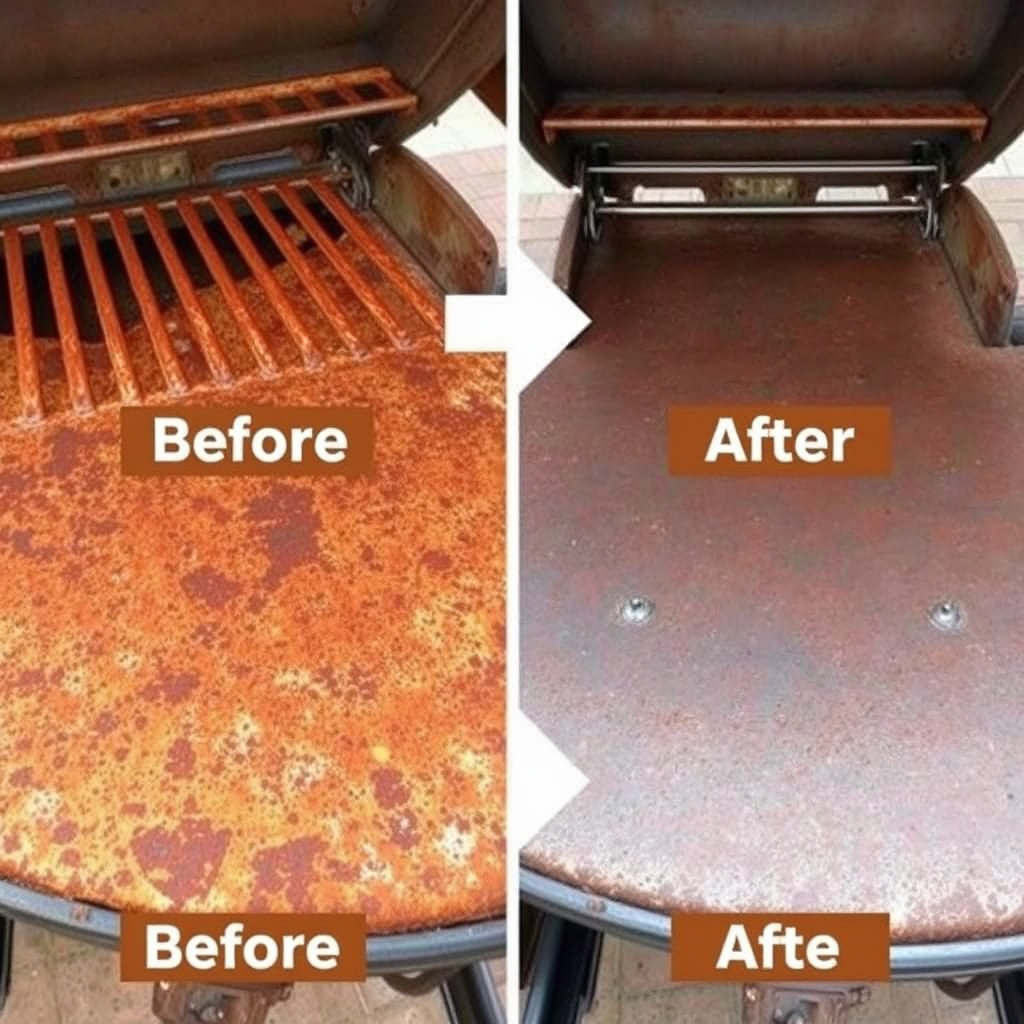
Mechanical Rust Removal Techniques
Mechanical methods involve physically scrubbing or sanding the rusty areas until bare metal appears. Hand scrubbing with wire brushes or steel wool is effective for small, lightly rusted sections, while power tools with sanding discs or wire wheels quickly tackle larger areas.
This method may require patience and elbow grease but results in a clean surface ready for treatment. Be careful to avoid damaging the grill’s structural metal or delicate parts during the process.
- Wire brushing and sanding
- Rotary tool sanding or grinding
- Hand sanding for tight corners
- Repeat as needed to reach bare metal
Chemical Rust Removal Approaches
Chemical rust removers or converters use acids or tannins to dissolve or stabilize rust particles. Applying these chemicals according to instructions softens rust and eases removal either by scrubbing or allowing it to harden into a paintable surface.
These chemicals can reach crevices tools miss but require proper ventilation, gloves, and caution to prevent damage to nearby surfaces or skin. After treatment, rinsing and drying properly ensures no residue accelerates future corrosion.
- Use rust remover gels or liquids
- Apply rust converter to stabilize rust
- Work in well-ventilated area
- Rinse and dry after treatment
Protecting Your Grill After Rust Removal
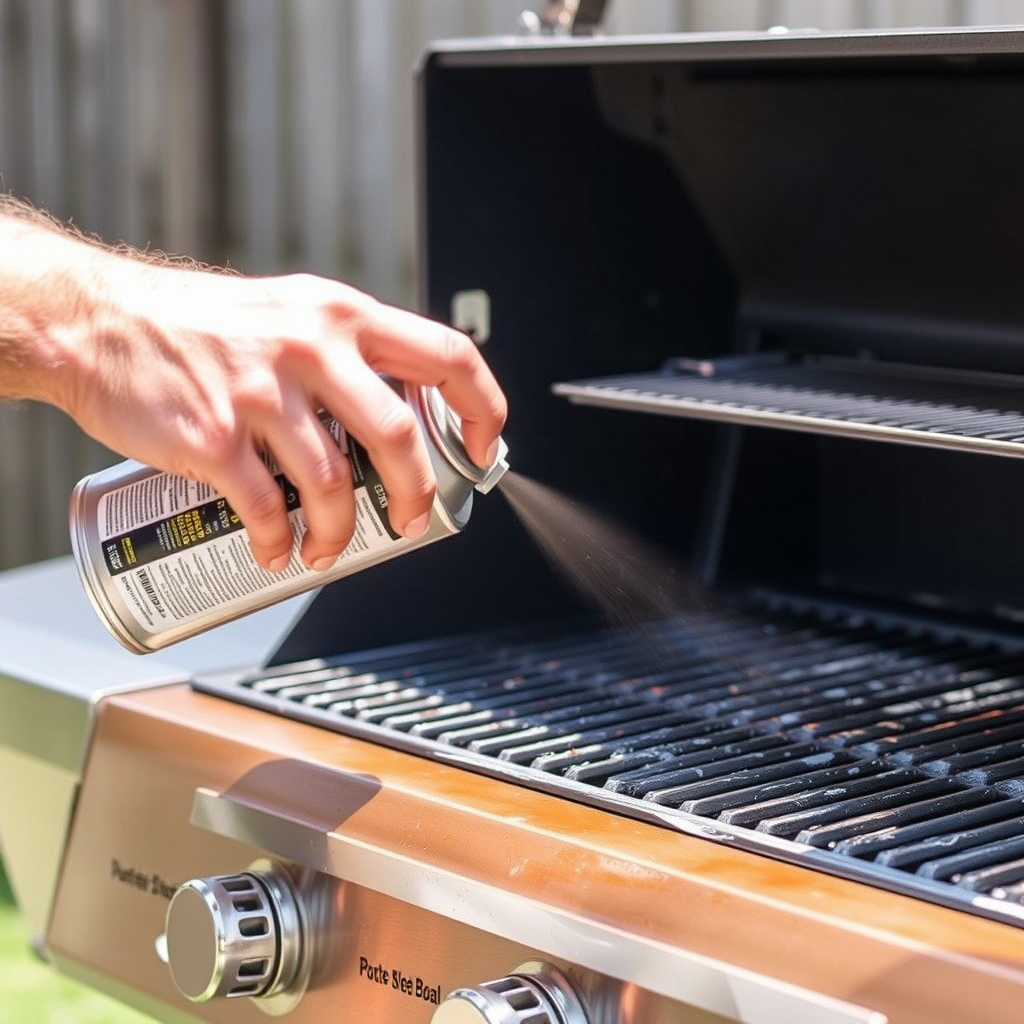
Applying Primers and Paints
Once rust is removed and the surface is clean and dry, applying a rust-inhibiting primer forms a base layer that prevents oxidation. Select primers formulated for metal and exterior use. After the primer dries, coat the grill with high-heat paint that withstands cooking temperatures up to 1200°F (650°C).
Use thin, even coats and multiple layers if necessary to cover the surface fully. Allow adequate curing time before using the grill again. This protective finish extends lifespan and preserves appearance.
- Rust-inhibiting primer first
- High-heat paint over primer layers
- Brush or spray application options
- Cure paint fully before use
Routine Maintenance to Avoid Future Rust
Regularly cleaning your grill after use and covering it keeps moisture away from the metal surfaces. Applying a thin coat of cooking oil on cast iron grates after each use creates a barrier against rust. Periodically inspecting for early rust spots lets you treat them before the problem worsens.
Consider storing the grill indoors or under shelter during off-seasons. Investing in quality grill covers with waterproof and UV protection improves longevity.
- Clean debris after every use
- Oil cast iron grates regularly
- Inspect for rust monthly
- Use waterproof grill covers
- Store indoors in winter
Handling Grill Grates and Burners
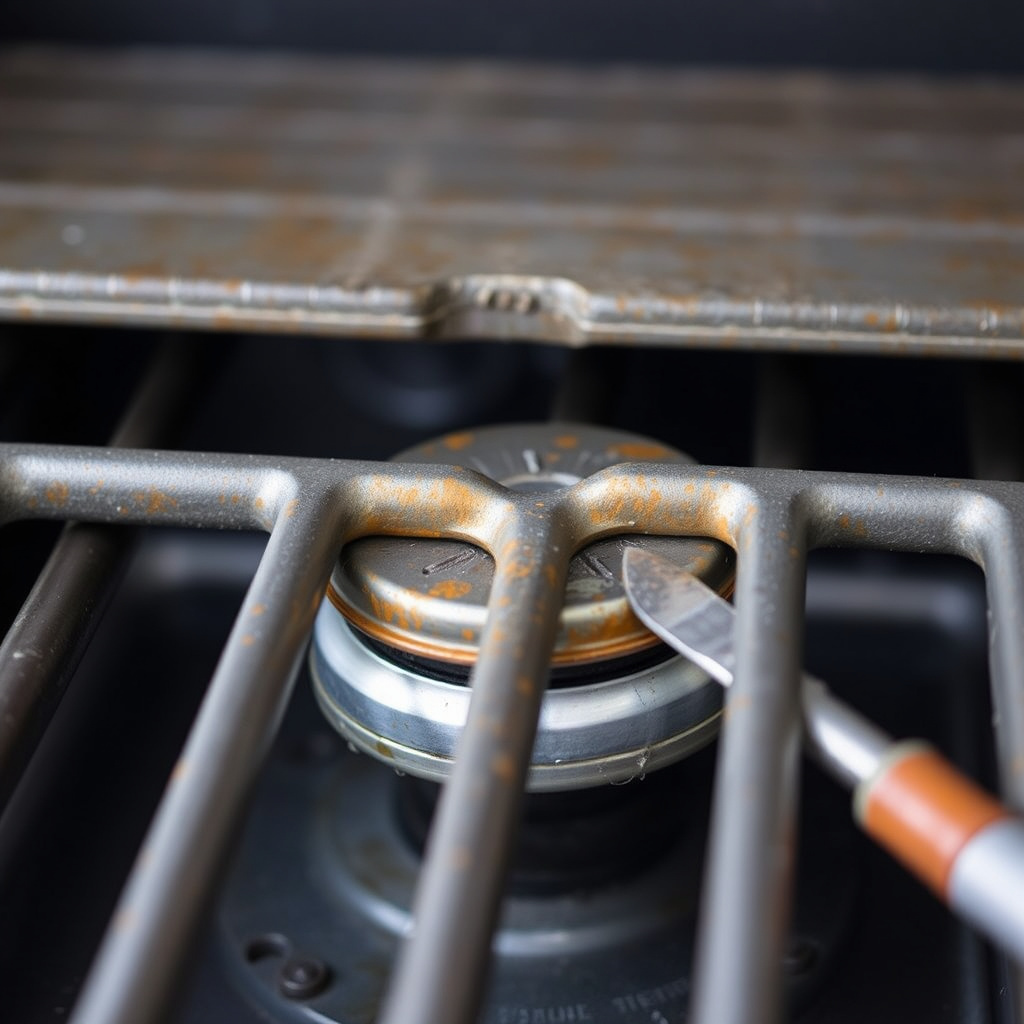
Restoring Cast Iron and Steel Grates
Cast iron grates often rust easiest but respond well to sandpaper or wire brushing followed by seasoning with heat and oil. Steel grates require gentle cleaning to avoid pitting. If rust is severe, replacing grates might be safer than repair.
After cleaning, repeatedly heating the grates and applying cooking oil establishes a durable seasoning layer that protects from future rust and improves non-stick cooking.
- Scrub with wire brush or sandpaper
- Heat grates and apply cooking oil
- Repeat seasoning for durability
- Replace if metal is weak or pitted
Checking and Cleaning Burners
Burners can clog or rust, affecting flame quality. Remove them periodically and inspect for rust or blockages. Rust on burners can be cleaned with a wire brush and mild abrasive tools, but large holes mean replacement is necessary to keep performance safe and efficient.
Flushing burner ports with compressed air and cleaning gas valves helps maintain consistent fuel flow. Avoid chemical rust removers on burners due to sensitivity of fuel components.
- Remove and inspect burners
- Brush off rust gently
- Clear blockages with compressed air
- Replace damaged burners
Advanced Repair Options for Heavily Rusted Grills
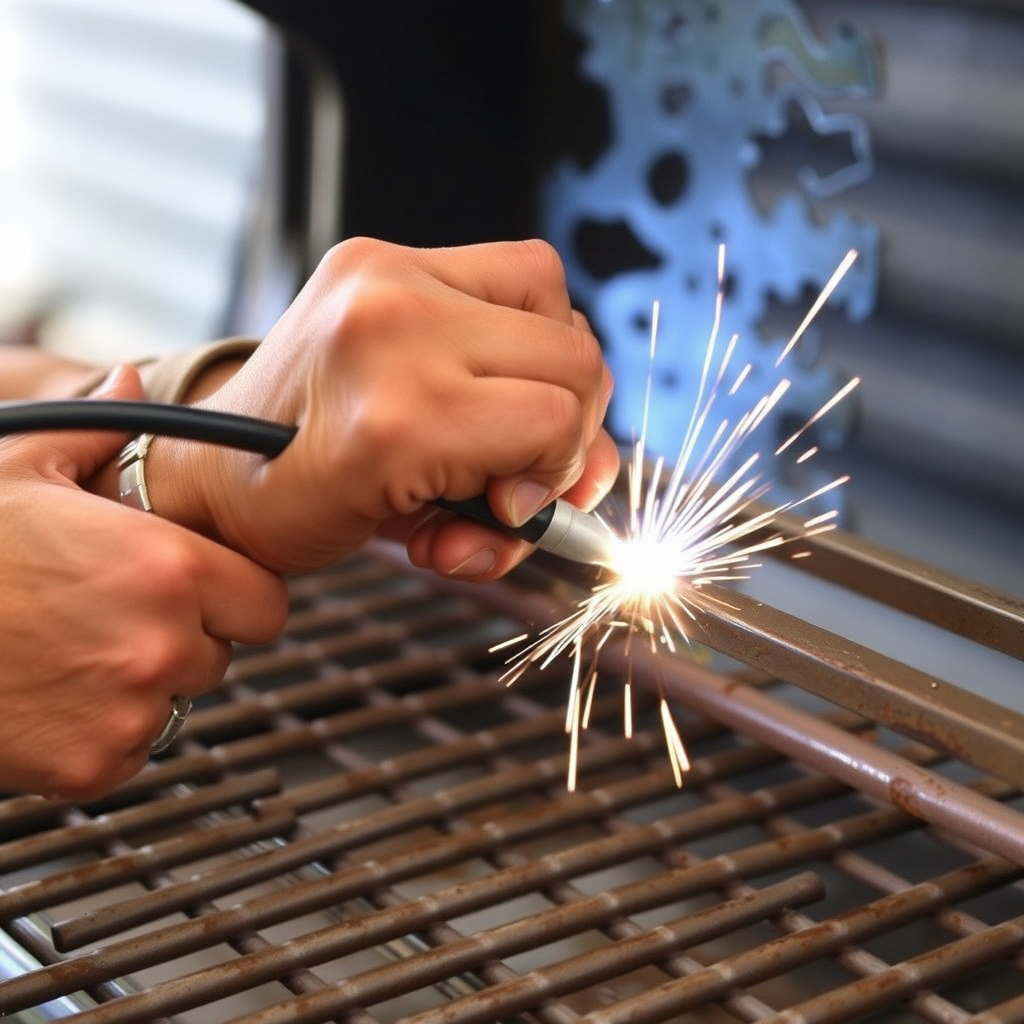
Using Metal Fillers and Welding
For grills with rust holes or structural damage, metal fillers or welding can restore integrity. Metal fillers fill small to medium holes and cracks before sanding and painting. Welding is suited for large structural fixes but requires professional skills to handle safely and correctly.
These methods extend the life of an expensive grill that would otherwise be discarded. However, ensure the grill remains safe for cooking after repair.
- Apply metal filler for patches
- Sand and paint filler after drying
- Professional welding for large damage
- Check safety before use
When to Replace vs. Repair a Rusty Grill
If rust penetrates heavily or affects key components like burners or fireboxes beyond effective repair, replacement may be more cost-effective and safer. Replacing avoids ongoing repair costs and performance issues related to deteriorated parts.
Weigh the grill’s age, brand reliability, replacement part availability, and overall condition before deciding. Sometimes investing in a newer model offers better durability and cooking experience.
- Assess rust extent carefully
- Compare repair costs to new grill price
- Consider downtime and safety
- Replace if major components fail
Maintaining a Rust-Free Grill Year-Round
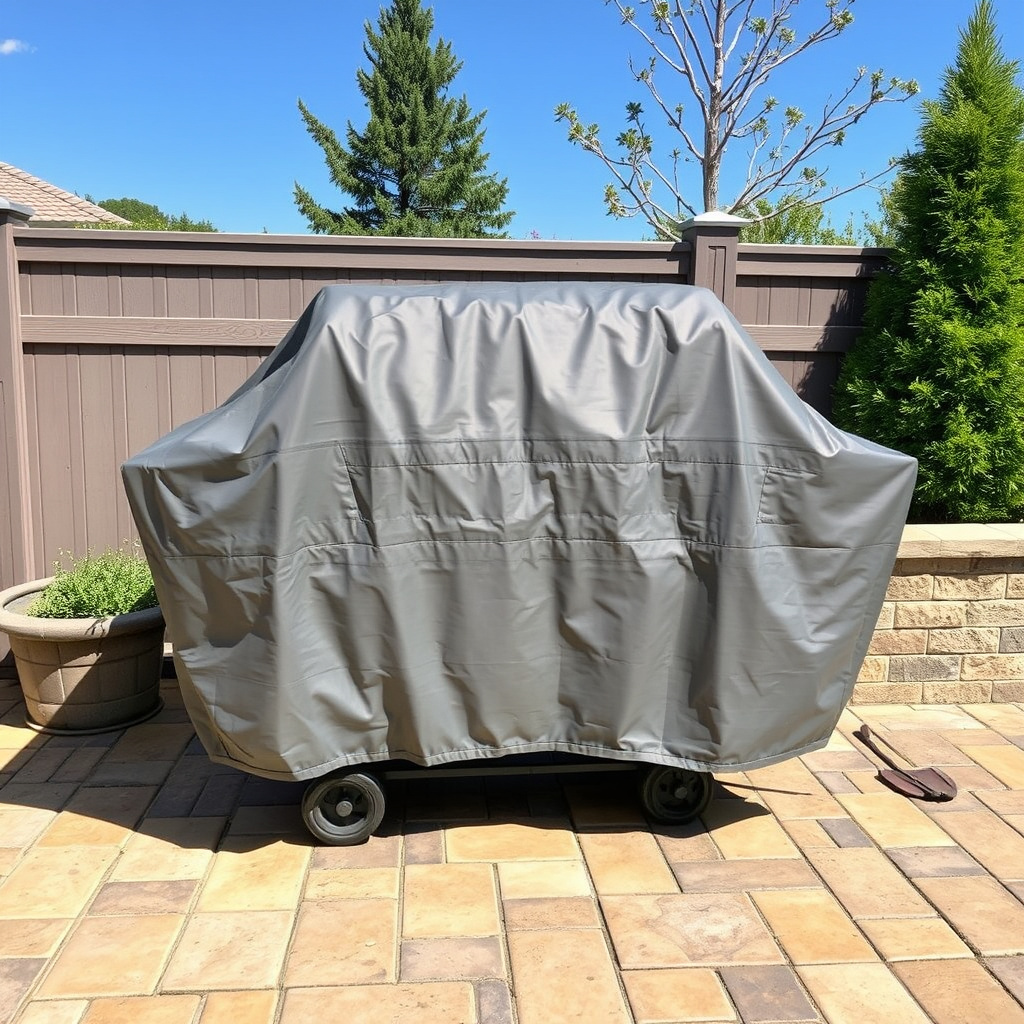
Seasonal Cleaning and Storage Tips
At the start and end of grilling seasons, deep clean your grill using the rust removal methods discussed. Proper drying and coating with protective oil or paint after cleaning prepare it for off-season storage. Keep the grill covered or indoors to minimize moisture exposure.
Storing in dry conditions is critical to preventing rust growth during inactive months. Use silica gel packs or moisture absorbers near stored grills if humidity is high.
- Deep clean before winter
- Apply protective oil or paint
- Store grilling indoors or covered
- Use moisture absorbers when needed
For more detailed information about grill maintenance and repair practices, you can visit this Wikipedia page. grill maintenance and repair.
Daily Habits to Prevent Rust
After cooking, scrape off food residue and grease, then wipe down surfaces with a damp cloth to remove acids that attract rust. Keeping the grill’s elements dry and regularly applying oil to cast iron grates prevents oxidation. Avoid leaving the grill wet from rain or washing without drying thoroughly.
Invest in a reliable grill cover tailored for your model to block rain, snow, and sun damage routinely.
- Scrape and clean after each use
- Wipe with damp cloth and dry
- Oil grates regularly
- Use tailored grill covers outdoors
Grill Rust Repair Methods Comparison
The following table compares major grill rust repair options to help select the right one based on rust severity and project complexity.
| Method | Rust Severity | Tools Required | Cost | Skill Level |
|---|---|---|---|---|
| Wire Brushing and Sanding | Light to Moderate | Wire brush, sandpaper | Low | Beginner |
| Chemical Rust Removal | Moderate | Rust remover chemicals, brushes | Medium | Intermediate |
| Rust Converter and Painting | Light to Moderate | Rust converter, primer, grill paint | Medium | Beginner |
| Metal Filler Patching | Moderate to Heavy | Metal filler, sanding tools | Medium to High | Intermediate |
| Welding and Structural Repair | Heavy | Welding tools, safety gear | High | Expert/Professional |
Frequently Asked Questions
Can I use household vinegar to remove rust from my grill?
Yes, white vinegar’s acetic acid can dissolve light rust on grill surfaces. Soak small parts in vinegar or apply it with a cloth before scrubbing. However, it may not work well on heavy rust and should be followed by thorough rinsing and drying.
How often should I clean and oil my grill to prevent rust?
Cleaning after every use and applying cooking oil to cast iron grates at least every few uses helps prevent rust. Additionally, performing a deeper seasonal cleaning combined with protective coatings enhances rust resistance over time.
Is it safe to paint my grill with standard spray paint after rust removal?
No, standard spray paints cannot tolerate the high heat of grills and may peel or release toxic fumes. Use only paint specifically formulated for high temperatures, designed for cooking equipment or grills.
Can rust on burners affect grilling performance?
Yes, rust can clog burner ports or weaken burner tubes, causing uneven heat distribution or gas leaks. Inspect burners regularly and replace them if rust compromises their structural integrity or function.
What is the best way to store a grill during winter to prevent rust?
Store your grill in a dry, sheltered location such as a garage or covered porch. Use a waterproof grill cover to protect it from moisture, and consider moisture absorbers inside the cover area if humidity levels are high.
Key Takeaways
- Remove rust using wire brushes or chemical rust removers based on severity.
- Protect metal surfaces with rust converter, primer, and high-heat grill paint.
- Regular maintenance including cleaning and oiling grates prevents rust buildup.
- Heavy rust damage may require metal filler patching or professional welding.
Conclusion
Assessing the extent of rust on your grill and choosing the right repair method depends greatly on the severity and location of corrosion. For minor surface rust, mechanical removal paired with protective coatings often restores functionality without significant expense. Chemical rust treatment options complement this approach by stabilizing hidden rust early in restoration. Meanwhile, advanced repairs like metal patching or welding are best reserved for serious structural issues, ensuring the grill remains safe for use. Combining these restoration efforts with regular maintenance lays the foundation for prolonged grill life and safe, enjoyable cooking.
If your grill faces mostly surface rust on body parts, using wire brushing and sandpaper followed by rust converter and high-heat paint allows a cost-effective fix. Cast iron grates especially benefit from frequent seasoning to maintain protection. For moderate rust involving burners or compromised metal, cleaning and replacement may be necessary for safety. In cases where rust creates holes or significant metal loss, metal filler patches or professional welding bring the structure back into service. Evaluating costs and your skill level helps decide between repairing or investing in a new grill for long-term satisfaction.
To move forward, start by gathering the proper rust removal tools and protective coatings. Perform a detailed inspection of your grill, identifying areas requiring different methods covered here. If comfortable, remove rust mechanically and chemically, then protect with primer and paint designed for grills. Maintain your grill routinely by cleaning after cooking and storing appropriately to delay rust return. If problems persist or damage is extensive, consider getting professional help or replacing the grill for a safe, efficient grilling experience.



