
A low gas grill flame usually indicates an issue with gas flow or burner function. Common causes include clogged burner ports, low propane pressure, regulator problems, or air supply restrictions. Checking these areas can quickly pinpoint why the flame appears weak or uneven.
Maintaining a strong and consistent flame is essential for even cooking and safety during grilling. Low flames can cause longer cooking times and uneven heat, affecting food quality. Many problems behind a weak flame are simple to fix with routine cleaning or minor adjustments.
This guide explains typical reasons behind a low gas grill flame, how to troubleshoot each factor, and practical fixes. We cover regulator checks, burner cleaning techniques, gas supply considerations, and proper flame adjustment to get your grill working at its best again.
Understanding Gas Grill Flame Basics
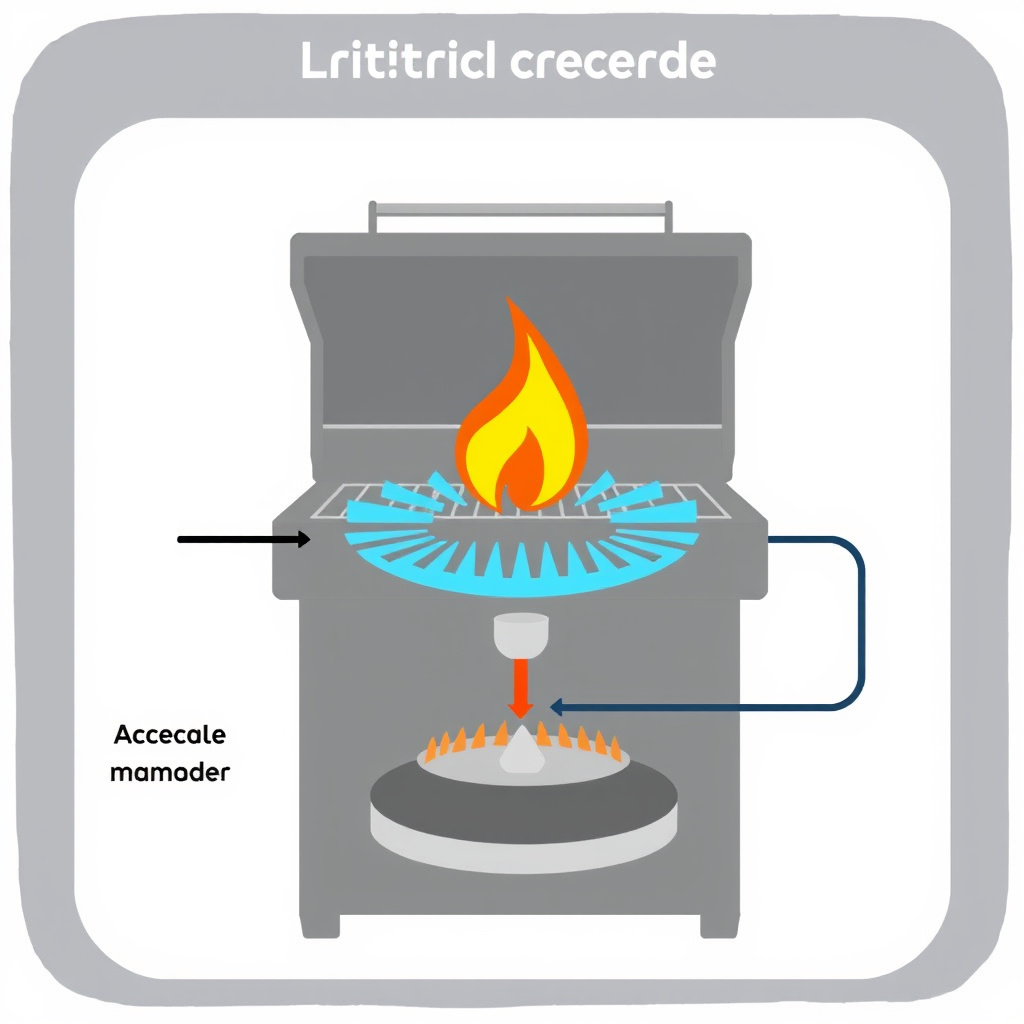
How Gas Flows and Ignites in a Grill
A gas grill flame is created by gas flowing from the tank through the regulator into the burner ports, where it mixes with air and ignites. Proper gas pressure and unobstructed burner ports are crucial for maintaining a strong flame.
The air-to-gas ratio influences flame size and stability, so any disruption in gas supply or air intake can lead to a low or irregular flame. Understanding this basic flow helps identify what might be causing the problem.
What Does a Normal Gas Grill Flame Look Like?
A normal gas grill flame is primarily blue with small yellow tips, steady and evenly distributed along the burner. It should not flicker or be weak in some areas.
If the flame is mostly yellow, weak, sputtering, or low, these are signs that something is wrong with the gas grill's burner or gas flow.
Common Causes of a Low Gas Grill Flame
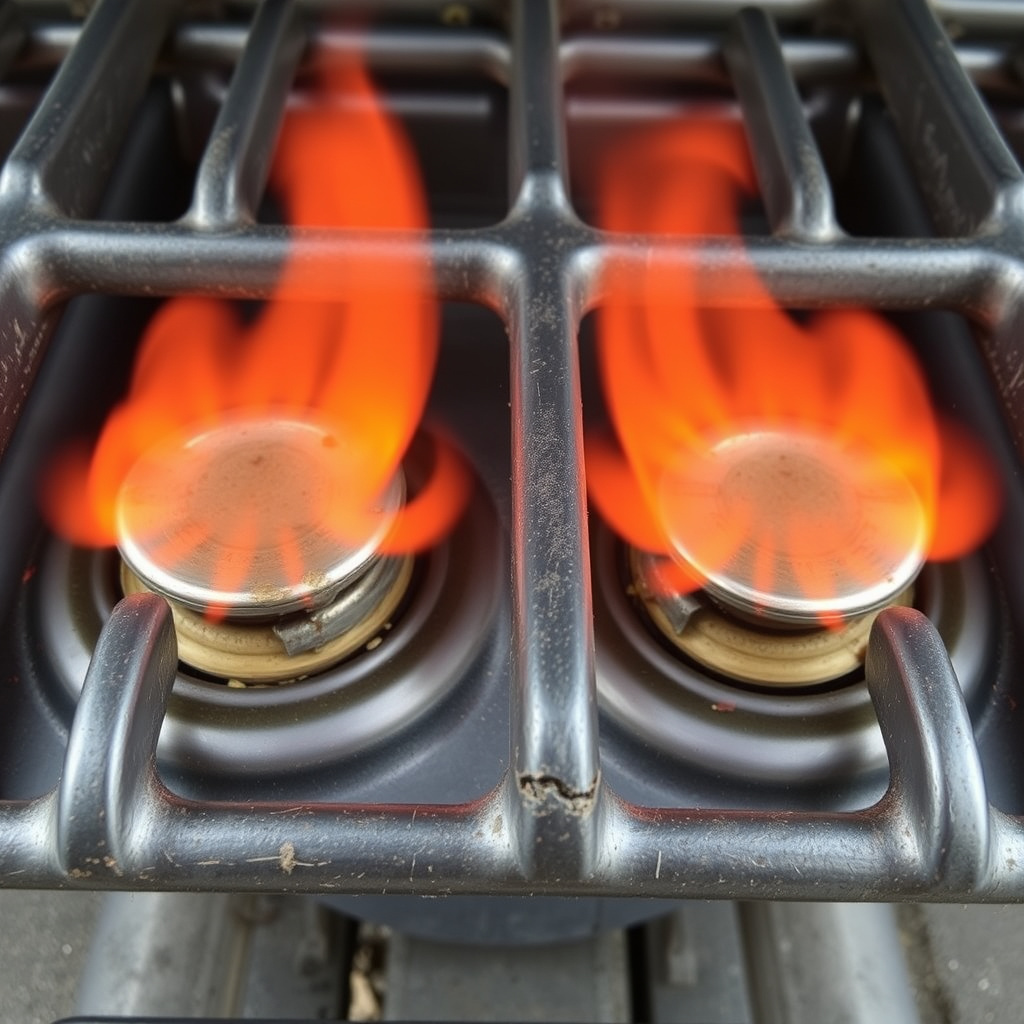
Clogged Burner Ports and Debris
Over time, burner ports can accumulate grease, food particles, or rust that block gas flow. Small obstructions reduce the amount of gas reaching the flame, resulting in a low flame height.
Regular cleaning with a wire brush or compressed air clears the ports and restores consistent gas flow. Paying attention to burner cleanliness prevents flame issues.
- Food residue buildup
- Spider webs or insect nests
- Rust accumulation
Low Gas Pressure or Regulator Issues
A faulty or clogged regulator can limit gas pressure, causing weak flames regardless of burner condition. Low propane tank pressure also contributes to flame drop.
Inspecting the regulator for damage or replacing it when old ensures consistent gas pressure. Propane tanks close to empty should be refilled or swapped promptly.
- Damaged regulator diaphragm
- Empty or low propane tank
- Kinked or obstructed gas hose
Inspecting and Cleaning the Burner
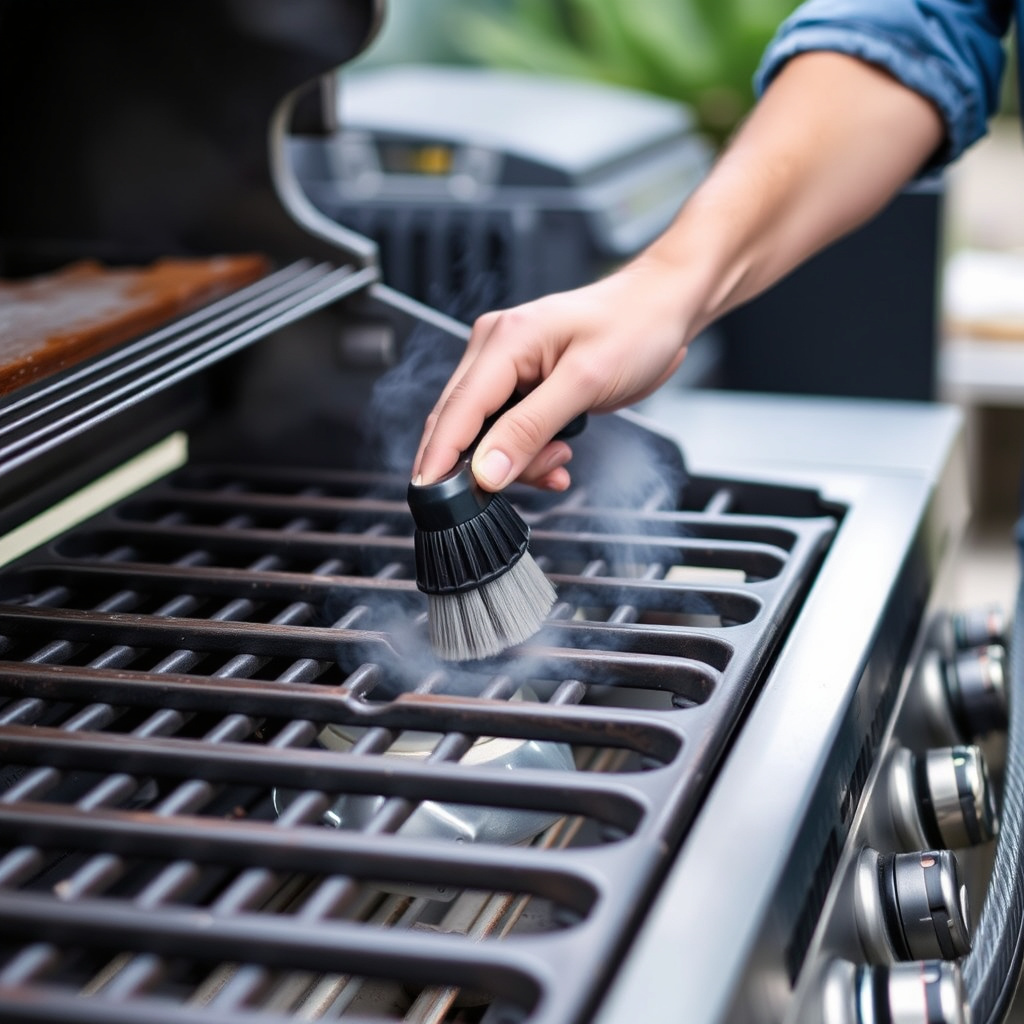
Step-by-Step Burner Cleaning Process
Turn off the gas supply and disconnect the propane tank to start. Remove the burner tubes carefully, then use a wire brush to scrub burner ports and remove debris.
Make sure all holes are clear and free of rust or dirt. Rinse with water if needed and dry completely before reinstalling. Proper cleaning restores optimal gas distribution and flame height.
- Disconnect gas and remove burners
- Clean ports with a wire brush
- Check for cracks or damage
- Dry and reassemble
For more on this, see our related guide: Why Is My Gas Grill Not Getting Hot? Troubleshooting and Solutions.
When to Replace the Burner
Burners severely corroded, cracked, or damaged cannot hold consistent flames and should be replaced. Older grills may have worn-out burners that restrict gas flow.
Replacement burners designed for your grill model are widely available and refitting is straightforward. Investing in a quality burner improves performance and flame reliability.
- Visible corrosion or rust holes
- Uneven flame despite cleaning
- Burner cracking or warping
Checking Gas Supply and Regulator Function
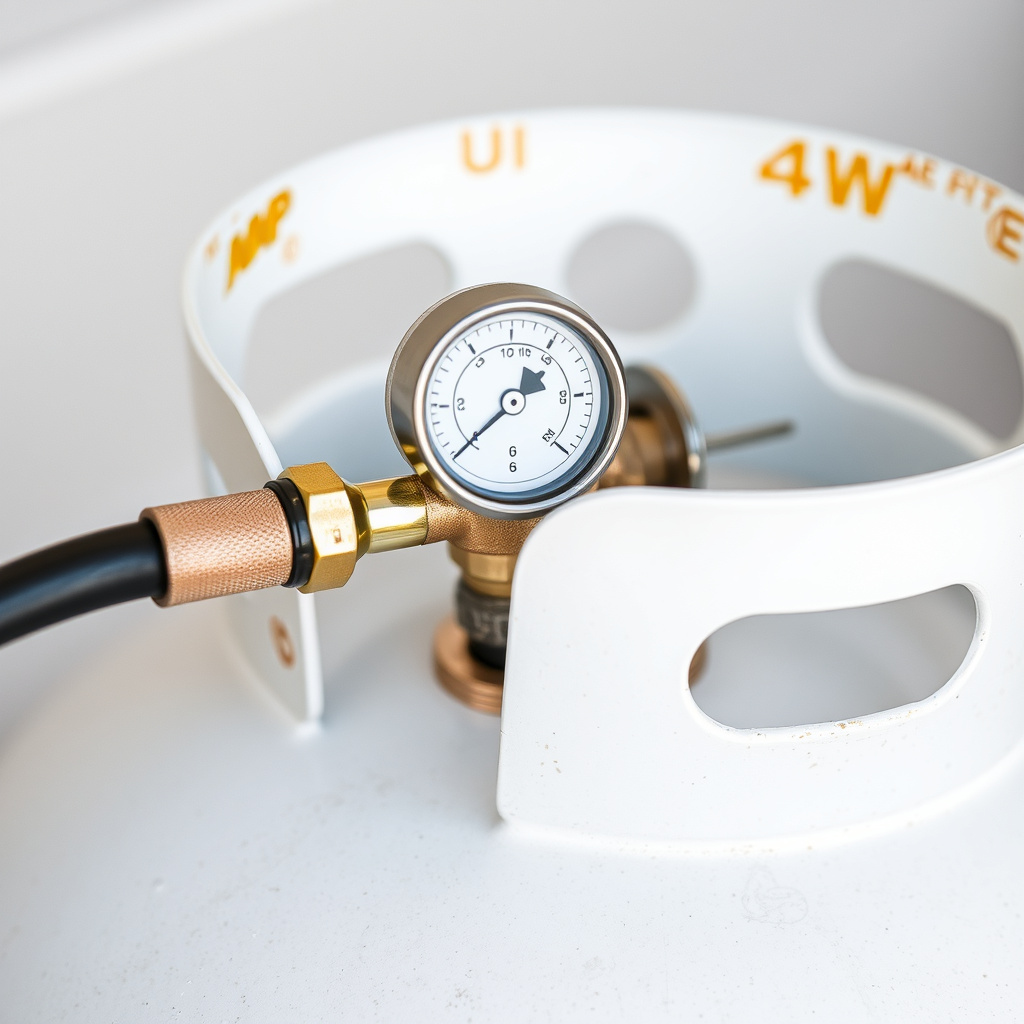
Testing Propane Tank and Gas Hose
Begin by verifying the propane tank has enough fuel. Inspect hoses for cracks, kinks, or damage restricting gas flow. Replace worn hoses immediately to maintain safety and gas consistency.
Using soapy water, test connections for leaks by observing bubbles forming while the gas is on but the grill is off. Repair leaks to avoid flame problems or hazards.
- Check propane level gauge
- Look for hose wear or cracks
- Test connections with bubble test
Inspecting and Resetting the Regulator
The regulator controls gas pressure into the grill. If it malfunctions, it may need to be reset by turning off the gas, disconnecting, waiting a few minutes, then reconnecting and turning on again.
If resetting doesn't improve flame strength, consider replacing the regulator with a compatible model to restore proper gas flow.
Adjusting Airflow and Flame Settings
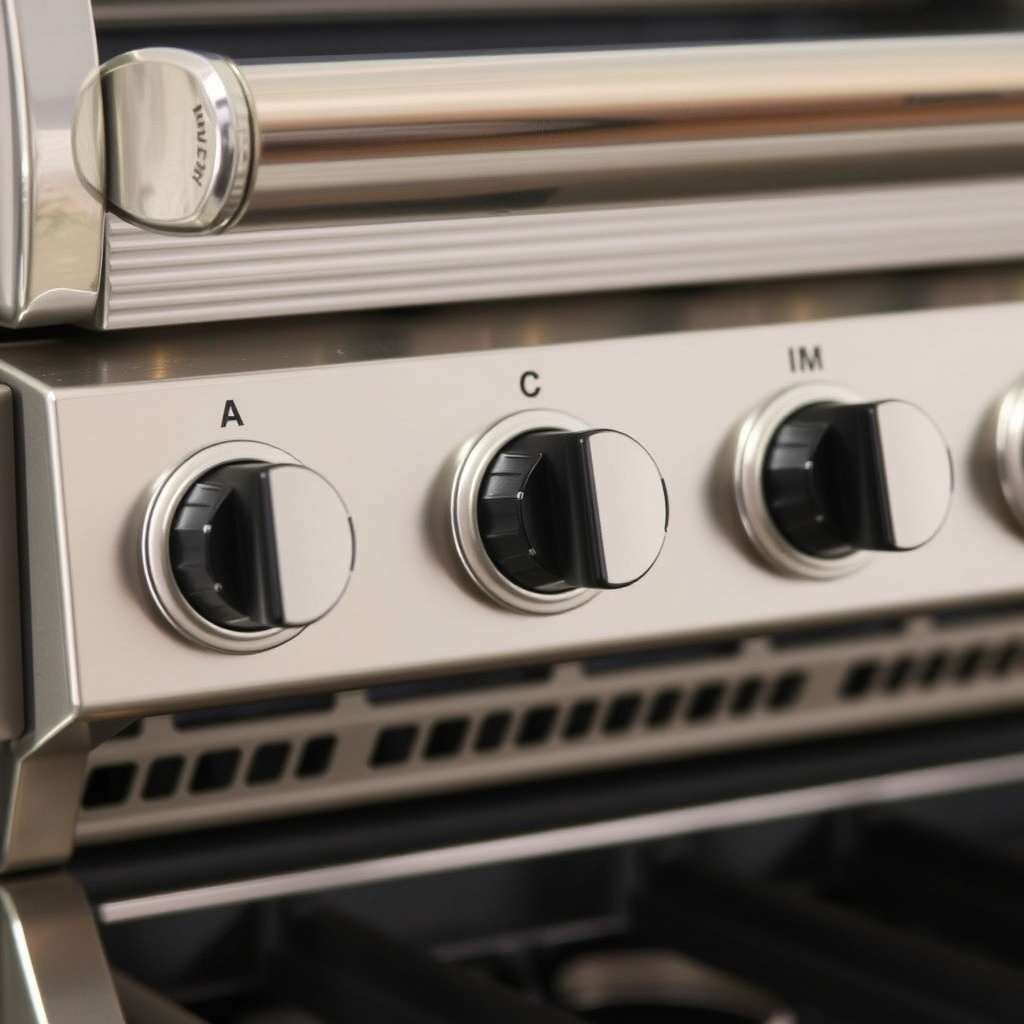
Air Shutter Adjustment for Flame Quality
Air shutters regulate how much air mixes with gas in the burner. Too little air causes yellow, weak flames, while too much can snuff out the flame.
Adjusting shutters by loosening screws and sliding open or closed lets you optimize air supply. Proper adjustment returns the flame to a steady blue color with sharp tips.
- Locate air shutter near burner inlet
- Test small adjustments
- Observe flame color changes
For more on this, see our related guide: Why Won’t My Gas Grill Light? Troubleshooting Common Issues.
Using Gas Grill Flame Adjustment Controls
Most gas grills have control knobs to regulate the gas flow to each burner. Turning knobs fully on or off and then precisely setting mid-range flame levels ensures appropriate cooking temperatures.
If knobs feel loose or unresponsive, the internal valve might be defective, requiring repair or part replacement to regain control over flame height.
Preventive Maintenance to Keep Your Flame Strong
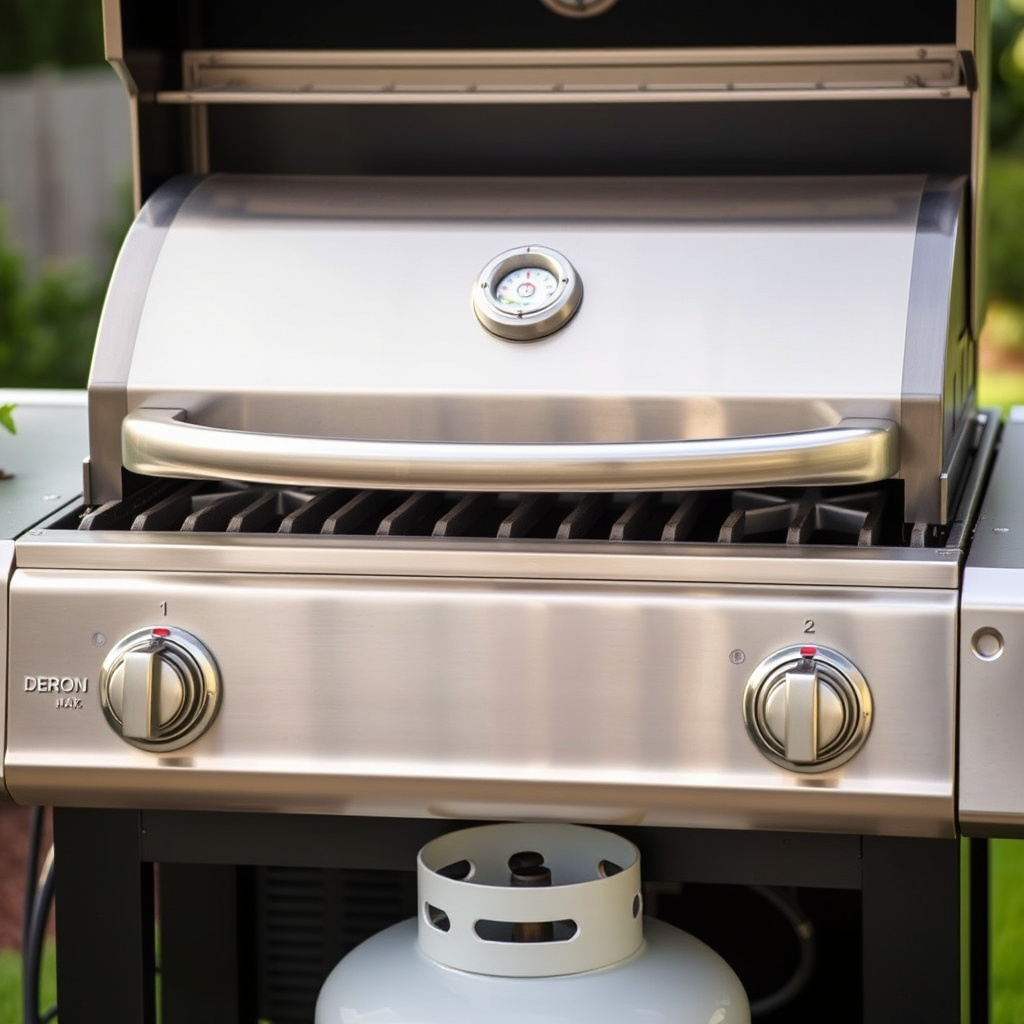
Regular Cleaning Schedule
Cleaning burners, grates, and drip pans after each season prevents buildup that restricts gas flow. A routine schedule prolongs grill life and keeps the flame strong and steady.
Using grill covers and storing propane tanks properly also protect components from dirt and moisture that cause corrosion.
- Clean burners every few months
- Empty grease trays regularly
- Cover grill when not in use
- Store propane tank in shaded area
For a detailed overview of gas grill components and care, you can refer to this comprehensive gas grill maintenance guide. gas grill maintenance guide.
Storing and Handling Propane Safely
Safe propane storage avoids leaks or pressure drops affecting flame strength. Always keep tanks upright and check for expiry or damage regularly.
Refilling tanks at trusted suppliers reduces contamination and ensures full pressure for consistent grill performance.
Gas Grill Flame Problems Category Comparison
Here’s a breakdown of common causes for low gas grill flames with typical signs and solutions.
| Cause | Symptoms | Ease of Fix | Recommended Action |
|---|---|---|---|
| Clogged Burner Ports | Uneven, flickering low flame | Easy | Clean with wire brush |
| Regulator Malfunction | Overall weak flame, no increase when adjusting knobs | Moderate | Reset or replace regulator |
| Low Propane Pressure | Flame dims and weakens during cooking | Easy | Replace or refill tank |
| Damaged Gas Hose | Gas smell, irregular flame | Moderate | Replace hose completely |
| Air Shutter Misadjustment | Yellowish or sputtering flame | Easy | Adjust air shutters carefully |
Frequently Asked Questions
Why does my gas grill flame turn yellow?
A yellow flame usually means insufficient oxygen mixing with the gas, often due to clogged burner ports or air shutter misadjustment. Cleaning burners and adjusting airflow can restore a proper blue flame.
Can a dirty burner cause low flame?
Yes, dirt and grease blocking burner ports restrict gas flow, resulting in a low or uneven flame. Regular cleaning is essential to maintain proper flame height and grill performance.
How do I reset my gas grill regulator?
Turn off the propane tank valve, disconnect it from the regulator, wait about five minutes, reconnect, then slowly open the valve. This reset can sometimes fix low pressure issues affecting flame height.
Is it safe to use a gas grill with a low flame?
A low flame can be an indicator of gas supply problems or leaks, which might pose safety risks. Inspect your grill thoroughly and fix any issues before use to ensure safe grilling.
Does propane tank temperature affect flame size?
Yes, propane pressure can drop in cold temperatures, causing a weaker flame. Warming the tank slightly or using a larger tank may help maintain consistent flame height in colder weather.
Key Takeaways
- A low gas grill flame usually results from clogged burners or low gas pressure.
- Regular cleaning and inspecting regulators improve flame strength.
- Adjusting air shutters fine-tunes flame color and stability.
- Replacing worn parts restores efficient grill performance.
Conclusion
When your gas grill flame is low, addressing the issue methodically brings the best results. Start by inspecting the burners for clogs and cleaning them thoroughly to remove any debris blocking gas flow. Next, check the propane tank level and confirm that the regulator functions properly. Don't overlook the importance of adjusting air shutters to maintain the right gas-to-air mix for a steady blue flame. This careful approach helps you identify whether the problem lies in simple maintenance or components needing replacement.
For everyday grillers, clogged burner ports and low propane levels are the most common flame issues. Cleaning the burners and ensuring the propane tank is sufficiently filled solves these problems in most cases. If flame weakness persists, it's worth examining the regulator and gas hoses for wear or damage and replacing them as needed. Adjusting the air shutter can also transform a yellow, sputtering flame into a strong blue one, enhancing cooking quality. Each step prolongs grill life and improves grilling consistency.
If you encounter continued flame troubles, consider consulting your grill’s manual or a professional technician to diagnose harder-to-spot faults. Investing time in preventive maintenance, like regular burner cleaning and safe propane storage, greatly reduces flame problems over the long term. With attentive care and occasional part replacements, your gas grill will deliver reliable performance and strong flames for enjoyable cooking sessions ahead.



