
A gas grill flame should burn blue to indicate proper combustion, but if your flame is yellow, it means incomplete fuel burning or an airflow problem. Yellow flames produce soot, smoke, and less heat, reducing your grill’s efficiency and flavor quality.
Yellow grill flames often happen due to clogged burner ports, incorrect gas-to-air ratios, or debris like spider webs obstructing airflow. Addressing these issues promptly can prevent grill damage and avoid dangerous carbon monoxide buildup.
This article explores common reasons your gas grill flame shows yellow hues, how you can troubleshoot and clean your grill, safety considerations, and when professional help might be needed. We’ll guide you through fixing it so your grill performs reliably every cookout.
Understanding the Gas Grill Flame and Its Colors
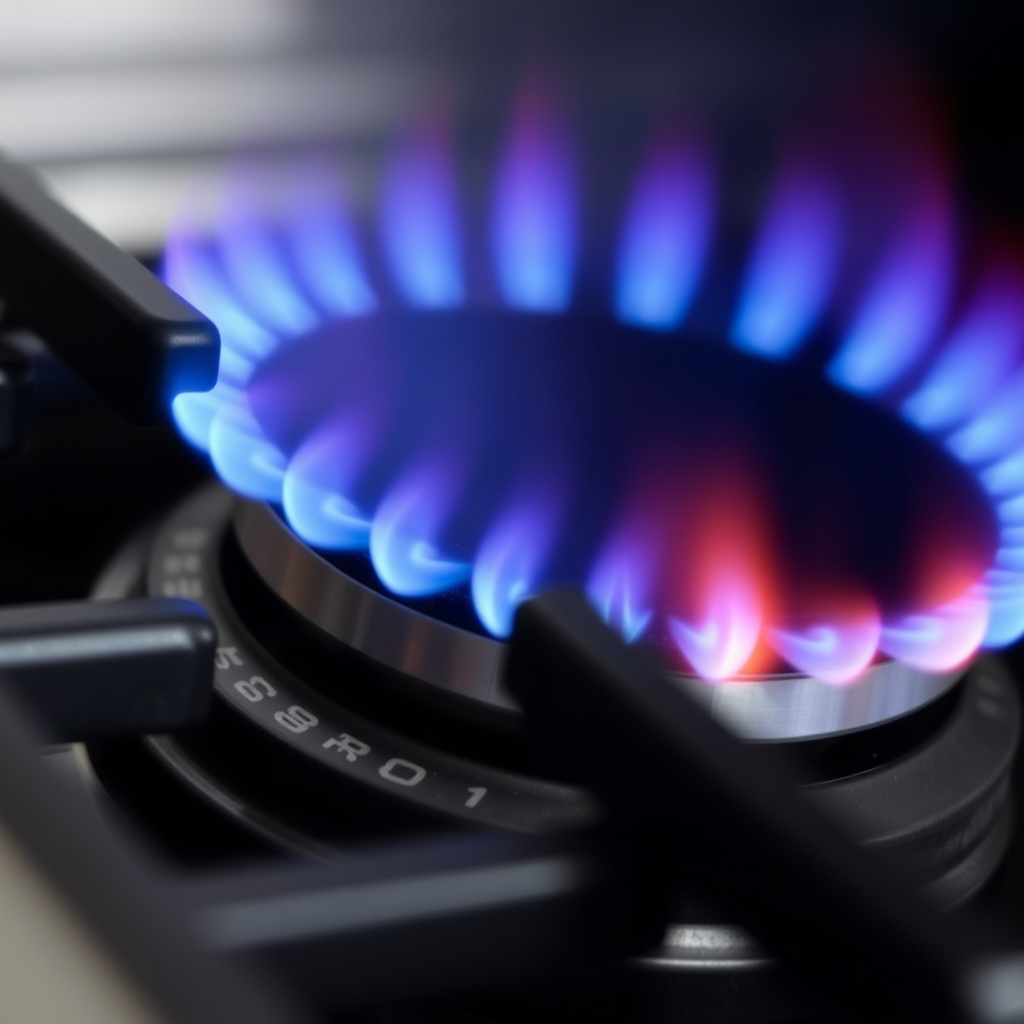
What Does a Yellow Flame Indicate?
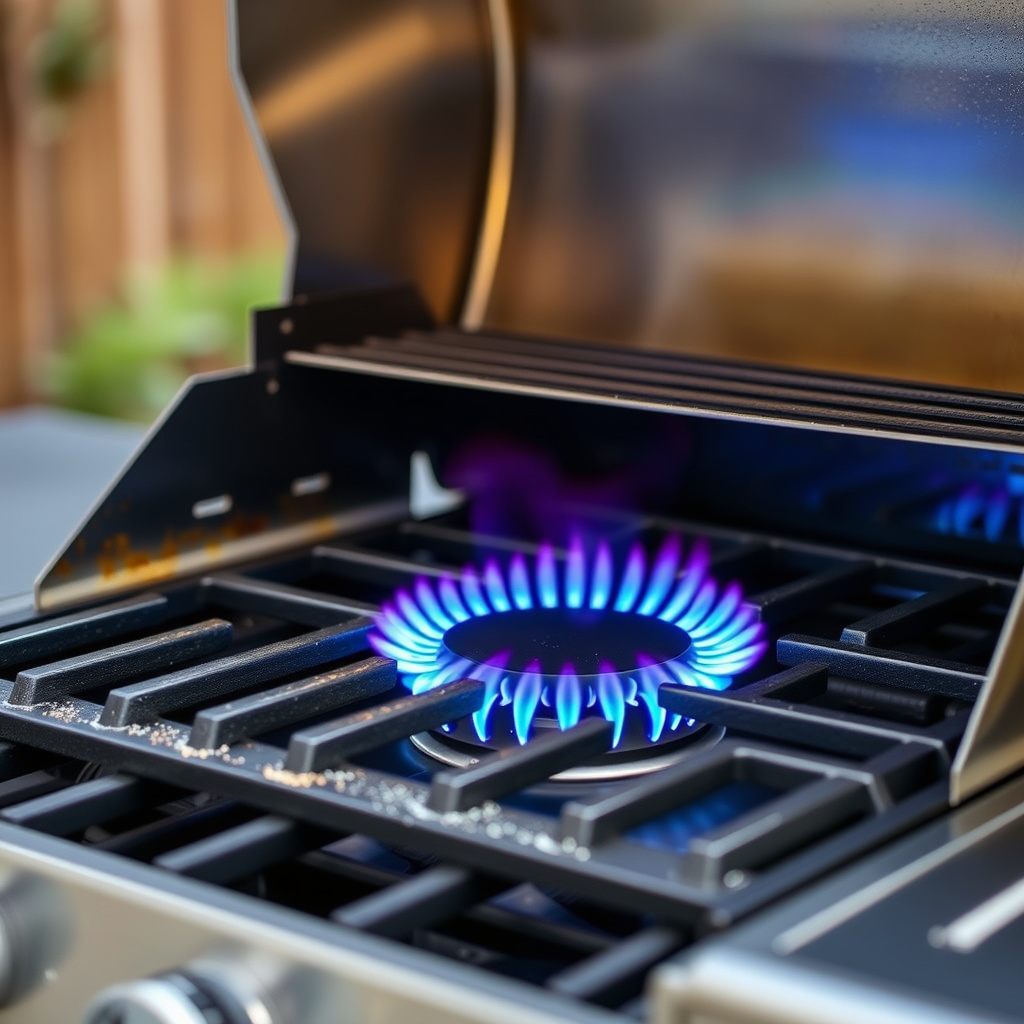
A healthy gas grill flame burns blue with a slight hint of yellow at the tips, showing proper air-to-gas combustion. A dominant yellow flame indicates incomplete combustion, producing more soot and potentially harmful carbon monoxide gas.
This yellow color results from burning fuel insufficiently mixed with oxygen. It signals the grill is operating inefficiently, which leads to uneven heating and increased flare-ups due to unburned fuel igniting unpredictably.
Comparing Flame Colors and What They Mean
Blue flames show complete combustion and optimal heat output, meaning your grill is working well and safely. Yellow or orange flames show lower temperatures and polluting soot effects.
Understanding your gas grill flame color meaning is helpful to catch faults early, preserve grill longevity, and avoid toxic gas buildup during use.
- Blue flames: ideal, complete combustion
- Yellow flames: incomplete combustion, soot
- Orange flames: similar causes as yellow flames
- Inconsistent flames: may indicate gas leaks or blockages
Common Causes of a Yellow Gas Grill Flame
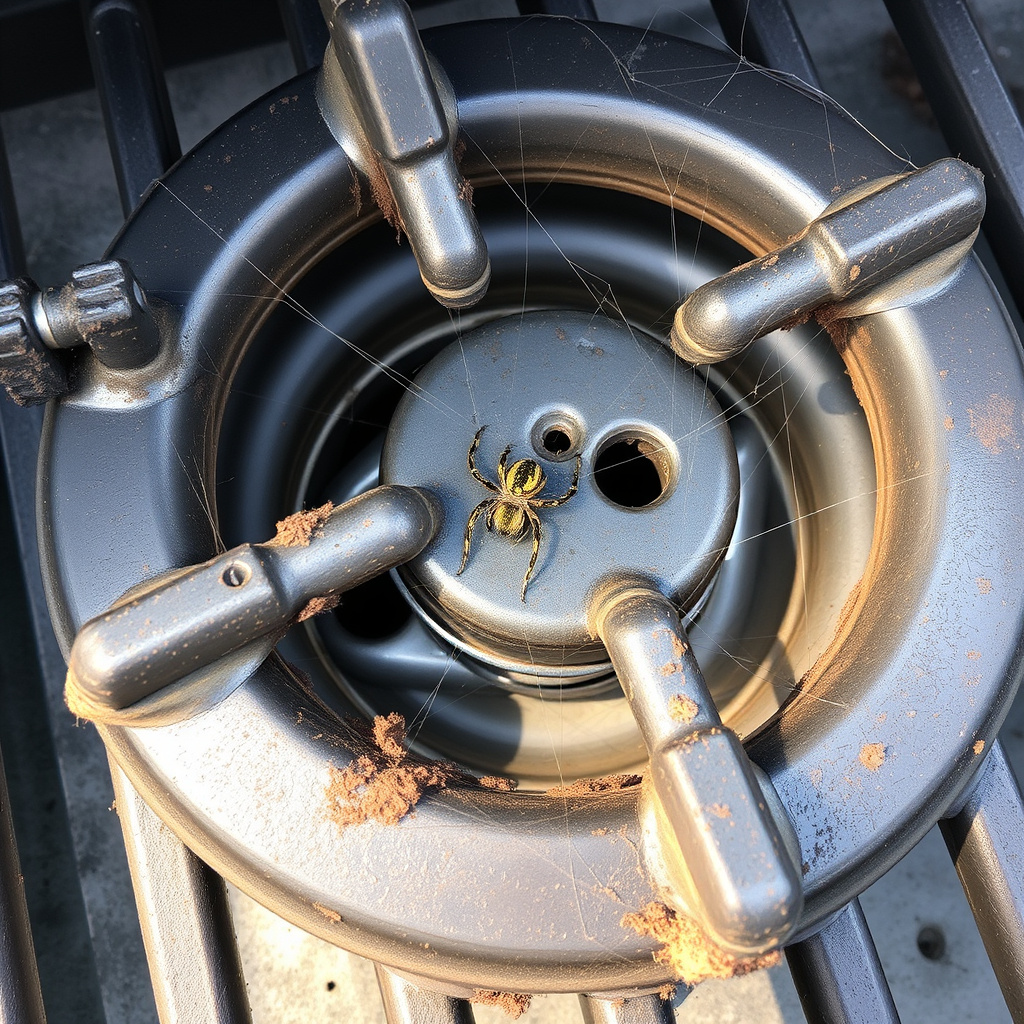
Blocked Burner Ports and Debris
Burner ports often get clogged by grease, food particles, or even small insects’ nests, especially during grill storage periods. This blockage restricts propane flow and disrupts the gas-to-air ratio, causing yellow flames.
Cleaning burner holes regularly prevents buildup. Use a wire brush or compressed air to clear debris and maintain proper airflow for a clean blue flame.
- Grease accumulation
- Spider webs inside burners
- Food residue on burner holes
Incorrect Air-to-Gas Ratio and Ventilation Issues
The gas grill needs a mix of air and gas in the correct proportion. If the air intake vents are partially closed or blocked, the flame lacks oxygen, turning yellow.
Some grills have adjustable air shutters near the burners; adjusting them helps optimize flame color. Also, keep areas around vents clean and unobstructed to allow proper airflow.
- Dirty or blocked air shutters
- Inadequate ventilation
- Incorrect regulator pressure
How to Troubleshoot and Fix Yellow Flames
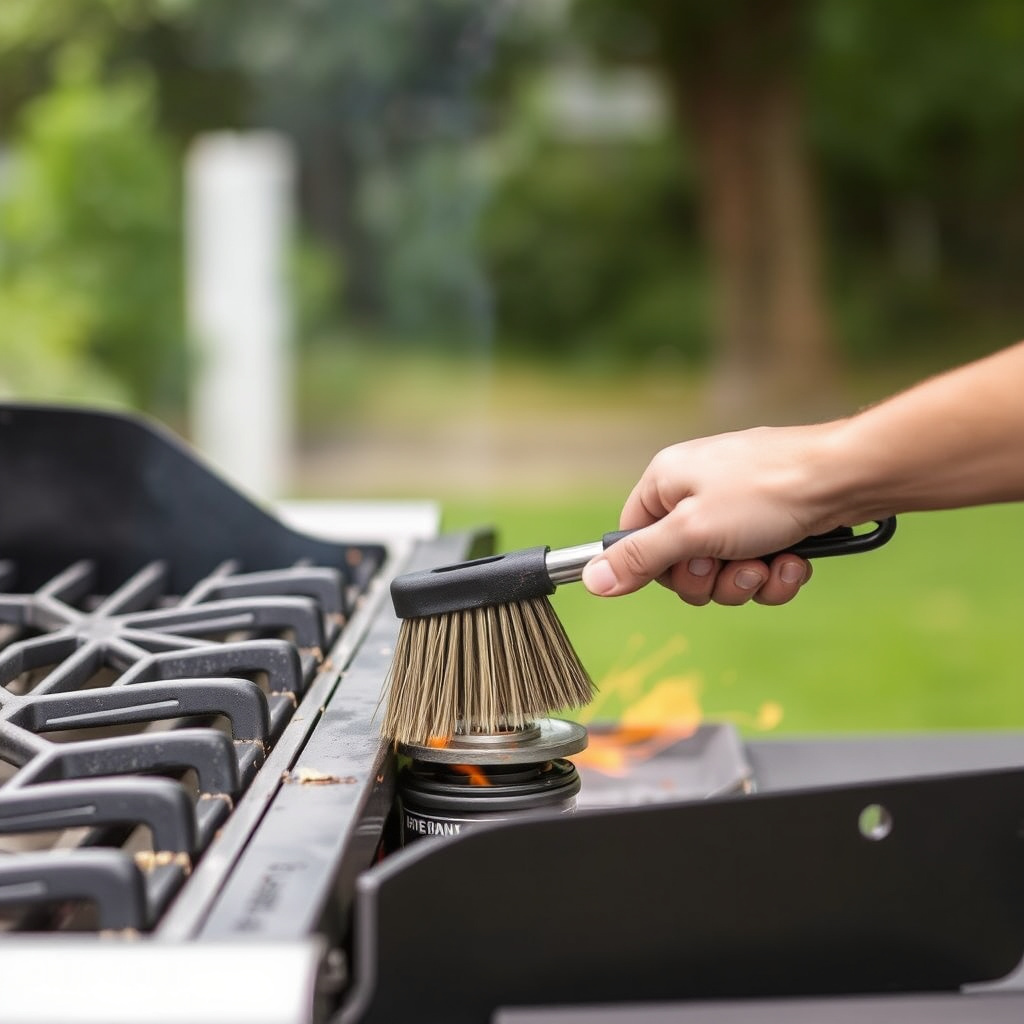
Step-by-Step Burner Cleaning
Turn off gas and disconnect your propane tank before cleaning. Remove burner tubes and clean burner holes gently using a wire brush to remove soot and debris.
After cleaning, reassemble the burners, reconnect the gas, and light the grill to check for a steady blue flame. Repeat cleaning if flame issues persist.
- Disconnect gas supply
- Remove burners carefully
- Brush clogged ports
- Reassemble and test
For more on this, see our related guide: Why Is My Gas Grill Flame Low? Troubleshooting and Fixes.
Adjusting Air Shutters for Optimal Flame
Locate the air shutter on burner tubes and slightly open or close it to balance air and gas. Making small incremental adjustments enables you to tune the flame from yellow to blue.
Test the flame after each adjustment. Properly adjusted shutters ensure enough oxygen mixes with propane, displaying a clean blue flame.
- Locate shutter near burner base
- Use screwdriver to adjust
- Turn on grill and observe flame
- Fine-tune to get blue flame
Safety Considerations with Yellow Gas Grill Flames
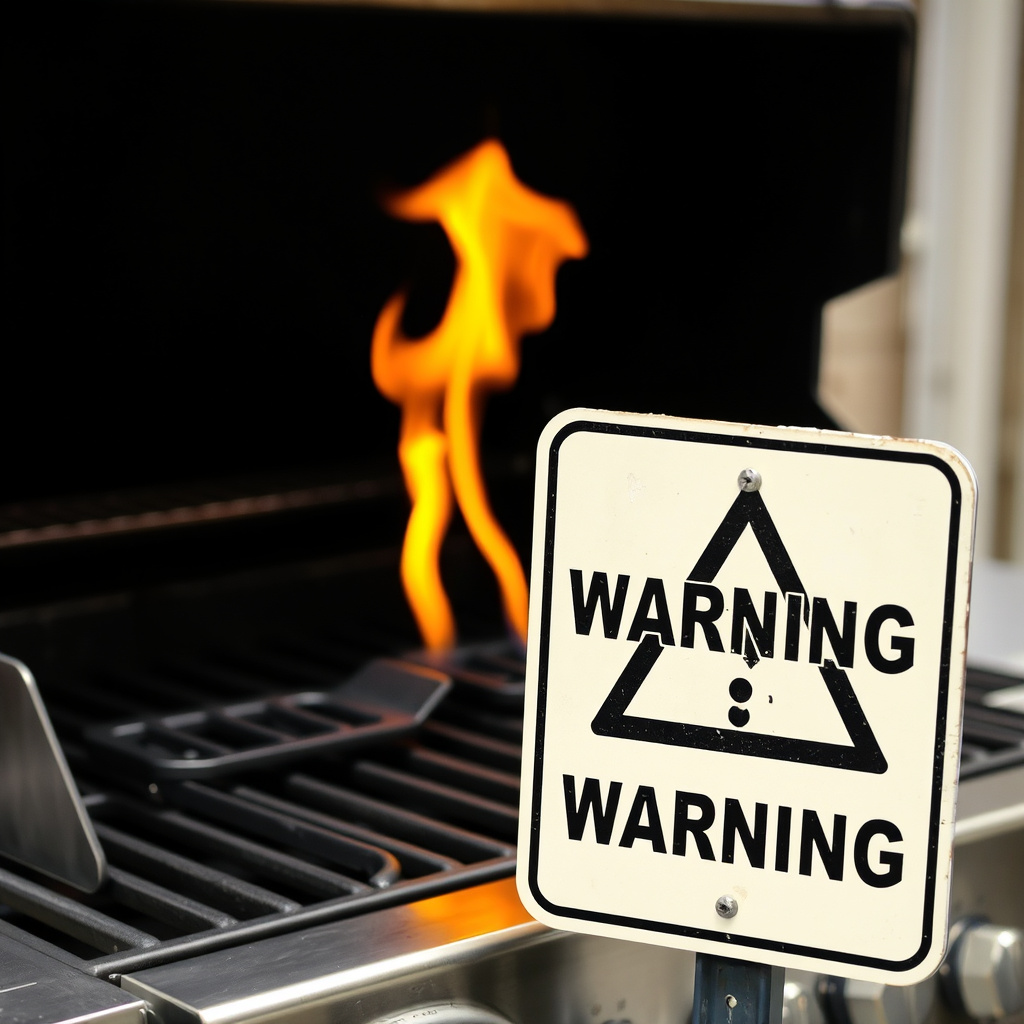
Carbon Monoxide Risks From Yellow Flames
Incomplete combustion producing yellow flames releases carbon monoxide, a colorless, odorless, and deadly gas. Operating a gas grill indoors or in enclosed spaces with yellow flames can cause carbon monoxide buildup.
Always use gas grills outdoors in well-ventilated spaces and stop using the grill immediately if you detect yellow flame or unusual smells.
- Never grill indoors
- Use CO detector near grilling area
- Ventilate grilling setup well
Preventing Fire and Damage
Yellow flames can lead to flare-ups or uneven heating, risking grease fires or damage to the burner. Regular maintenance reduces these hazards.
Keep grill parts clean, inspect gas lines for leaks, and replace worn components. When in doubt about repairs, consult a professional.
- Regular grill maintenance
- Leak checks on gas lines
- Replace faulty burners
- Professional inspection if uncertain
When to Call a Professional for Flame Issues
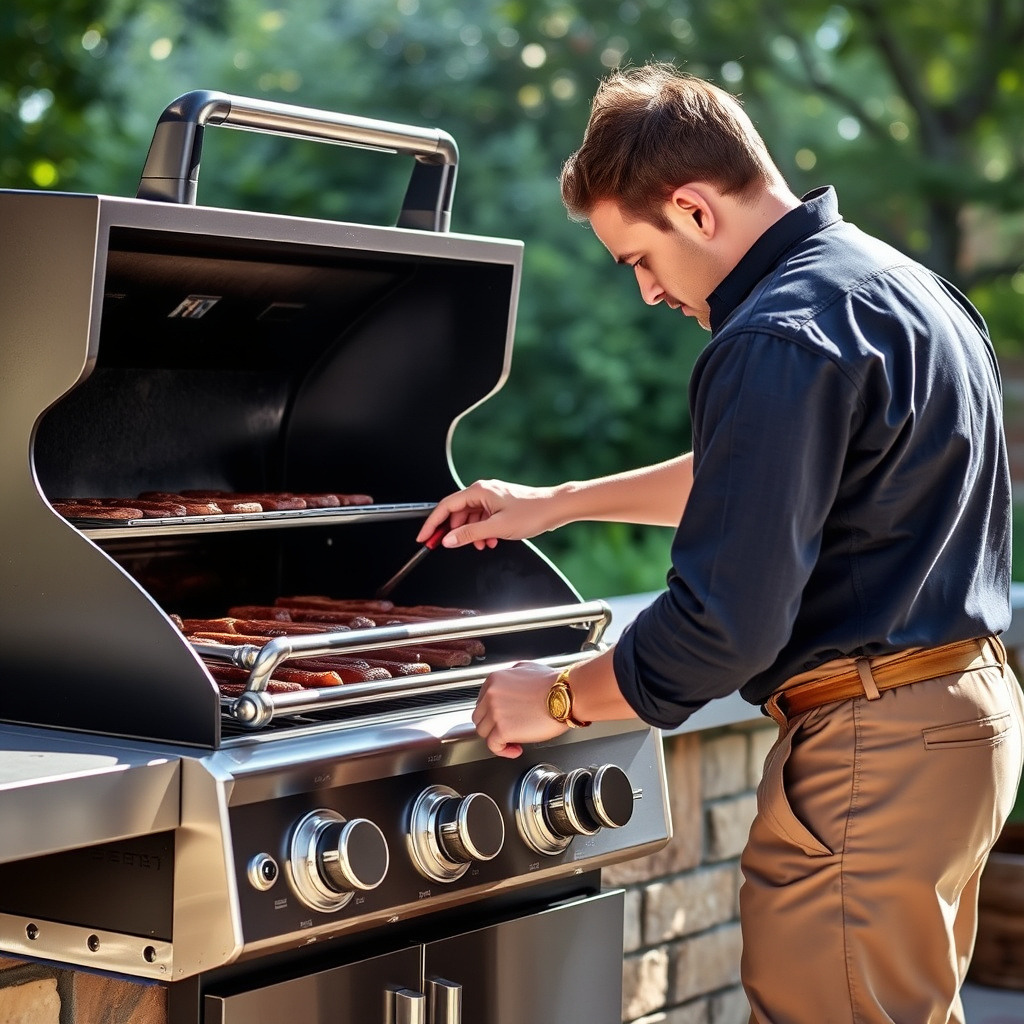
Complex Repairs Beyond Basic Cleaning
If cleaning burners and adjusting air shutters do not fix yellow flame problems, internal issues like defective regulators, gas leaks, or damaged burners may exist.
A certified technician can test gas pressure, replace malfunctioning parts, and ensure the grill operates safely and efficiently.
For more on this, see our related guide: Why Is My Gas Grill Not Getting Hot? Troubleshooting and Solutions.
Safety Inspections and Gas Leak Detection
Professionals use specialized tools to detect gas leaks or ventilation issues undetectable by visual inspection alone.
Scheduling periodic safety inspections provides peace of mind and prolongs grill lifespan, especially if you use your gas grill frequently.
Routine Maintenance to Keep Your Gas Grill Flame Blue
Regular Burner and Vent Cleaning
Make burner cleaning part of regular grill maintenance to prevent yellow flame occurrences. Remove food debris after each cook and clean burners monthly during active grilling season.
Inspect air vents and burners before every use to ensure airflow isn't obstructed.
- Clean after every use
- Monthly deep burner cleaning
- Check vents regularly
For more on flame colors and combustion chemistry, see this comprehensive gas flame color guide. gas flame color guide.
Proper Storage and Off-Season Care
Protect your grill from pests and weather during off-season by covering it and inspecting for spider webs or nests before use.
Disconnect propane tanks and store in a safe location to avoid pressure irregularities.
- Cover grill when not in use
- Inspect for pests before grilling season
- Store propane safely
Gas Grill Flame Color Causes and Solutions Comparison
Different causes of yellow flames vary in complexity and repair steps. The table summarizes common issues and how to fix them.
| Cause | Symptoms | DIY Fix | Professional Help Needed |
|---|---|---|---|
| Clogged Burner Ports | Yellow flame, uneven heat | Clean burners with wire brush | No |
| Blocked Air Shutters | Yellow/orange flame, low heat | Adjust air shutter screws | No |
| Gas Regulator Issues | Persistent yellow flame, gas smell | Replace regulator | Yes |
| Gas Leaks | Hissing sound, yellow flame | Check connections, replace hose | Yes |
| Spider Web/Nest | Flame color inconsistent, soot | Clean burners and tubes | No |
Frequently Asked Questions
Can a yellow flame damage my gas grill?
Yes, a yellow flame produces soot and excessive heat in spots, which can degrade your burner components and cause uneven cooking or flare-ups.
What tools do I need to clean a gas grill burner?
A wire brush, a screwdriver for adjustable air shutters, a pipe cleaner, and mild soap for greasy residue are typically sufficient for basic burner maintenance.
Is it safe to grill with a yellow flame?
Grilling with yellow flames is unsafe due to incomplete combustion producing carbon monoxide and flare-up risks. It’s best to fix the flame problem before use.
How often should I check my grill for yellow flame issues?
Inspect your grill’s flame color before each use and perform a thorough burner cleaning at least once per grilling season or monthly if you grill frequently.
Why does my gas grill flame change colors intermittently?
Intermittent flame color changes may result from fluctuating gas pressure, partial blockages, or inconsistent air supply, all affecting combustion efficiency.
Key Takeaways
- Yellow flames signify incomplete combustion and need attention.
- Clogged burner ports and blocked air shutters commonly cause yellow flames.
- Regular cleaning and air shutter tuning restore blue flames.
- Safety risks like carbon monoxide exposure increase with yellow flames.
Conclusion
Diagnosing why your gas grill flame is yellow starts with recognizing that this color means incomplete combustion, which reduces heating efficiency and can pose safety hazards. By systematically checking burner cleanliness, air intake, and gas delivery components, you target the root cause and restore proper function. Remember, safety matters most because yellow flames increase carbon monoxide risk and can damage your grill.
For typical gardeners or casual grillers noticing yellow flames, start with simple fixes: clear clogged burner holes, adjust air shutters, and clean lingering grease or debris. More advanced issues like faulty regulators or hidden gas leaks require professional inspection. If your grill frequently develops yellow flames despite maintenance, consider expert service to protect your equipment and health.
To keep enjoying delicious, evenly cooked meals, maintain your grill by routine cleaning and timely repairs. Inspect flames before each use, and if a yellow flame appears, act promptly to adjust or clean the affected parts. If uncertain about safety or repairs, consult a certified technician to ensure your grill operates reliably and safely through every season.



