
A gas grill burner popping typically occurs due to irregular gas flow, moisture buildup, or grease igniting inside the burner tubes. This popping sound signals that combustion isn’t smooth, commonly caused by clogged vents, dirty burners, or gas leaks.
When a burner pops, it not only disrupts your cooking but can also present safety risks like flare-ups or even burner damage. Understanding what triggers these pops helps you address the root cause and maintain consistent heat without hazards.
This article covers the primary reasons gas grill burner popping happens, practical inspection and cleaning tips, adjustments to your grill setup, and how to prevent this noisy combustion problem for a better grilling experience.
Causes of Gas Grill Burner Pops
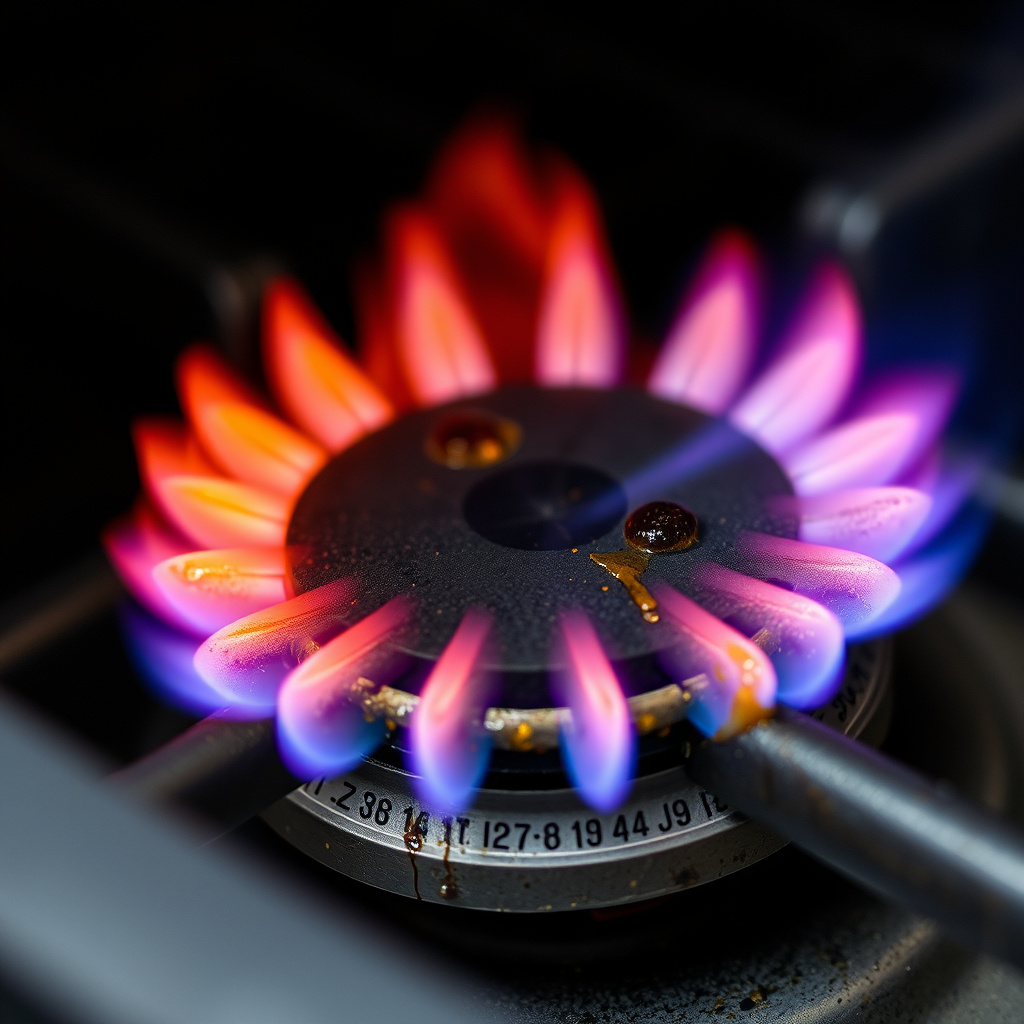
Built-up Grease and Food Debris
Grease and food particles can accumulate inside burner tubes and vent holes over time. When heated gas flows past this debris, it may ignite unevenly, causing a popping or sputtering noise. This buildup restricts gas flow and disrupts the burner’s steady flame pattern.
Ignoring grease blockages increases the risk of flare-ups or flare bursts that cause loud pops. Regular cleaning keeps the burner ports clear, allowing proper air and gas mixing that supports consistent burner ignition and operation.
- Accumulated grease ignites causing flare-ups
- Blocked ports restrict gas flow
- Uneven flames create popping sounds
Moisture Inside Burner Tubes
Water can find its way into gas burner tubes, especially if the grill is exposed to rain or not covered. Moisture trapped inside causes gas to vaporize inconsistently as it passes through, resulting in popping or sputtering noises during ignition or cooking.
Moisture also promotes corrosion and rust inside burner parts, worsening flow irregularities. Drying and covering the grill after cleaning or exposure reduces this cause of burner popping.
- Rainwater or cleaning water trapped inside
- Uneven gas vaporization leads to popping
- Corrosion risk increases with moisture
Inspecting and Cleaning Your Gas Grill Burner
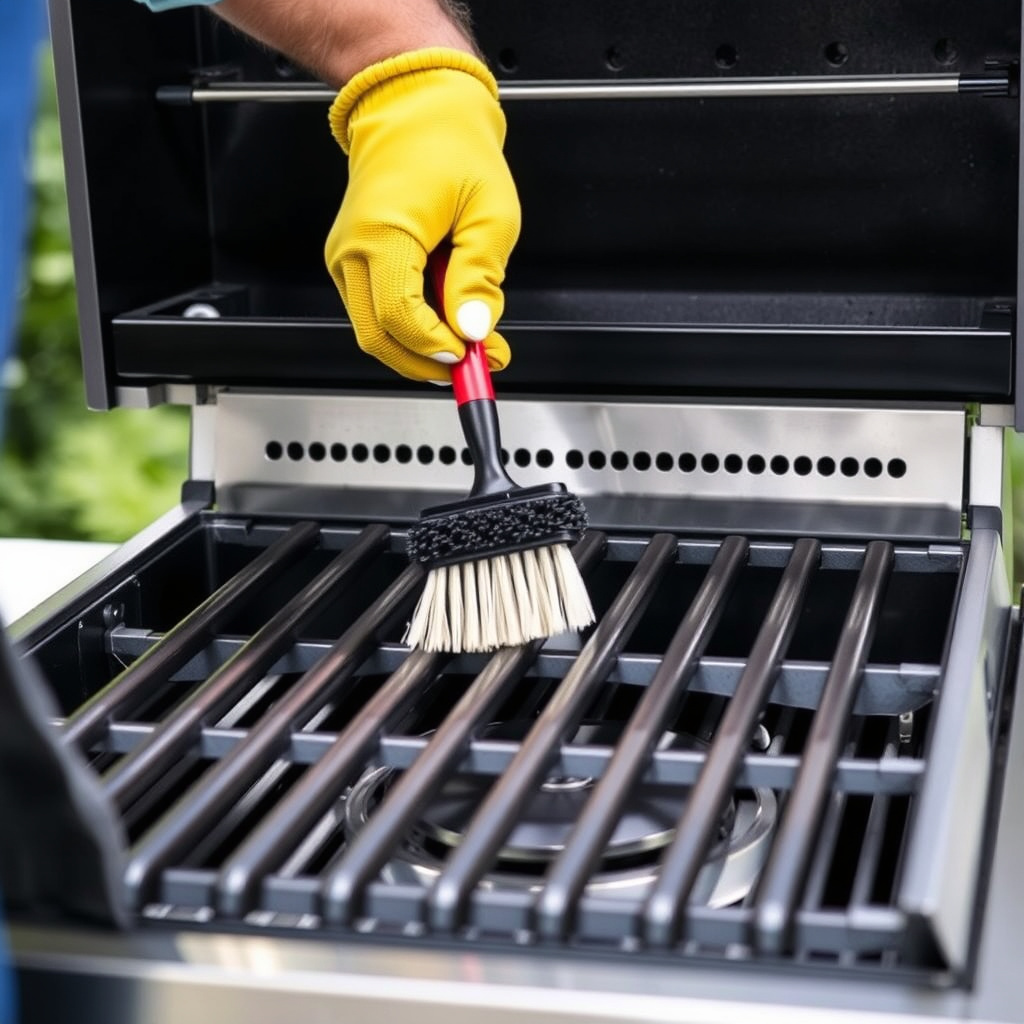
How to Check for Blockages and Debris
Begin by removing the grill grates and flame tamers to access the burner tubes. Visually inspect each burner port for obstructions such as grease, spider webs, or rust flakes that might clog the holes.
Use a thin wire or pipe cleaner to gently clear each individual hole. Avoid damaging the burner material while cleaning to maintain proper function. Look also for signs of corrosion or cracking that might require burner replacement.
- Remove grates and flame tamers
- Clear each burner port with a wire
- Inspect for corrosion or damage
Safe Cleaning Practices for Burners
To clean the burners, lightly brush off debris using a stiff wire brush, then wipe them with a damp cloth. Avoid soaking burners in water; instead, apply mild detergent only if heavily soiled and dry thoroughly afterward.
After cleaning, apply a heat-resistant lubricant spray to protect metal surfaces and prevent rust. Always allow burners to dry completely before reassembling and firing up the grill.
- Use stiff wire brush for surface cleaning
- Avoid soaking burners in water
- Dry completely before use
Adjusting Gas Flow and Pressure
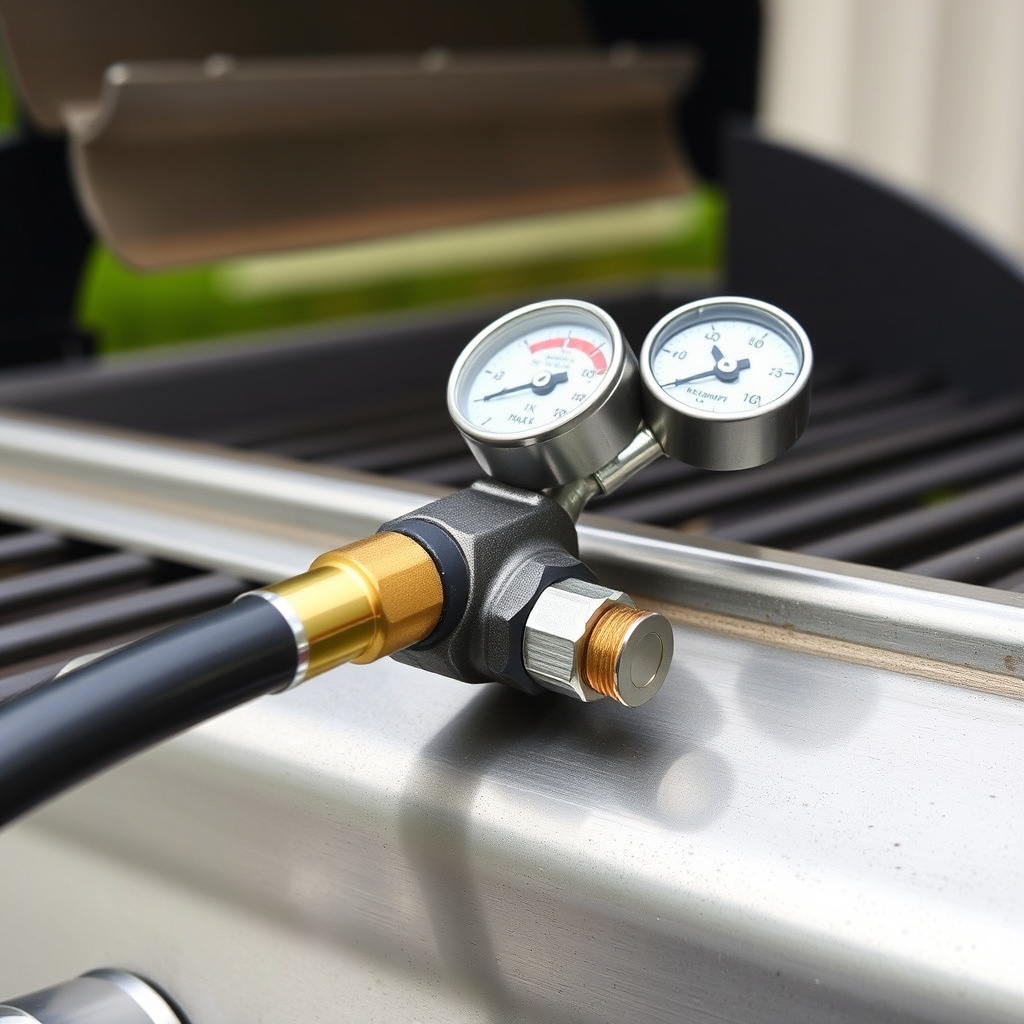
Checking Gas Regulator and Hose
An inconsistent gas supply caused by a faulty regulator or damaged hose can trigger burner popping. Check hoses for cracks, leaks, or blockages, and test the regulator to confirm it maintains steady pressure.
If you detect smell of gas or see physical damage, replace parts immediately. Using a gas pressure gauge can help diagnose whether the regulator supplies correct pressure to avoid flame fluctuations.
- Inspect hoses for cracks or leaks
- Test regulator for steady pressure
- Use gas detector for leaks
For more on this, see our related guide: Why Does My Grill Have Flare Ups? Understanding and Preventing Flare Ups.
Adjusting Burner Air Shutter
Each burner has an air shutter that controls the mix of gas and oxygen. Too much or too little air causes improper combustion, resulting in popping sounds or yellow flames instead of blue.
Locate the air shutter near the burner base, then open or close it gradually while the burner is lit until flames burn steady and blue. Proper adjustment reduces popping and improves heat consistency.
- Adjust shutter for correct air-gas mixture
- Aim for steady blue flame without flickering
- Avoid excessive air causing noisy flames
Preventing Future Burner Popping Problems
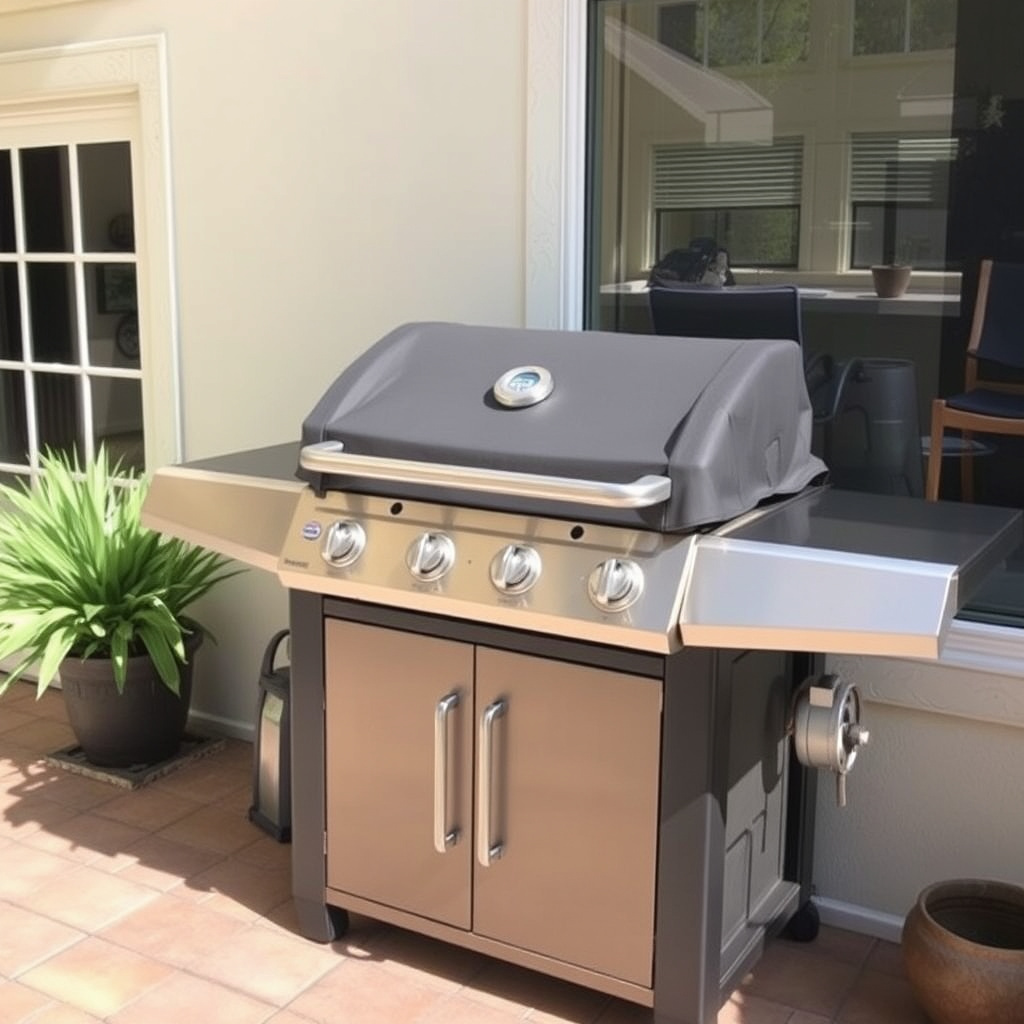
Routine Maintenance and Cleaning Schedule
Establish a cleaning routine after every few uses to keep burner ports free from grease and debris. Regularly inspect for rust or damage during the high grilling season to catch problems early.
Store the grill covered and protected from weather elements to prevent moisture buildup inside the burners. Consistency in maintenance reduces cause of popping and prolongs burner life.
- Clean burners frequently after use
- Inspect for rust or cracks regularly
- Always cover grill when not in use
Safety Tips When Handling the Gas Grill
Turn off the gas supply and allow the grill to cool before performing any cleaning or adjustments. Wear protective gloves when handling hot or sharp parts.
Test for leaks using soapy water on all gas connections before lighting to avoid fires. Keeping safety a priority minimizes accidents related to burner popping or flare-ups.
- Turn off gas and cool before cleaning
- Use gloves for protection
- Test connections with soapy water
Common Signs Indicating Burner Replacement
Visual and Functional Damage
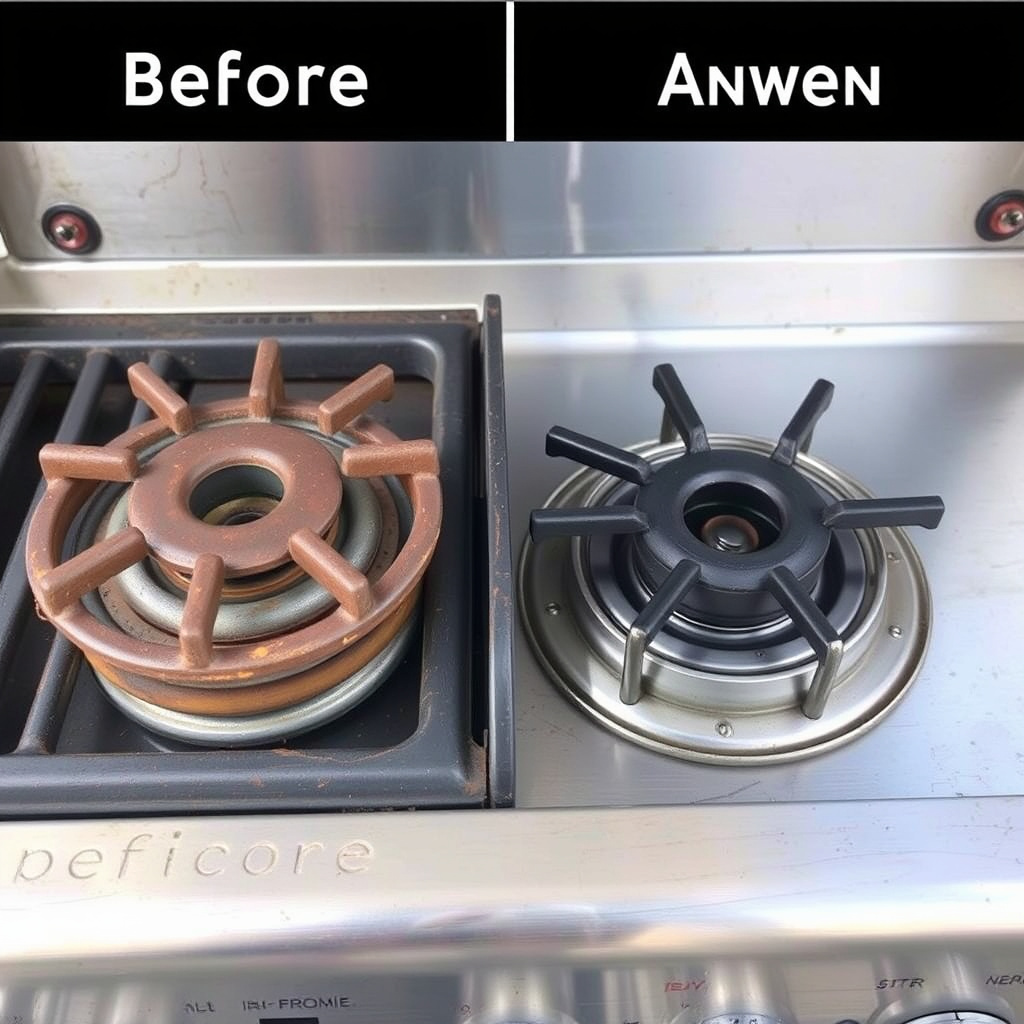
Severe rust, cracks, warping, or holes in burner tubes impair gas flow and combustion and often cause popping. Burners that cannot be cleaned effectively may no longer function properly.
If flame patterns remain irregular or popping continues after thorough cleaning and adjustment, it’s a clear sign the burner needs replacing to restore safe and efficient grilling.
- Rust or corrosion penetration
- Visible cracks or holes
- Persistent popping despite cleaning
For more on this, see our related guide: Why Does My Grill Smoke So Much? Causes and Solutions Explained.
How to Choose a Replacement Burner
Select a replacement burner matching your grill’s make and model to fit correctly. Stainless steel burners resist rust better but may cost more, while cast iron burners hold heat well but require upkeep.
Confirm burner size and port configuration to maintain proper gas flow and flame quality. Buying from reputable manufacturers ensures durability and safety.
- Match exact size and specifications
- Choose material based on durability/preferences
- Buy from trusted brands or original part suppliers
How Gas Grill Burner Popping Affects Cooking
Impact on Heat Distribution and Food Quality
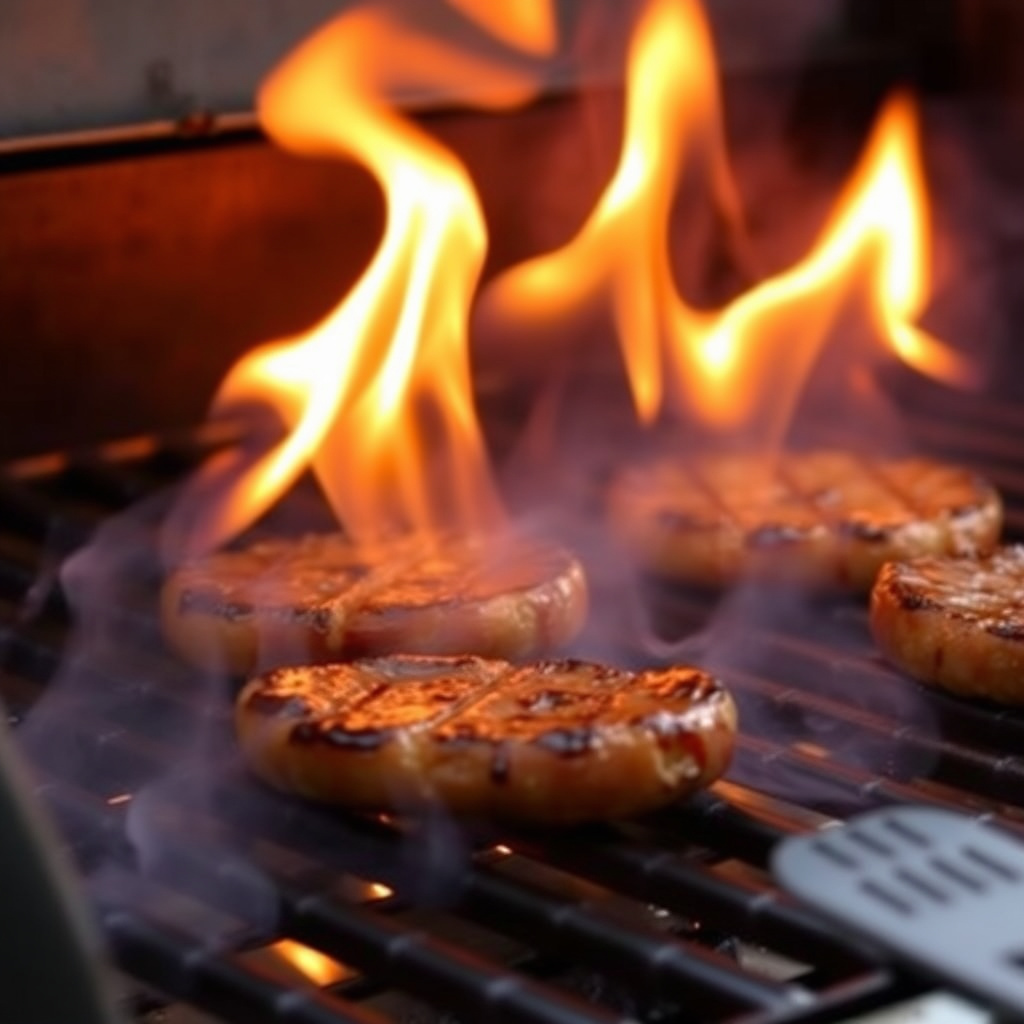
Popping burners produce uneven, inconsistent heat which can lead to hot spots or flare-ups. Food may cook unevenly with burnt edges or undercooked centers due to fluctuating flame intensity.
Reliable combustion enhances precise temperature control, crucial for grilling meats to the desired doneness and avoiding food waste through overcooking.
For more on safe gas grill practices and maintenance, see this EPA resource on gas grills and indoor air quality. gas grill maintenance tips.
Risks of Flare-ups and Safety Concerns
Sudden bursts of flame from burner popping can flare up unpredictably, risking burns or excessive charring of food. Repeated flare-ups might also damage grill components over time.
Maintaining stable burner operation helps prevent flare-ups, improving cooking safety and extending the life of your equipment.
Gas Grill Burner Types Comparison
The table below compares common gas grill burner types regarding material, durability, heat retention, and cost to help you make an informed choice.
| Burner Type | Material | Durability | Heat Retention | Cost |
|---|---|---|---|---|
| Stainless Steel | Stainless Steel | High resistance to rust | Moderate | Moderate |
| Cast Iron | Cast Iron | Prone to rust without care | Excellent heat retention | Low to Moderate |
| Porcelain-Coated Steel | Steel with porcelain coating | Moderate protection | Moderate | Low |
| Aluminum | Aluminum | Low, corrodes easily | Lower than others | Low |
Frequently Asked Questions
Why does my gas grill burner pop when I first light it?
Popping on ignition usually results from a small gas buildup in the burner tube igniting suddenly. It can happen if the burner ports are partially blocked or if the gas flow is inconsistent.
Can moisture cause my gas grill burner to pop?
Yes, moisture inside the burner tubes or on the grill components can disrupt gas vaporization leading to popping or sputtering sounds during use.
How often should I clean my gas grill burners to prevent popping?
Cleaning burners every few uses or at least once per grilling season helps keep ports clear of grease and debris, preventing popping and flare-ups.
Is a popping burner dangerous?
While occasional popping itself isn't usually hazardous, frequent or intense popping can cause flare-ups or damage to the burner, leading to safety risks.
When should I replace a gas grill burner?
Replace your burner if it shows severe rust, cracks, holes, or if popping persists despite cleaning and adjustments, indicating impaired function.
Key Takeaways
- Burner popping is mainly caused by grease buildup, moisture, or gas flow issues.
- Regular cleaning and inspection reduce popping and improve grill safety.
- Correct gas pressure and air shutter adjustment stabilize burner flames.
- Replace burners if corrosion or damage prevents smooth combustion.
Conclusion
Addressing the root cause of your gas grill burner popping requires a methodical approach starting with inspection and thorough cleaning. Grease and debris buildup inside the burner tubes combined with moisture and improper gas flow disrupt smooth combustion leading to popping. Adjusting the air shutter for proper gas and oxygen mix along with checking hoses and regulators ensures steady flame patterns. Consistent maintenance habits are essential to avoid flare-ups and maintain even heat distribution during cooking.
For those experiencing frequent burner popping, replacing old or damaged burners might be the best option if cleaning and adjustments fail. Stainless steel burners offer the best durability against rust and corrosion, while cast iron burners are good for heat retention but require more upkeep. Ensuring compatibility and proper fit is vital when selecting replacement burners to maintain the grill’s original performance. Monitoring gas pressure and repairing leaks also eliminates flare-up risks associated with burner popping.
In practice, prioritize cleaning your grill’s burners after multiple uses and whenever you notice flame irregularities or popping noises. Make basic adjustments like air shutter settings part of your regular grill checks during the season. Consult product manuals or professionals for replacement burner selection and installation guidance. By actively managing these factors, you can enjoy smoother, safer grilling with fewer interruptions caused by burner popping.



