
Your grill has flare ups because fat and juices from the food drip onto hot coals or burners, igniting sudden bursts of flame. These flare ups can create intense heat spikes and char your food quickly, which can be frustrating when grilling.
Flare ups matter because they affect cooking consistency and food quality. They can cause food to burn unevenly or impart an acrid smoky taste. Recognizing what causes these fiery bursts enables you to manage your grill more effectively and cook with confidence.
This article explores the common reasons behind grill flare ups, how to control and prevent them, and the best grilling practices to avoid flare-related mishaps. You'll also find a helpful comparison of grill types and maintenance tips to reduce flare up frequency.
Causes of Grill Flare Ups
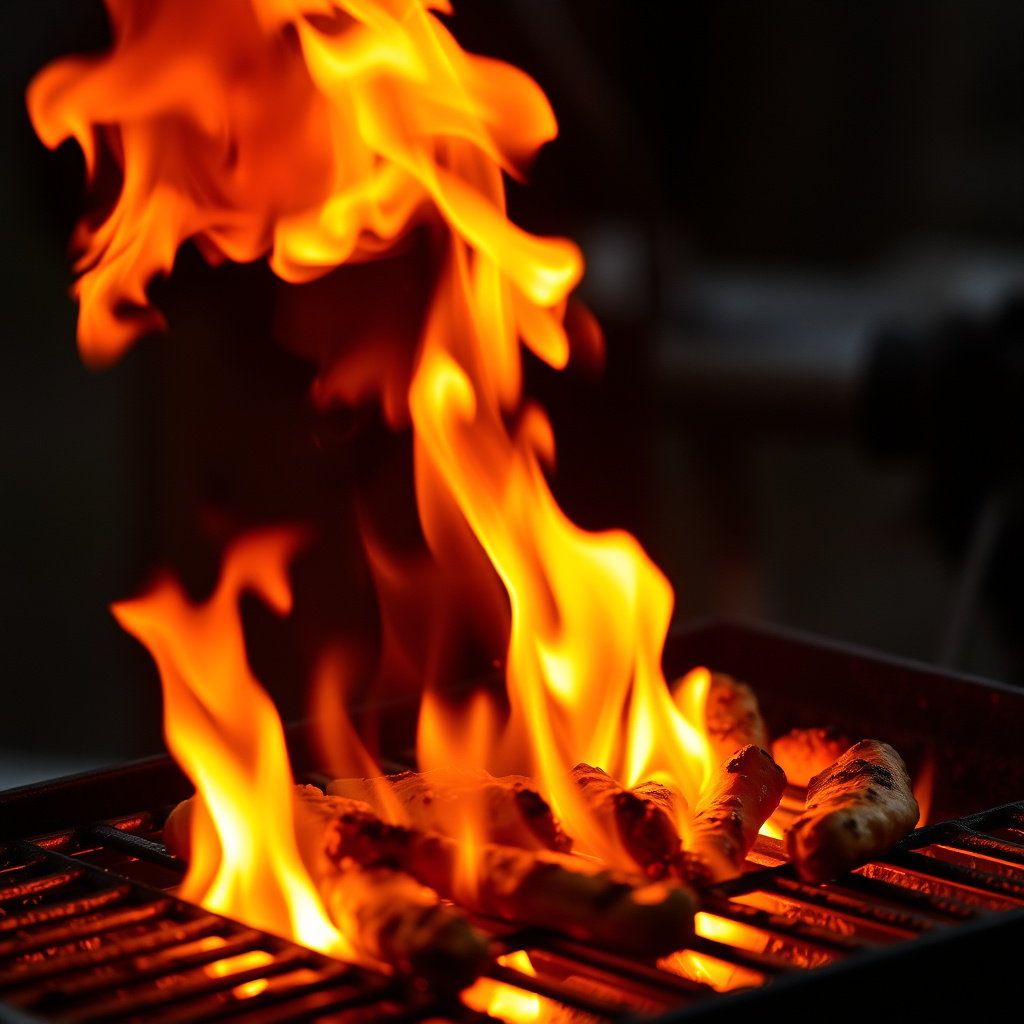
Fat and Marinade Drippings
Fatty foods like sausages, burgers, and marinated meats release oils that drip onto hot grill surfaces. These drippings ignite, causing sudden flames known as flare ups. Marinades with sugar or oil also contribute fuel to the fire.
Controlling these drippings is key; too much can create large flare ups that burn your food and damage grill grates. Understanding this relationship helps you anticipate flare up risks with certain foods.
- Fat drippings ignite on hot surfaces
- Sugary marinades can caramelize and ignite
- Lean meats usually cause fewer flare ups
Grill Temperature and Hot Spots
High heat combined with uneven hot zones beneath the grill surface promotes flare ups. Areas over direct flames get hotter and ignite drippings faster than cooler zones.
Managing temperature zones reduces flare intensity. Grills with uneven heat distribution typically cause more unpredictable flare ups.
- Direct flame zones increase flare risk
- Hot spots ignite drippings instantly
- Lower temperature zones reduce flare chance
How to Prevent Grill Flare Ups
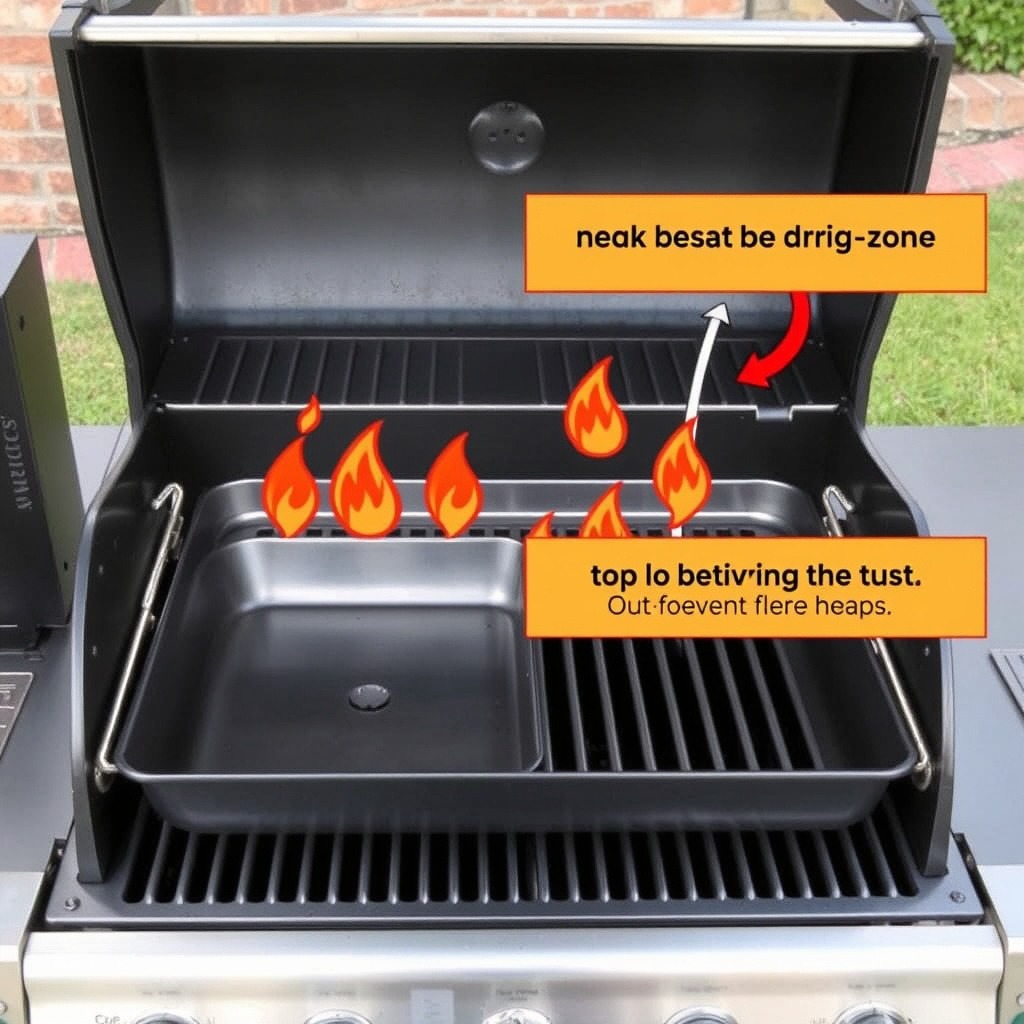
Using Two-Zone Heat Setup
Creating a two-zone fire on your grill means one side is hot and direct while the other provides cooler indirect heat. This allows you to move food off flare-prone areas quickly if flames flare up and cook it slowly.
This approach preserves grilling control and reduces the chance of charred or burnt spots caused by flare ups.
- Keep one side for direct searing
- Use cooler side to finish cooking
- Quickly relocate food during flare ups
For more on this, see our related guide: Why Is My Charcoal Grill Not Getting Hot? Troubleshooting Tips and Solutions.
Cleaning and Maintaining Your Grill
Removing grease and food buildup regularly stops excess fat from accumulating and feeding flare ups. Grease traps and drip pans need frequent cleaning for less flare risk and safer cooking.
Well-maintained grill grates and burners also provide consistent heat, indirectly lowering hot spots where flare ups occur.
- Clean grease traps after every use
- Scrape grill grates before grilling
- Check burner condition regularly
Grill Design and Flare Up Tendencies
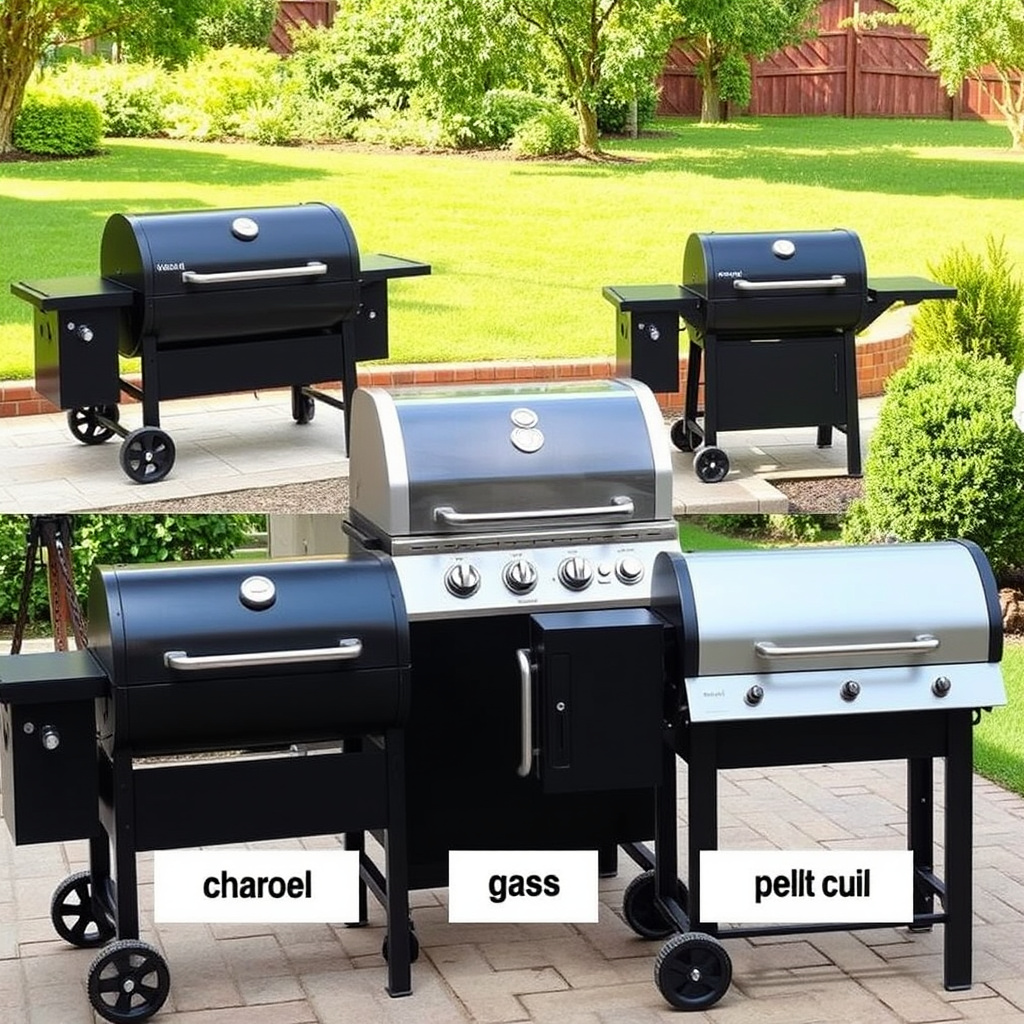
Gas Grills and Flare-Ups
Gas grills often flare up if grease collects in drip pans or on burners. Because gas grills heat quickly, flare ups can occur rapidly without much warning if not managed properly.
Proper burner shields and regular cleaning are critical to suppress flare ups in gas grills. Adjusting flame intensity helps moderate the heat exposure.
Charcoal Grills and Flare-Ups
Charcoal grills create natural hot spots and their exposed flames cause flare ups from direct fat drippings. Controlling airflow with vents and using drip pans can help manage flare intensity.
Charcoal offers flavor benefits but requires careful temperature control to reduce flare-related cooking issues.
Best Foods to Reduce Grill Flare Ups
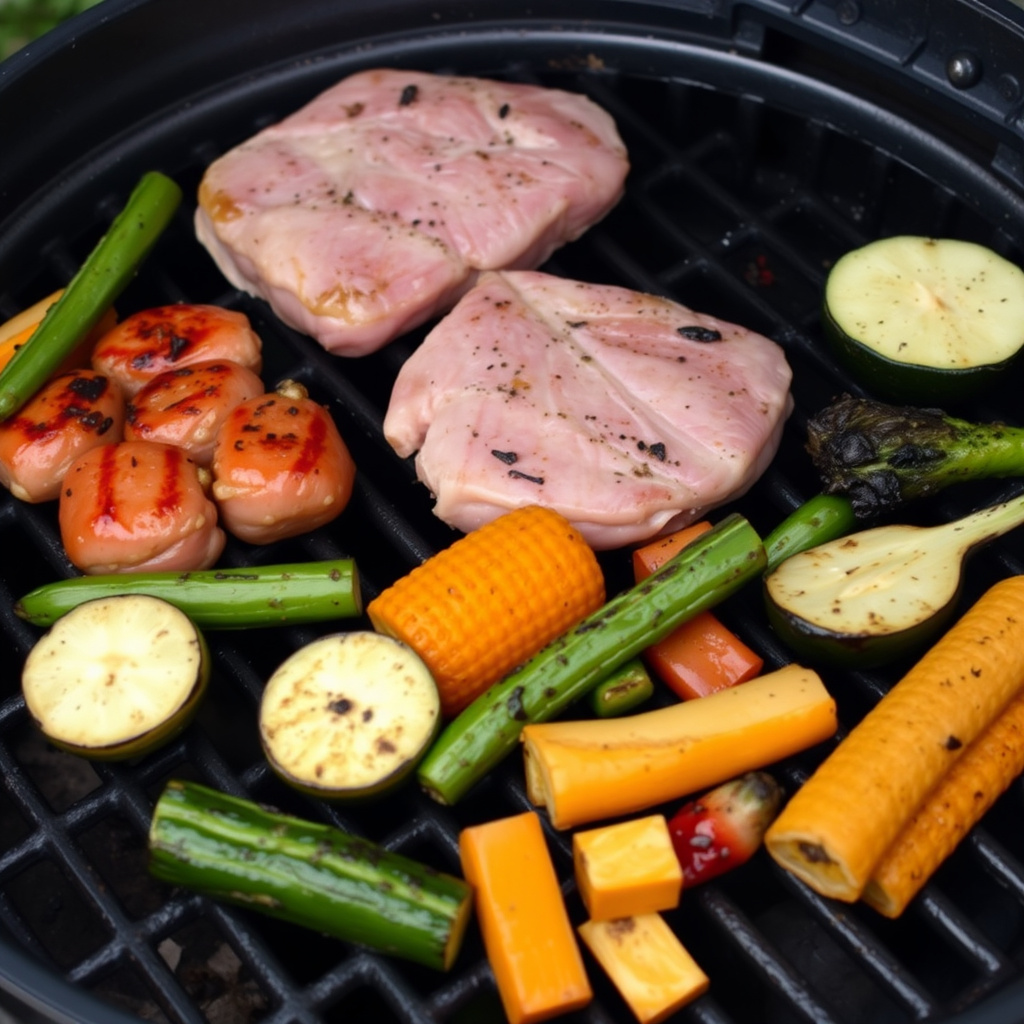
Lean Cuts and Vegetables
Selecting lean cuts like chicken breast, turkey, or trimmed beef lowers fat drippings that cause flare ups. Vegetables also rarely cause flare ups since they contain little to no fat.
Grilling these items reduces flare risk and often provides more control over cooking speed and temperature.
- Chicken breast, turkey
- Trimmed lean beef
- Vegetables like peppers and zucchini
For more on this, see our related guide: Why Does My Grill Keep Going Out? Troubleshooting Common Causes.
Marinade Choices to Minimize Flare Ups
Choosing marinades with less oil and sugar reduces flare intensity. Acidic components like vinegar and citrus also help tenderize meat without adding excess fat or sugar to catch fire easily.
Avoid heavily sugared sauces during grilling; apply them toward the end or after cooking to reduce flare risk.
- Low oil, low sugar marinades
- Use acidic bases like lemon or vinegar
- Add sugary sauces post grilling
Techniques for Handling Flare Ups While Grilling
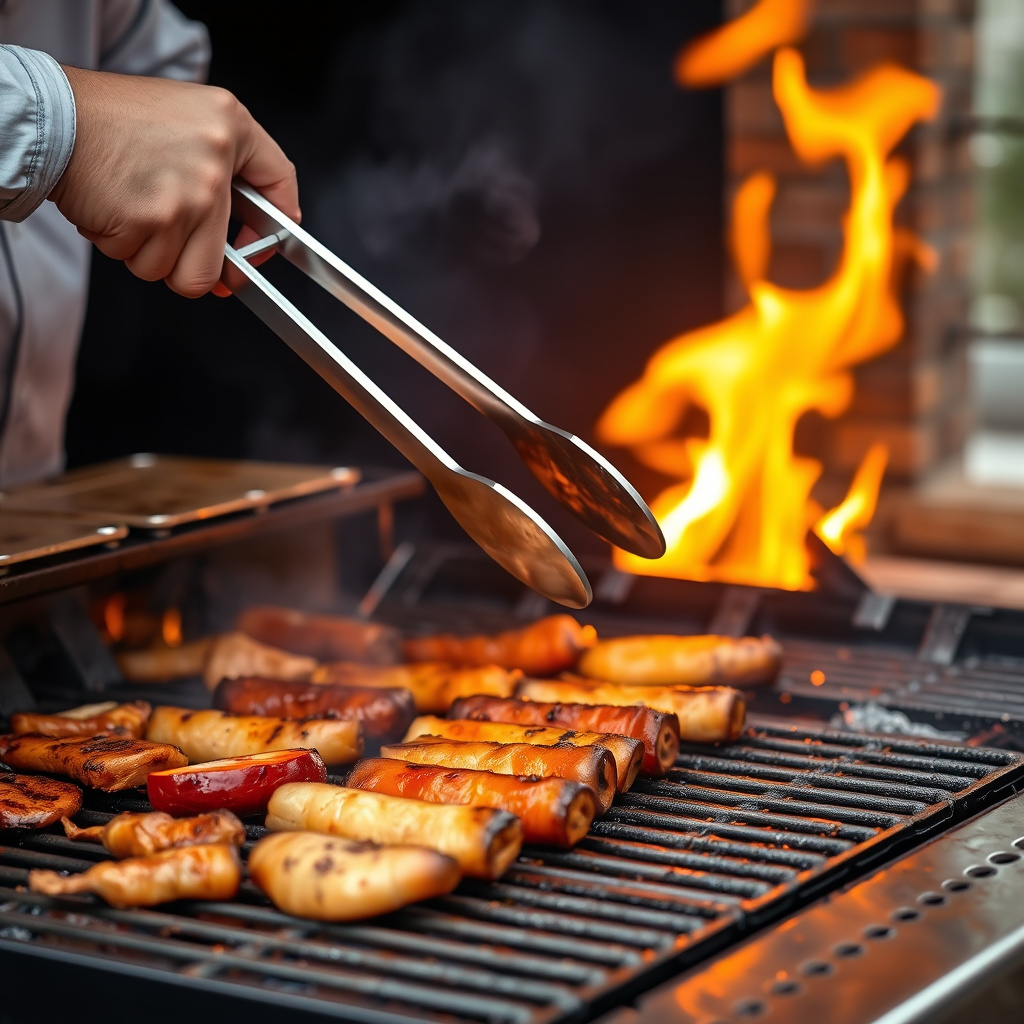
Moving Food and Controlling Flames
When flare ups occur, promptly relocating food to a cooler section of the grill minimizes burning while maintaining heat exposure. Using tongs or spatulas ensures safe handling during sudden flames.
Closing the grill lid cuts oxygen supply, often reducing flame intensity quickly without cooling the whole cooking surface.
- Move food away from flames
- Use grill lid to control flames
- Avoid dousing flames with water, which can spread grease
For a broad overview of grilling techniques and history, you can consult the Wikipedia article on grilling. Wikipedia article on grilling.
Adjusting Heat and Ventilation
Lowering flame settings or adjusting charcoal vents slows combustion and reduces flare frequency. Fine-tuning airflow in your grill can prevent excessive oxygen from fueling flare ups.
Regularly monitoring grill temperature helps anticipate and address flare-prone moments before they get out of control.
Grill Types and Their Flare Up Propensity
Here’s a comparison of popular grill types based on how often and intensely they experience flare ups, along with ease of flare management.
| Grill Type | Flare Up Frequency | Ease of Controlling Flare Ups | Price Range | Flavor Impact |
|---|---|---|---|---|
| Gas Grill | Medium | High | $150 – $2000 | Moderate |
| Charcoal Grill | High | Medium | $50 – $1000 | High |
| Pellet Grill | Low | High | $700 – $4000 | Moderate |
| Electric Grill | Low | Very High | $100 – $700 | Low |
| Kamado Grill | Medium | Medium | $500 – $3000 | High |
Frequently Asked Questions
Are flare ups harmful when grilling?
Flare ups can burn your food and produce unpleasant smoke, but they are a normal part of grilling. Managing flare ups helps preserve food taste and safety.
Can I prevent all flare ups on my grill?
While you can greatly reduce flare ups with proper techniques and maintenance, some flare ups may still occur, especially with fatty foods.
Does a clean grill really reduce flare ups?
Yes, cleaning grease and debris removes fuel sources for flare ups, lowering their frequency and intensity during cooking.
Should I use water to put out grill flare ups?
No, water can cause grease to splatter and spread flames. It’s safer to move food away and close the lid to cut oxygen.
Do different grill types flare up differently?
Yes, charcoal grills tend to flare up more due to open flames, while pellet and electric grills flare up less due to controlled heat sources.
Key Takeaways
- Flare ups occur when fat and juices ignite on hot grill surfaces.
- Two-zone cooking setups help manage flare ups effectively.
- Regular grill cleaning significantly decreases flare risks.
- Choosing lean meats and low-oil marinades reduces flare intensity.
Conclusion
Understanding why your grill has flare ups is the starting point for controlling a safer and more enjoyable barbecue experience. Flare ups mainly result from fat and marinade drippings igniting on hot grill parts, especially in direct heat zones. By recognizing these triggers and applying practical management techniques, you can moderate flare intensity and avoid burnt food or dangerous flames. Proper grill maintenance, including cleaning drip trays and burners, contributes significantly to flare up reduction and even temperature distribution, enhancing your cooking results.
When selecting your grill or grilling method, consider flare up tendencies to match your cooking style. Gas grills offer fast heat and high control but require careful grease management. Charcoal grills produce classic smoky flavor with more frequent flare ups, calling for vigilant temperature and air flow control. Pellet and electric grills present fewer flare risks with indirect heat sources, making them suitable for precise cooking or leaner foods. Choosing the right combination of grill type, food selection such as lean meats or vegetables, and flare mitigation like two-zone heating will tailor your barbecue adventures for reliability and taste.
If you often face flare up challenges, start by setting up a two-zone heat arrangement on your existing grill and cleaning it thoroughly after each use. Gradually adjust marinades toward lower oil and sugar content, and monitor flare response closely during grilling. These steps will build your confidence controlling flare ups and let you focus on delicious results. Explore further resources on grill maintenance and food prep as you gain experience, and enjoy barbecue sessions with fewer fiery surprises.



