
Your grill produces excessive smoke primarily because of dripping fat and grease hitting hot coals or burners, incomplete combustion, or burning unsuitable materials like wet wood or charcoal. This smoke can affect the taste and cooking experience significantly.
Excessive smoke matters because it can interfere with the flavor of your food, sometimes giving it an overly bitter or burnt taste. Additionally, too much smoke might indicate inefficient grilling conditions or potential safety hazards. Understanding the root causes helps you adjust your grilling technique for better results.
This article will explore the common reasons your grill smokes so much, including fuel type, cooking style, and maintenance issues. We'll also cover practical tips on how to minimize smoke and improve your grilling process.
Common Causes of Excessive Grill Smoke
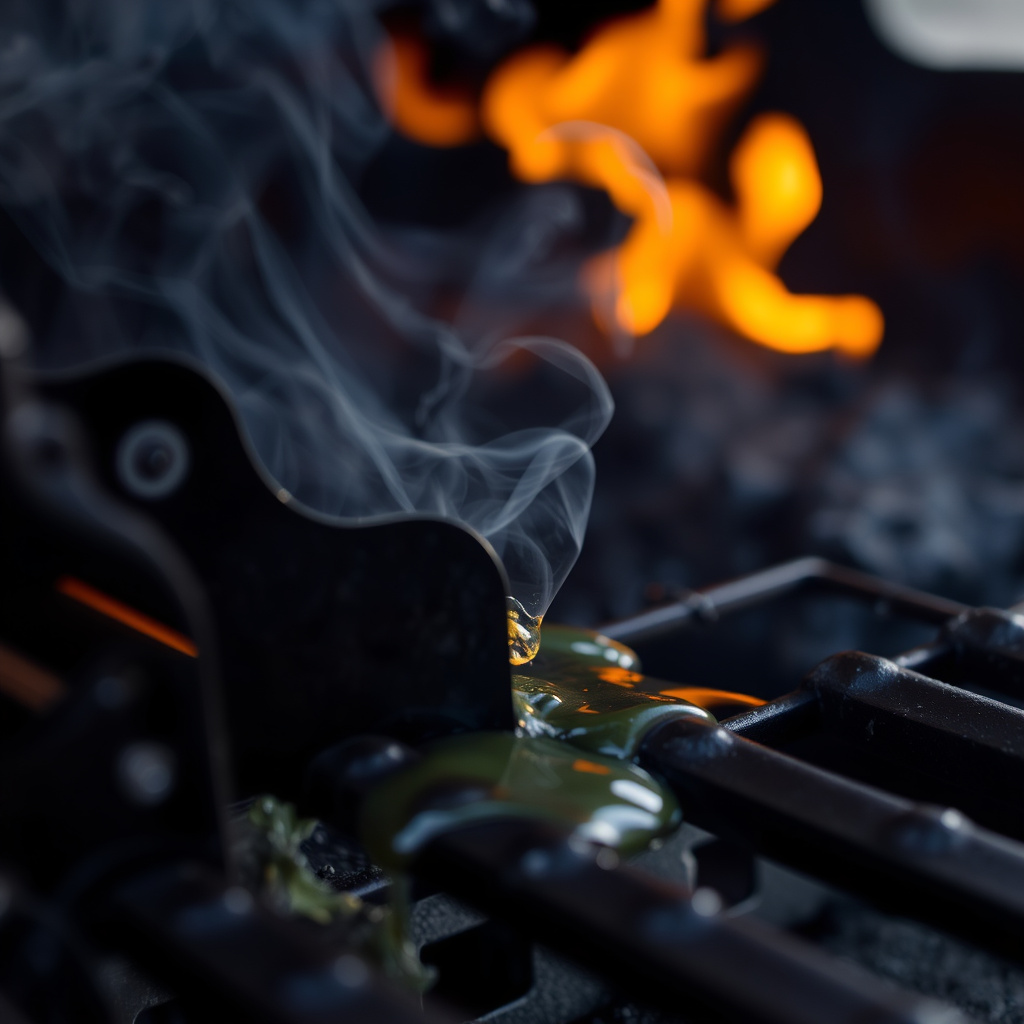
Grease and Fat Drippings
One of the leading causes of intense smoke is grease and fat dripping onto hot surfaces like charcoal, ceramic briquettes, or gas burners. These drippings vaporize quickly and create thick smoke, often dark and pungent.
Different meats generate varying amounts of fat, so fatty cuts tend to increase smoke production. Moreover, if your grill’s drip pan is full or clogged, grease can accumulate and ignite, creating persistent smoke.
- Fatty meats increase smoke
- Dirty drip pans cause flare-ups
- Hot surfaces vaporize fat rapidly
Type and Quality of Fuel
Using wet, unseasoned, or low-quality charcoal or wood can cause excess smoke. Moisture in the fuel leads to incomplete combustion, emitting thick, billowing smoke instead of clean heat.
Charcoal briquettes with additives can also smoke more visibly than natural lump charcoal. Similarly, using green wood or softwoods with high resin content will generate smoke with intense, sometimes unpleasant aromas.
- Wet or unseasoned fuel leads to heavy smoke
- Additives in briquettes increase smoke
- Green wood produces sharp, sticky smoke
Grilling Techniques That Affect Smoke Amount
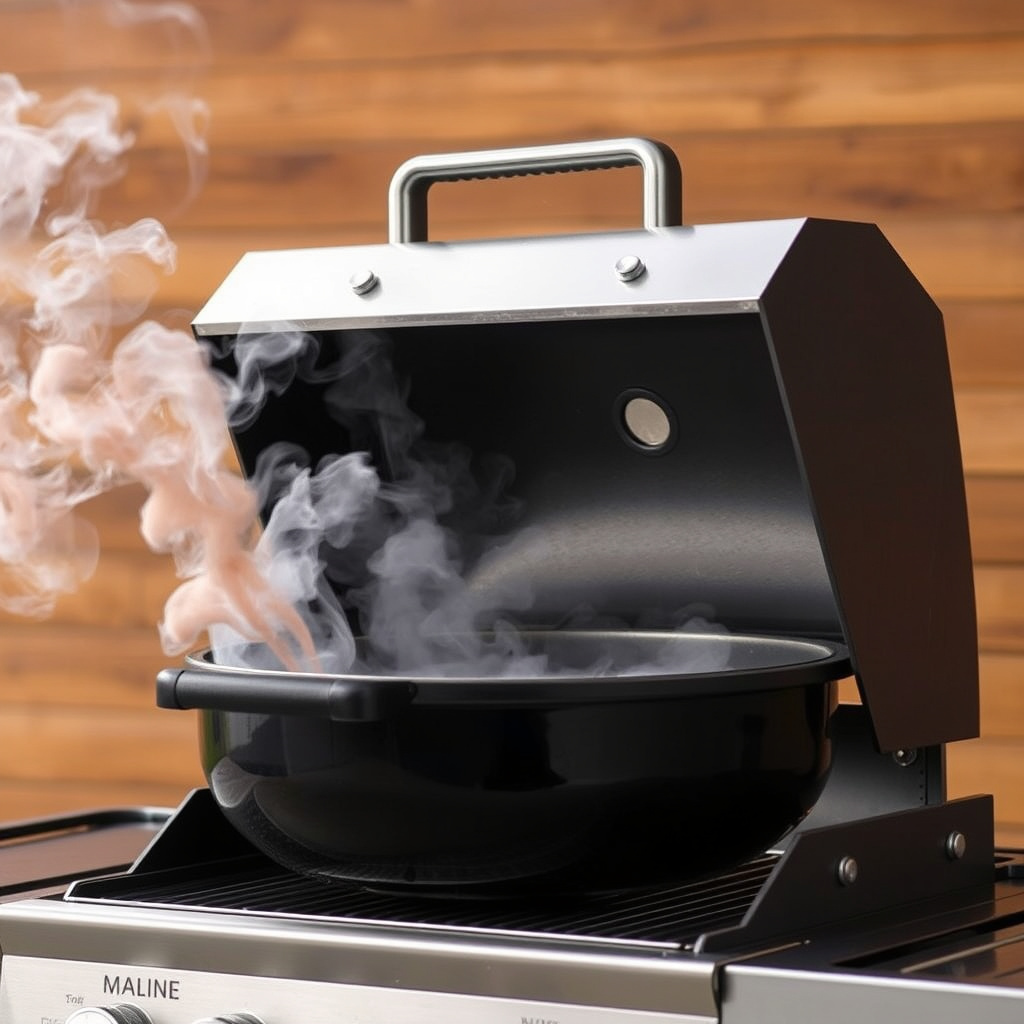
Temperature Control and Airflow
Inadequate airflow can starve the fire of oxygen, causing incomplete combustion and excessive smoke. Closing vents too much or piling fuel too densely reduces oxygen flow.
Conversely, extremely high heat can burn fats too quickly, creating smoke and flare-ups. Managing proper temperature balance and ventilation minimizes unnecessary smoke.
- Proper vent settings improve combustion
- Maintaining medium heat limits flare-ups
- Avoid overcrowding fuel for better airflow
Cooking Styles and Food Placement
Direct cooking over flame increases smoke by causing sudden fat drip flare-ups. Indirect cooking tends to reduce smoke by letting fat drip onto cooler surfaces or drip pans.
Placing a drip pan under food or using grill mats helps catch grease, preventing frequent smoke bursts during cooking.
- Indirect grilling reduces smoke
- Drip pans trap grease
- Grill mats can limit flare-ups
Cleaning and Maintenance Impacts on Smoke
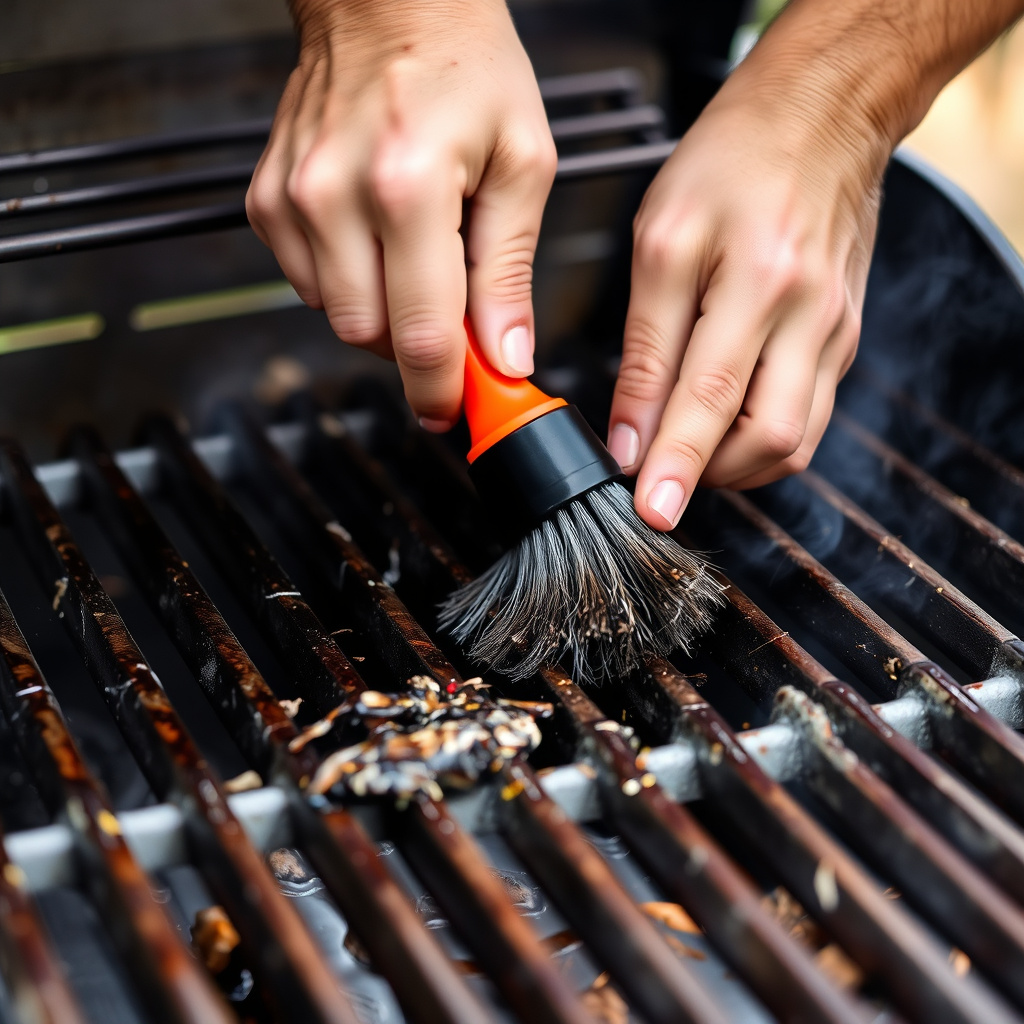
Residue and Buildup on Grill Components
Old grease and food residue stuck on grill grates or inside burners burn and produce thick smoke when heated. Neglecting routine cleaning allows layers of carbonized grease to accumulate.
Regular scrubbing with a wire brush and cleaning drip trays prevents leftover grease from creating smoky flare-ups and unpleasant odors.
- Clean grates reduce smoke
- Removing grease buildup prevents fires
- Routine drip pan cleaning matters
For more on this, see our related guide: Can You Use a Gas Grill as a Smoker? Practical Tips and Techniques.
Protecting Grill Parts from Rust and Damage
Rusty or damaged grill parts obstruct airflow, causing hotspots where grease ignites irregularly, creating more smoke. Damaged seals or lids can also hinder temperature regulation.
Proper maintenance including cover use, timely replacements, and routine inspections keeps your grill burning cleaner and smoking less.
- Rust disrupts airflow and heat consistency
- Damaged seals increase smoke leak
- Maintenance prolongs grill efficiency
Fuel Choices and Their Influence on Grill Smoke
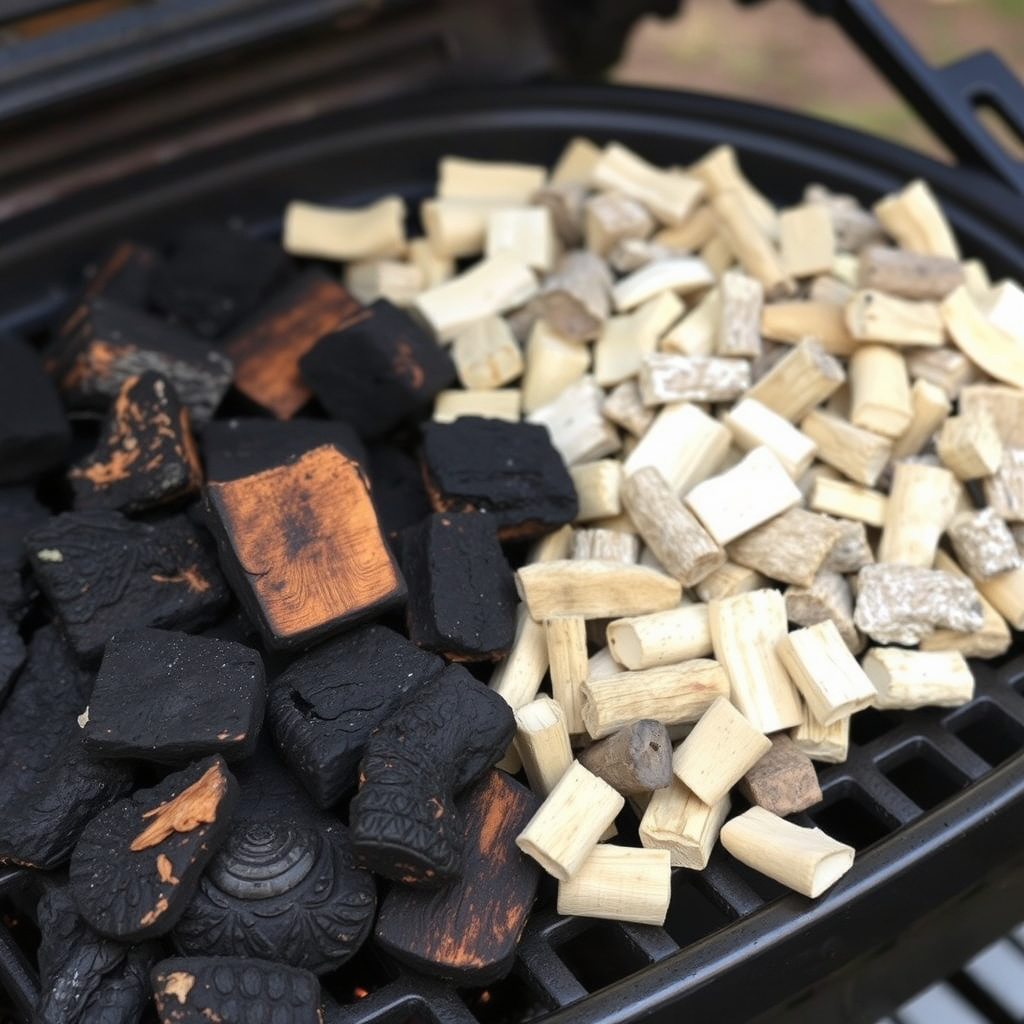
Charcoal Briquettes vs Natural Lump Charcoal
Charcoal briquettes are manufactured, often containing binders and additives which can increase visible smoke during ignition. They burn consistently but sometimes emit more gray smoke initially.
Natural lump charcoal is made from pure wood and typically burns cleaner with less smoke once fully ignited, although lighting times vary.
- Briquettes contain additives causing extra smoke
- Lump charcoal burns cleaner but less predictable
- Both require dry storage to minimize smoke
Using Wood Chips and Logs
Wood chips add distinctive smoky flavors, but wet or resinous wood can overproduce smoke and unpleasant taste compounds. Seasoned hardwoods like oak, hickory, or maple burn steadily and create balanced smoke.
Avoid softwoods like pine, as they generate pitchy, thick smoke harmful to flavor and health.
- Season hardwoods for best smoke quality
- Avoid pine and softwoods
- Moisture content directly affects smoke output
How Weather Conditions Influence Grill Smoking
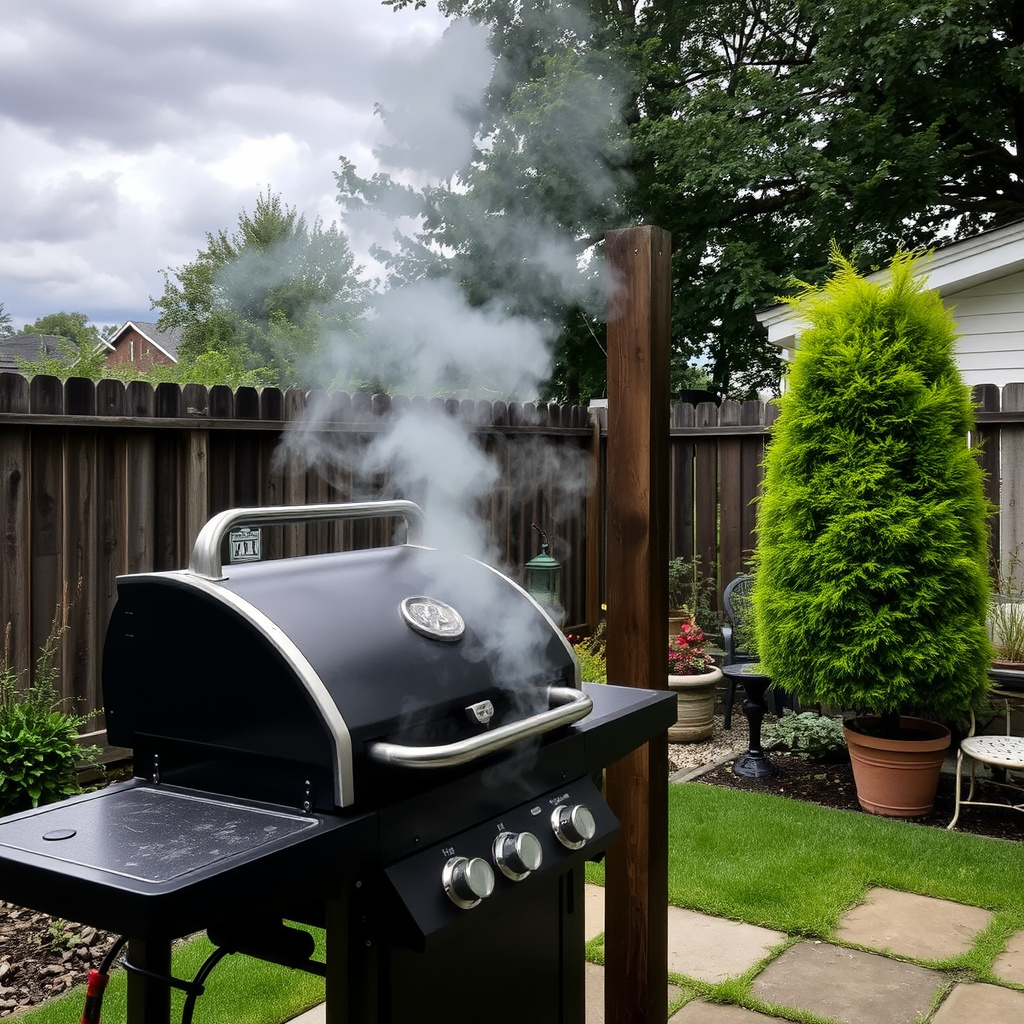
Wind and Airflow Impact
Wind changes oxygen intake and can either fan the flames or disrupt steady combustion. Strong gusts cause uneven heat and sudden smoke bursts as grease ignites sporadically.
Positioning your grill shielded from wind helps maintain consistent cooking temperature and cuts down on erratic smoke.
- Wind fans flames causing flare-ups
- Sheltered grills smoke less
- Use windbreaks on windy days
For more on this, see our related guide: What Is an Infrared Grill and How Does It Work?.
Humidity and Temperature Effects
High humidity slows ignition of charcoal and wood, increasing smoke during startup. Cold weather lengthens fuel ignition times, sometimes producing more smoke before the fire is established.
Allowing fuel to fully dry and ensuring proper preheating helps reduce smoke in adverse weather.
- High humidity causes wetter fuel heating
- Cold slows combustion initiation
- Dry fuel mitigates weather-related smoke
Preventative Measures and Solutions to Reduce Grill Smoke
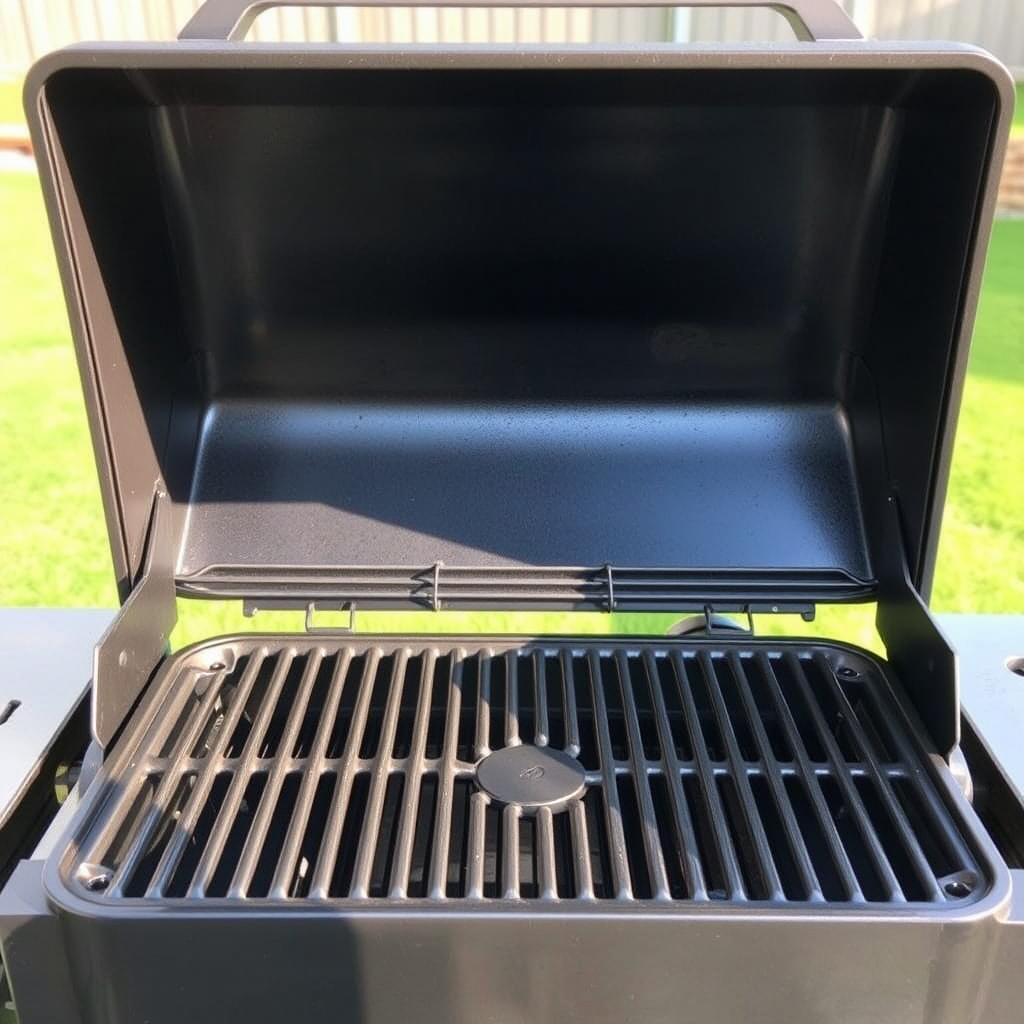
Using Drip Pans and Controlling Fat
Placing a drip pan beneath cooking food catches grease drippings, preventing them from hitting hot coals or burners and creating smoke. Trimming excess fat from meat also helps control flare-ups.
Using leaner cuts or marinating meats to reduce rendered fat contributes to cleaner cooking sessions with less smoke.
- Drip pans catch grease
- Trim fatty edges
- Marinades reduce fat drips
For more detailed background on grilling and barbecue techniques, see grilling basics on Wikipedia. grilling basics on Wikipedia.
Proper Fuel Storage and Handling
Store charcoal and wood chips in dry, sealed containers to prevent moisture absorption, which is a major cause of smoky, inefficient burns. Avoid lighting charcoal quickly; let it ash over before adding food.
Keeping fuel dry also extends its shelf life and guarantees more consistent heat generation.
- Keep fuel dry in airtight storage
- Allow charcoal to ash over before cooking
- Avoid quick-light charcoal additives when possible
Grill Fuel Types and Their Smoke Production Compared
Here's a comparison of popular grill fuel types based on smoke output, heat consistency, and flavor influence to help you select what suits your needs.
| Fuel Type | Typical Smoke Level | Heat Consistency | Flavor Impact |
|---|---|---|---|
| Charcoal Briquettes | High initial smoke | Consistent | Mild smoky flavor |
| Natural Lump Charcoal | Low to moderate | Variable | Cleaner, natural smoke |
| Hardwood Logs | Moderate | Moderate | Strong wood smoke flavor |
| Wood Chips | Variable, can be High | Depends on airflow | Distinct smoky aroma |
| Gas (Propane/Natural) | Lowest | Very consistent | Minimal smoke, clean flavor |
Frequently Asked Questions
Can too much smoke ruin the taste of my grilled food?
Yes, excessive smoke can impart a bitter or acrid flavor to food, overwhelming natural tastes. Controlling smoke levels improves the overall flavor profile.
Does cleaning my grill reduce smoking?
Cleaning removes grease and residue that cause flare-ups and thick smoke, leading to cleaner combustion and balanced smoke production.
Is smoke from wood chips always good for flavor?
Not always. Fresh or resinous wood can produce harsh smoke, so using seasoned hardwood chips is recommended for pleasant flavors.
Why does wet charcoal produce more smoke?
Moisture in charcoal slows combustion, causing incomplete burning and thick white smoke that dissipates once the fuel dries and heats up.
Is it better to grill with direct or indirect heat to reduce smoke?
Indirect grilling generally reduces smoke since fats drip away from flames, minimizing flare-ups that cause thick smoke bursts.
Key Takeaways
- Fat drippings on hot surfaces are the main source of excess grill smoke.
- Using dry, high-quality fuel significantly reduces smoky combustion.
- Regular grill cleaning prevents grease buildup and flare-ups.
- Proper airflow and cooking methods limit smoke production.
Conclusion
Determining why your grill smokes so much comes down to inspecting several interacting factors including the type of fuel, meat cut, grill maintenance, and cooking style. The excessive smoke is often the result of grease drippings igniting on hot coals, inefficient airflow causing incomplete combustion, or fuel with unwanted moisture content. Approaching this issue by systematically adjusting these elements can dramatically improve your grilling experience. Managing your grill’s temperature, keeping it clean, and selecting better fuel sources all contribute to controlling smoke effectively. Understanding how each part influences smoke helps you make more informed decisions for your outdoor cooking.
If you are dealing with persistent heavy smoke, start by checking fuel choices between charcoal briquettes and natural lump charcoal, since the secondary keyword, grill smoking causes, frequently links to fuel quality. Moving to natural lump charcoal or thoroughly dried hardwoods often reduces smoke noticeably. Additionally, using drip pans during indirect cooking limits flare-ups by catching fat, while regular cleaning removes ignitable residues. For everyday grilling, gas grills produce the least smoke but lack the authentic smoky character some seek. Choose fuel and grilling style based on how much smoke flavor you actually want in your meals.
Practical next steps include cleaning your grill thoroughly, ensuring proper ventilation by adjusting vents or airflow paths, and storing fuel in dry conditions. Test fire your grill with these changes before cooking your main meal to observe smoke levels. If smoke remains excessive, consider switching fuel types or trimming excessive fat from meats. By taking these straightforward steps, you’ll minimize smoke, preserve your food’s intended flavor, and enjoy a more pleasant grilling environment.



