
If your propane grill smells like gas, it usually means there is a leak or an issue with the gas supply system. Common causes include a loose connection, damaged hose, or a faulty regulator. You should immediately check for leaks and turn off the gas supply to prevent fire hazards.
A gas odor from your propane grill should never be ignored because propane is highly flammable and can cause serious safety risks if it leaks. Detecting and repairing the source promptly protects you from potential explosions or harmful gas exposure during grilling.
This article explores why your propane grill might smell like gas, how to detect leaks and other sources, and the steps you can take to fix these problems. We'll also cover how to maintain your grill safely and share tips to prevent future gas leaks.
Common Causes of a Propane Grill Smelling Like Gas
Loose or Damaged Connections
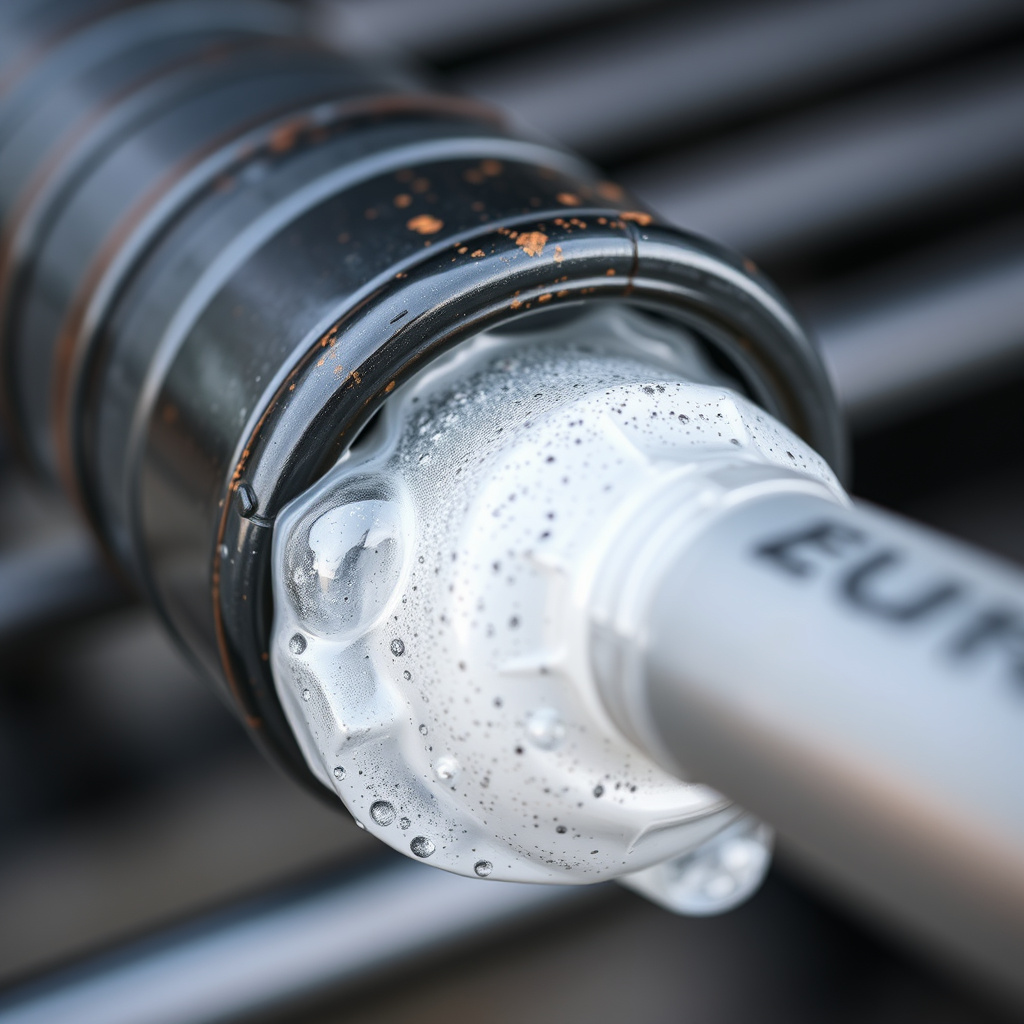
Loose fittings or damaged hose connections are frequent reasons for propane grill gas leaks. Over time, vibrations from use and exposure to elements can loosen nuts or deteriorate hoses, allowing gas to escape.
Checking these connections regularly ensures a tight seal. Using a soapy water solution helps spot leaks, as bubbles form where gas is escaping. Tightening or replacing components can stop the gas smell immediately.
- Inspect hose ends and regulator fittings
- Use soapy water to test for leaks
- Tighten or replace faulty parts
Faulty Regulator or Valve Issues
The regulator controls propane flow from the tank; if it malfunctions, gas might leak. A damaged or aging regulator can develop cracks or failures causing the propane odor even when the grill is off.
Valves that don’t close properly are another source of leaks. Testing the regulator’s function or swapping it out can eliminate the gas smell if the problem lies there.
- Check for cracks or wear in the regulator
- Ensure valves close fully when off
- Replace regulator if damaged
How to Detect and Confirm a Propane Leak
Performing a Soapy Water Leak Test
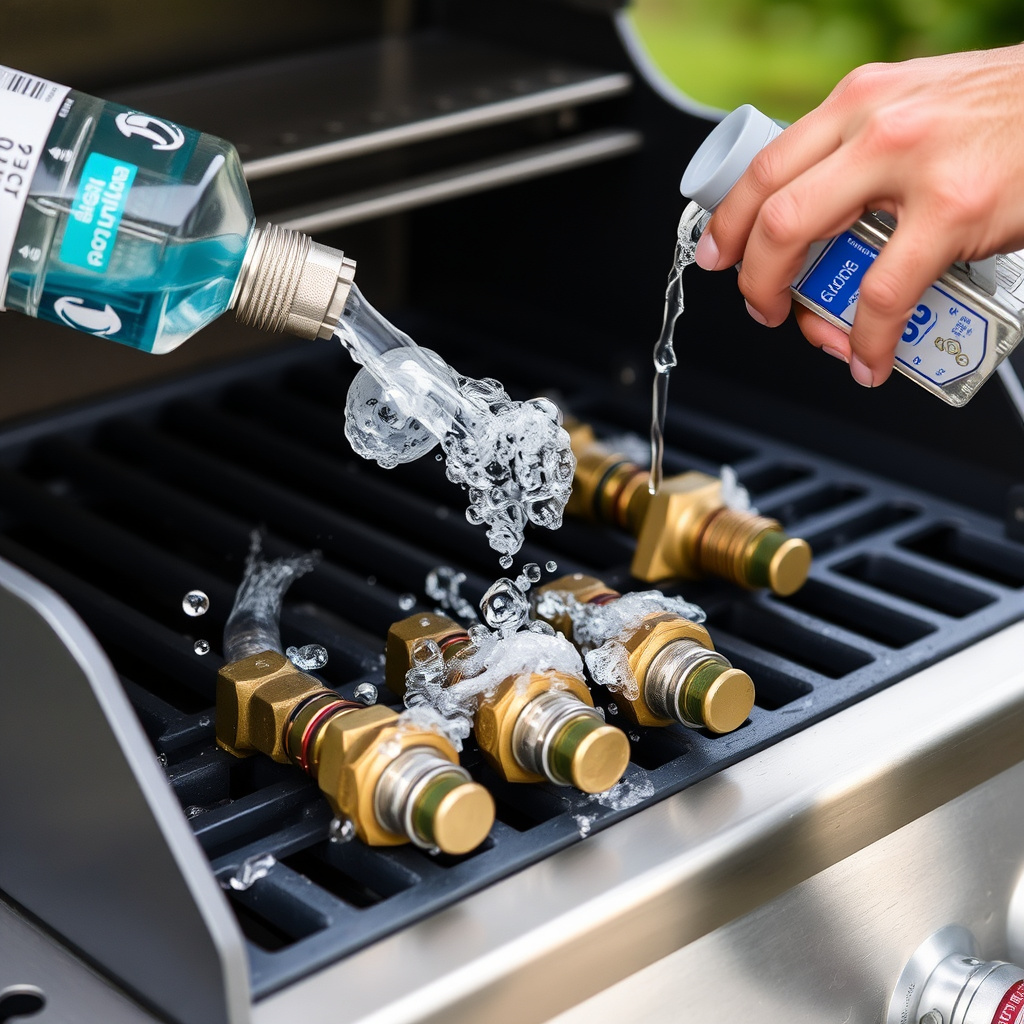
A soapy water solution applied to all connections and the hose is the easiest way to detect leaks. When gas escapes, bubbles will form, pinpointing the exact leak location.
Apply the solution while the grill’s gas supply is on but burners are off. Any bubbling warrants immediate attention to repair or replace components.
- Mix soap and water in spray bottle
- Spray all hose and connection points
- Watch for bubbles indicating leaks
For more on this, see our related guide: Why Is My Gas Grill Flame Yellow? Understanding Causes and Fixes.
Smell and Listen for Gas Escapes
Besides visual detection, gas leaks often give off a distinct rotten egg or chemical smell. Pay attention to any unusual odors near the grill.
You can also listen closely near connections for a faint hissing sound, which usually suggests leaking gas pressure.
Safety Measures When You Smell Gas from Your Propane Grill
Immediate Actions to Take
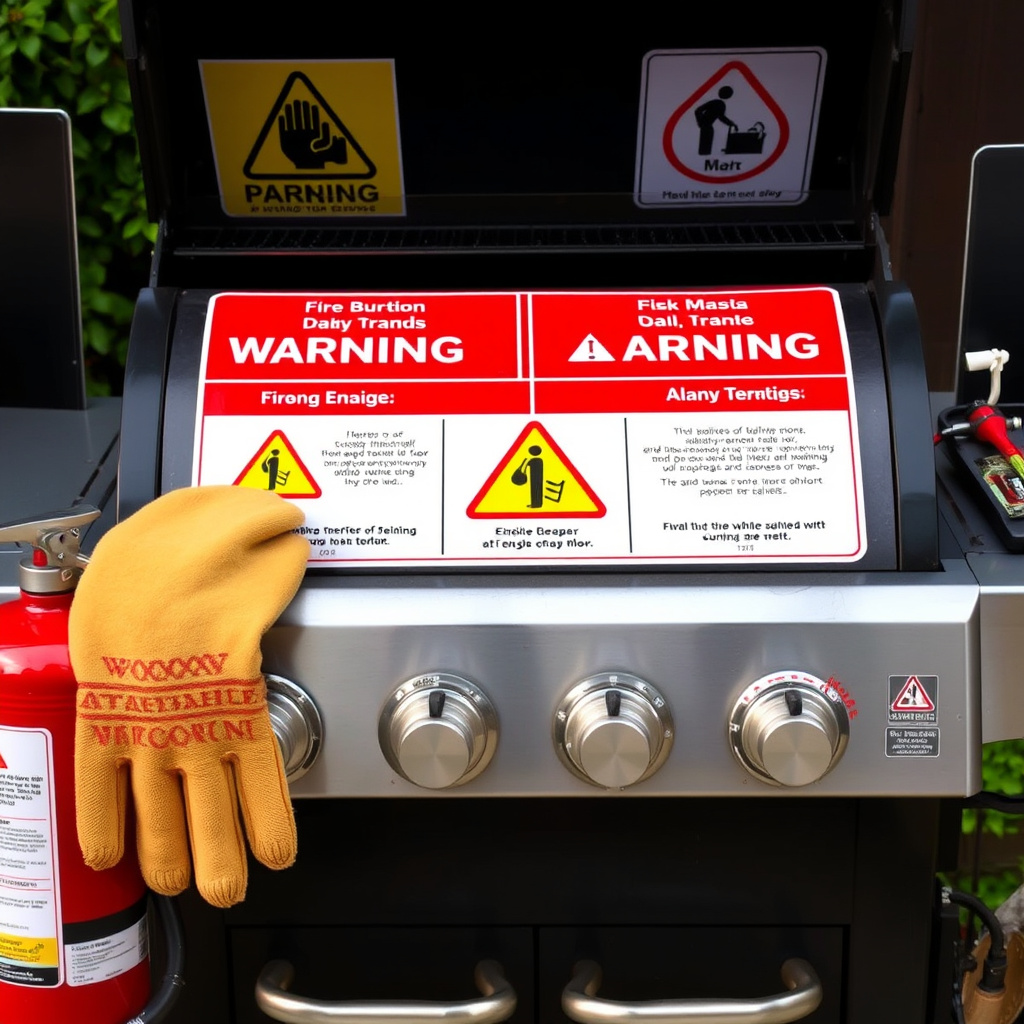
If you smell gas, shut off the propane tank valve immediately. Avoid lighting the grill or any flames until you identify and fix the leak.
Move the grill to a well-ventilated outdoor area if possible. Do not use electronic devices or switches near the odor as sparks might ignite the gas.
- Turn off propane tank valve
- Avoid open flames or sparks nearby
- Move grill outdoors if indoors
When to Call a Professional
If you cannot locate or repair the leak yourself, contact a qualified propane technician. Handling fuel leaks incorrectly can be hazardous, so professional help maintains your safety.
Regular professional inspections can also prevent leaks by ensuring all parts meet safety standards.
- Unidentified sources of leaks
- Damaged parts needing replacement
- Routine safety inspections
Maintaining Your Propane Grill to Prevent Gas Leaks
Regular Inspection and Cleaning
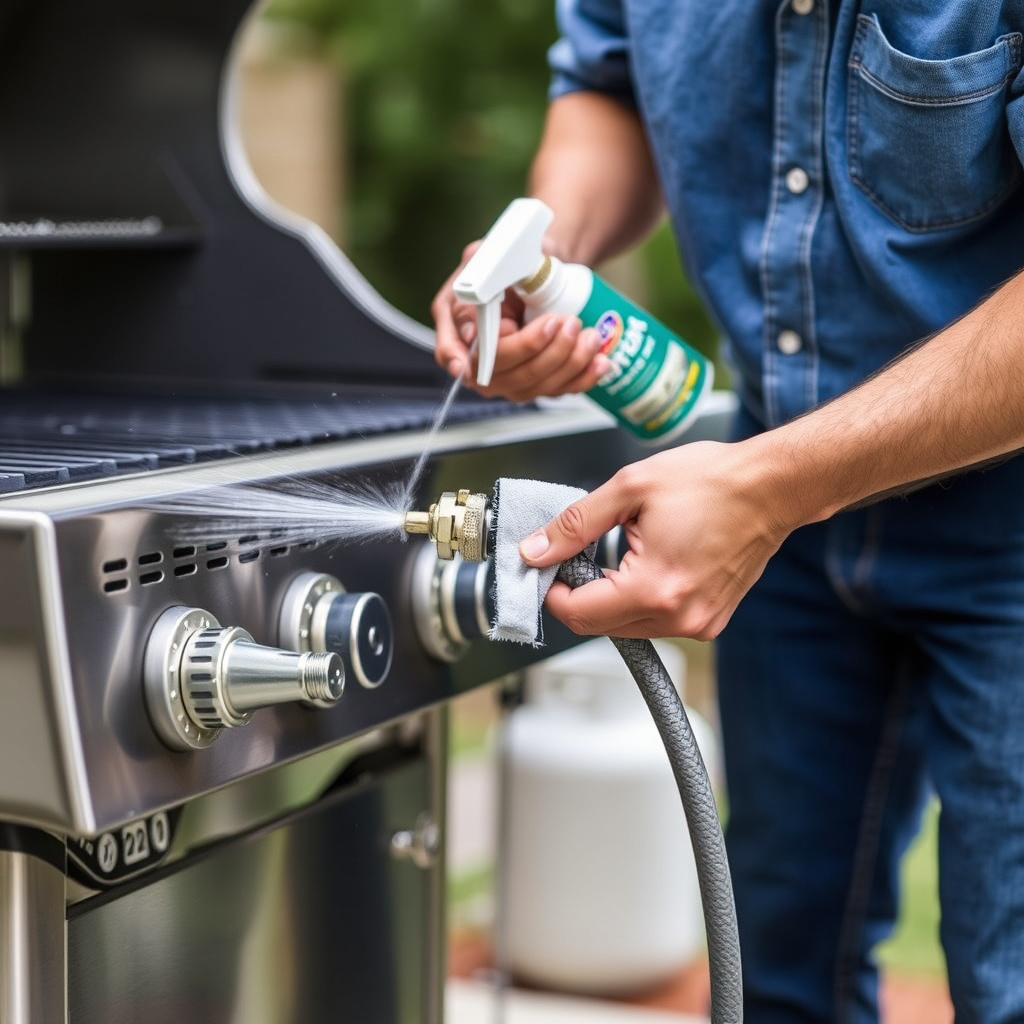
Routine cleaning and inspection of hoses, connectors, and valves help catch wear before leaks occur. Remove debris and spider webs that can block parts or deteriorate materials.
Keep an eye on hose cracks, brittle spots, and ensure all fittings remain tight and clean for proper sealing.
- Clean grill and hose area regularly
- Inspect hoses for cracks or wear
- Tighten loose connections
For more on this, see our related guide: Why Is My Gas Grill Flame Low? Troubleshooting and Fixes.
Storing Your Grill and Propane Tank Safely
Proper storage of your propane grill and tank reduces chances of damage. Tanks should be stored upright in a cool, ventilated place away from heat sources.
Disconnect the propane tank when the grill is not in use for extended periods to avoid slow leaks and keep your setup in good condition.
- Store tanks upright outside or well-ventilated areas
- Disconnect tanks when not in use long-term
- Cover grill to protect from weather
Understanding Propane Gas Characteristics and Safety
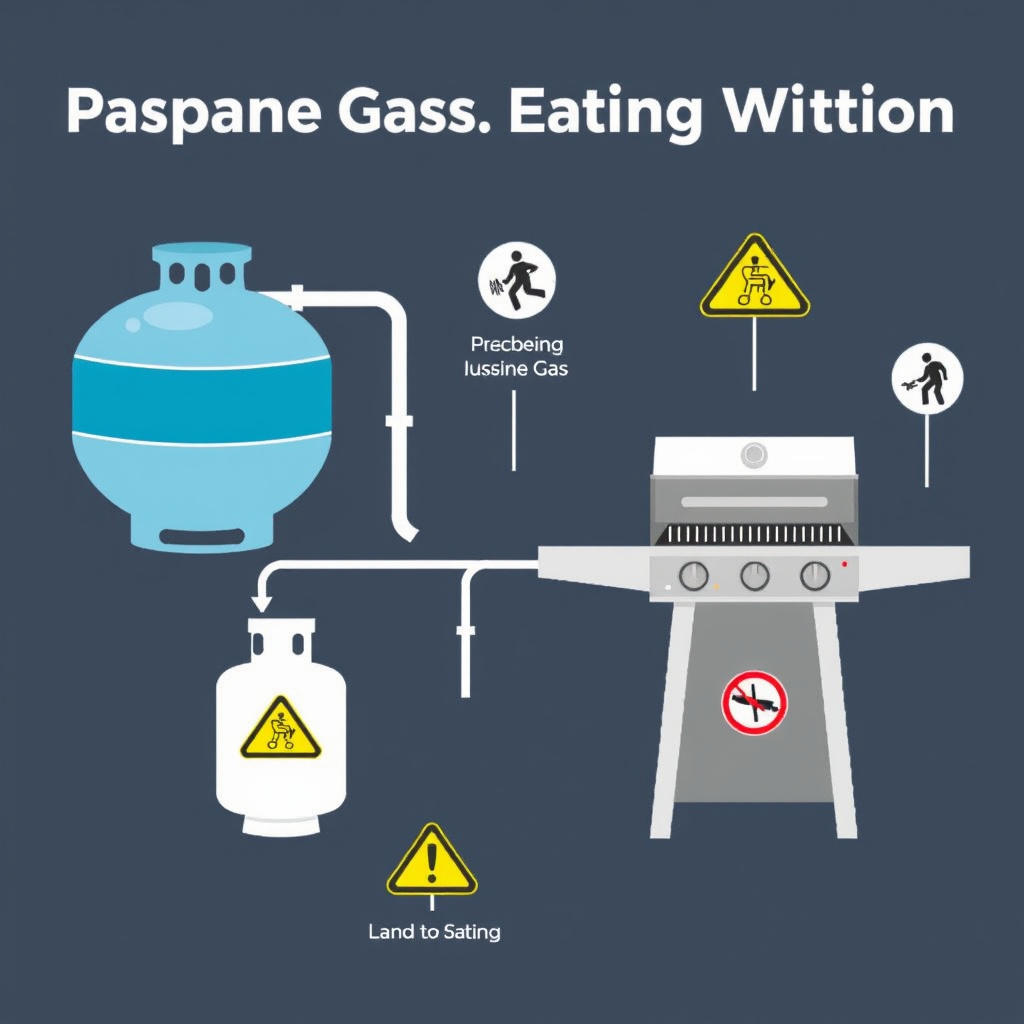
Properties of Propane Gas
Propane is heavier than air and odorless in its natural state; manufacturers add a distinct smell to make leaks detectable by humans.
This smell is critical for early detection of leaks before gas concentration grows to dangerous levels, reducing the risk of fire or explosion.
For a deeper understanding of propane gas safety, visit the authoritative propane grill safety information page. Propane grill safety information.
How Propane Behaves in Outdoor Grilling Environments
Because propane is heavier than air, it tends to settle near the ground, which is why outdoor ventilation is essential. Open grill areas prevent gas buildup if a leak occurs.
Wind and temperature changes can affect propane pressure and flow, impacting grill performance and leak detection sensitivity.
Propane Grill Gas Leak Sources Comparison
Here’s a comparison of common propane grill gas leak sources, their causes, detection methods, and typical fixes.
| Leak Source | Typical Cause | Detection Method | Common Fix |
|---|---|---|---|
| Hose connection | Loose fittings or cracks | Soapy water bubbles | Tighten or replace hose |
| Regulator | Cracks or wear | Visual inspection and smell | Replace regulator |
| Valve | Incomplete closure | Hissing sound or smell | Repair or replace valve |
| Tank valve | Faulty valve seat | Gas odor near tank | Service or replace tank valve |
Frequently Asked Questions
Is it safe to use a propane grill if I smell gas?
No, if you detect a propane gas smell, turn off the grill and propane supply immediately. Using the grill with a gas leak is a fire hazard and should not be attempted until repairs are made.
How often should I check my propane grill for leaks?
It’s advised to check your propane grill for leaks at least once per grilling season, and before each use if the grill has not been used for an extended period.
Can I fix a propane grill gas leak myself?
You can fix simple leaks caused by loose connections using a wrench. However, damaged hoses or regulators should be replaced or serviced by a professional for safety.
What does propane gas smell like?
Propane gas has an added odor often described as rotten eggs or a chemical scent, which helps users detect leaks quickly before the gas accumulates dangerously.
Why does my propane grill still smell like gas after turning it off?
This can indicate a leak in the valve, regulator, or hose that continues to release gas even when the grill is off. It should be inspected and repaired immediately to prevent hazards.
Key Takeaways
- A gas smell from a propane grill usually signals a leak needing immediate attention.
- Soapy water tests are an effective way to pinpoint leaks.
- Regular inspection and safe storage reduce future gas leak risks.
- Always turn off the propane supply if you detect gas odor before troubleshooting.
Conclusion
Determining why your propane grill smells like gas starts with recognizing that this odor is a warning sign of a leak or malfunction in your grill’s gas delivery system. Promptly locating the source—whether a loose connection, damaged hose, or faulty regulator—and addressing it safeguards both your property and personal safety. Taking the time to perform routine checks before grilling can prevent unexpected issues and maintain reliable performance. Understanding propane’s properties and how leaks can occur outdoors helps you respond appropriately to these risks.
For practical steps, begin with a soapy water leak test across all connections and hoses to visualize escaping gas. If tightening fittings doesn’t stop the smell, inspect the regulator and valves, which often require replacement when damaged. Keep propane tanks stored upright in ventilated areas, disconnect tanks when not in use for extended periods, and consider having a professional inspect your grill annually. Models with simple, durable hose connections often reduce leak risks, whereas older or more complex regulators may need more frequent maintenance. Applying these strategies minimizes hazards and extends your grill’s lifespan.
If you continue to notice propane gas odors despite routine checks and fixes, stop using the grill immediately and call a certified propane technician. Safety is paramount and professional expertise ensures all components are secure and functional. Taking these cautions seriously lets you enjoy grilling safely and confidently every season, eliminating the stress or danger posed by unseen gas leaks.



