
Your grill is rusting because it has been exposed to moisture, oxygen, and sometimes salt or acidic substances, which accelerate the corrosion process. Rust forms when iron or steel in the grill reacts with water and air, causing the metal to degrade and weaken over time. This is a natural chemical reaction but can be accelerated by environmental factors and lack of proper maintenance.
This rusting affects not only the grill’s appearance but also its performance and safety. If left untreated, rust can cause holes and structural damage, leading to uneven heating and potential flare-ups, impacting the quality of your cooking and the grill's longevity.
In this article, we will explore the common causes of grill rust, from environmental exposure to materials used in construction. Additionally, we'll provide practical advice on how to prevent rust through proper cleaning, storage, and maintenance, including selecting materials that resist corrosion.
What Causes Grill Rusting?
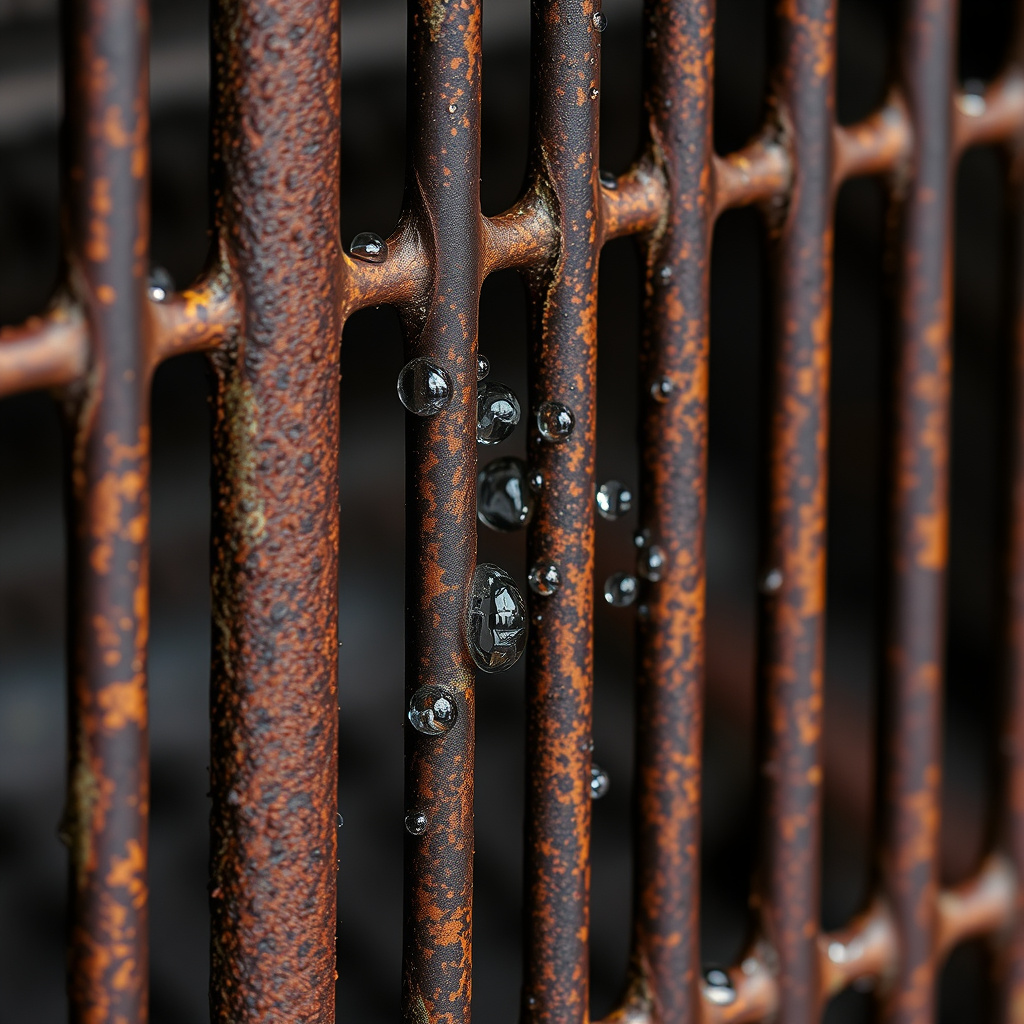
Exposure to Moisture and Weather
Moisture is the primary catalyst for grill rust. When water from rain, humidity, or washing stays on or inside the grill, it reacts with iron or steel to initiate rust formation. Outdoor grills are particularly vulnerable since they often face direct exposure to the elements.
If your grill isn't covered or stored in a dry place, frequent exposure to these conditions accelerates oxidation. Even condensation on cool surfaces can create fine moisture films that promote rust.
- Rain and humidity as rust triggers
- Condensation buildup inside grill parts
- Effect of leaving wet food residues inside the grill
Material Quality and Protective Coatings
Different grills are made from varying grades of steel and alloys. Low-quality metals rust faster because their protective coatings—such as paint, powder coating, or chrome—wear off quickly or were not properly applied.
When coatings degrade, bare metal is exposed, making the grill more susceptible to rust. Stainless steel grills resist rust better because of their chromium content, which prevents oxidation, but cheaper stainless steel grades may still rust over time.
- Difference between stainless steel and regular steel
- Role of powder coatings and paints
- Common coating failures that lead to rust
Signs Your Grill Is Rusting
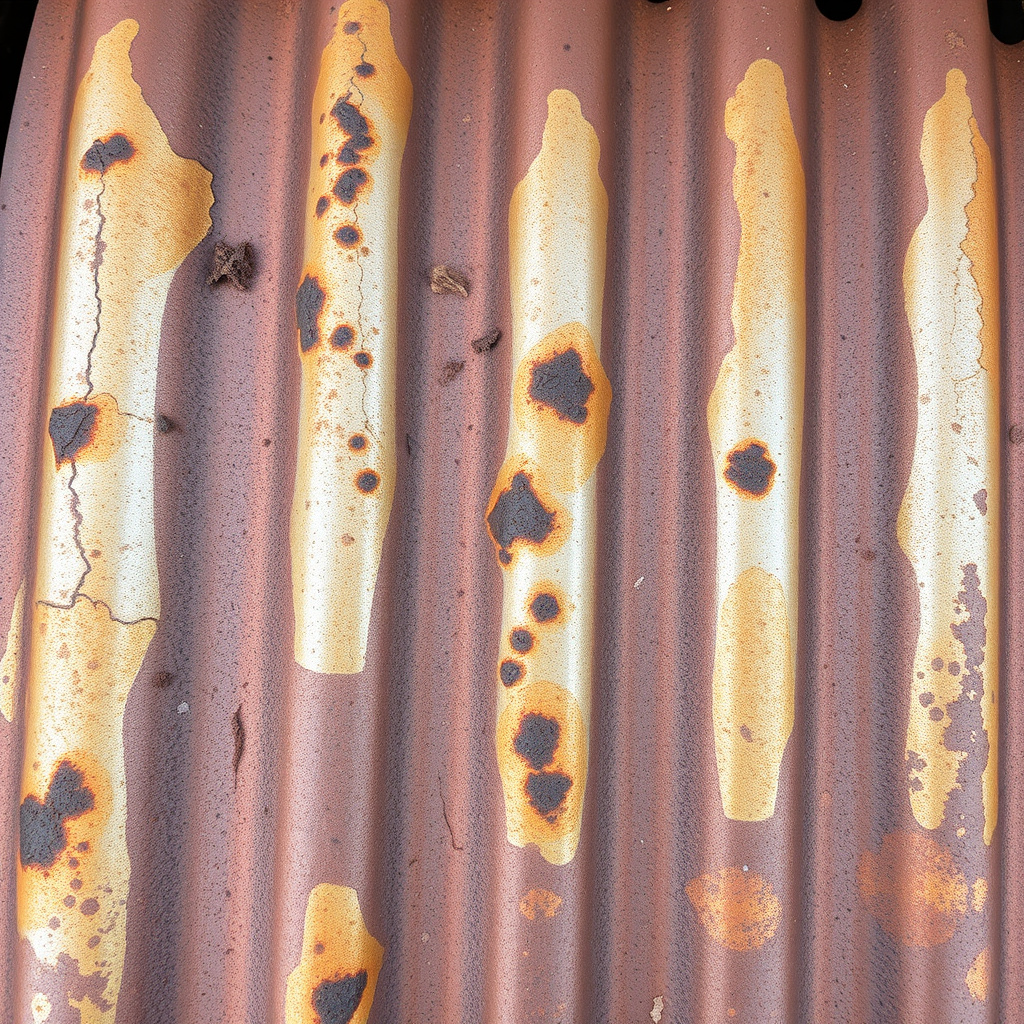
Early Rust Indicators
Rust typically begins as small orange or reddish-brown spots on the grill’s exterior or cooking grates. If you notice tiny pits or rough patches on otherwise smooth metal surfaces, these are early signs that oxidation is starting.
Ignoring these signs can worsen the damage, so regularly check your grill after each use or at the start of grilling season.
- Spotting discoloration and rust flakes
- Feeling rough or gritty texture on metal
- Checking inside corners and joints
Advanced Rust Problems
When rust spreads extensively, it can cause flaky metal pieces and deep corrosion, leading to structural weaknesses. Grills with advanced rust may struggle to maintain heat or leak gas if components like burners or valves are rusted.
Advanced rust can also be a health risk if flakes contaminate food or cause metal particles to mix with cooking residue.
- Holes or thin metal from corrosion
- Loose or damaged grill parts
- Health concerns from rust contamination
Effective Grill Rust Prevention Methods
Proper Cleaning and Maintenance
Washing the grill after each use to remove grease, food scraps, and moisture plays a big role in preventing rust. Use a grill brush for grates and mild soap with water for the exterior, then dry thoroughly to keep moisture from settling.
Regularly oiling metal surfaces, especially cooking grates, creates a protective barrier against moisture. Cooking with high heat occasionally burns off accumulated residues that can trap water.
- Clean after every use with brush and mild detergent
- Dry grill completely before storage
- Season grates with cooking oil to prevent moisture
For more on this, see our related guide: Can You Grill in the Winter? Practical Tips for Cold-Weather Barbecuing.
Storage and Covering Tips
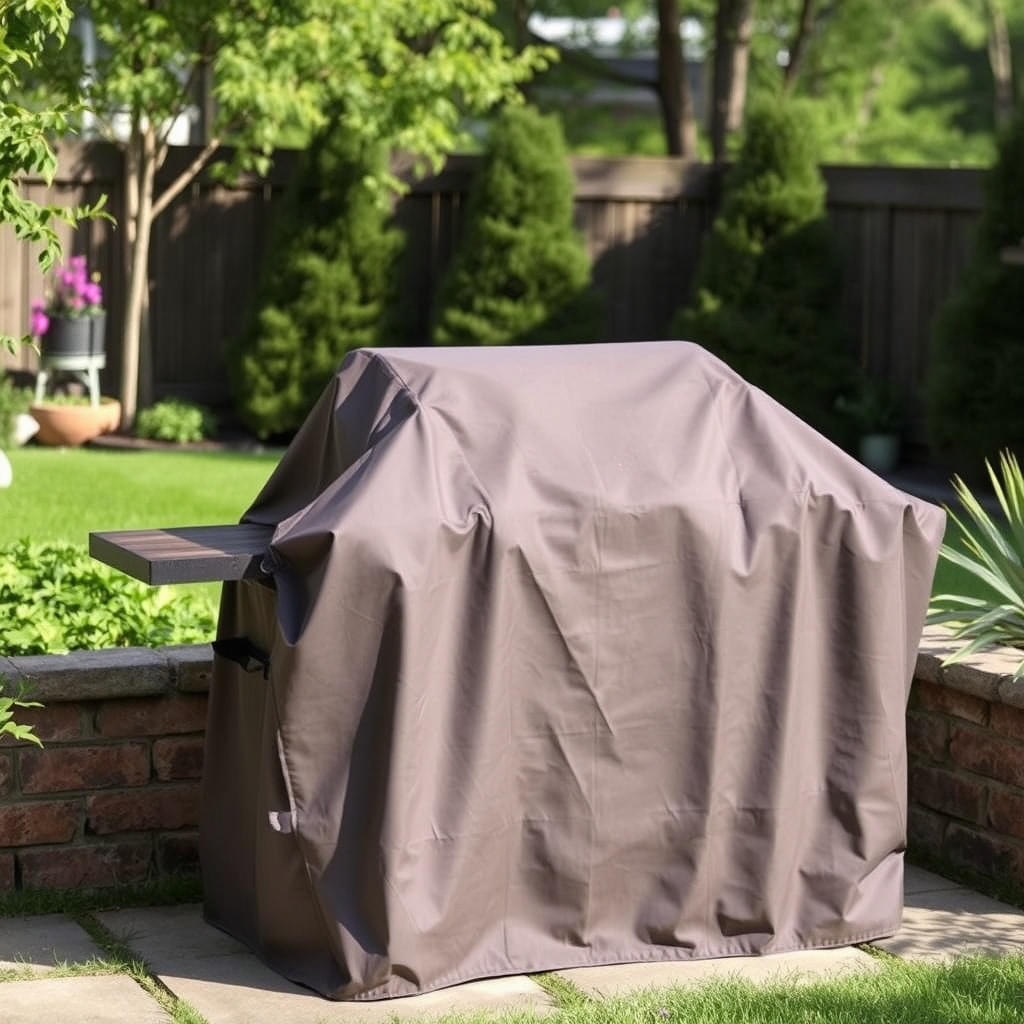
Grill storage during off-season or rainy weather impacts rust formation. Keep grills in a dry, sheltered area like a garage or covered patio to minimize exposure to rain and humidity.
Using a high-quality, breathable grill cover reduces moisture buildup underneath. Avoid plastic tarps that trap condensation and can accelerate rust damage.
- Store grill indoors or under shelter when possible
- Use breathable, weather-resistant grill covers
- Elevate grill off damp ground or surfaces
Material Choices for Rust Resistance
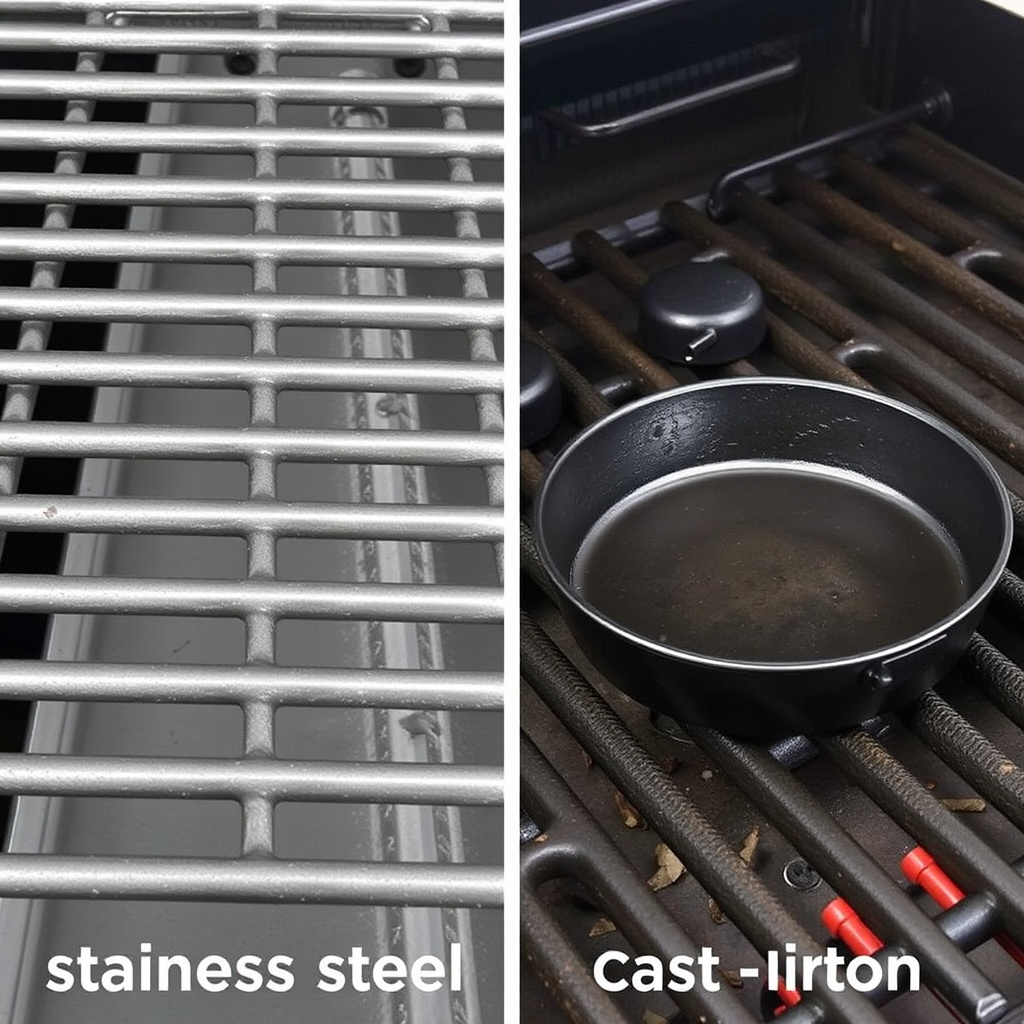
Stainless Steel Grills and Components
Grills made of stainless steel contain chromium, which forms a thin protective layer that prevents rust. High-grade stainless steel such as 304 or 316 is especially resistant, making it ideal for cooking surfaces and burners.
However, lower grades or cheap stainless steel can still rust if scratched or exposed to salt and acidic residues, so care is still required.
- 304 and 316 stainless steel grades are more corrosion-resistant
- Stainless steel resists rust better than plain steel
- Even stainless parts can rust if coatings are damaged
Cast Iron and Other Materials
Cast iron grill grates provide excellent heat retention but require seasoning and regular oiling to avoid rust. Without proper care, cast iron rusts quickly due to its porous surface.
Other materials like aluminum or porcelain-coated steel offer varying rust resistance; porcelain coating protects steel but chips can expose metal beneath, leading to rust.
- Cast iron needs seasoning to prevent rust
- Porcelain coating protects but may chip
- Aluminum doesn’t rust but may corrode
Repairing and Dealing with Existing Rust
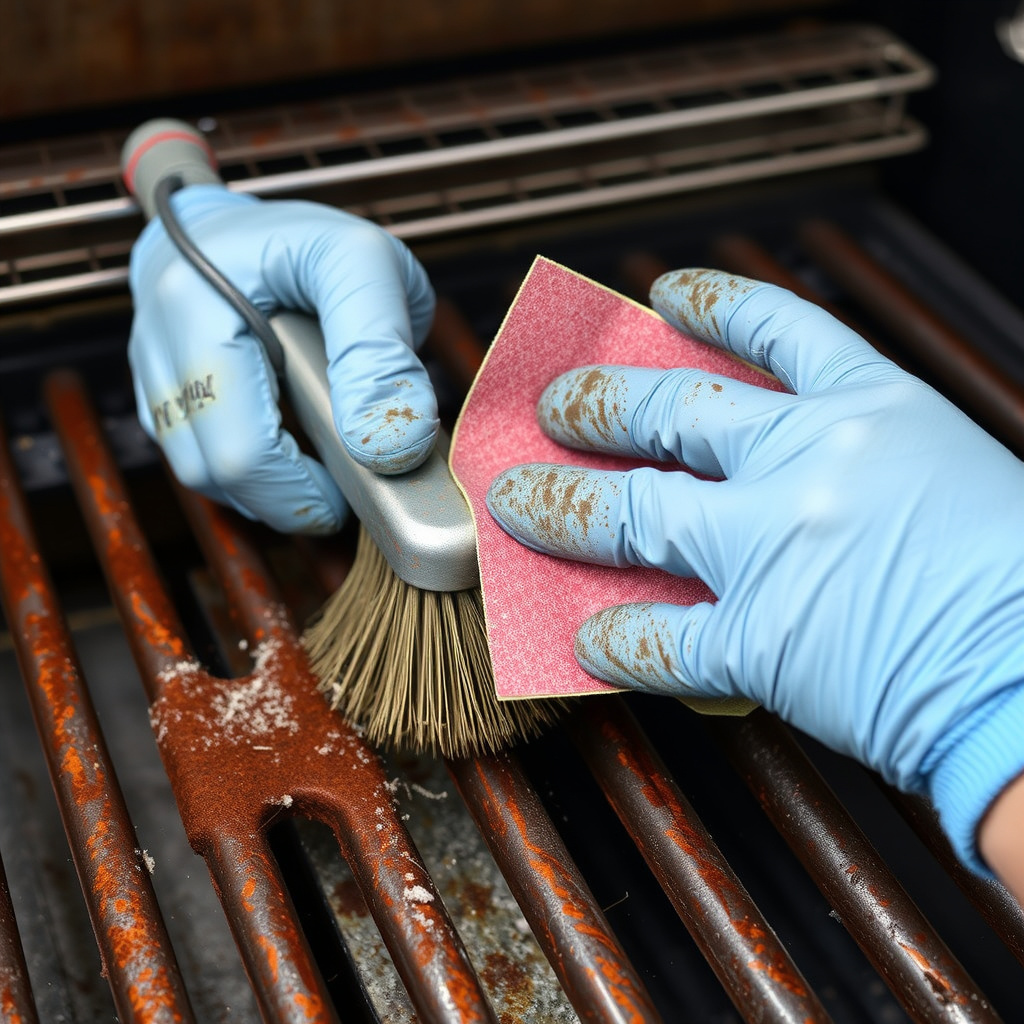
Cleaning and Removing Rust
Small rust patches on a grill can be removed using a wire brush, sandpaper, or rust remover chemicals. After removing rust, apply heat-resistant paint or oil to protect the surface and prevent recurrence.
This process can restore grates and parts before they become unusable, saving money and extending grill life.
- Use wire brush or sandpaper for loose rust
- Apply rust removers carefully on affected areas
- Protect cleaned surfaces with oil or paint
When to Replace Grill Parts
If rust damage is extensive, especially on crucial components like burners or valve assemblies, replacement is safer. Severely rusted parts may fail during use, creating fire hazards or inefficient heating.
Many grill manufacturers offer replacement parts, and upgrading to rust-resistant materials can improve long-term reliability.
- Replace burners or valves if rusted through
- Check warranties and parts availability
- Consider upgrading to stainless or coated parts
Routine Maintenance Habits to Avoid Rust
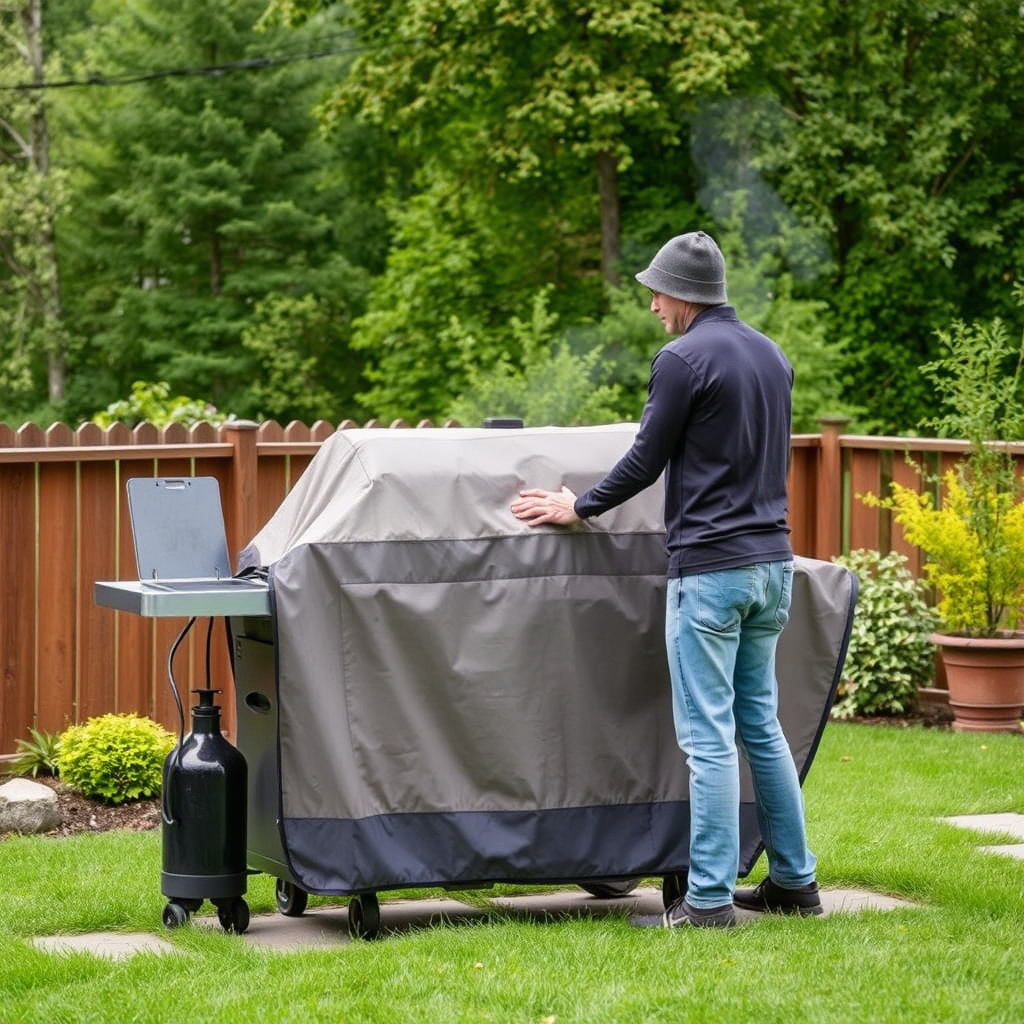
Seasonal Maintenance
Prior to storing your grill for the season, deep cleaning and drying reduce trapped moisture and residues that cause rust. Inspect for any early rust and treat it before it spreads.
A final coat of cooking oil on grates before storage adds protection, while disassembling removable parts can help clean hidden spots.
- Deep clean and dry grill before off-season storage
- Apply protective oil coating to grates
- Remove and clean hidden or small parts thoroughly
For more detailed scientific information on how metals like those in grills corrode, you can check this grill corrosion article. grill corrosion article.
Regular Use Tips
Frequent use of your grill helps prevent moisture buildup. Heat it properly during each use to burn off residues that attract rust. Also, promptly clean after cooking and avoid cooking acidic foods on uncoated surfaces to reduce corrosion risk.
Monitoring grill condition regularly lets you catch issues early and maintain a rust-free cooking environment.
- Preheat grill enough to burn residues
- Clean after each use promptly
- Avoid leaving acidic marinades on bare metal
Common Grill Material Categories Comparison
Here’s a comparison of common grill materials regarding rust resistance, maintenance needs, and cost to help decide which suits your use.
| Material | Rust Resistance | Maintenance Required | Typical Cost Range | Heat Retention |
|---|---|---|---|---|
| Stainless Steel (304/316) | High | Low | $300-$2000 | Moderate |
| Porcelain-Coated Steel | Moderate | Medium | $150-$1000 | Moderate |
| Cast Iron | Low (if unseasoned) | High | $100-$700 | High |
| Aluminum | Does Not Rust | Low | $200-$1500 | Low |
| Regular Steel | Low | High | $100-$500 | Moderate |
Frequently Asked Questions
Can I still use my grill if it has some rust?
Minor surface rust on the exterior or grates can be cleaned and removed, making the grill safe to use once treated. Avoid using parts with deep, flaky rust that compromises structural integrity or safety.
How often should I clean my grill to prevent rust?
Cleaning after every use, especially removing grease and food particles and drying the surfaces thoroughly, helps prevent rust from forming and keeps your grill in good condition.
Is stainless steel grill rust-proof?
Stainless steel is highly rust-resistant due to chromium content but not completely rust-proof. Scratches, exposure to salt, and acidic residues can cause rust spots over time.
What’s the best way to cover a grill outdoors?
A breathable, weather-resistant grill cover is best to keep moisture out while allowing condensation to escape, reducing the risk of rust formation under the cover.
Can rust on grill grates affect food safety?
Rust flakes can mix with food, which is not ideal. Removing rust and seasoning grates regularly prevents contamination and ensures safer cooking.
Key Takeaways
- Moisture exposure is the main cause of grill rusting.
- Choose high-quality stainless steel or properly coated grills for better rust resistance.
- Regular cleaning, drying, and oiling prevent rust formation.
- Proper storage and breathable covers reduce moisture buildup.
Conclusion
Addressing why your grill is rusting centers on understanding how moisture and material quality influence corrosion. Rust forms when water interacts with the metal surfaces, especially if protective coatings erode or break. Identifying early rust and maintaining your grill diligently makes a clear difference in functionality and longevity. Using the knowledge of rust causes guides you toward smarter upkeep and material choices, helping you enjoy your grill longer without costly repairs or replacements.
If you own a grill made of lower-grade steel or with worn coatings, you might experience rust more often. Stainless steel grills in grades 304 or 316 resist rust well, making them ideal if you want a low-maintenance option. Cast iron requires regular seasoning but offers excellent heat retention despite its rust susceptibility. For those frequently grilling in humid or rainy climates, investing in a quality grill cover and storing the unit indoors when possible can significantly slow rust progression, supporting a reliable cooking surface year-round.
Taking action today can prevent your grill from rusting further. Start with a thorough cleaning and rust removal if necessary. Apply protective oils after use and store your grill with a breathable cover. Monitor the grill’s condition regularly to catch rust early before it becomes serious damage. These steps will help you maintain a safe, efficient grill ready for your next barbecue.



