
If your Traeger smoker or grill isn't heating up, the problem usually lies within common issues such as a clogged auger, a faulty igniter, or electrical connection problems. Checking and addressing these specific components often restores heat quickly.
Understanding why your Traeger isn’t reaching the right temperature is important because it affects cooking times and food quality. Many grill owners face similar issues due to pellet feed disruptions or sensor malfunctions, which can interrupt the heating process.
This article covers how to identify the root causes of heating failures on Traeger grills, practical steps for troubleshooting each potential problem, and maintenance tips to help prevent future heating difficulties.
Common Causes Why Your Traeger Isn’t Heating Up
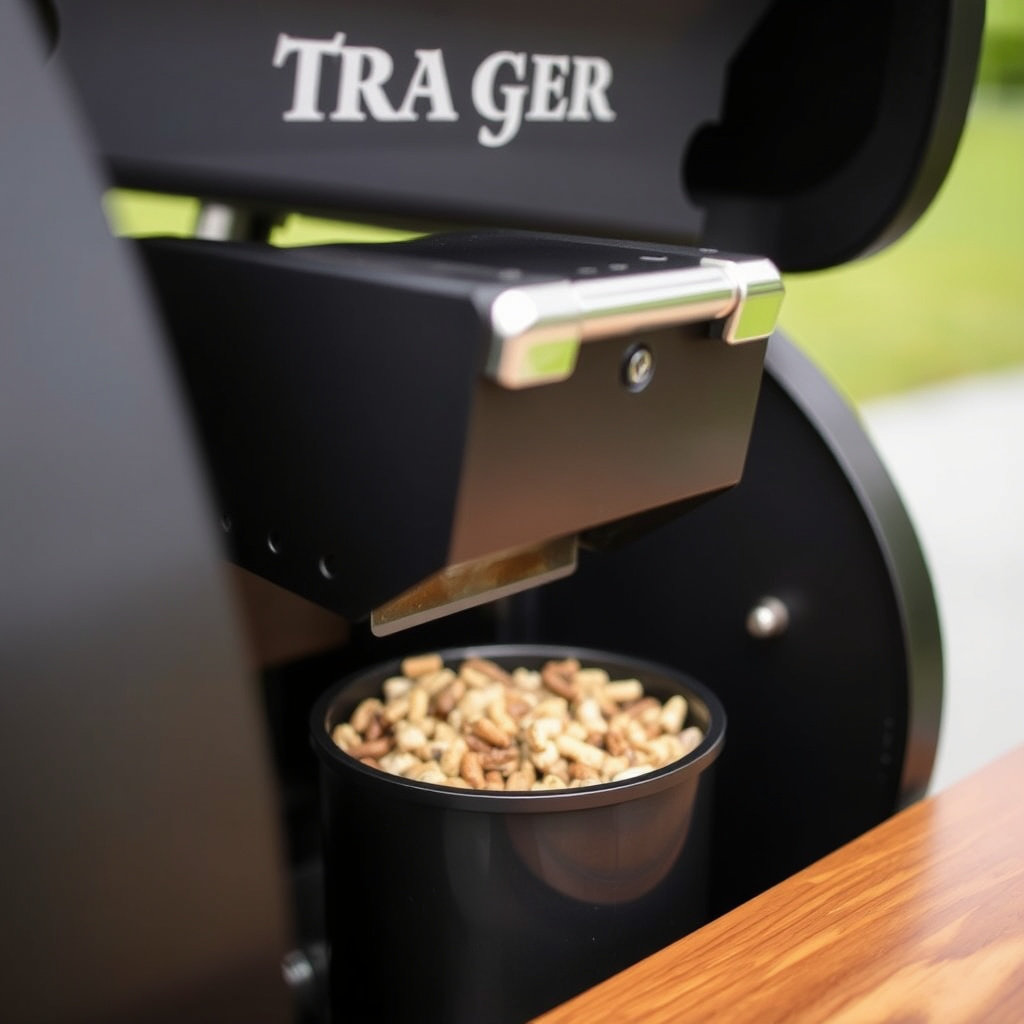
Pellet Supply Blockages and Auger Issues
A frequent cause of heating problems is the auger not delivering pellets properly from the hopper to the firepot. Pellets can jam or become stuck due to moisture or debris clogging the auger or pellet path.
When pellets fail to reach the firepot, the grill can't generate the necessary heat. Inspect the auger for blockages and clean it thoroughly to restore pellet flow and consistent heating.
- Check the pellet hopper for damp or broken pellets
- Clean any debris around the auger and firepot area
- Vacuum loose pellet dust from the pellet path
Igniter and Power Supply Troubles
The igniter is responsible for lighting the pellets to start the heating process. If the igniter element is burnt out or disconnected, your Traeger won’t heat up at all.
Additionally, ensure the grill’s power supply is intact. Loose cables or a faulty power outlet can prevent the grill from turning on properly, leading to a lack of heat.
- Test the igniter element for continuity with a multimeter
- Make sure the grill is plugged into a reliable power source
- Inspect internal wiring for frays or loose connections
Diagnosing Electrical and Sensor Issues
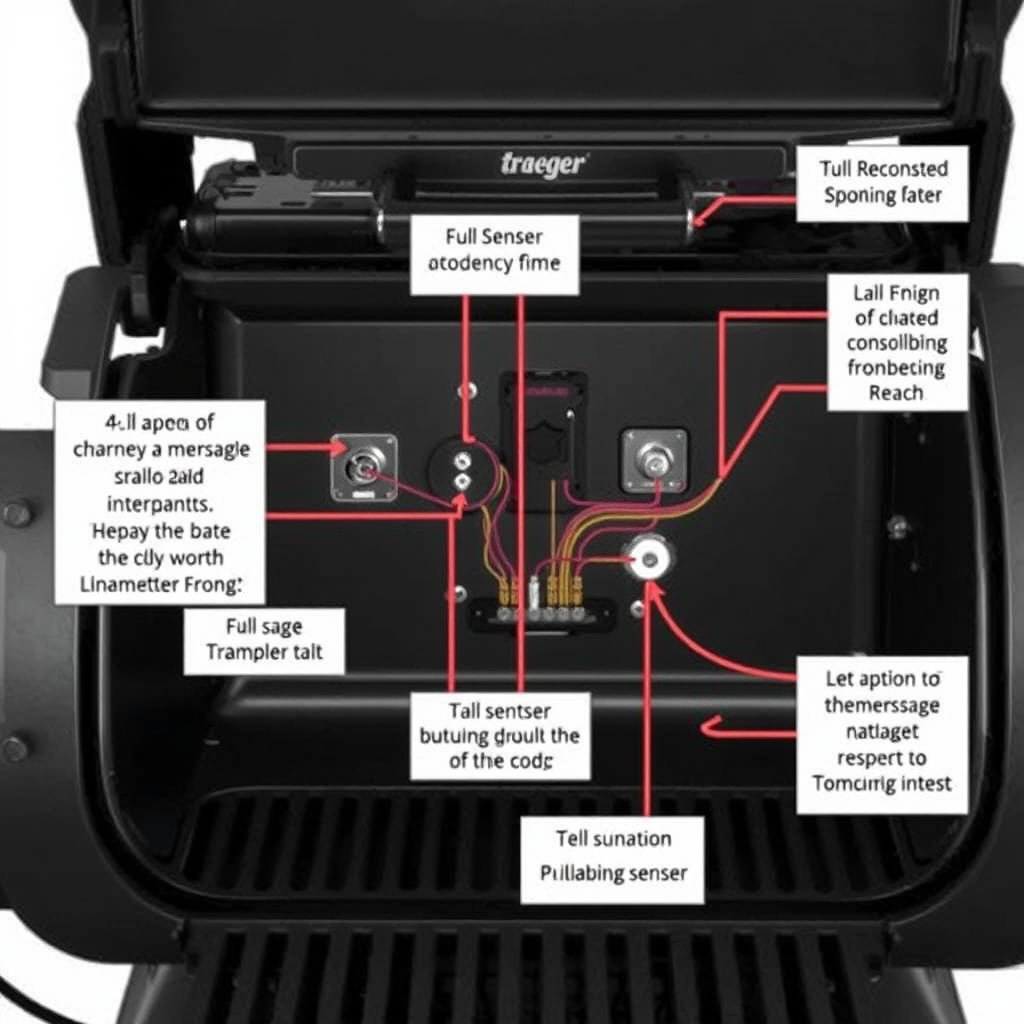
Temperature Sensor Failures
A broken or inaccurate temperature sensor can cause the Traeger grill controller to shut off heat, thinking the grill is already hot or overheating.
Replacing or recalibrating the temperature probe often resolves this problem, allowing the grill to maintain accurate temperature readings and heat properly.
- Test the sensor resistance and compare it with manufacturer specs
- Replace faulty temperature probes promptly
- Avoid touching the sensor during cooking to prevent damage
Controller and Printing Board Malfunctions
Sometimes the electronic controller or PCB (printed circuit board) can malfunction, causing inconsistent heat or no heat. Error codes displayed on the Traeger control panel can help pinpoint these issues.
Resetting the controller or swapping out the PCB unit may be necessary if software glitches or hardware faults prevent normal heating cycles.
- Refer to the user manual for error code meanings
- Unplug and restart the grill controller to reset
- Consider professional repair if faults persist
Maintenance Tips to Prevent Heating Issues on Your Traeger
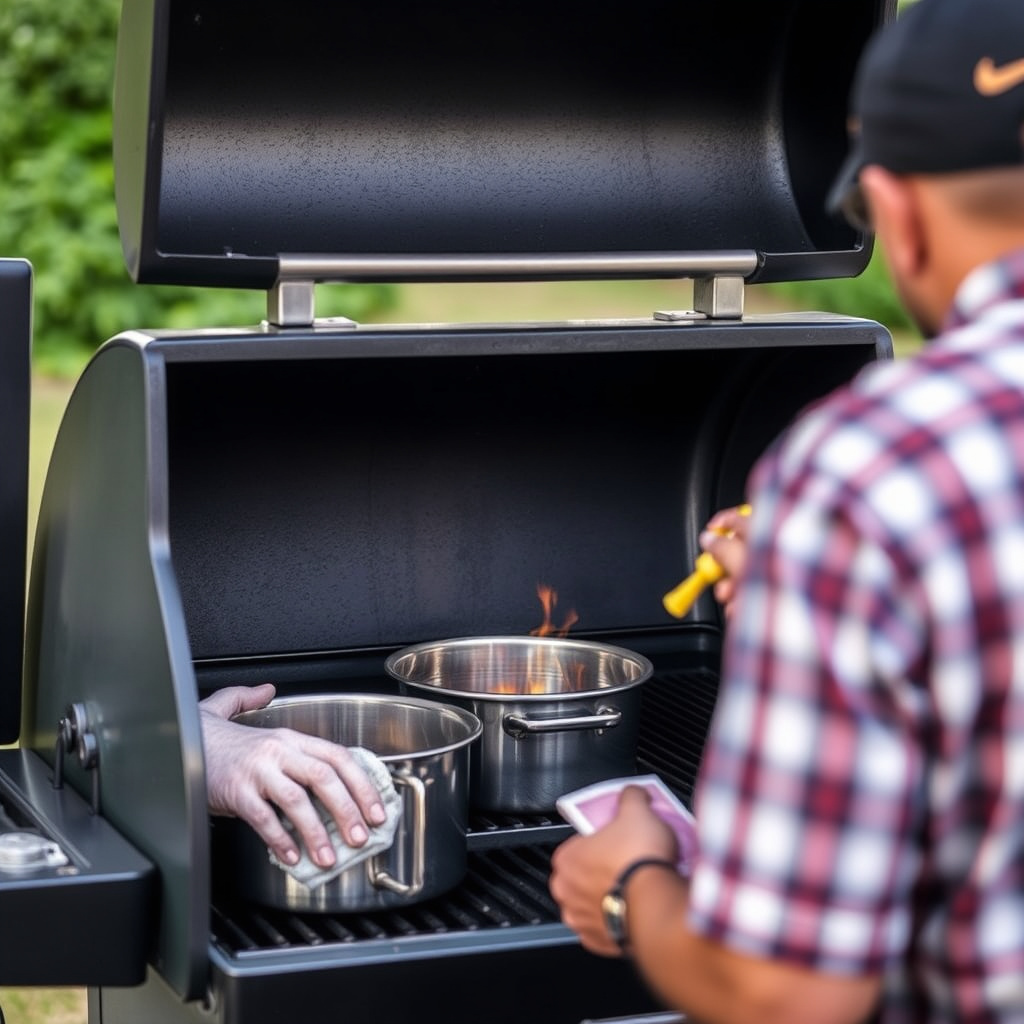
Regular Cleaning of Critical Components
Routine cleaning of the firepot, grease tray, and auger tube reduces buildup of ash and pellet dust that can block pellet delivery and airflow.
Keeping these parts clean allows your Traeger to maintain consistent pellet burning and proper combustion temperatures for steady heat output.
- Clean the firepot weekly during heavy use periods
- Empty the grease tray and ash catcher after every use
- Inspect and clear the auger tube of pellet residue
Using Quality Pellets and Storage Practices
Using dry, high-quality hardwood pellets helps prevent pellet jamming and auger blockages. Pellets absorb moisture when stored improperly, making them prone to crumbling and clogging.
Store pellets in airtight, dry containers away from humidity to keep your Traeger heating efficiently over time.
- Choose verified brand pellets suited for Traeger grills
- Seal pellet bags and store in a dry, cool place
- Avoid exposing pellets to rain or damp conditions
How to Test and Replace Key Traeger Components
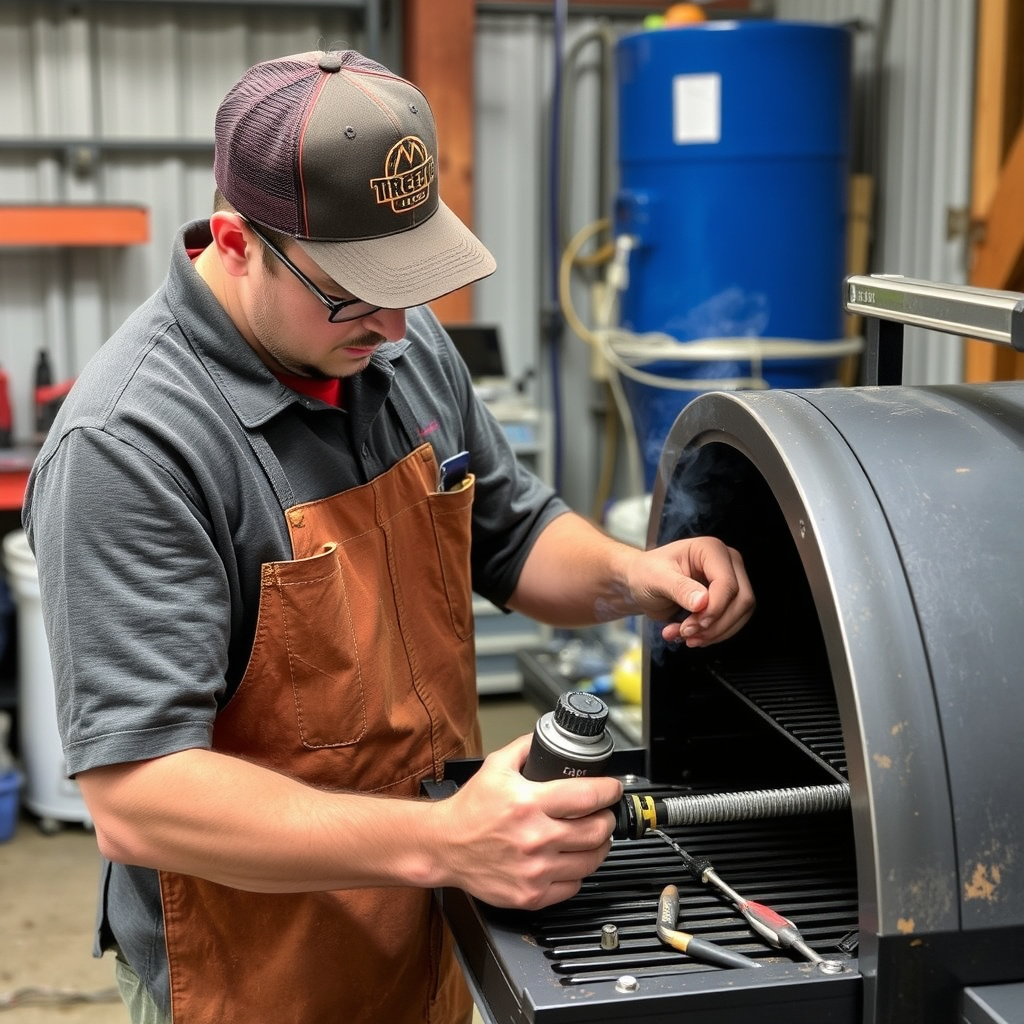
Replacing the Igniter Element
To replace a faulty igniter, first unplug your Traeger grill to ensure safety. Remove the firepot to access the igniter rod, usually located beneath it, then disconnect the wiring and install a new igniter element.
Testing the igniter before replacement with a multimeter can confirm the problem and avoid unnecessary purchases.
- Use manufacturer-approved igniter parts
- Handle sensitive electrical parts carefully
- Reassemble the firepot securely after replacement
Swapping Out the Controller Board
Replacing the controller board involves disconnecting power and removing control panel screws. Swap the old board with a new unit, connect wiring harnesses precisely, and test the grill to verify heating functionality.
This task may require professional assistance for some users due to the advanced electronics involved.
- Follow exact model compatibility when ordering boards
- Avoid forcing connections to prevent damage
- Test all functions before full reassembly
Using Your Traeger’s Diagnostic Tools for Heating Problems
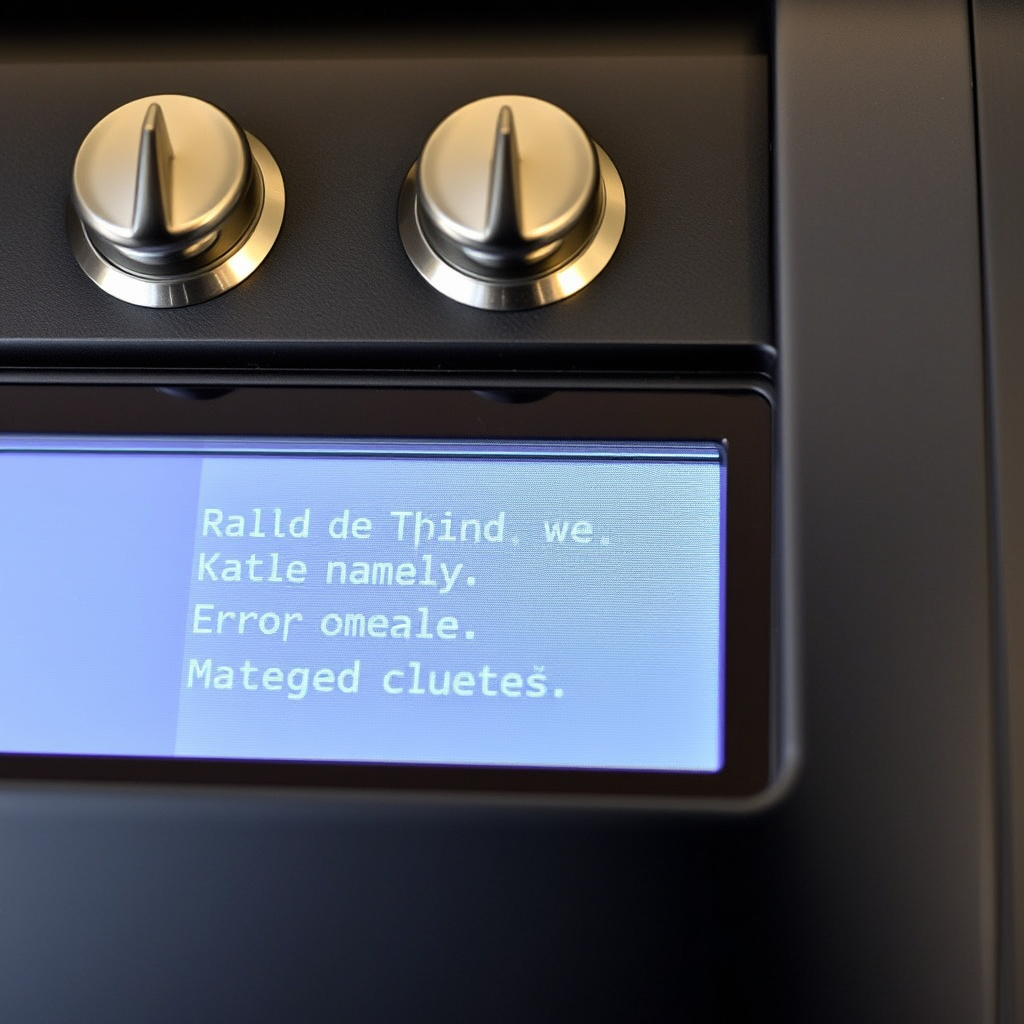
Interpreting Traeger Error Codes
Most modern Traeger grills display error codes when sensors or components fail. These codes point to specific areas like the auger motor, temperature sensor, or igniter problems for faster diagnosis.
Refer to your Traeger manual or official support site for exact error meanings to prioritize which parts to inspect or replace.
Running Manual Diagnostic Tests
Many Traeger models allow manual diagnostics via the control panel, testing auger operation, igniter heating, and internal sensors without full cooking cycles.
Using these builtin diagnostics helps pinpoint heating failures before undertaking major disassembly or part orders.
Temperature Control and Calibration for Reliable Heat
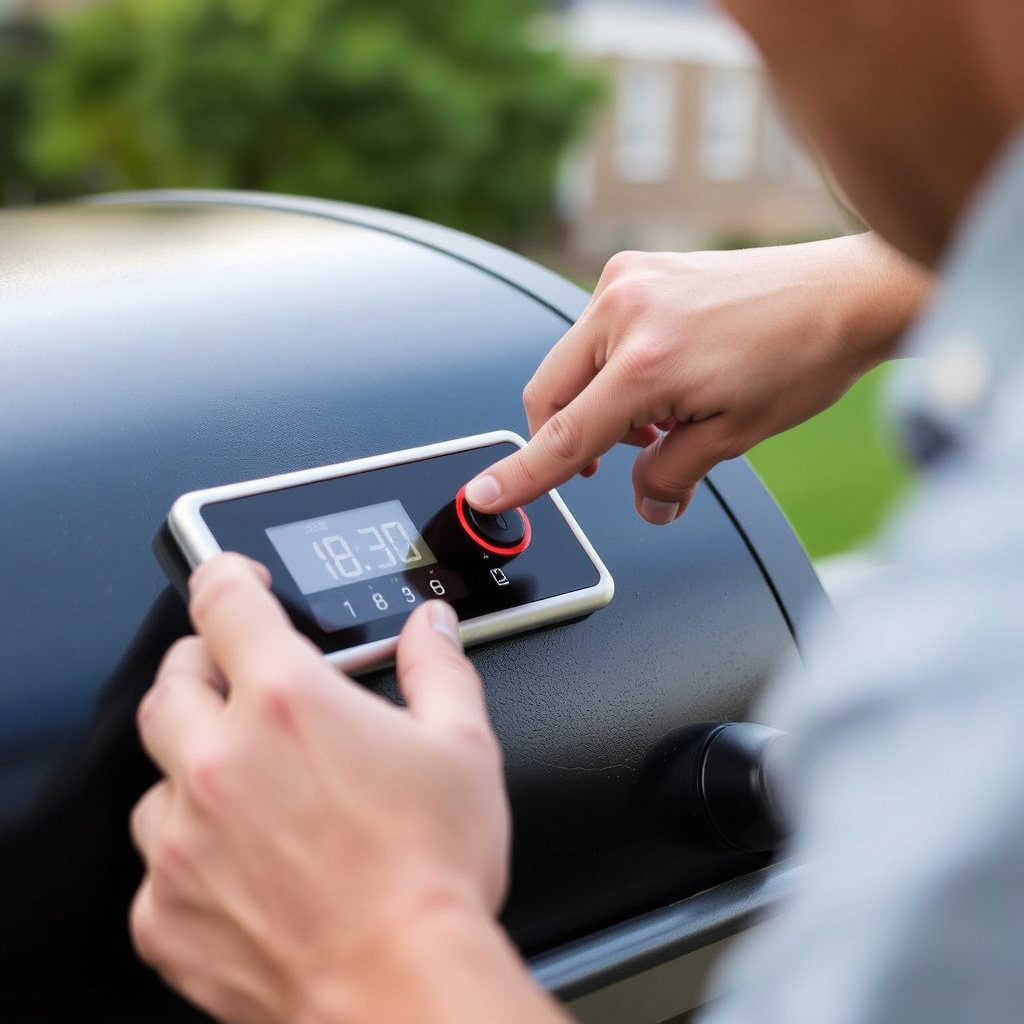
Calibrating Your Temperature Probe
Incorrect temperature readings can make your Traeger stop heating prematurely or fail to reach the set temperature. Calibrating or replacing the temperature probe ensures precise grill temperature monitoring.
Some models have calibration options in the menu, or you can test the probe resistance with a multimeter and compare to specifications.
- Access calibration options via control panel menus
- Replace probes if readings remain inconsistent
- Avoid contamination or damage to the probe tip
For more background on Traeger products and history, you can visit the Traeger Grill Wikipedia page. Traeger Grill Wikipedia page.
Adjusting Temperature Settings for Best Results
Certain recipes and external weather conditions may require tweaking the grill temperature settings. Understanding how to adjust temperature up or down helps maintain steady heat despite environmental factors.
Knowing your grill’s heating profile helps anticipate and control heat output better under varying conditions.
Traeger Heating Issue Categories Comparison
This table compares common Traeger heating problems, their causes, typical symptoms, and recommended solutions.
| Issue Category | Common Cause | Symptoms | Typical Fix |
|---|---|---|---|
| Pellet Feed Problems | Clogged auger or wet pellets | Grill won’t maintain fire; low/no heat | Clean auger; use dry pellets |
| Igniter Failure | Burnt-out igniter rod | No initial spark or heat | Replace igniter element |
| Temperature Sensor Fault | Broken probe or wiring | Incorrect temperature readings; shuts off heat | Calibrate or replace sensor |
| Electrical or Controller Issues | Loose wiring; PCB fault | Random shutdowns; error codes | Check connections; reset/replace control board |
Frequently Asked Questions
Why won’t my Traeger grill turn on?
If your Traeger grill won’t turn on, check the power source, ensure the power cord is firmly connected, and inspect the internal wiring and controller for faults.
How do I know if my igniter is broken?
You can test the igniter rod with a multimeter for continuity. A broken igniter will fail to spark or heat the pellets, leading to no fire in the grill.
Can wet pellets cause my Traeger not to heat?
Yes, wet or damp pellets often jam the auger and fail to burn properly, preventing the grill from reaching desired temperatures.
How often should I clean my Traeger to avoid heating problems?
Regular cleaning after every few uses, especially of the firepot and auger areas, helps prevent pellet jams and keeps heat consistent.
What error codes indicate heating issues on Traeger grills?
Common error codes relate to auger motor failure, temperature sensor faults, or igniter problems. Refer to your manual for exact definitions.
Key Takeaways
- Pellet jams and moisture are leading causes of heating failure.
- Igniter and temperature sensors should be tested if your grill won’t heat.
- Regular cleaning and quality pellet storage prevent many issues.
- Diagnostic tools and error codes help identify specific faults quickly.
Conclusion
When your Traeger grill fails to heat up, the best approach involves identifying whether the problem lies with pellet feeding, ignition, temperature sensing, or electrical components. By understanding the different parts involved in heat generation, users can methodically test and eliminate possible causes. This helps avoid costly replacements by targeting the exact malfunction and allows you to get back to grilling sooner.
For immediate troubleshooting, start by inspecting the auger and pellet supply for jams or moisture damage, then verify the igniter is functioning and the power supply is stable. If these are fine, check the temperature sensor calibration or error code displays for clues to controller or probe issues. For routine maintenance, keep your Traeger clean, use dry pellets, and store them properly to reduce common temperature issues. Advanced users can consider replacing the controller or igniter themselves if the diagnostics indicate those parts.
If you continue experiencing trouble, contacting Traeger support with specific error codes or symptoms provides expert guidance tailored to your grill’s model. Consistent upkeep and quick attention to small faults ensures your Traeger provides even, reliable heat for all your smoking and grilling needs.



