
If your charcoal grill is not getting hot, the issue often comes down to airflow problems, damp charcoal, or insufficient fuel. Ensuring proper ventilation and dry charcoal is key to reaching high temperatures reliably.
Charcoal grills require a steady oxygen supply to maintain heat, so blocked vents or overloaded ash can stop the fire from burning intensely. Wet or old charcoal also fails to ignite properly, leaving you with low or no heat during cooking.
This guide covers common reasons why your charcoal grill might be underperforming, how to troubleshoot airflow and fuel issues, and tips for lighting and maintaining strong, consistent heat.
Understanding Charcoal Grill Heat Generation
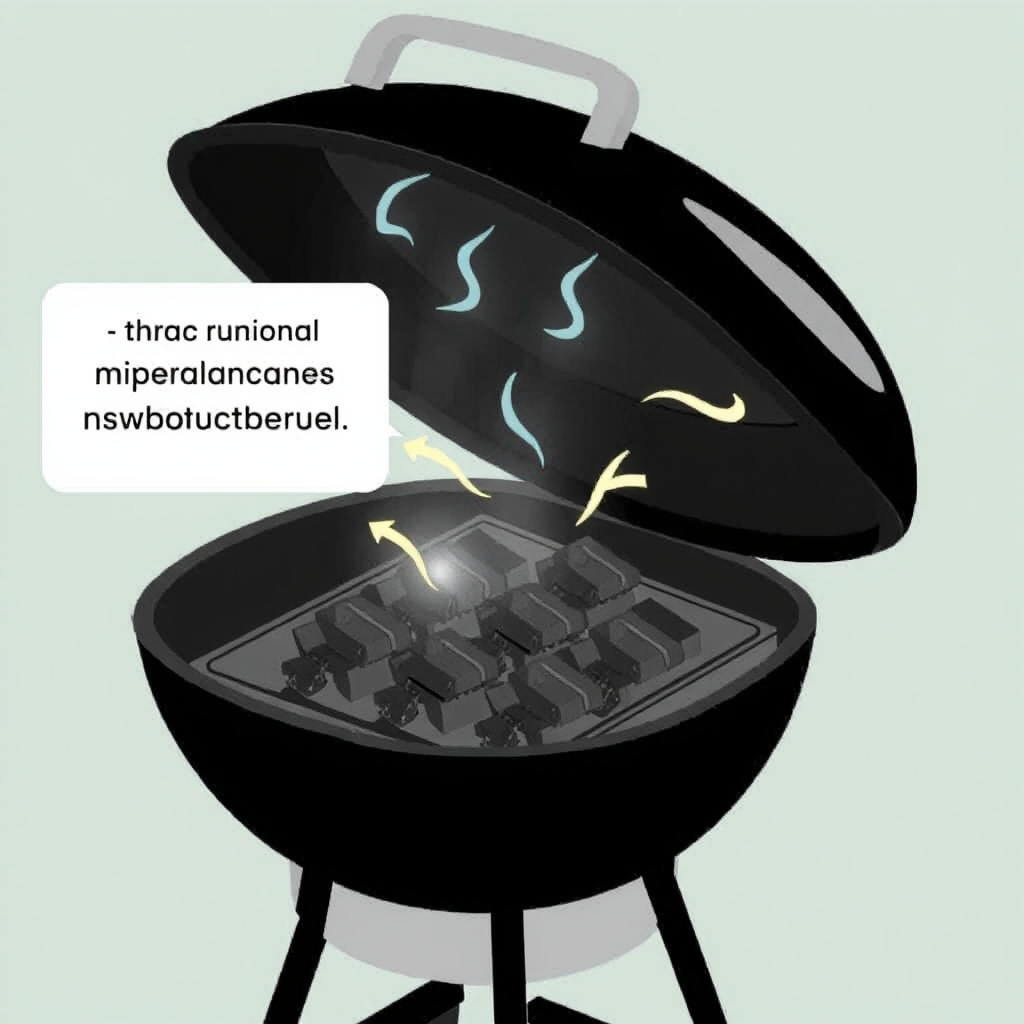
How Charcoal Converts Fuel into Heat
Charcoal burns by reacting with oxygen; the combustion process releases heat needed for grilling. The grill’s design promotes airflow through vents, feeding the fire with oxygen while allowing smoke and gases to escape.
Without enough oxygen, charcoal smolders rather than burns, resulting in low heat output. Properly arranged charcoal and open vents enable a hotter and more efficient fire.
The Role of Airflow in Heat Levels
Airflow is the main driver of temperature control on a charcoal grill. Adjustable vents allow you to feed oxygen to the flames or restrict it to lower temperatures.
Blocked air vents or ash buildup can suffocate the fire, causing cooler conditions and difficulty maintaining cooking heat.
- Bottom vents supply oxygen to fuel combustion
- Top vents allow smoke and excess heat to exit
- Ash buildup can block airflow and cool the fire
Common Causes Why Your Charcoal Grill Is Not Getting Hot
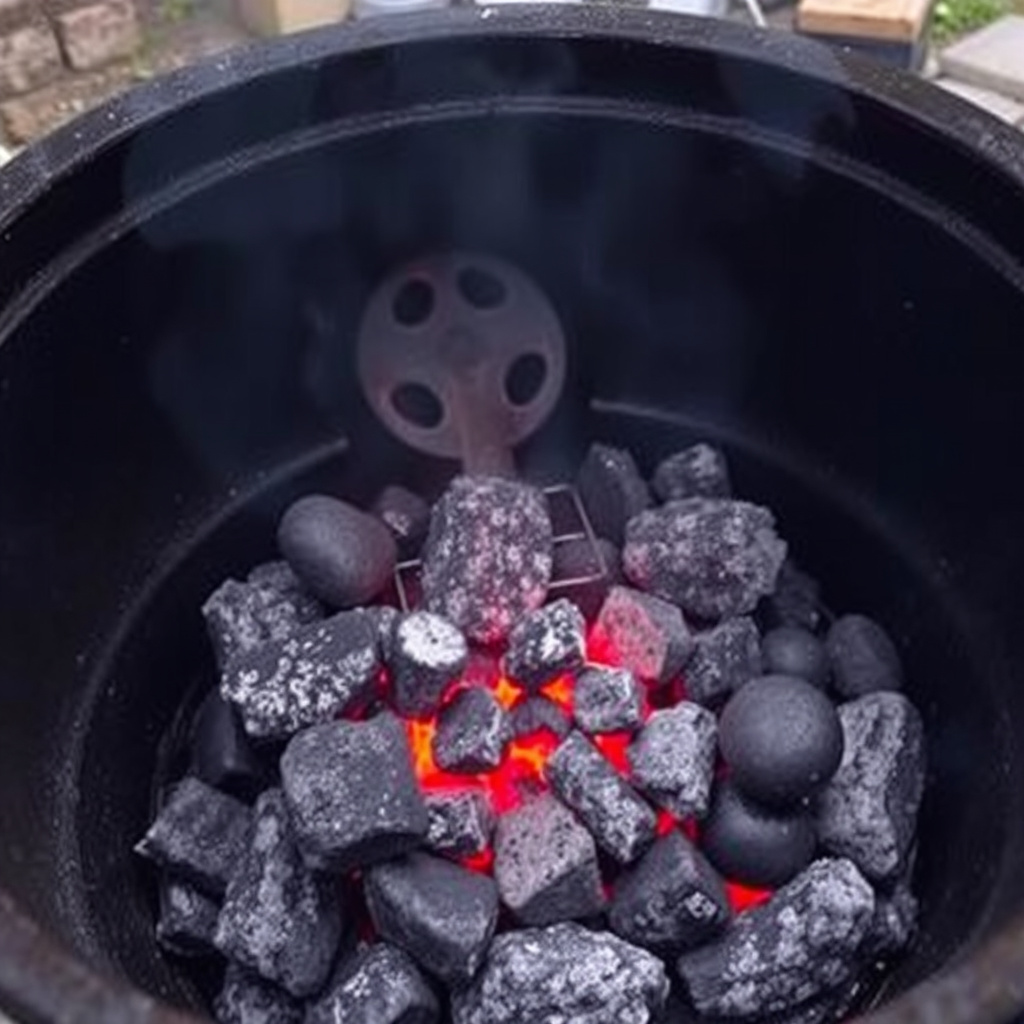
Using Damp or Poor-Quality Charcoal
Charcoal that has absorbed moisture struggles to light and burn evenly. Wet charcoal produces smoke instead of heat, preventing your grill from reaching desired temperatures.
Choosing fresh, dry charcoal from reputable brands boosts the chances of a strong fire and consistent heat during cooking.
- Charcoal should be stored in dry containers or sealed bags
- Avoid using charcoal that has been exposed to rain or humidity
Insufficient or Improper Airflow
If the vents are closed or clogged, your charcoal fire can't get enough oxygen, causing weak heat. Check that bottom and top vents are fully open when lighting and cooking.
Ash from previous grills blocks airflow if not cleaned regularly, so removing old ash improves ventilation and heat output.
- Open vents fully when starting the fire
- Regularly remove ash buildup for better airflow
Techniques to Get Your Charcoal Grill Hotter
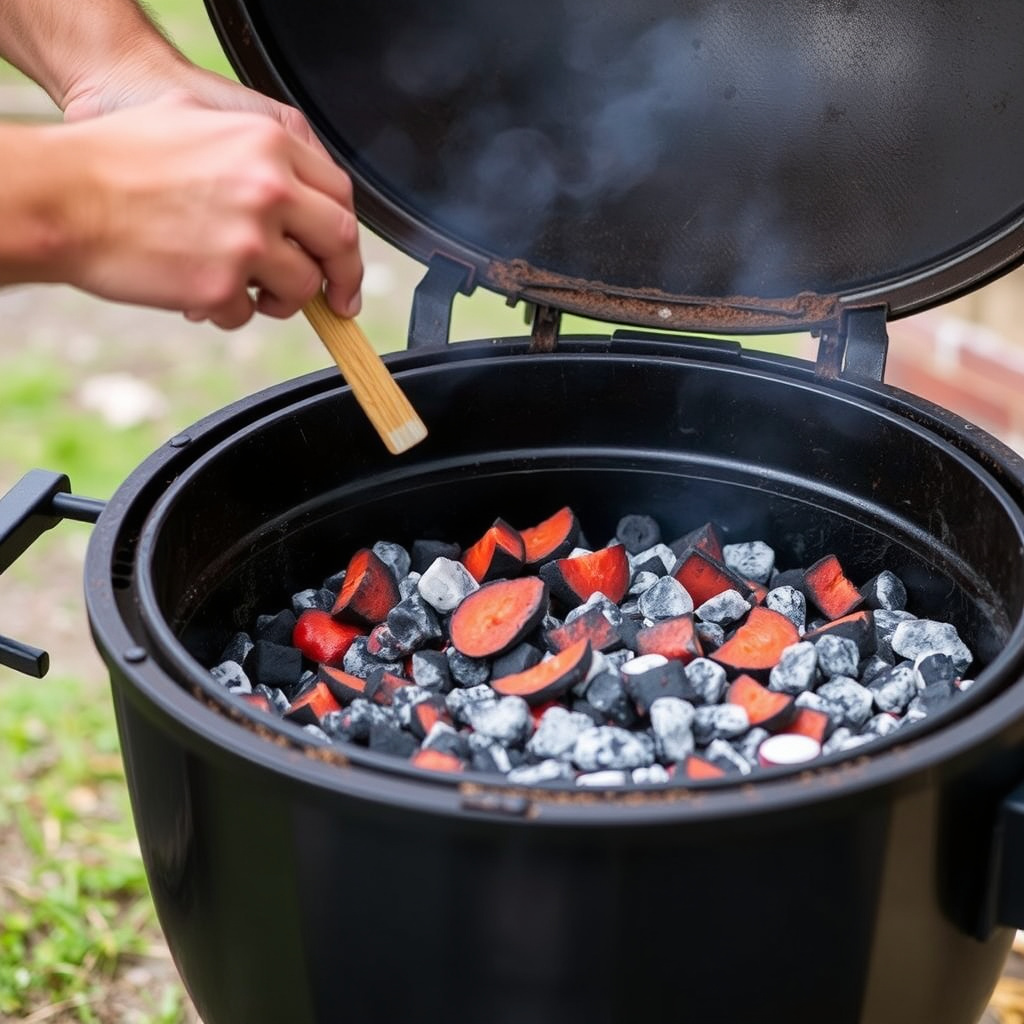
Proper Charcoal Arrangement for Heat
Arranging charcoal in a pyramid or chimney starter helps airflow circulate and ignite the coals evenly. Spreading lit charcoal creates more uniform heat distribution.
Avoid piling all charcoal in one spot, which limits oxygen reaching the fuel and lowers overall temperature.
- Use a chimney starter to pre-light charcoal
- Arrange coals with space for air to circulate
For more on this, see our related guide: Can You Use a Gas Grill as a Smoker? Practical Tips and Techniques.
Lighting Methods That Promote Heat
Avoid using lighter fluid or accelerants that can suffocate charcoal fires and leave unpleasant flavors. Instead, use natural firestarters or chimney starters for effective ignition.
Patience during the lighting process allows coals to reach glowing, ashy gray before cooking, which indicates optimal temperature.
- Natural fire starters reduce chemical odors
- Wait until coals are fully gray before starting to cook
Maintenance Tips to Keep Your Charcoal Grill Heating Well
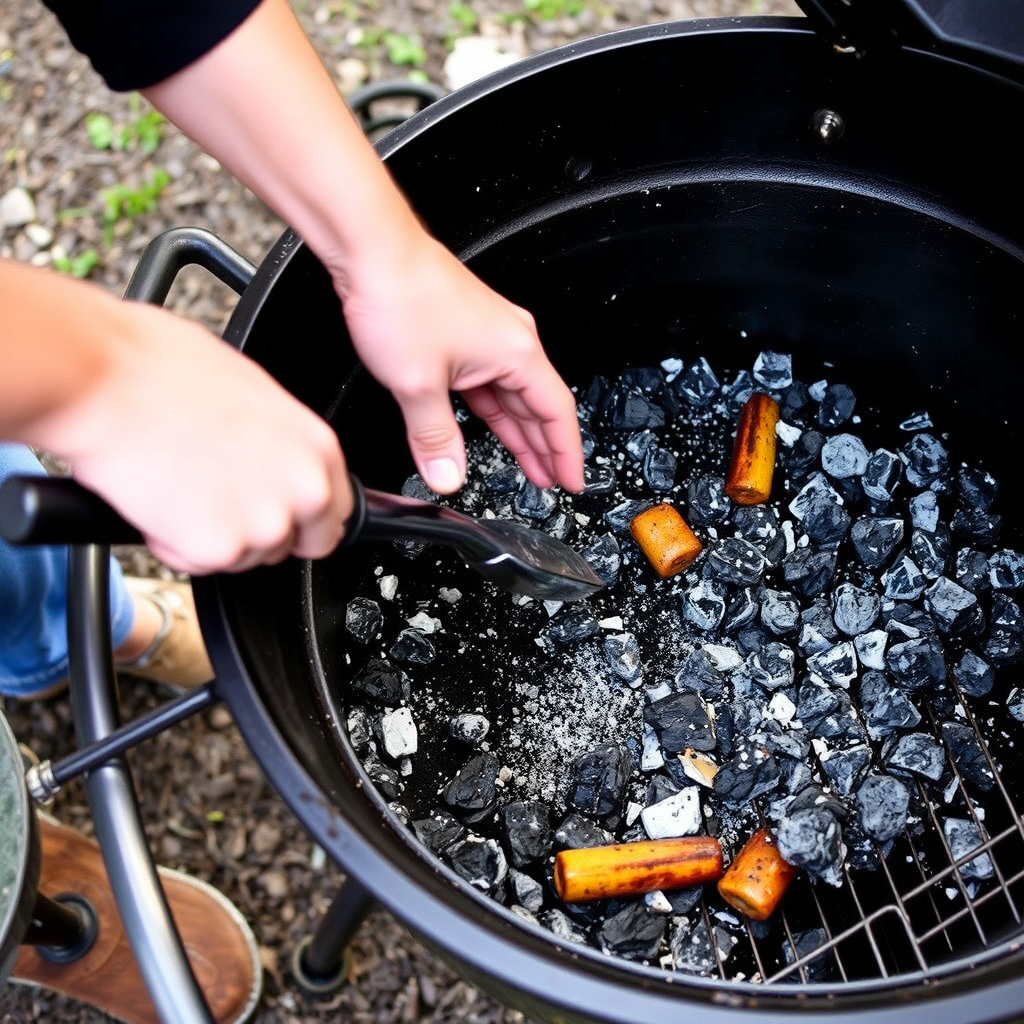
Regular Cleaning of Ash and Debris
Ash buildup lowers airflow by blocking vents and coal surfaces, so clean out ash after each use. Use an ash tool or vacuum designed for grill ash to maintain clear airflow paths.
Keeping the grill clean improves fuel efficiency and heat performance over time.
- Empty ash catcher or firebox regularly
- Remove residual charcoal pieces and debris
Checking Vents and Grill Components
Inspect vents for rust, damage, or blockages that limit airflow. Replace defective vent parts to restore adequate oxygen flow.
Ensure grill grates and lids fit properly to manage airflow control and maintain steady temperatures.
- Keep vents rust-free and movable
- Use a lid to trap heat and control air
When to Upgrade or Replace Your Charcoal Grill
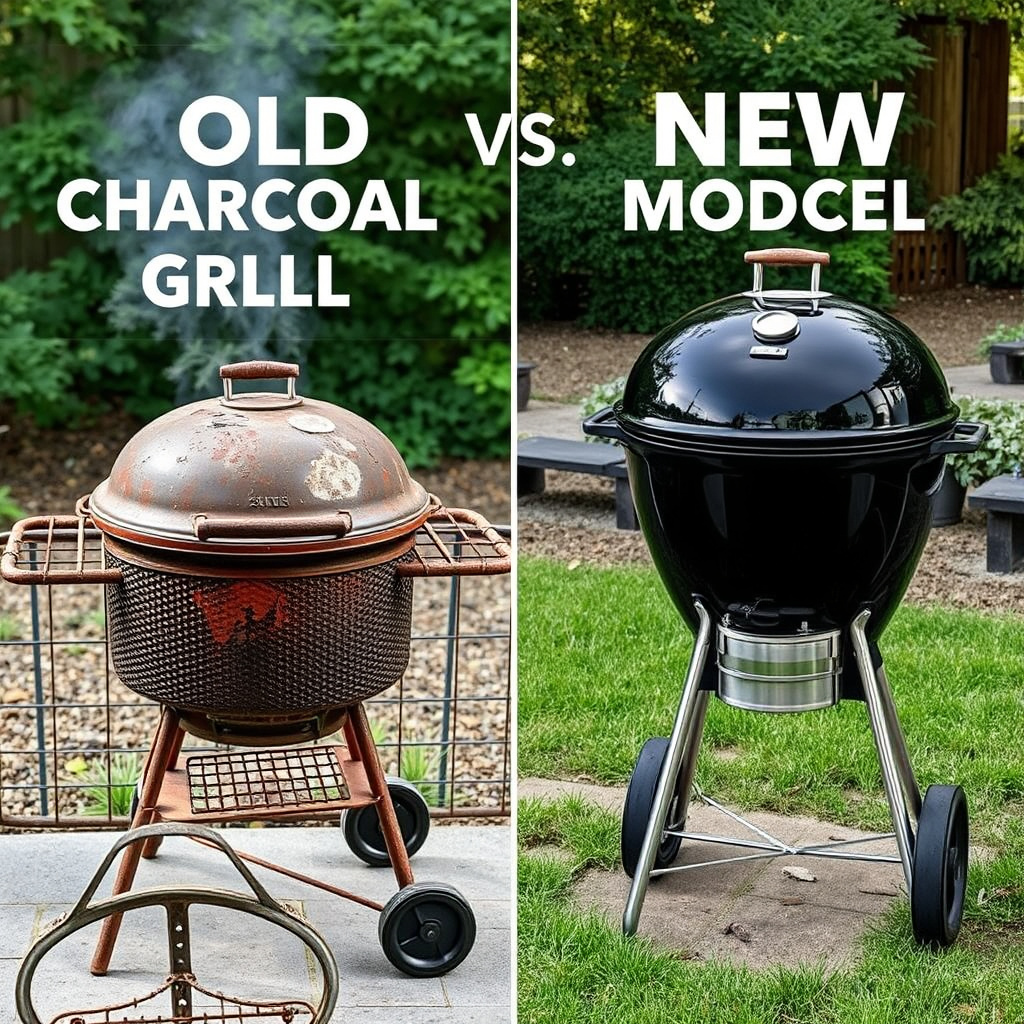
Signs Your Grill Is Underperforming
Persistent low heat despite cleaning and airflow fixes may mean your charcoal grill is worn out. Rust, damaged vents, or cracked bowls reduce effectiveness.
Poor temperature control or uneven heat distribution after repeated attempts to fix suggests it might be time to consider a new model.
For more on this, see our related guide: What Is the Best Temperature for Grilling: A Practical Guide.
Choosing a Replacement Charcoal Grill
Look for grills with adjustable vents, durable materials like stainless steel or porcelain-coated steel, and features like ash catchers for easier maintenance.
The right grill depends on your cooking style—compact portable grills work for tailgating, while larger models suit backyard BBQ gatherings.
- Adjustable airflow vents
- Built-in ash removal systems
- Durable rust-resistant finishes
Safety Tips While Handling Charcoal and Fire
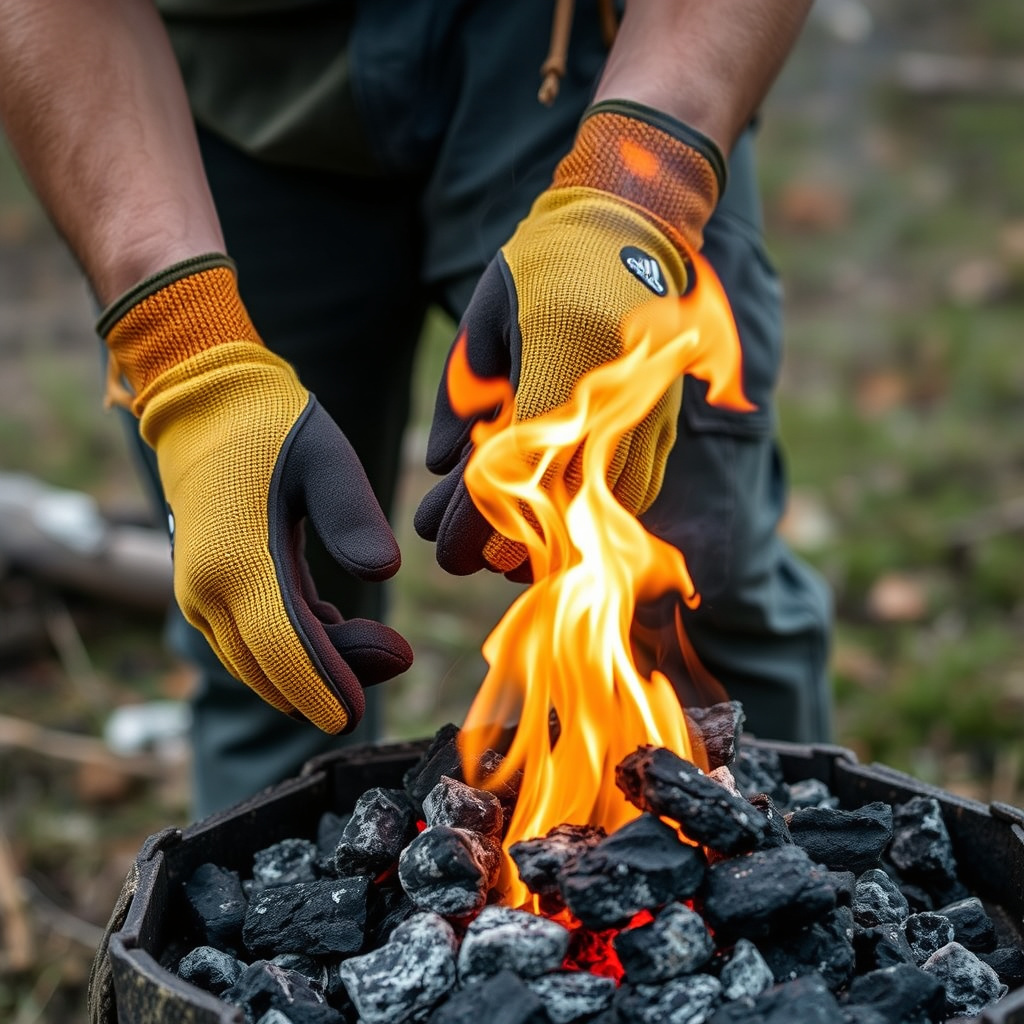
Safe Lighting and Handling Practices
Always light charcoal in a well-ventilated area and never add lighter fluid once flames have started. Use long matches or lighters and heat-resistant gloves when managing hot coals.
Keep a fire extinguisher or water source nearby in case of accidental flare-ups.
For more detailed information on charcoal grilling basics, you can visit this comprehensive Wikipedia page. Charcoal grilling basics.
Proper Storage of Charcoal
Store charcoal in a sealed, dry container away from moisture and heat sources to avoid dampening and spontaneous ignition risks.
Check bags for tears or exposure to humidity before use.
- Use airtight bins or containers
- Keep charcoal away from flammable materials
Charcoal Grill Types Comparison
Here's a quick comparison of popular charcoal grill types to help you understand their heating capabilities and features.
| Grill Type | Heat Control | Portability | Price Range |
|---|---|---|---|
| Kettle Grill | Good with adjustable vents | High – compact and light | Moderate ($50-$200) |
| Barrel Grill | Excellent heat retention | Low – bulky | High ($200-$500) |
| Kamado Grill | Precise temperature control | Moderate – heavy but movable | High ($400-$1000+) |
| Portable Charcoal Grill | Limited but functional | Very High – designed for transport | Low to Moderate ($30-$150) |
Frequently Asked Questions
Why won’t my charcoal stay lit?
Charcoal may not stay lit due to poor airflow, damp charcoal, or using insufficient fuel. Opening vents and using dry, quality charcoal helps maintain ignition.
Can too much ash cause a charcoal grill to lose heat?
Yes, excessive ash blocks airflow vents and prevents oxygen from reaching the charcoal, lowering the grill’s temperature.
Is lighter fluid necessary for lighting charcoal?
No, lighter fluid is not necessary and can impart chemical tastes. Using a chimney starter or natural fire starters is safer and more effective.
How long does it take for charcoal to get hot enough for cooking?
It typically takes 15 to 20 minutes for charcoal to turn gray and reach optimal cooking temperatures after lighting.
What’s the best way to arrange charcoal for even heat?
Forming a pyramid or using a chimney starter first helps charcoal ignite evenly, while spreading coals distributes heat across the grill surface.
Key Takeaways
- Proper airflow is essential for your charcoal grill to heat effectively.
- Using dry, quality charcoal prevents poor ignition and smoke issues.
- Regular ash removal and vent cleaning keep your grill performing well.
- Correct charcoal arrangement and lighting techniques improve heat consistency.
Conclusion
Identifying why your charcoal grill is not getting hot centers on understanding the fire’s need for oxygen and quality fuel. Without adequate airflow or dry charcoal, flames cannot reach proper cooking temperatures. Many common heating problems arise from vent blockages, wet charcoal, or ash buildup, all of which restrict oxygen flow and prevent the coals from burning well. Paying attention to these factors allows you to troubleshoot and restore your grill’s heat capacity effectively.
When addressing heating issues, start by inspecting your charcoal and vents. If charcoal is damp or old, replace it with fresh, dry briquettes or lump charcoal. Open vents fully and clear out accumulated ash to enhance airflow. Lighting charcoal with a chimney starter encourages quicker and more even ignition, improving heat development. For long-term performance, maintaining a clean grill and adjusting vents as needed can keep temperatures consistent. If these steps don’t resolve the problem, it might be worth exploring replacement grills that offer improved airflow design and easier maintenance.
If you're experiencing ongoing heat problems, begin by removing ash and cleaning your vents thoroughly. Try different charcoal brands or lighting methods to find what works best for your setup. Using these practical solutions will help you enjoy reliable, strong heat from your charcoal grill. For a deeper look at charcoal grilling basics and history, consult the linked guide from a trusted site.



