
If your grill keeps going out, the most common causes include issues with airflow, gas supply, or burner problems. Checking for blockages in the burner tubes, ensuring the gas tank has enough fuel, and verifying proper ventilation can help maintain a steady flame. Fixing these factors usually resolves the flame extinguishing unexpectedly.
Understanding why your grill flame problems occur matters because an unstable flame disrupts cooking and creates safety hazards. A properly functioning grill not only cooks food evenly but also prevents gas buildup that could lead to dangerous flare-ups or leaks. Many grill flame issues stem from simple maintenance oversights or environmental factors like wind.
This article explores the main reasons your grill keeps going out, from gas pressure and burner clogging to environmental influences. You'll also find practical tips to diagnose, fix, and prevent flame interruptions, along with a comparison of grill types and how they handle flame stability.
Common Causes of Grill Flame Problems
Burner Blockages and Maintenance
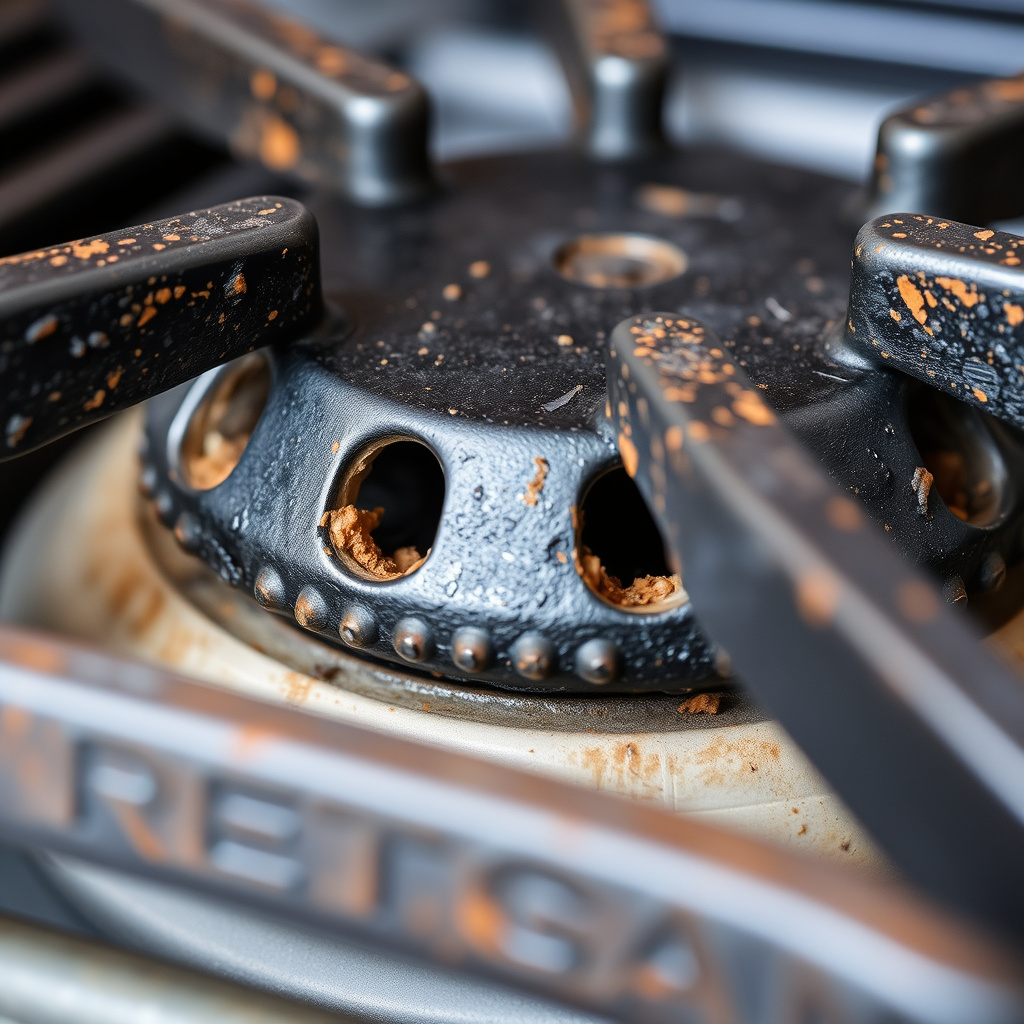
Burner tubes often accumulate grease, debris, or spider webs that block gas flow, causing the flame to go out frequently. Routine cleaning of burner ports using a wire brush or compressed air can remove these obstructions and restore a steady flame.
Inspecting the burners regularly also helps detect rust or corrosion, which compromises performance. Replacing damaged burners ensures consistent gas release and flame stability.
- Clean burner tubes every few months
- Use a wire brush to clear clogged ports
- Replace heavily corroded burners
Gas Supply Issues
Low or inconsistent gas pressure is a common cause of grill flame going out. This may result from a nearly empty propane tank or a regulator that's malfunctioning or dirty.
Always check gas levels before grilling and inspect hoses for leaks or cracks. Using fresh propane and replacing defective regulators can improve gas flow and flame consistency.
- Monitor propane tank levels
- Test hoses for leaks regularly
- Replace faulty regulators promptly
Environmental Factors Affecting Grill Flames
Wind and Airflow Impact
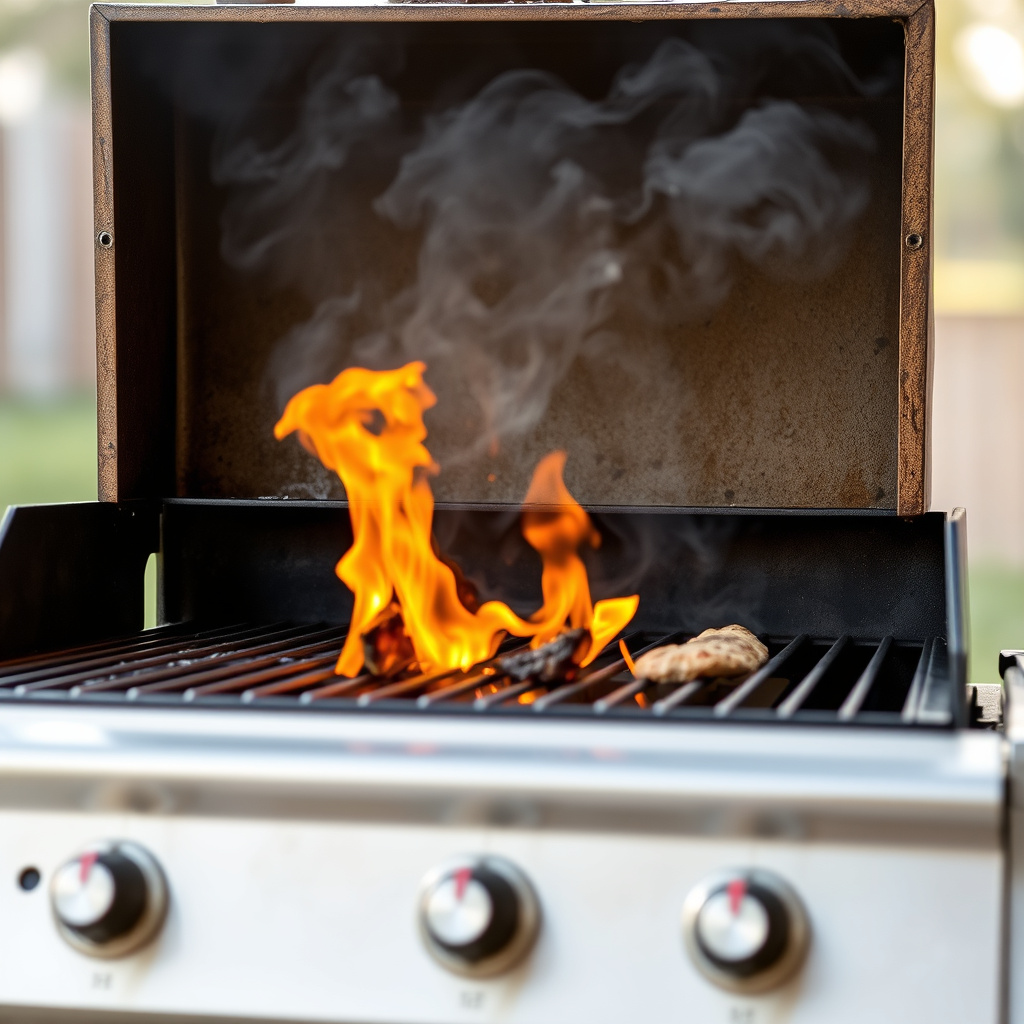
Strong wind can blow out the flame or disrupt burner oxygen flow, leading to flame instability. Positioning the grill in a sheltered spot or using wind guards helps maintain burner performance under breezy conditions.
Proper airflow around the burners is vital; obstructed vents or grill placement can starve the flame of oxygen, making it weak or extinguished.
- Place grill in a wind-protected area
- Use wind guards if needed
- Keep vents clear of obstructions
For more on this, see our related guide: Why Won’t My Gas Grill Light? Troubleshooting Common Issues.
Temperature and Weather Effects
Cold temperatures can affect gas pressure by making propane less volatile, which reduces flame strength. In freezing weather, additional propane tank insulation or use of natural gas grills can improve combustion.
Rain and moisture may also interfere with burners by causing corrosion or extinguishing flames, so covering the grill or drying it after precipitation helps preserve flame consistency.
- Insulate propane tanks in cold weather
- Use natural gas grills in consistently cold climates
- Keep grill dry and covered during rain
Grill Components and Their Role in Flame Stability
Regulators and Hoses
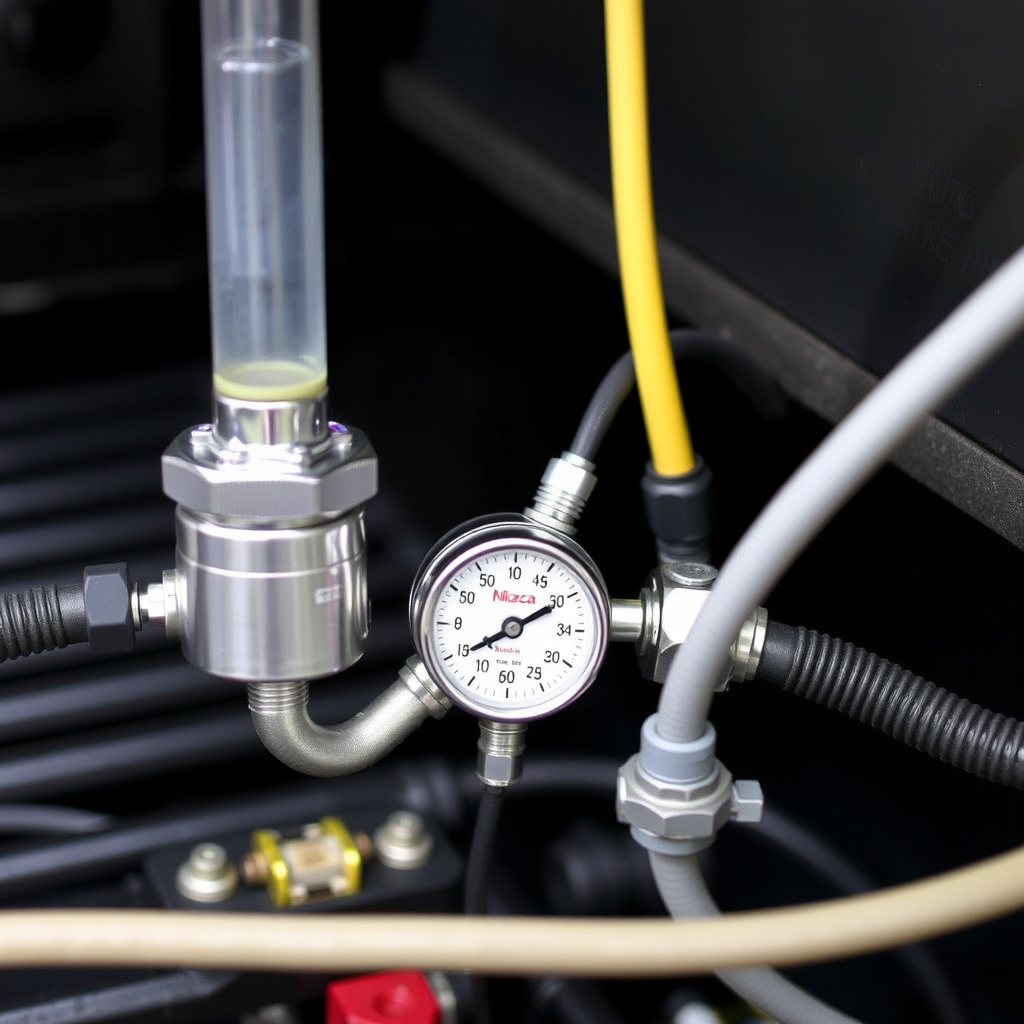
The regulator controls gas pressure from the tank to the burners. A faulty or dirty regulator can cause low gas flow or shut-off, resulting in the grill flame going out. Regularly inspecting and replacing regulators every few years keeps the fuel system functioning well.
Similarly, hoses that become cracked or kinked restrict gas flow. Checking hose integrity and securing connections are crucial for reliable flame performance.
- Replace regulators that cause pressure drops
- Inspect hoses for damage annually
- Ensure secure and leak-free connections
Ignition Systems and Flame Sensors
Many grills use electronic ignitions and flame sensors to maintain the burner flame. If these components malfunction or get dirty, the grill may frequently shut off the gas to prevent hazards.
Cleaning ignition electrodes and testing sensors can resolve flame outages. In some cases, professional repairs or replacements are necessary.
- Clean ignition electrodes regularly
- Test and replace faulty flame sensors
- Consult professionals for ignition system repairs
Types of Grills and Their Flame Stability
Gas Grills
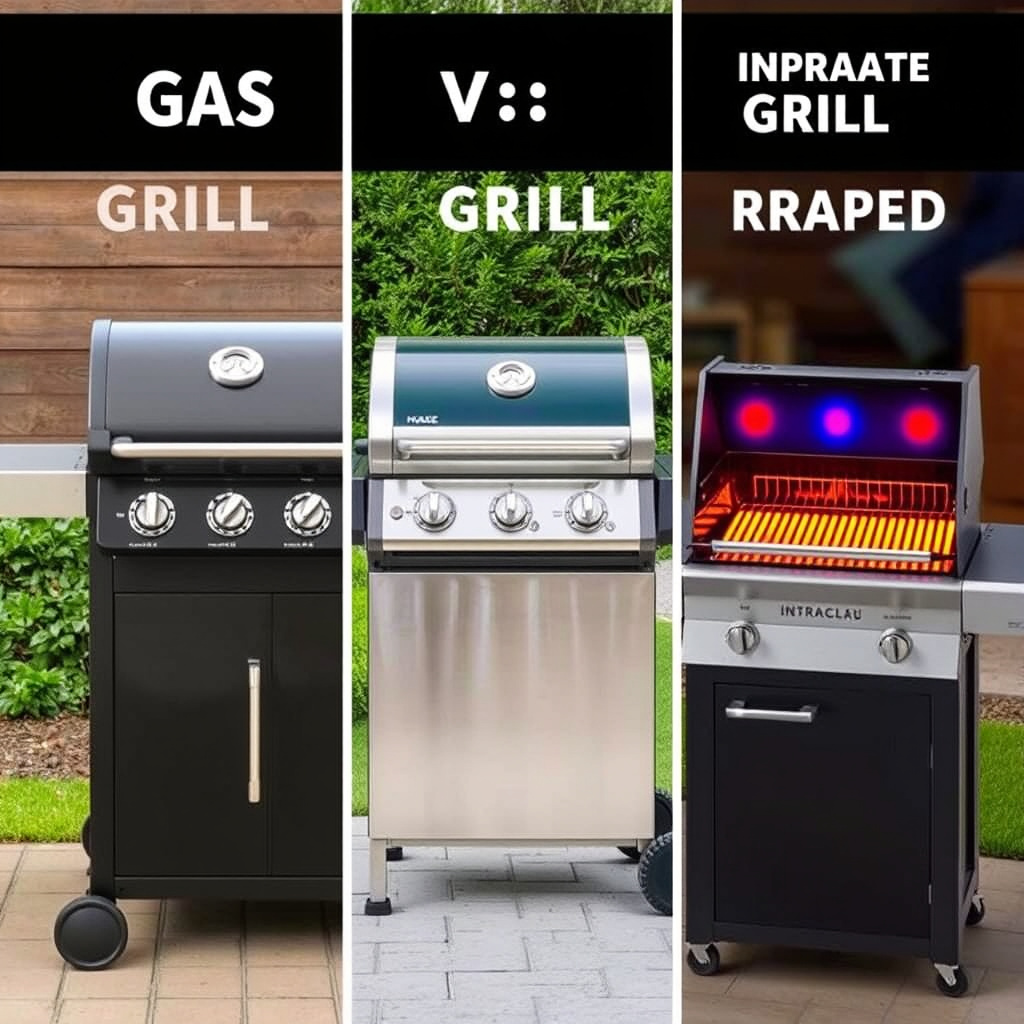
Gas grills depend on steady propane or natural gas supply and have components like burners and regulators that affect flame stability. They offer quick heating but often require maintenance to prevent flame issues.
Proper upkeep of burners and gas connections minimizes flame outages typical in these grills.
Charcoal and Infrared Grills
Charcoal grills don’t rely on gas, so flame going out is less about fuel supply and more about airflow control and charcoal quality. Infrared grills use heat panels that radiate heat, providing more consistent temperatures and fewer flame disruptions.
While charcoal grilling involves managing airflow vents, infrared grills typically maintain steady heat with less flame instability.
Preventive Tips to Keep Your Grill Flame Steady
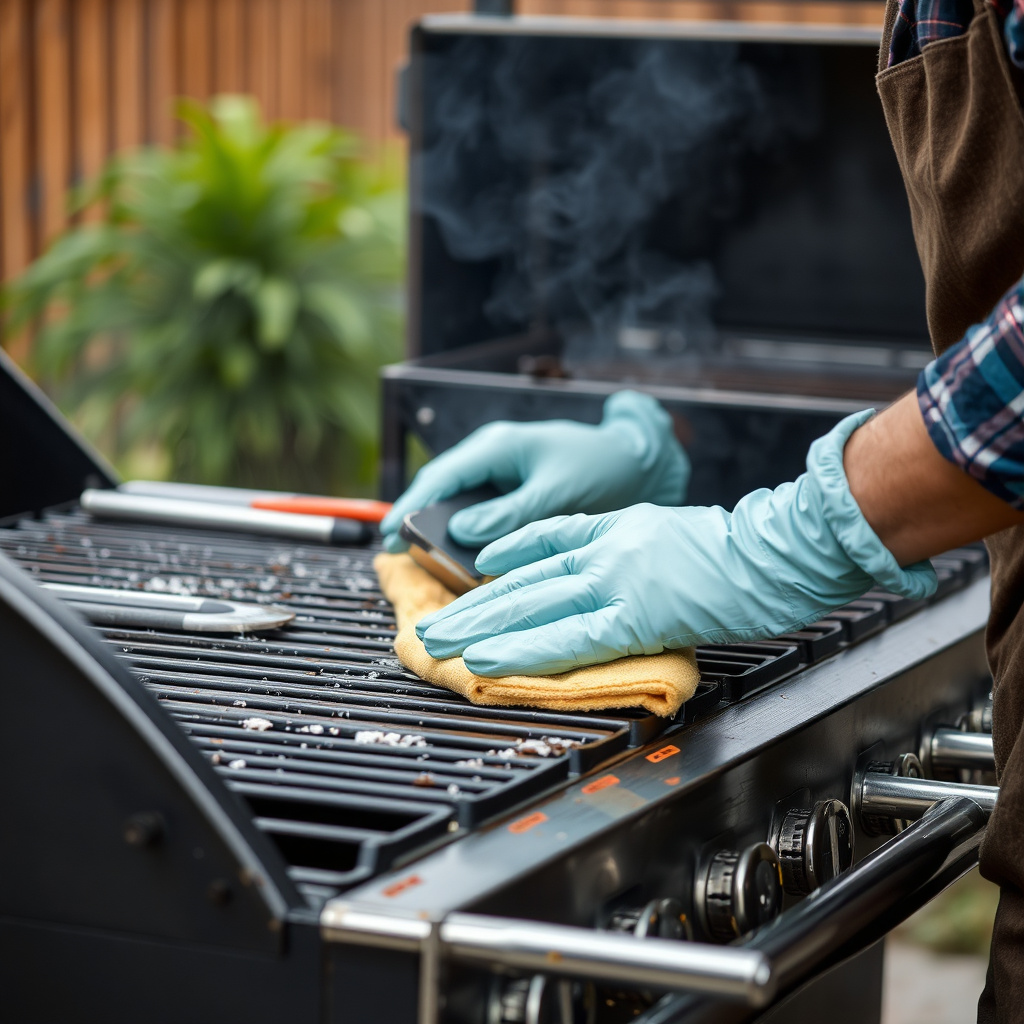
Regular Cleaning and Inspection
Routine cleaning of burner tubes, drip pans, and grill grates removes grease buildup that can choke flames. Scheduled inspections detect wear or damage early, preventing unexpected flame failure during cooking.
Using manufacturer-recommended cleaning methods preserves grill components and keeps flame consistency intact.
- Clean burner ports monthly during grilling season
- Inspect gas hoses and connectors before each use
- Remove grease and food debris after every cookout
For detailed grill maintenance guidelines, refer to these helpful grill maintenance tips. grill maintenance tips.
Proper Storage and Handling
Storing your grill out of harsh weather conditions reduces corrosion risks that affect burners and ignitions. Disconnecting propane tanks and covering the grill protects internal parts from moisture and cold-induced damage.
Avoid moving hoses or connectors roughly to prevent cracks or leaks.
- Cover grill when not in use
- Store propane tanks upright and away from heat
- Handle gas lines gently during transport and setup
Grill Types and Their Flame Reliability Comparison
This table compares different grill categories based on flame stability factors and maintenance requirements.
| Grill Type | Flame Stability | Maintenance Needs | Fuel Source | Cost Range |
|---|---|---|---|---|
| Gas Grill | Moderate to High | Medium | Propane/Natural Gas | $150 – $1000+ |
| Charcoal Grill | Variable (depends on airflow) | High | Charcoal Briquettes | $50 – $500 |
| Infrared Grill | High | Low to Medium | Propane/Natural Gas | $300 – $1500 |
| Electric Grill | High | Low | Electricity | $100 – $400 |
| Pellet Grill | High | Medium | Wood Pellets | $400 – $1200 |
Frequently Asked Questions
Why does my gas grill flame keep going out when windy?
Wind can blow out your grill flame by disturbing burner flames or restricting oxygen flow. Placing the grill in a sheltered area or using wind shields helps maintain a steady flame during breezy conditions.
How often should I clean my grill burners to prevent the flame from going out?
Cleaning grill burners every few months, especially before and after grilling season, removes debris and grease that block gas flow, reducing flame outages.
Can low propane levels cause the grill flame to go out suddenly?
Yes, a propane tank running low may not maintain sufficient pressure, causing the flame to extinguish. Regularly checking fuel levels before grilling prevents this issue.
Does cold weather affect grill flame performance?
Cold temperatures reduce propane volatility, lowering gas pressure and flame strength. Insulating propane tanks or using natural gas grills can improve flame stability in cold weather.
What role does the regulator play in keeping the grill flame lit?
The regulator controls the gas pressure from the tank to the grill; a faulty regulator causes inconsistent gas flow leading to flame outages. Replacing a malfunctioning regulator helps maintain a stable flame.
Key Takeaways
- Burner blockages and gas supply issues are primary reasons for grill flame outages.
- Environmental factors like wind and cold impact flame stability significantly.
- Routine cleaning and component inspections prevent most flame problems.
- Different grill types vary in flame reliability and maintenance requirements.
Conclusion
Understanding why your grill keeps going out involves examining fuel delivery, burner condition, and environmental factors. Each of these elements affects how well gas mixes with air to produce a sustained flame. Careful attention to maintenance, including cleaning and checking regulators, hoses, and burners, forms the backbone of preventing flame failures and ensuring reliable grill performance.
If you frequently experience flame outages, consider your grill type and typical usage conditions. Gas grills require more upkeep to avoid burner blockage and gas flow interruptions, while infrared and electric grills tend to offer more consistent flame stability with less hands-on maintenance. For windy or cold environments, positioning the grill strategically or using shields and insulation can make a substantial difference in maintaining flame consistency.
The next step is to systematically inspect your grill components and surroundings based on the troubleshooting tips discussed. Clean or replace clogged burners, test your gas regulators, and manage airflow around your grill to keep the flame burning steady. By combining maintenance with proper grill placement, you'll enjoy reliable cooking sessions with fewer interruptions from your grill flame going out.



