
If your pellet grill is not heating up, the problem often lies in fuel supply, temperature control issues, or mechanical malfunctions such as an auger jam or a faulty igniter. Quickly identifying these can get your grill back to the correct cooking temperatures.
Pellet grills rely on a steady feed of wood pellets and an igniter system to reach and maintain heat. When this system breaks down or is blocked, the grill struggles or fails to heat. Understanding common causes is crucial because grill temperature instability can ruin your cooking plans and affect food taste.
This article will explore the main reasons your pellet grill is not heating up, how to diagnose the issues, and specific fixes—from pellet quality and auger function to electrical and sensor troubleshooting—equipping you with the right pellet grill troubleshooting tips.
Fuel and Pellet Issues Affecting Heating
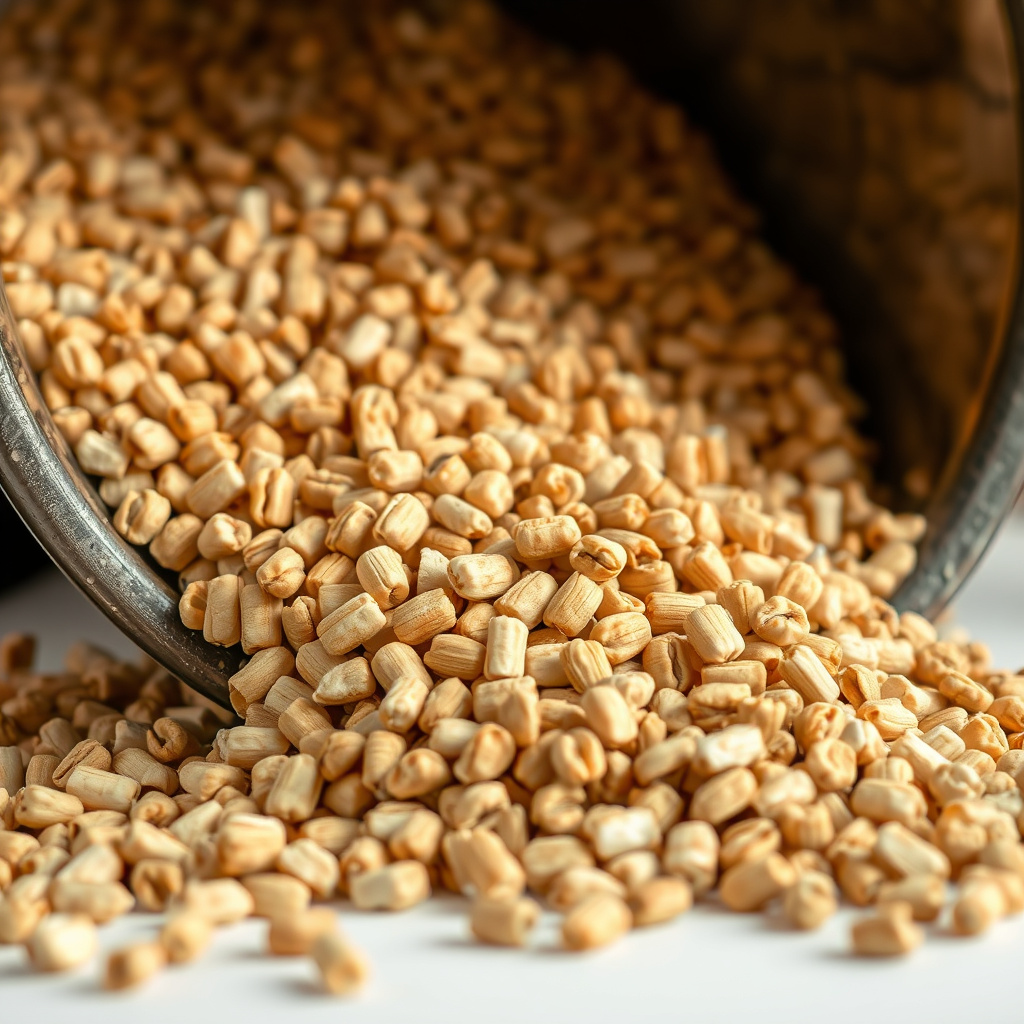
Using Poor-Quality or Moist Pellets
Pellets that are damp, broken down, or made from low-grade wood can fail to burn efficiently or may produce too little heat. Moisture inhibits burning, causing smoke without adequate heat output.
Storing pellets in a dry, sealed container is essential. Quality hardwood pellets burn hotter and longer, maintaining stable temperatures in your pellet grill.
- Check pellet moisture content—should be dry
- Avoid pellets with excessive sawdust or fines
- Buy pellets from reputable brands
Pellet Hopper and Auger Feeding Problems
A jammed or malfunctioning auger prevents pellets from reaching the fire pot, starving the fire of fuel. Hopper blockages or pellet bridge formations also disrupt feed rate.
Inspect the auger for debris, and regularly clean the hopper to keep pellets flowing smoothly. Sometimes clearing a jam requires temporarily disassembling parts of the feed system.
- Check for pellet bridges or clogs in the hopper
- Ensure the auger motor is running and turning
- Clean residue from auger and feed pathways
Igniter and Electrical Troubleshooting
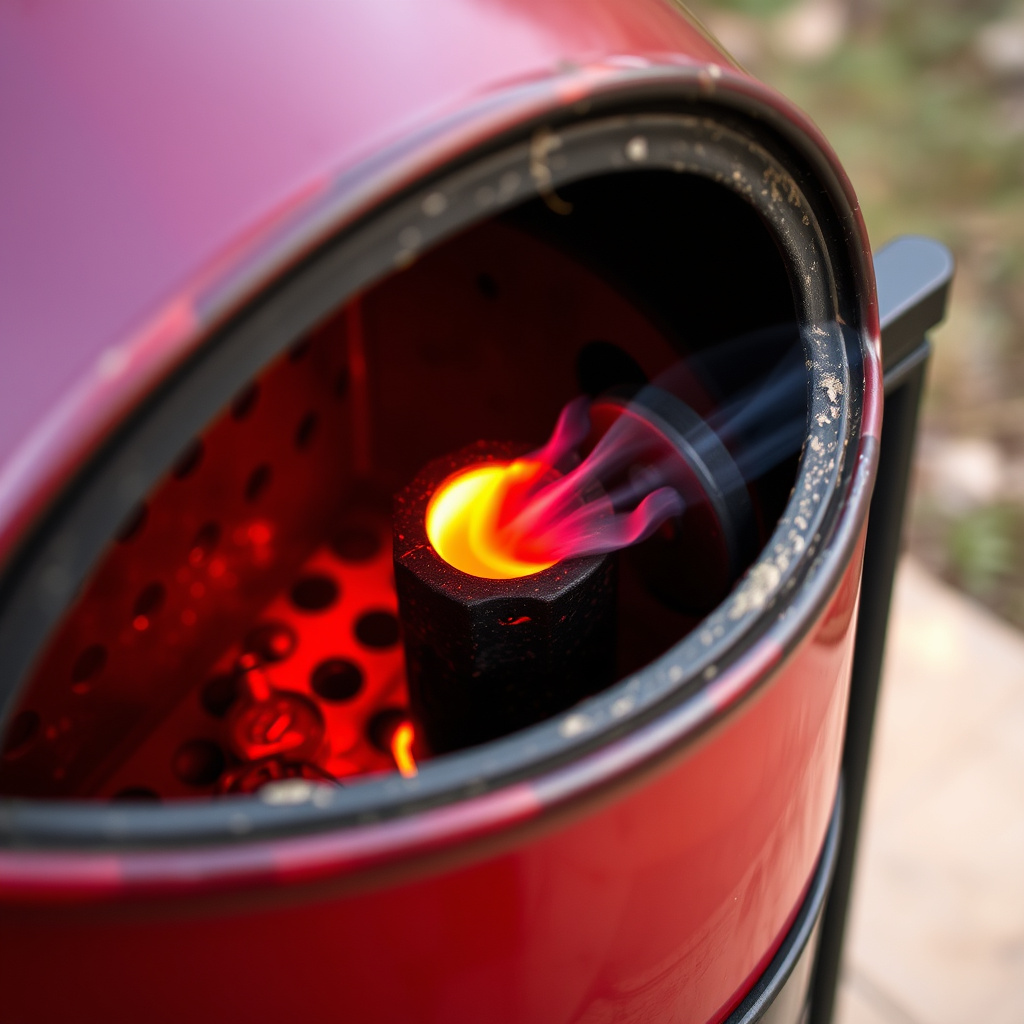
Faulty or Worn Igniter Components
The igniter creates the initial heat that lights the pellets. Over time, igniters can burn out or become coated with residue, preventing proper ignition and reducing grill heat.
Replacing the igniter or cleaning it carefully can restore function. Test the igniter by observing whether it heats up during startup; a cold igniter often signals failure.
- Check igniter for visible damage
- Test igniter voltage with a multimeter
- Replace if not heating adequately
For more on this, see our related guide: Why Does My Grill Keep Going Out? Troubleshooting Common Causes.
Electrical Supply and Control Board Issues
Power glitches, loose wiring, or problems in the control board may prevent the grill from heating properly. These can manifest as no igniter activity, or the fan and auger failing to start.
Inspect connectors and fuses, and reset the control board if possible. Persistent issues may require professional repair or replacement of electronic components.
- Ensure proper power source and voltage
- Check fuses and wiring connections
- Reset or replace the control board
Temperature Sensor and Fan Operations
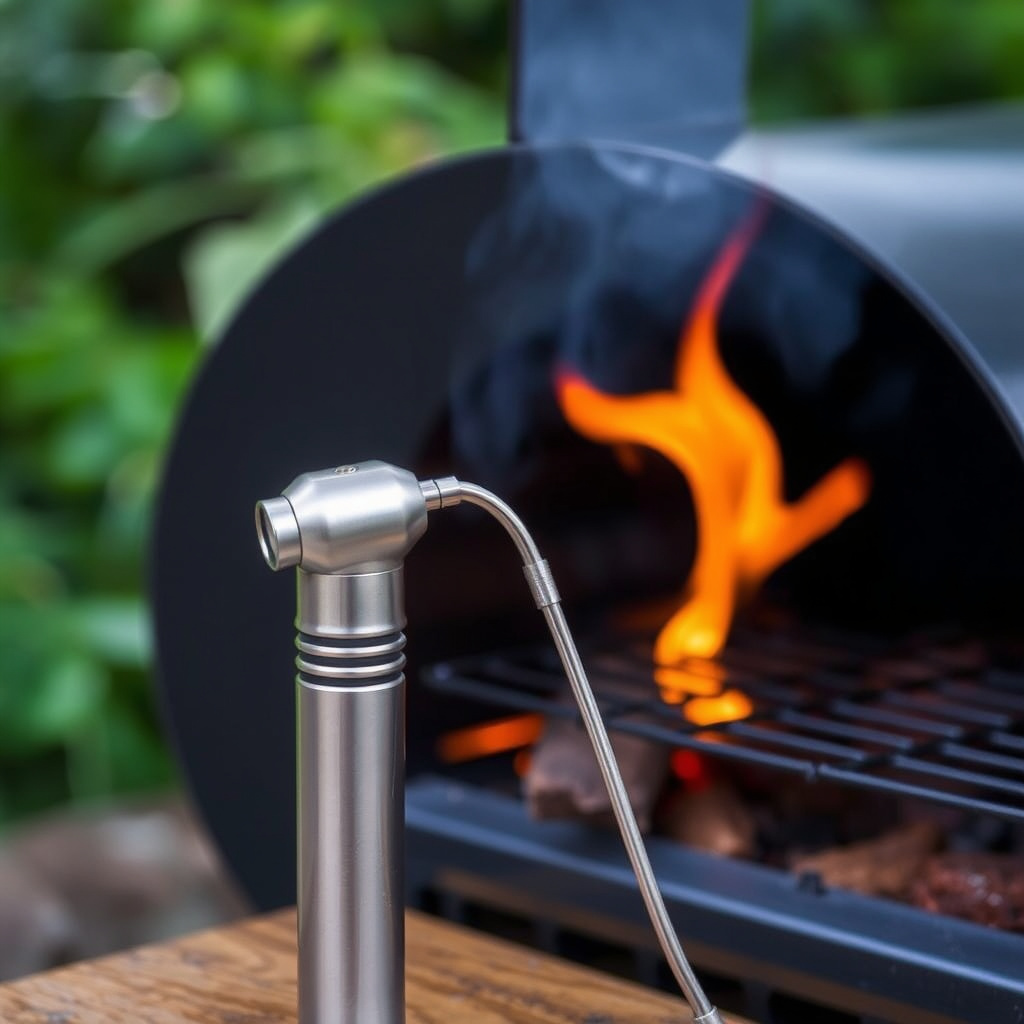
Malfunctioning Temperature Sensors
If the temperature sensor reads incorrectly, the grill may not maintain heat properly since the control system relies on accurate readings to adjust pellet feed and airflow.
Test sensor resistance and replace faulty probes to ensure correct temperature regulation and consistent grill heating.
- Inspect sensor wiring and position
- Check sensor resistance against specifications
- Replace failed temperature probes
Fan Malfunctions Affecting Combustion Airflow
Fans provide oxygen to the fire for efficient combustion. A malfunctioning fan may reduce airflow, causing the grill to fail heating or produce excessive smoke.
Listen for fan operation during startup. Cleaning fan blades and replacing a failing fan motor can restore proper airflow and heating performance.
- Verify fan spins freely and at correct speed
- Clean accumulated ash or grease from fan
- Replace fan motor if necessary
Common Mechanical and Maintenance Issues
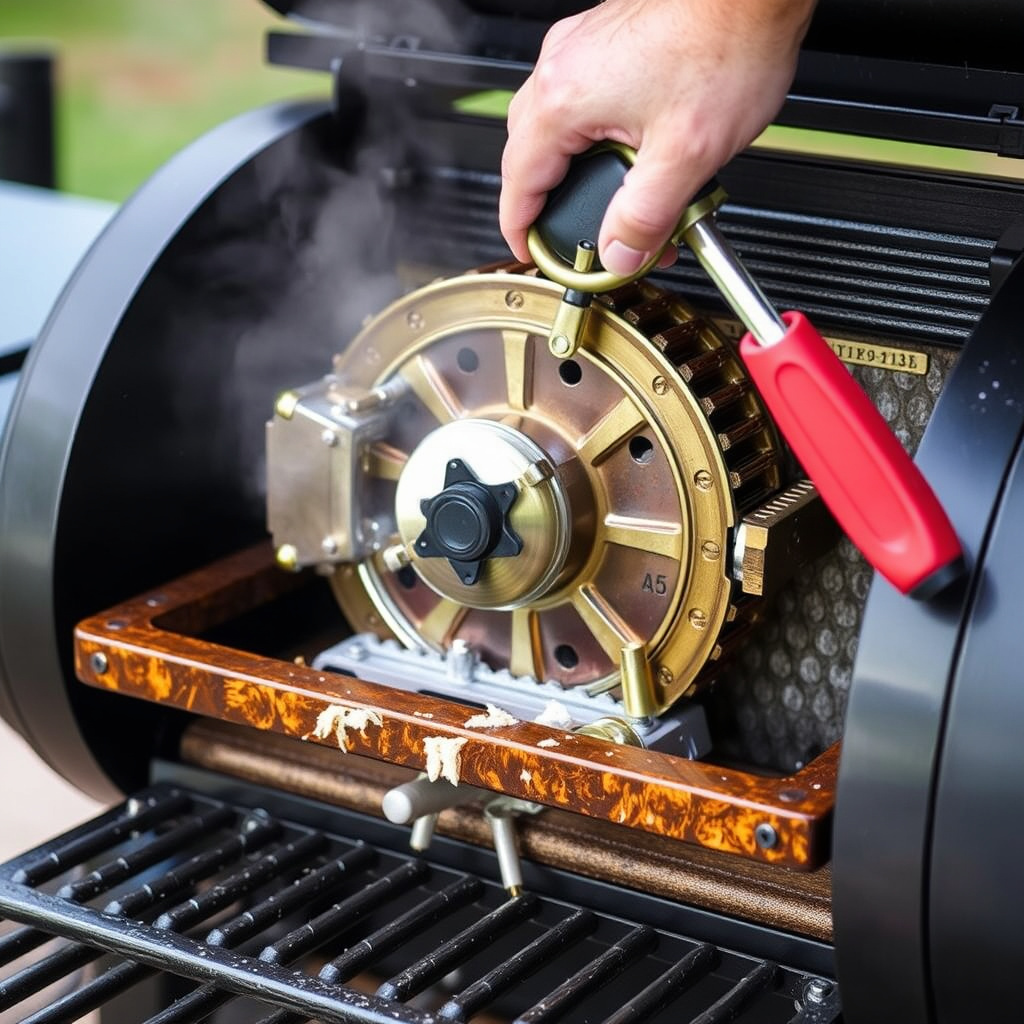
Ash Buildup Blocking Fire Pot
Ash accumulation suppresses airflow to the fire pot, interrupting pellet combustion and reducing heat output. Frequent ash removal is needed for reliable operation.
Use a vacuum or brush designed for pellet grills to clear ash from all compartments regularly, especially after extended cooking sessions.
- Schedule regular ash cleanouts
- Check air channels and fan openings
- Use appropriate cleaning tools to avoid damage
For more on this, see our related guide: Can You Grill in the Winter? Practical Tips for Cold-Weather Barbecuing.
Worn or Damaged Fire Pot and Gaskets
A damaged fire pot or deteriorated gaskets can allow heat loss and disrupt combustion pressure, preventing the grill from reaching desired temperatures.
Inspect these components routinely and replace any parts showing cracks, warping, or excessive wear.
- Inspect fire pot for cracks or rust
- Check door and lid gasket seals
- Replace compromised parts promptly
Environmental and User-Related Factors
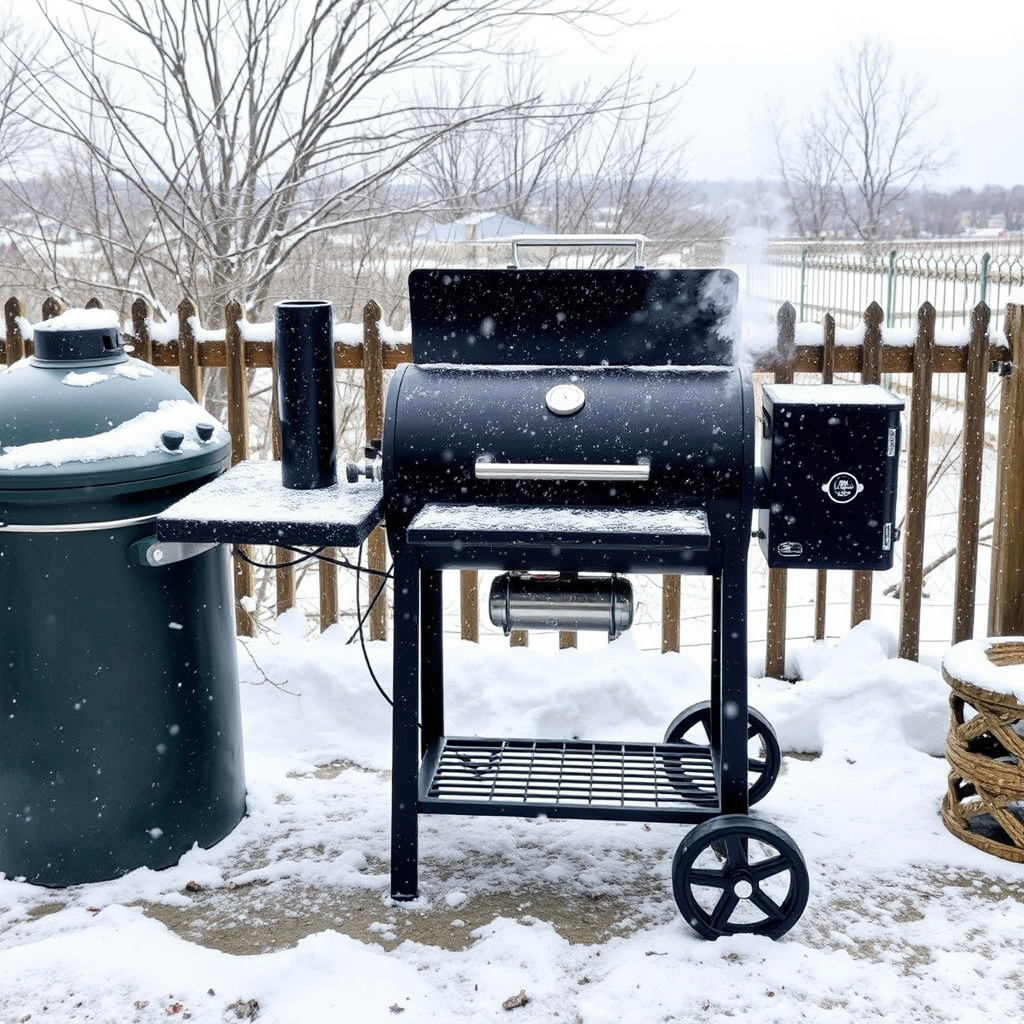
Impact of Weather Conditions on Heating
Cold, windy, or rainy weather can lower the effective temperature inside the grill and slow pellet ignition, causing it to struggle reaching set points.
Using a windbreak, grill cover, or heating blanket in colder conditions helps maintain heat and reduces start-up time.
- Avoid grilling in heavy rain or freezing temperatures
- Shield grill from wind gusts during use
- Preheat grill longer in cold weather
For further technical details and history of pellet grills, see the comprehensive Pellet grill Wikipedia article. Pellet grill Wikipedia article.
Proper Startup Procedures and Settings
Starting a pellet grill correctly affects its ability to heat up properly. Mistakes like overloading pellets, improper ignition cycles, or setting temperatures too low can hinder performance.
Follow manufacturer instructions carefully when starting the grill and monitor it closely during initial heating to spot issues early.
- Use correct pellet amount and type
- Set appropriate cooking temperature
- Allow adequate startup time before cooking
Common Pellet Grill Issues Category Comparison
This table compares typical pellet grill problems by category, including symptoms, causes, and recommended solutions to help you diagnose your heating issue efficiently.
| Issue Category | Typical Symptom | Primary Cause | Suggested Fix |
|---|---|---|---|
| Fuel & Pellets | Grill stays cool or smokes excessively | Moist or poor-quality pellets | Replace pellets with dry, quality hardwood pellets |
| Igniter & Electrical | Igniter stays cold; no startup fire | Igniter failure or control board issue | Test and replace igniter; reset control board |
| Auger & Feeding | Pellets not feeding; fire starving | Auger jam or hopper blockage | Clear jams; clean auger and hopper |
| Airflow & Sensors | Inconsistent temperature, low heat | Fan malfunction or sensor errors | Clean/replace fan and sensors |
| Mechanical Maintenance | Uneven heating or fire dying out | Ash buildup or damaged gaskets | Regular ash cleanup; replace damaged parts |
| Environment & Usage | Slow heating in cold weather | Cold/windy conditions or user error | Use weather barriers; follow startup protocols |
Frequently Asked Questions
Why is my pellet grill smoking but not heating?
Excessive smoke with low heat often indicates the pellets are damp or of poor quality, or that the fire pot is blocked with ash, restricting combustion.
Can electrical issues cause my pellet grill to not heat up?
Yes, problems like a faulty igniter, control board, or loose wiring can stop the grill from heating as the electronic controls manage ignition and pellet feeding.
How often should I clean my pellet grill to avoid heating problems?
Regular cleaning after every few uses is best; ash buildup can quickly reduce heating efficiency. Clean the fire pot, auger, hopper, and fans thoroughly.
Does weather affect pellet grill heating performance?
Cold or windy weather can lower grill temperature and slow ignition. Using wind protection and allowing more preheat time can improve heat recovery.
How do I know if my igniter needs replacing?
If the igniter never glows red during startup or heats insufficiently, testing with a multimeter or visually inspecting usually confirms the need for replacement.
Key Takeaways
- Moist or poor-quality pellets can prevent adequate heating.
- Igniter and auger problems commonly cause startup failures.
- Regular cleaning, especially removing ash, supports strong fires.
- Environmental factors and user setup impact grilling success.
Conclusion
Understanding why your pellet grill is not heating up requires focusing on fuel quality, mechanical function, and electronic components. The system depends on a consistent supply of dry pellets, proper ignition, and airflow management. Addressing these areas methodically allows you to pinpoint the root cause efficiently and restore optimal functionality.
For those experiencing poor heat, checking pellet condition and clearing auger jams are immediate steps. If the igniter shows no heat or the control board acts erratically, electrical fixes or replacements may be needed. Preventative maintenance, especially ash cleanup and sensor checks, maintain reliable performance. Additionally, adapting your grill setup for weather conditions can prevent temperature struggles during colder months.
Begin troubleshooting by inspecting the pellet quality and feed system, and then verify electrical components. By following the detailed pellet grill troubleshooting tips outlined, you’ll save time and avoid frustration. Once resolved, regular maintenance and observing correct startup routines will keep your pellet grill heating consistently for delicious, perfectly cooked meals.



