
Yes, you can absolutely grill in the winter. Despite colder temperatures and potential snow, grilling outdoors in winter is not only possible but can be highly enjoyable with the right preparation and equipment. Many outdoor grills are designed to function well even in freezing weather, allowing you to cook flavorful meals year-round.
Winter grilling matters because it extends the grilling season beyond the summer months when most people traditionally barbecue. It also offers a unique cooking environment, where controlled heat and smoke can enhance flavors differently. Plus, grilling outside during winter can help keep your kitchen cool on holiday gatherings and provide a cozy outdoor experience even in cold weather.
This article will cover everything you need to know about winter grilling including choosing the right grill, preparing for cold conditions, essential safety measures, managing heat and fuel efficiently, best winter grilling recipes, and maintenance tips to keep your grill in good shape throughout the colder months.
Understanding Grilling in Cold Weather
How Cold Affects Grill Performance
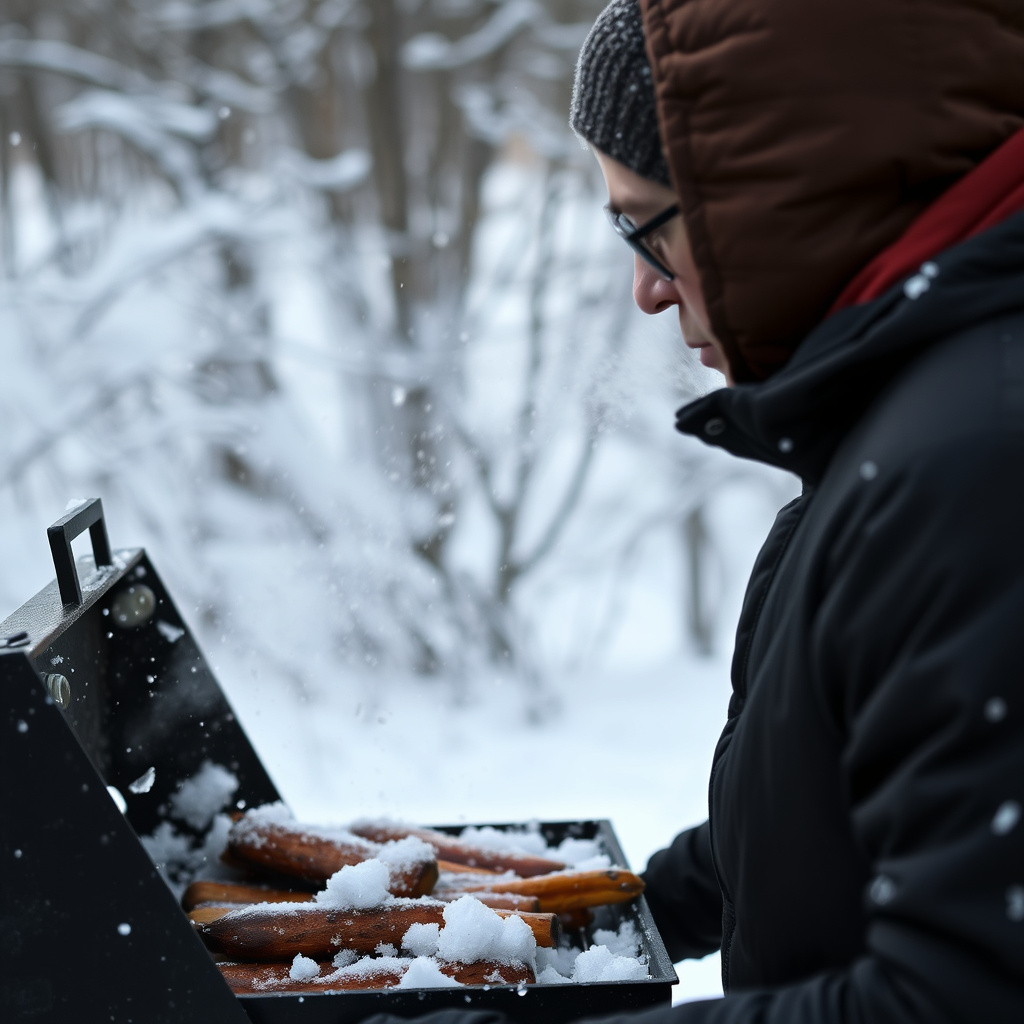
Cold temperatures can make it harder for your grill to maintain consistent heat. Grills lose heat to the surrounding freezing air and snow, requiring more fuel and longer cooking times. Wind can also disrupt temperature stability and slow down cooking, especially on charcoal grills.
However, most propane and natural gas grills have sufficient power to maintain high temperatures even below freezing. Charcoal grills need extra care to keep the coals burning hot, including shielding from wind and possibly using more charcoal than usual.
Choosing the Right Grill for Winter
Gas grills generally offer better temperature control in winter because you can instantly adjust the flame. They also tend to recover heat faster after opening the lid and after each cooking cycle.
Charcoal grills provide a smoky flavor but require more attention to maintain heat in cold conditions. Kamado-style ceramic grills excel in winter grilling due to their thick walls, which retain heat more effectively regardless of outdoor temperatures.
- Gas grills: efficient temperature control, quick ignition
- Charcoal grills: authentic flavor, need more fuel
- Kamado grills: excellent heat retention, slower heating
Preparing for Winter Grilling
Location and Setup Tips
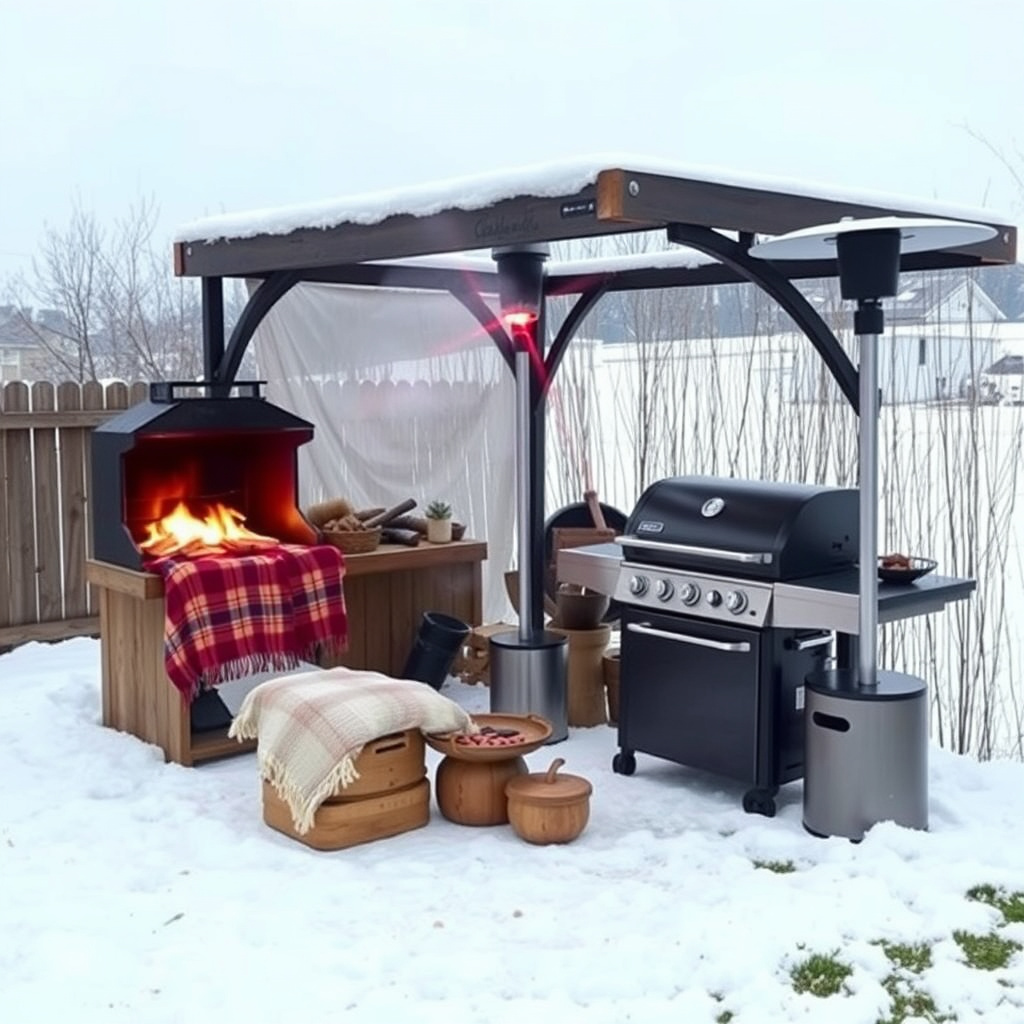
Place your grill in a sheltered spot protected from wind but avoid tight enclosed spaces to ensure proper ventilation. Consider using a grill tent or windbreak panels to shield from harsh gusts. Clear snow and ice around the grilling area for safety and easier access.
Having sufficient lighting is useful for shorter winter days. Installing a heat lamp or using outdoor heaters nearby will keep you comfortable during cooking and help maintain steady grill temperatures by reducing cold-air interference.
- Choose a flat, non-slippery surface
- Keep fuel and tools dry and close at hand
- Wear layered, insulated clothing and gloves while grilling
Tools and Accessories for Cold Weather
Long-handled grill tools allow you to keep a safe distance from the cold fire and protect your hands from chilling winds. Heavy-duty grill gloves with insulation are critical to maintain dexterity and warmth.
Invest in a grill thermometer to monitor internal food temperatures accurately, as cold weather can affect cooking times. A grill cover helps retain heat and protects the grill from ice buildup during and after use.
- Insulated gloves and apron
- Windbreaks or grill tents
- Infrared thermometers or probe thermometers
Managing Fuel and Heat Efficiency
Optimizing Fuel Use in Winter
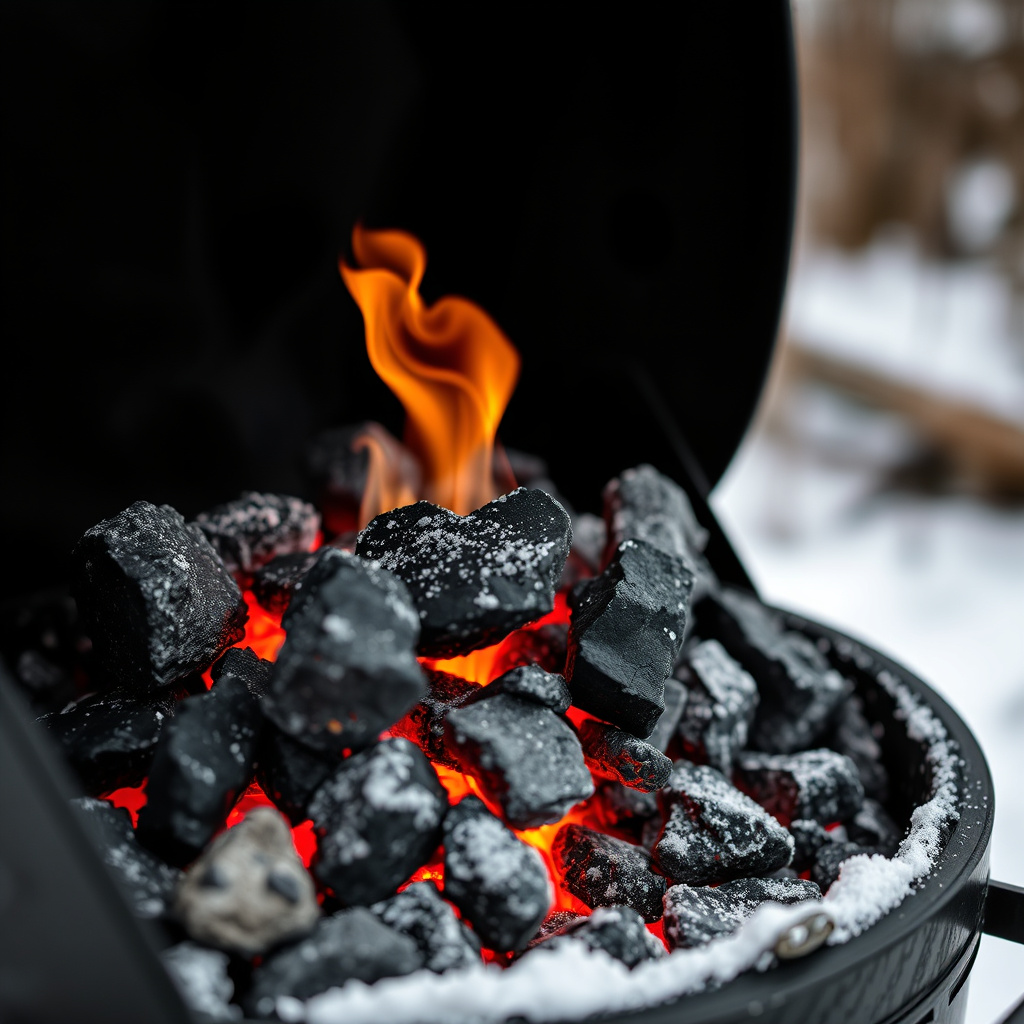
Cold ambient temperatures mean grills require extra fuel because the heat disperses faster. For charcoal grilling, using premium briquettes or lump charcoal that burns hotter and longer is beneficial. About 20-30% more fuel than usual can compensate for heat lost to the cold air.
For gas grills, check propane levels carefully, since tanks tend to lose pressure in cold weather. Larger, insulated tanks or natural gas line connections deliver more consistent fuel pressure for steady flames.
- Use dry charcoal stored in warm conditions
- Preheat grill longer to reach desired temperature
- Refill propane tanks early to avoid interrupted cooking
For more on this, see our related guide: Pellet vs Gas Grill: Which is Better for Your Backyard BBQ?.
Maintaining Consistent Temperature
Minimize lid openings, which drop temperature and increase cooking time. Use built-in grill thermometers or add external digital probes to monitor heat precisely. Adjust vents and burners gradually to avoid sudden temperature fluctuations.
Consider grouping charcoal closer together and piling coals to one side to create zones for searing and slower cooking. Wind shields also drastically improve temperature stability by reducing heat loss.
Winter Grilling Safety Practices
Preventing Accidents and Injuries
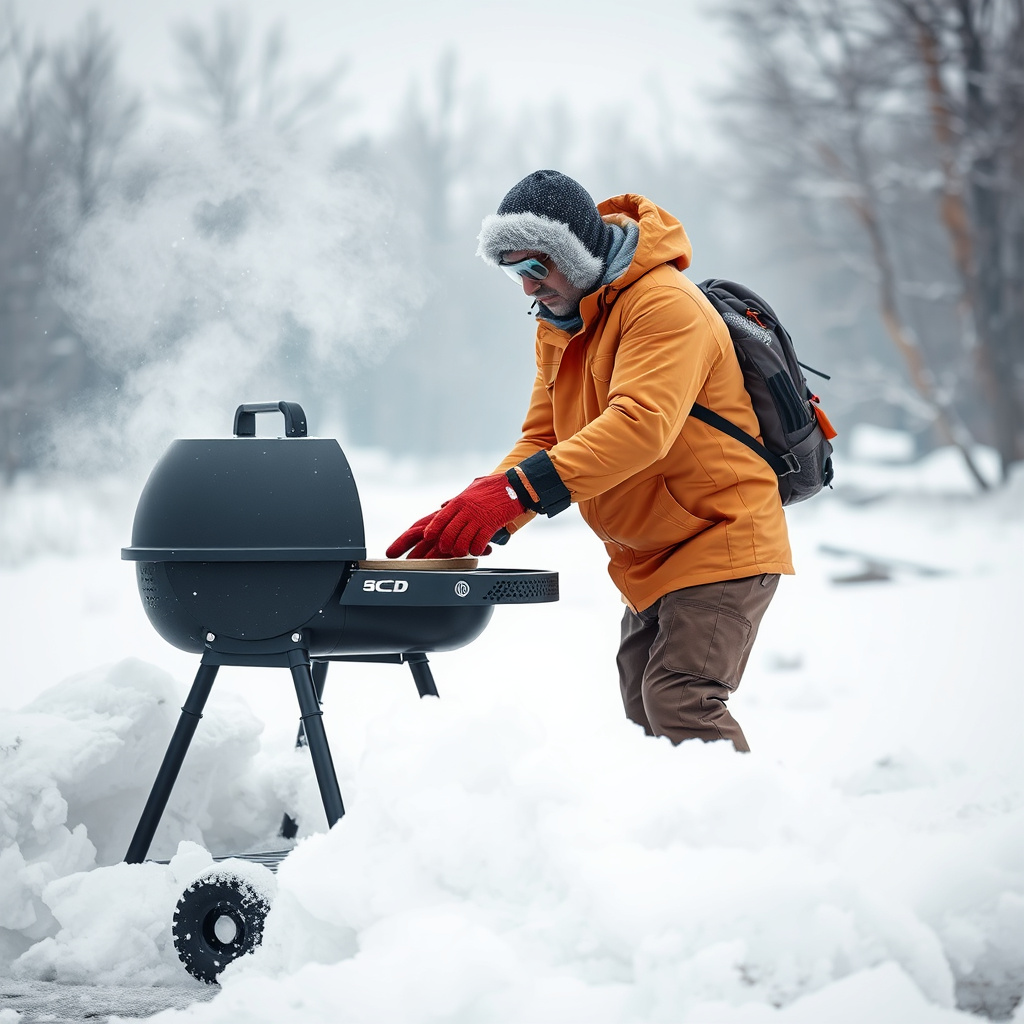
Snow and ice near grill areas can cause slips or falls. Clear paths before cooking and wear footwear with traction. Keep a fire extinguisher or water source close, as grease fires behave differently in cold, dry air.
Never grill inside garages or enclosed spaces to avoid carbon monoxide hazards. Use grills only outdoors where there is proper airflow.
- Remove snow and ice around grilling zone
- Keep children and pets away from the hot grill
- Use grill stable surfaces to avoid tipping
Handling Propane and Charcoal Safely
Check propane hoses and connections for leaks before lighting, as cold temperatures can cause fittings to crack or become brittle. Store propane tanks upright and in warmer areas when not in use to maintain pressure.
Charcoal ashes retain heat for hours; dispose of cold ashes carefully in metal containers away from combustible materials to prevent fire hazards.
Best Winter Grilling Recipes and Techniques
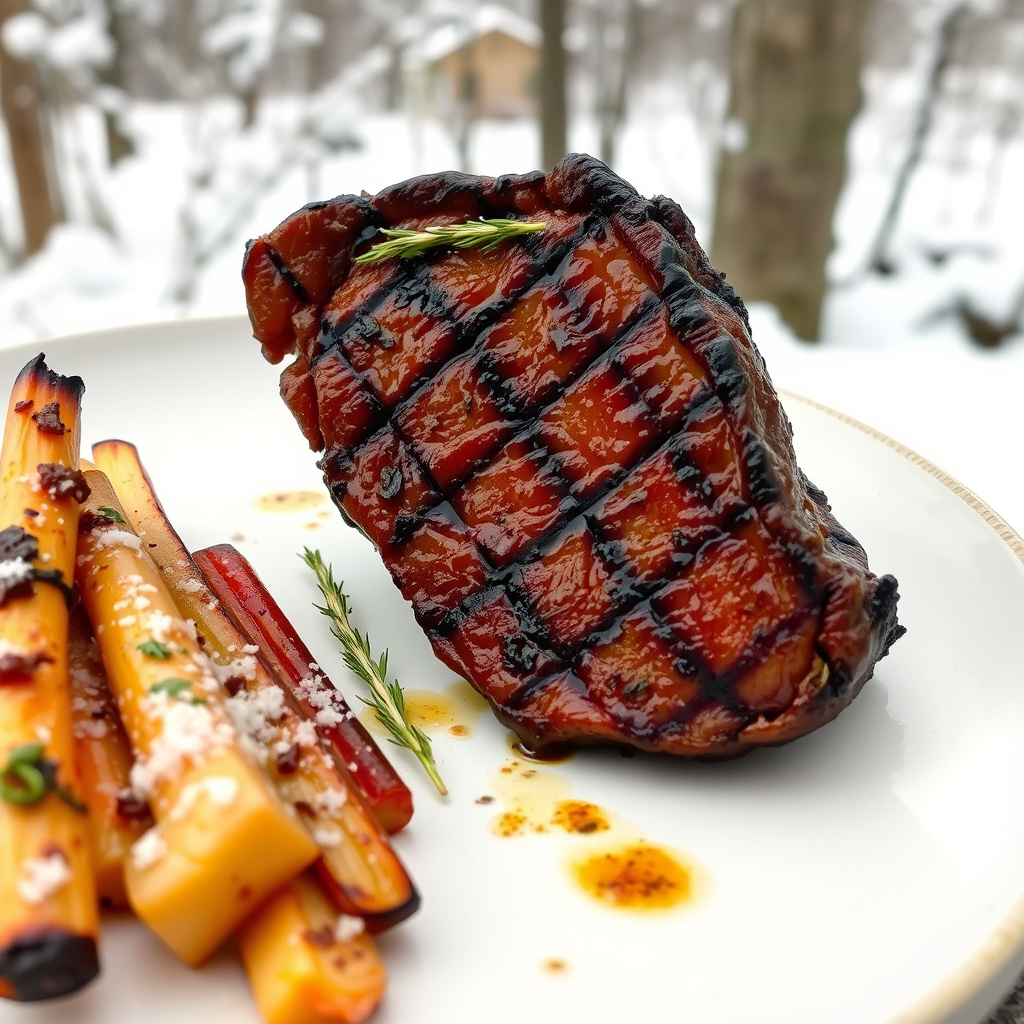
Recipes Suited for Cold Weather Grilling
Hearty dishes like grilled sausages, thick steaks, and root vegetable skewers keep you warm after cooking. Marinated meats with spices such as cumin, paprika, and chili powder complement the smoky flavors enhanced by cold-air grilling.
Slow-cooked winter stews and smoked brisket adapt well to indirect heat setups. Using a cast-iron skillet on the grill expands your recipe options for winter cookouts.
- Spiced grilled lamb chops
- Wood-smoked turkey legs
- Grilled root vegetable medley
For more on this, see our related guide: What Is a Grill Cover and Why You Need One for Your Barbecue.
Techniques to Enhance Winter Grilling Flavor
Lower oxygen from cold air slows smoke dispersion making wood chips and pellets especially effective for flavor. Soak wood chips longer to create thick, aromatic smoke clouds that infuse meats richly.
Rest meats longer indoors post-cooking to let juices redistribute, amplifying tenderness and juiciness, which is especially satisfying during cold weather meals.
Maintaining Your Grill Through Winter
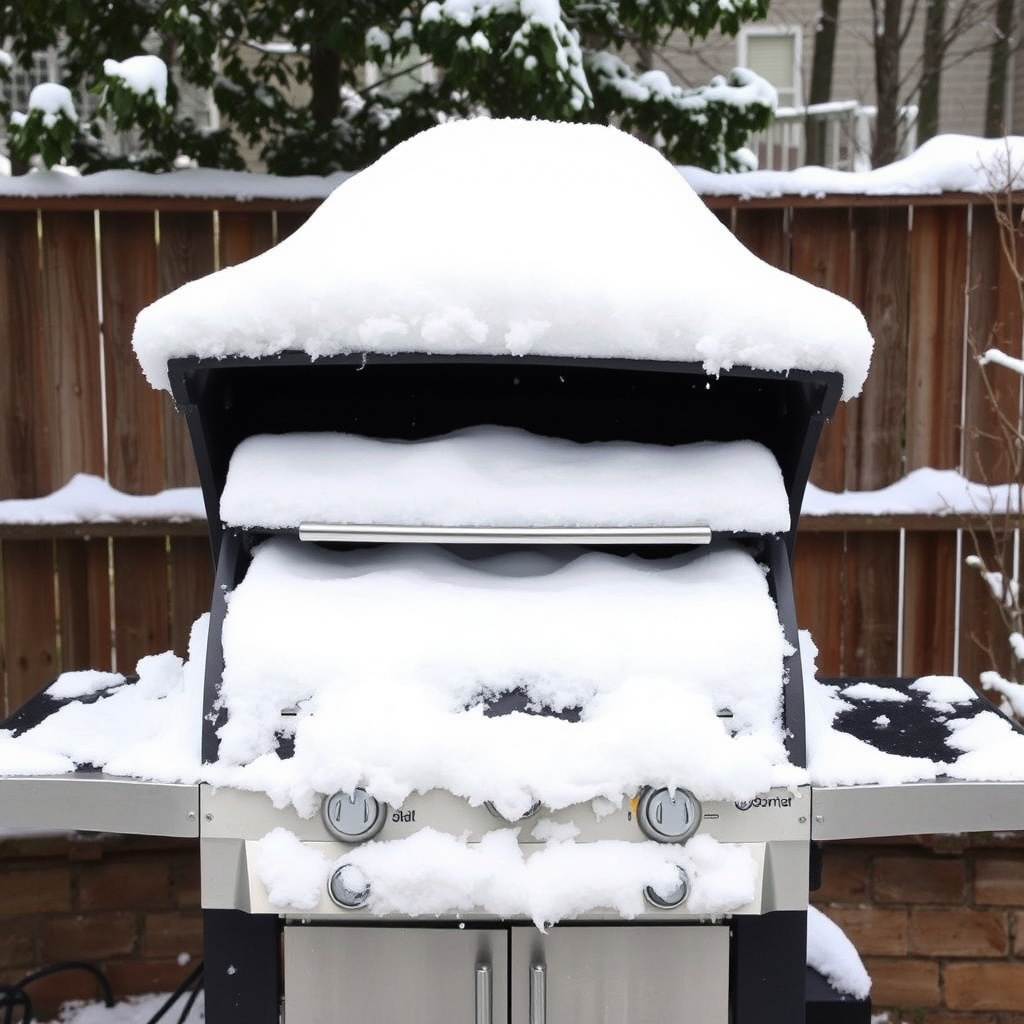
Winter Cleaning and Care
After each winter grilling session, clean grill grates thoroughly to prevent rust caused by condensation and cold moisture. Empty ashes and residue to avoid buildup during freezing temperatures which could damage components.
Lubricate hinges and knobs with high-temperature resistant spray to maintain smooth operation, preventing brittle breaks from cold exposure.
- Brush grates after every use
- Empty drip trays regularly
- Store grill covered when not in use
For more detailed information and history about grilling in cold weather, you can explore winter grilling tips on Wikipedia. Winter grilling tips on Wikipedia.
Preparing for Spring by Winterizing
Once winter grilling ends, inspect grills for cracks or rust spots and repair or replace parts early. Disconnect propane and store tanks in a temperature-controlled space. Remove and oil ceramic grill inserts to prevent cracking in freeze-thaw cycles.
Proper winterizing extends grill life and ensures a clean, functional start when the warmer grilling season returns.
Grill Types: Performance and Suitability for Winter Grilling
Here's a comparison of common grill categories highlighting how they handle winter conditions.
| Grill Type | Heat Retention | Temperature Control | Fuel Efficiency | Winter Durability |
|---|---|---|---|---|
| Gas Grill | Medium | Excellent | High | Good |
| Charcoal Grill | Low | Moderate | Low | Fair |
| Kamado Grill | High | Good | Moderate | Excellent |
| Electric Grill | Low | Good | High | Fair |
Frequently Asked Questions
Can I use my grill in heavy snow?
Yes, but clear snow and ice around the grill before use to maintain safety and prevent damage. Manage heat carefully, as snow can cool the grill surface and extend cooking times.
Does winter grilling affect food taste?
Cold air slows heat loss, allowing for more developed smoke flavor in charcoal or pellet grilling. Winter grilling can enhance the depth of taste when done properly with good fuel.
What precautions should I take when grilling in freezing temperatures?
Wear insulated gloves, clear snow, keep fuel dry, and monitor grill temperature closely. Avoid enclosed spaces and ensure proper ventilation to prevent carbon monoxide poisoning.
Is propane less efficient in winter?
Propane tanks can lose pressure in cold weather, decreasing efficiency. Using larger tanks or switching to natural gas lines helps maintain consistent heat output during winter grilling.
How can I keep my grill from rusting in winter?
Clean and dry your grill thoroughly after use, cover it with a waterproof grill cover, and store it in a sheltered place when not grilling to prevent moisture buildup and rust.
Key Takeaways
- You can grill effectively in winter with proper preparation and care.
- Gas and kamado grills perform best in cold conditions due to heat retention.
- Safety and wind protection are essential when barbecuing in freezing weather.
- Seasonal cleaning and maintenance prolong your grill's lifespan.
Conclusion
Deciding whether to grill in winter boils down to understanding how cold weather impacts your grill's operation and planning accordingly. While lower temperatures lead to increased fuel consumption and longer cooking times, the right equipment and smart setup can overcome these challenges. Choosing a grill that retains heat well and offers precise temperature control simplifies winter grilling, making it a rewarding all-season pastime.
For casual backyard cooks looking for convenience, gas grills present a reliable solution for winter barbecuing with quick ignition and steady heat output. Foodies seeking authentic smoky flavor should consider kamado grills, which excel at holding heat in icy conditions and provide the smoky taste charcoal lovers crave. Regardless of the grill type you use, incorporating winter grilling tips such as wind protection, longer preheating, and insulated gloves will enhance both safety and food quality.
If you want to add some winter grilling to your routine, start by checking your current grill’s condition, fueling it sufficiently, and clearing your outdoor cooking area from snow and ice hazards. Using a digital thermometer can help monitor cooking progress and avoid undercooked food. With these straightforward steps, winter grilling becomes a fun way to enjoy outdoor cooking year-round.



