
Yes, you can use a gas grill as a smoker by adapting it to cook food slowly at low temperatures while infusing smoke using wood chips or chunks. With the right setup and technique, a gas grill can produce tender, flavorful smoked dishes without needing a dedicated smoker.
This method matters because many people already own gas grills but want to explore smoking meats for the rich taste it imparts. Using a gas grill as a smoker expands your outdoor cooking options without additional equipment investment, making smoking accessible and convenient.
This article will explain how to convert a gas grill into a smoker, including choosing wood chips, managing temperature, and arranging your grill. We’ll cover the best practices for controlling smoke and heat, plus comparisons of different gas grill styles for smoking.
Understanding Smoking Basics with a Gas Grill
How Smoking Differs from Grilling
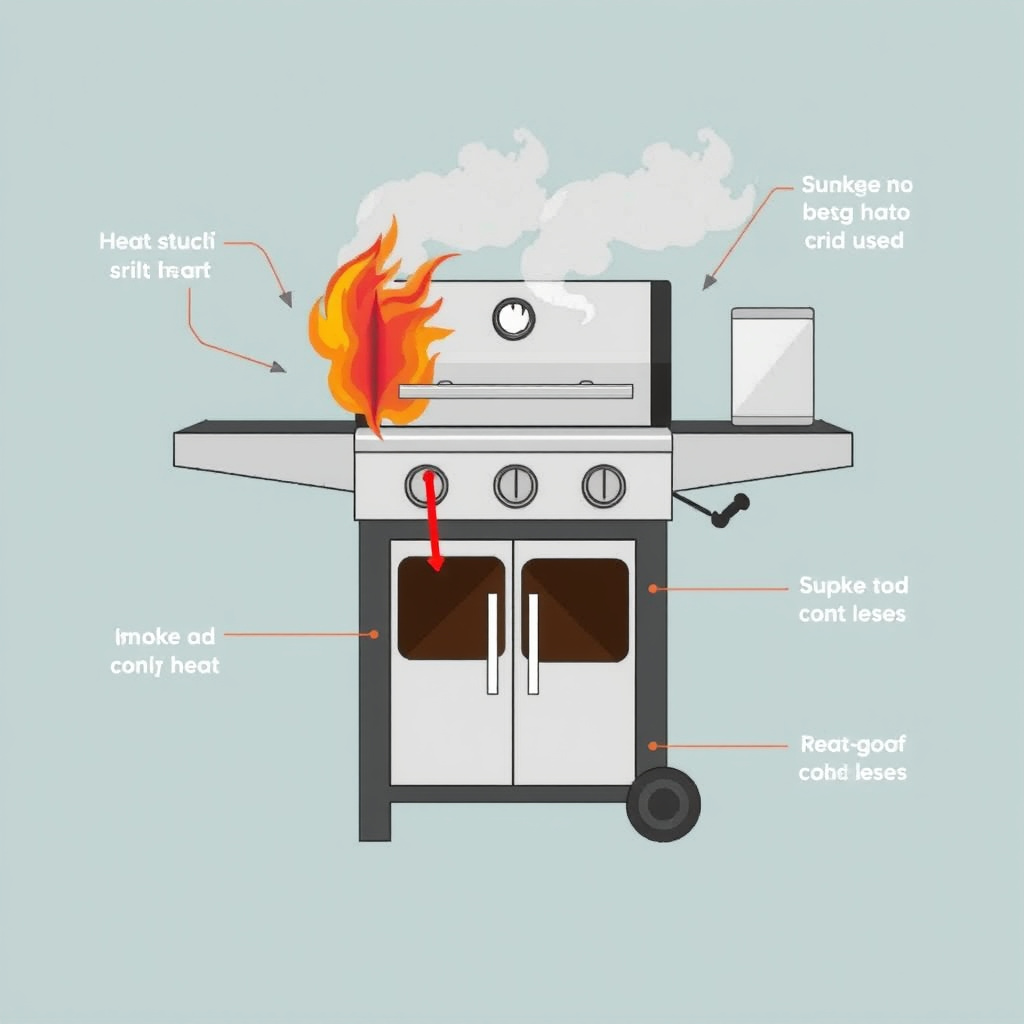
Smoking involves cooking food slowly with low, indirect heat and flavored smoke, while grilling typically uses high direct heat to cook food quickly. When using a gas grill as a smoker, the goal is to maintain a steady low temperature around 225-275°F and introduce smoke to enhance flavor.
This means changing the usual gas grill setup to reduce flare-ups and prevent food from charring before it absorbs smoke and slow-cooks evenly.
Why Use a Gas Grill as a Smoker?
Gas grills are convenient with quick start times and temperature control knobs. By modifying airflow and adding wood chips, you can turn your grill into a flavorful smoker without purchasing additional equipment. This flexibility allows you to experiment with smoking without dedicating a separate outdoor appliance.
However, gas grills typically don’t hold temperature as steadily as dedicated smokers, so monitoring and adjustments are necessary for consistent results.
Preparing Your Gas Grill for Smoking
Choosing and Preparing Wood Chips
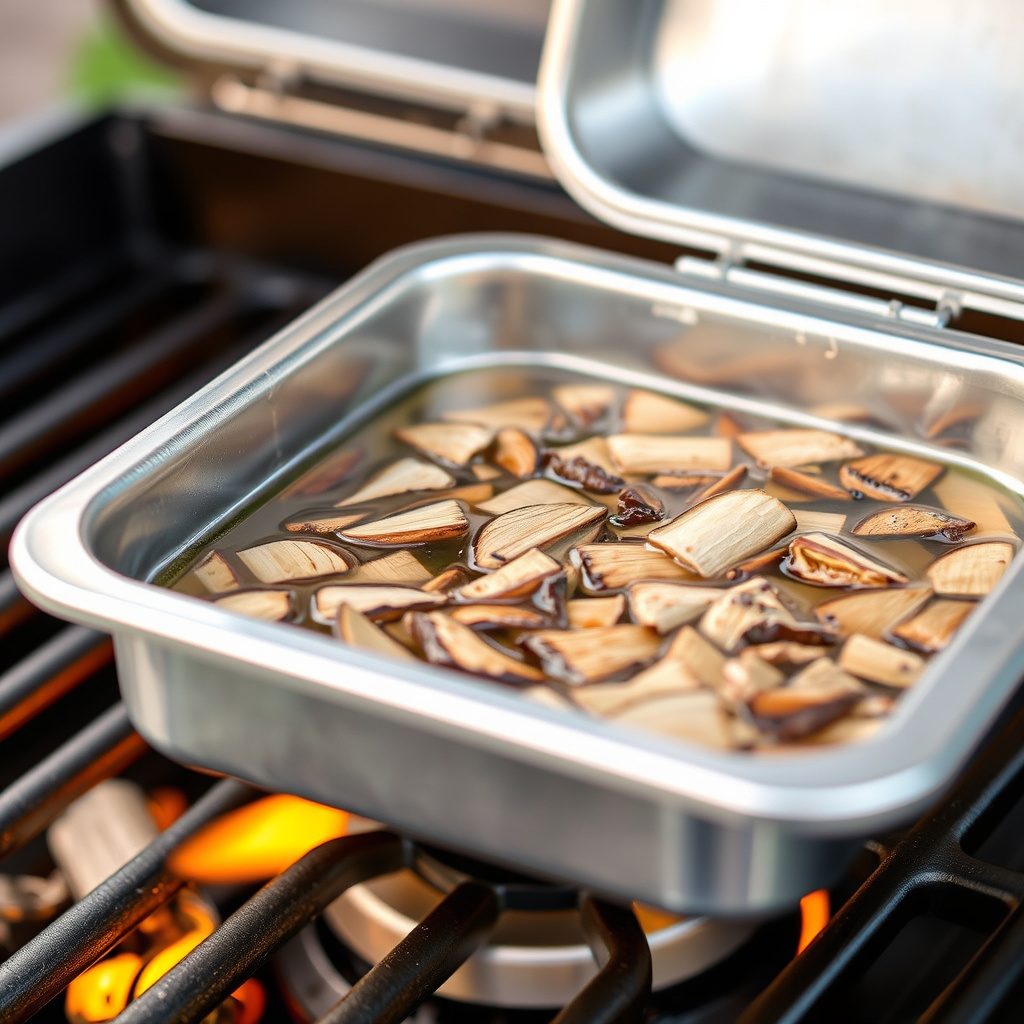
Select wood chips like hickory, mesquite, apple, or cherry based on the flavor you want. Soaking wood chips for 30 minutes helps them smolder longer and produce smoke rather than catching fire immediately, which is essential for a steady smoke flow inside the grill.
You can place soaked chips in a smoker box or wrap them in aluminum foil with holes poked to allow smoke to escape, positioning them directly over the lit burners.
- Hickory – strong, bacon-like flavor
- Apple – mild, sweet flavor
- Mesquite – intense, earthy flavor
- Cherry – fruity and slightly sweet
For more on this, see our related guide: Are Traeger Grills Worth It? An Honest Buying Guide.
Setting Up for Indirect Heat
Smoking requires indirect heat so the food cooks slowly. On a gas grill, turn on only one or two burners on one side, leaving the other side off to create an unlit cooking zone. The food is placed over the unlit side, away from direct flames.
Arrange drip pans under the food to catch fat drippings and help regulate heat. Keep the grill lid closed as much as possible to trap heat and smoke for consistent cooking.
- Use only one burner for low temp
- Place food on opposite side of lit burners
- Add water or broth in drip pan for moisture
Managing Temperature and Smoke Flow
Controlling Heat on a Gas Grill Smoker
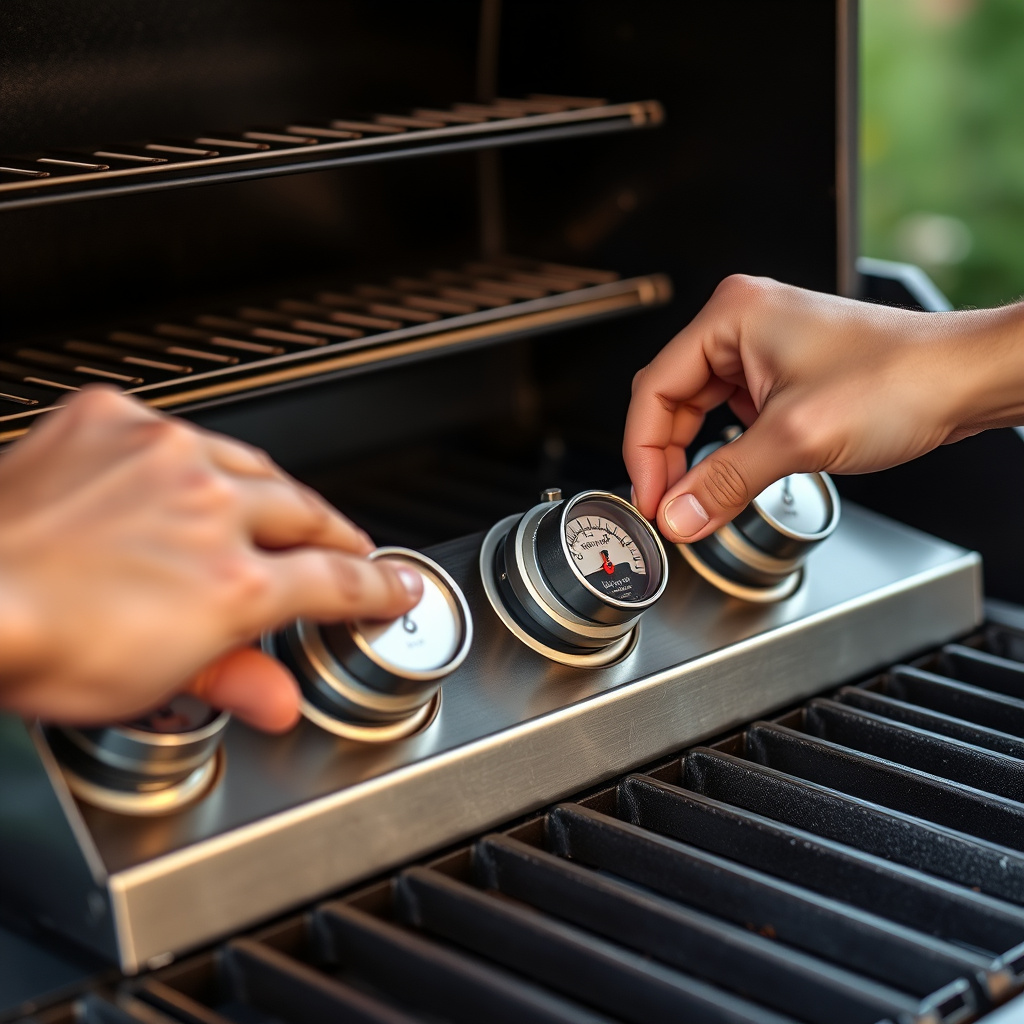
Maintaining a temperature between 225°F and 275°F is key for smoking. Adjust the burners carefully and use grill vents to fine-tune airflow. Opening vents increases oxygen flow and temperature; closing them lowers the heat.
Monitor temperature frequently with a reliable grill thermometer placed at grill grate level next to the food for best results.
- Keep grill lid closed
- Adjust burners in small increments
- Use vents to modify airflow carefully
Managing Smoke and Smoke Duration
To keep smoke steady without overpowering flavor, add small batches of wood chips as needed rather than all at once. Wet chips last longer but produce less intense smoke; dry chips ignite faster but can burn too quickly.
Cycling smoker boxes or foil packs every 30-45 minutes helps maintain a consistent smoke haze throughout the cooking process.
- Add chips gradually
- Avoid thick white smoke (causes bitterness)
- Replenish wood chips every 30-45 mins
Gas Grill Types and Their Smoking Suitability
Liquid Propane vs. Natural Gas Grills
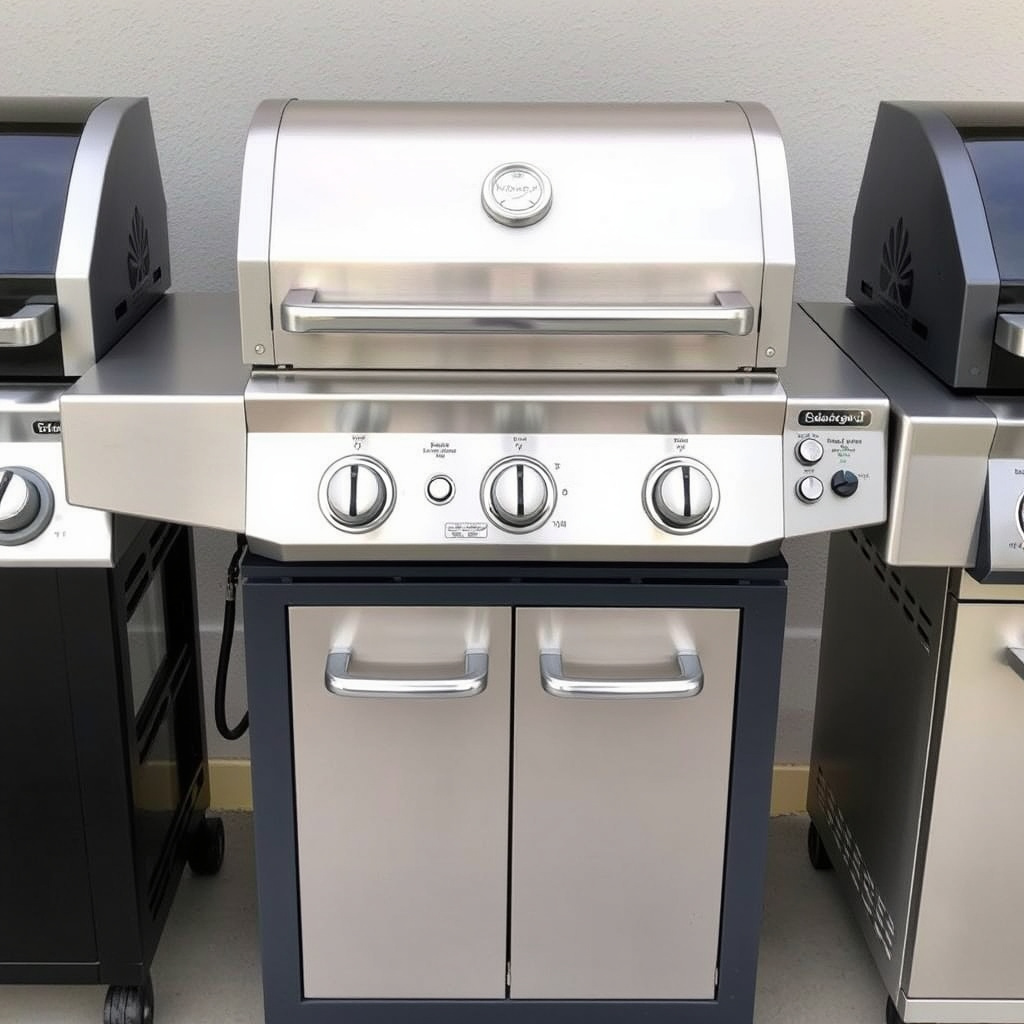
Liquid propane grills heat up quickly and are portable, making them popular for smoking in backyards or camping. Natural gas grills connect to a home line and offer unlimited fuel but require more stationary placement. Both can be adapted to smoke effectively with wood chips and indirect heat.
The fuel source does not affect smoke flavor but influences setup convenience and duration for long smokes.
For more on this, see our related guide: Are Kamado Grills Worth It? A Practical Guide to Their Value and Performance.
Two-Burner vs. Multi-Burner Gas Grills
Two-burner grills have a smaller cooking area but easier control over low heat for smoking. Multi-burner grills provide more flexibility to zone heat precisely, especially for larger quantities or varied temperature zones.
More burners offer better temperature management for long smoking sessions but require more practice to balance heat.
Tips and Tricks for Successful Smoking on a Gas Grill
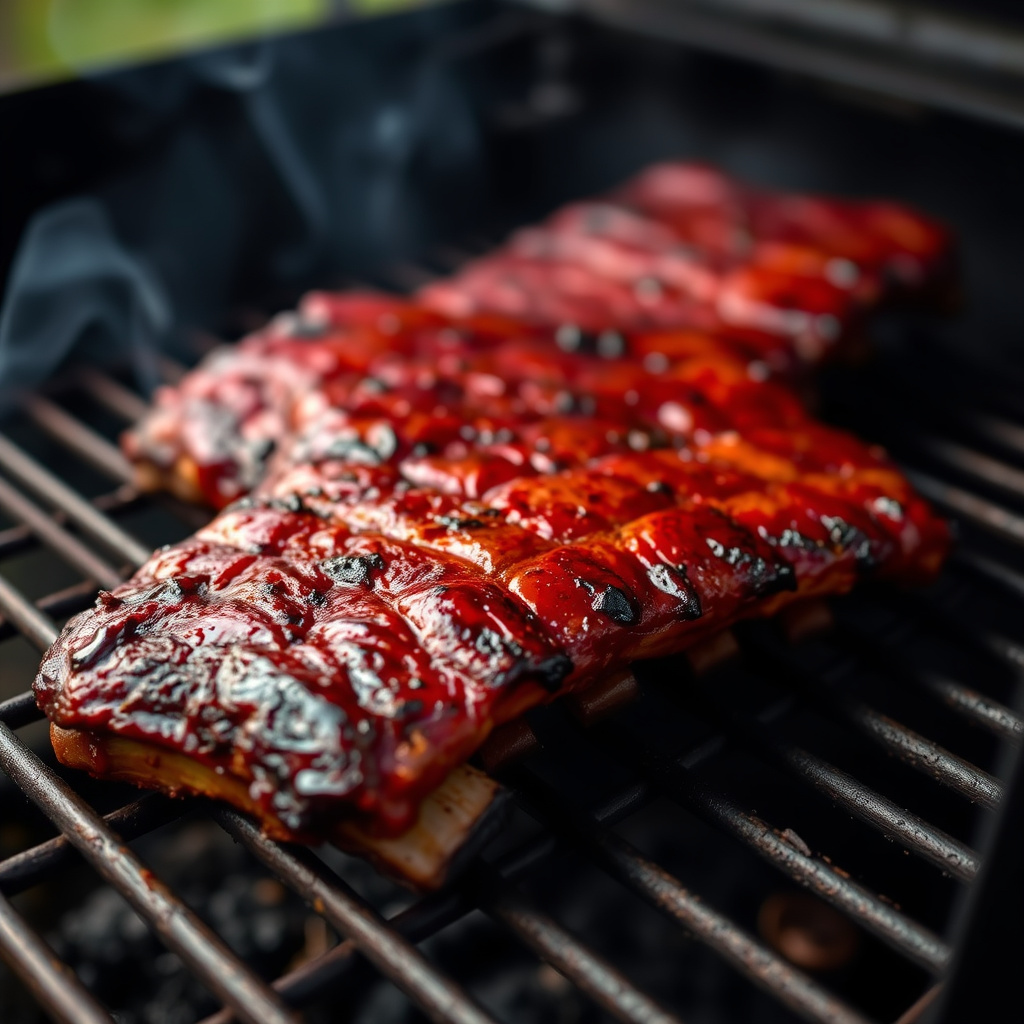
Using a Water Pan to Regulate Moisture
A water pan placed under the food adds moisture to the cooking environment, preventing meat from drying out during hours of smoking. It also helps stabilize the grill’s internal temperature by absorbing heat shifts.
Fill the pan with hot water or alternatives like apple juice for added flavor complexity.
For a broader understanding of smoking as a cooking method, see Smoking (cooking) details on Wikipedia. Smoking (cooking) details on Wikipedia.
Cleaning and Maintenance After Smoking
Smoke residue and grease can build up on grill grates and smokers boxes, affecting performance and taste. After smoking, clean grates thoroughly with a grill brush and empty drip pans to prevent flare-ups.
Inspect gas burners for clogs regularly to keep heat output consistent for future smoking or grilling.
Gas Grill Smoking Methods Comparison
This table compares common methods for using a gas grill as a smoker, highlighting ease, flavor, and setup.
| Method | Wood Chip Placement | Heat Control | Smoke Flavor Intensity | Setup Complexity |
|---|---|---|---|---|
| Smoker Box on Burner | Inside a metal box directly on burner | Good – precise heat control | Medium to High | Moderate |
| Foil Packet on Burner | Aluminum foil pouch poked with holes | Fair – less precise | Medium | Easy |
| On-Top of Lit Coals in Gas Grill | Wood chips on charcoal layer under grate | Variable | High | Complex |
| External Smoke Box Attachment | Separate box hooked to gas line | Excellent | Very High | Advanced |
Frequently Asked Questions
Can I use any type of wood chips in a gas grill smoker?
Yes, but hardwoods like hickory, apple, cherry, and mesquite are best for smoking. Avoid softwoods like pine that release resin and unfavorable flavors. Soaking chips before use helps create steady smoke.
How long can I smoke meat on a gas grill?
Smoking times vary by meat type and cut, typically from 1-12 hours. Maintaining a steady low heat between 225-275°F and managing smoke is key for tender, flavorful results.
Do I need a smoker box to use wood chips on my gas grill?
While a smoker box is convenient to hold wood chips and produce smoke evenly, you can also use foil packets or place chips directly on the grill if carefully monitored.
How do I prevent my gas grill from getting too hot while smoking?
Use indirect heat by turning off some burners and close the lid to trap heat. Adjust burner knobs and grill vents to lower the temperature and maintain a steady smoking environment.
Is it safe to use soaked wood chips on a gas grill?
Yes, soaking wood chips in water reduces flare-ups by causing them to smolder rather than ignite immediately, which results in better smoke production and safer grilling.
Key Takeaways
- A gas grill can be effectively used as a smoker with indirect heat and wood chips.
- Soaking wood chips and using smoker boxes help maintain consistent smoke.
- Temperature control and proper vent adjustment are vital for good smoking results.
- Different grill types offer varying ease and flexibility for smoking.
Conclusion
Adapting your gas grill to function as a smoker opens up new dimensions in outdoor cooking without investing in specialized equipment. The key is creating a controlled low-heat environment with indirect cooking and steady smoke generation. Attention to chip selection, burner management, and moisture control yields tender foods infused with authentic smoky aromas. This approach leverages a familiar appliance to deliver new culinary experiences at home.
For those starting smoking with a gas grill, simpler setups like a smoker box or foil packets on one burner offer an accessible entry point. Multi-burner grills allow fine temperature zoning for more elaborate smoking projects involving larger cuts or multiple items. Depending on your typical cooking style and grill capabilities, you can adjust the process to fit your needs, whether smoking ribs, brisket, or fish.
If you're ready to try smoking on your gas grill, begin with small batches and monitor temperature closely to develop your routine. Maintain your grill clean to maximize performance and flavor purity. With patience and practice, using your gas grill as a smoker transforms everyday barbecuing into a flavorful craft to enjoy year-round.



