An infrared grill is a type of outdoor cooking device that uses infrared technology to produce intense, direct heat for cooking food quickly and evenly. Unlike traditional grills that rely on convection heat or open flames, infrared grills generate radiant heat by heating a ceramic or metal plate, which then emits infrared radiation to sear food rapidly. This method minimizes flare-ups and provides consistent temperature control, perfect for steaks, burgers, and vegetables.
Infrared grills have gained popularity because they cook food faster and lock in juices without drying it out, making them ideal for anyone who values speed and flavor in their grilling. Additionally, these grills can reach very high temperatures, often exceeding 700 degrees Fahrenheit, which traditional gas or charcoal grills struggle to attain. This high heat capability creates a distinctive sear and caramelization on meats, resembling restaurant-quality grilling results at home.
This article will explain how infrared grills operate, discuss their main advantages and disadvantages, compare them with conventional grills, and guide you through the key features you should look for when selecting an infrared grill. You'll also find detailed comparisons of different grill types and answers to common questions to help you decide if an infrared grill matches your grilling style.
How Infrared Grills Work
Infrared Heating Technology
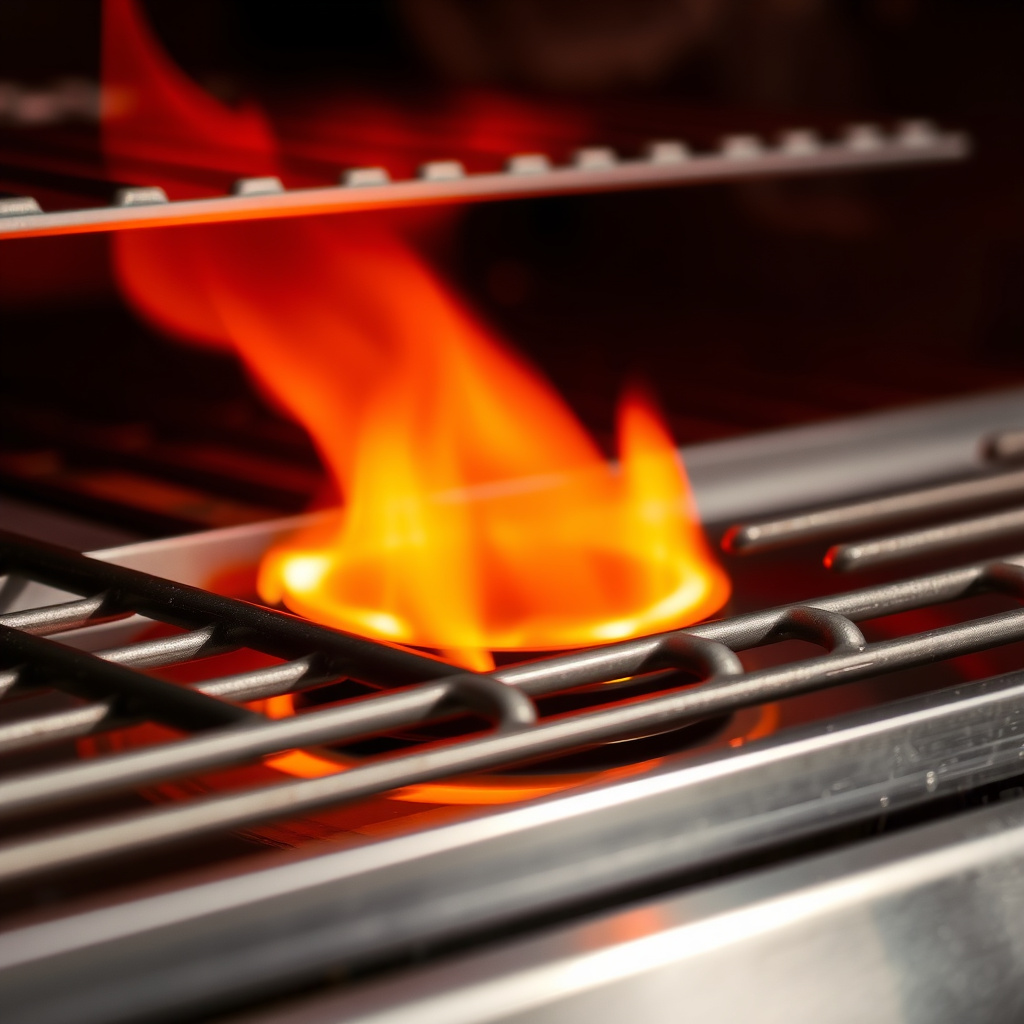
Infrared grills work by passing gas or electricity through a specialized ceramic or metal emitter plate, which then heats up and radiates infrared energy toward the food. This radiant heat cooks food faster and creates a strong sear while maintaining moisture inside. The process differs substantially from traditional grills, which heat air and rely on convection and conduction.
Because the ceramic plate absorbs and evenly distributes heat, infrared grills avoid hot spots and reduce flare-ups caused by dripping fat. This design allows for higher maximum temperatures and consistent heat distribution, which gives cooks more control over their grilling outcomes.
Components of an Infrared Grill
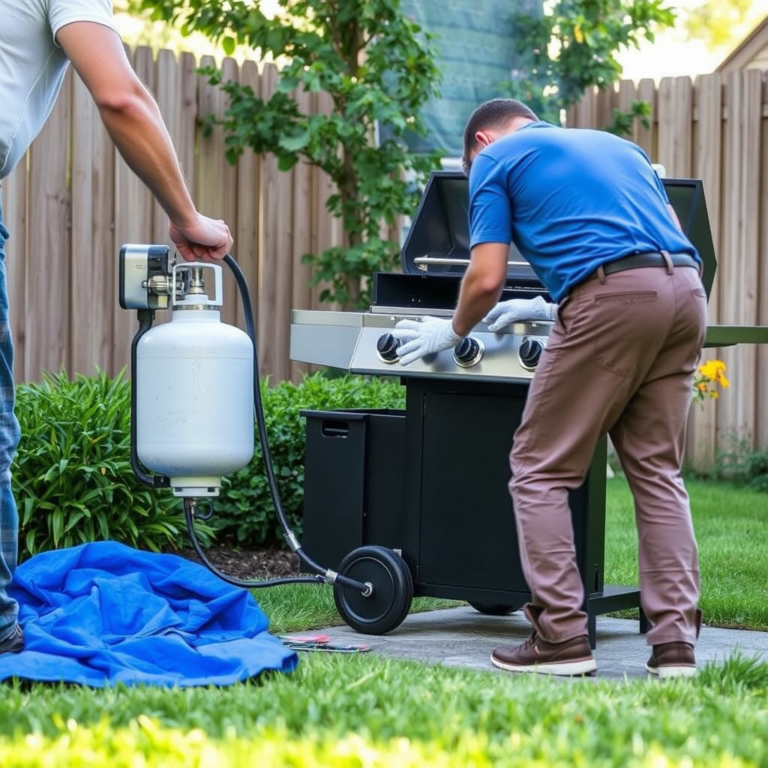
Most infrared grills consist of a fuel source, such as propane or natural gas; an infrared burner or plate that emits radiant heat; and a grilling surface like cast iron grates. Some models also incorporate additional features such as electronic ignition and temperature controls for precise adjustments.
The unique burner design is key to the infrared grill’s performance. Ceramic infrared burners resist rust and retain heat longer, whereas metal emitters heat up faster but may require more maintenance. Understanding these parts helps users maintain the grill and optimize its heat output.
Advantages of Infrared Grills
Faster Cooking and Even Heat
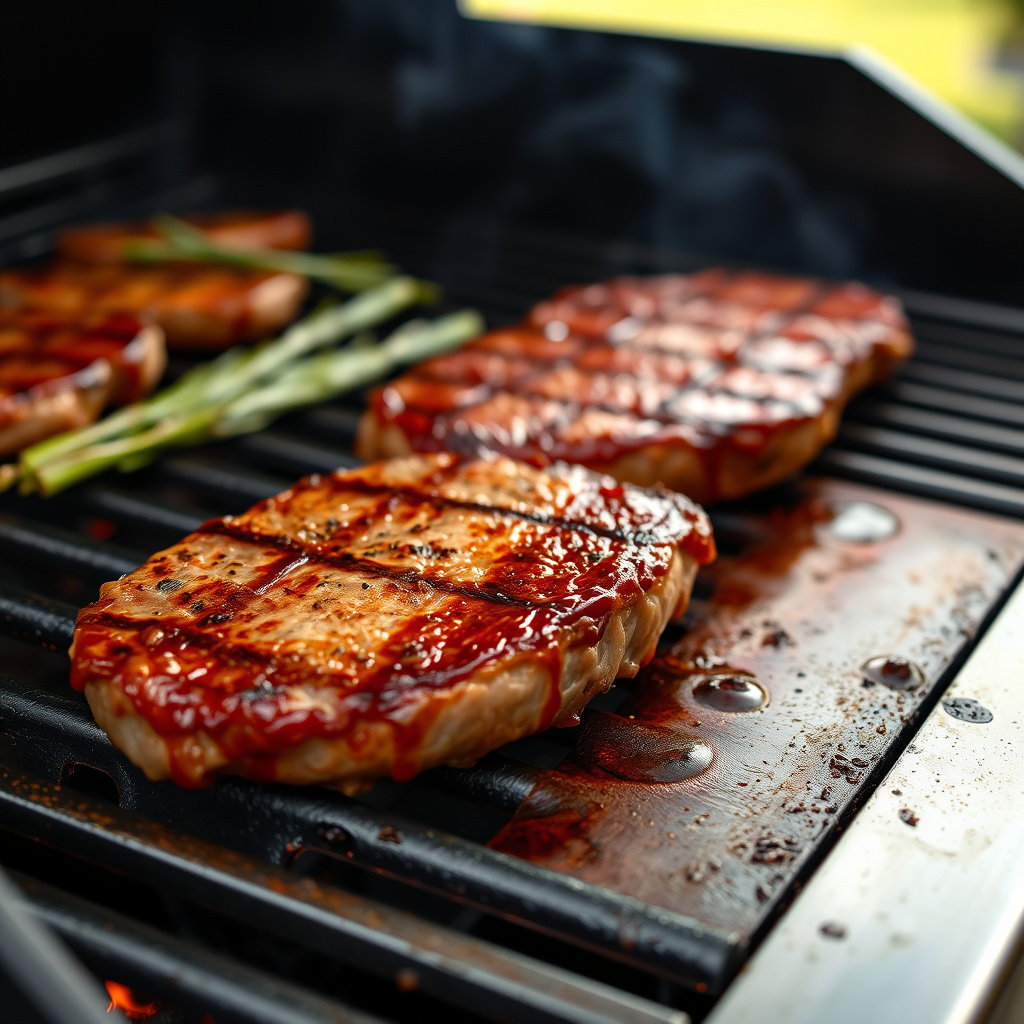
Infrared grills excel at accelerating cooking times by directly transferring heat through infrared radiation, which heats food faster than traditional grills that rely on air and flame conduction. This efficiency means less waiting and more evenly cooked meals.
The radiant heat penetrates food’s surface quickly, reducing drying and allowing for juicier results. Professionals appreciate this quality for cooking tender cuts rapidly without sacrificing texture or taste.
- Reaches high temperatures rapidly
- Even cooking with minimal hot spots
- Reduces flare-ups and burning
Enhanced Flavor and Nutrient Retention
The intense searing produced by infrared grills locks moisture and natural juices inside meats, giving dishes a rich, smoky flavor without charring or drying. Since infrared grills prevent flare-ups, the food absorbs less acrid smoke, resulting in a cleaner taste compared to some traditional charcoal setups.
Besides taste, the quick cooking preserves heat-sensitive nutrients often lost during long, slow cooking processes. This benefit can be especially appealing for vegetables and delicate proteins.
Disadvantages of Infrared Grills
Cost and Maintenance
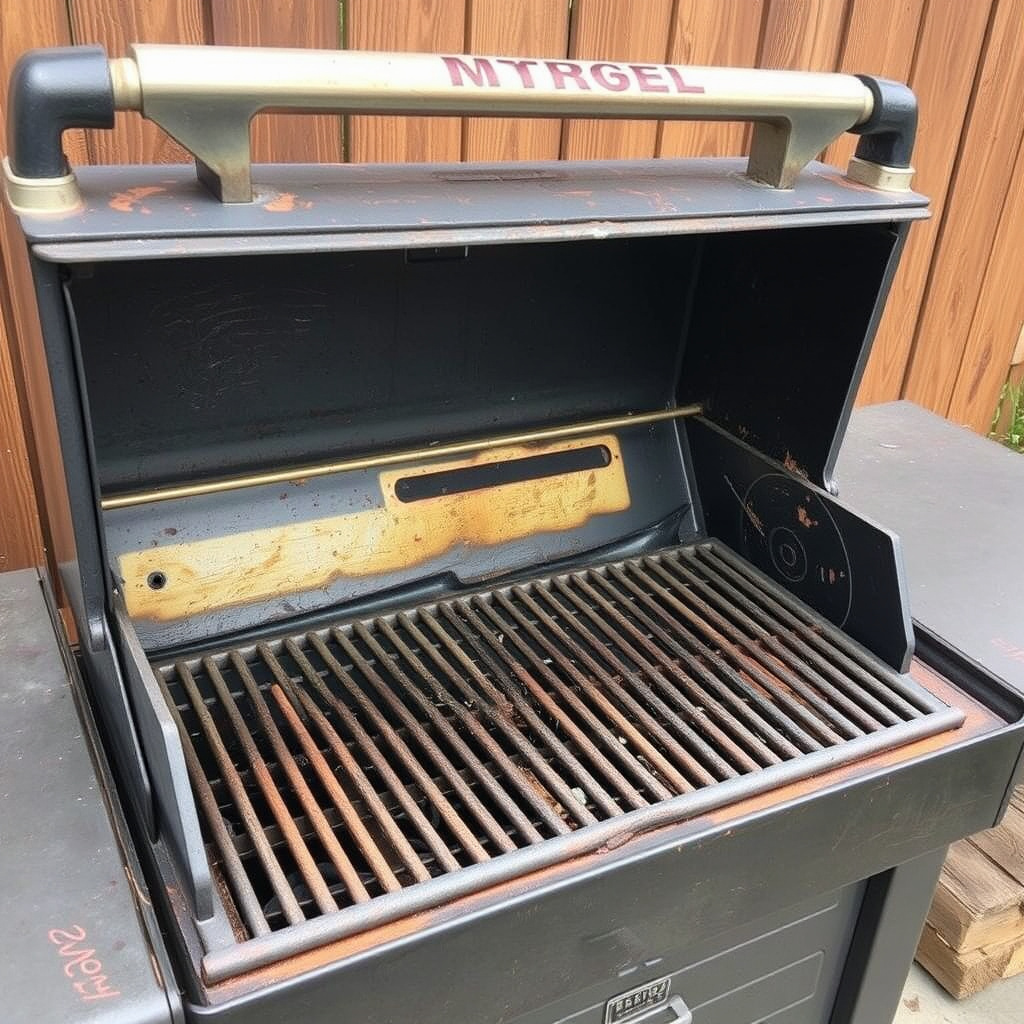
Infrared grills usually come at a higher upfront price than traditional gas or charcoal grills due to advanced burner technology. The ceramic components, while durable, may eventually need replacement and specialized cleaning to avoid clogging or cracking.
Additionally, repairs can be costlier if the infrared burner is damaged. Users should be prepared for these considerations when budgeting for an infrared grill purchase.
- Higher initial investment
- Occasional burner replacement
- Specialized maintenance needs
For more on this, see our related guide: What Is a Flat Top Grill? Understanding Its Uses and Benefits.
Learning Curve and Temperature Control
Because infrared grills produce intense and direct heat, inexperienced users might find it challenging to control cooking temperatures initially. Overcooking or burning can occur if food is left too long without attention, especially for thinner cuts or delicate ingredients.
Adjusting to the speed of infrared grilling and understanding temperature zones demands practice to fully benefit from the technology without waste.
Infrared Grills Compared to Traditional Grills
Heat Generation and Cooking Methods
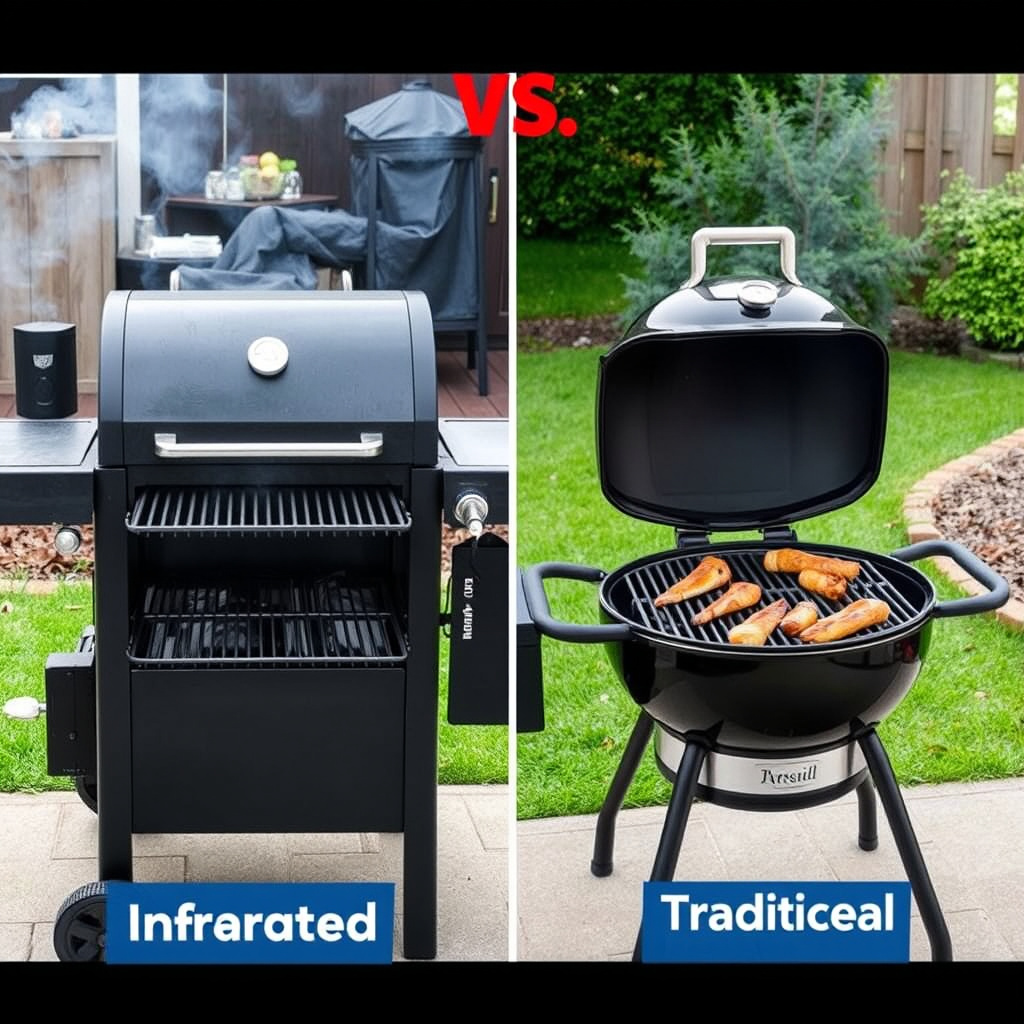
Traditional gas and charcoal grills cook by heating the air and grill grates, which then transfer heat to the food indirectly. Infrared grills bypass this step by radiating energy directly from the emitter to the food surface, creating higher and more instant heat.
This difference affects cooking speeds and the texture of grilled items, with infrared offering faster searing and grill marks while reducing flare-ups often caused by drippings onto flames.
Flavor and Smoke Characteristics
While charcoal grills impart a distinctive smoky flavor from burning wood or briquettes, infrared grills tend to produce cleaner flavors without much smoke, focusing on searing and moisture retention.
Gas grills are closer to infrared grills in flavor output but lack infrared’s high-temperature searing capability. Those who prefer pronounced smoky flavor might lean toward charcoal despite infrared’s speed advantages.
Choosing the Best Infrared Grill for Your Needs
Features to Look for in Infrared Grills
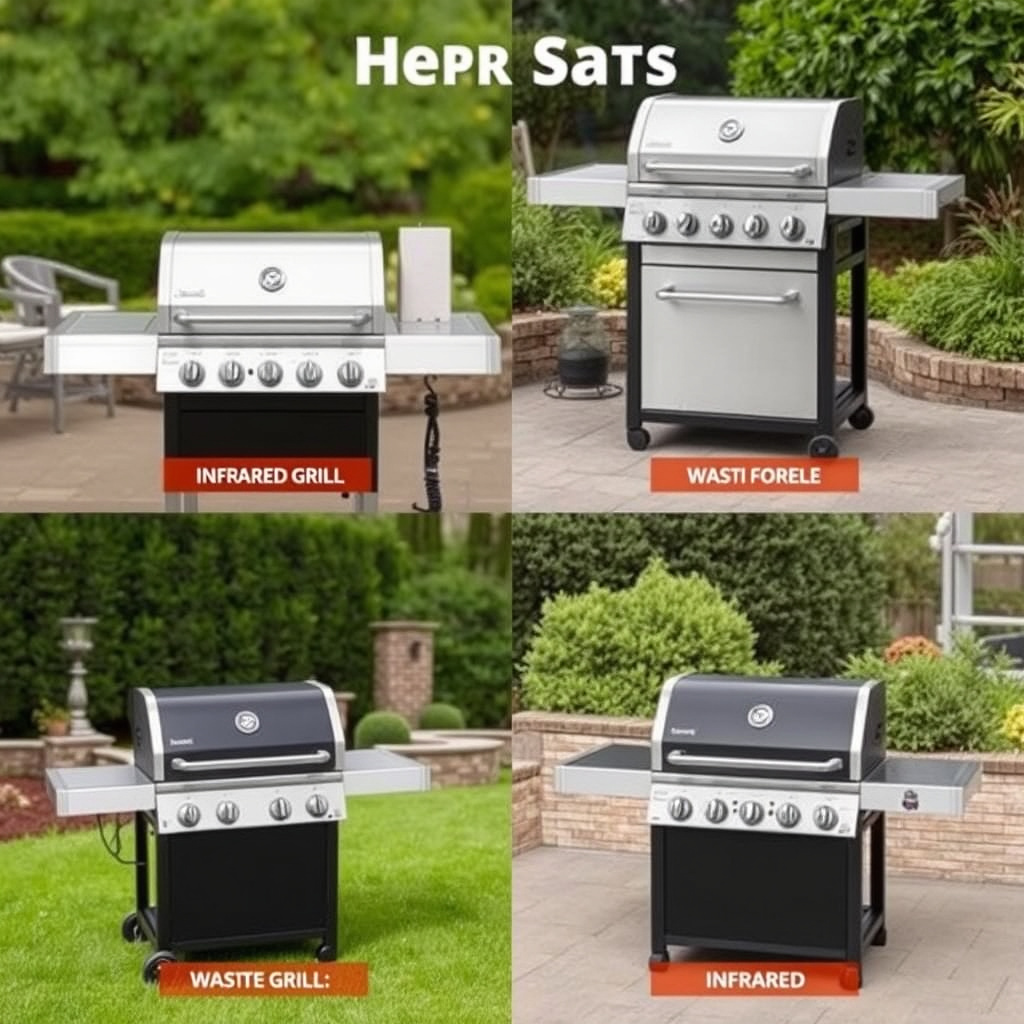
Key features include ceramic versus metal emitter plates, BTU output, grilling surface size, and additional burners for multi-zone cooking. Electronic ignition and adjustable temperature controls enhance convenience and precision during grilling.
Portability, build quality, and included accessories such as covers or rotisserie kits might also influence your choice based on your intended use and budget.
- Ceramic emitters for even heat retention
- High BTU ratings for faster searing
- Multi-zone burners for versatile cooking
For more on this, see our related guide: What Is a Gas Grill and How to Choose the Best One.
Popular Infrared Grill Models
Brands like Char-Broil, Kenmore, and Bulls offer various popular infrared grill options targeting home users seeking speed and flavor. For instance, the Char-Broil Performance TRU-Infrared grill provides balanced heat and large cooking area.
Bulls grills have premium ceramic burners with durable construction suited for serious grilling enthusiasts looking for long-lasting performance.
Caring for and Maintaining an Infrared Grill
Routine Cleaning Practices
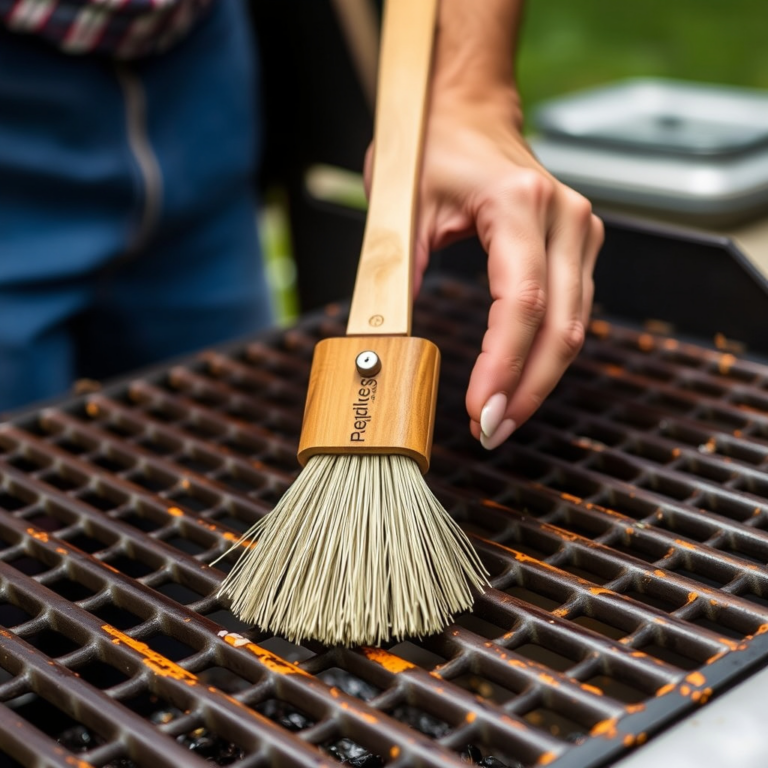
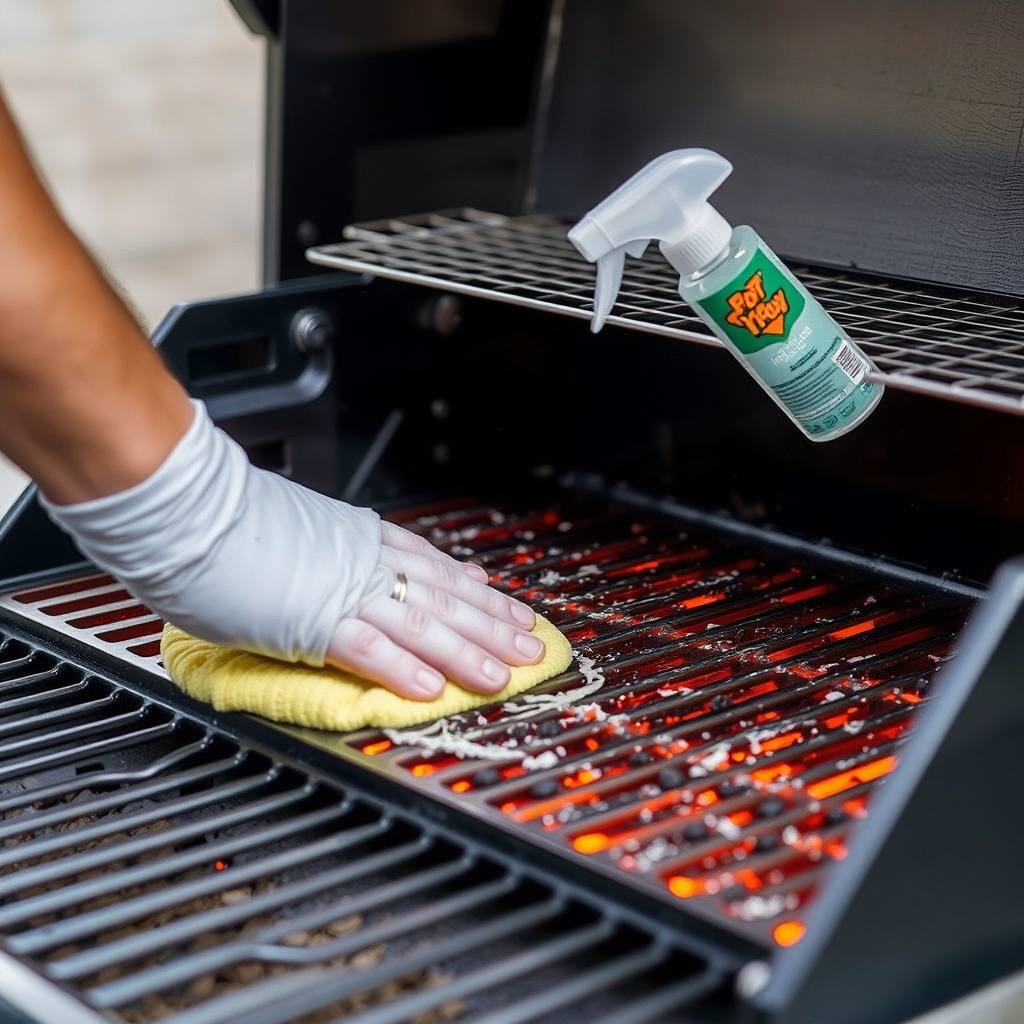
Cleaning the ceramic infrared burners regularly preserves their efficiency and lifespan. This involves gently brushing off spills and avoiding abrasive tools that might damage the emitter’s surface.
Grill grates should be cleaned after each use to prevent buildup and maintain sanitation. A light oiling can prevent rust and sticking during cooking.
- Use a soft grill brush on burners
- Clean grates after every cooking session
- Avoid harsh chemicals on ceramic plates
For more detailed scientific background on the principles behind infrared grill technology, you can visit this explanation. infrared grill technology.
Troubleshooting Common Issues
If burners fail to heat evenly or produce inconsistent flame patterns, checking gas flow and burner condition is essential. Sometimes clogging or cracks develop in ceramic plates that require replacement parts.
Electronic ignition malfunctions may require battery replacement or professional servicing, depending on grill model.
Infrared Grill vs. Gas and Charcoal Grill Comparison
Below is a comparison of infrared grills alongside traditional gas and charcoal grills based on key grilling factors to help you decide which type fits your style best.
| Category | Infrared Grill | Gas Grill | Charcoal Grill |
|---|---|---|---|
| Heat Source | Radiant Infrared Burner | Burning Gas Flames | Burning Charcoal Coals |
| Max Temperature | 700+ °F | 500-600 °F | 600-700 °F |
| Cooking Speed | Fast (direct heat) | Moderate | Slower |
| Flavor Profile | Clean, Juicy, Sear Focused | Clean, Mild Smoke | Strong Smoky Flavor |
| Maintenance | Moderate (burner care) | Low | High (ash cleanup) |
| Price | Mid to High | Low to Mid | Low to Mid |
Frequently Asked Questions
Can you use charcoal in an infrared grill?
Infrared grills are designed to use gas or electric burners with infrared emitters and are not compatible with charcoal. For charcoal cooking, a traditional charcoal grill is necessary.
Do infrared grills use less gas than traditional gas grills?
Infrared grills are generally more fuel-efficient because they cook food faster and maintain heat longer, which can lead to less gas consumption overall during cooking sessions.
Are infrared grills suitable for slow cooking and smoking?
Infrared grills excel at high-heat searing but are not ideal for slow cooking or smoking, which require lower temperatures and slower airflow control.
How do I clean the ceramic burners on my infrared grill?
To clean ceramic infrared burners, gently brush off food residue with a soft grill brush after each use, avoiding abrasive tools or harsh chemicals to prevent damage.
Are infrared grills good for outdoor parties and gatherings?
Yes, infrared grills heat quickly and provide consistent cooking, making them great for entertaining guests with fast and flavorful meals.
Key Takeaways
- Infrared grills use radiant heat for fast, even cooking with intense searing.
- They retain moisture better, producing juicy, flavorful results.
- Maintenance includes careful cleaning of ceramic burners and occasional replacements.
- Ideal for high-heat grilling but less suitable for smoking or slow cooking.
Conclusion
Choosing an infrared grill involves balancing your priorities around cooking speed, flavor, and maintenance. These grills uniquely apply radiant heat through ceramic or metal emitters, allowing you to reach higher temperatures faster than traditional gas or charcoal grills. Understanding their operation and potential drawbacks like cost and upkeep informs a well-rounded decision that suits your culinary preferences and outdoor lifestyle.
If you prioritize fast searing and juicy results, an infrared grill shines especially in scenarios such as grilling steaks or vegetables quickly for a small gathering. Models with ceramic burners deliver durability and even heat, while simpler metal-emitter designs appeal to those valuing speed over longevity. However, charcoal grill enthusiasts who seek smoky flavor may prefer sticking to traditional methods despite the slower cooking time. Gas grills remain a versatile middle-ground option.
For those willing to invest in a high-performance, innovative grill that can elevate quick outdoor cooking, starting with a well-reviewed model like the Char-Broil Performance TRU-Infrared can be a practical approach. Experimenting with temperature zones and cookware accessories further enhances your grilling experience. Always maintain your grill carefully to preserve its infrared technology’s benefits and enjoy flavorful meals for years to come.