
If your gas grill is not getting hot, common causes include clogged burners, low propane levels, or faulty ignition systems. These issues disrupt fuel flow or ignition, preventing the grill from reaching the desired temperature.
Gas grills depend on several components working together to generate heat: fuel supply, air mixture, ignition, and burner function. Problems in any of these areas can hamper heat output, leaving you frustrated when your grill fails to reach cooking temperatures.
This article will explore common reasons why your gas grill is not heating properly, how to diagnose these problems, and practical steps to restore full heat. From inspecting propane tanks to cleaning clogged burner ports, you’ll find clear guidance to get your grill firing up again.
Fuel Supply Issues: Why Your Gas Grill Isn’t Getting Hot
Low or Empty Propane Tank
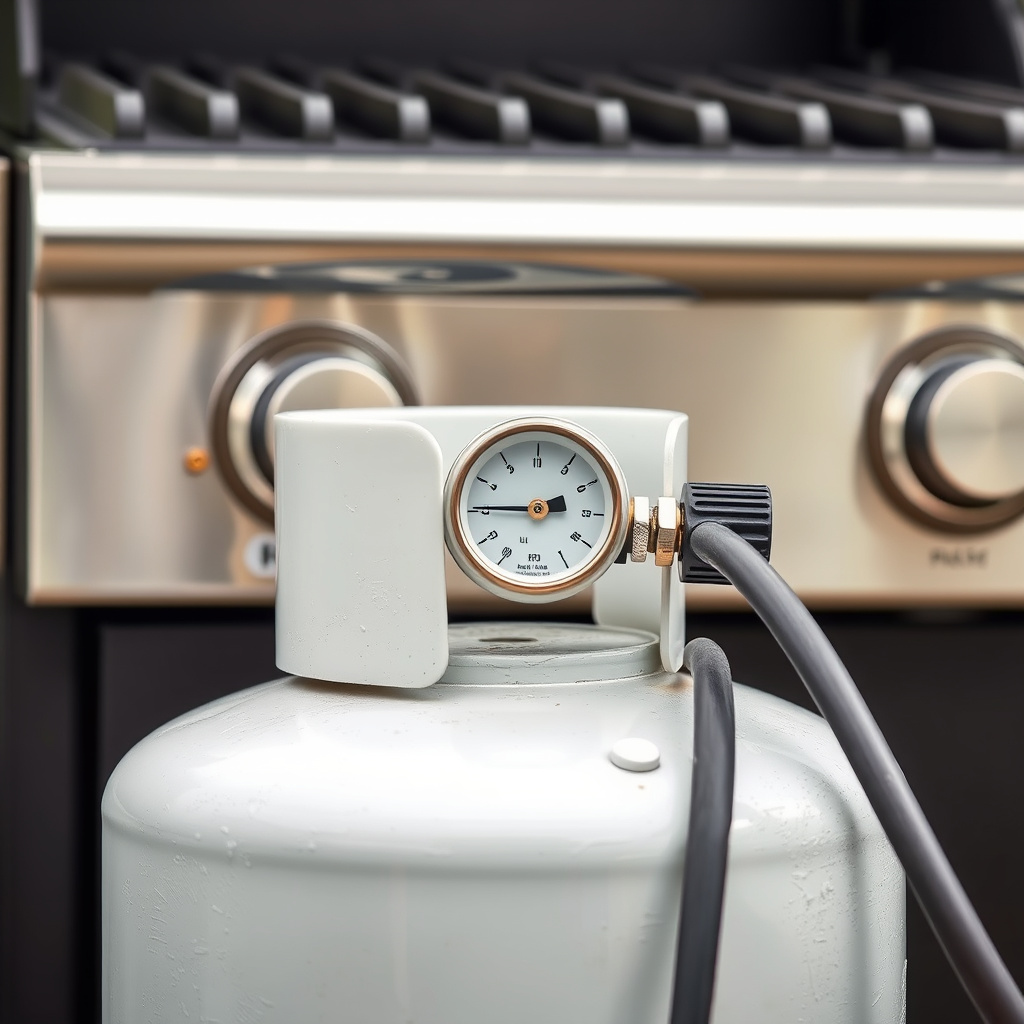
A common reason for inadequate grill heat is a low or empty propane tank. When the tank runs low, gas pressure drops, reducing burner flame size and heat output. Always check the tank level before grilling and replace or refill if needed.
Using a soapy water solution on the connection points can reveal leaks by producing bubbles. If leaks are detected, tighten or replace faulty hoses to maintain consistent fuel flow.
- Monitor propane levels regularly
- Replace tanks that are empty or near empty
- Inspect hoses for leaks or damage
Faulty Pressure Regulator
The pressure regulator controls gas flow from the tank to the burners. A malfunctioning regulator can cause low flames or no heat at all. Symptoms may include irregular flame patterns or burners that won’t stay lit.
Testing the regulator involves temporarily attaching a known working regulator or checking for consistent gas flow. Replacing a faulty regulator is usually straightforward and restores proper heating.
- Look for uneven burner flames
- Test with a backup regulator
- Replace regulator if faulty
Burner and Ignition Problems Affecting Heat Output
Clogged Burner Ports
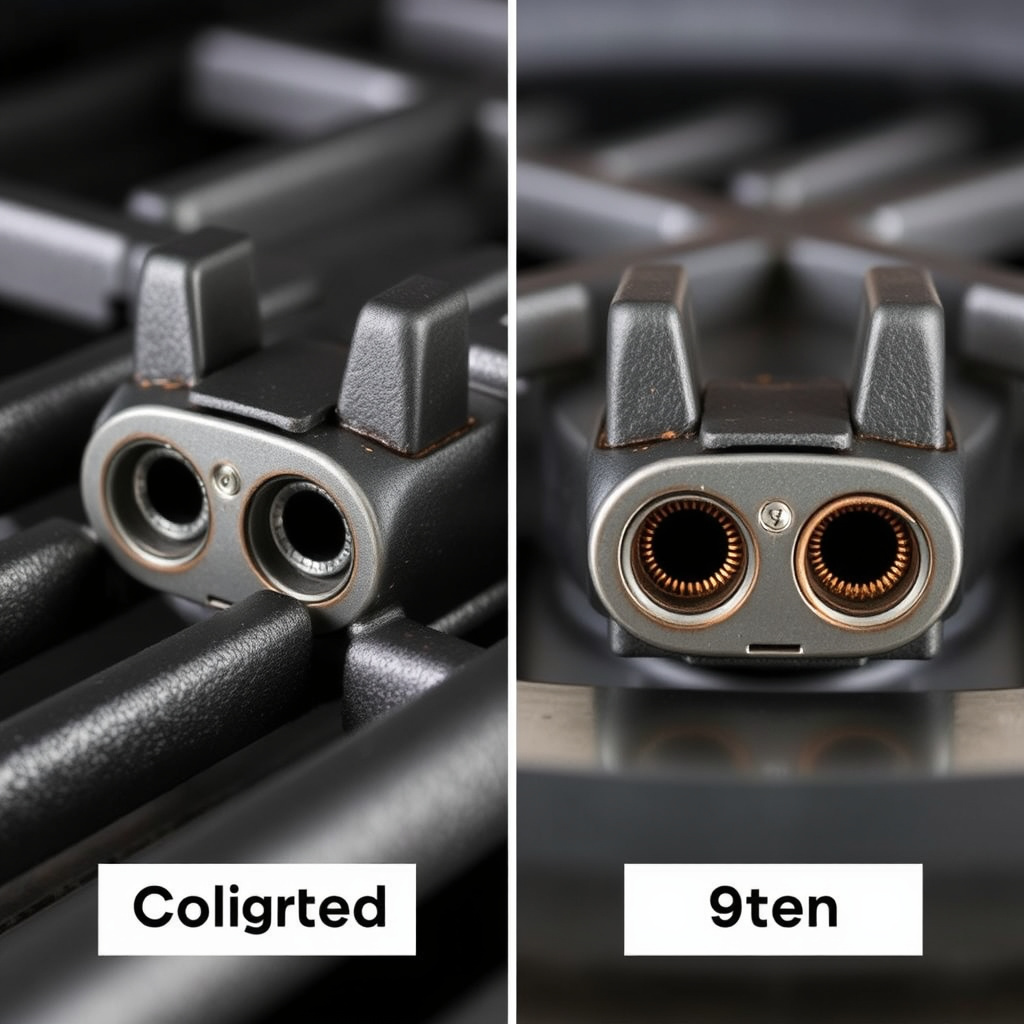
Burner ports can become clogged with grease, debris, or insect nests, limiting gas flow and flame size. This reduces the grill’s ability to get hot and cook food evenly.
Cleaning burner tubes with a wire brush and clearing blocked holes allows fuel to flow freely. Inspect burners regularly and clean after heavy use or before each grilling season.
- Remove burners carefully before cleaning
- Use a pipe cleaner or wire brush for clogged holes
- Avoid damaging burner tubes
For more on this, see our related guide: Can You Use a Gas Grill as a Smoker? Practical Tips and Techniques.
Ignition System Failures
If the burners won’t ignite or struggle to catch, the ignition system may be faulty. This includes issues with battery-powered sparkers, wiring, or electrode corrosion.
Manually lighting the grill with a long match can confirm if burners are functional. Repair or replace ignition components if sparks are weak or absent for reliable startups.
- Check battery in electronic igniter
- Inspect wiring connections
- Clean electrode tips with fine sandpaper
Ventilation and Airflow Factors Impacting Gas Grill Heating
Improper Air-to-Gas Ratio
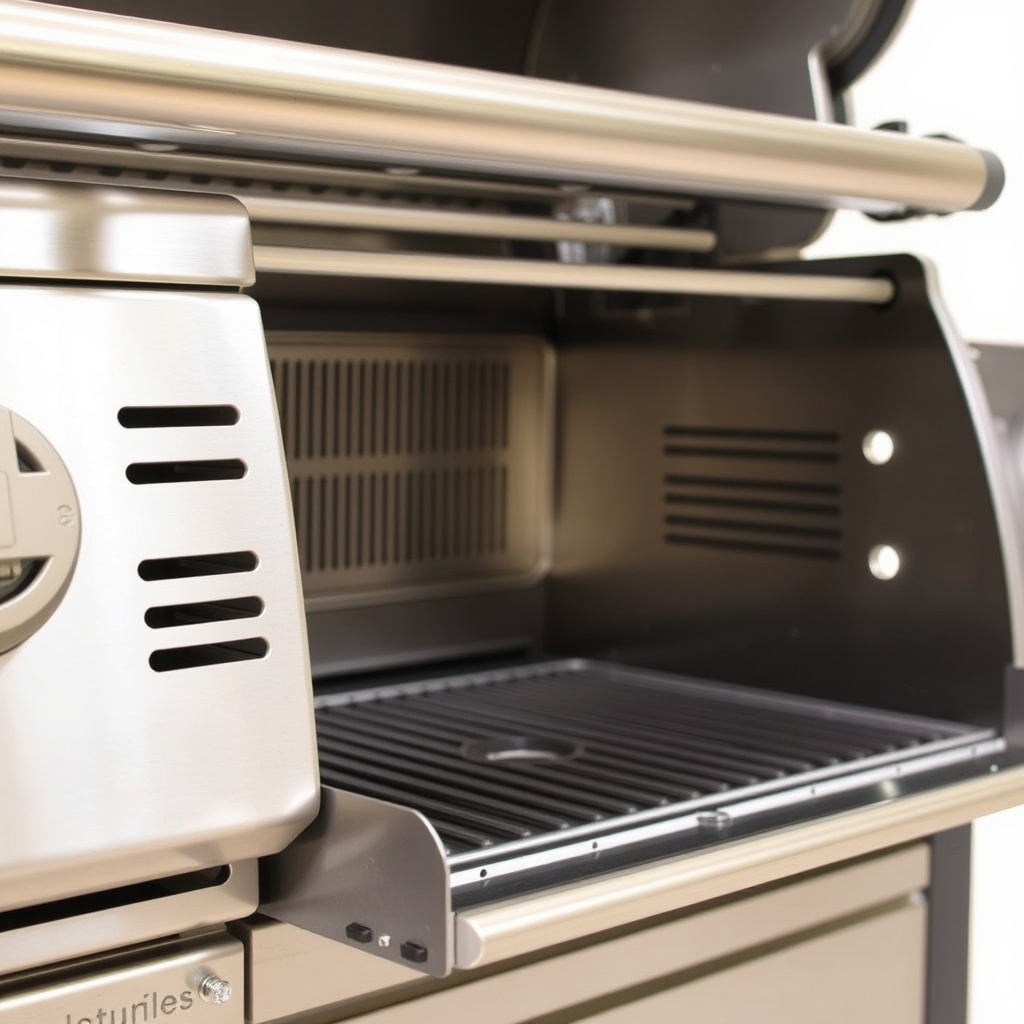
Gas grills require a balanced air-to-gas mixture for clean, hot flames. Restricted airflow due to blocked vents or dirty burners can cause weak flames and reduced heat.
Checking and adjusting air shutters or vents allows oxygen in to support efficient combustion and consistent temperatures.
- Locate adjustable air shutters near burners
- Clear any debris blocking vents
- Adjust openings incrementally for optimal flame
Wind and Ambient Temperature Effects
Wind can interfere with burner flames, blowing them out or cooling the grill surface. Similarly, cold ambient temperatures extend heating times or limit maximum temperature achieved.
Position your grill out of direct wind and consider a grill cover or windbreak to stabilize heat during colder days.
- Avoid grilling on windy days if possible
- Use windbreak barriers when needed
- Preheat grill longer in cold weather
Maintenance Practices to Keep Your Gas Grill Heating Properly
Regular Cleaning of Burners and Grill Interior
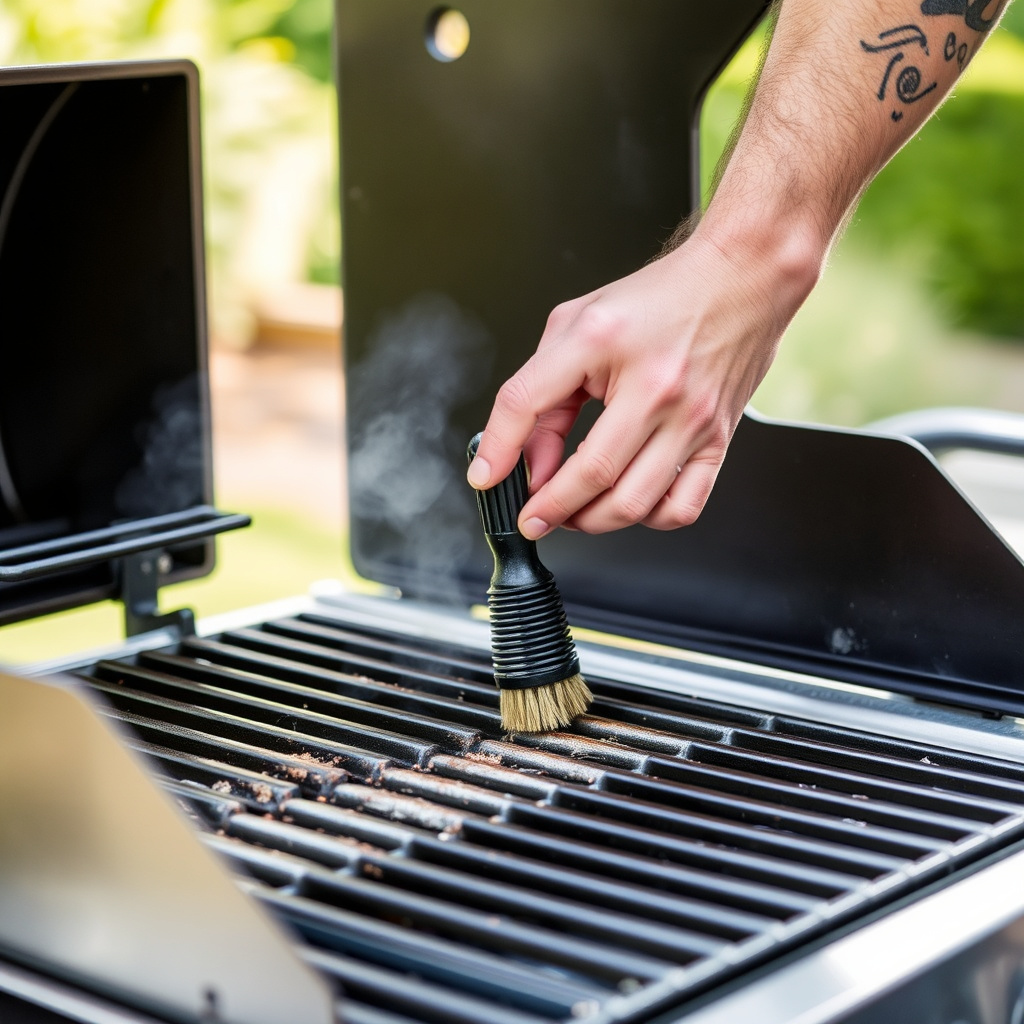
Grease buildup, ash, and food residue inside the grill can clog burners and restrict heat distribution. Routine deep cleaning maintains efficient burner function and proper heat levels.
Remove grates and burners during cleaning, brush away debris, and wash drip trays. This improves airflow and prevents flare-ups that affect cooking temperatures.
- Clean after every grilling session
- Deep clean burners before grilling season
- Empty and clean grease trays frequently
For more on this, see our related guide: What Is the Best Temperature for Grilling: A Practical Guide.
Inspecting and Replacing Worn Parts
Components like burner tubes, valves, ignition parts, and hoses wear out over time, causing heating problems. Regular inspections can catch issues early before heat output is compromised.
Replace damaged or corroded parts promptly to maintain safe operation and consistent temperatures.
- Look for rust, cracks, or holes in burners
- Check gas hoses for brittleness or leaks
- Replace old ignition systems if unreliable
Advanced Troubleshooting of Gas Grill Heating Problems
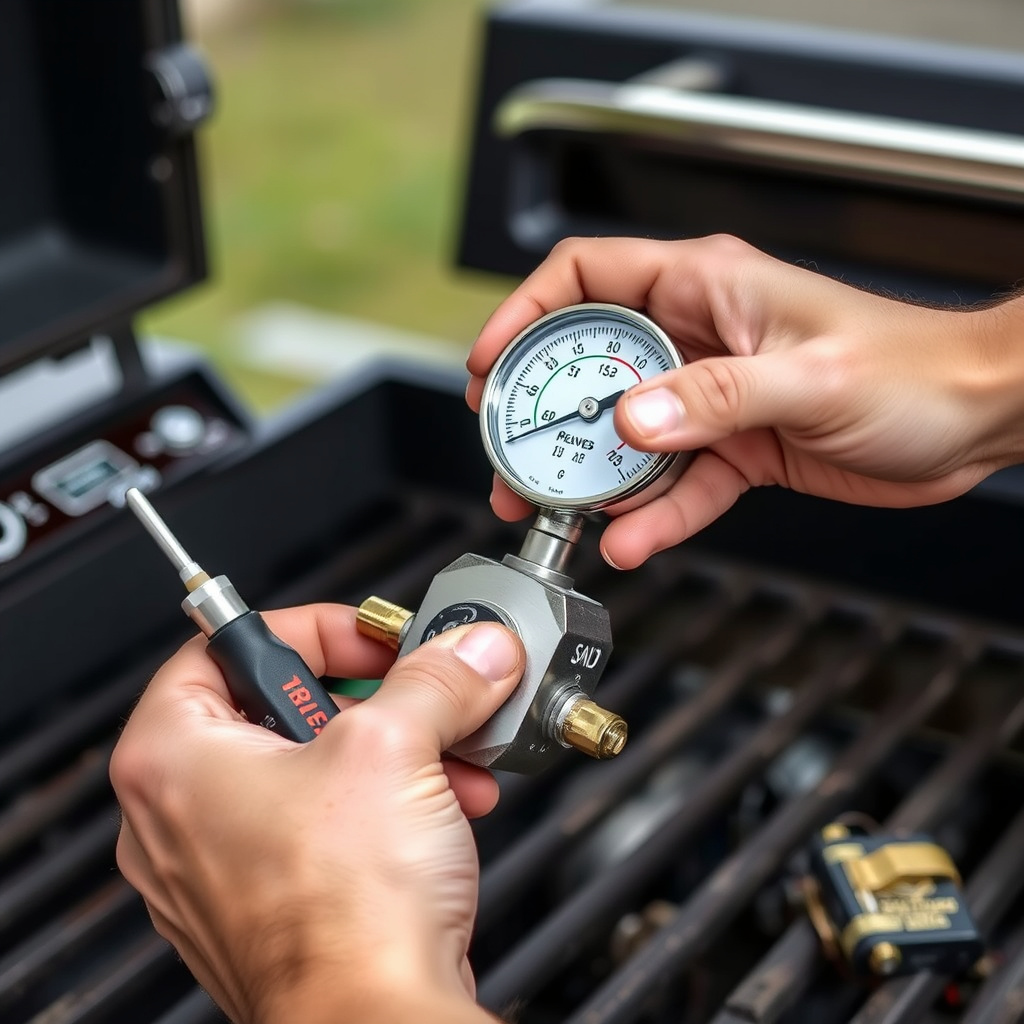
Using Pressure Gauges and Leak Detectors
Testing gas pressure downstream from the tank with a pressure gauge reveals if regulators or valves are restricting flow. Leak detectors help pinpoint escaping gas that reduces burner heat.
Systematic testing identifies hidden faults beyond simple visual inspections, leading to precise repairs.
- Attach pressure gauge at regulator connection
- Apply soap solution to leak test connections
- Observe any bubbles indicating leaks
For additional details on keeping your gas grill in good working order, refer to this comprehensive guide on gas grill maintenance. Gas grill maintenance.
When to Consult Professional Repair Services
If basic troubleshooting fails or you’re uncomfortable working with gas components, professional repair services provide safe diagnostics and repairs. Experts can replace internal valves or regulators requiring specialized tools.
Regular professional checkups extend grill lifespan and ensure reliable heating performance year-round.
- Seek help if burner flames remain weak after cleaning
- Consult pros for complex regulator or valve repairs
- Schedule annual service for heavy-use grills
Gas Grill Heating Problem Categories Compared
Here’s a comparison of common gas grill heating issues, highlighting symptoms, causes, and basic fixes.
| Problem Category | Common Symptoms | Probable Causes | Basic Fixes |
|---|---|---|---|
| Fuel Supply Issues | Low flame, grill won’t reach high heat | Empty propane tank, faulty regulator | Refill tank, replace regulator |
| Burner Clogs | Uneven or small flames, cold spots | Grease/insect buildup in ports | Clean burners with wire brush |
| Ignition Failures | No spark, burners won’t light | Dead igniter battery, corroded electrodes | Replace battery, clean electrodes |
| Airflow Problems | Yellow flames, fluctuating temperature | Blocked air vents, wind interference | Adjust vents, shield grill from wind |
| Maintenance Neglect | Poor heat, flare-ups | Grease buildup, worn parts | Regular cleaning and replace parts |
Frequently Asked Questions
Why does my gas grill have a weak flame?
A weak flame usually results from low propane pressure, clogged burner ports, or an improperly adjusted air shutter restricting oxygen flow to the burner flame.
How often should I clean my gas grill burners?
You should clean grill burners at least once per grilling season or more frequently if you use your grill often to prevent grease and debris buildup that reduces heat.
Can I use my gas grill if the ignition isn’t working?
Yes, you can manually light the burners with a long match or lighter if the ignition fails, but it’s best to fix the ignition system for safe, convenient use.
What signs indicate a faulty gas regulator?
Indicators of a bad regulator include uneven burner flames, low heat output, and burners that won’t stay lit or flare unexpectedly.
Is it safe to repair gas grill components myself?
Basic cleaning and simple replacements are safe DIY tasks, but repairs involving gas valves or regulators should be handled by professionals to avoid gas leaks and hazards.
Key Takeaways
- Low propane or faulty regulators often cause grills not to get hot.
- Clogged burner ports restrict gas flow and reduce heat output.
- Proper airflow and clean burners support strong, consistent flames.
- Regular maintenance prevents many common gas grill heating problems.
Conclusion
Understanding why your gas grill is not getting hot involves examining fuel supply, burner condition, ignition system, and airflow. Identifying the root cause by inspecting propane levels, checking burner cleanliness, and testing ignition components will help restore normal heating quickly. Regular care ensures the grill operates at its best over time.
For simple fixes, replace empty propane tanks, clean clogged burner ports, and test or replace ignition batteries yourself. If issues involve the pressure regulator or more complex parts, consider professional repair services. Different problems need different approaches—fuel supply issues require different repairs than airflow or ignition failures.
Next time your grill won’t reach the right temperature, use the troubleshooting tips shared here to diagnose the problem. Start by checking your fuel source, then burners, and ignition system sequentially. This methodical approach saves time and frustration, helping you enjoy perfectly grilled meals on demand.



